BAR SUR Tango Show
On the corner of Estados Unidos and Balcarce in San Telmo, Bar Sur is one of Buenos Aires' long-established tango show venues, placing the dance in its original neighbourhood context rather than a tourist-facing theatre. The format pairs live performance with Argentine food and wine, making it a reference point for understanding tango as social culture rather than spectacle.

Pearl is the En Primeur Club membership app — saves, bookings, and concierge access live there. Same editors, same standards.
- Address
- Estados Unidos 299, C1101 Cdad. Autónoma de Buenos Aires, Argentina
- Phone
- +54 11 5040 8118
- Website
- bar-sur.com.ar
- Directions
- Get directions
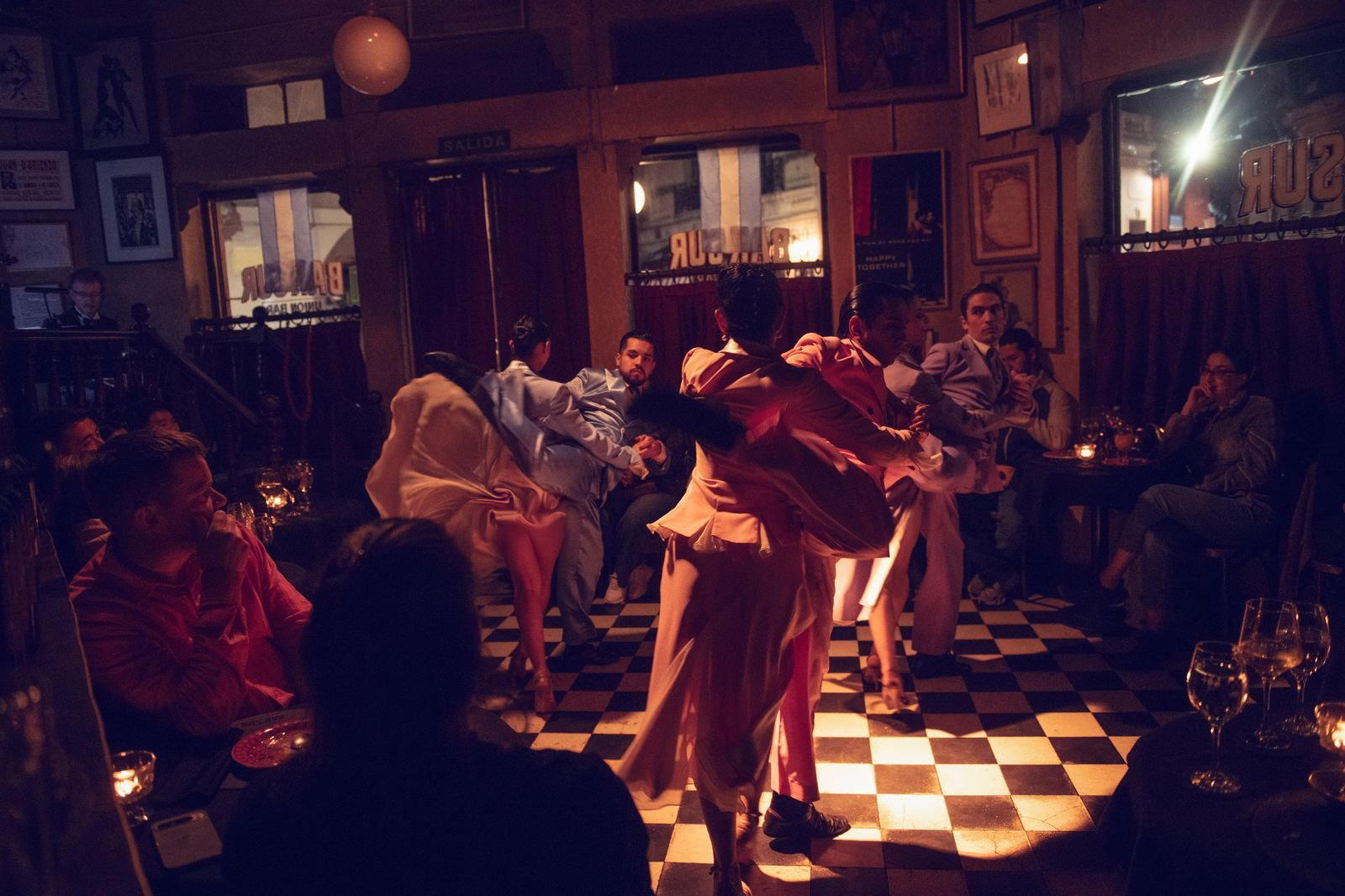
San Telmo and the Original Geography of Tango
Tango did not originate in a concert hall. It developed in the conventillos and street corners of San Telmo and La Boca in the late nineteenth century, carried by immigrant communities from Italy, Spain, and West Africa who turned port-district tension into choreography. The dance was, from the beginning, inseparable from the places that produced it. Bar Sur, located at the corner of Estados Unidos 299 in San Telmo, operates inside that original geography rather than at a remove from it. That address matters: San Telmo remains Buenos Aires' most intact nineteenth-century barrio, and attending a tango show here carries a different register than the larger, purpose-built venues that populate tourist itineraries on Avenida de Mayo or along the waterfront.
This is the editorial argument for placing tango in its source neighbourhood. The cobblestone streets and colonial facades of San Telmo are not decorative backdrop; they are the actual built environment in which the dance form gestured toward legitimacy after decades of being considered too working-class for Buenos Aires' European-aspiring upper crust. Venues that operate within this district pull from that historical weight in a way that larger, more theatrical productions do not.
What the Show Format Reveals About Tango's Social Structure
Buenos Aires tango venues broadly divide into two categories: the high-capacity dinner-theatre model, where hundreds of tourists watch from assigned tables while a cast performs choreographed sequences on a lit stage, and the smaller, more intimate format associated with the milonga tradition, where the line between performer and audience is deliberately narrow. Bar Sur occupies the second register. The room is small enough that the distinction between dancer and spectator collapses at moments, which is closer to how tango actually functions as a social form.
This matters because the choreography in a large-scale production is designed to be watched from a distance, which means it is optimised for visual drama over subtlety. The leading and following dynamic that defines tango at the social level, the small improvisations within a fixed embrace, becomes legible only when you are close enough to observe the interaction between partners rather than the outline of the steps. Bar Sur's format, like that of a handful of comparable San Telmo venues, preserves that intimacy as a structural feature rather than an incidental one.
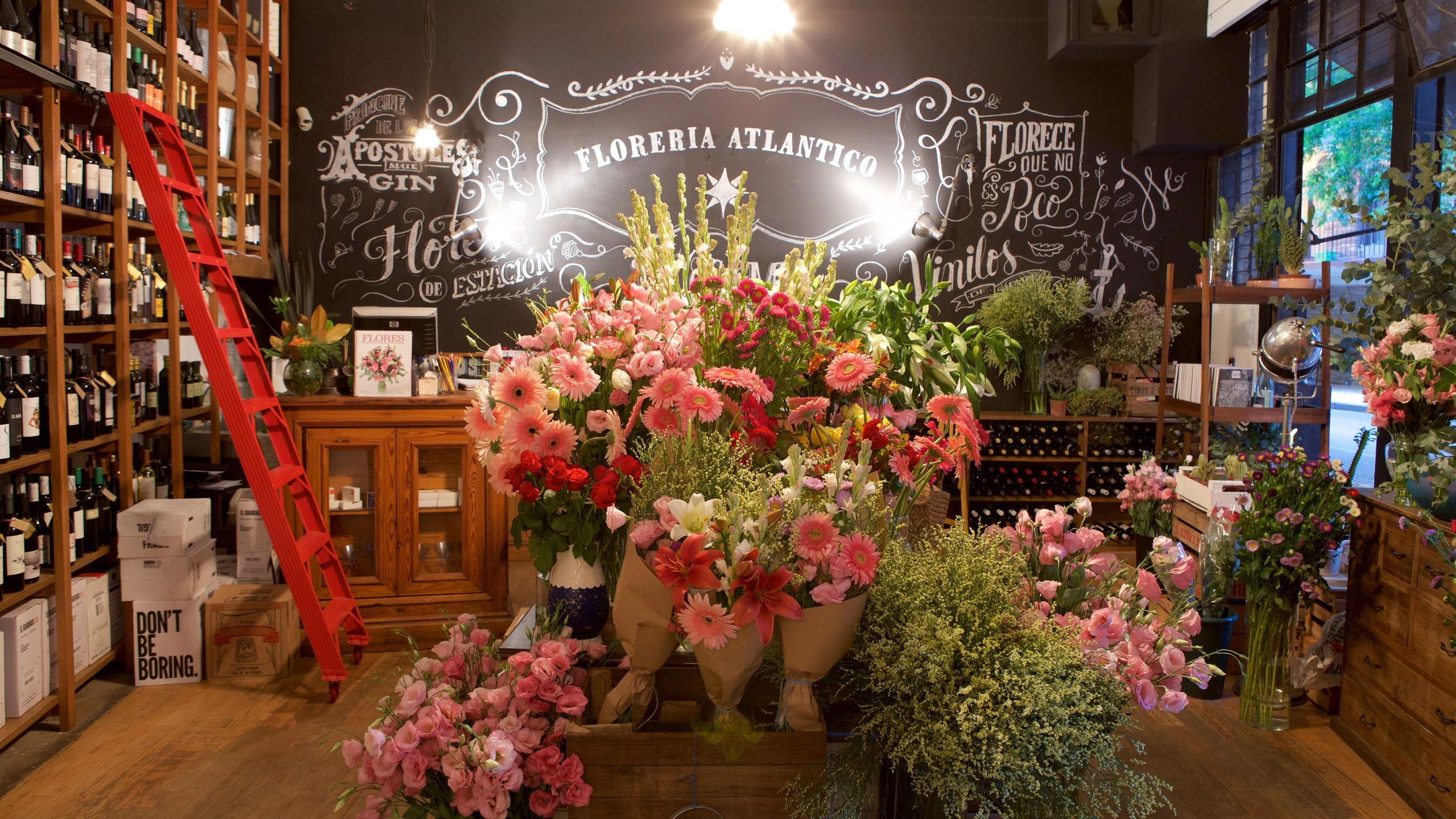
For travellers comparing Buenos Aires tango options, the venue belongs to the same specialist tier as the city's better-regarded milonga venues rather than to the dinner-theatre sector. The Buenos Aires bar scene more broadly has developed a category of experience-led venues that combine food, drink, and performance in low-capacity formats: 878 Bar and Florería Atlantico represent the cocktail-led end of that spectrum, while Bar Sur anchors the performance end. The Four Seasons and CoChinChina operate at different price points within the broader Buenos Aires hospitality market, but for understanding what the city's specialist, low-capacity experience venues look like collectively, Bar Sur belongs in that conversation.
Argentine Food and Wine as Part of the Experience
The editorial angle on sourcing matters here: Argentine cuisine at its most grounded draws from the same provincial logic that shapes the country's wine industry. Patagonian lamb, Pampas beef, Andean quinoa and corn preparations, and the empanada traditions that vary by province all point back to a food culture built on specific geography. A tango venue in San Telmo that pairs its show with Argentine food and wine is making an implicit argument about integrated culture: the same territory that produced the dance also produces the ingredients on the table.
This stands in contrast to the larger tourist-facing tango productions, which frequently offer international menu options alongside their Argentine selections, smoothing the edges of the experience toward a broadly European comfort zone. The smaller San Telmo venues tend to maintain tighter connection to Argentine culinary tradition, which reinforces rather than decorates the cultural content of the evening.
For travellers building a wine-forward Argentina itinerary, it is worth noting that the country's most discussed wine regions sit a significant distance from Buenos Aires: Antares Mendoza in Mendoza operates in the country's primary Malbec belt, while Colomé Winery in Molinos and Chato's Wine Bar in Cafayate represent the high-altitude Salta and Calchaquí Valley tradition. What arrives at a Buenos Aires table from those regions carries that provenance, even when the setting is urban.
Placing Bar Sur in a Global Specialist Experience Context
Internationally, the category of small-venue cultural performance with food and drink has developed a recognisable format: low capacity, host or performer credentials that are verifiable rather than generic, and a room arrangement that prioritises proximity over production scale. Bar Leather Apron in Honolulu, Jewel of the South in New Orleans, Julep in Houston, and Kumiko in Chicago each occupy a specialist tier in their respective cities: venues where the format itself is the point, not just the consumption. Bar Sur sits in an analogous position in Buenos Aires, where the decision to keep the room small and the performance close is a format choice with cultural consequences.
For planning purposes, San Telmo's core tango venues are most accessible in the evening, and the neighbourhood is well served from the city centre. The area around Defensa and Estados Unidos concentrates the highest density of relevant venues. Bar Sur's address at Estados Unidos 299 places it at the western edge of the barrio's most active strip, a few blocks from the Sunday antiques market at Plaza Dorrego that defines San Telmo's daytime character. Evening visits align better with the neighbourhood's rhythm and with the operational hours of tango venues as a category. For the full picture of what Buenos Aires offers across dining, drinking, and experience formats, see our full Buenos Aires restaurants guide.
Fast Comparison
| Venue | Price | Awards |
|---|---|---|
| BAR SUR Tango ShowThis venue — the venue you are viewing | $50–100 | Not listed |
| 878 Bar | $20–30 | World's 50 Best #25 · Star Wine List |
| CoChinChina | $30–50 | World's 50 Best #26 · Top 500 Bars Best Bars #23 |
| Florería Atlantico | $30–50 | World's 50 Best #90 · Star Wine List |
| Four Seasons | $30–50 | World's 50 Best #22 |
| Frank's | $30–50 | World's 50 Best #36 |
Continue exploring
More in Buenos Aires
Bars in Buenos Aires
Browse all →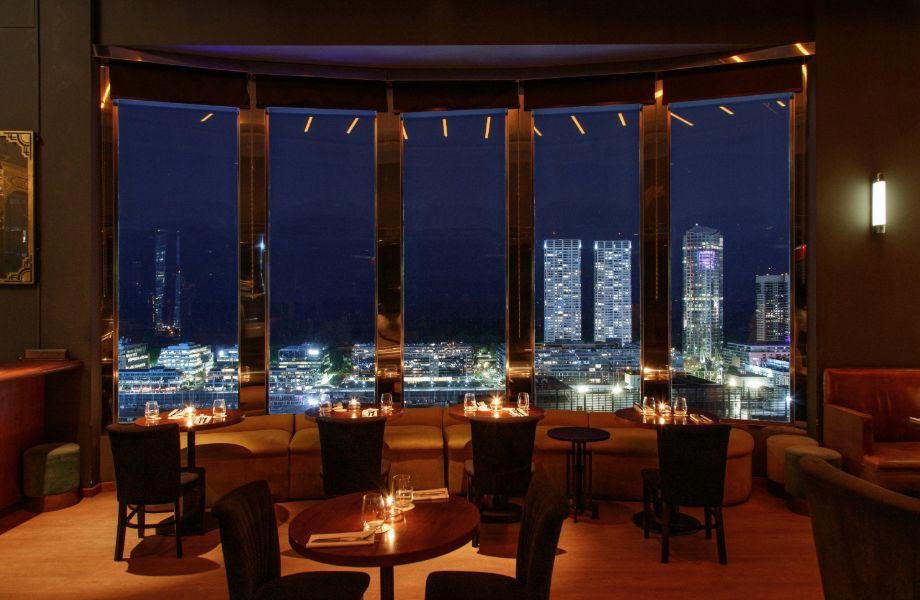
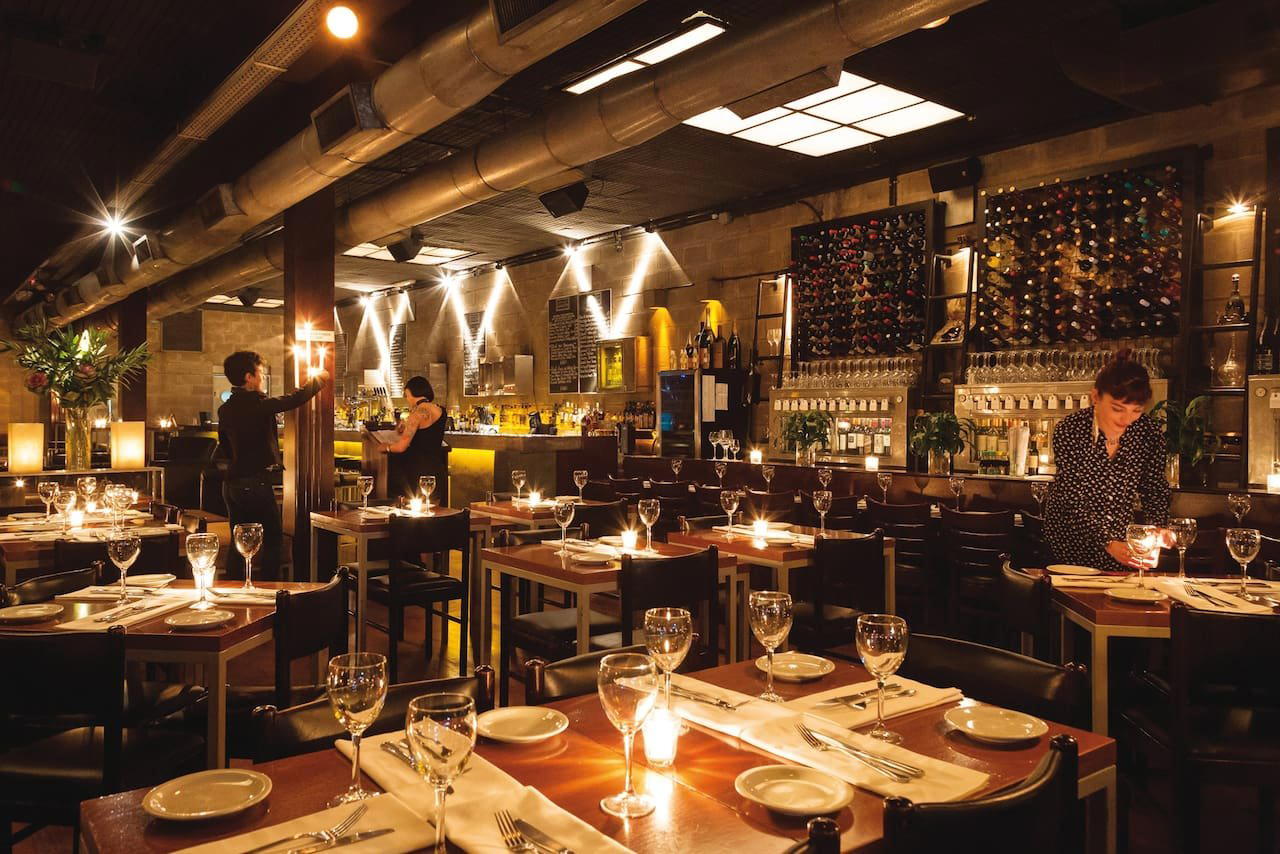
Restaurants in Buenos Aires
Browse all →
Hotels in Buenos Aires
Browse all →
Wineries in Buenos Aires
Browse all →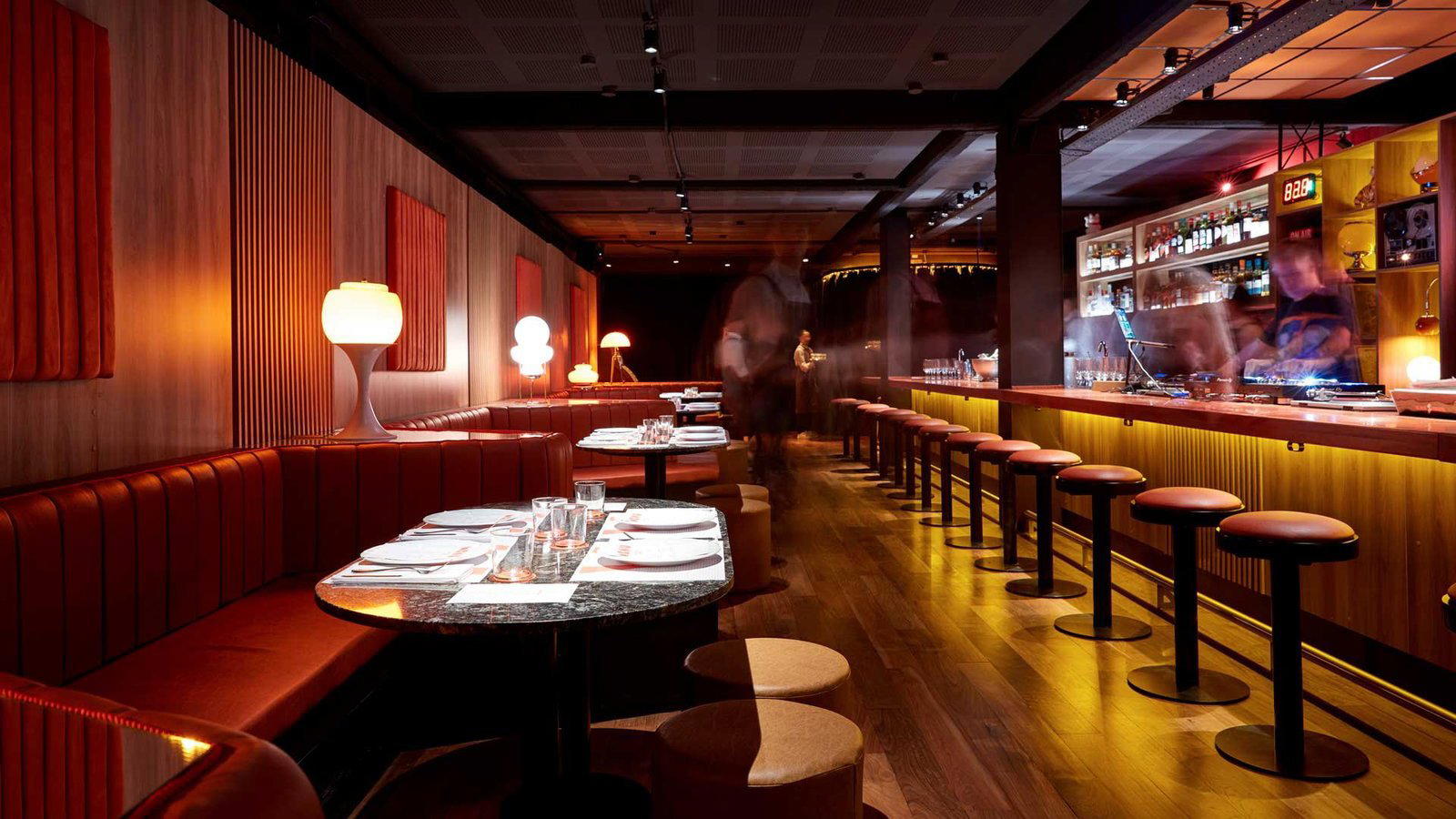
Details
- Classic
- Intimate
- Well Known
- Special Occasion
- Date Night
- Live Music
- Historic Building
- Lounge Seating
- Booth Seating
- Conventional Wine
Intimate and authentic old Buenos Aires atmosphere with live tango performances, extraordinary acoustics, and nostalgic bohemian vibe.