Bar Seddon
Bar Seddon occupies a corner address on Defensa 695 in San Telmo, one of Buenos Aires' oldest and most architecturally dense neighbourhoods. It sits within a bar scene that has shifted steadily toward technique-led drinking over the past decade, placing it alongside a small cohort of San Telmo addresses where craft and setting carry equal weight. Booking details and current hours are best confirmed directly with the venue.

Pearl is the En Primeur Club membership app — saves, bookings, and concierge access live there. Same editors, same standards.
- Address
- Defensa 695, C1065 Cdad. Autónoma de Buenos Aires, Argentina
- Phone
- +54 11 3669 7899
- Hours
- Mon–Thu 9 AM–1 AMFri–Sat 9 AM–2 AMSun 11 AM–8 PM
- Directions
- Get directions
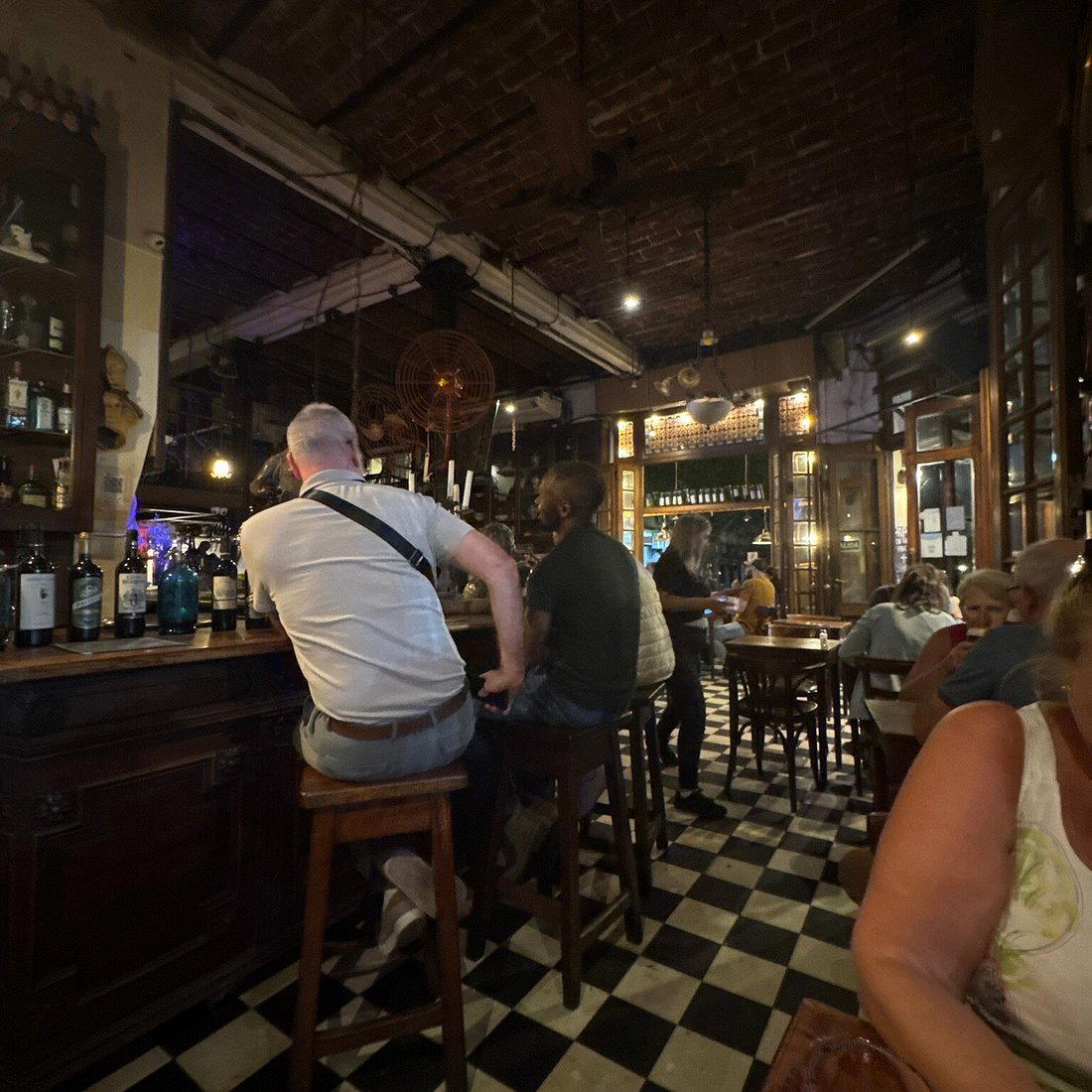
San Telmo's Drinking Culture and Where Bar Seddon Sits Within It
San Telmo has a particular relationship with bars that few Buenos Aires neighbourhoods can match. The cobblestone grid between Plaza Dorrego and the old port has accumulated layer upon layer of drinking culture: tango-adjacent cantinas from the early twentieth century, neighbourhood pulperías that outlasted their era, and, more recently, a wave of cocktail-focused rooms that arrived as Buenos Aires found its footing in the broader Latin American craft bar movement. Bar Seddon, at Defensa 695, occupies that last category while drawing on the physical memory of the first two. The address itself does some of the work. Defensa is San Telmo's main artery, the street visitors walk when they want to understand what the neighbourhood actually looks like, and a bar on that corridor is visible to a much wider slice of the city than its local regulars.
The wider Buenos Aires cocktail scene has consolidated around a handful of distinct formats over the past decade. Large-footprint hotel bars, like the Four Seasons operation in Retiro, serve a transient international crowd with polished, internationally legible menus. Neighbourhood bars such as 878 Bar in Villa Crespo built their reputations on accessibility and a less formal register. Then there is a middle tier, smaller rooms with deliberate drink programs, where technique matters but theatrics are kept in check. Bar Seddon reads as part of that tier, positioned in a neighbourhood with enough foot traffic to sustain discovery while retaining the intimacy that defines the format.
The Physical Address and What Defensa 695 Signals
Approaching a bar on Defensa means passing colonial-era facades, antique dealers, and the kind of narrow pavements that force pedestrians into single file. The streetscape sets an expectation of something with texture, with a back-story embedded in its walls rather than manufactured through design. Bars that open here are making an implicit argument about the company they want to keep. CoChinChina, further along the San Telmo corridor, demonstrated that the neighbourhood could support a serious cocktail program without losing its local character. Bar Seddon operates within the same logic.
San Telmo's visitor pattern is worth understanding for planning purposes. The neighbourhood draws the heaviest foot traffic on weekends, when the Sunday antiques market on Plaza Dorrego pulls thousands of people down Defensa. Weekday evenings tend to be quieter and favour the kind of unhurried drinking that lets a bar's program breathe. For visitors to Buenos Aires combining the bar with a broader evening in the area, arrival during the mid-evening window, after the market crowd has cleared but before late-night service peaks, tends to give the leading read on what a room like this is actually doing.
Team Dynamic and the Bar as a Collaborative System
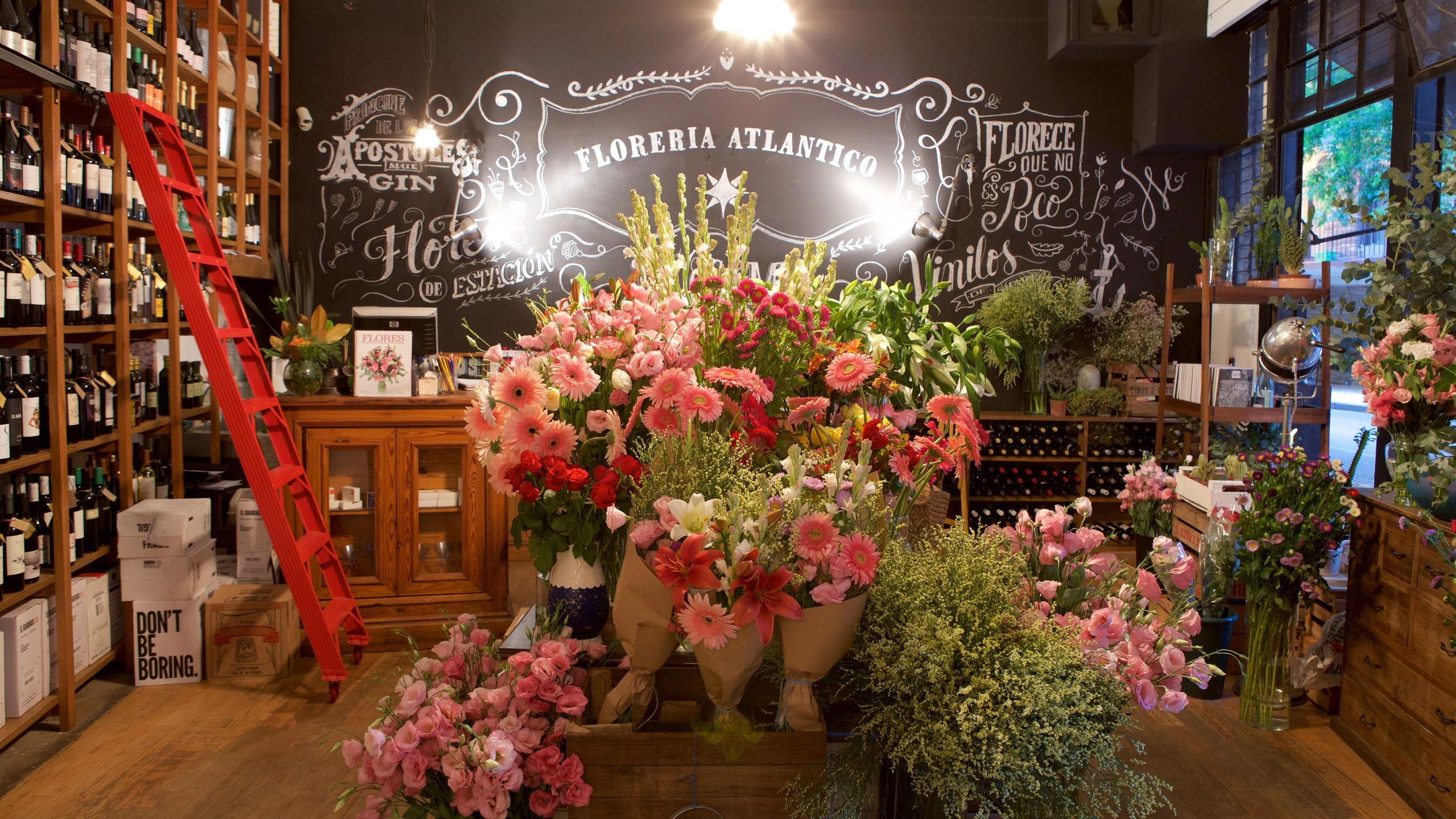
Across Buenos Aires' more considered drinking rooms, the quality of service has increasingly become inseparable from the quality of the drinks. At the better San Telmo and Palermo addresses, the person behind the bar is not running a separate operation from the floor staff. Information about ingredients, production methods, and the logic behind a menu moves between positions, and the guest experience depends on that circulation. Florería Atlantico, the Palermo operation that has drawn sustained international attention, demonstrated that a bar team functioning as a unit, rather than as isolated specialists, can shift how Argentina is read on the global cocktail circuit.
Bar Seddon's location on Defensa suggests it draws a mixed crowd: locals who live in or around San Telmo, visitors staying in the neighbourhood's growing stock of boutique hotels, and the broader Buenos Aires bar-goer who tracks new and interesting rooms. Serving that range of guests well requires front-of-house fluency that goes beyond drink knowledge. It means reading tables quickly, adjusting register depending on whether someone wants a recommendation or already knows what they want, and keeping the pace of service matched to how the room is actually moving on a given night. These are the competencies that separate a technically proficient bar from one that actually works as a social space.
Bar Seddon in the Context of Argentina's Wider Drinking Scene
Argentina's bar culture does not exist only in Buenos Aires. Mendoza has developed its own cocktail identity, with addresses like Antares Mendoza operating in a wine-dominant context that pushes bartenders toward different ingredient logic. The northwest wine corridor, running through Cafayate and Molinos, has its own version of the story: Chato's Wine Bar in Cafayate and Colomé Winery in Molinos each represent the country's willingness to build serious drinking programs in unlikely geography. Bar Seddon sits at the centre of this national arc, in the city where the most concentrated audience and the most active critical attention converge.
Internationally, the craft bar format that San Telmo supports has equivalents in cities where neighbourhood identity and cocktail ambition align. Bar Leather Apron in Honolulu, Jewel of the South in New Orleans, Julep in Houston, and Kumiko in Chicago each operate within a similar framework: mid-scale rooms where the drink program is the primary offering and the physical setting reinforces rather than competes with it. The comparison is useful because it places Bar Seddon in a global peer conversation that Buenos Aires is increasingly equipped to participate in, rather than simply as a local curiosity.
Planning a Visit: What to Know Before You Go
Defensa 695 is walkable from most accommodation in San Telmo and from the southern end of Puerto Madero. Visitors combining Bar Seddon with a broader Buenos Aires bar evening might consider routing through San Telmo before moving north toward Palermo, where the density of options is higher but the neighbourhood character is considerably different. For a fuller picture of what the city offers across price points and formats, the EP Club Buenos Aires guide maps the scene by neighbourhood.
Phone and website contacts were not available at time of writing. For a venue on a street as active as Defensa, walk-in availability on weekday evenings is generally more reliable than on weekend nights, when the neighbourhood's visitor volume is at its highest, but this is a general pattern for the area rather than a confirmed policy for Bar Seddon specifically.
A Pricing-First Comparison
Comparable venues nearby, for context on price, style, and recognition.
| Venue | Cuisine | Price | Notes |
|---|---|---|---|
| Bar SeddonThis venue — the venue you are viewing | Not listed | $20–30 | Not listed |
| Doppelganger Bar | Not listed | $20–30 | San Telmo, cocktail_bar |
| Hipopótamo | San Telmo, pub | Not listed | Not listed |
| Verne Club | Not listed | $20–30 | Once, cocktail_bar |
| La mía vita restaurante | Palermo, Bar | Not listed | Not listed |
| Bar de Cao | San Cristóbal, pub | Not listed | Not listed |
Continue exploring
More in Buenos Aires
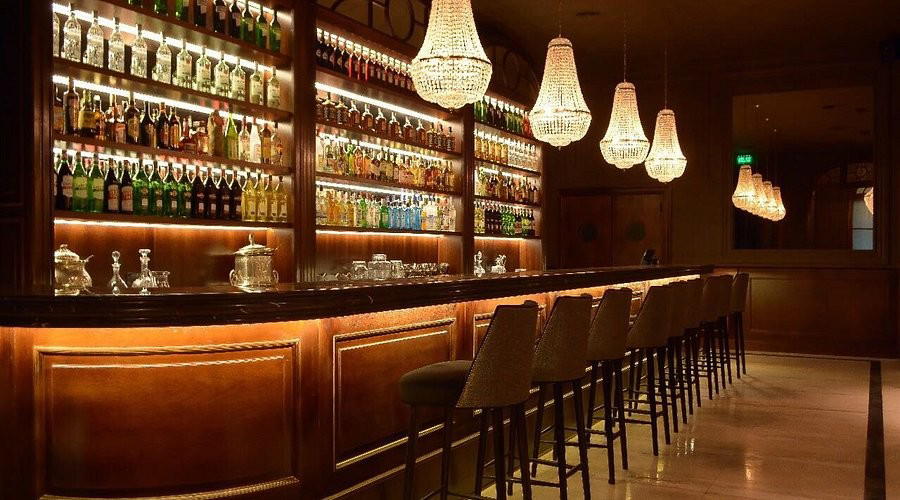
Bars in Buenos Aires
Browse all →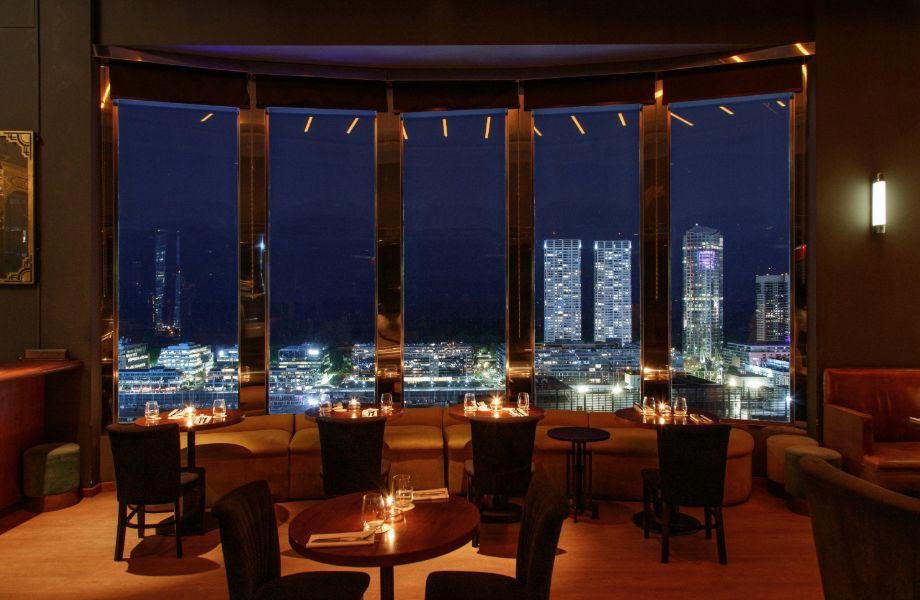
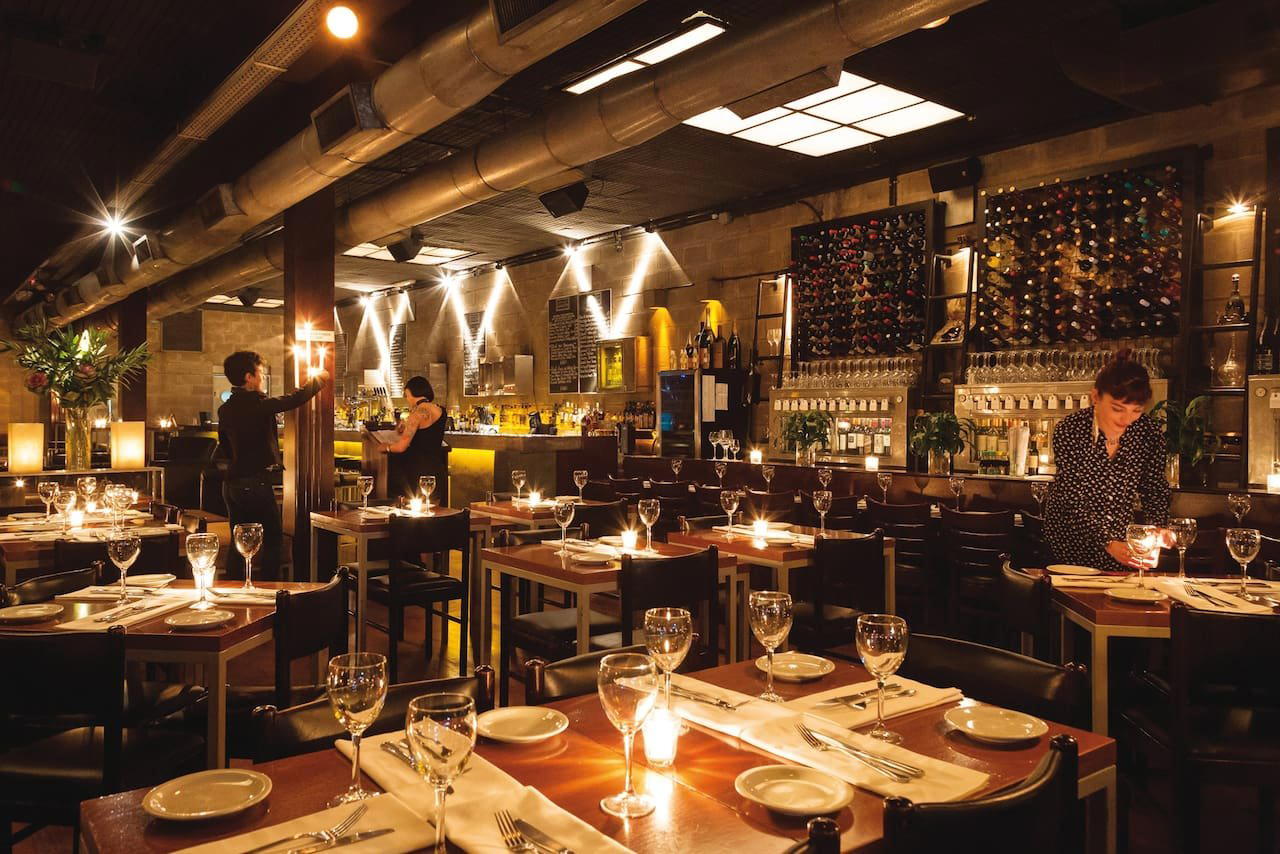
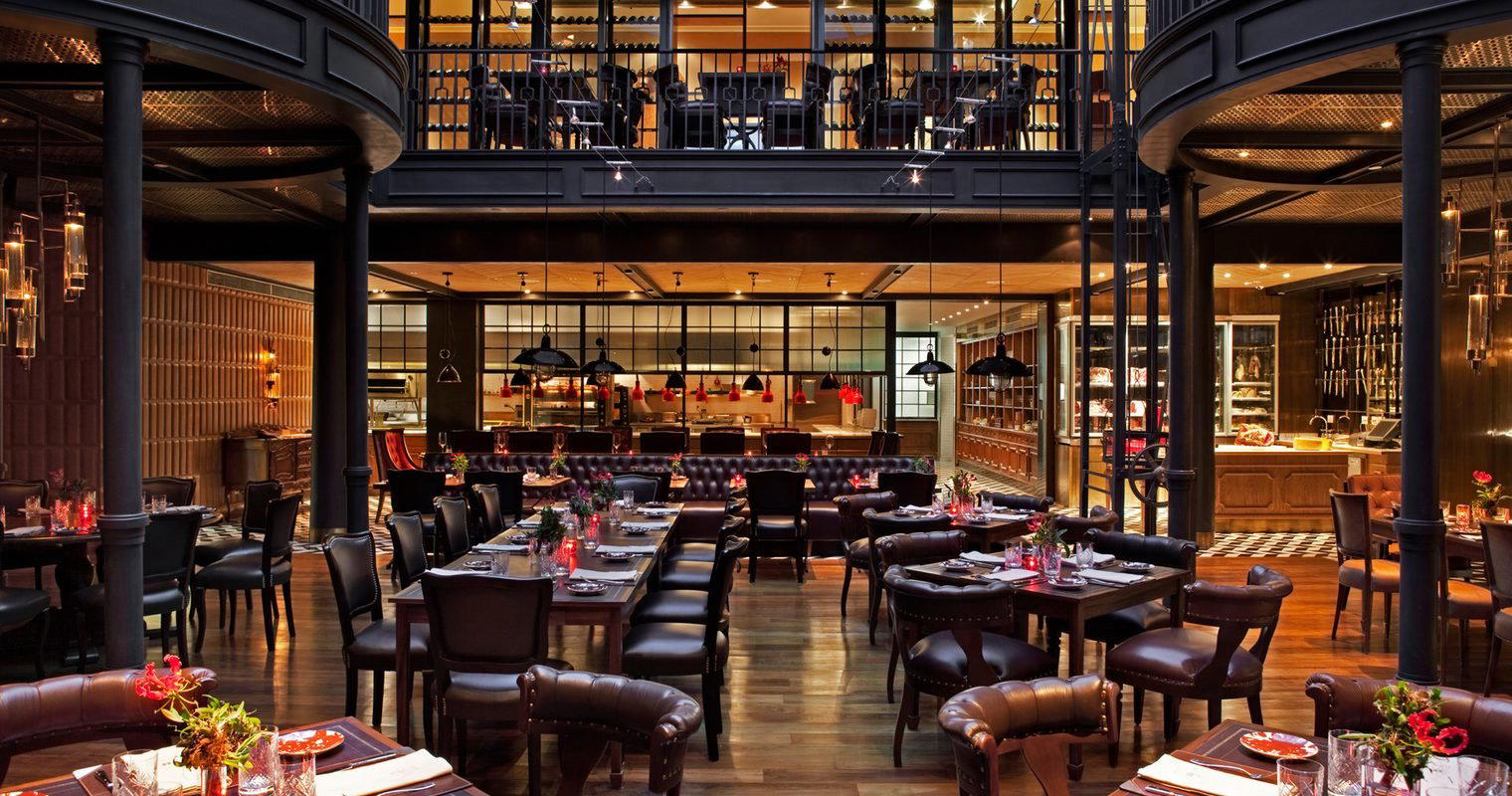
Restaurants in Buenos Aires
Browse all →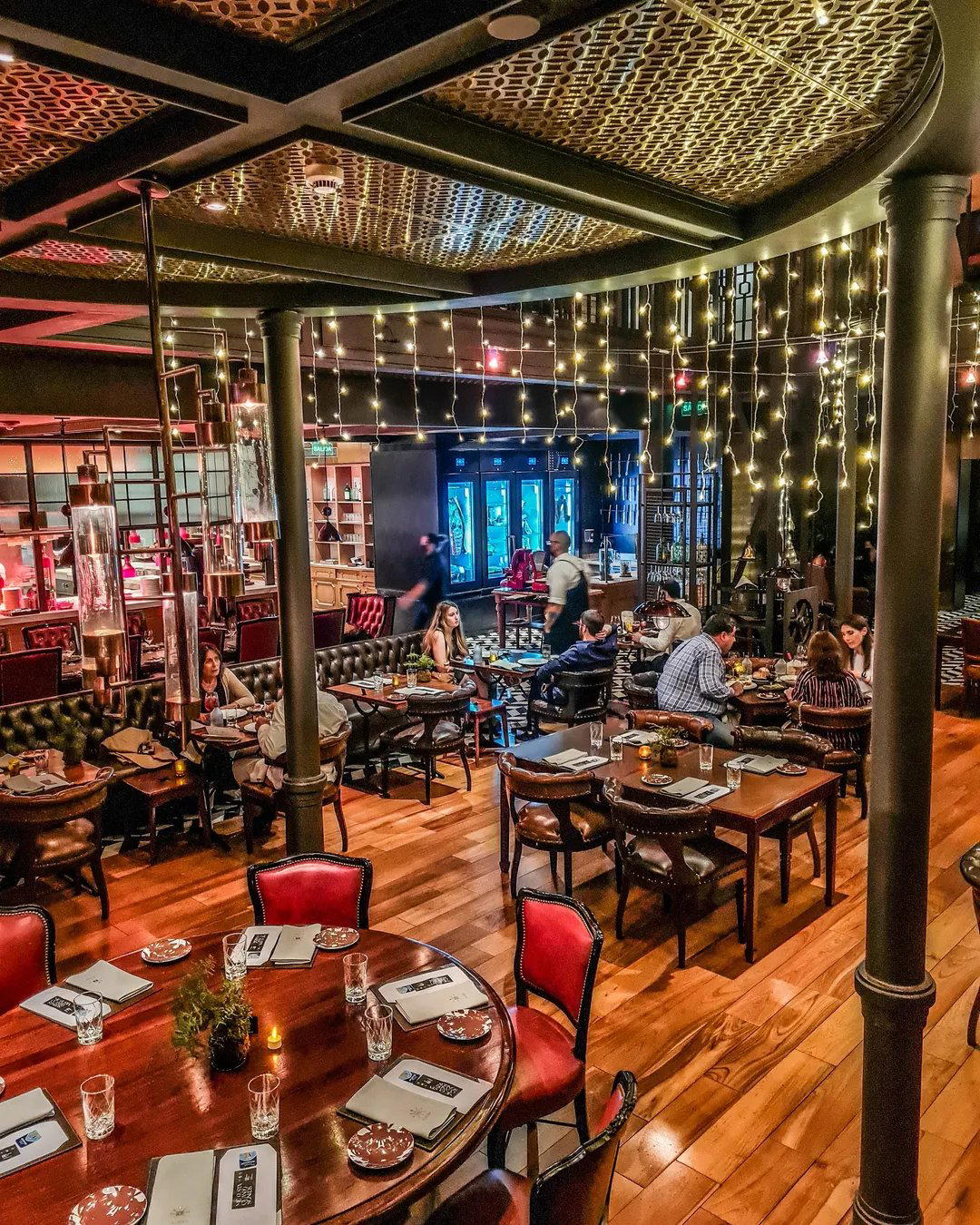
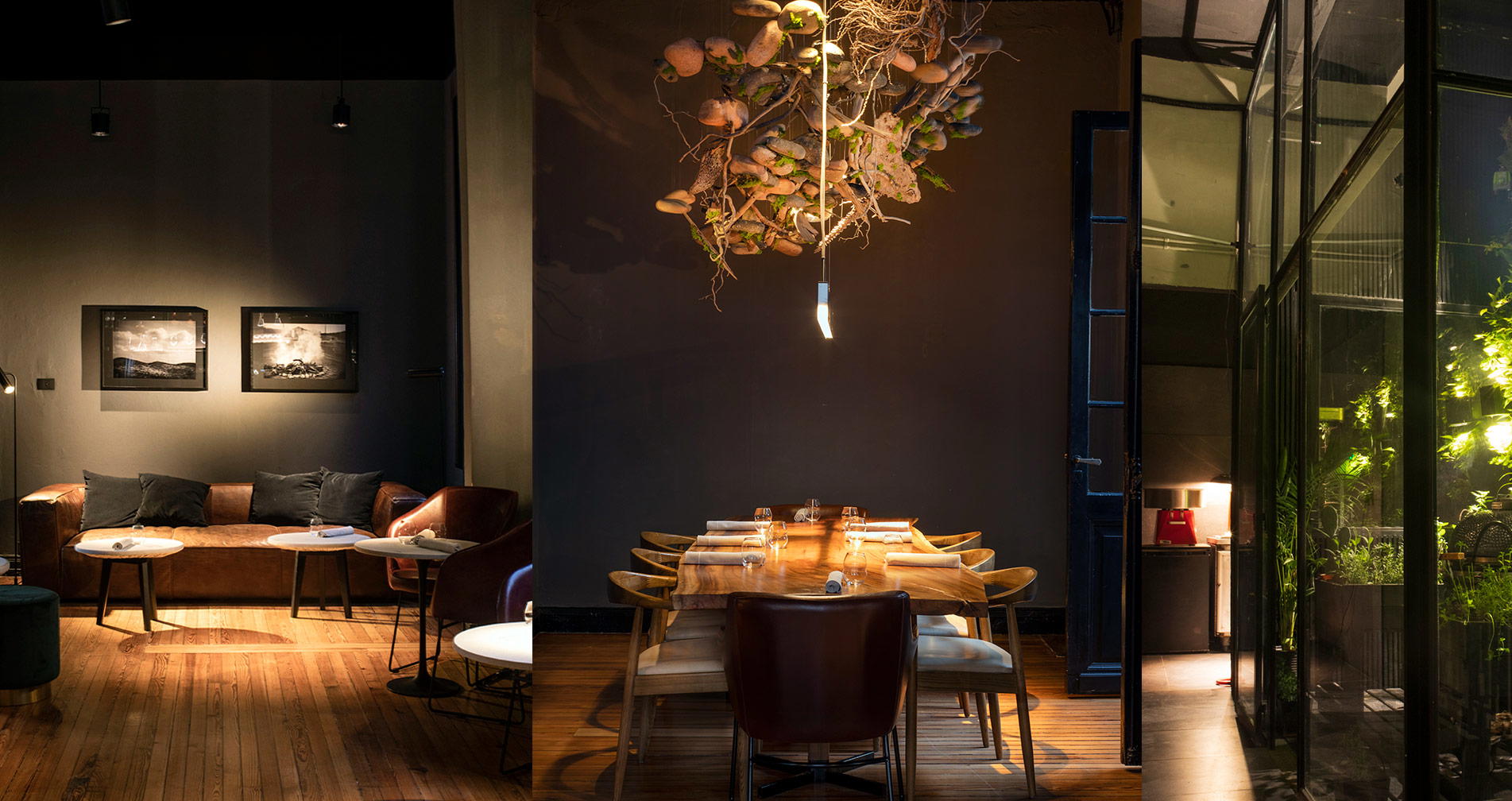
Hotels in Buenos Aires
Browse all →
Wineries in Buenos Aires
Browse all →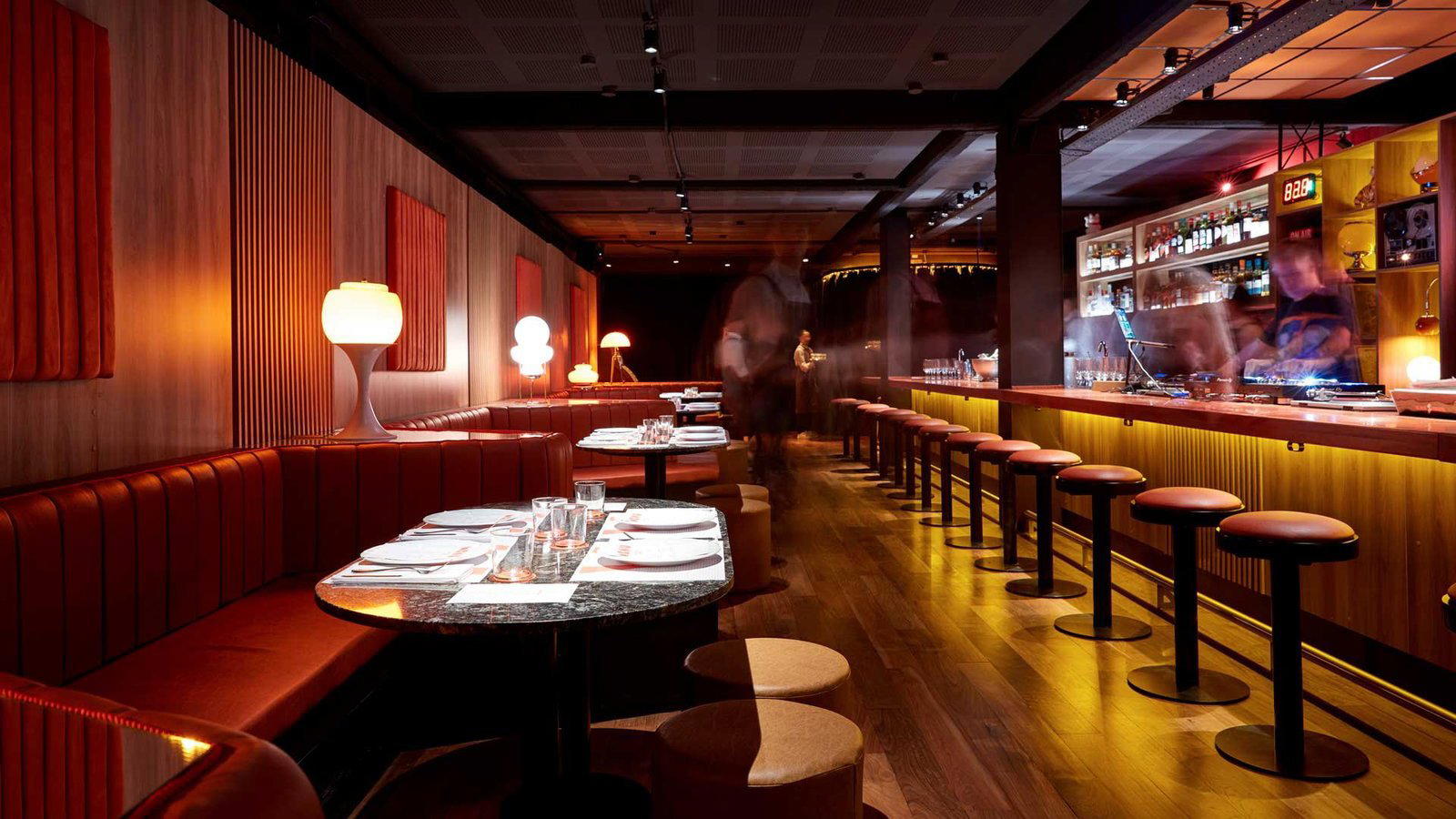
Bar Seddon
The wine
- Wine program
- Curated wine list
- Classic cocktails
Details
- Classic
- Cozy
- Intimate
- Bohemian
- Date Night
- Casual Hangout
- Late Night
- Historic Building
- Seated Bar
- Booth Seating
- Classic Cocktails
- Street Scene
Current opening hours
- Monday
- 9 AM–1 AM
- Tuesday
- 9 AM–1 AM
- Wednesday
- 9 AM–1 AM
- Thursday
- 9 AM–1 AM
- Friday
- 9 AM–2 AM
- Saturday
- 9 AM–2 AM
- Sunday
- 11 AM–8 PM
Hours can change for holidays and private events. Last verified .
Warm dim lighting with abundant wood, chandeliers, bevelled mirrors, and vintage furnishings creating a nostalgic, seductive refuge.