City Hall
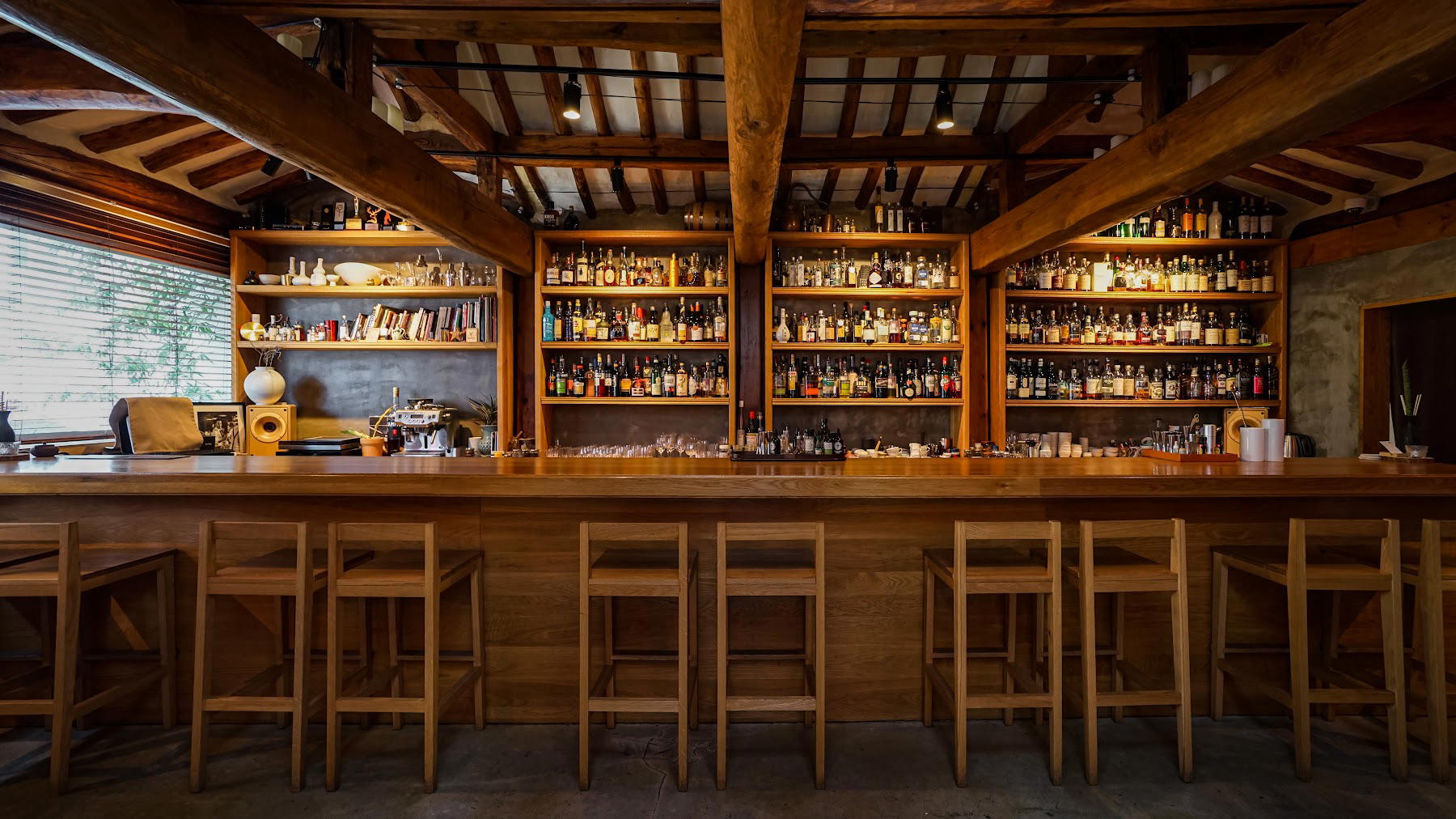
City Hall occupies a basement address in Jung District, placing it within Seoul's most competitive corridor for serious cocktail bars. Where peers in Cheongdam and Itaewon trade on spectacle, this address works closer to the ground: a lower-profile room, craft-focused programming, and a bar culture that rewards the curious over the conspicuous.
Pearl is the En Primeur Club membership app — saves, bookings, and concierge access live there. Same editors, same standards.
- Address
- 101 지하 Jung District, Seoul, South Korea
- Directions
- Get directions
 Saves & bookings on Pearl
Below Street Level in Jung District
City Hall is a bar in Seoul's Jung District, at 101 지하 Jung District, Seoul, South Korea. The basement address places it in a specific Seoul archetype: the subterranean bar that operates on its own terms, insulated from the street-level noise of one of the city's most administratively central neighbourhoods. Jung District sits adjacent to City Hall plaza itself, a zone where government offices give way, by evening, to a quieter drinking culture than you find in Gangnam or Itaewon. Coming down from the pavement into this kind of space carries its own rhythm. The descent is part of the transaction.
Seoul's bar scene has matured considerably over the past decade, moving from a model dominated by soju-forward pojangmacha culture and hotel cocktail bars toward a genuinely sophisticated independent tier. That shift has been uneven across the city's neighbourhoods. Itaewon and Cheongdam pulled the early international attention; Jung District has developed more quietly, drawing a clientele that is largely Korean and largely serious about what it drinks. City Hall fits that pattern.
The Wine Dimension in a Cocktail-Heavy City
Seoul's independent bar culture has historically skewed toward spirits and cocktails. The city has produced bartenders now recognised across Asia, and venues like Charles H and Bar D. Still have built reputations on technical cocktail programs. Against that backdrop, bars that anchor part of their identity in wine occupy a distinct niche. The wine list at a Seoul independent bar is often a statement of intent: it signals a different kind of hospitality, one that asks the guest to slow down rather than be impressed by technique.
Curation philosophy matters more in this context than cellar volume. A bar in a basement location in Jung District is not competing with the grand hotel wine programs at properties across the river. It is instead competing on selection logic: why these producers, why this region, why this vintage? The answer to those questions is what separates a wine list that functions as a point of difference from one that is merely decorative.
This approach to wine positioning is visible across Korea's secondary bar markets as well. Climat in Busan has built a reputation in part on its beverage depth, and Muyongdam in Jeju Si demonstrates that thoughtful list-building is not exclusively a Seoul phenomenon. The pattern suggests a broader shift in Korean bar culture: wine is increasingly the lens through which certain venues define their identity, rather than a secondary offering appended to a cocktail menu.
Placing City Hall in the Seoul Bar Hierarchy
Seoul's bar tier has become specific enough that positioning matters. At the recognised upper end, venues like Alice Cheongdam and Bar Cham have earned consistent editorial attention and draw an international drinking audience. The bar operates in a different register: the Jung District address suggests a venue oriented toward a local, repeat clientele rather than one positioning itself for global bar lists. That is not a limitation. Particularly interesting bars in any city are the ones not performing for outside recognition.
The comparison set outside Seoul is instructive. Bar Leather Apron in Honolulu and Jewel of the South in New Orleans both operate as serious drinking establishments in cities where the bar scene is often reduced to tourism-facing caricature. The bar occupies an analogous position in Jung District: a considered venue in a neighbourhood not usually defined by its drinking culture. Bars in administrative districts across Asian cities tend to serve a professional after-work crowd with specific expectations around quality and discretion. The bar's subterranean format suits that function precisely.
For broader orientation across Korea's independent bar circuit, Anjuga in Ansan Si, Regency Club in Incheon, and Seuwichi in Heungdeok each show how the independent bar format has spread beyond Seoul into cities that previously lacked this tier entirely.
Jung District After Dark: What the Neighbourhood Provides
The area around Seoul the bar station (Lines 1 and 2) is walkable and well-connected, which matters for bar visits that may extend across multiple stops in an evening. The neighbourhood's relative lack of late-night food noise means that a venue here can hold its character later into the evening without competing with the sensory clutter of a district like Hongdae. For visitors using Seoul's subway system, the bar station provides direct access.
Jung District's drinking culture tends toward the deliberate: venues here are less likely to rely on DJ sets or theatrical service, and more likely to reward guests who arrive with a specific intention. That makes the area a reasonable choice for a wine-anchored bar visit where the point is the glass rather than the production surrounding it.
Planning Your Visit
The bar's basement address at 101 Jung District is most easily reached via Seoul the bar station on Lines 1 and 2, making it one of the more transit-accessible independent bar addresses in central Seoul. Given the subterranean format and the neighbourhood's professional after-work crowd, earlier evening visits on weekdays are likely to offer a more considered atmosphere than late-night weekend sessions. The dress code is casual, and the venue is walk-in friendly.
Comparable Venues
Comparable venues nearby, for context on price, style, and recognition.
| Venue | Cuisine | Price | Notes |
|---|---|---|---|
| City HallThis venue — the venue you are viewing | pub | $$ | Not listed |
| Nega | lounge | $$ | 원효로동 |
| Fuglen Seoul | cocktail_bar | $$ | 연남동 |
| Found Local | wine_bar | $$ | 잠원동 |
| Keebo | pub | $$ | 효창동 |
| Ace 4 club | cocktail_bar | $$ | Euljiro |
Continue exploring
More in Seoul
Restaurants in Seoul
Browse all →
At a Glance
- After Work