Cham in Season
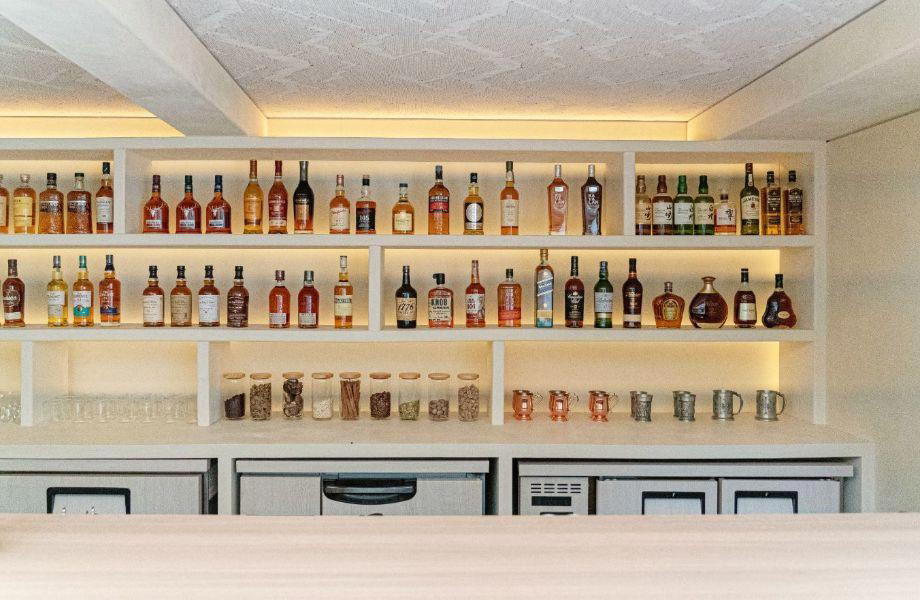
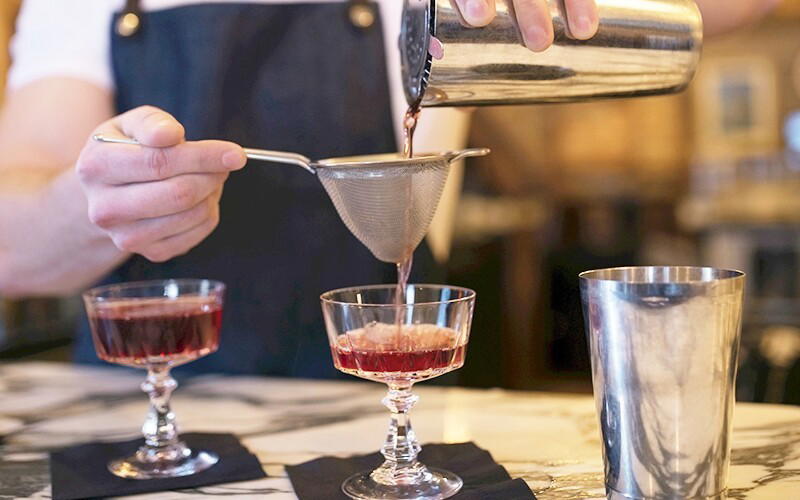
Cham in Season occupies a fourth-floor address on Sajik-ro in Seoul's Jongno District, where the bar program is built around seasonal Korean ingredients and a philosophy of sourcing that mirrors the agricultural calendar. The setting and approach place it firmly within Seoul's more considered, ingredient-led cocktail scene, distinct from the high-volume entertainment bars that dominate nearby neighbourhoods.
Pearl is the En Primeur Club membership app — saves, bookings, and concierge access live there. Same editors, same standards.
- Address
- 4f, 133-10 Sajik-ro, Jongno District, Seoul, South Korea
- Phone
- +82 2 730 4750
- Website
- instagram.com
- Directions
- Get directions
 Saves & bookings on Pearl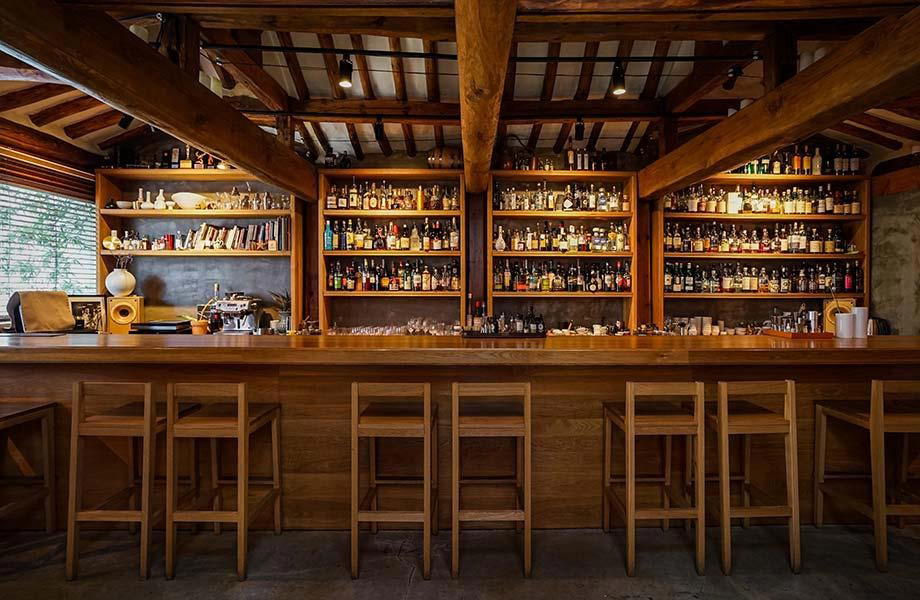
Jongno's Quiet Fourth Floor and What It Signals
Seoul's Jongno District holds a different kind of drinking culture than Itaewon or Gangnam. The neighbourhood carries centuries of civic and cultural weight — it was the administrative heart of Joseon-era Seoul, and that historical density still shapes the pace of its evenings. Bars here tend toward restraint rather than spectacle, and the address at 4F, 133-10 Sajik-ro places Cham in Season precisely within that tradition. A fourth-floor bar on a mid-block stretch of Sajik-ro is not found by accident. You arrive because you looked for it. It is a bar in Seoul's Jongno District, with.
That vertical positioning matters in Seoul more than it might in other cities. Ground-floor venues absorb foot traffic and casual trade; upper floors self-select for intention. The climb filters the crowd before the first drink is poured, and the result is a room that reads more like a serious bar program than an evening destination. Seoul's cocktail culture has been moving in this direction for several years — away from entrance theatrics and toward the contents of the glass, and Jongno's quieter grid provides the right conditions for that kind of operation.
Sourcing as the Core Argument
The bar's name is not decorative. "Cham" draws on a Korean word implying authenticity or truth, and "in Season" anchors the entire program to the agricultural calendar. The combination functions as an editorial statement about what belongs in a cocktail: ingredients sourced at the point when they carry the flavour, not when supply chains make them available. This is a meaningful distinction in a market where many bars default to imported spirits and shelf-stable modifiers regardless of the time of year.
Korea's seasonal larder is more varied than its international reputation suggests. The peninsula's climate produces distinct agricultural windows: early spring brings fragrant herbs and foraged mountain greens; summer opens fermentation ingredients and stone fruits; autumn delivers the persimmons, chestnuts, and roots that define Korean table culture at its most expressive. A bar program built around these rhythms will look and taste substantially different in March than it does in October, and that variability is a feature, not an inconsistency. Repeat visitors are, in effect, visiting a different menu each time.
This approach aligns Cham in Season with a small cohort of Korean bars that treat indigenous fermentation traditions, doenjang, makgeolli, ganjang, as cocktail ingredients rather than cultural references. Those bars occupy a distinct tier within Seoul's bar scene, one where the competition is less about entertainment value and more about depth of sourcing knowledge. Across the city, venues like Bar Cham and Bar D. Still have developed their own ingredient-led identities, and the broader movement has drawn attention from international bar award circuits in recent years.
The Seoul Cocktail Scene It Sits Within
Seoul's bar culture underwent a structural shift roughly a decade ago, when a generation of bartenders returned from training abroad and began applying European and Japanese technique to Korean ingredients. The results have been varied in quality but consistent in ambition, and the city now sustains a genuinely sophisticated cocktail tier that holds its own against Tokyo, Hong Kong, and Singapore as reference points for the Asia-Pacific region.
Jongno's contribution to that tier is specific: the district's bars tend to foreground cultural context more explicitly than those in Itaewon or Cheongdam-dong. Alice Cheongdam operates a different format in Gangnam, leaning into narrative and theatrical presentation. Charles H at the Four Seasons in nearby Gwanghwamun plays to a hotel-bar clientele with a broader international frame of reference. Cham in Season, by its address and its name, positions itself closer to the Korean-ingredient specialists than to either of those formats.
That positioning has parallels elsewhere in the region. Muyongdam in Jeju works with the island's own botanical vocabulary; Climat in Busan has developed a program grounded in the southern coast's produce and seafood culture. The common thread across these operations is a refusal to treat Korean ingredients as garnish or novelty, they are the structural argument of the drinks, not the accent.
Why Seasonal Specificity Is a Logistical Fact, Not a Marketing Position
For a visitor planning a trip, the seasonal framing has practical implications. A bar whose program rotates with the harvest calendar cannot be visited "at any time" and expected to deliver the same experience. The window that produces the bar's most expressive menu in autumn, when Korean fermentation ingredients peak and root vegetables are at their most concentrated, is materially different from the spring menu built around lighter, more volatile aromatics.
International visitors are generally best placed to visit between late September and early November, when Korea's autumn harvest ingredients coincide with comfortable weather in Jongno. That said, the spring transition, roughly late March through May, is when Korean foraging culture produces some of its most unusual raw materials, and a bar serious about sourcing will reflect that in its list.
The fourth-floor location on Sajik-ro is a short walk from Gyeongbokgung Station on Seoul Metro Line 3. Booking ahead is advisable, and the bar's smart-casual dress code suits the room's restrained pace.
Side-by-Side Snapshot
Comparable venues nearby, for context on price, style, and recognition.
| Venue | Cuisine | Price | Notes |
|---|---|---|---|
| Cham in SeasonThis venue — the venue you are viewing | cocktail_bar | $$$ | Not listed |
| Eonju-ro 134-gil | speakeasy | $$$ | 압구정동 |
| Somm J Wine Bar | wine_bar | $$$ | 잠원동 |
| Maison Jo | wine_bar | $$$ | 서초동 |
| Buto | cocktail_bar | $$$ | 한남동 |
| Domaine Cheong Dam | wine_bar | $$$ | 압구정동 |
Continue exploring
More in Seoul
Restaurants in Seoul
Browse all →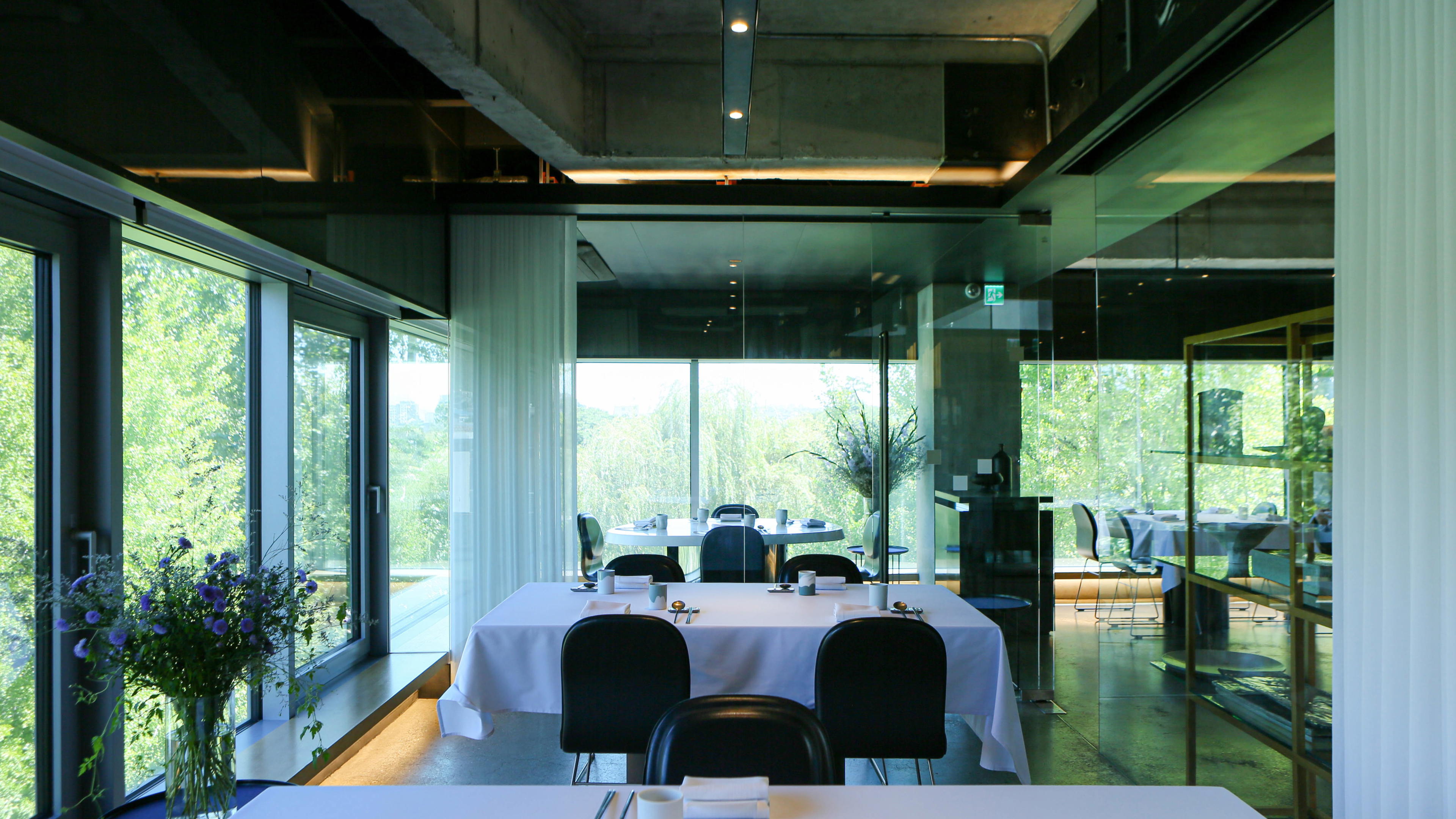
At a Glance
- Intimate
- Cozy
- Elegant
- Date Night
- Special Occasion
- Solo
- Historic Building
- Design Destination
- Standalone
- Seated Bar
- Lounge Seating
- Craft Cocktails
- Low Abv
Current opening hours
- Monday
- Closed
- Tuesday
- 7 PM–2 AM
- Wednesday
- 7 PM–2 AM
- Thursday
- 7 PM–2 AM
- Friday
- 7 PM–2 AM
- Saturday
- 7 PM–2 AM
- Sunday
- 7 PM–1 AM
Hours can change for holidays and private events. Last verified .
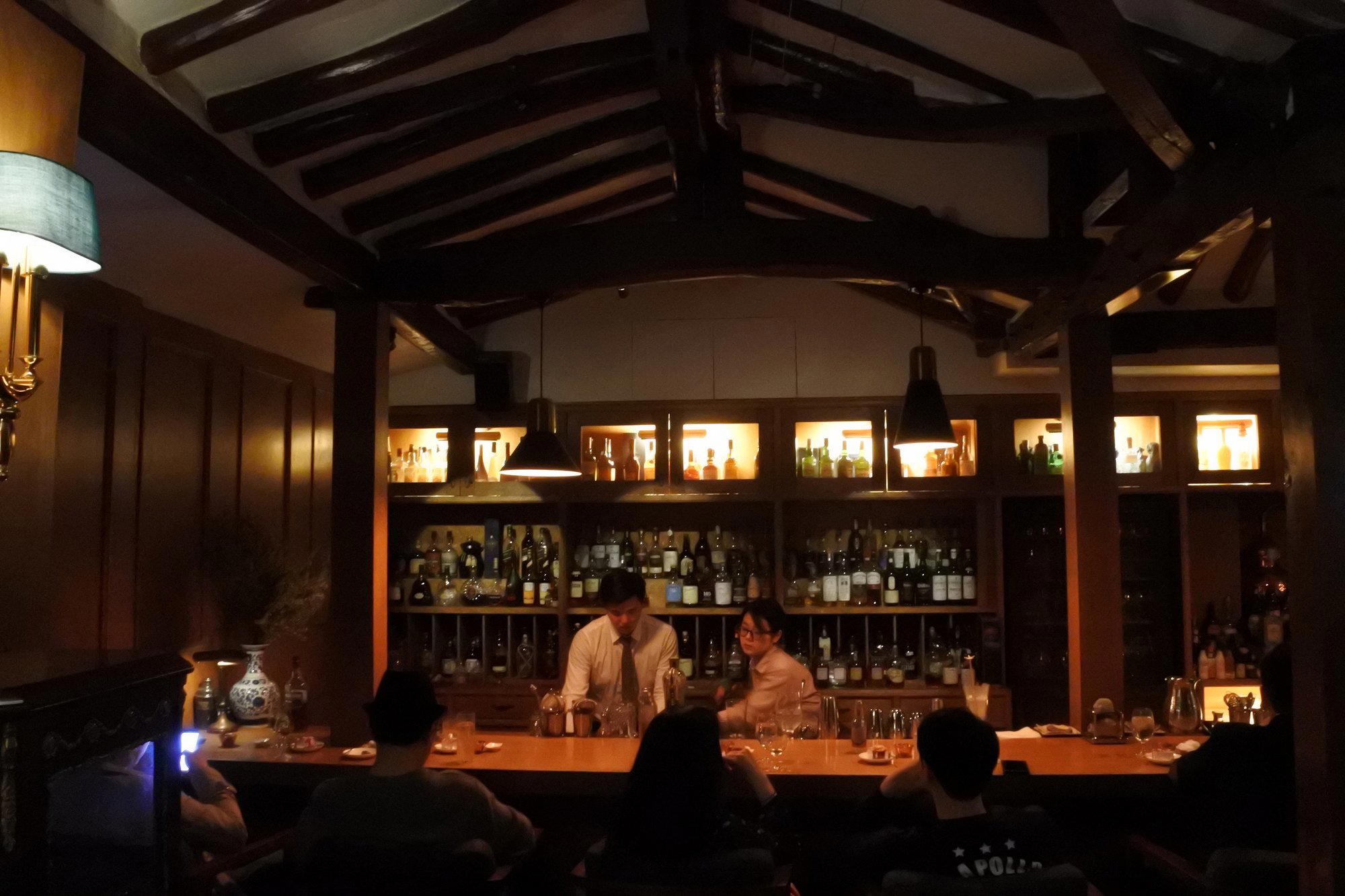
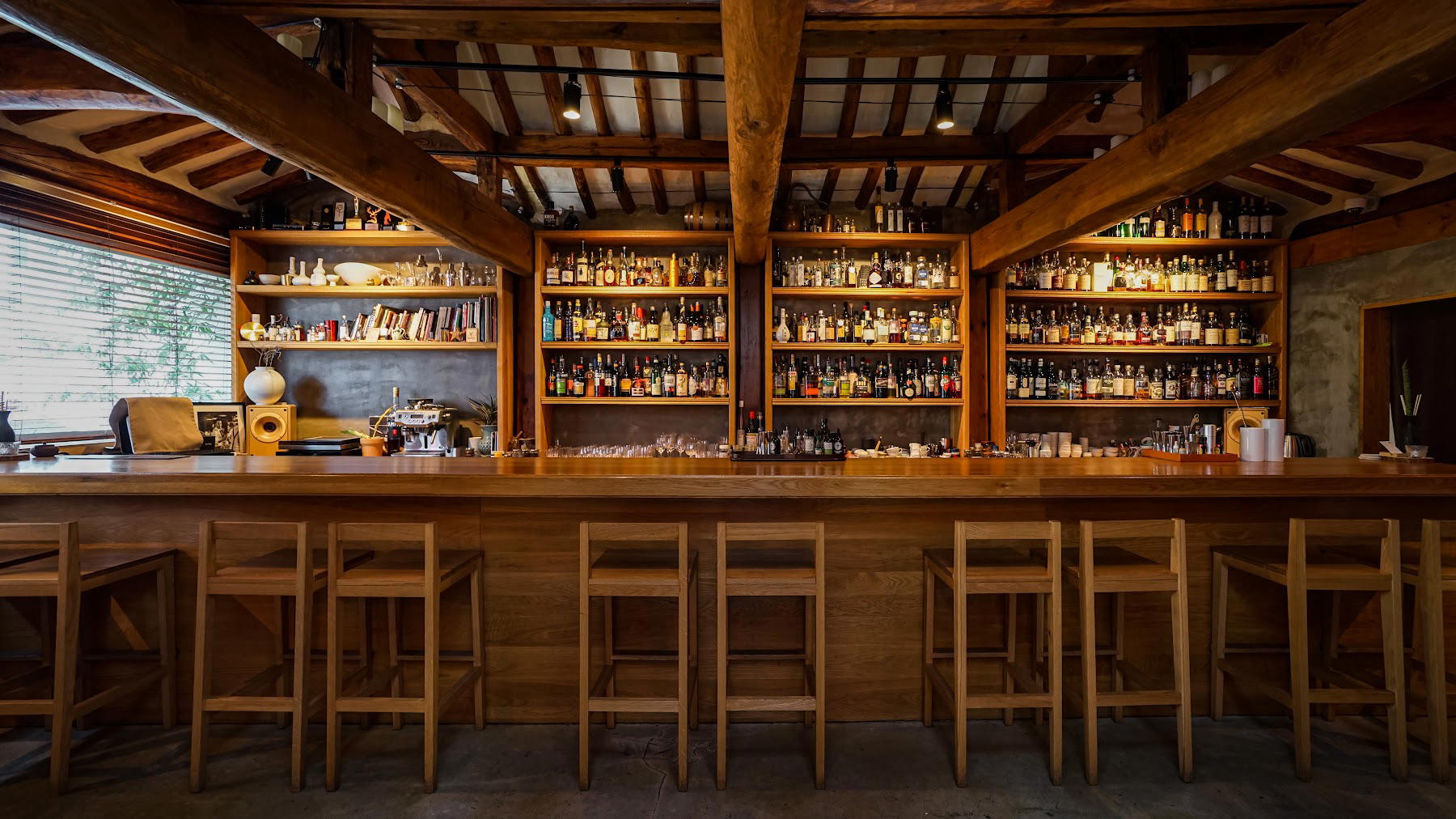
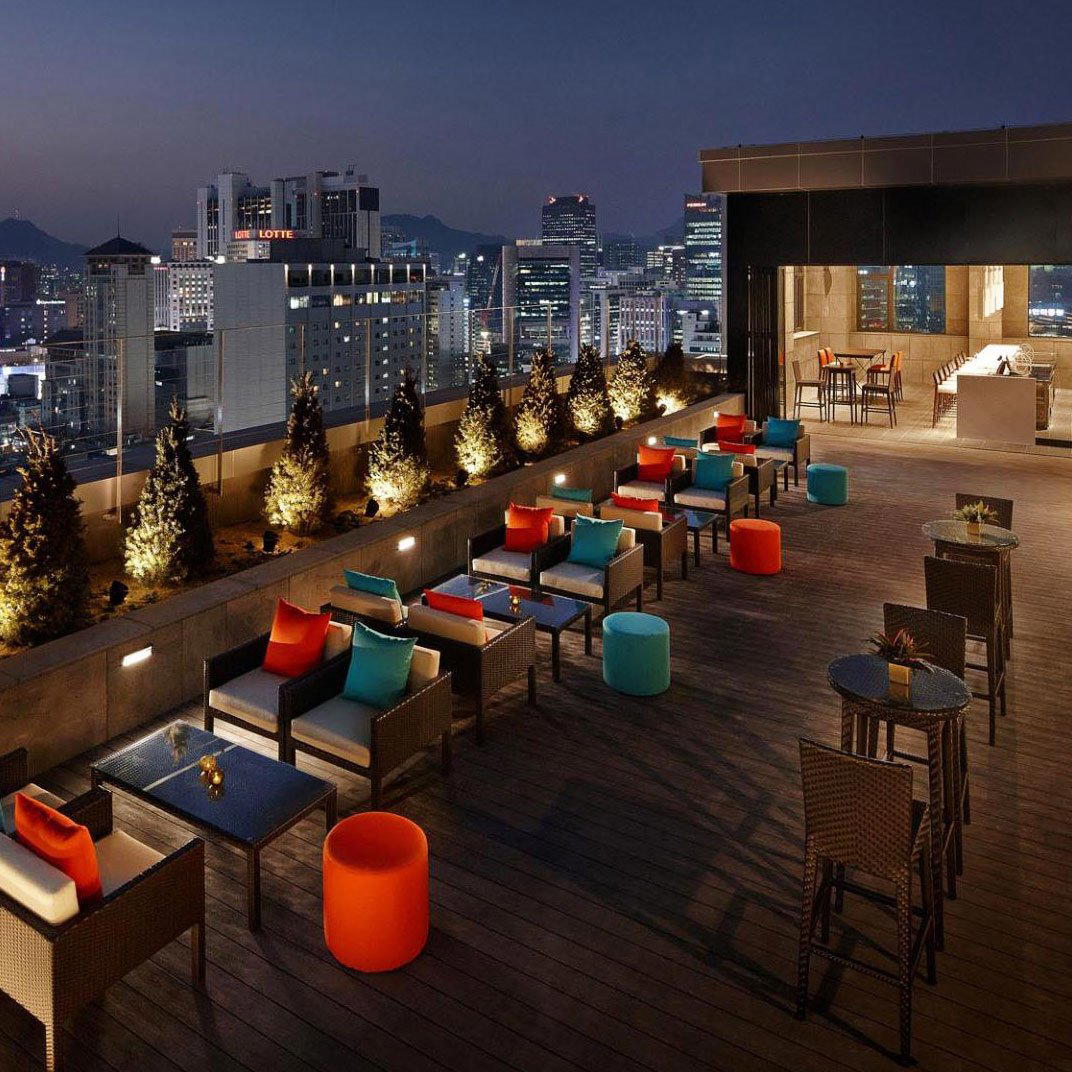
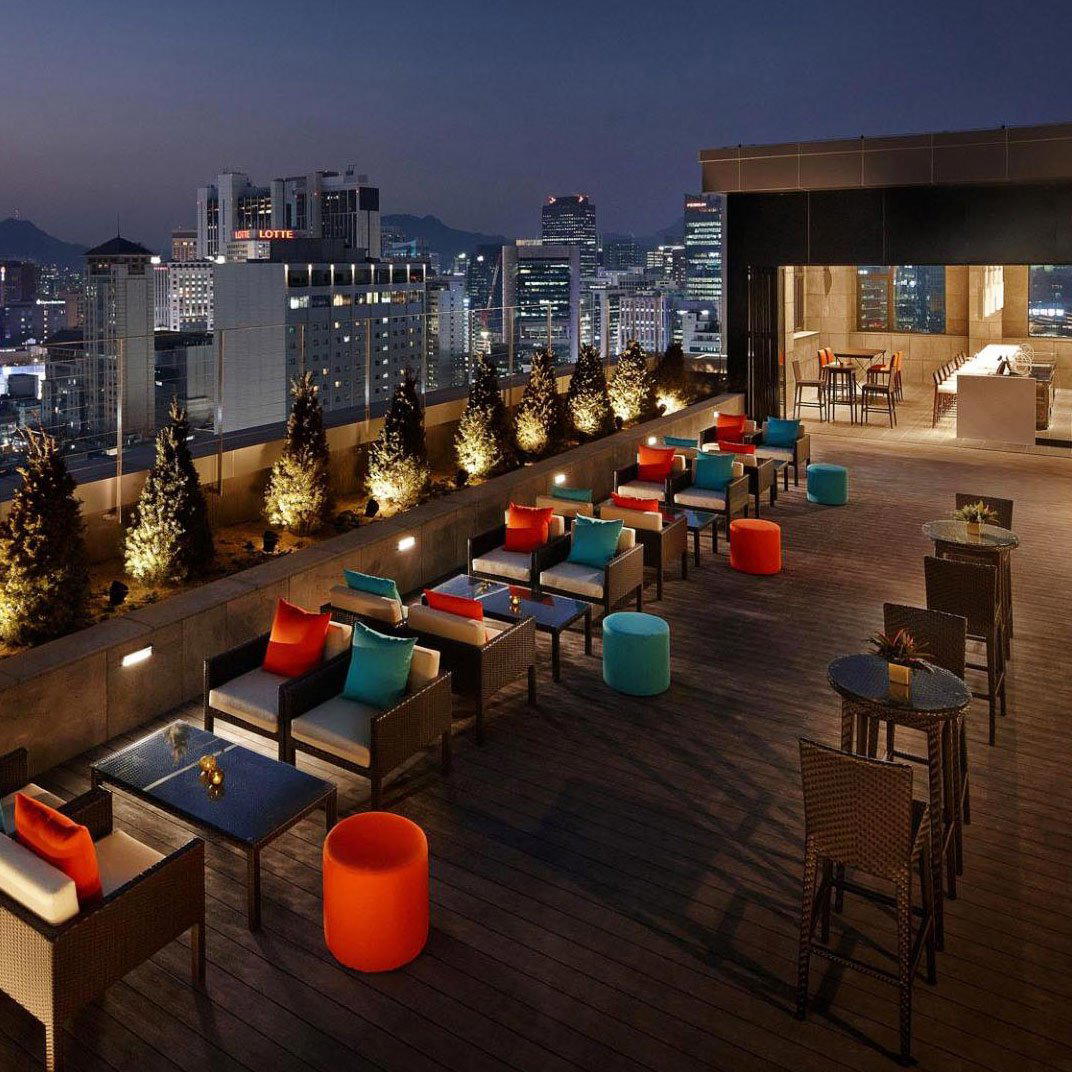
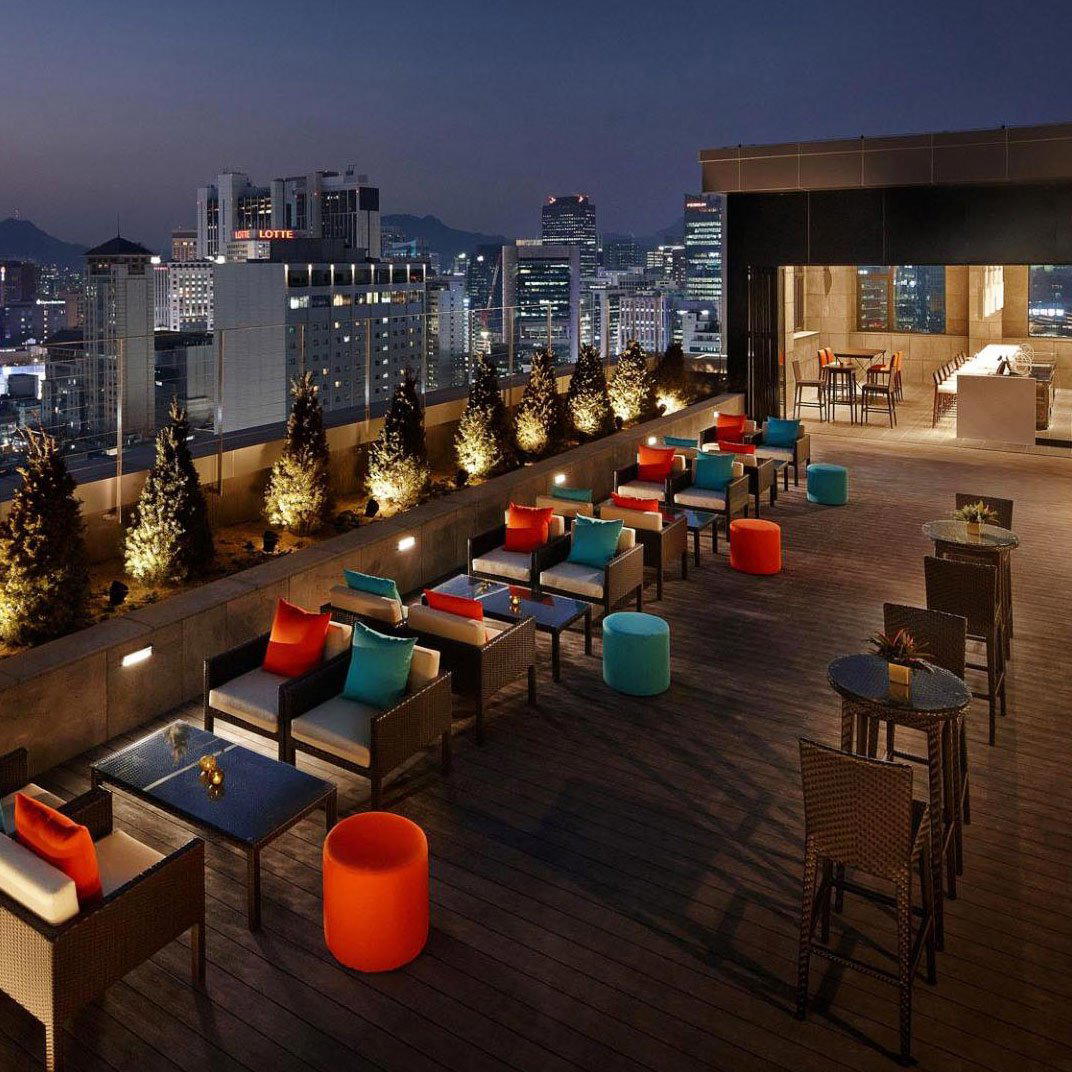
Softly lit intimate space with heavy oak wood, exposed rafters, and traditional clay walls meeting modern restraint; feels like a hushed temple dedicated to Korean ingredients.