Buto
In Hannam-dong, Seoul's most densely creative bar neighbourhood, Buto operates from a basement address on Hannam-daero 27ga-gil that rewards the search. The bar sits within a scene that has moved Korean craft cocktails decisively toward indigenous ingredients interpreted through technically rigorous methods, and Buto positions itself squarely in that current.

Pearl is the En Primeur Club membership app, where members save venues, book tables and use the concierge.
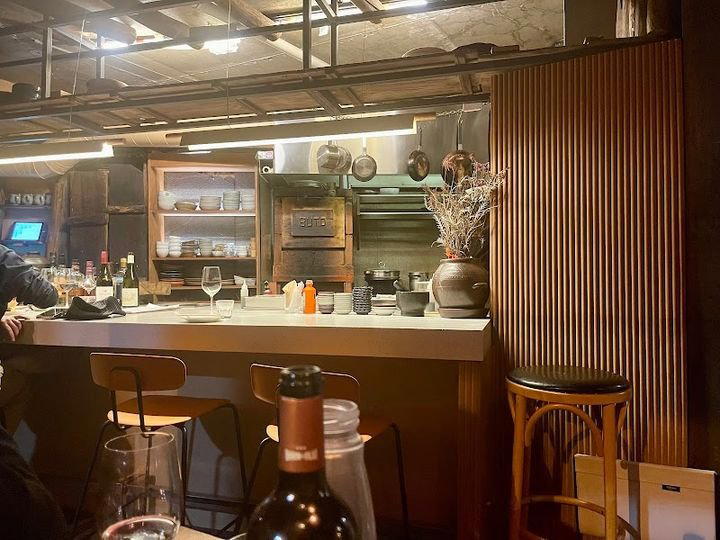
Below the Street, Inside the Scene
Hannam-dong does not announce itself the way Gangnam does. The neighbourhood's bars and restaurants occupy low-rise buildings, converted shopfronts, and basement spaces along streets that require a deliberate detour to find. Buto's address, 32 B2 Hannam-daero 27ga-gil, places it in that texture: the B2 designation signals a below-ground entry, which in Seoul's craft bar geography has come to carry its own shorthand for seriousness. Basement bars in this city tend to attract operators who are more interested in what is in the glass than in the foot traffic passing the window.
That physical context matters because Hannam-dong has become the neighbourhood where Seoul's bar culture concentrates its most technically ambitious work. The area draws a clientele that moves fluidly between Korean and international reference points, and the bars that hold their ground here do so through program depth, not marketing noise. Buto sits in that environment, and the address alone is a reasonable first signal about where it positions itself.
Korean Ingredients, Technique as the Frame
The broader shift in Seoul's craft cocktail scene over the past several years has been toward using Korean raw materials as the primary vocabulary while applying globally absorbed technique as the grammar. This is not the same as simply adding makgeolli or doenjang to a drink for novelty. The bars that have earned sustained attention in Seoul, from Charles H in the Four Seasons to the more intimate counter at Bar Cham, have done so by treating Korean ferments, botanicals, and aged spirits with the same structural rigour applied to Japanese whisky or French vermouth programs elsewhere.
Buto operates within that same logic. The intersection of imported method and indigenous product is not a marketing position in this part of Seoul; it is the default mode of any bar trying to compete seriously. Clarification, fat-washing, rotary evaporation, and cold infusion are all tools now present across the Seoul craft tier, but the bars that use them most credibly are those that apply them to ingredients with genuine regional specificity: ganjang, omija, yuzu from Jeju, aged Korean grain spirits. The result, when it works, produces drinks that could not have been made anywhere else, regardless of the technique's international origin.
For context on how this approach plays out across different Korean cities and formats, Muyongdam in Jeju Si, Climat in Busan, and Anjuga in Ansan Si each represent regional takes on a similar conversation about Korean material and global method. The Seoul version, concentrated in neighbourhoods like Hannam-dong, tends to be the most technically dense expression of that conversation.
Placing Buto in the Hannam-dong Competitive Set
Seoul's craft bar scene has stratified noticeably. At the upper tier, bars with international recognition, published programs, and reservation-required formats sit in a distinct bracket from the neighbourhood cocktail bar that serves well but without programmatic depth. Hannam-dong contains both types, and the distinction is usually legible within the first drink.
The bars that draw consistent comparison in this part of the city include Alice Cheongdam, which operates on a more theatrical format across the river in Cheongdam, and Bar D. Still, which has built its reputation around spirit-forward, lower-intervention drinks. Buto competes for the same customer, in a neighbourhood that has become a natural first stop for that profile of visitor.
Internationally, the approach Buto represents has analogues in bars like Bar Leather Apron in Honolulu, which similarly builds on Pacific-regional ingredients within a technically precise framework, and Jewel of the South in New Orleans, where historical American ingredients are filtered through contemporary method. The pattern is consistent: the most interesting craft bars of the current period are not choosing between local authenticity and technical ambition, they are using one to deepen the other.
The Broader Seoul Bar Context
Seoul now appears regularly in the same conversations as Tokyo, Hong Kong, and Singapore when serious drinkers and industry professionals discuss where the most compelling cocktail work is happening in Asia. That was not true a decade ago, and the acceleration has been sharp. The city's bars have gone from importing Western cocktail culture wholesale to producing a genuinely distinct local idiom in a compressed timeline. The EP Club Seoul guide covers this shift across multiple categories, from high-volume Gangnam venues to the quieter, more specialist operations in Hannam-dong and Itaewon.
For bars like Buto, the context matters: they exist because a critical mass of Seoul drinkers now expects Korean-ingredient programs at a technical level that would have been exceptional in any market five years ago. That expectation has raised the floor for the entire scene, which in turn makes the Hannam-dong basement bar format more viable than it would have been at an earlier point in the city's bar development. For further context on how this plays out in other parts of Korea, Seuwichi in Heungdeok and Regency Club in Incheon show the pattern extending well beyond the capital.
Planning Your Visit
The address, 32 B2 Hannam-daero 27ga-gil, Yongsan District, is navigable by Seoul's subway network: Hannam Station on Line 6 covers the area, with a short walk to the Hannam-daero corridor. The B2 designation means the entrance is below street level, so allow a moment to locate the entry when arriving for the first time. Hannam-dong bars in this bracket tend to attract later-evening crowds, with the scene thickening after 9pm on weekends. Given the neighbourhood's density of quality options, arriving with a secondary plan is a reasonable approach; Bar Cham and Charles H are both within practical distance for an extended evening.
Peers in This Market
| Venue | Price | Awards |
|---|---|---|
| ButoThis venue (the venue you are viewing) | Not listed | Not listed |
| Alice Cheongdam | $20–30 | World's 50 Best #13 · Top 500 Bars Best Bars #156 |
| Bar Cham | $10–20 | World's 50 Best #33 · Top 500 Bars Best Bars #147 |
| Bar D. Still | $10–20 | World's 50 Best #44 |
Continue exploring
More in Seoul
Bars in Seoul
All bars in Seoul →
Restaurants in Seoul
All restaurants in Seoul →
Buto
The drinks
- Craft cocktails
Signature drinks: Eggplant Menbosha, Sea Urchin Chwinamul Fried Rice, mala herring roe dry noodles.
Details
- Modern
- Cozy
- Intimate
- Trendy
- Date Night
- Special Occasion
- Design Destination
- Seated Bar
- Lounge Seating
- Craft Cocktails
Current opening hours
- Monday
- Closed
- Tuesday
- 6–10:30 PM
- Wednesday
- 6–10:30 PM
- Thursday
- 6–10:30 PM
- Friday
- 6–11:30 PM
- Saturday
- 6–11:30 PM
- Sunday
- Closed
Hours can change for holidays and private events. Hours as of .
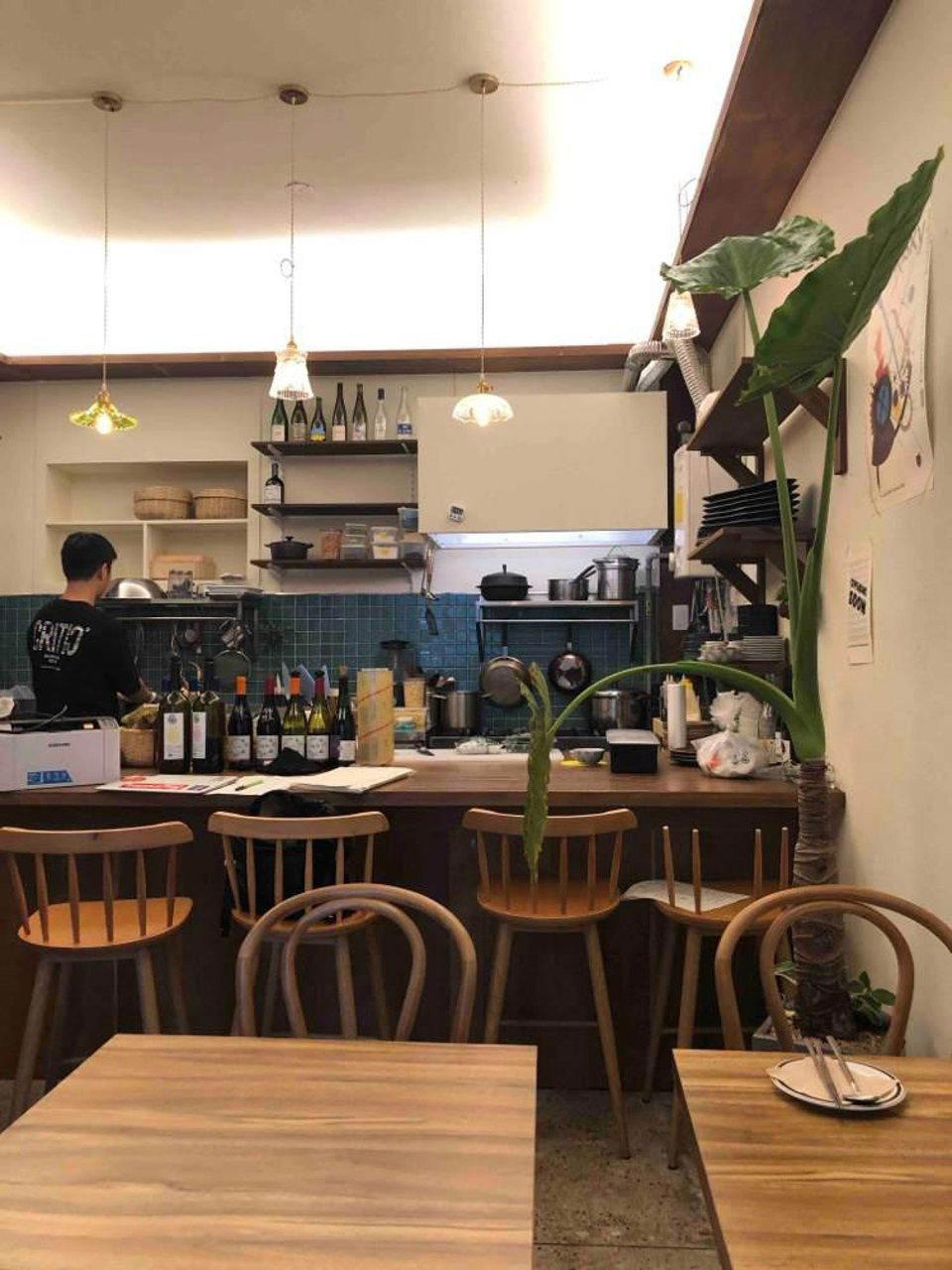
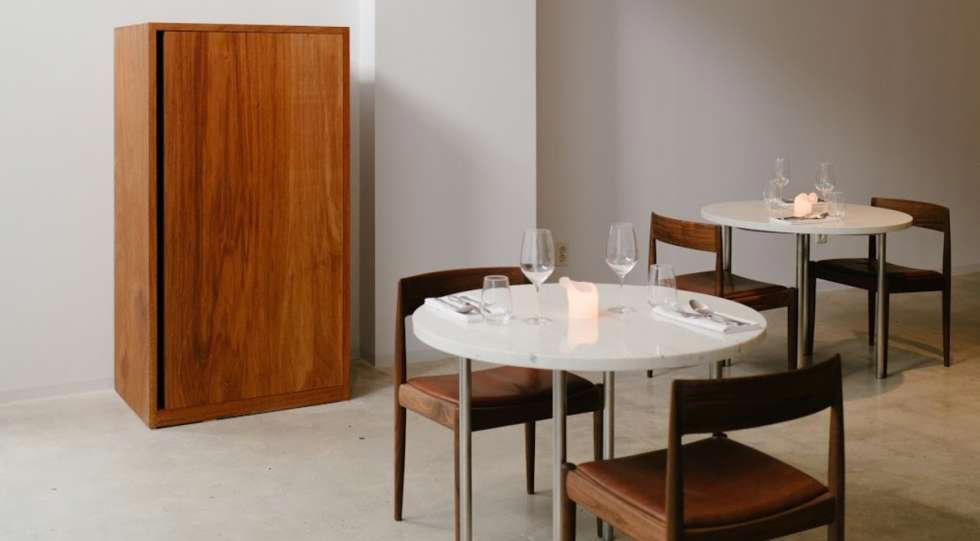
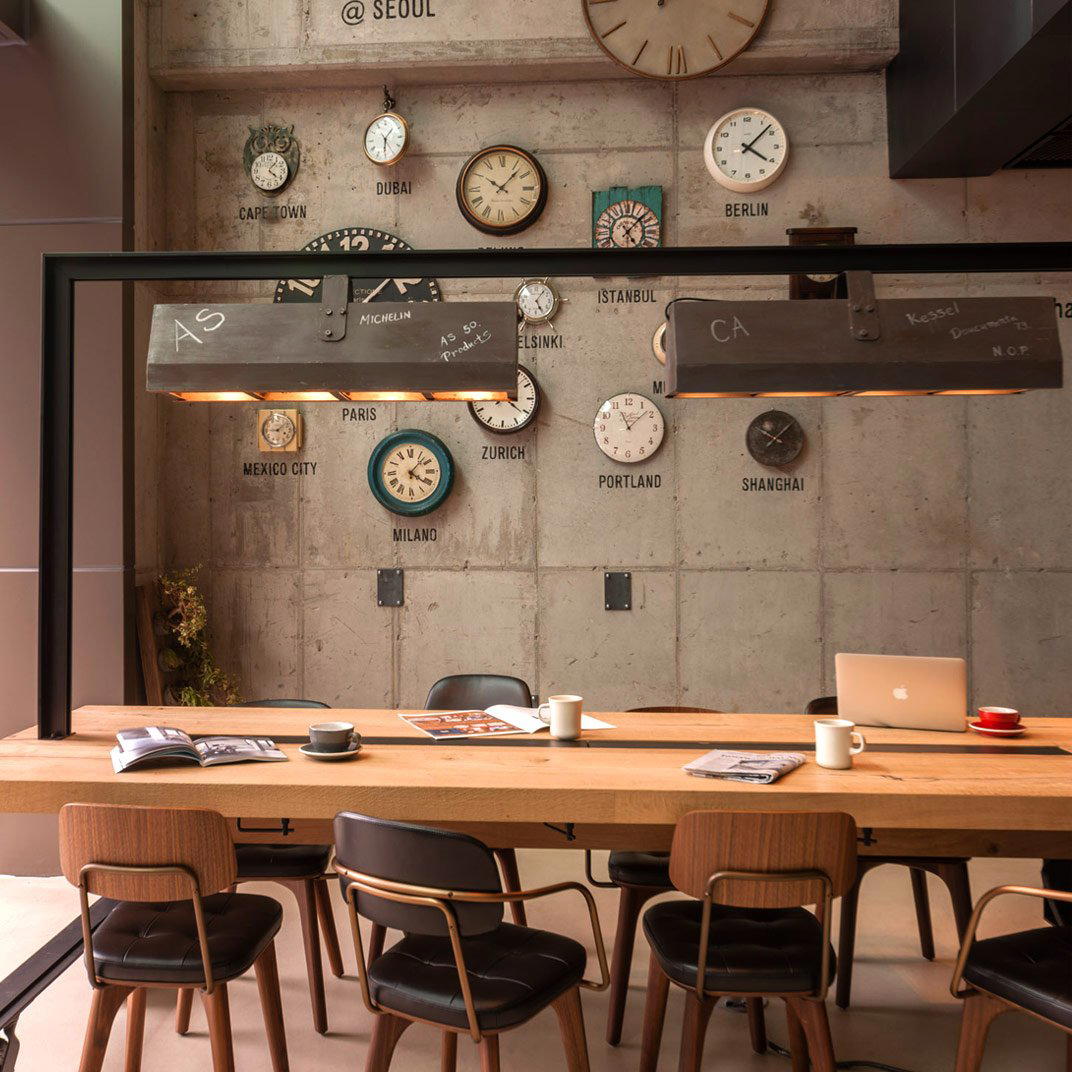
Cozy interior with open kitchen allowing guests to watch chefs, warm and intimate modern minimalist design.