Eonju-ro 134-gil
A street-level address in Gangnam's Eonju-ro corridor that functions as a neighbourhood anchor for the district's after-dark crowd. The 134-gil side street sits within walking distance of Cheongdam's cocktail bars and Apgujeong's dining strip, positioning it at the intersection of Seoul's upscale local bar scene and its broader Gangnam social culture.
Pearl is the En Primeur Club membership app — saves, bookings, and concierge access live there. Same editors, same standards.
- Address
- South Korea, Seoul, Gangnam District
- Directions
- Get directions
 Saves & bookings on Pearl
A Street That Defines How Gangnam Drinks
Gangnam's bar culture divides along a few clear fault lines. There are the high-concept cocktail programmes drawing international attention, the kind of addresses that appear on Asia's 50 Best lists and require weeks of advance planning. Then there are the streets that the neighbourhood actually uses: tighter, less curated, and considerably more lived-in. Eonju-ro 134-gil belongs to the second category. This side street off Eonju-ro, in the southern reaches of Gangnam District, functions as a gathering axis for the people who work, live, and socialise in one of Seoul's most commercially dense neighbourhoods, rather than as a destination built for outside visitors.
That distinction matters in a city where bar tourism has become its own industry. Seoul's Cheongdam and Apgujeong corridors now support a tier of cocktail bars, Alice Cheongdam, Charles H, and Bar Cham among them, that operate with the kind of programme discipline you associate with London or Tokyo. Eonju-ro 134-gil sits adjacent to that ecosystem without being absorbed by it. The street's role is closer to what neighbourhood bars perform in any dense city: a reliable place for regulars, a setting with walk-in-friendly access, and a social space that earns its place through consistency rather than concept.
The Gangnam Context
Understanding why a street like this holds weight requires a brief look at what Gangnam has become as a drinking district. The area's wealth concentration has, over two decades, pushed hospitality formats upward. Fine dining, luxury lounges, and technically ambitious bar programmes proliferated through the 2010s, partly tracking the neighbourhood's real estate trajectory and partly responding to a generation of Seoul drinkers with access to global reference points. The result is that Gangnam now hosts a genuinely competitive high-end bar scene, one where Bar D. Still and peers operate programmes that hold their own against any regional benchmark.
But a district of that density also generates a strong counter-pull. Not every evening in Gangnam is a special occasion, and not every Gangnam resident wants to perform the ritual of a tasting-menu cocktail experience on a Tuesday. The streets that fill this gap, lower-key, accessible, rooted in the rhythm of the area rather than the aspirations of its premium tier, play a different but equally necessary role. Eonju-ro 134-gil has consolidated that function for the district's southeastern pocket. It is the kind of address that becomes a default rather than a deliberate choice, which in hospitality terms is harder to achieve than it sounds.
Seoul's Neighbourhood Bar Tradition
South Korea's drinking culture has always had a strong communal infrastructure, from the pojangmacha street tents that historically served workers and late-night pedestrians, to the hof bars and soju-focused establishments that cluster around transit hubs and office districts. The contemporary neighbourhood bar in Seoul inherits some of that structural logic, a place you end up rather than plan for, while adapting it to denser, more affluent surroundings. In Gangnam, where disposable income is higher and space is at a premium, that tradition expresses itself in tighter, more polished formats, but the underlying social function stays consistent: a place for the neighbourhood to decompress together.
Streets like Eonju-ro 134-gil sit within that lineage. They don't claim the cultural prominence of Itaewon's bar district or the craft-focused energy that has defined parts of Mapo-gu in recent years, but they serve a population that those districts don't particularly serve: Gangnam's own residents and the office workers who populate its commercial towers and don't want to travel far for a decent drink after hours.
For comparative texture, Seoul's bar geography extends well beyond the capital. Addresses like Climat in Busan and Muyongdam in Jeju Si illustrate how the neighbourhood anchor model translates across Korean cities, each with its own local identity but the same underlying social logic. Even further afield, the function maps to international equivalents: Bar Leather Apron in Honolulu and Jewel of the South in New Orleans both occupy a similar position in their respective cities, credible, community-facing, and valued precisely because they're not trying to be something else.
Who Uses This Street and How
The regulars at the bar represent a cross-section of Gangnam's working population: office professionals from the nearby commercial corridors, residents of the dense apartment blocks that fill the district's residential pockets, and the spillover from Cheongdam's restaurant strip who want to continue an evening without the formality of a hotel bar. The street operates across a range of formats, bar-adjacent dining, standing drinks, seated sessions, that reflect the Korean habit of moving between venues across the course of an evening rather than anchoring to one spot.
That fluidity is worth noting for visitors approaching Seoul's drinking culture from a different framework. Korean evening socialising tends to involve multiple stops, and streets like this function as one node in a longer sequence rather than a destination in themselves. Arriving early in the evening gives you a different experience from arriving after 10pm, when the after-dinner wave from nearby restaurants shifts the energy of the street considerably.
Practical Notes for Getting There
The bar sits within Gangnam District, accessible from the area's main transit corridor. The nearest major subway interchange puts you within walking distance of both the street itself and the broader Cheongdam bar cluster, making it a logical addition to any evening that starts in the premium end of Seoul's cocktail geography before settling into something more relaxed. For those building a Gangnam evening from scratch, the sequence runs logically from the higher-concept bars, venues like Charles H or Alice Cheongdam, through dinner, and then toward the more neighbourhood-facing streets for a later drink. Beyond Seoul, the wider Korean bar network worth tracking includes Anjuga in Ansan Si, Regency Club in Incheon, and Seuwichi in Heungdeok, each serving similar anchor roles in their local drinking culture.
Recognition, Side-by-Side
Comparable venues nearby, for context on price, style, and recognition.
| Venue | Cuisine | Price | Notes |
|---|---|---|---|
| Eonju-ro 134-gilThis venue — the venue you are viewing | speakeasy | $$$ | Not listed |
| Buto | cocktail_bar | $$$ | 한남동 |
| Dogokokk | wine_bar | $$$ | Dogok-dong |
| The Edge | lounge | $$ | Jongno-dong |
| Clos de Yong | wine_bar | $$$ | 압구정동 |
| Found Local | wine_bar | $$ | 잠원동 |
At a Glance
- Trendy
- Classic
- Sophisticated
- After Work
- Casual Hangout
- Group Outing
- Speakeasy
- Standalone
- Seated Bar
- Outdoor Terrace
- Craft Beer
- Whiskey
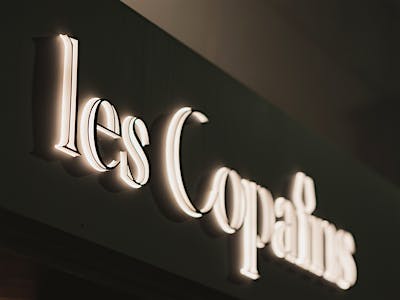
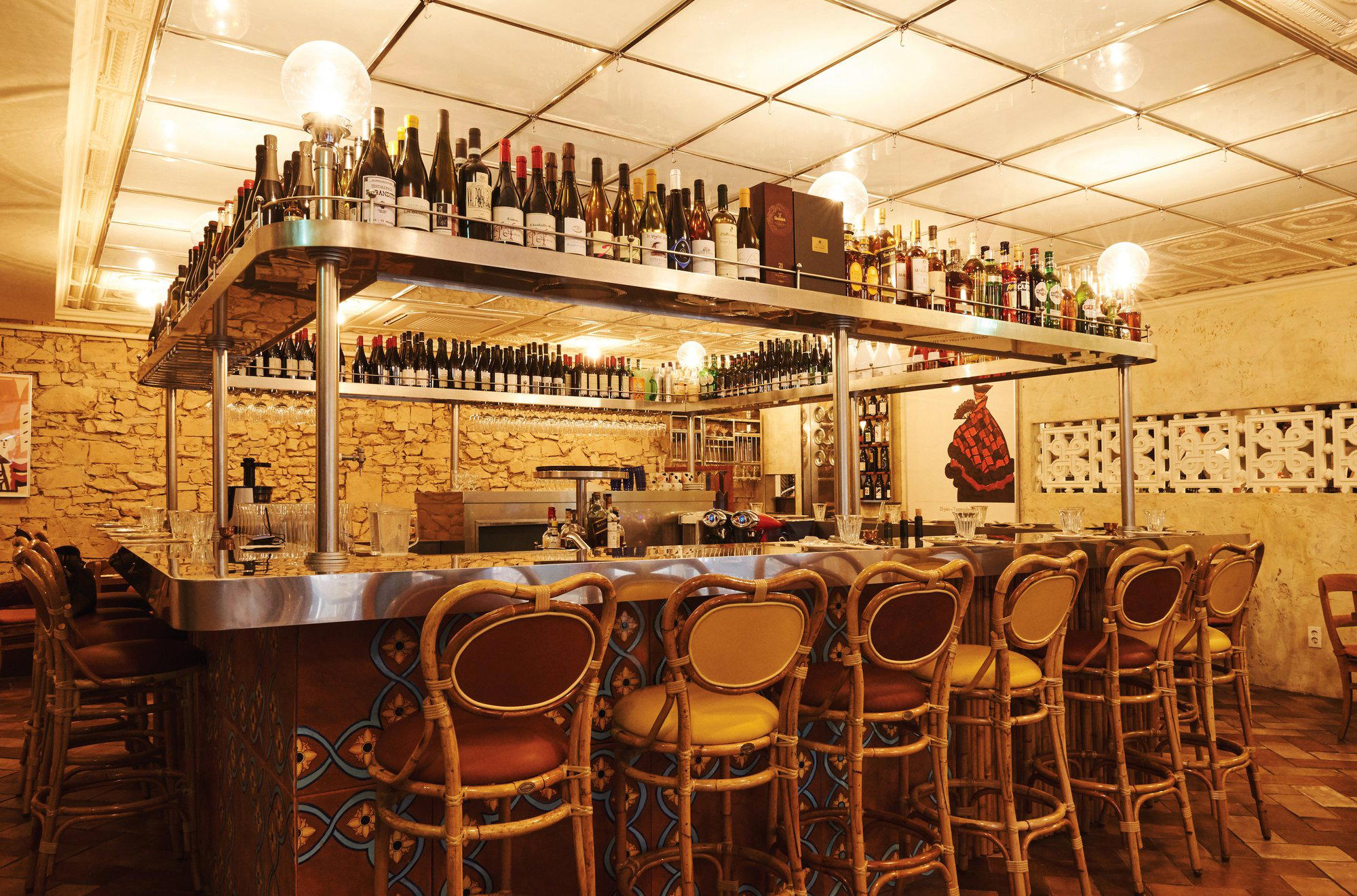
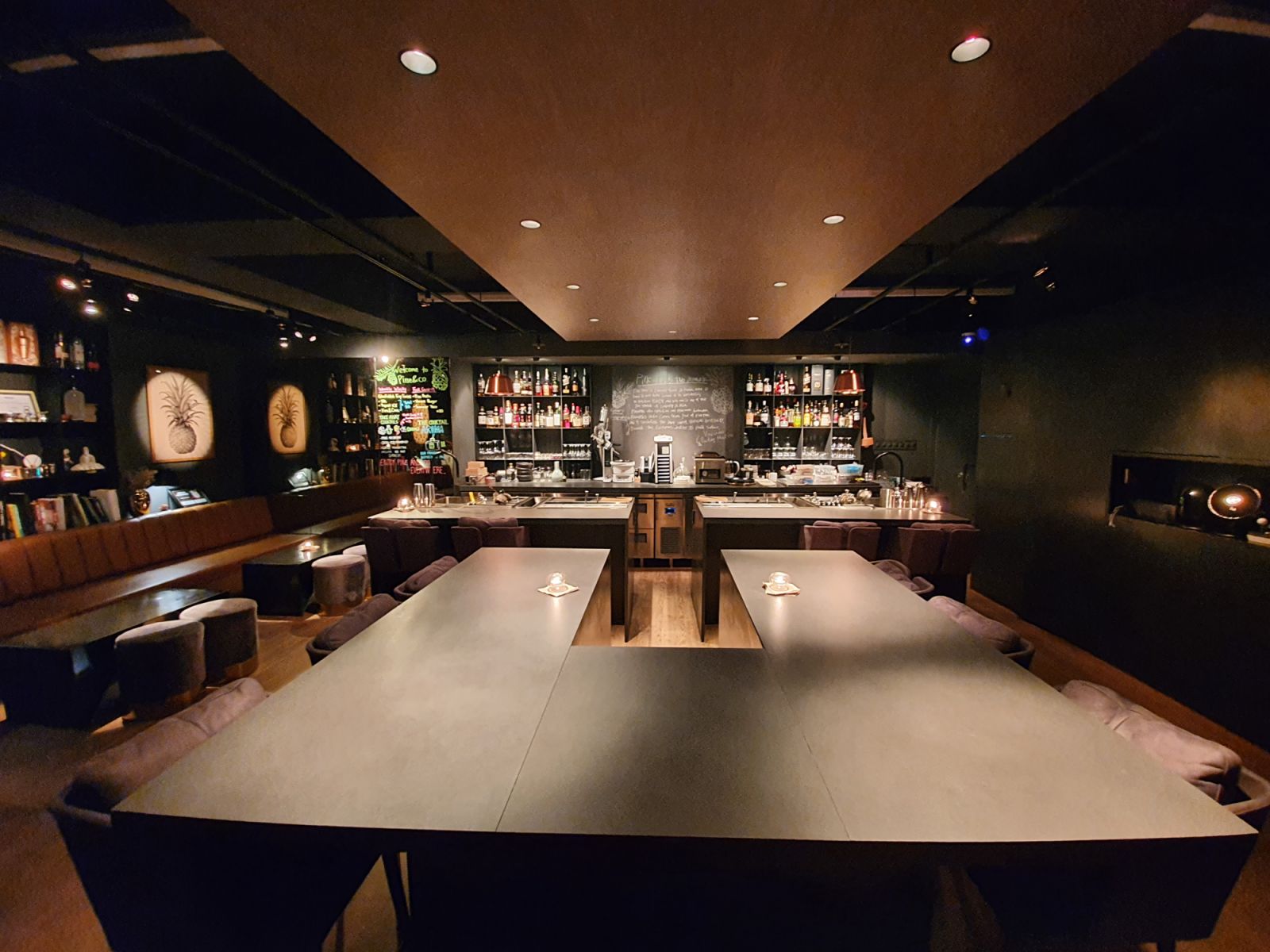
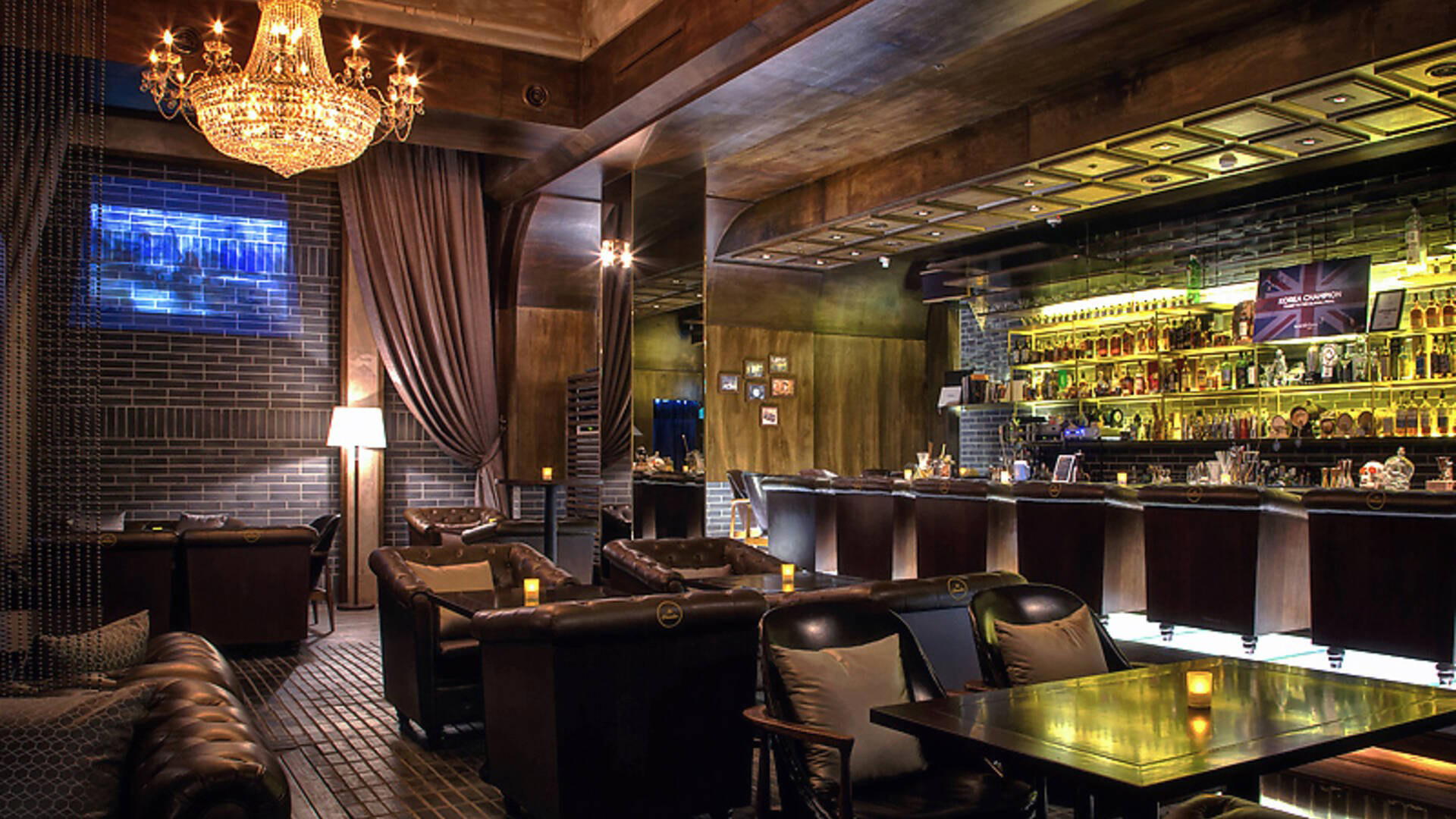
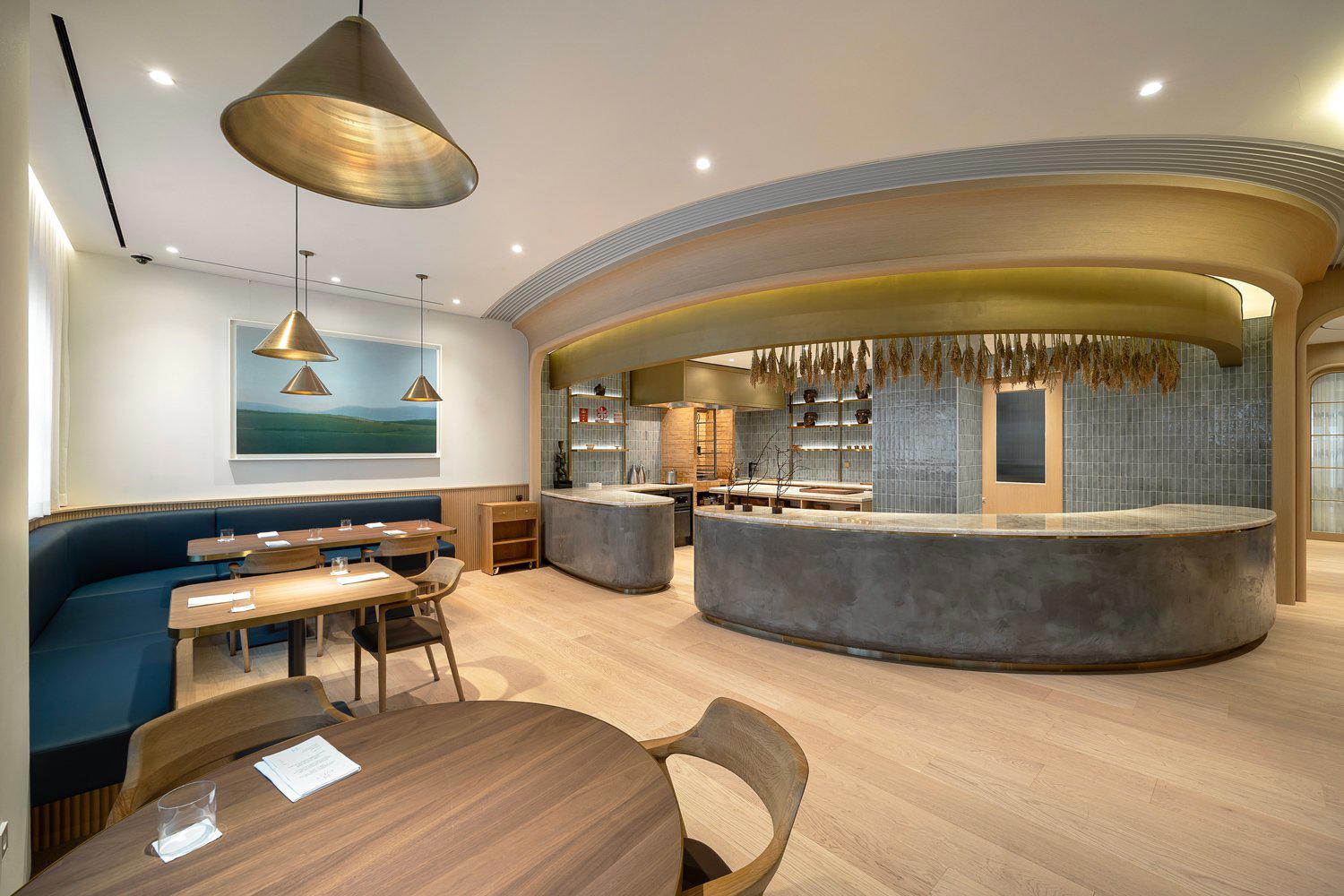
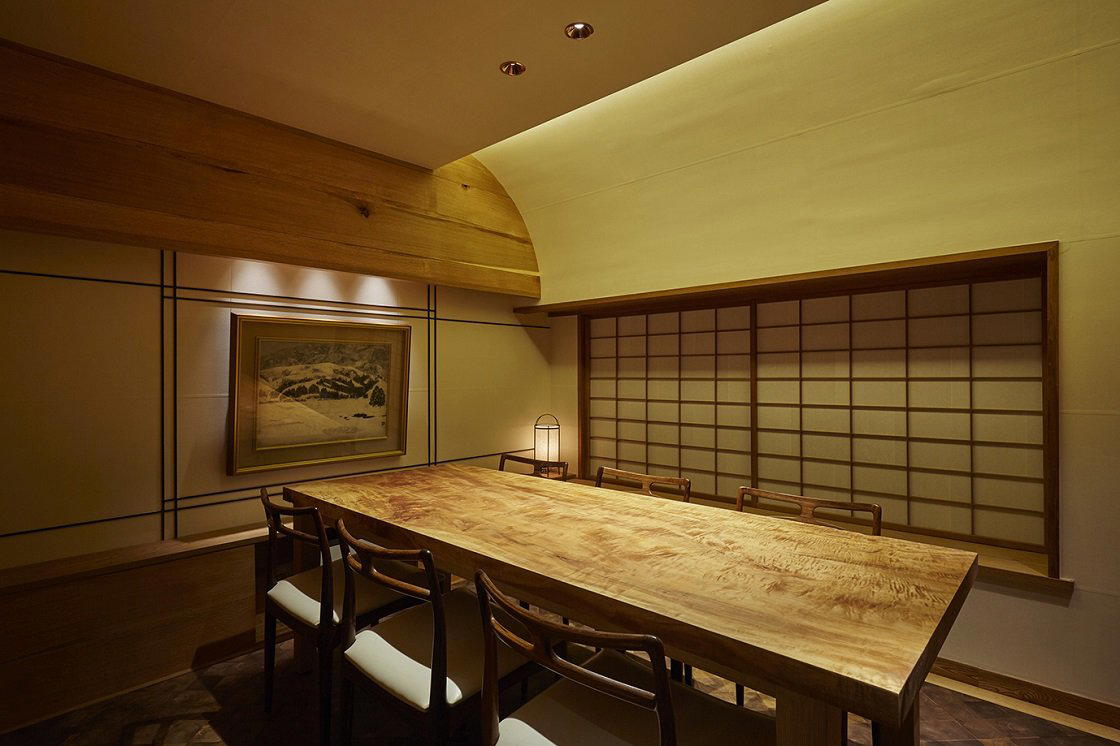
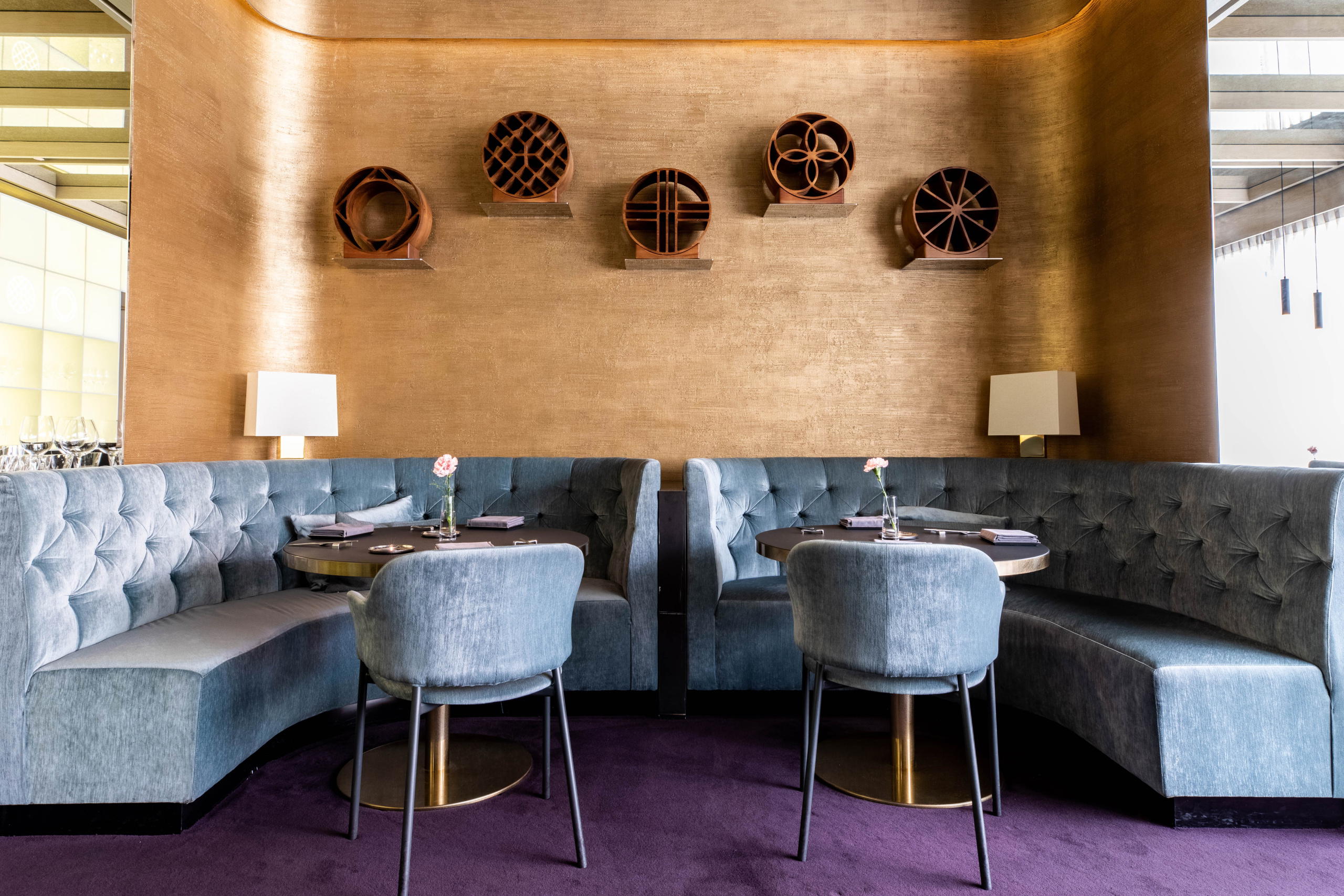
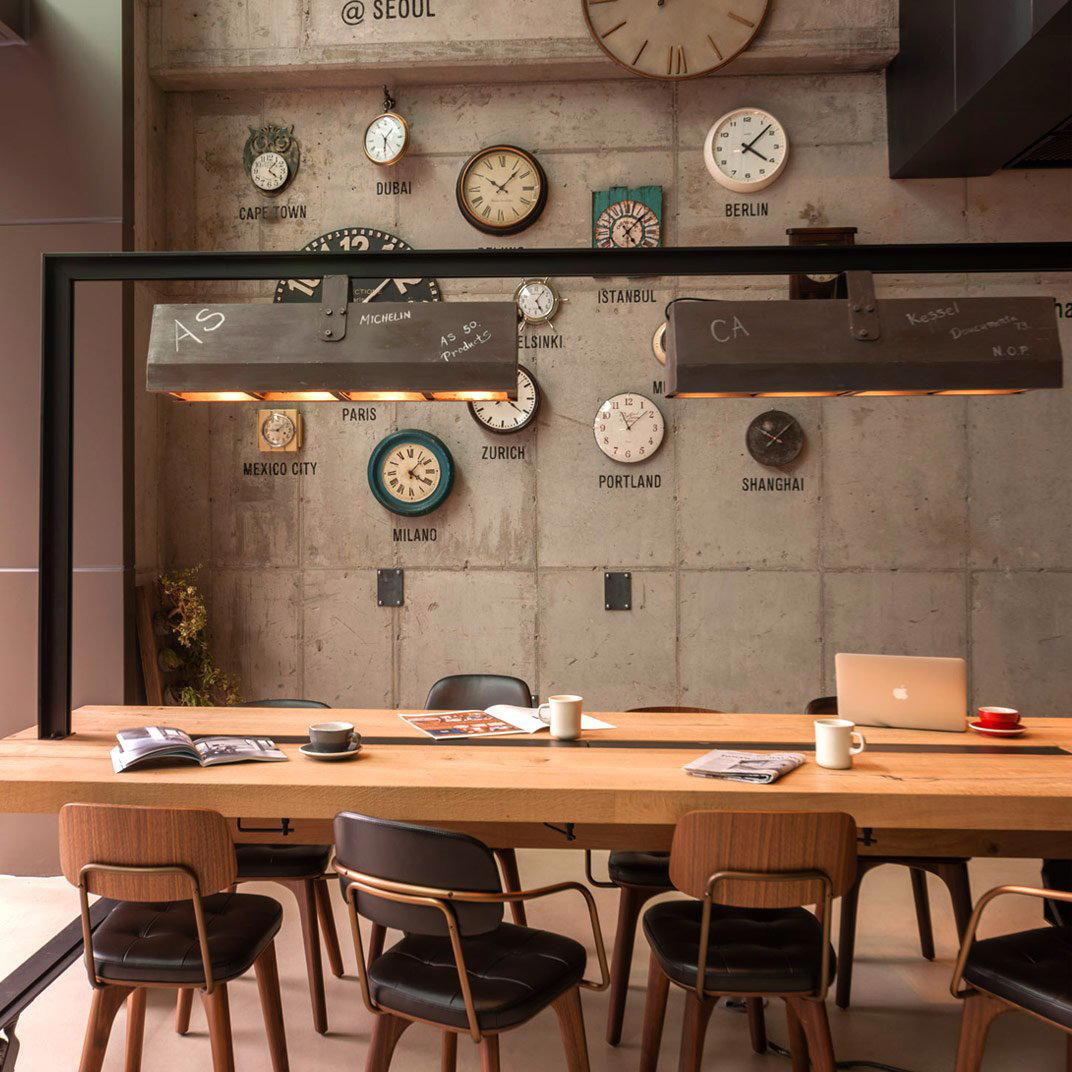
Dark wood interior with classic, upscale finish; intimate and trendy atmosphere with increased crowding during poor weather.