Café Kitsuné West Village
Café Kitsuné West Village occupies a quieter position in New York's café scene than its Parisian-brand lineage might suggest. On Hudson Street, the format rewards those who return rather than those who arrive once for the photo. Among West Village coffee stops, it sits closer to the considered European café model than the high-volume specialty roaster tier.

Hudson Street in the West Village moves at a different pace than the rest of downtown Manhattan. The foot traffic here is deliberate, residents walking dogs, professionals on slow mornings, the occasional visitor who figured out that the neighbourhood's leading hours are before noon. At 550 Hudson, Café Kitsuné fits that rhythm without forcing it. The space signals restraint: the Maison Kitsuné fox logo, the clean lines imported from the brand's Paris and Tokyo DNA, and an interior calibrated for sitting rather than queuing.
A European Café Model in a Neighbourhood That Rewards It
New York's café culture has fractured into several distinct tiers over the past decade. At one end sit the high-output specialty roasters, where single-origin pourover programs and barista competition credentials define the proposition. At the other end, a cohort of brand-led café concepts has arrived from Europe and Japan, operating on a different logic: slower service, considered retail adjacency, and a format designed for return visits rather than discovery traffic. Café Kitsuné belongs firmly to that second group.
The Maison Kitsuné model, built on the intersection of French fashion, Japanese aesthetic discipline, and café culture, has translated differently across its global locations. In New York's West Village, the neighbourhood context does most of the heavy lifting. This is a residential pocket with the density to support a regular clientele, and the kind of street-level familiarity that turns a café into something closer to a local institution than a branded outpost. That distinction matters: a concept that might read as self-conscious in a higher-traffic commercial corridor reads as settled here.
What Keeps People Coming Back
The regulars' relationship with any café is shaped less by the menu than by the accumulated experience of returning. At Café Kitsuné West Village, the draw is structural: a format that doesn't change dramatically between visits, a space that functions as a plausible working environment without becoming a laptop farm, and a retail component, Maison Kitsuné clothing and accessories alongside café goods, that gives the room a layered identity without tipping into boutique-café awkwardness.
That layered identity is worth examining against the West Village's broader café geography. The neighbourhood has no shortage of strong independent coffee programs. What Café Kitsuné offers instead is a specific kind of ambient continuity: the sense that the room will be roughly the same each time, that the coffee will be consistent, and that the experience is curated without being theatrical. For a certain type of regular, the kind who wants their morning coffee to feel considered but not performative, that consistency is the product.
Across New York's cocktail and café scene, the venues that build genuine regulars tend to be those that resist the temptation to constantly refresh their identity. Amor y Amargo has maintained its amaro-focused format for years without diluting it. Attaboy NYC built its reputation on a no-menu, guest-preference model that rewards multiple visits. Café Kitsuné operates on a comparable logic at a different price point and day part: the format is the loyalty mechanism.
The Brand Lineage and What It Means Here
Maison Kitsuné's café arm originated in Paris as a direct expression of the brand's dual French-Japanese sensibility. The concept has since expanded to Tokyo, Seoul, Singapore, and several US cities, with each location calibrated to its local context rather than stamped identically. In New York, the West Village address is a considered choice: it places the brand in a neighbourhood associated with creative-professional residents and a European pace of life, rather than in a high-visibility retail corridor where the comparison set would shift entirely.
That positioning aligns Café Kitsuné with a peer group that includes design-conscious café-retail hybrids more than it does with specialty coffee destinations. The comparison isn't to Angel's Share or Superbueno, those are evening formats operating on entirely different logic, but rather to the cohort of internationally originated café concepts that have found genuine neighbourhood traction in New York by virtue of format discipline and location selection.
The broader pattern is visible in other cities too. Kumiko in Chicago built a considered Japanese-influenced drinking environment that rewards regulars. Bar Leather Apron in Honolulu operates on a similarly deliberate, return-visit-oriented model. ABV in San Francisco and Allegory in Washington, D.C. have each built identities that hold across multiple visits. Jewel of the South in New Orleans and Julep in Houston demonstrate that format commitment, rather than constant novelty, is often what separates a neighbourhood fixture from a passing moment. The Parlour in Frankfurt applies a comparable logic in a European context. Café Kitsuné's West Village iteration is making the same argument in a daytime format.
West Village Context and Timing
The West Village's café geography rewards morning visits. By midday, Hudson Street picks up pace and the calculus of any café shifts. The more considered the format, the more it benefits from the slower hours. Café Kitsuné's spatial logic, the retail component, the unhurried aesthetic, performs better when the room has breathing space. Regulars know this, which is part of what makes them regulars.
For visitors arriving from outside the neighbourhood, the location at 550 Hudson is accessible from the Christopher Street-Sheridan Square subway stop, placing it within the broader West Village walking circuit that takes in Bleecker Street's food corridor to the north and the Hudson River esplanade a few blocks west. The café sits between those anchors without being a destination for either, which is, for its regulars, precisely the point.
For more context on where Café Kitsuné sits within New York's wider café and dining scene, see our full New York City restaurants guide.
Know Before You Go
- Address: 550 Hudson St, New York, NY 10014
- Neighbourhood: West Village, Manhattan
- Format: Café and retail (Maison Kitsuné clothing and goods)
- Leading timing: Morning hours for the most settled atmosphere
- Nearby transit: Christopher St-Sheridan Sq (1 train)
- Booking: Walk-in only; no reservations required
The Short List
A compact comparison to help you place this venue among nearby peers.
| Venue | Cuisine | Price | Awards |
|---|---|---|---|
| Café Kitsuné West VillageThis venue (the venue you are viewing) | Not listed | Not listed | Not listed |
| The Long Island Bar | Not listed | $30–50 | World's 50 Best #64 · Top 500 Bars Best Bars #367 |
| Dirty French | Not listed | Not listed | World's Best Steaks 50 Best #32 · Star Wine List |
| Superbueno | Not listed | $30–50 | World's 50 Best #61 · Top 500 Bars Best Bars #54 |
| Amor y Amargo | Not listed | $20–30 | World's 50 Best #23 |
| Angel's Share | Wine Bar | $20–30 | World's 50 Best #31 · Top 500 Bars Best Bars #280 |
Continue exploring
More in New York City
Bars in New York City
All bars in New York City →
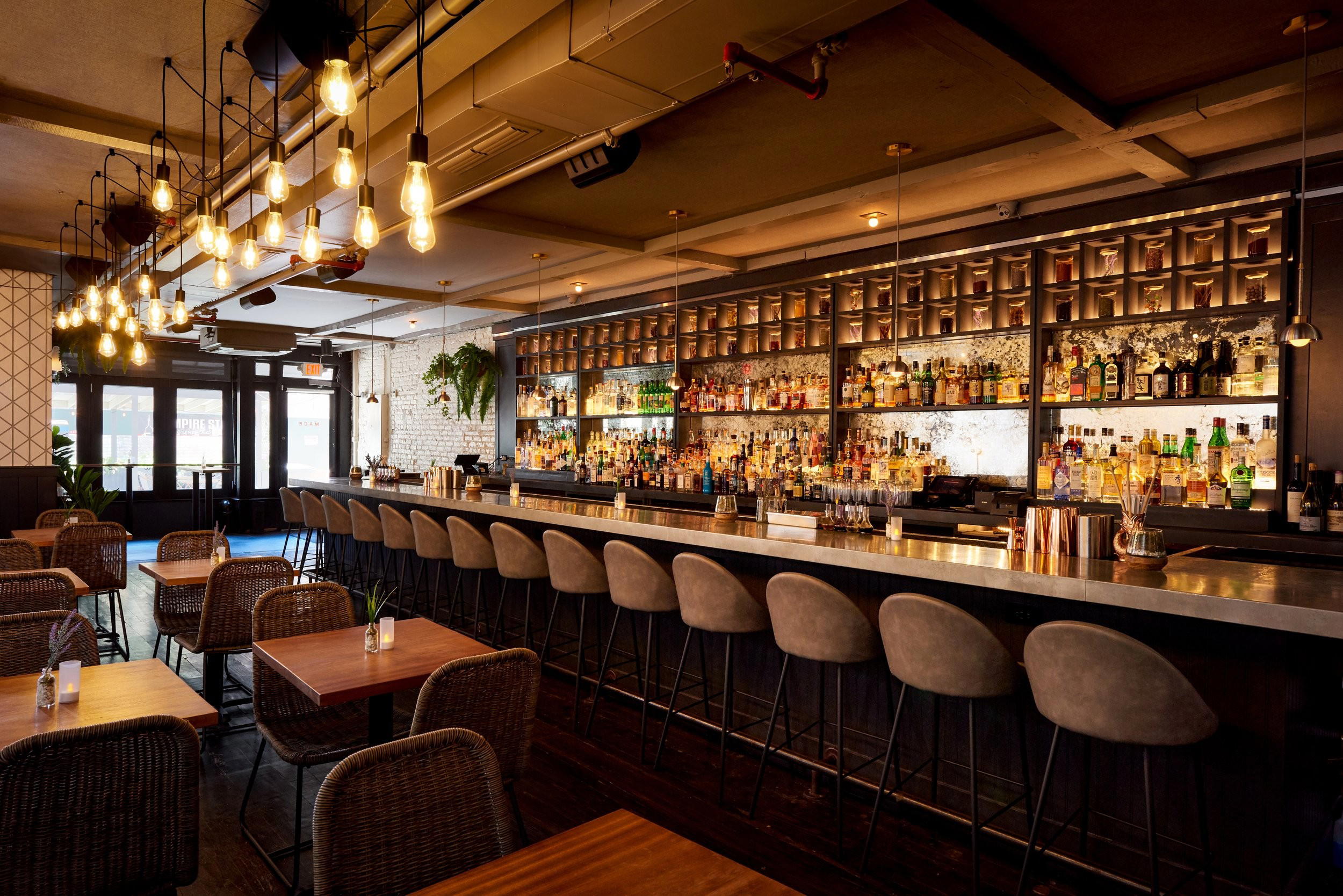
Restaurants in New York City
All restaurants in New York City →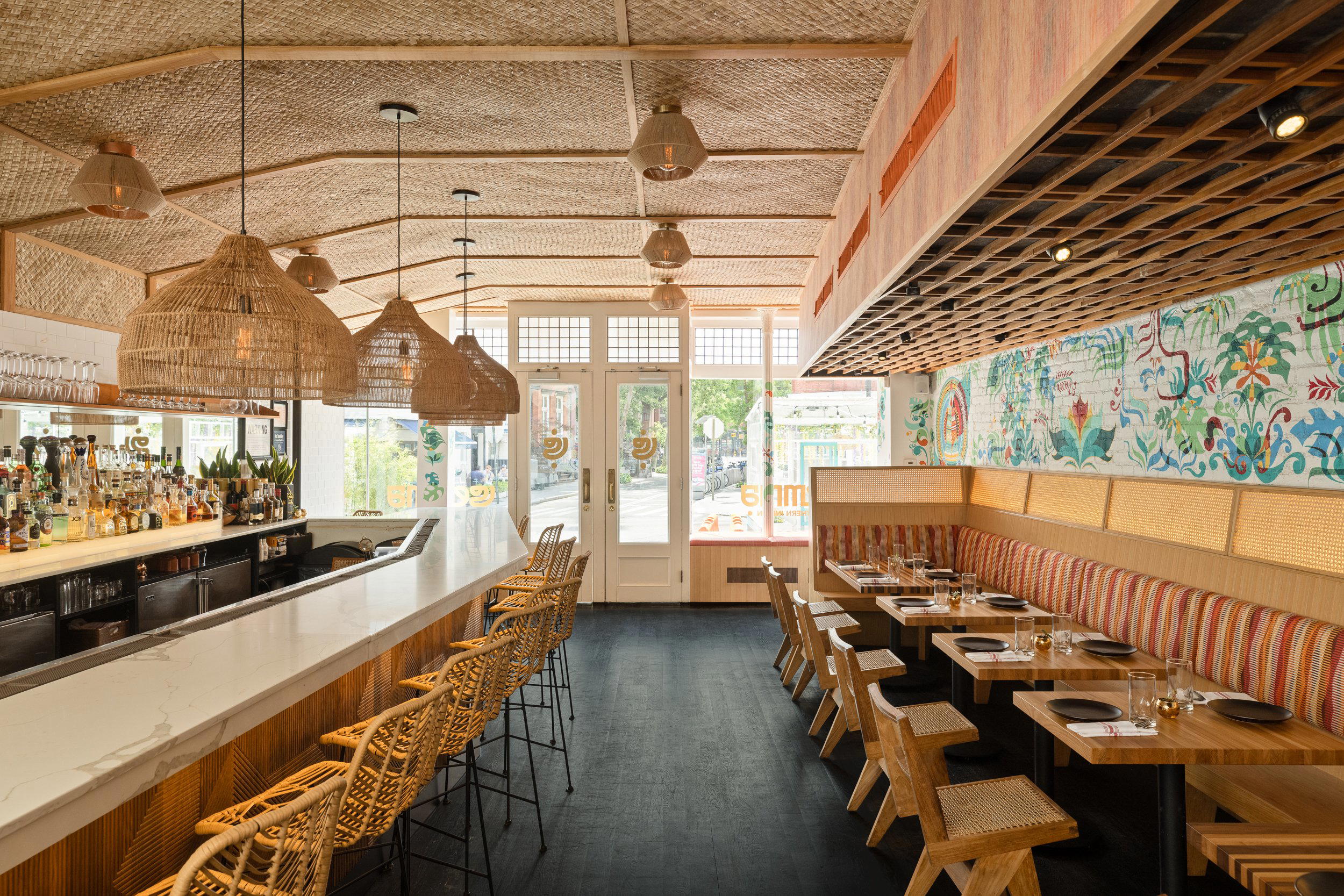
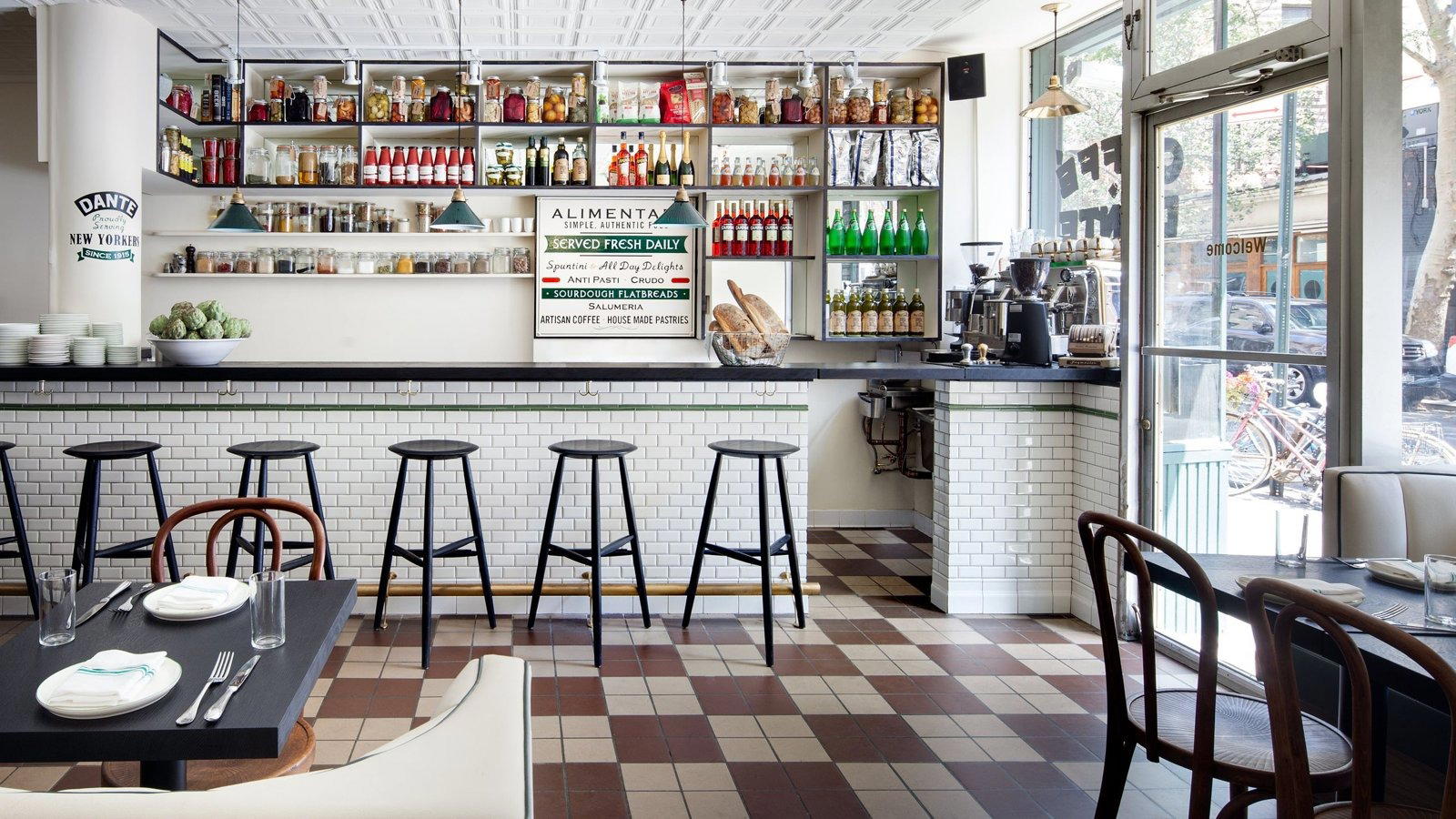
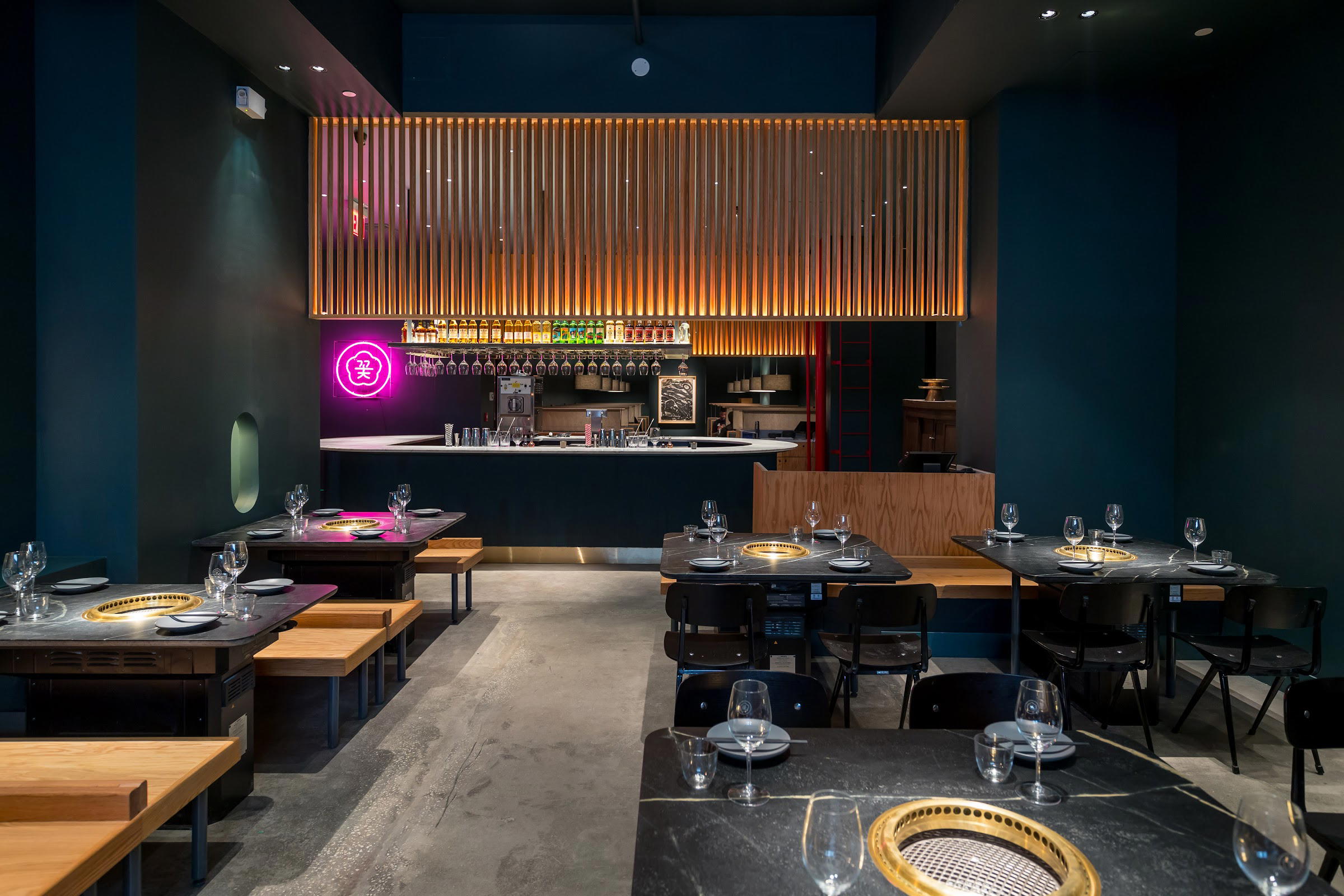
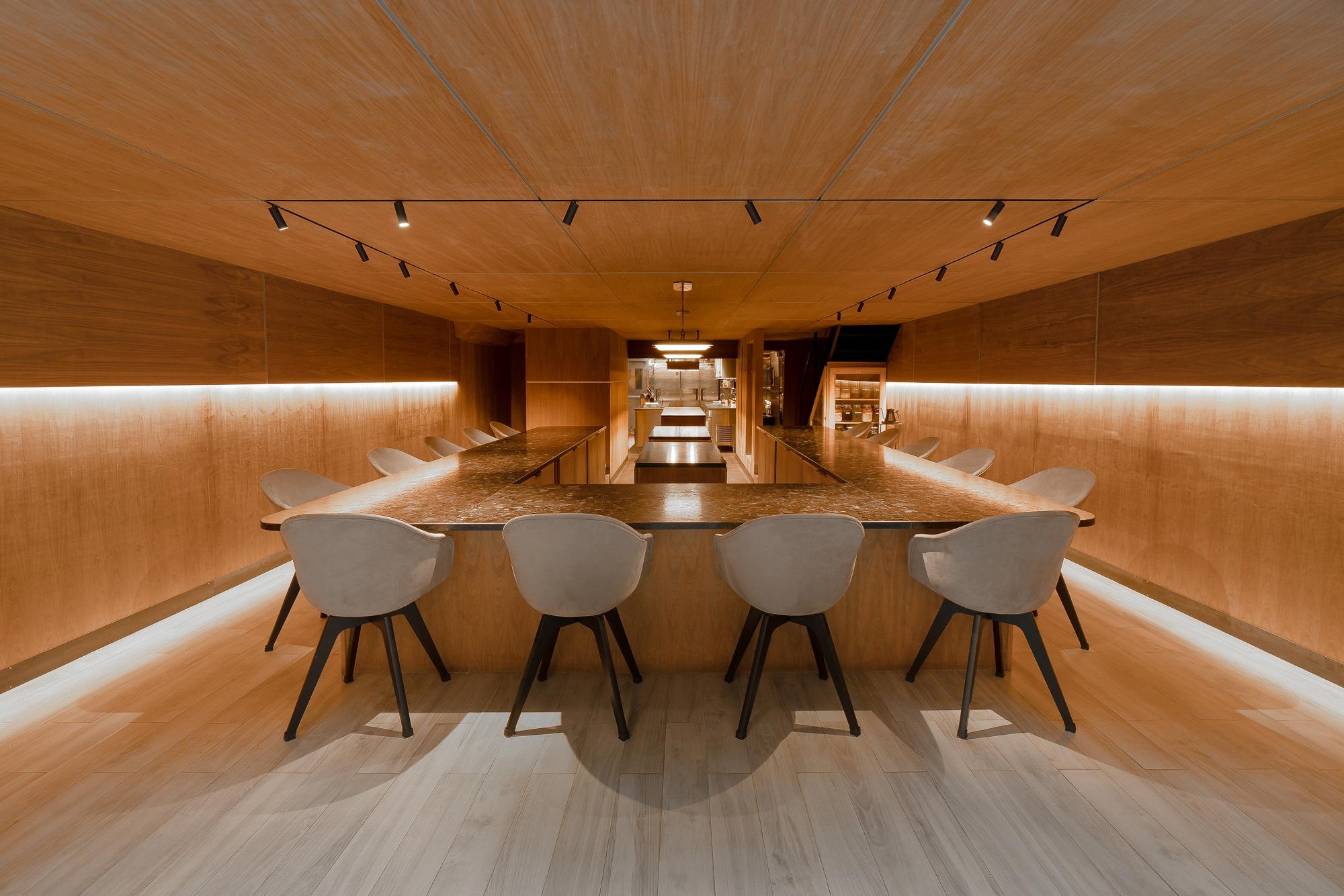
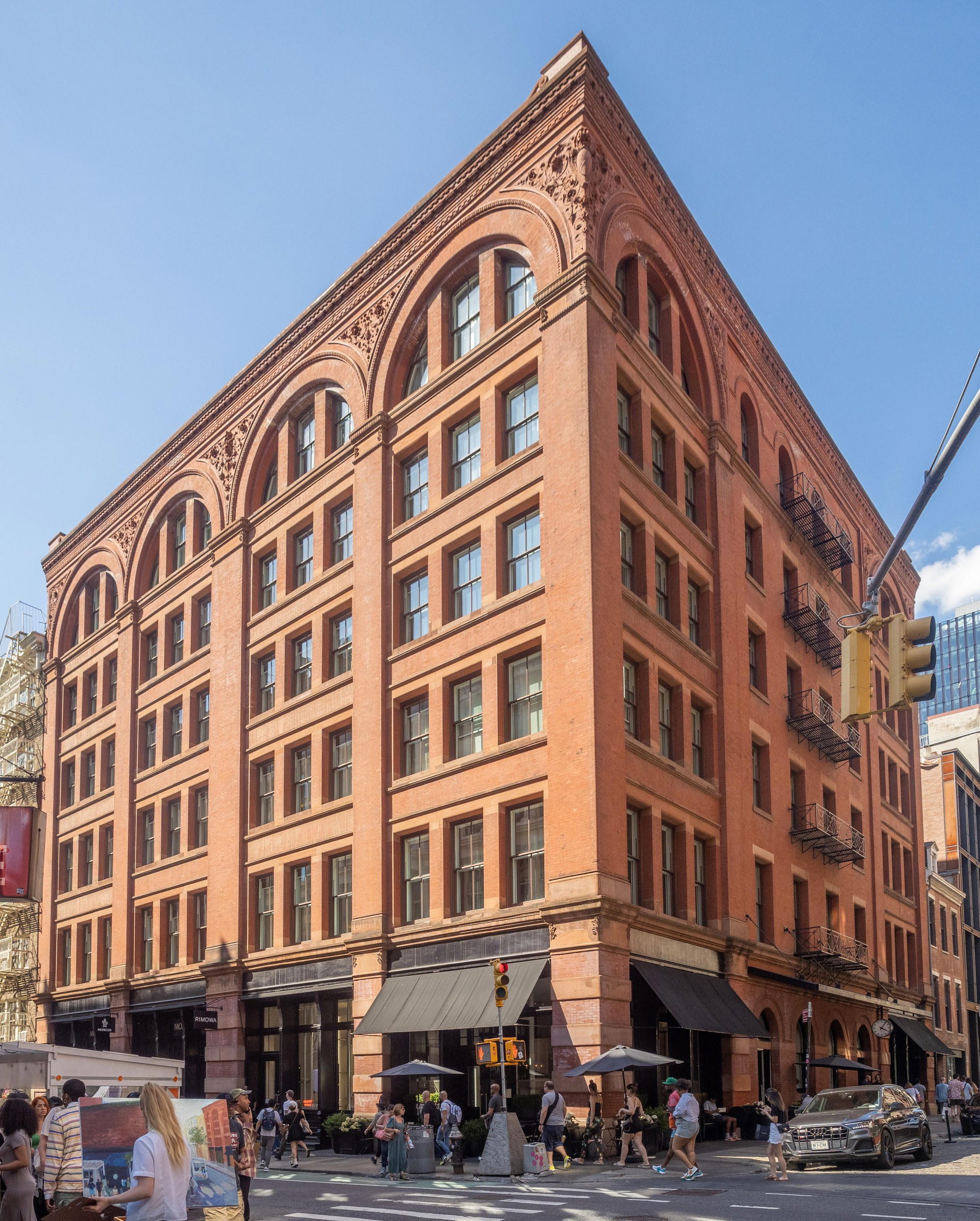





Café Kitsuné West Village
The drinks
- Natural wine
Signature drinks: black_and_white_latte.
Details
- Modern
- Cozy
- Trendy
- Whimsical
- Minimalist
- Casual Hangout
- After Work
- Date Night
- Design Destination
- Lounge Seating
- Communal Tables
- Natural Wine
Cozy and welcoming with elegant, minimalist decor featuring fox-inspired whimsical details, evoking a charming Parisian escape.