Avenue
Avenue occupies a specific position in New York City's cocktail conversation: a program built around technical precision and a well-considered drinks list, set against a room that takes its atmosphere seriously. For visitors tracing the city's bar circuit, it belongs in the same itinerary as the Lower East Side's more celebrated counters, but with a distinct register of its own.
 Discover on Pearl
Pearl is the En Primeur Club membership app — saves, bookings, and concierge access live there. Same editors, same standards.
The Room Before the First Drink
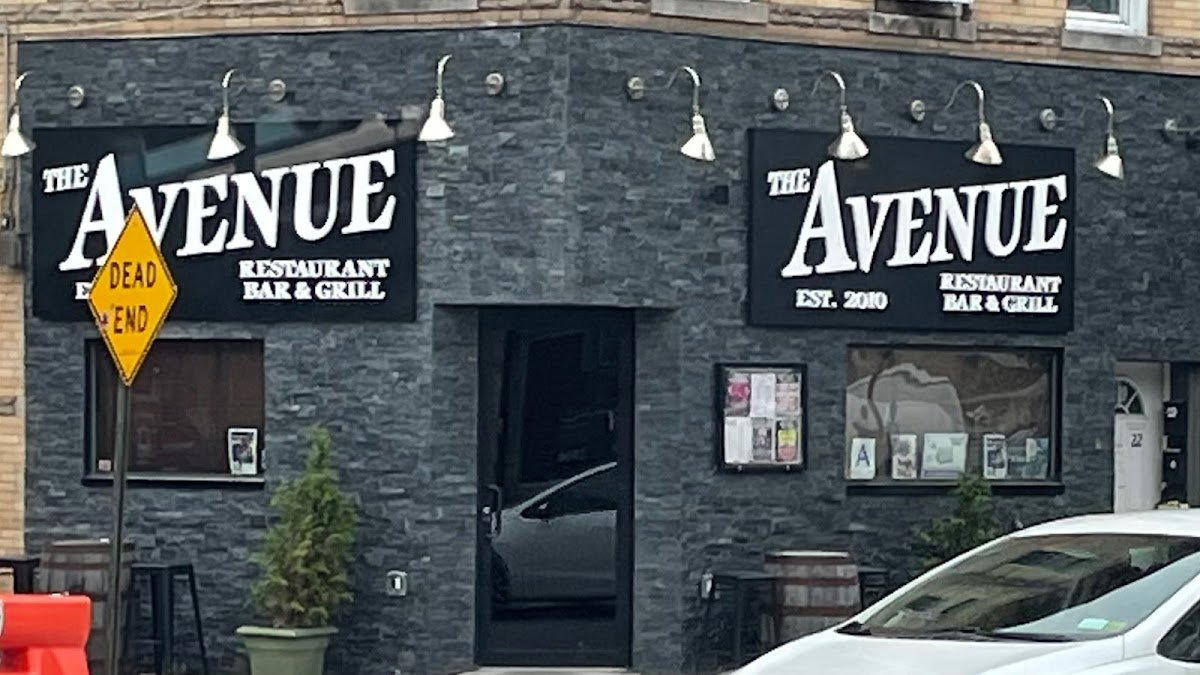
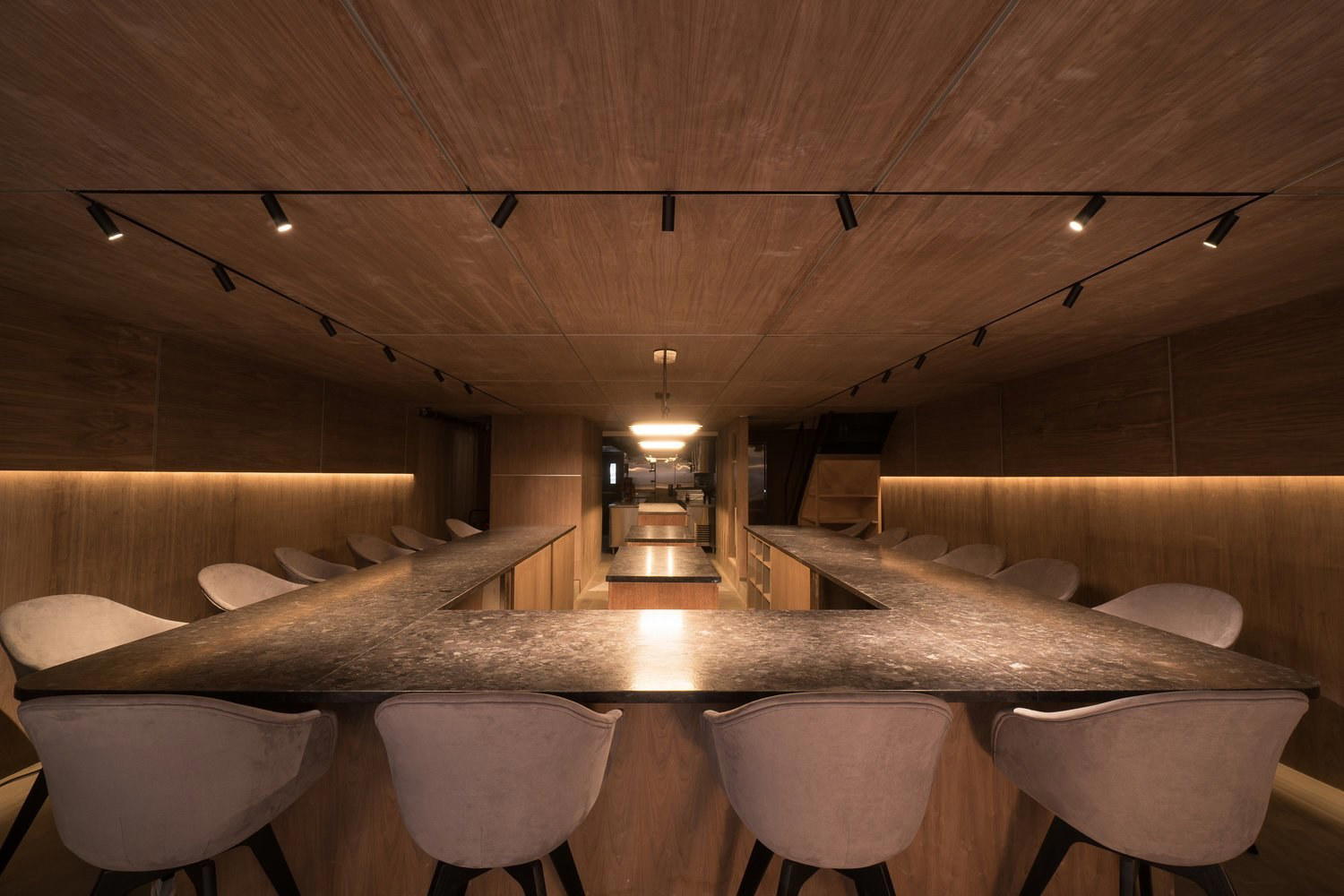
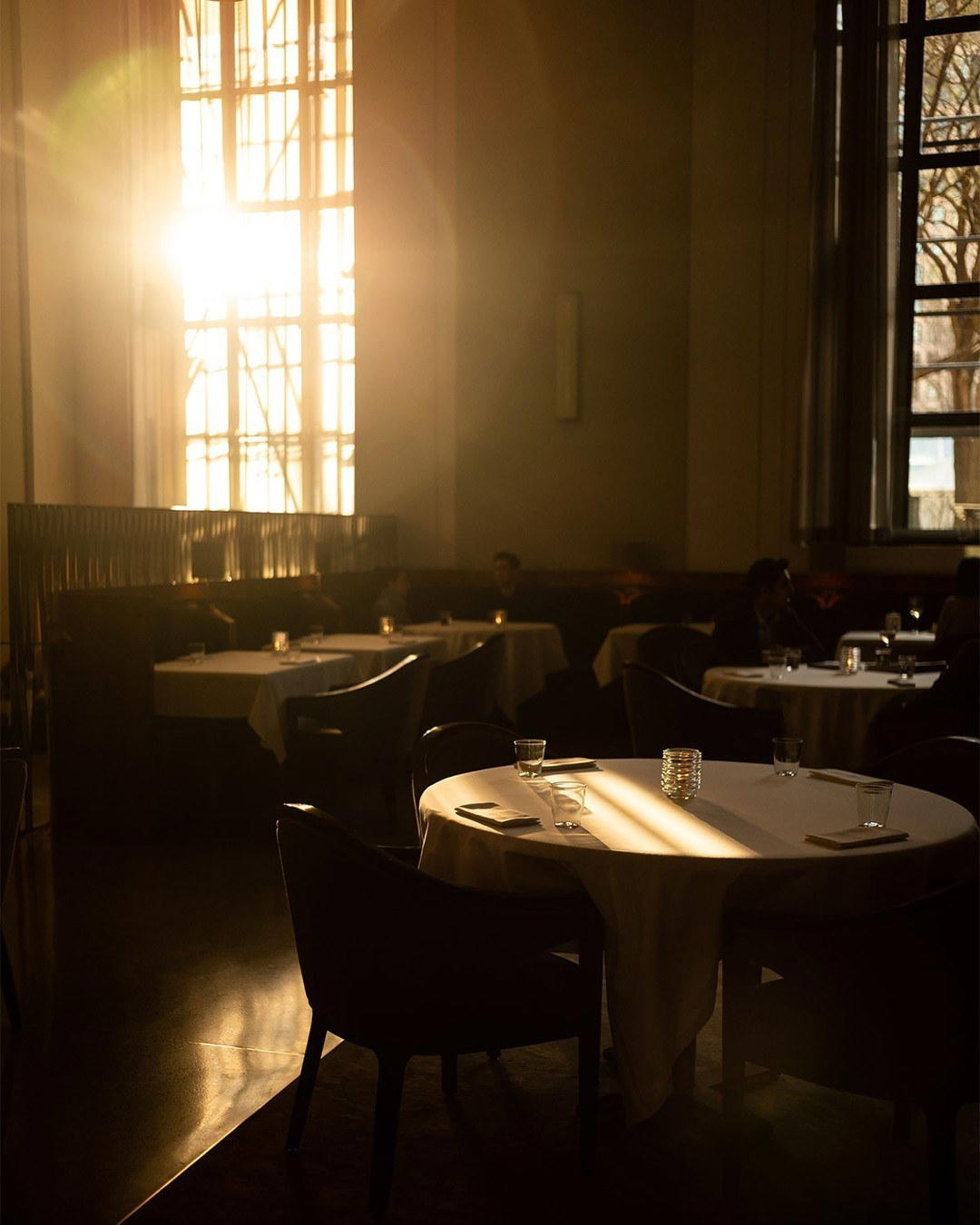
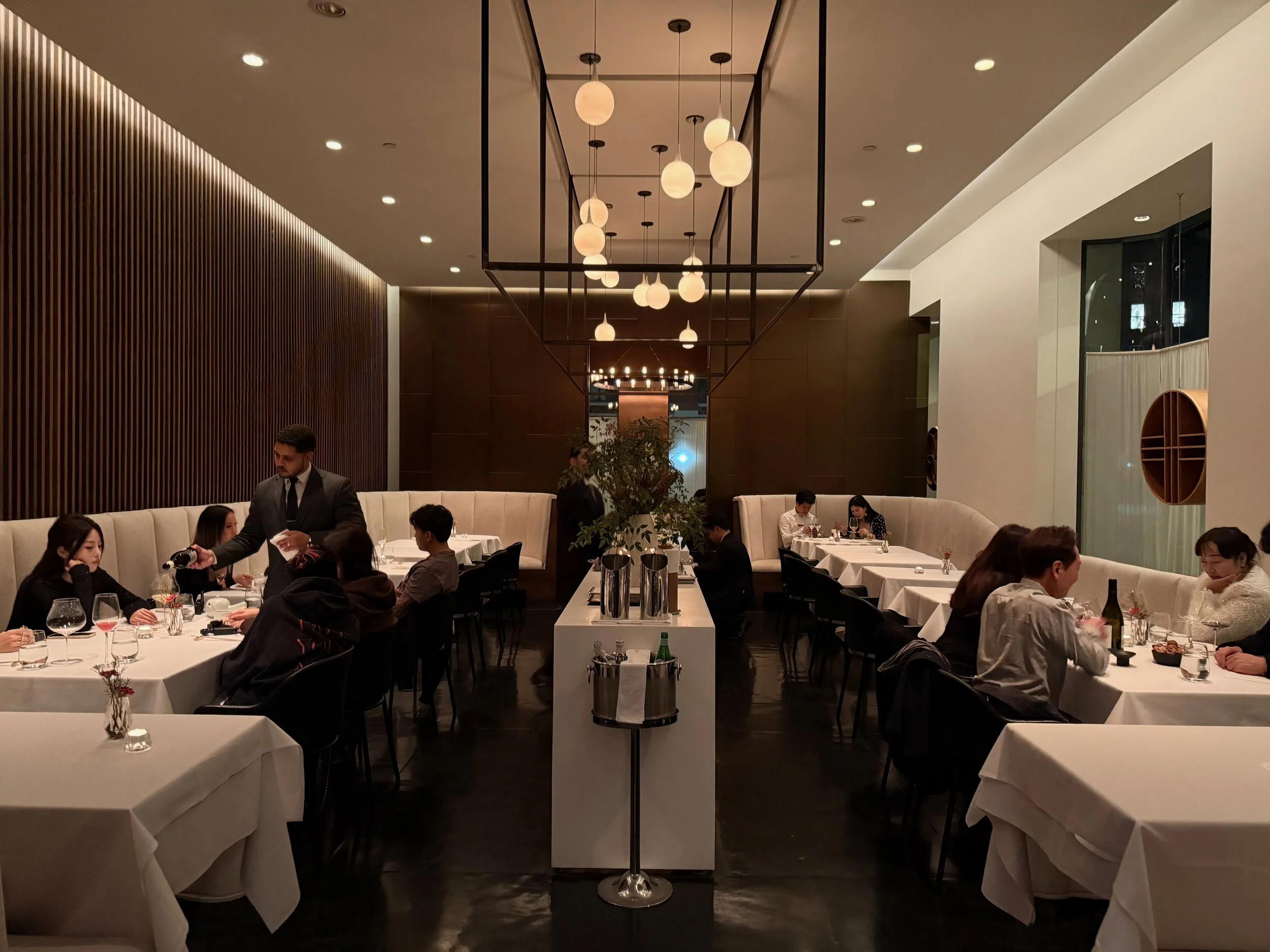
There is a particular kind of New York bar that announces its intentions through restraint rather than spectacle. Avenue sits in that register. The approach to the room carries none of the theatrical signposting that defined an earlier era of Manhattan cocktail culture, where hidden entrances and password prompts served as the primary editorial statement. What you find instead is a space that has made considered choices about light, proportion, and the relationship between the bar counter and the seating around it. The physical environment sets expectations for what follows: a drinks program that earns attention through composition rather than performance.
New York's bar scene has moved through several distinct phases over the past two decades. The speakeasy revival of the mid-2000s gave way to a more transparent, technically focused generation of bars, where the craft was demonstrated openly rather than concealed behind a theme. Avenue belongs to the post-spectacle cohort, where the quality of the liquid and the coherence of the menu carry the evening. For context on how the city's cocktail culture has developed across neighbourhoods, the full New York City restaurants and bars guide maps the competitive field in useful detail.
The Cocktail Programme: Where the Work Shows
The cocktail programs that hold sustained attention in New York share a recognisable discipline: menus that reflect a genuine point of view rather than a survey of every available technique, spirits selections that reward close reading, and an understanding that balance is harder to achieve than complexity. Avenue's drinks list operates within that discipline. The program does not attempt to cover every category of contemporary cocktail making; it makes choices and commits to them, which is a more demanding approach than it might appear from the outside.
Technique in serious cocktail programs tends to cluster around a few legible signatures: fat-washing for texture and savoury depth, clarification for visual precision, extended infusions for layered aromatics, and carbonation for structure. The bars that sustain reputations over time are those that use these methods purposefully rather than decoratively. Avenue's approach to its drinks reflects the discipline that New York's better programs have normalised since venues like Attaboy NYC on the Lower East Side demonstrated that a menu-free, bartender-led format could hold a room to a high standard night after night.
Across the United States, the bars that command the most consistent recognition share a commitment to the host's creative framework being visible in every drink. Kumiko in Chicago built its reputation on Japanese aesthetic principles applied to a European spirits base. Café La Trova in Miami anchored its program in Cuban drinking culture with a formality of service that set it apart from the city's more casual beach-adjacent bars. Jewel of the South in New Orleans positioned itself within the city's deep cocktail history while demonstrating contemporary technical range. What connects these programs is the same quality that distinguishes Avenue: the sense that someone made genuine decisions about what the bar would and would not do.
Placing Avenue in New York's Bar Conversation
New York's cocktail geography rewards specificity. The Lower East Side and East Village have long concentrated the city's more experimental programs. The West Village and Flatiron have tended toward polish and accessibility. Midtown serves a transient audience with different expectations. Understanding where Avenue sits within this grid matters for the reader deciding how to sequence an evening or build a short-list.
The city's reference-point bars divide loosely into a few categories. Angel's Share in the East Village represents the quiet-room, precision-service tradition that has influenced a generation of bartenders. Amor y Amargo built its identity around amaro and bitters as primary rather than supporting ingredients, establishing a format that has no direct equivalent elsewhere in the city. Superbueno approached the cocktail bar format through a Latin American drinks lens, giving it a distinct identity in a field where point-of-view bars are increasingly the expectation rather than the exception. Avenue occupies a different position in the same conversation, defined by its own set of creative commitments rather than adjacency to any of these peer venues.
Beyond New York, the bar programs that offer useful comparison for understanding Avenue's register include Julep in Houston, which has consistently demonstrated that regional cocktail identity can be as rigorous as any metropolitan program, and Bar Leather Apron in Honolulu, which operates with a craft discipline that places it well outside the expectations most visitors bring to the city. META in Louisville and The Parlour in Frankfurt on the Main both demonstrate that the serious cocktail bar format has become a global discipline rather than a property of a few dominant cities. Avenue sits within that international conversation, applying its own standards to a New York room.
Planning a Visit
Visitors approaching Avenue should bring the same preparation that any serious New York cocktail bar rewards: an appetite for the program on its own terms rather than as a vehicle for familiar orders, and enough time to move through the menu without rushing. New York's better bars tend to reward the second drink as much as the first, because the second is chosen with more information. Whether Avenue operates on a walk-in basis or requires advance booking is leading confirmed directly, as the city's mid-tier cocktail bars have adapted their reservation policies in response to changing demand patterns since 2020. Current hours and the most efficient approach for groups are worth verifying before arrival.
The broader New York bar circuit that Avenue connects to includes enough range to build a multi-evening itinerary. The concentration of technically serious programs across Lower Manhattan and the neighbourhoods running north through the East Village means that sequencing two or three bars in a single evening is logistically practical in a way that is harder to achieve in more spread-out cities. Avenue belongs in that sequence for the reader who wants a full account of what New York's cocktail culture is currently capable of.
Comparable Spots, Quickly
A fast peer set for context, pulled from similar venues in our database.
| Venue | Cuisine | Price | Awards | Notes |
|---|---|---|---|---|
| Avenue | This venue | |||
| The Long Island Bar | World's 50 Best | |||
| Dirty French | ||||
| Superbueno | World's 50 Best | |||
| Dear Irving | World's 50 Best | |||
| Milady's | World's 50 Best |
Continue exploring
More in New York City
Bars in New York City
Browse all →
Restaurants in New York City
Browse all →
Hotels in New York City
Browse all →
Wineries in New York City
Browse all →
At a Glance
- Bohemian
- Lively
- Iconic
- After Work
- Casual Hangout
- Group Outing
- Late Night
- Historic Building
- Standalone
- Standing Room
- Seated Bar
- Classic Cocktails
Warm, convivial dive bar atmosphere with rock and roll character; no-frills aesthetic with historical significance and bohemian energy.