How the Menu Reads
Menu architecture in Italian-inflected East Village dining tends to follow one of two logics: the broad, crowd-serving trattoria format that covers every base, or the more restrained approach that keeps the list short enough to signal conviction. The way a menu is structured tells you something about the kitchen's priorities before a single dish arrives. A long menu in a small room usually means product rotation is limited and labour is spread thin. A shorter, seasonally adjusted menu, by contrast, implies a kitchen with a clear point of view and enough confidence to leave things off.
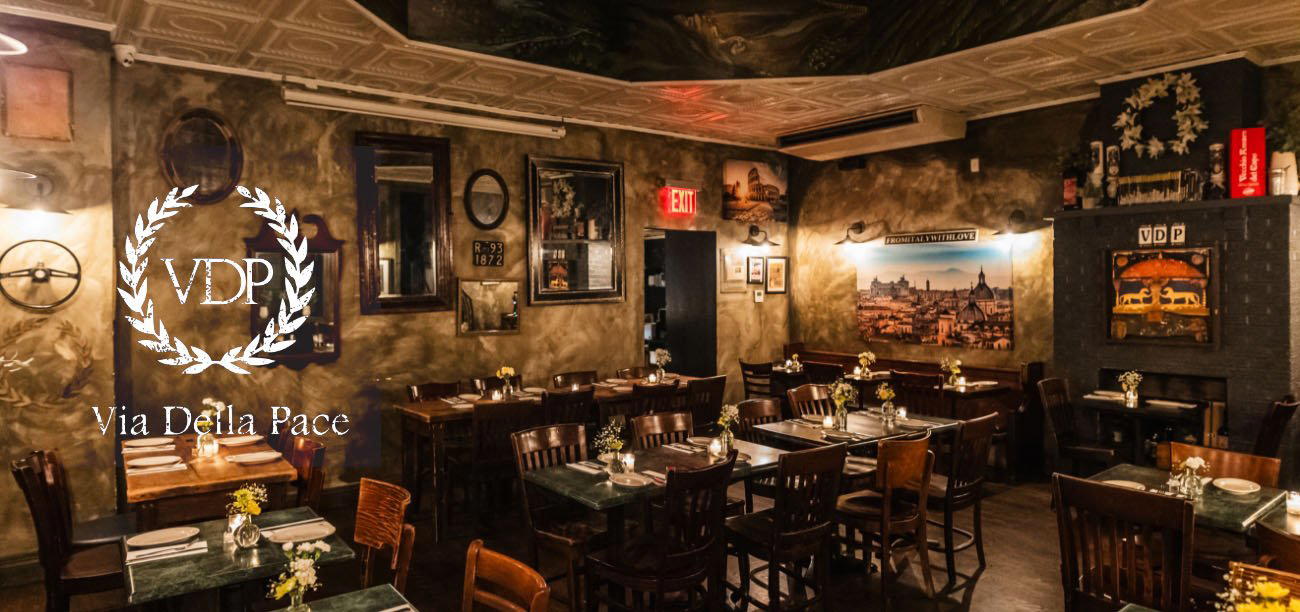
Via Della Pace's address and category positioning it within the East Village's Italian tradition, a tradition that in this neighbourhood has historically leaned toward the approachable rather than the formal. Italian dining in New York splits broadly between the white-tablecloth, occasion-dining tier and the neighbourhood-anchored formats where the pasta is the point and the room is secondary. East 4th Street has historically supported the latter, which shapes what a menu here is likely to promise and what it is not trying to be.
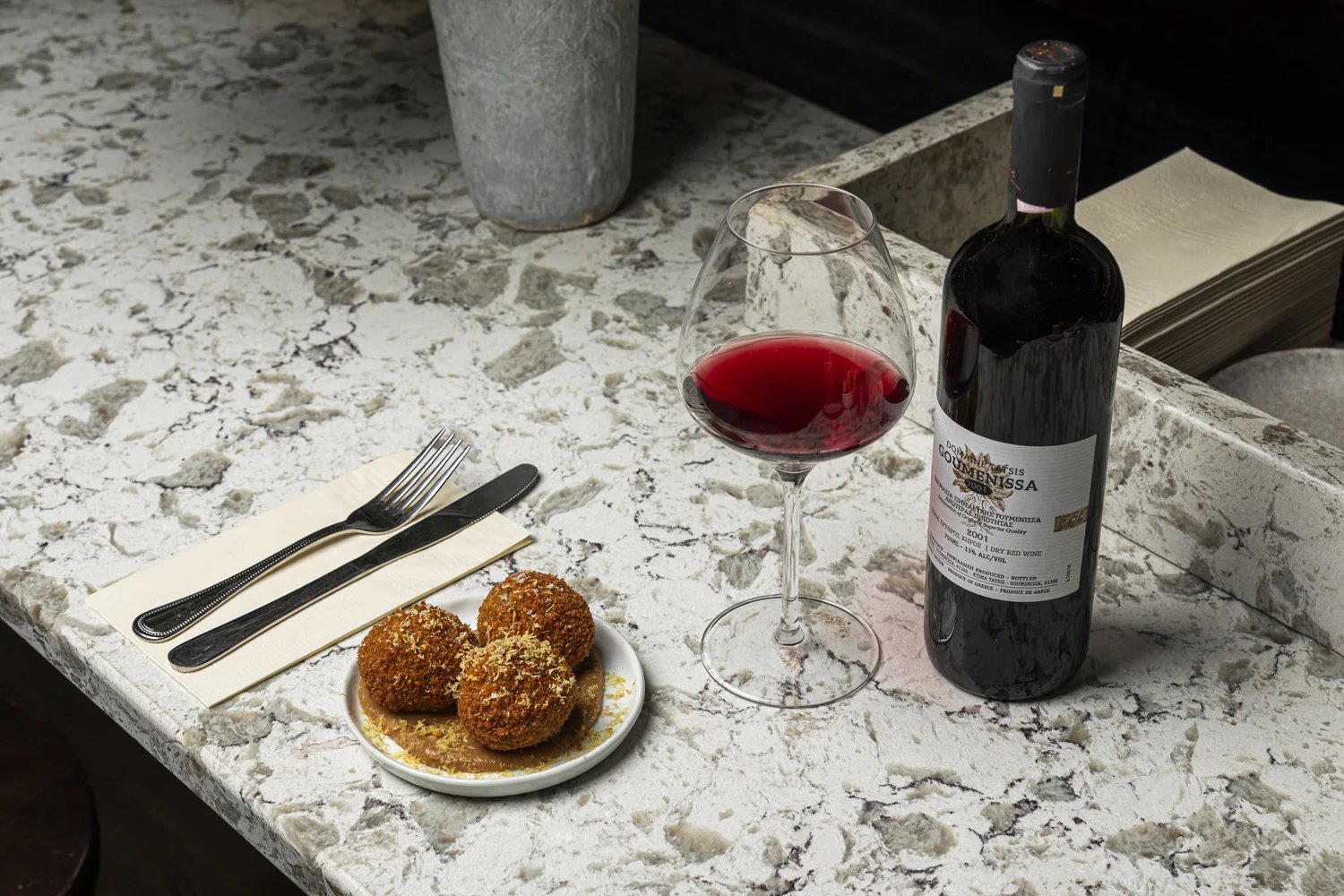
Within that framework, the most editorially legible Italian menus tend to be built around a clear sequence: something small and sharp to start, a pasta section that functions as the kitchen's main argument, and secondi that either extend the season's produce logic or anchor the meal with something more substantial. When a restaurant in this category executes that structure with discipline, the menu becomes a readable document rather than a list of options, and regulars tend to navigate it with the confidence of people who already know where the value sits.
The East Village Dining Tier It Occupies
New York's Italian dining scene stratifies quickly. At one end, the reservation-scarce tasting-menu formats; at the other, the by-the-slice or red-sauce institutions that have been there since before anyone was paying attention to neighbourhoods. The middle tier, which is where most of the East Village's Italian restaurants actually operate, is where longevity and neighbourhood trust do the most work. A restaurant that has kept its address on East 4th Street across multiple cycles of the city's dining attention has done something that newer, more-reviewed venues sometimes cannot: it has remained useful to people who live nearby, not just to people passing through.
Venues like Amor y Amargo, a few blocks away, have demonstrated how a committed, focused approach to a specific format can sustain a loyal audience in a neighbourhood that refreshes constantly. The through-line in both cases is specificity: a clear sense of what the place is and what it is not.
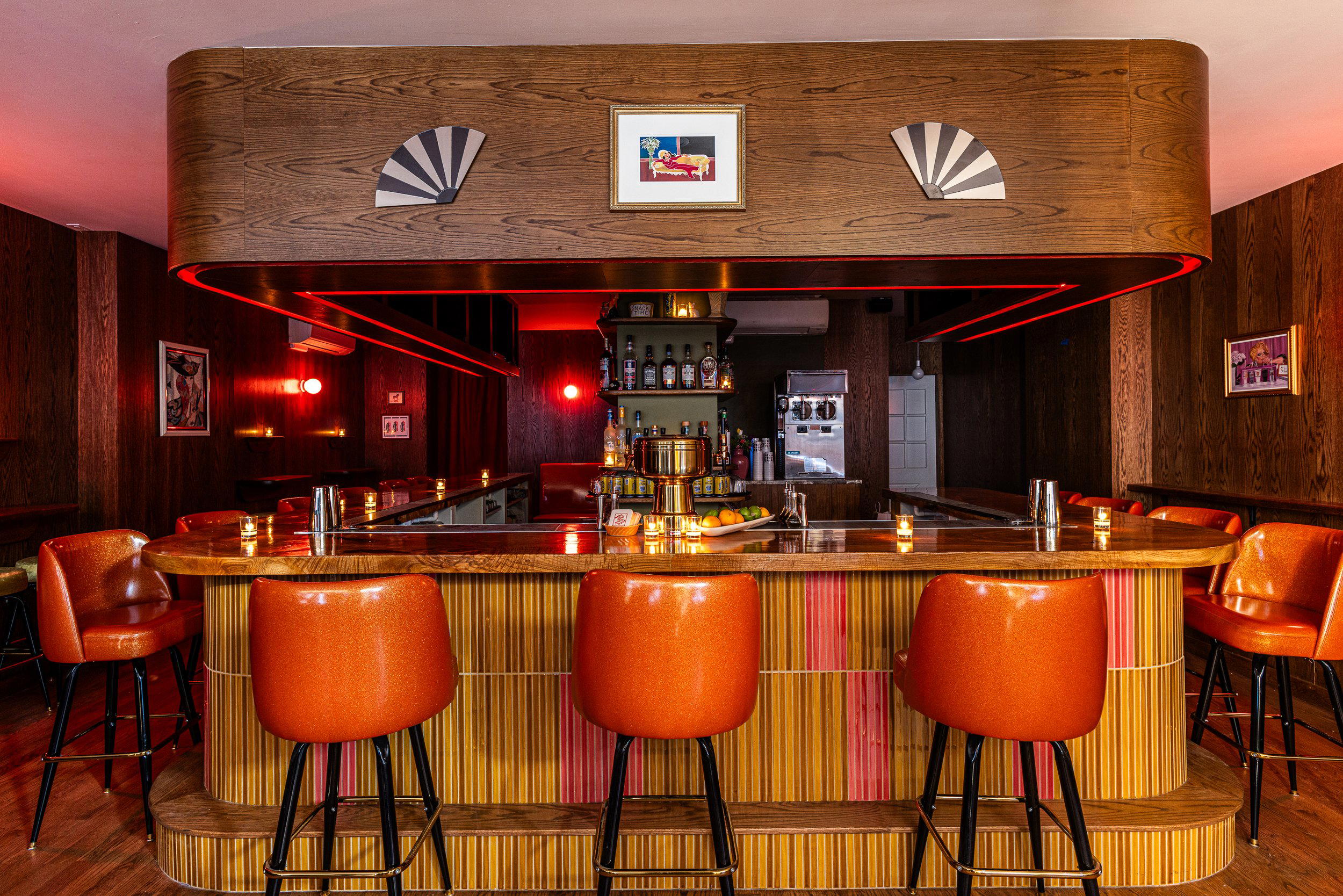
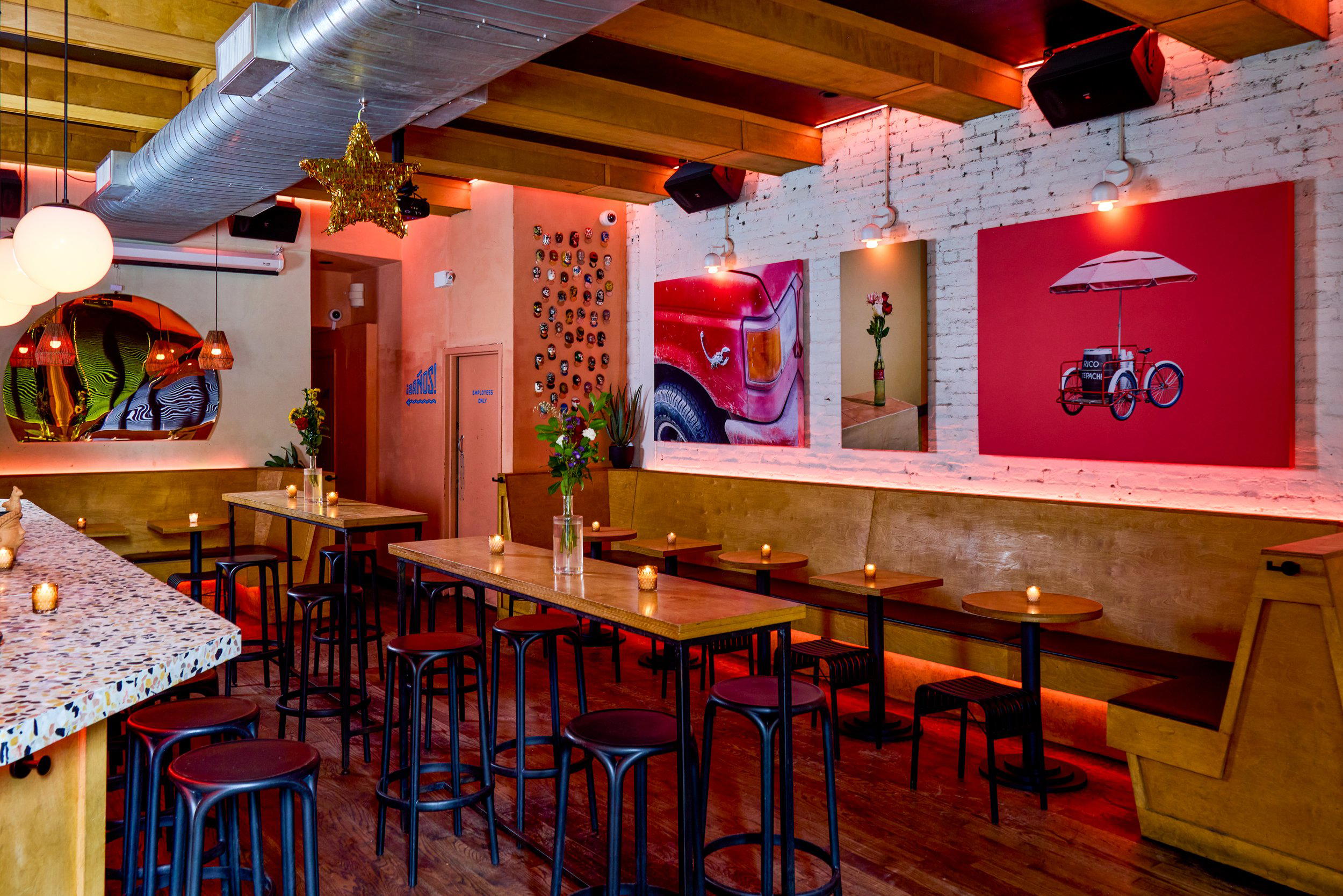
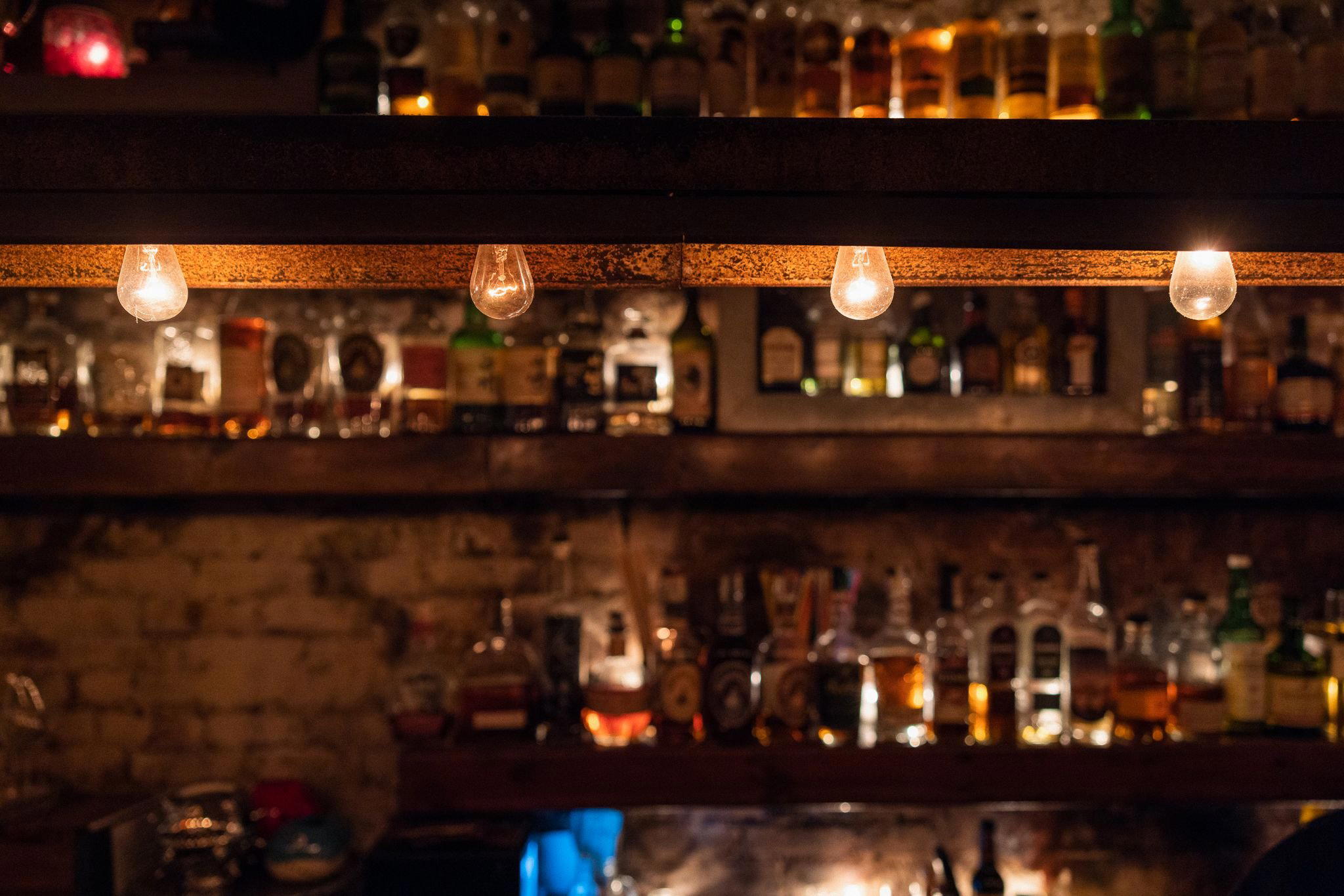
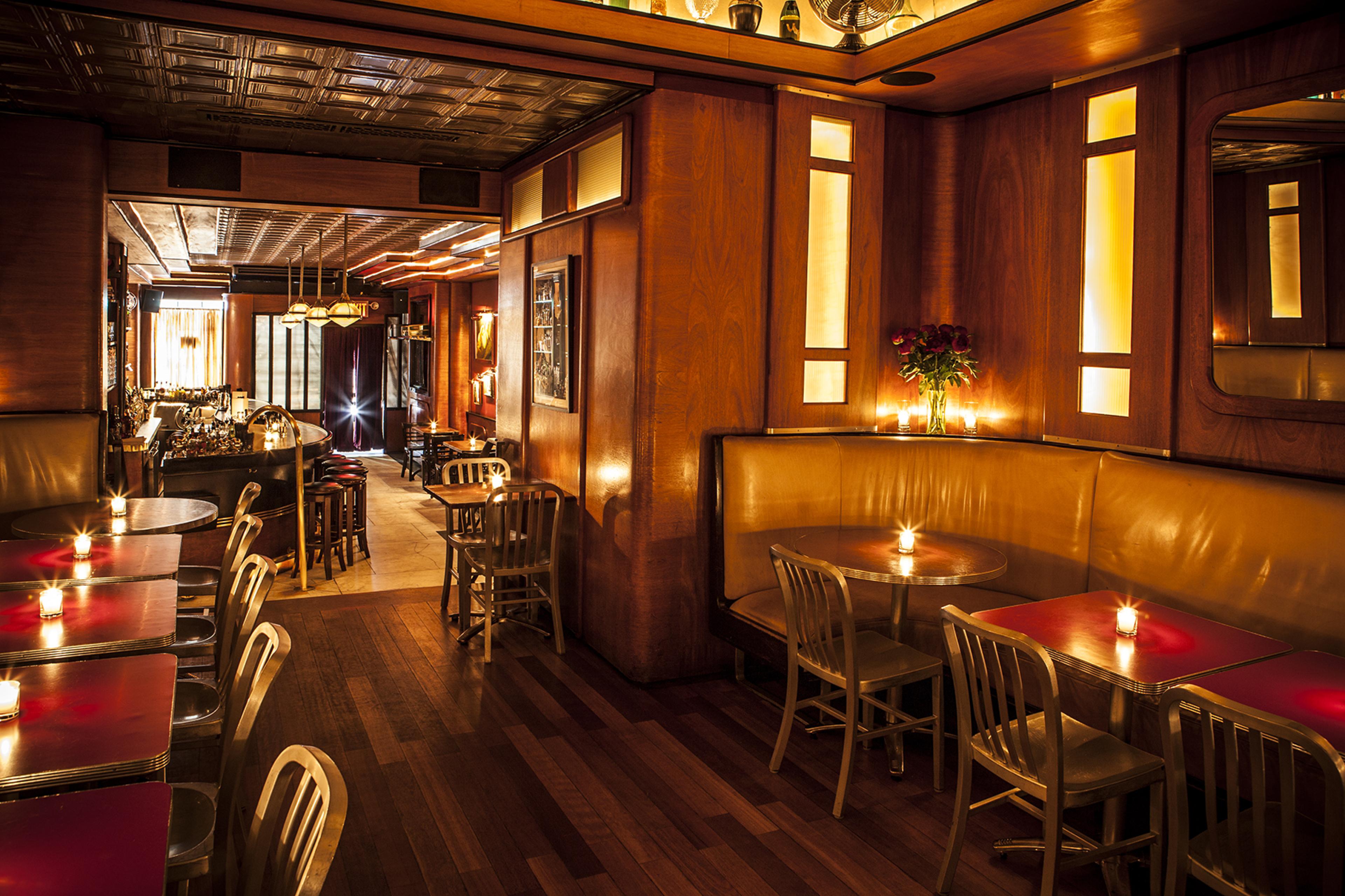
For readers building a broader East Village evening, the bar programming in the area has deepened over the past decade. Angel's Share on the same general corridor represents the Japanese cocktail precision end of that spectrum, while Attaboy NYC in the Lower East Side adjacent area operates on a no-menu, guest-preference format that suits a post-dinner visit with a specific palate in mind. Superbueno adds a different register entirely, with Latin-inflected drinks in a format that contrasts with the quieter Italian dining room logic of East 4th.
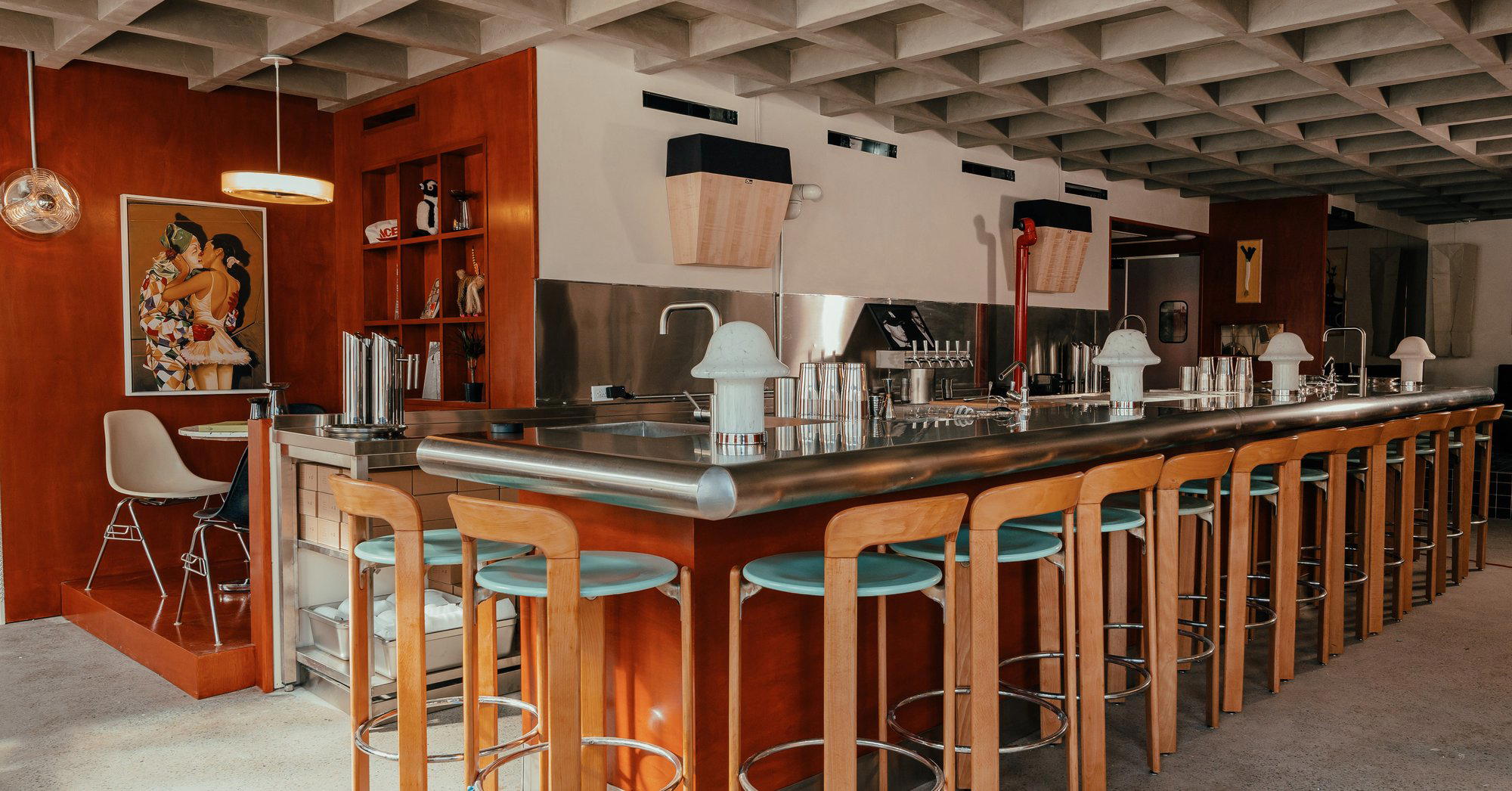
For those interested in how focused beverage programs operate across American cities, the comparison set extends further: Kumiko in Chicago applies a similar precision-forward philosophy to its drinks list, while Jewel of the South in New Orleans draws on deep regional tradition in the way that the better East Village Italian rooms draw on specific regional Italian references. ABV in San Francisco and Allegory in Washington, D.C. round out a pattern where the most coherent American drinking programs share a commitment to a defined format over breadth of offering. Internationally, Bar Leather Apron in Honolulu, Julep in Houston, and The Parlour in Frankfurt on the Main each represent how conviction-led formats hold across geographies and categories.
What the Room Asks of You
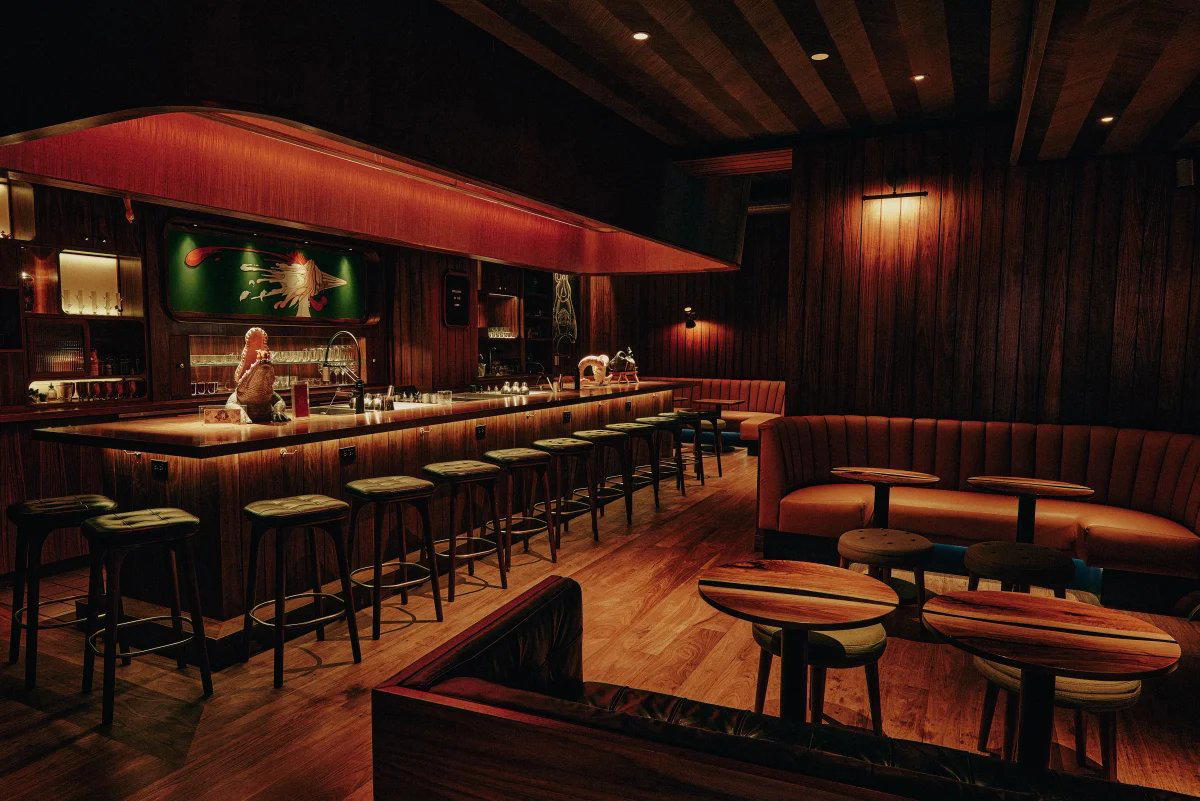
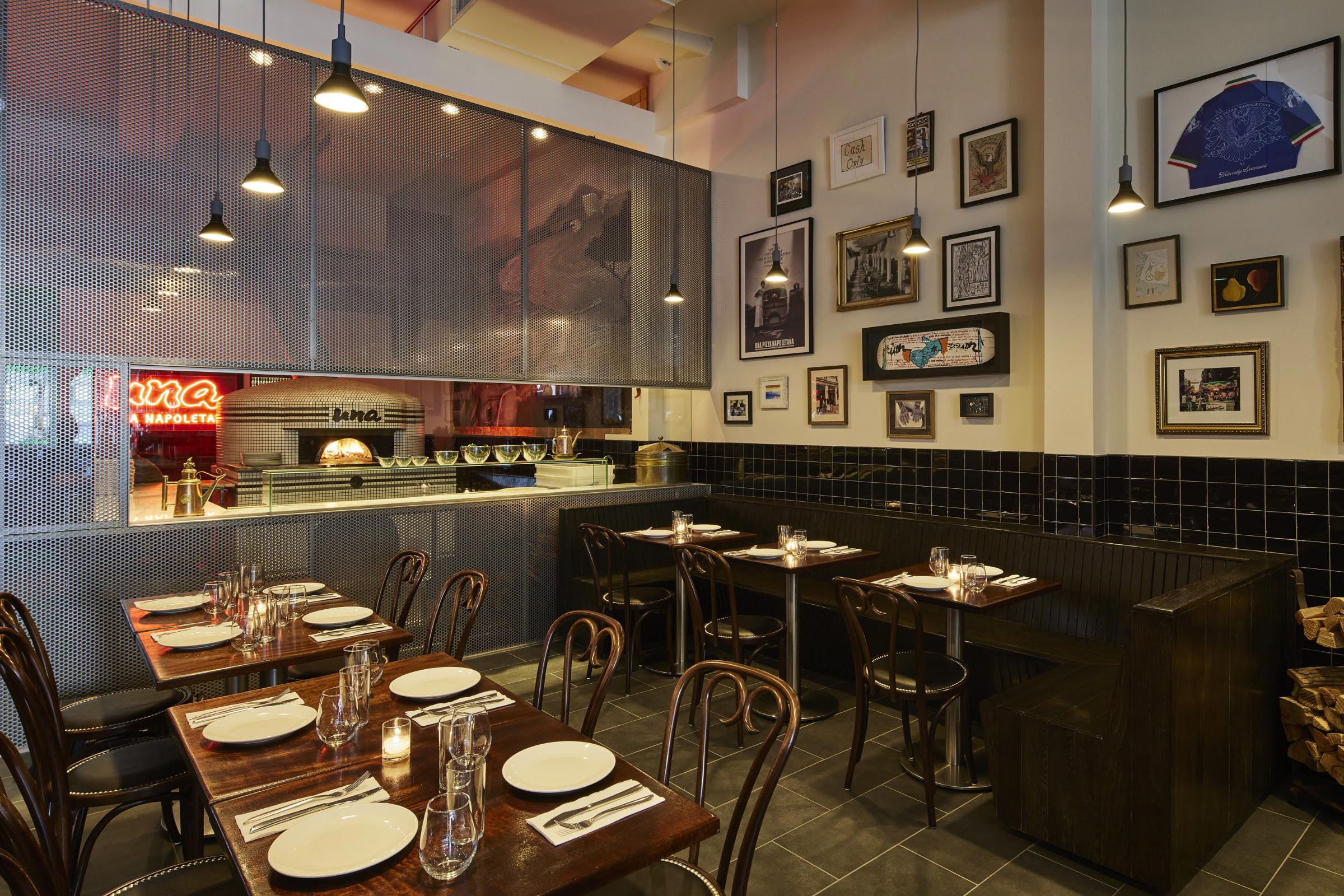
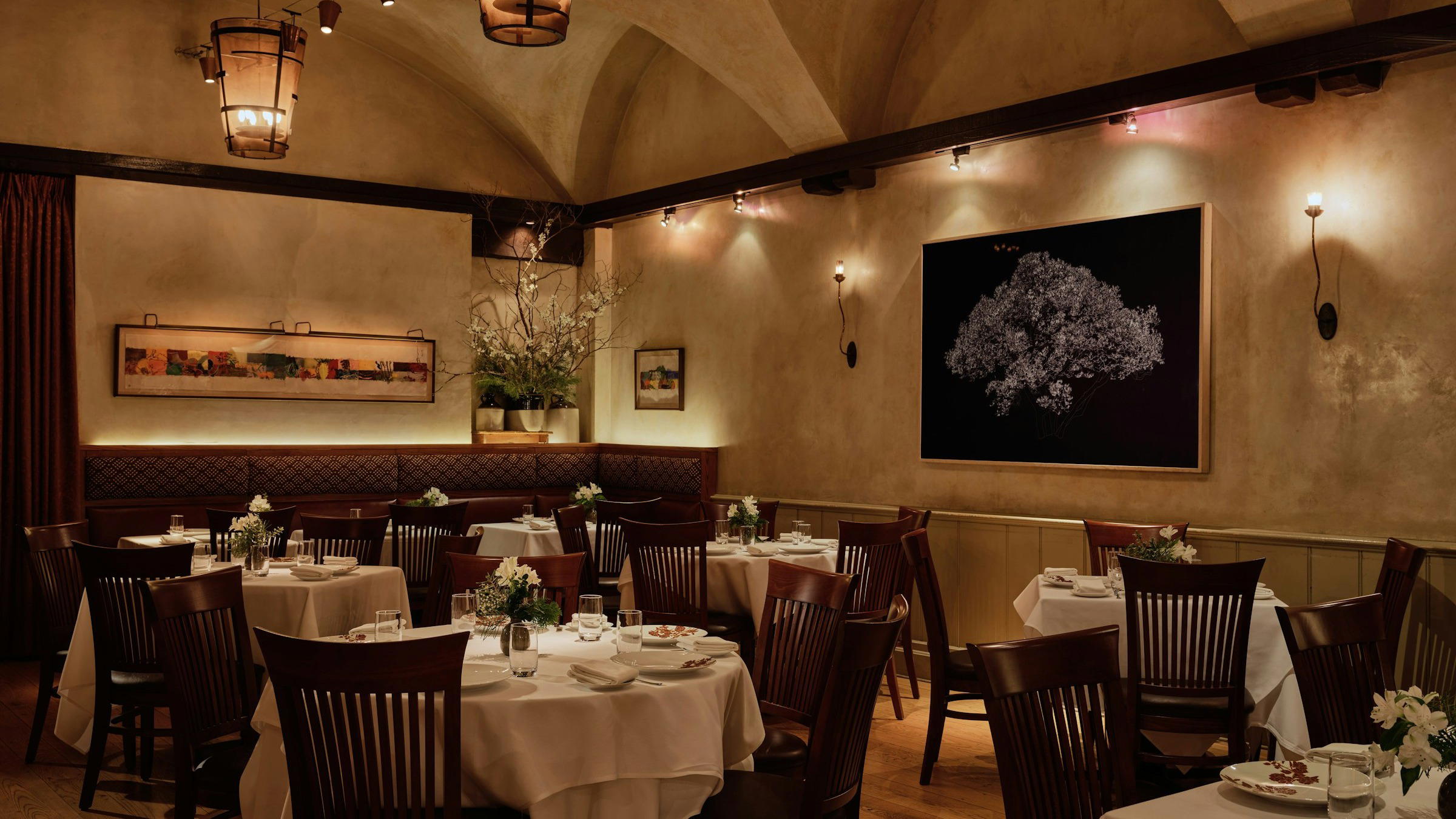
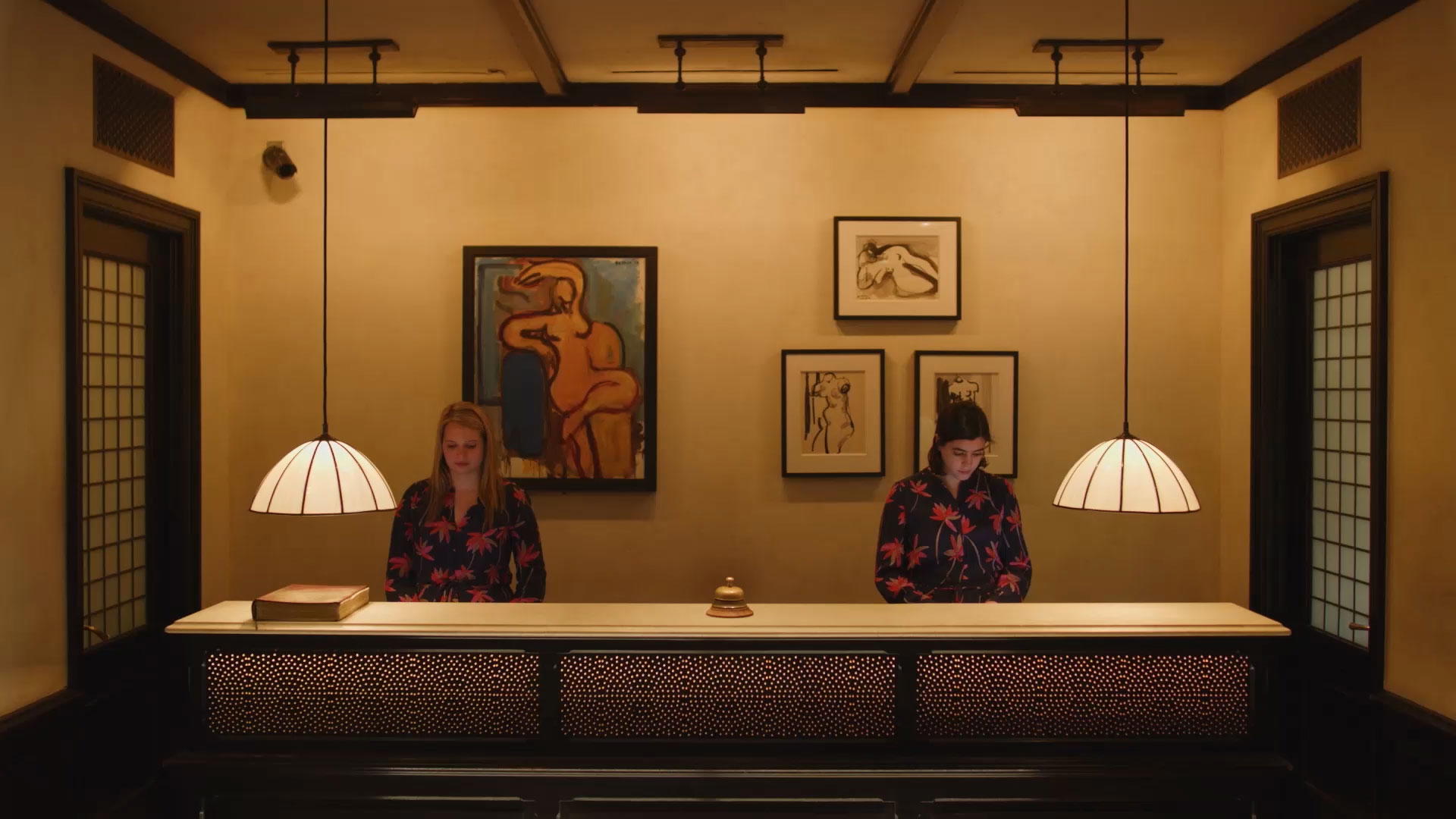
Small-format Italian rooms in the East Village operate on an implicit social contract: the tables are close, the service is direct, and the expectation is that you are there for the food and the company rather than for the production. That is not a weakness in the format. It is, in fact, the point. Restaurants that have survived on blocks like East 4th Street have done so partly because they do not over-promise on atmosphere and then under-deliver on the plate. The room sets a tone of focused informality, and the kitchen is expected to match it.
This is a category of restaurant that rewards guests who know what they want from an evening. If the ask is a quiet table, a wine list with at least one interesting Italian regional option, and a pasta that justifies the trip downtown, this format consistently delivers. If the ask is spectacle, a tasting menu structure, or the kind of tableside theatre that defines a different tier of Italian dining in New York, East 4th Street is not the right address for that evening.
For a fuller map of how New York's restaurants and bars layer across neighbourhoods and price tiers, the EP Club New York City guide covers the full range with neighbourhood-level specificity.
Know Before You Go
Address: 87 E 4th St, New York, NY 10003
Neighbourhood: East Village, Manhattan
Category: Neighbourhood Italian, small-format dining room
Hours: Not confirmed — verify before visiting
Dress code: No formal dress code typical of this East Village format; smart casual is consistent with the room's tone
Getting there: F and M trains to 2nd Avenue (one block); 6 train to Astor Place (five-minute walk); street parking is limited on this block