Two Hands
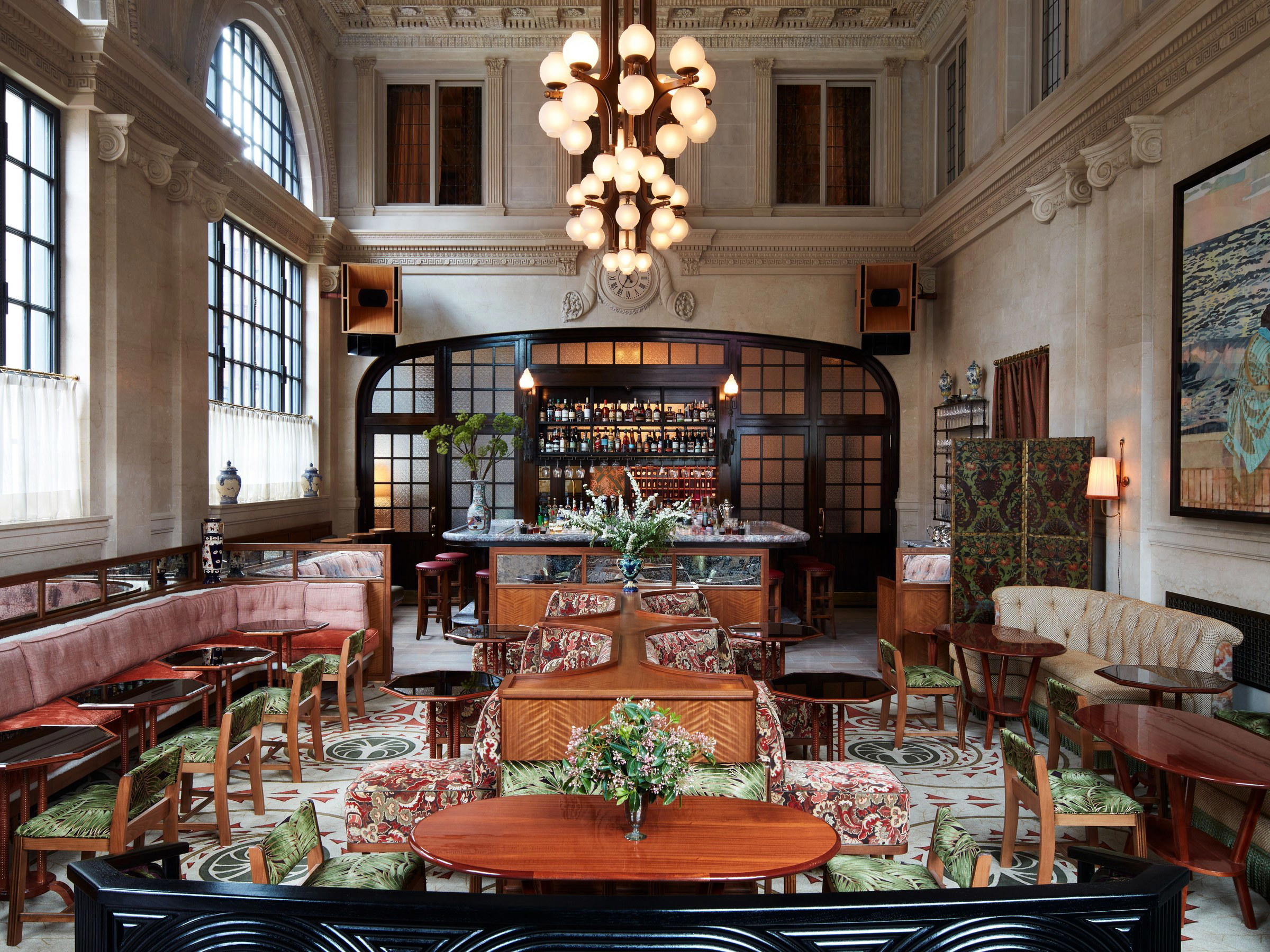
Two Hands occupies a quiet stretch of Church Street in Tribeca, sitting within the dense cluster of craft cocktail programs that define downtown Manhattan's drinking culture. With a focus on technical bartending and an address that keeps it slightly removed from the louder NoLita and Soho bar circuits, it draws a crowd that comes specifically for the drinks rather than the scene.
Pearl is the En Primeur Club membership app — saves, bookings, and concierge access live there. Same editors, same standards.
- Address
- 251 Church St, New York, NY 10013, USA
- Phone
- +1 646 718 5619
- Website
- twohandshospitality.com
- Directions
- Get directions
 Saves & bookings on Pearl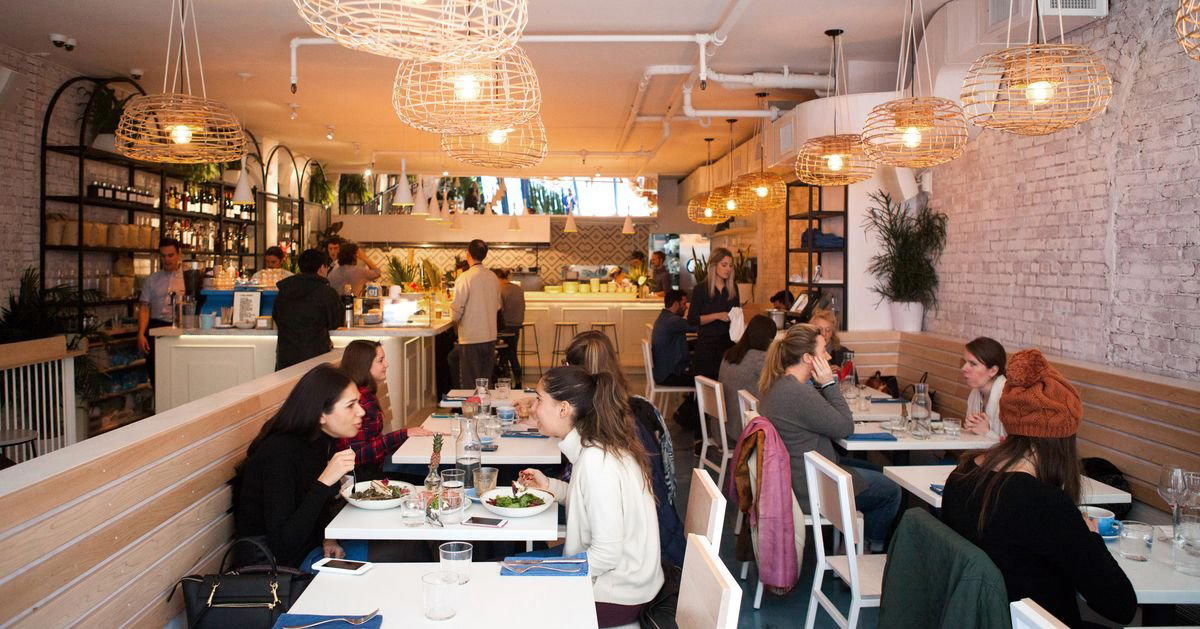
Tribeca's Cocktail Register
Downtown Manhattan's bar culture has sorted itself into recognizable tiers over the past fifteen years. The high-volume destinations cluster around the Meatpacking District and the West Village, while a quieter, more technically oriented cohort has taken root in Tribeca and the surrounding blocks. Church Street, in particular, attracts the kind of bar program that prioritizes what's in the glass over foot traffic. Two Hands at 251 Church Street sits squarely in that category: an address that signals intent before you've ordered a drink.
For context, consider where Two Hands sits relative to the broader downtown circuit. Amor y Amargo operates as the city's most disciplined amaro and bitter-focused bar; Attaboy NYC runs the off-menu, read-the-guest model that made its predecessor Milk and Honey a reference point for American cocktail culture. Two Hands occupies a different register, one where the address and neighborhood position it among venues that attract regulars rather than walk-ins. That distinction shapes the entire experience.
The Craft Behind the Counter
The American cocktail revival that accelerated in the mid-2000s produced a generation of bartenders shaped less by hotel training programs and more by apprenticeship within independent programs. That lineage matters in New York, where the bar behind the bar—the institutional knowledge, the sourcing decisions, the approach to balance—tends to travel with the people rather than with the room. Two Hands reflects this model: the program is built around what the bartender brings to the counter rather than what the space communicates about itself.
Kumiko in Chicago applies Japanese precision to Western spirits; Bar Leather Apron in Honolulu runs one of the Pacific's more rigorous craft programs; Jewel of the South in New Orleans anchors its cocktail menu in documented historical recipes. In each case, the bartender's knowledge base is the product. Two Hands operates within that same framework, where the credential is craft rather than square footage or celebrity association.
The hospitality philosophy that emerges from this model tends to favor conversation over spectacle. Bars in this tier typically run smaller seat counts, allow more direct engagement between guest and bartender, and structure their menus to reward curiosity rather than familiarity. The counter becomes a space for exchange rather than transaction. That dynamic is increasingly rare in a city where high-volume throughput has become the financial default for most drinking establishments.
Tribeca as Context
The neighborhood matters here. Tribeca has never been the city's loudest bar district, and that has worked in favor of programs that prefer depth to volume. The area's residential character and relatively low street-level retail churn means that the bars and restaurants that establish themselves here tend to stay, and the regulars who find them tend to return. This is structurally different from the dynamics operating a few blocks north in Soho, where tourist density and retail adjacency shape what survives.
For visitors to New York who are building a drinks itinerary rather than a nightlife agenda, the Tribeca-to-East-Village corridor offers the city's most concentrated set of craft-focused programs. Angel's Share has anchored the East Village Japanese cocktail tradition since the 1990s; Superbueno applies similar technical discipline to Latin-inflected spirits. Two Hands represents the Church Street end of that corridor. Our full New York City guide maps this circuit in detail for anyone planning across neighborhoods.
The comparison extends beyond New York. Bars operating in this register across American cities share a common profile: independent ownership, small format, bartender-led programming, and a booking pattern that reflects local loyalty rather than tourist discovery. ABV in San Francisco and Allegory in Washington, D.C. both operate within this framework. Internationally, The Parlour in Frankfurt and Julep in Houston demonstrate how the bartender-as-craftsperson model translates across cities with very different drinking cultures. What connects them is the primacy of the person behind the counter.
What to Order and When to Go
At bars in this tier, the most reliable approach is to tell the bartender what you drink rather than ordering from the menu as written. The menu is a map of the program's capabilities; the bartender is the guide. If your instinct runs toward spirit-forward builds, say so. If you prefer lower-ABV options or citrus-led cocktails, that information shortens the path to something worth drinking. This is how the counter is meant to function at a program of this kind, and the bartender will engage accordingly.
Timing also shapes the experience. Earlier in the evening, the pace allows for the kind of back-and-forth that produces better drinks and better decisions. Later on weekends, the dynamic shifts toward speed. Visiting on a weeknight, particularly Tuesday through Thursday, tends to preserve the slower rhythm that distinguishes this category of bar from higher-volume alternatives.
Know Before You Go
- Address: 251 Church St, New York, NY 10013
- Neighborhood: Tribeca, Lower Manhattan
- Leading timing: Weeknights for a quieter counter and more direct bartender engagement
- Getting there: The 1/2/3 trains stop at Chambers St; the A/C/E stop at Canal St, both within a short walk of Church Street
- Nearby: Attaboy NYC and Amor y Amargo extend a downtown drinks itinerary eastward
Cost Snapshot
| Venue | Price |
|---|---|
| Two HandsThis venue — the venue you are viewing | This venue |
| The Long Island Bar | World's 50 Best |
| Superbueno | World's 50 Best |
| Amor y Amargo | World's 50 Best |
| Angel's Share | World's 50 Best |
Continue exploring
More in New York City
Bars in New York City
Browse all →


Restaurants in New York City
Browse all →
Hotels in New York City
Browse all →





At a Glance
- Trendy
- Cozy
- Modern
- After Work
- Casual Hangout
- Brunch
- Design Destination
- Lounge Seating
- Classic Cocktails
- Craft Cocktails
Current opening hours
- Monday
- 8 AM–9 PM
- Tuesday
- 8 AM–9 PM
- Wednesday
- 8 AM–9 PM
- Thursday
- 8 AM–9 PM
- Friday
- 8 AM–10 PM
- Saturday
- 8 AM–10 PM
- Sunday
- 8 AM–9 PM
Hours can change for holidays and private events. Last verified .
Cozy yet somewhat cramped and noisy atmosphere with lively, plant-filled coastal Australian vibes.
Know Before You Go
- Getting there
- 251 Church St, New York, NY 10013, USA