
Salotto42 occupies a terrace table opposite the Temple of Hadrian on Piazza di Pietra, drawing a loyal crowd of journalists, diplomats, and Rome regulars who treat it less as a café-bar and more as a standing appointment. The appeal is the combination of a serious Scandinavian design interior, a thoughtful drinks list, and among the more architecturally loaded outdoor settings in the city.
Pearl is the En Primeur Club membership app — saves, bookings, and concierge access live there. Same editors, same standards.
- Address
- P.za di Pietra, 42, 00186 Roma RM, Italy
- Phone
- +393966785804
- Website
- salotto42.it
- Directions
- Get directions
 Saves & bookings on Pearl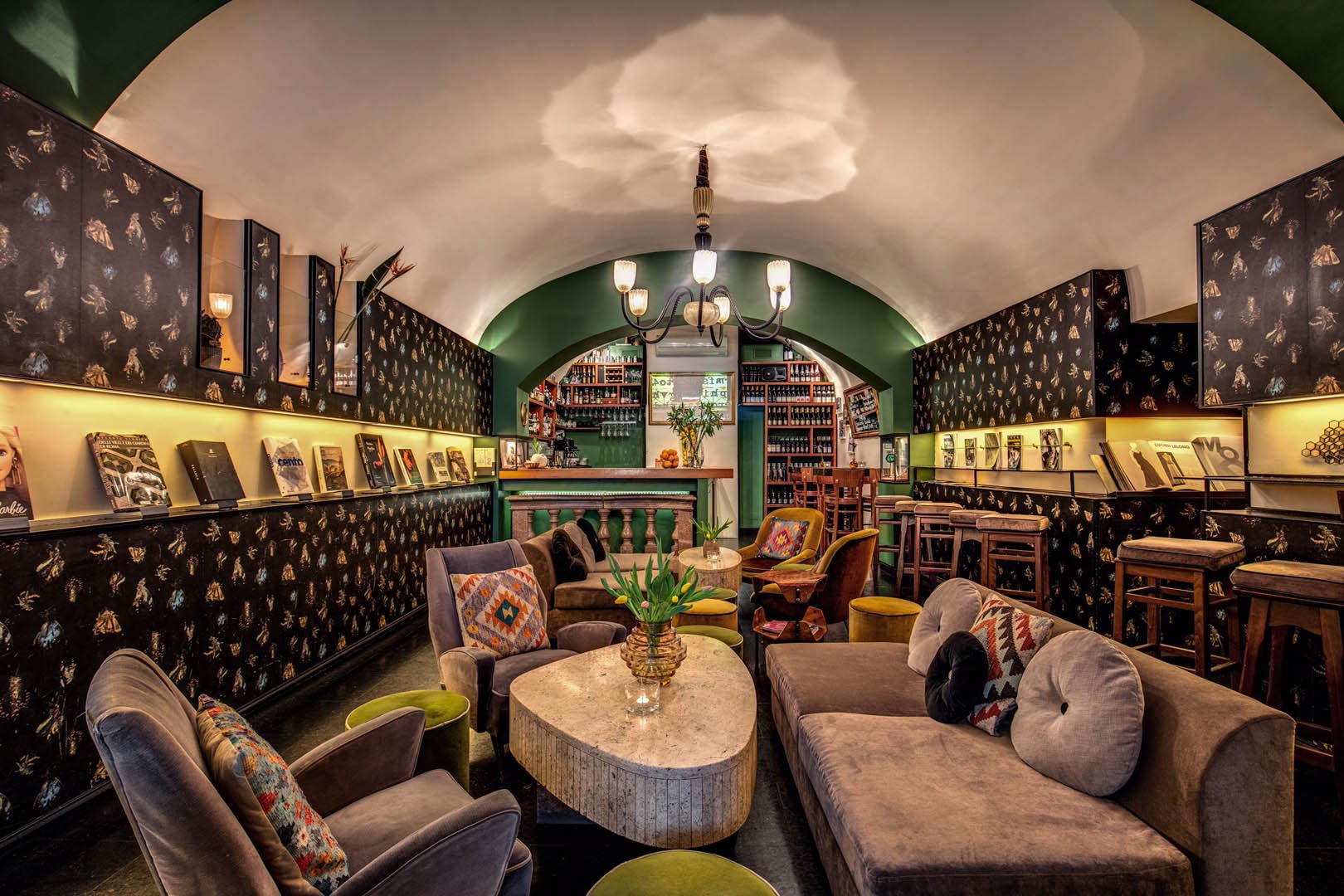
A Piazza That Does Most of the Work
Piazza di Pietra is one of Rome's more quietly theatrical spaces. Eleven Corinthian columns from the second-century Temple of Hadrian rise directly from the piazza's eastern edge, close enough that you can read the stone's texture from a café chair. The square itself sits in the dense institutional fabric between the Pantheon and the Trevi Fountain, just off Via del Corso, and yet it moves at a pace that the major tourist circuits nearby rarely achieve. It is the kind of piazza that Romans use to meet, rather than one they walk through to get somewhere else.
Salotto42 is an Italian Cocktail Bar & Aperitivo in Rome at P.za di Pietra, 42, with a Google rating of 4.1 from 2,512 reviews and an average spend of about $25 per person. The address is doing significant work in the venue's favour before a single drink is ordered. For regulars, the draw is the alignment of an interior that feels deliberately imported from northern Europe with a terrace that is unapologetically Roman. That contrast has made it a reference point for a specific type of Rome visitor: the kind who has already done the Colosseum and now wants to sit still with something good to drink and watch a fragment of antiquity in the afternoon light.
What the Regulars Actually Use It For
Rome has a well-developed culture of the all-day bar, and Salotto42 positions itself in the upper register of that category. The clientele that returns reliably is not primarily tourist-driven in the way that many Pantheon-adjacent venues tend to be. Journalists, professionals from the nearby parliamentary offices, and longer-stay visitors who have found their way off the main drag treat it more as a neighbourhood fixture than a destination tick. The rhythm of the place reflects that: brunch through early afternoon, aperitivo as the light drops behind the roofline, and a drinks program that holds its own into the evening.
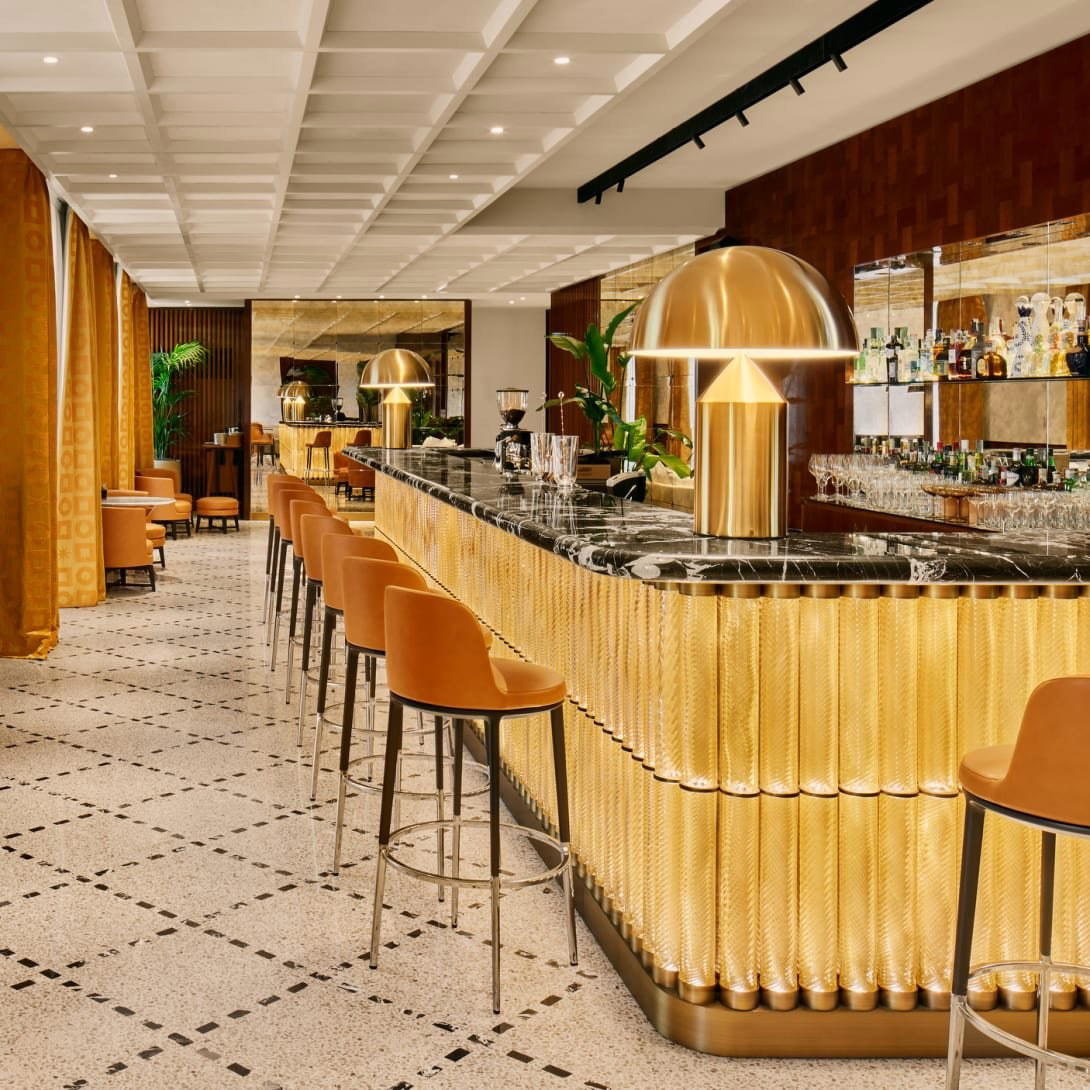
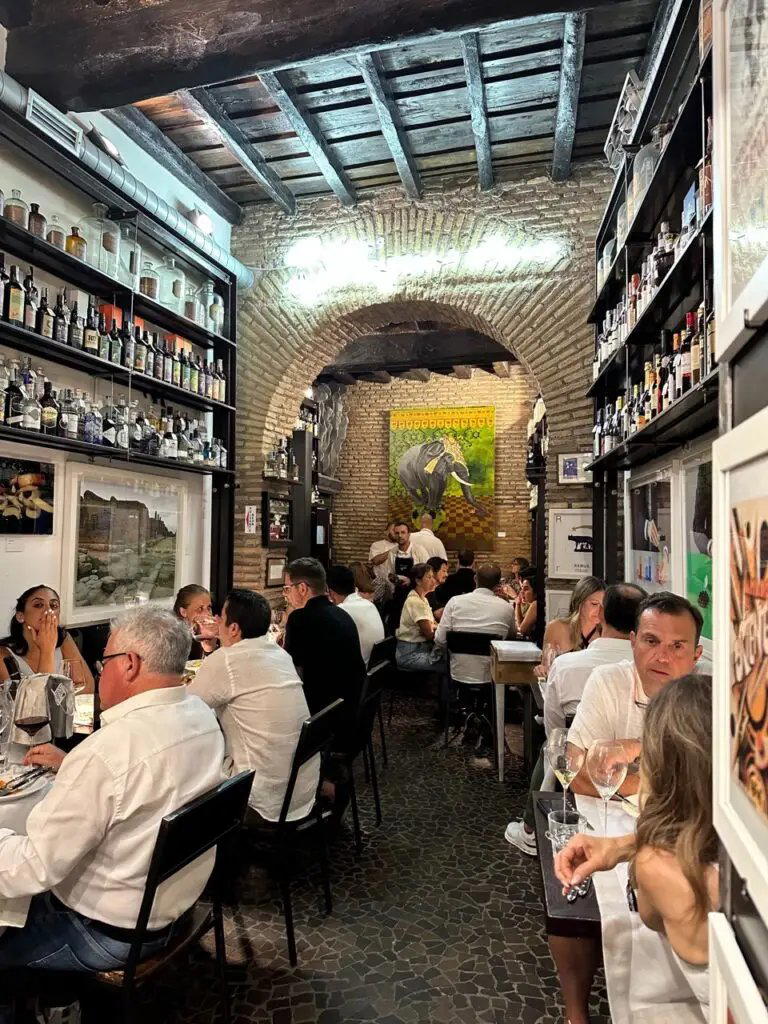
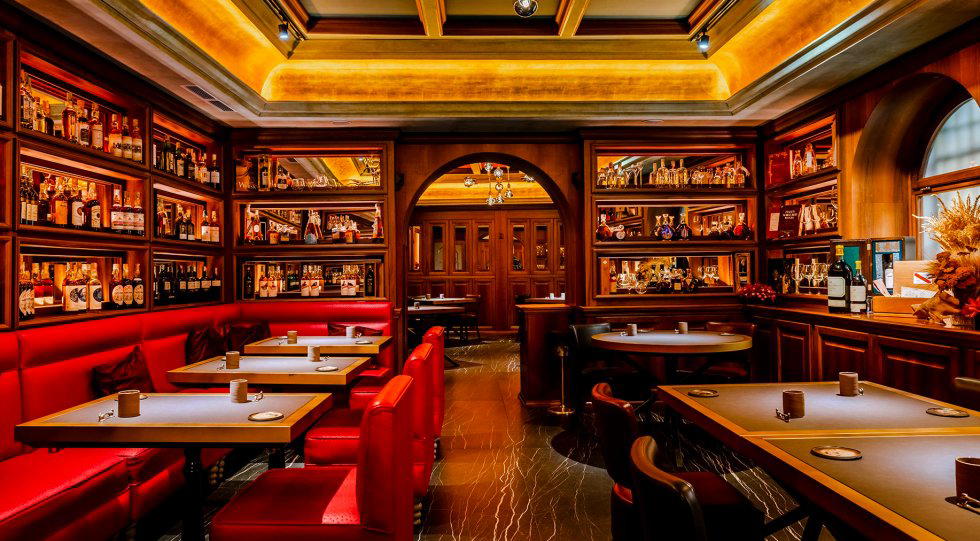
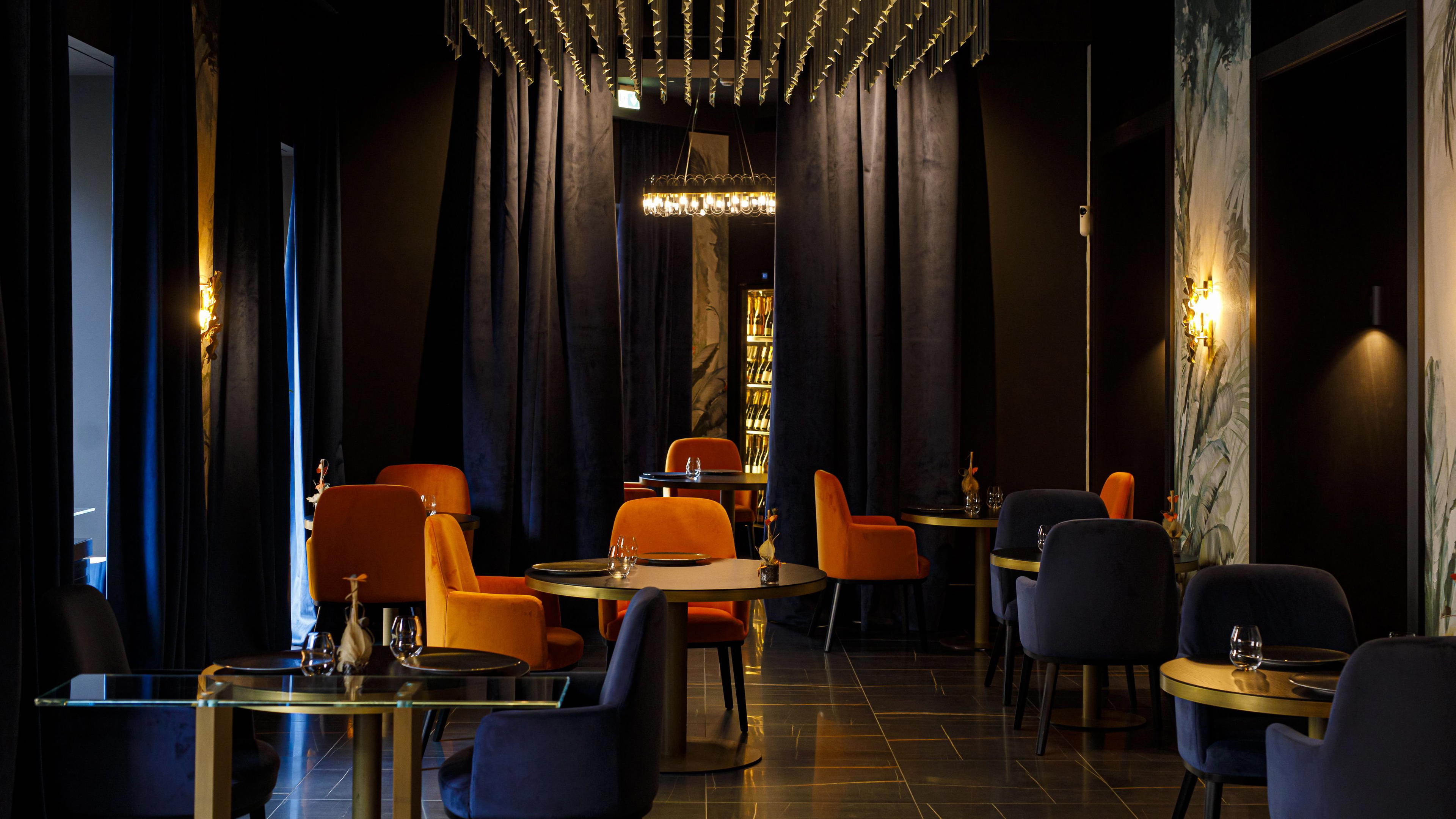
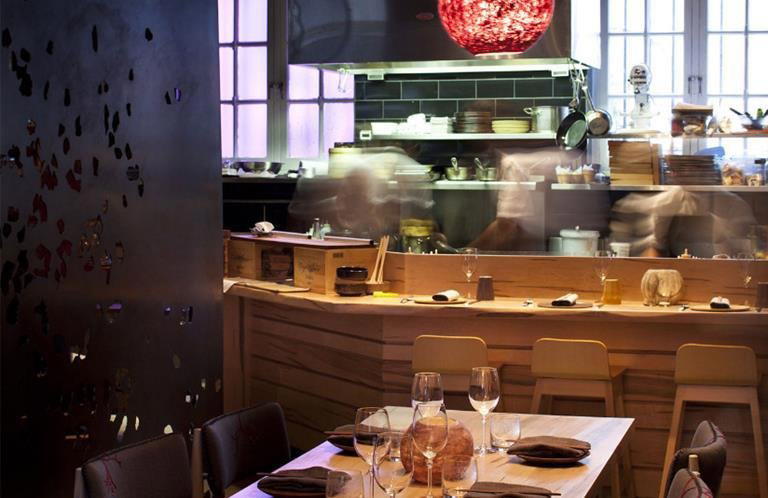
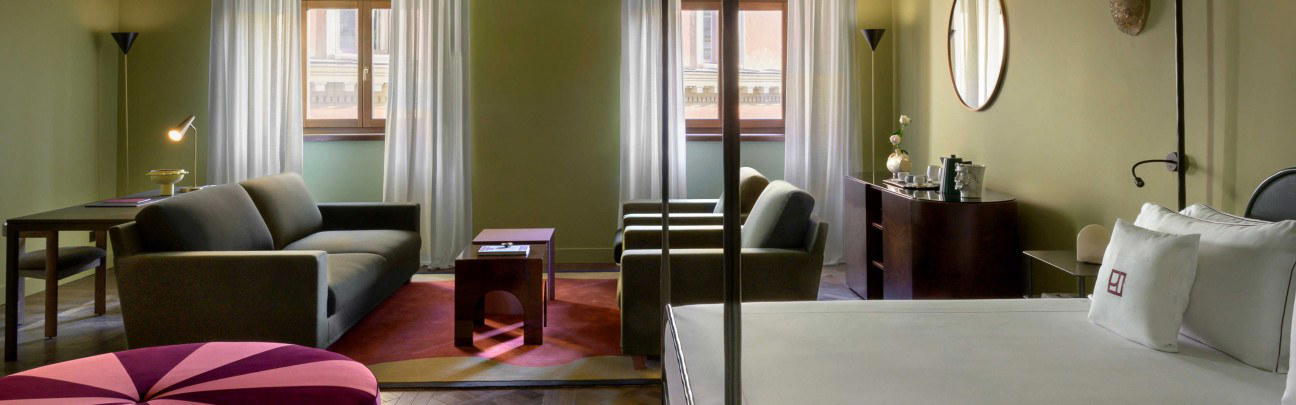
That loyalty is partly environmental and partly curatorial. The interior, which draws on Scandinavian design references with a serious books-and-objects aesthetic, creates an atmosphere that encourages staying rather than cycling through. For regulars, there is an understood geography to the room and the terrace: certain tables carry an unspoken status based on sightlines to the columns, and the aperitivo hour has a social density that the midday service does not. These are the kinds of details that visitors who have been once tend to share, and that keep the place from emptying between the standard meal occasions.
Piazza di Pietra in the Context of Rome's Bar Scene
Rome's bar and café culture has not moved as aggressively toward the cocktail-led, programme-heavy format that has reshaped London, New York, or even Milan's drinking scene. The city's more durable model remains the all-day venue anchored by aperitivo, where the drink is often secondary to the setting and the social occasion. Salotto42 operates in that tradition while occupying a slightly more designed, internationally legible space than the average Roman bar.
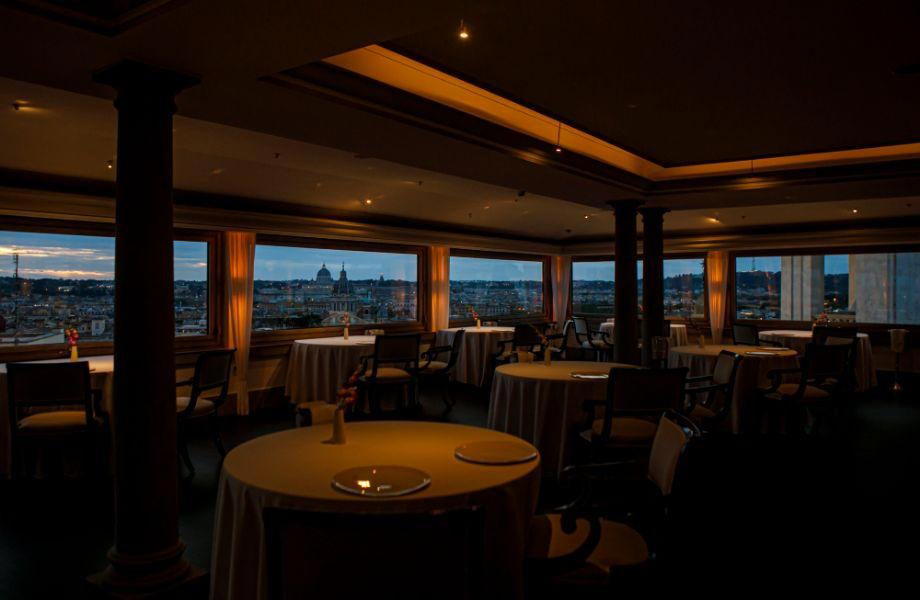
La Pergola, Il Pagliaccio, Acquolina, Enoteca La Torre, and Achilli al Parlamento represent the city's creative fine-dining tier, where tasting menus, formal service, and Michelin recognition anchor the value proposition. Salotto42 is not competing in that space. Its competition is the outdoor table with a credible drinks list and a view that holds up at 6 p.m. in October, and in that narrower contest it is difficult to argue with the address.
Italy's fine-dining circuit extends well beyond Rome, with the country producing some of Europe's most discussed restaurant kitchens. Venues like Osteria Francescana in Modena, Le Calandre in Rubano, Piazza Duomo in Alba, Enoteca Pinchiorri in Florence, Enrico Bartolini in Milan, Uliassi in Senigallia, Reale in Castel di Sangro, Dal Pescatore in Runate, Quattro Passi in Marina del Cantone, and Atelier Moessmer Norbert Niederkofler in Brunico define a tier of Italian cooking that rewards dedicated travel. Salotto42 operates at a different altitude, but in Rome's geography of good decisions, it fills a gap that formal restaurants do not.
When to Go and What to Expect
The terrace is the product at Salotto42, which means the venue's appeal is genuinely seasonal. Autumn sits at the intersection of the city's most agreeable weather and a measurable drop in visitor volume: the temperature holds through October, the light on the columns in the late afternoon is at its most photogenic, and the piazza operates at a pace that summer rarely permits. Spring delivers similar conditions. Both seasons represent the period when regulars return to the outdoor table with the expectation that they will actually secure it.
Summer brings a different dynamic. The piazza remains busy into the evening, and the terrace is in demand, but the heat of midday makes the interior the more considered choice. Winter use of the space depends on how the venue manages the terrace during cooler months,
Access is direct from the centre of Rome. Piazza di Pietra sits within walking distance of the Pantheon to the west and Piazza Navona further beyond, making it a natural stop on any extended afternoon in the historic centre. For visitors using Rome's centre as a base, the location places Salotto42 well within an easy circuit.
Know Before You Go
- Address: Piazza di Pietra, 42, 00186 Roma, Italy
- Setting: Indoor and terrace, facing the Temple of Hadrian columns
- Leading season: Autumn and spring for terrace access without summer crowds
- Nearest landmarks: The Pantheon (short walk west), Trevi Fountain (short walk east)
- Reservations: Reservations are recommended; terrace tables fill during aperitivo on weekends
- Format: All-day café-bar; aperitivo is the primary social occasion for regulars
Comparable Spots
Comparable venues nearby, for context on price, style, and recognition.
| Venue | Cuisine | Price | Notes |
|---|---|---|---|
| Salotto42 | Italian Cocktail Bar & Aperitivo | $$$ | Colonna |
Recognition history
Dated appearances from independent guides and award organizations, with the underlying list record or original source where available.
World's 50 Best Best Bars #49
World's 50 Best

At a Glance
- Elegant
- Trendy
- Modern
- Intimate
- Sophisticated
- Date Night
- Casual Hangout
- After Work
- Terrace
- Craft Cocktails
- Street Scene
Current opening hours
- Monday
- 10:30 AM–2 AM
- Tuesday
- 10:30 AM–2 AM
- Wednesday
- 10:30 AM–2 AM
- Thursday
- 10:30 AM–2 AM
- Friday
- 10:30 AM–2 AM
- Saturday
- 10:30 AM–2 AM
- Sunday
- 10:30 AM–2 AM
Hours can change for holidays and private events. Last verified .
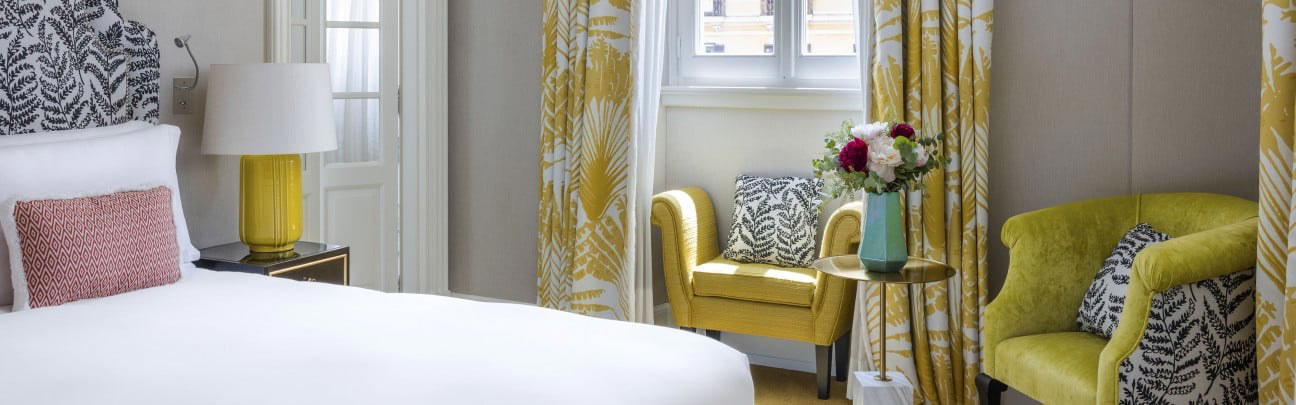
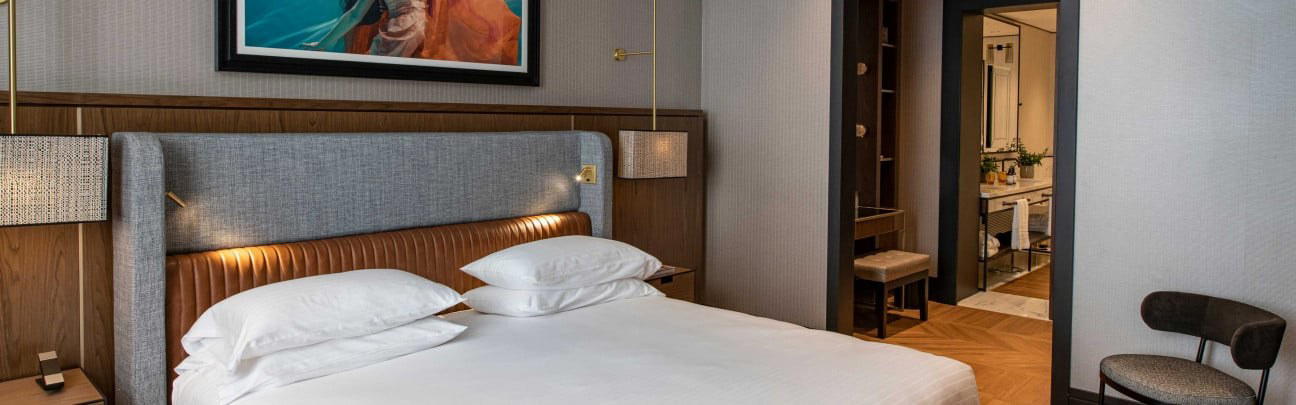
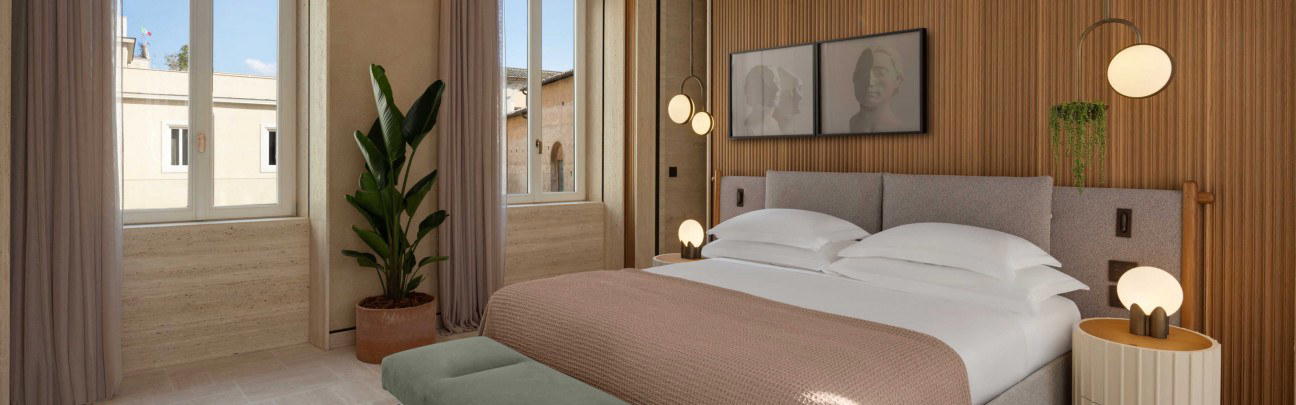
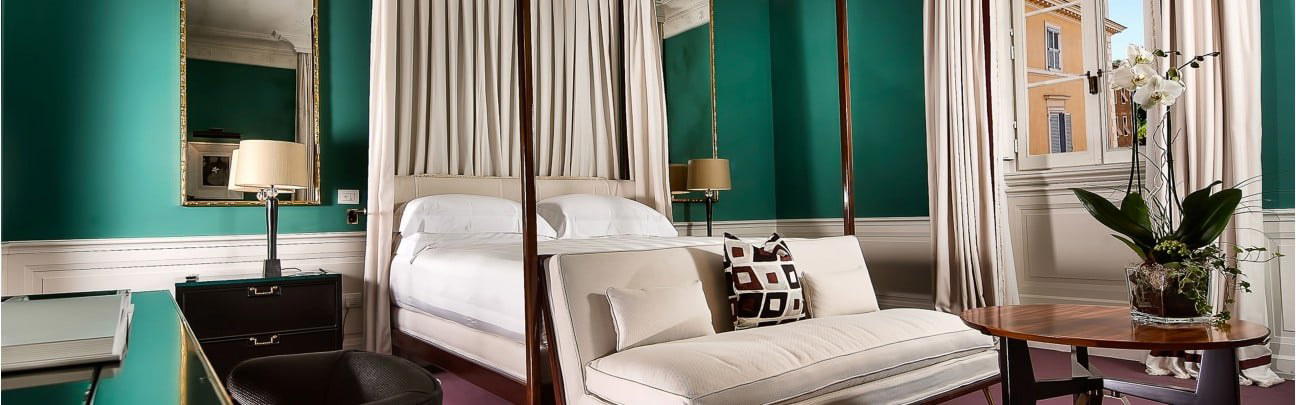
Modern decor with cozy indoor seating and pleasant atmosphere, enhanced by outdoor tables overlooking historic ruins.