Bar de Cao
Bar de Cao sits on Avenida Independencia in Buenos Aires, occupying a position in the city's evolving bar scene where neighbourhood character and a considered drinks program intersect. The address places it in San Cristóbal, a district that drinks differently from Palermo's high-traffic corridors. For those tracing the city's cocktail geography beyond the obvious stops, it represents a worthwhile detour.

Pearl is the En Primeur Club membership app — saves, bookings, and concierge access live there. Same editors, same standards.
- Address
- Av. Independencia 2400, C1225AAS Cdad. Autónoma de Buenos Aires, Argentina
- Phone
- +54 11 2353 3759
- Hours
- Daily 8 AM–2 AM
- Website
- losnotables.com.ar
- Directions
- Get directions
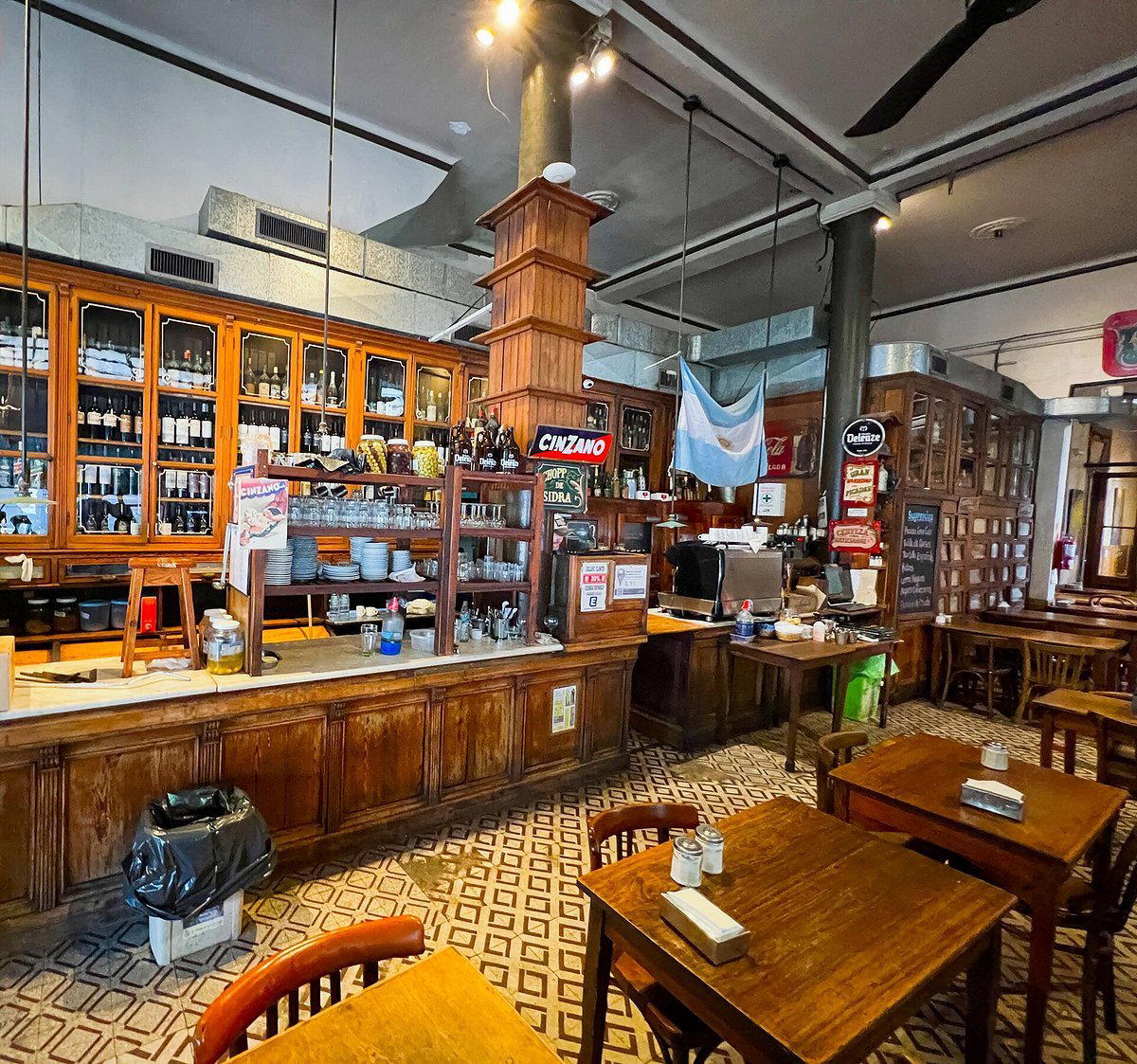
Where the Drink Comes Before the Address
Buenos Aires has spent the better part of a decade sorting itself into two distinct cocktail tiers: the international-facing operations in Palermo and Recoleta, where accolades drive foot traffic, and a quieter set of neighbourhood bars whose reputations travel more slowly but tend to hold longer. Bar de Cao, at Avenida Independencia 2400 in San Cristóbal, belongs to the second category. The address is not incidental. San Cristóbal sits south of the Centro, removed from the bar circuits that cluster around Armenia and Thames streets, and that distance shapes how a place like this functions — less as a destination engineered for discovery, more as somewhere locals return to on their own terms.
Approaching along Independencia, the bar sits at the kind of corner that Buenos Aires does well: wide pavements, low-rise building stock, and the particular evening light that this city seems to manufacture regardless of season. The physical environment sets expectations before you reach the door. This is not a production. It is a bar.
Reading the Menu as a Document
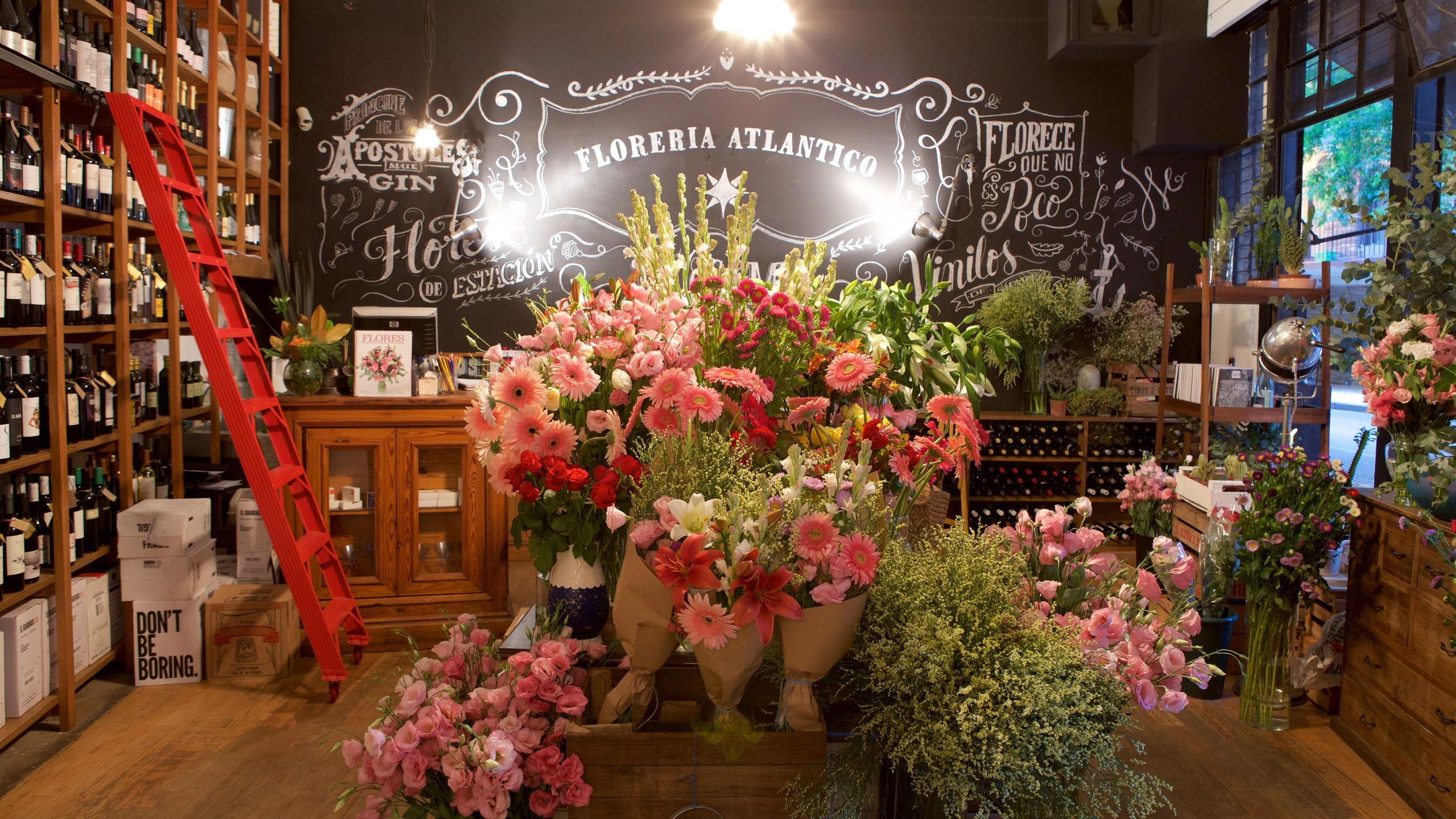
The editorial angle that matters most at a place like Bar de Cao is what the drinks list communicates about its ambitions and its audience. Buenos Aires cocktail menus have, over the last several years, bifurcated sharply. At one end sit the architect-designed programs at venues like Florería Atlantico, where botanical foraging, house ferments, and a 50 Best ranking shape every decision on the list. At the other end are bars whose menus read as direct answers to what the room actually wants to drink — shorter, less conceptually mediated, built around reliable execution rather than novelty.
A bar at Independencia 2400 in San Cristóbal is not positioned to compete with the former. Nor, if it is doing its job, should it want to. The neighbourhood's drinking culture runs closer to the social function of a bar than to its performative one. What a well-structured menu communicates in this context is restraint as a considered choice: fewer categories, deeper commitment to what is on offer, and a price architecture that keeps the room mixed rather than filtering it toward a single demographic. Buenos Aires bars that have sustained neighbourhood relevance, 878 Bar in Villa Crespo being an instructive comparison, tend to share this characteristic. The list does not try to be everything.
What can be said, based on Bar de Cao's positioning and address, is that the menu's architecture almost certainly reflects the broader San Cristóbal pattern: a drinks program built around the social rhythms of the barrio rather than the approval cycles of international bar rankings.
The Buenos Aires Bar Scene in Context
Understanding where Bar de Cao sits requires a brief account of how the city's bar geography has developed. The early wave of Buenos Aires craft cocktail culture, roughly 2010 to 2016, was concentrated in Palermo Soho and Hollywood, where venues operated in close proximity and could trade off each other's foot traffic. The second wave moved into less obvious territories: Chacarita, Villa Crespo, San Telmo, and the southern barrios including San Cristóbal. This movement was partly economic, driven by lower rents, and partly philosophical, a reaction against the over-designed, over-photographed nature of the first wave.
Bars that opened in this second wave, or that consolidated their identity during it, tend to carry a different relationship to the city. CoChinChina and the Four Seasons bar represent the more institutionalised end of Buenos Aires drinking, where international positioning is part of the proposition. Bar de Cao's location suggests it operates in the register below that, local in the meaningful sense, not as a marketing stance.
For readers who have traced Argentina's drinks culture beyond Buenos Aires itself, the contrast is instructive. Antares Mendoza in Mendoza and Chato's Wine Bar in Cafayate operate in cities where the bar scene is inseparable from wine production and regional identity. Buenos Aires bars have a different relationship with origin: they are more urban, more eclectic in their influences, and more responsive to the city's particular social tempo. Colomé Winery in Molinos offers yet another register entirely, estate drinking in a context that could not be further from a city corner bar. Bar de Cao is, emphatically, the city corner bar version of that Argentina drinks spectrum.
Comparisons Worth Making
Internationally, the bars that occupy a comparable position, neighbourhood-anchored, technically competent without being technique-forward, priced for regular rather than occasional visits, tend to generate loyalty that outlasts the more celebrated rooms. Jewel of the South in New Orleans operates in a different cultural register but shares the quality of being genuinely embedded in its surroundings rather than imported into them. Kumiko in Chicago and Bar Leather Apron in Honolulu represent the more technically ambitious end of that neighbourhood-committed spectrum, where award recognition and local loyalty coexist. Julep in Houston sits closer to the programmatic end, with a regional focus that gives the menu a specific identity.
Planning a Visit
Avenida Independencia 2400 is accessible from the San José or Entre Ríos stops on Line E of the Buenos Aires metro, placing Bar de Cao within reasonable reach of the Centro and San Telmo. The surrounding blocks are low-key residential and commercial, with none of the bar-adjacent hospitality infrastructure, late-night food, adjacent clubs, that Palermo provides as a matter of course. This is a consideration for evenings built around a single stop rather than a longer circuit. For visitors constructing a broader Buenos Aires night out, pairing it with San Telmo exploration makes geographic sense. Our full Buenos Aires restaurants and bars guide maps the city's drinking by neighbourhood and price tier, which is the more useful frame than any single venue recommendation for first-time visitors.
Recognition, Side-by-Side
| Venue | Price | Awards |
|---|---|---|
| Bar de CaoThis venue — the venue you are viewing | Not listed | Not listed |
| 878 Bar | $20–30 | World's 50 Best #25 · Star Wine List |
| CoChinChina | $30–50 | World's 50 Best #26 · Top 500 Bars Best Bars #23 |
| Florería Atlantico | $30–50 | World's 50 Best #90 · Star Wine List |
| Four Seasons | $30–50 | World's 50 Best #22 |
| Frank's | $30–50 | World's 50 Best #36 |
Continue exploring
More in Buenos Aires
Bars in Buenos Aires
Browse all →
Restaurants in Buenos Aires
Browse all →
Hotels in Buenos Aires
Browse all →
Wineries in Buenos Aires
Browse all →
Details
- Classic
- Well Known
- Cozy
- Casual Hangout
- Historic Building
- Counter Only
Current opening hours
- Monday
- 8 AM–2 AM
- Tuesday
- 8 AM–2 AM
- Wednesday
- 8 AM–2 AM
- Thursday
- 8 AM–2 AM
- Friday
- 8 AM–2 AM
- Saturday
- 8 AM–2 AM
- Sunday
- 8 AM–2 AM
Hours can change for holidays and private events. Last verified .
Historic time capsule with clamour of loud voices, activity, and a blend of yesterday's and today's stories in a traditional setting.