Zevenwacht Wine Estate
Zevenwacht Wine Estate sits on the western edge of the Stellenbosch wine corridor. The estate's Kuils River address positions it closer to Cape Town than most Stellenbosch peers, making it a practical first or last stop on a Winelands itinerary. Visitors should plan their visit through the estate's website for the most current tasting and tour options.

Pearl is the En Primeur Club membership app — saves, bookings, and concierge access live there. Same editors, same standards.
- Address
- Langverwacht Rd, Kuils River, Cape Town, 7579
- Phone
- +27 21 900 5700
- Website
- zevenwacht.co.za
- Directions
- Get directions
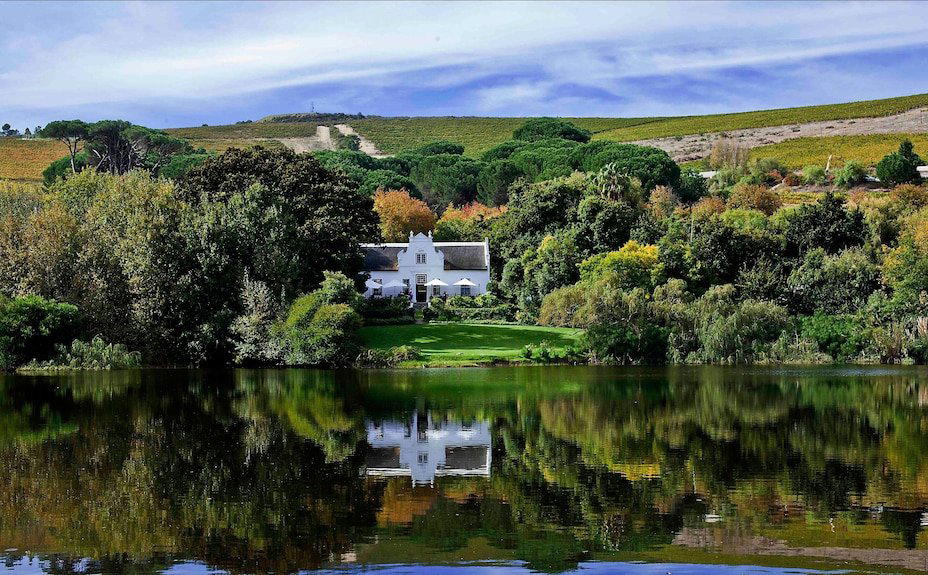
The Western Edge of Stellenbosch Wine Country
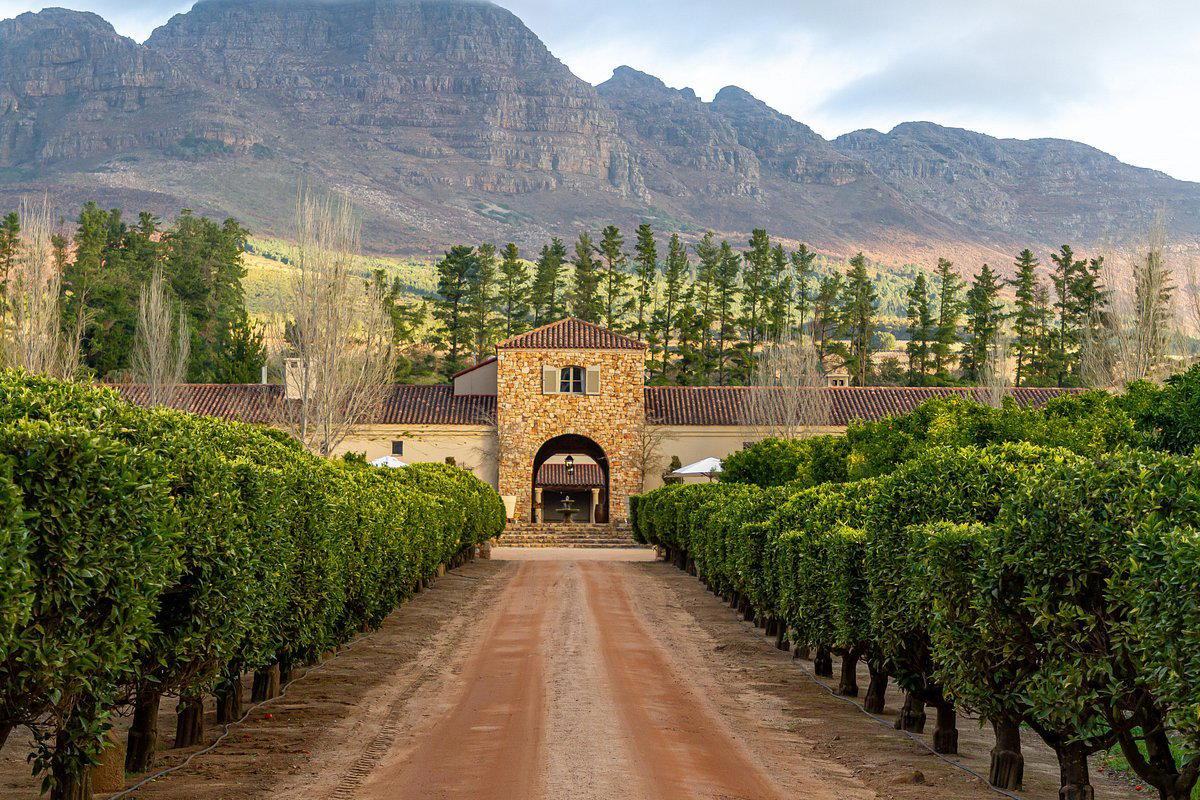
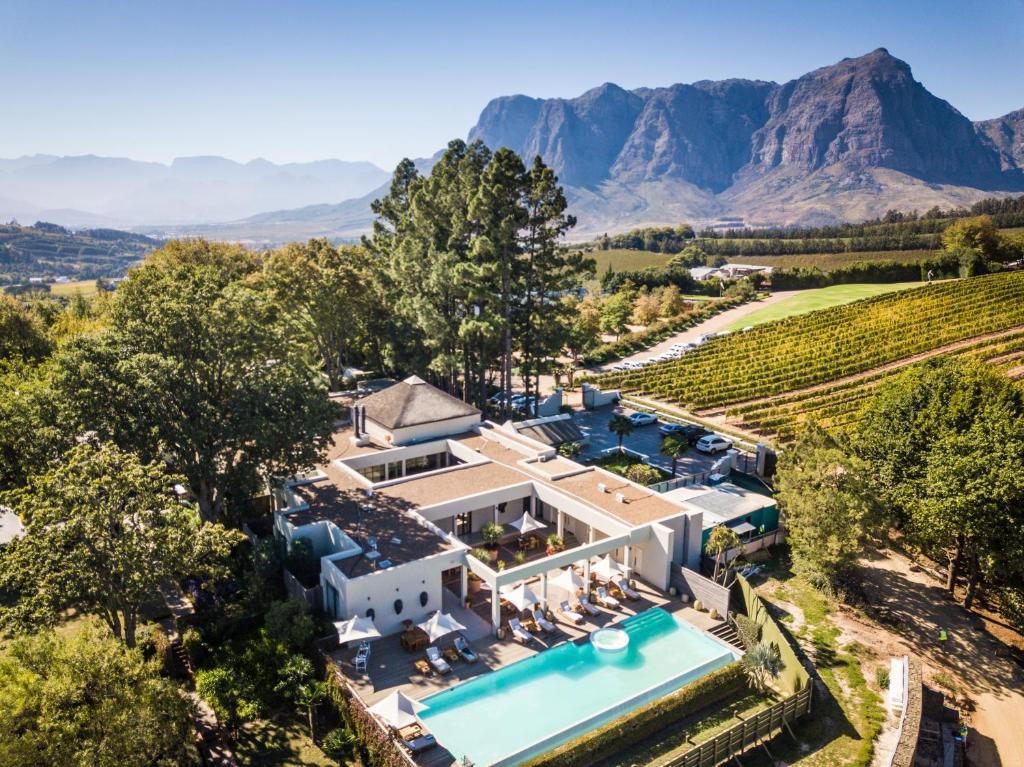
Approaching Stellenbosch from Cape Town, the wine estates begin to assert themselves before the town does. The Bottelary Hills roll in from the west, and it is here, on Langverwacht Road in the Kuils River corridor, that Zevenwacht Wine Estate occupies its particular stretch of the Winelands. The address alone signals something important about how this estate fits into the Cape's wine geography: it sits closer to the urban edge than the showroom estates clustered near the Stellenbosch town centre, which means the drive in carries a different character. The mountain views arrive gradually, the farmland opens up, and the transition from city to wine country happens in full view rather than all at once.
That position on the western corridor is not incidental. The Kuils River area represents one of the Cape Winelands' quieter production zones, distinct from the more heavily trafficked routes through Franschhoek or the R44 between Stellenbosch and Somerset West. Estates like Vergelegen Wine Estate in Somerset West and Constantia Glen in Cape Town draw visitors along the southern arc of the Winelands, while Zevenwacht operates in a zone that rewards those willing to look past the most obvious itinerary.
Among Stellenbosch peers, that positioning is meaningful context. Estates like Delaire Graff Estate and Tokara Winery compete in the upper tiers of regional recognition, while a broader mid-to-premium field, including Neethlingshof Estate, Spier Wine Farm, and Asara Wine Estate, fills the Stellenbosch wine scene with established, credentialled producers.
For visitors calibrating their Winelands itinerary by quality tier, the rating provides a clear reference point: this is an estate producing at a level where a tasting visit carries genuine interest rather than tourist-route obligation.
The Cape Winelands in Competitive Context
South Africa's wine industry has spent the past two decades building a more credible international presence, with Stellenbosch leading that effort. The region's strength lies in Cabernet Sauvignon and Bordeaux-style blends, though Chenin Blanc has emerged as the country's most distinctive contribution to the white wine conversation, and producers from Robertson to Hermanus have expanded the stylistic range available under the South African flag. Graham Beck Wines in Robertson and Creation Wines in Hermanus demonstrate how far the Cape's wine geography now extends beyond the historic Stellenbosch-Franschhoek-Paarl triangle.
Within that expanding landscape, Stellenbosch retains its anchor role. The combination of mountain-influenced mesoclimates, granitic and decomposed granite soils, and a winemaking tradition dating back to the seventeenth century gives the region a depth that newer wine areas cannot replicate through ambition alone. Estates across the appellation have invested heavily in cellar infrastructure and viticultural precision over the past fifteen years, which is why a rating system like the Pearl Prestige can draw meaningful distinctions within a competitive regional field.
For comparison, the Franschhoek valley offers a different stylistic register, with estates like Babylonstoren in Franschhoek combining wine production with immersive farm experiences that position them as destination properties rather than purely winemaking operations. Paarl, with producers including Val de Vie Estate, trends toward lifestyle-integrated estate formats. Zevenwacht's positioning in the Kuils River corridor suggests a different priority: the wine and the land, without the full apparatus of resort-scale hospitality.
Planning Your Visit
Zevenwacht's address on Langverwacht Road, Kuils River, places it roughly between Cape Town and central Stellenbosch, which has practical implications for how a visit fits into a broader Winelands day. A self-drive from Cape Town takes under thirty minutes in clear traffic, making the estate accessible as a standalone afternoon visit rather than requiring an overnight stay in the wine country. That proximity also means visitors can pair a Zevenwacht tasting with other Bottelary Hills producers or continue east toward the Stellenbosch town estates without significant backtracking.
Specific tasting formats, pricing, and booking requirements for Zevenwacht are best confirmed directly with the estate before visiting. Cape Winelands estates operate across a wide range of visitor formats, from fully walk-in cellar door operations to appointment-only experiences, and Zevenwacht's specific policy is worth confirming before the drive out.
For those building a multi-estate itinerary, the region's broader wine scene is covered in our full Stellenbosch restaurants and wine guide, which maps the estates and dining options across the appellation. Those looking further afield for comparison might also consider Oude Molen Distillery in Grabouw for a different production tradition, or explore international reference points like Aberlour in Aberlour and Accendo Cellars in St. Helena to understand where South African wine sits within the broader global conversation.
The Essentials
Comparable venues nearby, for context on price, style, and recognition.
| Venue | Cuisine | Price | Awards | Notes |
|---|---|---|---|---|
| Zevenwacht Wine EstateThis venue — the venue you are viewing | Not listed | Not listed | Not listed | Not listed |
| Spier Wine Farm | Not listed | Not listed | Falstaff Winery - Listed | Stellenbosch, Cabernet Sauvignon, Chardonnay |
| Oldenburg Vineyards | Winery | $10–20 | Falstaff Winery - Listed | Not listed |
| Rustenberg Wines | Not listed | $20–30 | Not listed | Stellenbosch, Cabernet Sauvignon, Chardonnay |
| Thelema Mountain Vineyards | Simonsberg, Cabernet Sauvignon, Merlot | Not listed | Falstaff Winery - Listed | Not listed |
Continue exploring
More in Stellenbosch
Wineries in Stellenbosch
Browse all →
Bars in Stellenbosch
Browse all →
Restaurants in Stellenbosch
Browse all →
Details
- Scenic
- Rustic
- Elegant
- Classic
- Wine Education
- Group Outing
- Celebration
- Vineyard Tour
- Estate Grounds
- Panoramic View
- Historic Building
- Sustainable
- Mountain
- Vineyard
- Sauvignon Blanc
- Chenin Blanc
- Chardonnay
- Merlot
- Cabernet Sauvignon
- Syrah
- Pinotage
- Still White
- Still Red
- Still Rosé
- Dessert
- Wine Tasting
- Cheese Pairing
- Guided Tour
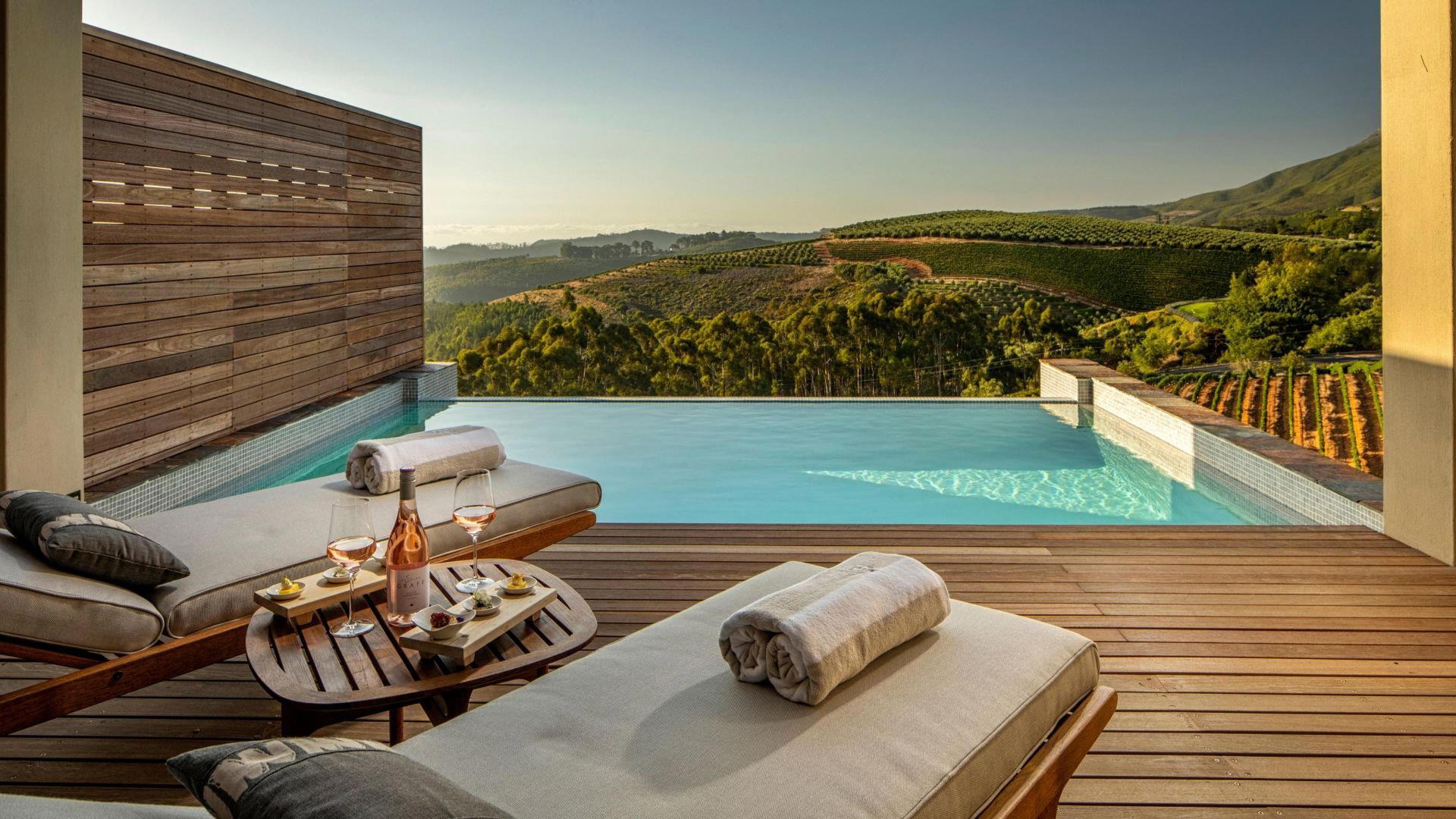
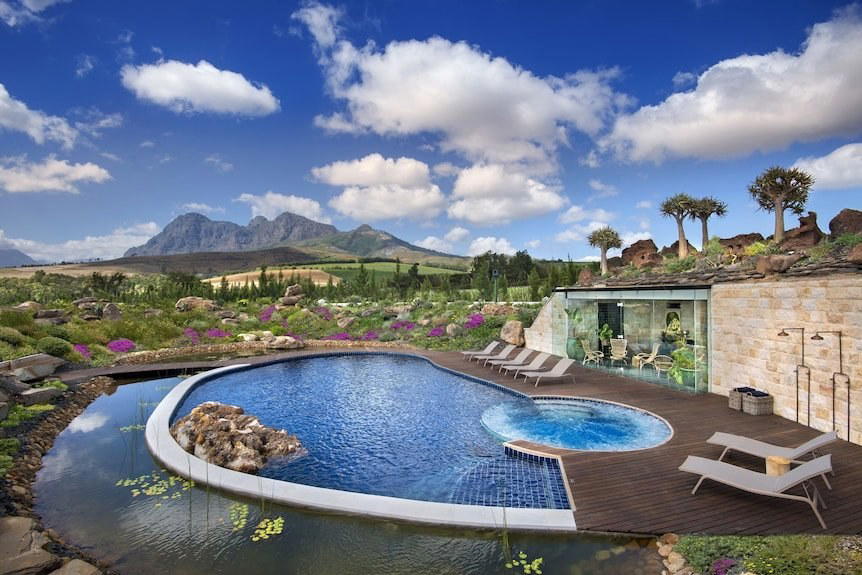
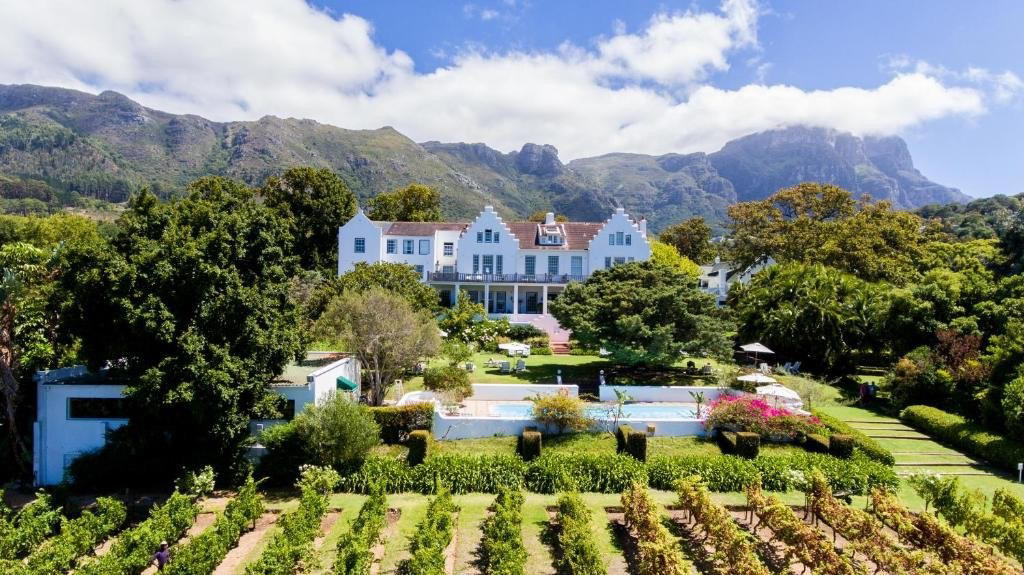
Serene and picturesque with panoramic views, lush gardens, and a relaxed rural atmosphere.