Kanonkop Wine Estate

Kanonkop Wine Estate on the R44 corridor between Stellenbosch and Paarl sits at the serious end of Cape red wine production. The estate has long been associated with Pinotage and Bordeaux-variety blends that define the Stellenbosch benchmark conversation. For those tracing the region's upper tier, Kanonkop is a fixed reference point.
Pearl is the En Primeur Club membership app — saves, bookings, and concierge access live there. Same editors, same standards.
- Address
- R44, Stellenbosch, 7600
- Phone
- +27 21 884 4656
- Website
- kanonkop.co.za
- Directions
- Get directions
 Saves & bookings on Pearl
The R44 Corridor and What It Means for Stellenbosch Reds
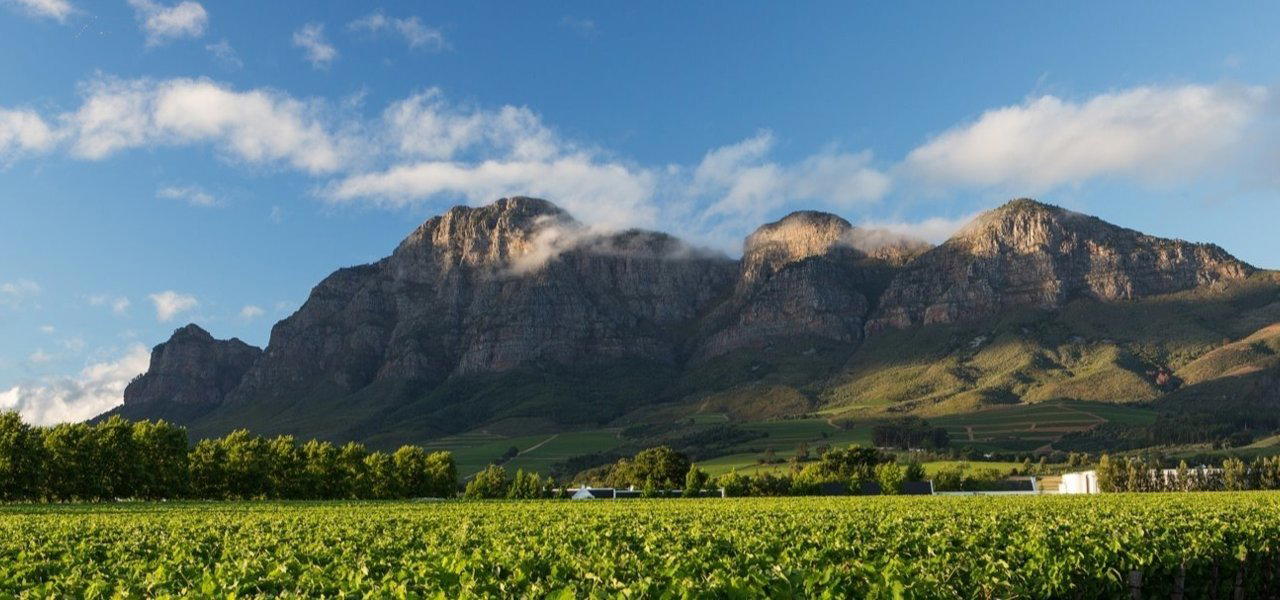
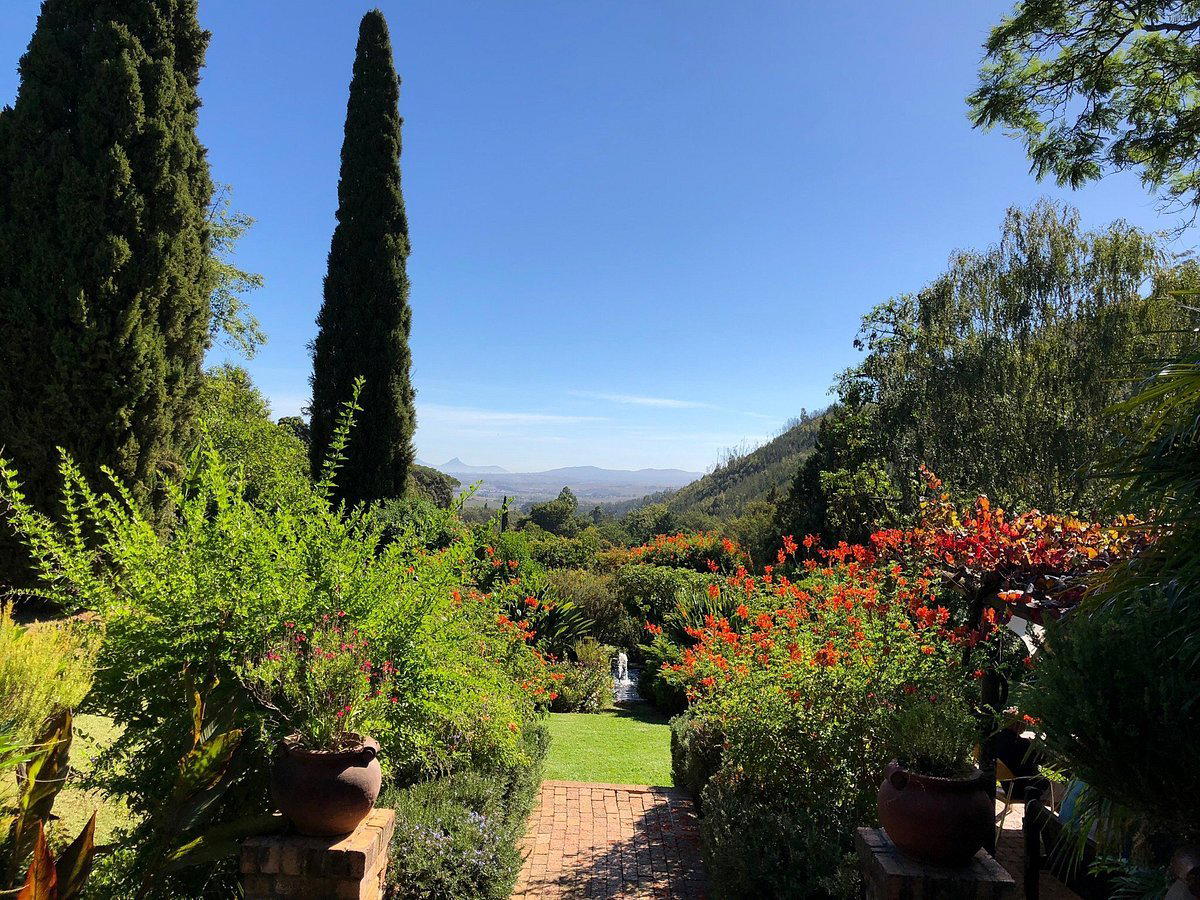
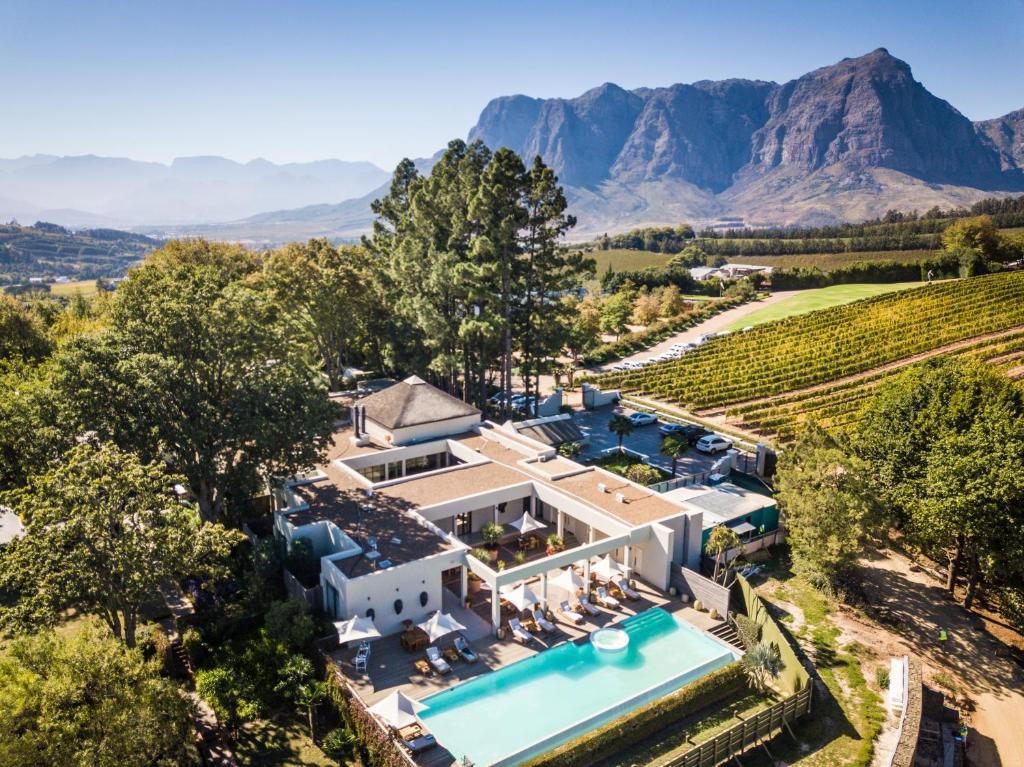
Drive north out of Stellenbosch on the R44 toward Paarl and the Simonsberg mountain range pulls into the left-hand frame. This strip of road carries particularly closely watched addresses in South African wine, where granitic soils, altitude variation, and a longer growing season than the valley floor combine to produce reds with genuine structure and age potential. Kanonkop Wine Estate sits on this corridor, and its position is not incidental. Estates on the Simonsberg piedmont have historically produced Stellenbosch's most discussed Cabernet Sauvignon and Pinotage, and Kanonkop has been part of that conversation long enough to function as a benchmark rather than a contender.
The Cape Winelands have expanded fast, with high-design hospitality estates like Delaire Graff Estate and farm-to-cellar lifestyle destinations like Spier Wine Farm pulling visitors with broader hospitality offerings. Kanonkop operates on a different register: the estate's draw is primarily its wine, and visitors who come here are generally doing so because they have a specific interest in what that wine represents within the Stellenbosch typology.
A Portfolio Built Around the Cape's Most Contested Variety
Pinotage is the lens through which most serious wine discussions about Kanonkop begin. South Africa's own crossing of Pinot Noir and Cinsaut has had a complicated reputation internationally, producing everything from coarse, mass-market versions to genuinely complex, age-worthy wines in the hands of estates that treat it with the same rigour applied to Cabernet. Kanonkop belongs firmly in the latter camp. The estate's Pinotage releases are consistently cited in discussions about what the variety can achieve when yields are controlled, fruit quality is prioritised, and cellaring decisions are made without shortcuts.
That positioning matters when you consider the wider Stellenbosch portfolio. Estates like Tokara Winery and Neethlingshof Estate offer broad ranges across white and red varieties, appealing to visitors who want diversity across a single visit. Kanonkop's range is deliberately narrower and more concentrated: the estate has historically focused its energy on Pinotage and Bordeaux-style red blends rather than dispersing attention across multiple white programmes. That focus is itself an editorial statement about what the estate believes Stellenbosch does at its leading.
The flagship Paul Sauer blend, a Bordeaux-variety red anchored by Cabernet Sauvignon, sits at the summit of the portfolio and has accumulated enough international recognition to function as a calling card for the estate in export markets. Below it, the Kadette range operates as an accessible entry point into the Kanonkop style, structured to introduce the estate's approach without requiring a commitment to the premium tier.
Reading the Cellar Door Through the Wine Programme
At estates where the wine is the primary draw, the cellar door experience tends to mirror the portfolio's architecture. The structured tasting format common to serious Stellenbosch producers typically moves guests through the range in an order that builds in weight and complexity, from lighter entry expressions toward the flagship wines. This sequencing is informative: it communicates what the producer considers important about each tier and where they believe the range's argument is most convincingly made.
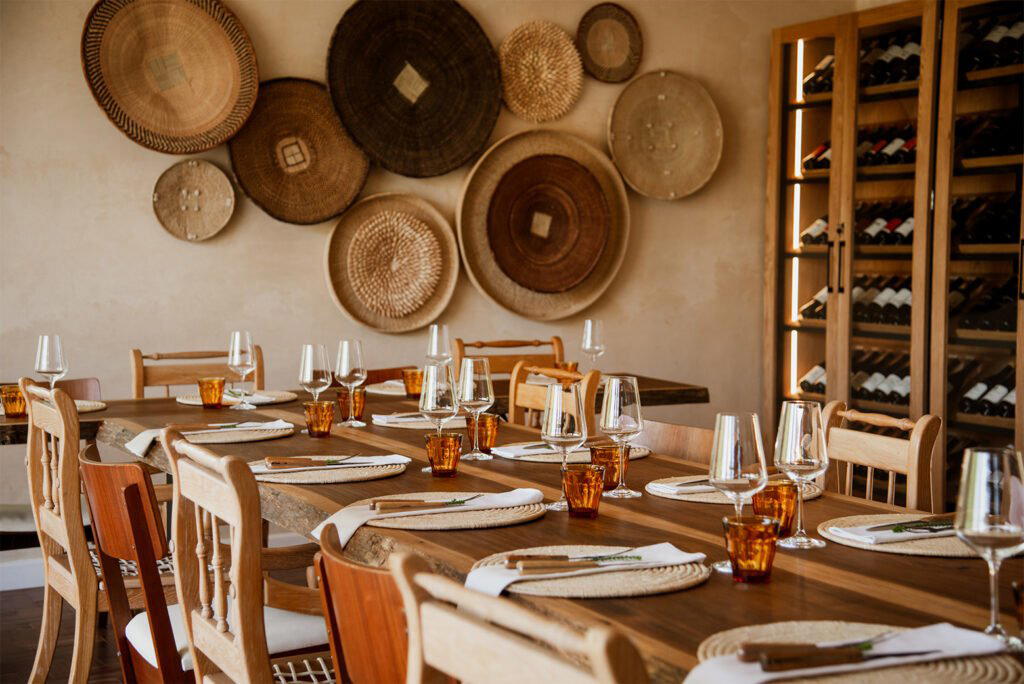
Kanonkop's tasting experience aligns with this tradition. The estate is not positioned as a lifestyle destination in the manner of Asara Wine Estate, which combines wine with hotel accommodation and a fuller hospitality programme. The focus here is on the wines themselves, and the environment is calibrated accordingly. Visitors expecting elaborate food pairings or event programming across multiple venues should recalibrate expectations; those who want to understand a serious red wine estate in its own terms will find the format appropriate.
For broader regional comparison, the contrast with Babylonstoren in Franschhoek is instructive. Babylonstoren has built an internationally recognised hospitality operation around its farm and wine programme, drawing visitors who might not prioritise the wine above all else. Kanonkop sits at the opposite end of that spectrum, closer in character to Vergelegen Wine Estate in Somerset West as an address where the wine's track record is the primary credential.
The Regional comparable set and Where Kanonkop Sits Within It
Stellenbosch has accumulated a concentration of rated estates dense enough that visitors planning a focused itinerary need to make real choices about where to allocate time. Within Stellenbosch, that peer group includes addresses across the valley and the mountain slopes, each with distinct soil profiles and stylistic signatures.
The Simonsberg appellation, where Kanonkop is situated, has particular credibility for Cabernet Sauvignon because of the aspect and drainage conditions that slow ripening and preserve acid structure. Estates in this zone tend to produce wines that reward patience more than those from warmer valley positions, and Kanonkop's reputation has been built in part on releases that develop over years rather than months. That is a meaningful distinction for serious collectors and for wine tourists who think in terms of what a bottle will do in five or ten years, not only what it offers on the day of purchase.
Beyond Stellenbosch, the Cape's wine geography extends to producers with similarly focused red wine programmes in different appellations. Constantia Glen in Cape Town pursues Bordeaux-variety blends from a cool, maritime-influenced site with a different climatic argument than Simonsberg. Creation Wines in Hermanus and Graham Beck Wines in Robertson extend the Cape fine wine conversation into other sub-regions, each building a distinct identity around their terroir. Understanding Kanonkop is partly an exercise in understanding how the Simonsberg position compares to those alternatives.
Planning a Visit
Kanonkop Wine Estate is located on the R44 between Stellenbosch and the Paarl direction, at the address 7600. The estate is reachable by car from Stellenbosch town centre in under twenty minutes, and the R44 route itself passes several other significant wine addresses, making logical sequencing possible for visitors building a day itinerary. As with most prestige Stellenbosch estates, confirming tasting availability in advance is advisable, particularly during the peak summer season between November and March when demand across the Winelands is at its highest.
Visitors with an interest in comparing Kanonkop against other serious Cape red producers within a single trip might consider pairing it with Val de Vie Estate in Paarl, which sits nearby and offers a different hospitality format, or with Oude Molen Distillery in Grabouw for a contrast in Cape spirits craft. For those building comparative wine knowledge beyond South Africa, the programme at Accendo Cellars in St. Helena and the single-malt tradition represented by Aberlour in Aberlour offer useful reference points for thinking about how focused, small-range premium producers position themselves in their respective categories.
Side-by-Side Snapshot
Comparable venues nearby, for context on price, style, and recognition.
| Venue | Cuisine | Price | Notes |
|---|---|---|---|
| Kanonkop Wine EstateThis venue — the venue you are viewing | Pinotage, Cabernet Sauvignon | $$$ | Not listed |
| Rustenberg Wines | Cabernet Sauvignon, Chardonnay | $$$ | Stellenbosch |
| Triple Three Estate Distillery | Stellenbosch | $$$ | Not listed |
| Muratie Wine Estate | Pinot Noir, Chardonnay | $$$ | Knorhoek Valley |
| L’Avenir Wine Estate | Pinotage, Chenin Blanc | $$$ | Stellenbosch |
| Meerlust Wine Estate | Cabernet Sauvignon, Merlot | $$$ | Stellenbosch |
Recognition history
Dated appearances from independent guides and award organizations, with the underlying list record or original source where available.
Falstaff Winery - Listed
Falstaff
Continue exploring
More in Stellenbosch
Wineries in Stellenbosch
Browse all →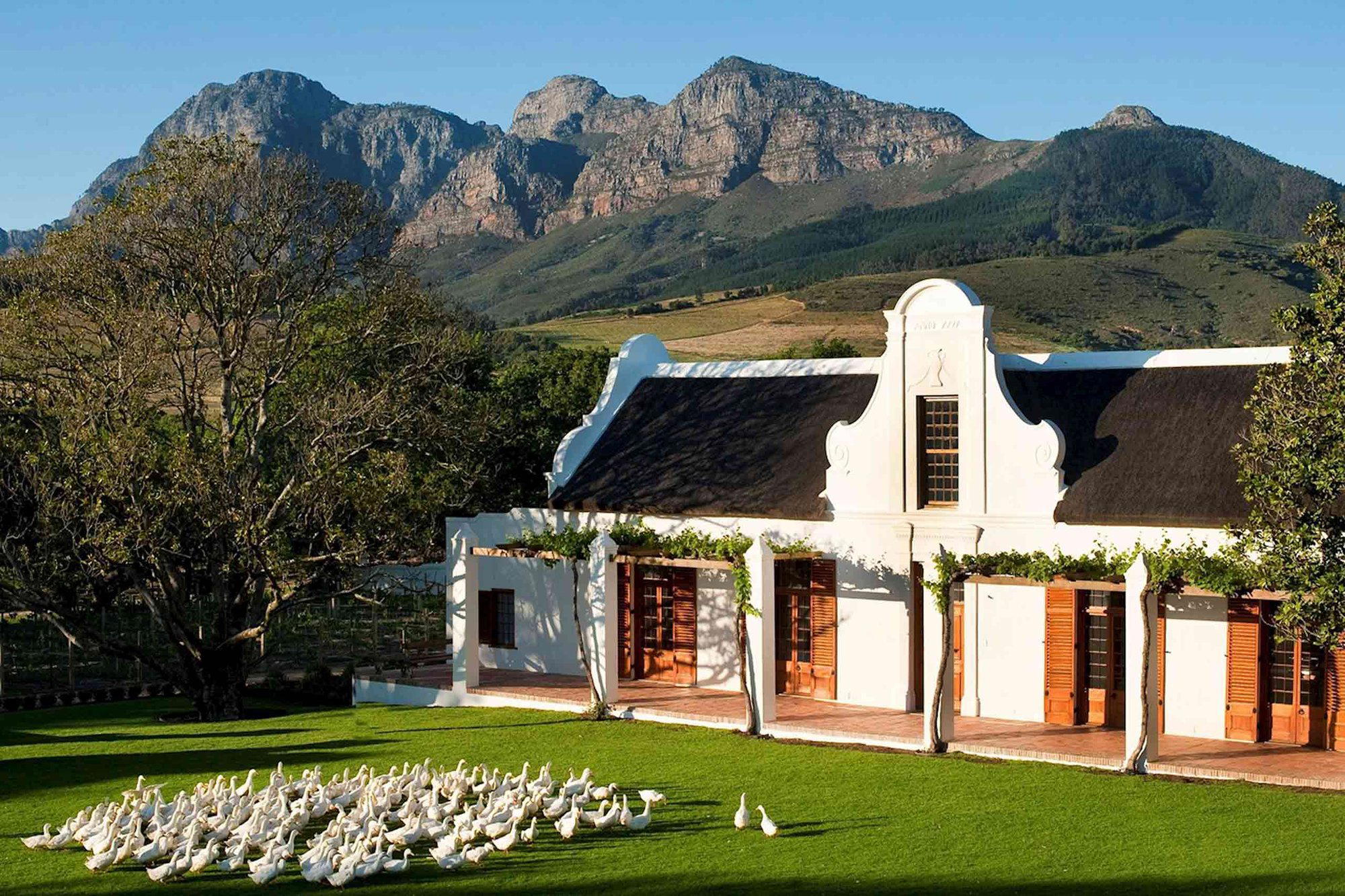
Bars in Stellenbosch
Browse all →
Restaurants in Stellenbosch
Browse all →
At a Glance
- Classic
- Elegant
- Scenic
- Well Known
- Sophisticated
- Wine Education
- Special Occasion
- Solo Exploration
- Vineyard Tour
- Estate Grounds
- Panoramic View
- Dry Farmed
- Mountain
- Vineyard
- Stellenbosch
- Pinotage
- Cabernet Sauvignon
- Merlot
- Cabernet Franc
- Still Red
- Estate Tasting
Classic and elegant with natural beauty,family tradition, and serene estate atmosphere highlighted in guest reviews.