Dornier Wine Estate

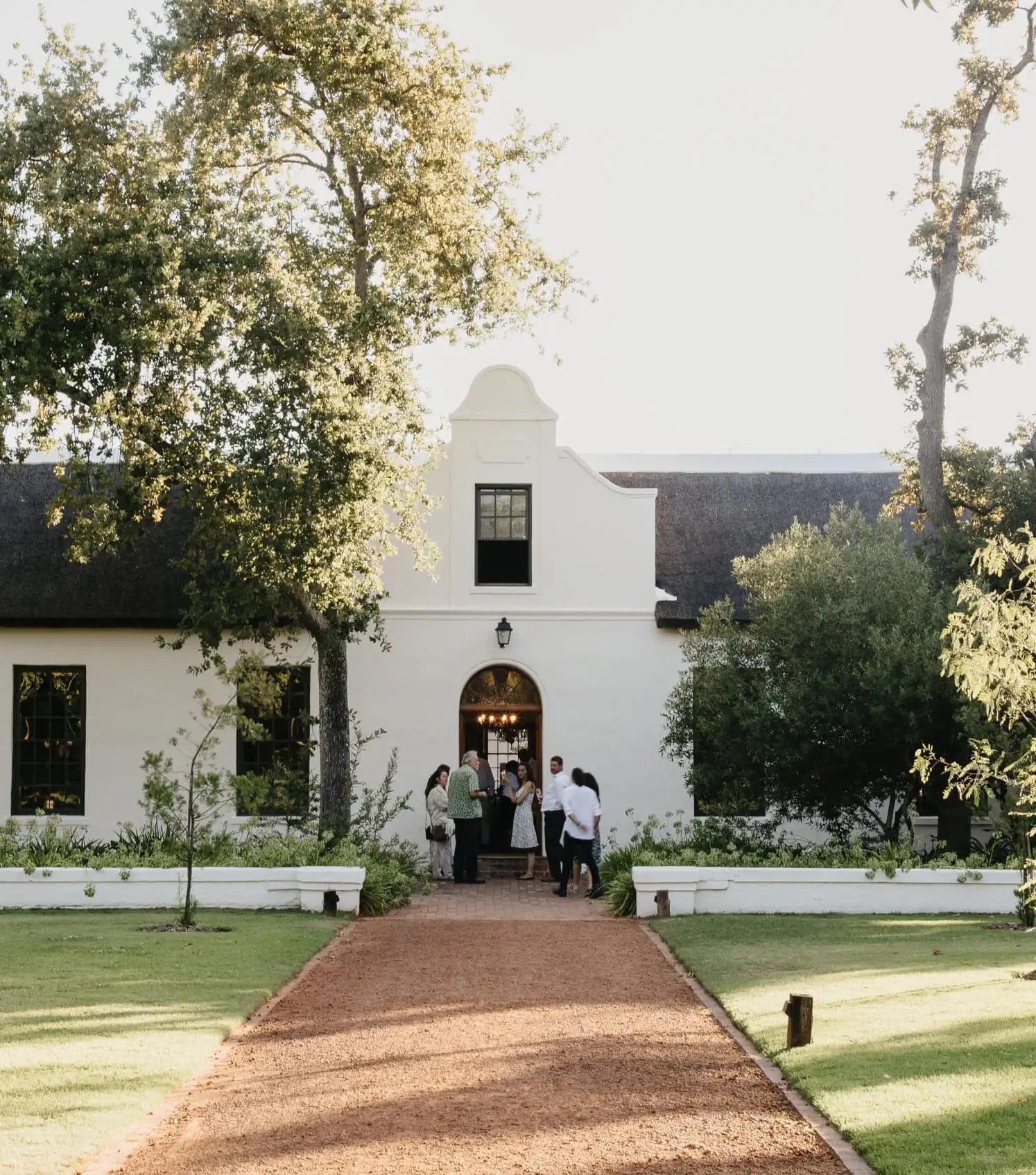
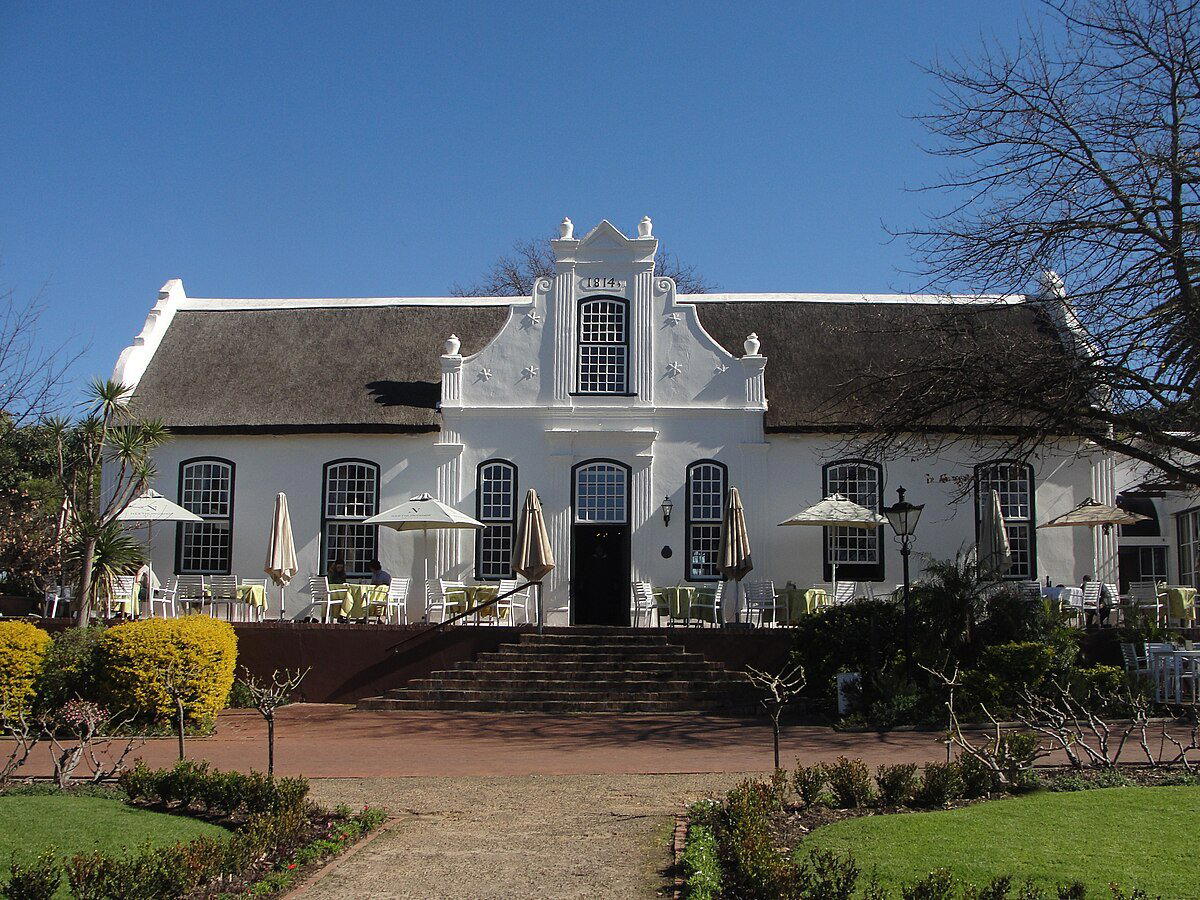
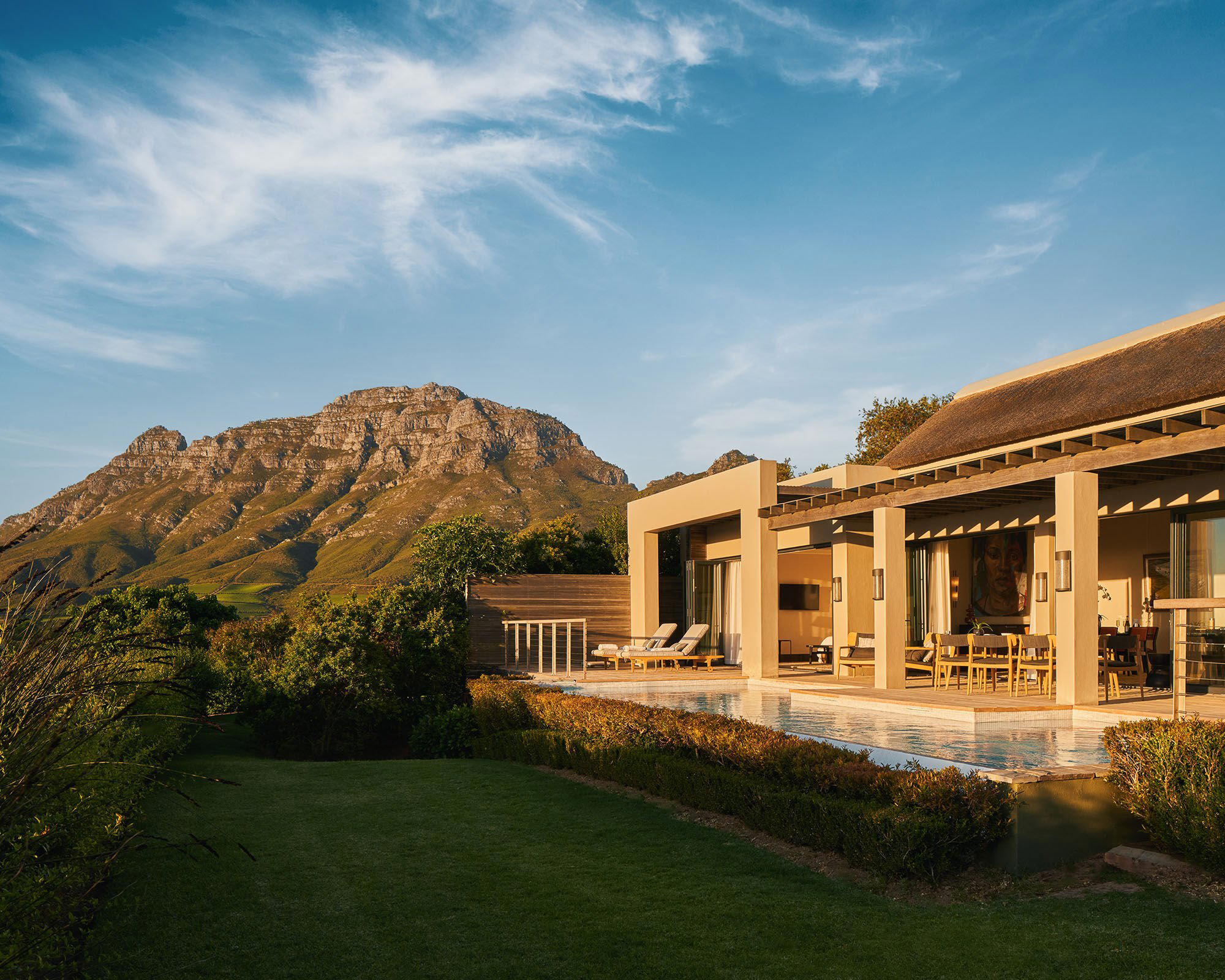
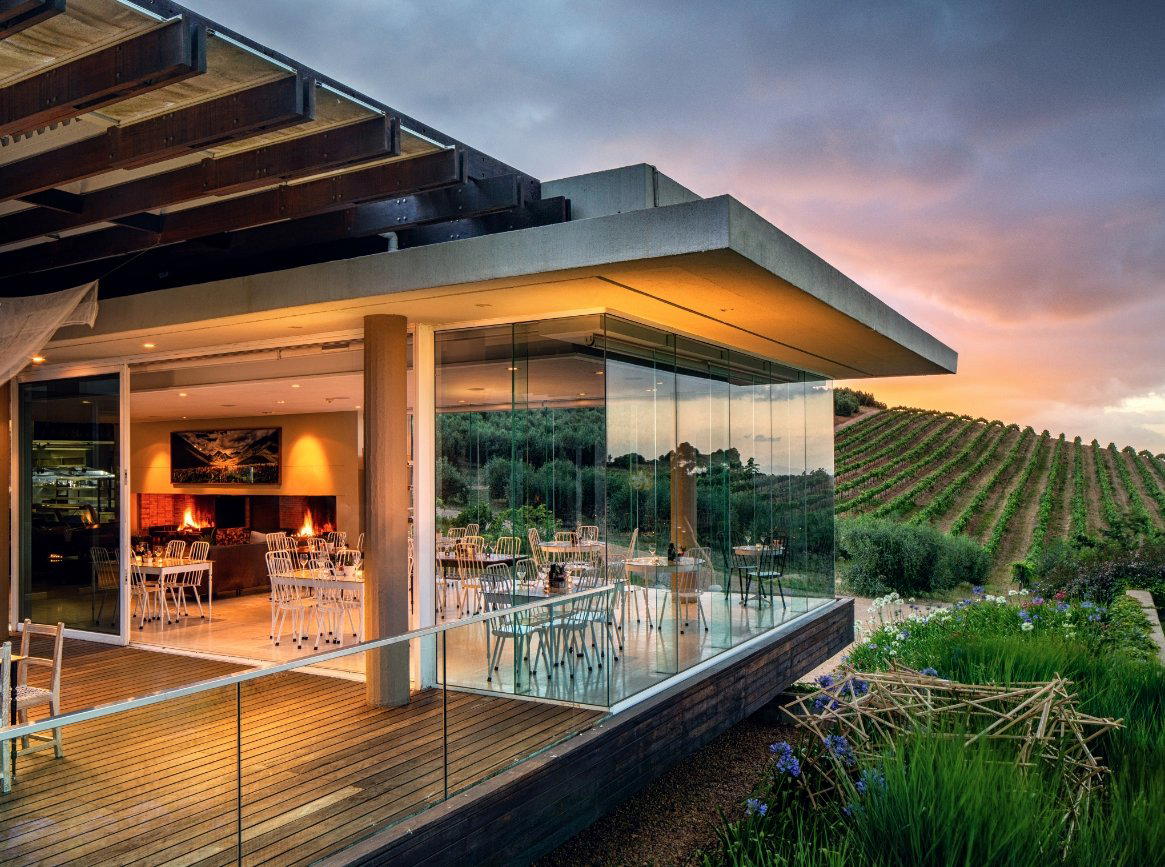
Dornier Wine Estate sits on the Blaauwklippen Road corridor in Stellenbosch, where the Helderberg and Simonsberg ranges frame a working wine farm that draws visitors as much for its cellar as for its table. The estate positions itself within the upper tier of Stellenbosch farm experiences, where wine production and hospitality are treated as a single programme rather than separate offerings.
Pearl is the En Primeur Club membership app — saves, bookings, and concierge access live there. Same editors, same standards.
- Address
- Dornier Road, Upper Blaauwklippen Rd, Stellenbosch, 7600, South Africa
- Phone
- +27 21 880 0557
- Website
- dornier.co.za
- Directions
- Get directions
 Saves & bookings on Pearl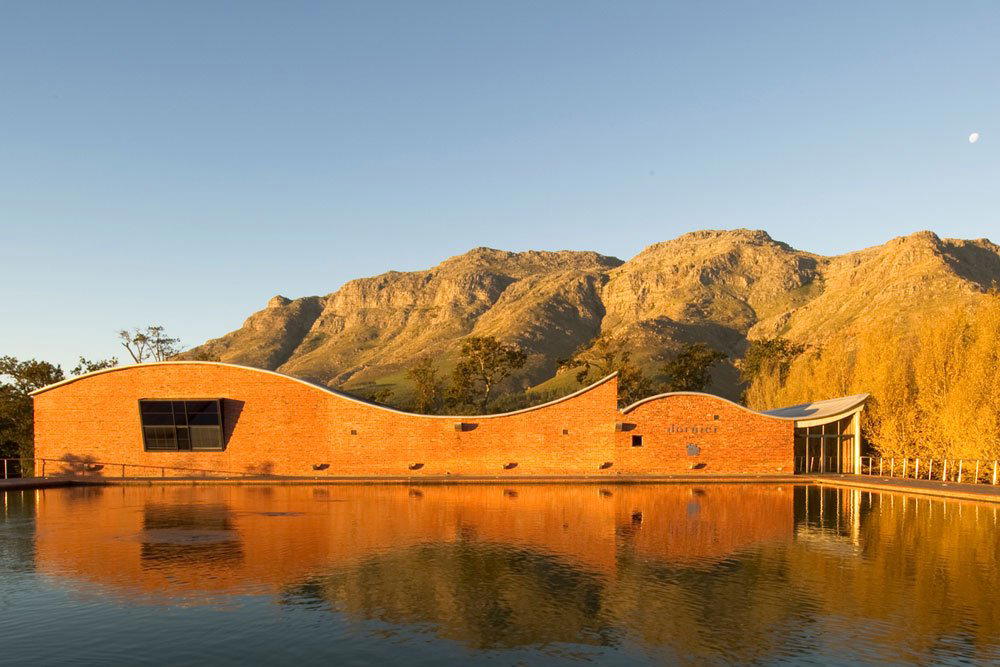
Where the Blaauwklippen Valley Sets the Register
Approaching Dornier Wine Estate along Upper Blaauwklippen Road, the surrounding context does most of the work before you arrive. This corridor sits within one of Stellenbosch's more concentrated pockets of serious wine production, where working cellars sit close enough together that the choice between them becomes an exercise in tonal preference rather than geography. The Helderberg foothills amplify the sense of altitude and drainage that defines the valley's growing conditions, and that physical setting carries through to everything that happens on the property once you are there.
Estate experiences in Stellenbosch have split, over the past decade, into two broadly legible categories: high-traffic tourist properties built around volume and spectacle, and quieter farm-led operations where the wine programme anchors the visit and the hospitality follows from it. Dornier sits in the second group. The address on Dornier Road, branching from Upper Blaauwklippen, signals as much — this is not a venue positioned along the main tourist arteries, and that positioning is itself an editorial statement about what the estate prioritises.
The Wine Programme as the Primary Lens
In the Western Cape, the estates that hold attention over time tend to be those where the wine identity is clear enough to organise everything around it. The Blaauwklippen Valley's soils and aspect favour Bordeaux varieties as well as Rhône-inflected whites, and the properties that work seriously with those varieties have developed a comparable set that competes on style and restraint rather than output. Dornier operates within that comparable set.
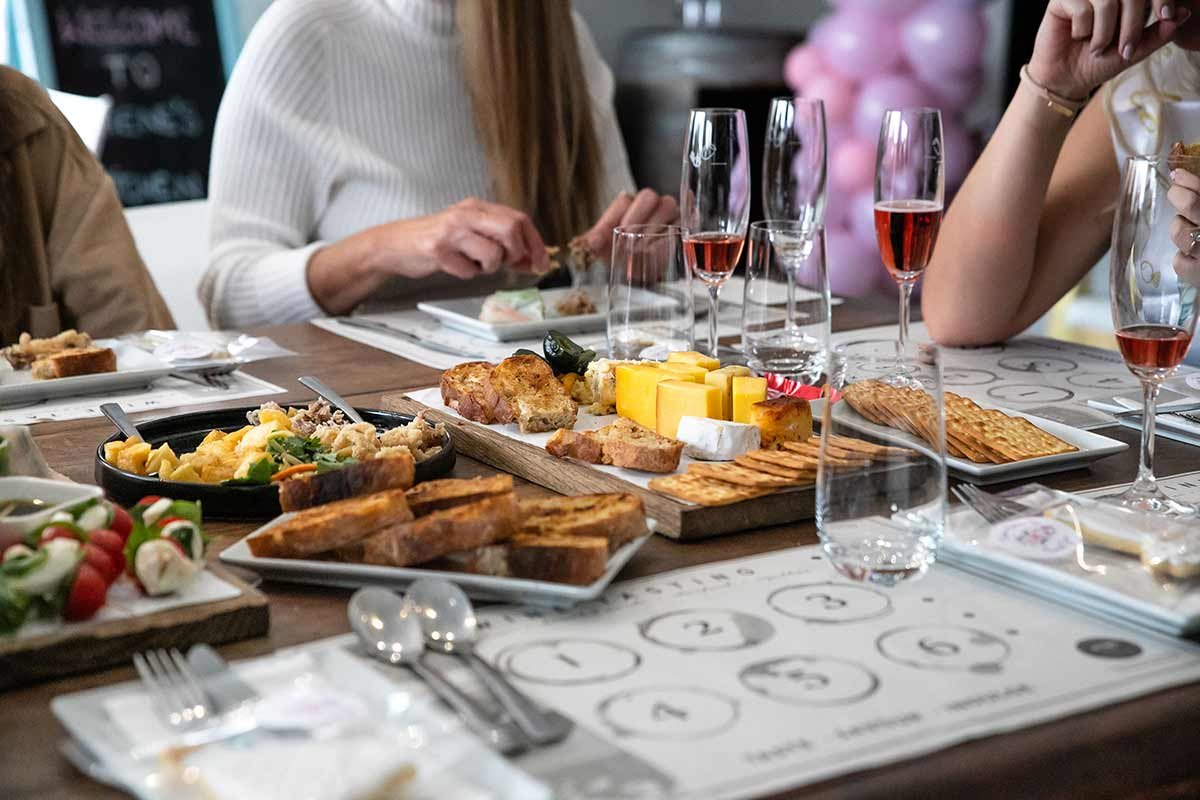
The estate's position on Dornier Road places it slightly off particularly visited circuits, which has a practical consequence worth noting: the experience tends to run at a lower volume than comparable properties on the Stellenbosch Wine Route's main thoroughfares. For visitors who have already worked through the higher-profile stops — the large-format estates with their restaurants, retail floors, and coach-party infrastructure, Dornier's register reads differently. Tasting experiences at estates of this type in the region typically run from structured seated tastings to more relaxed cellar-door formats, depending on the season and booking volume.
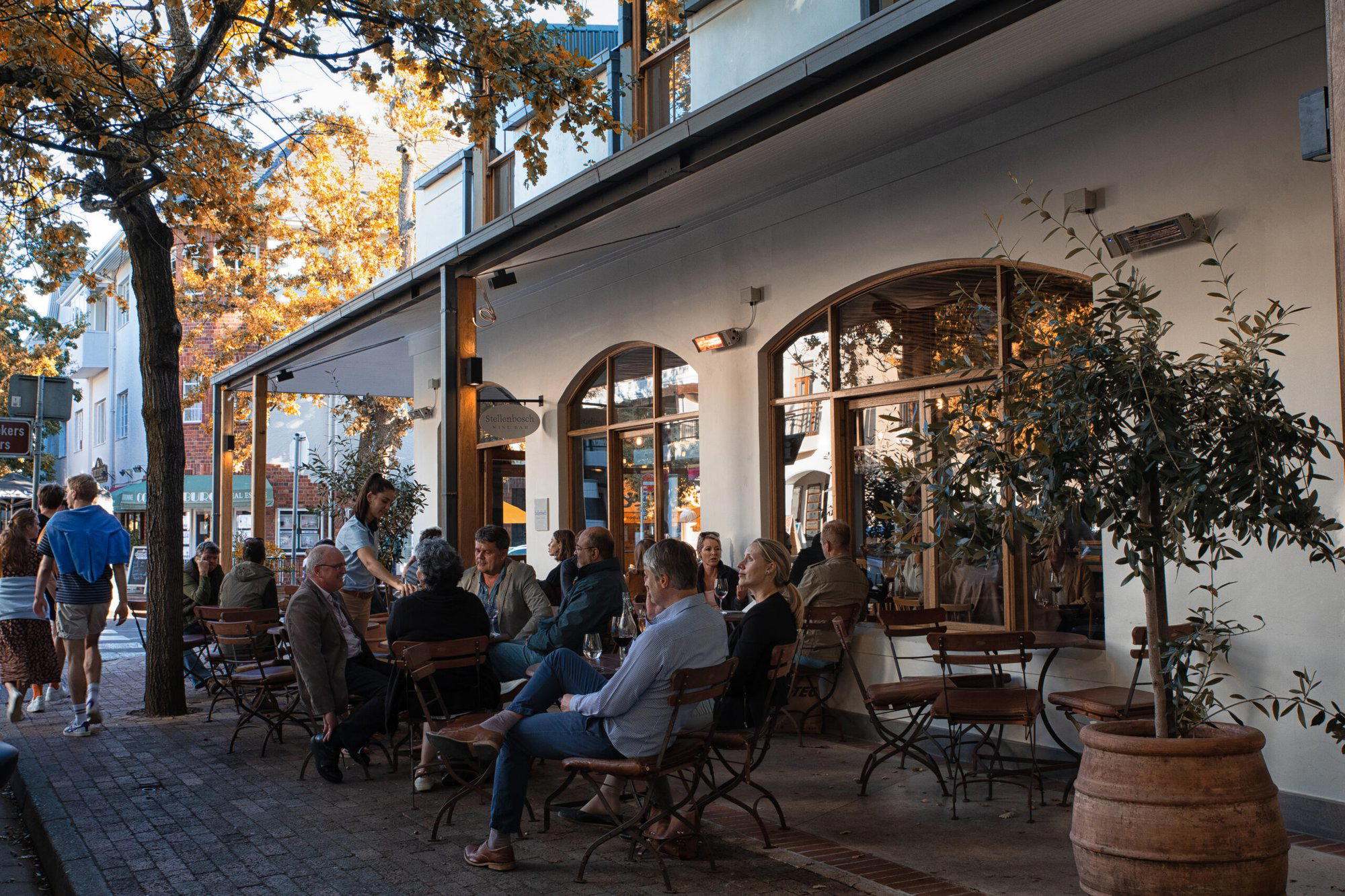
Stellenbosch's broader wine bar and tasting scene offers useful points of comparison. Simon Wine Emporium operates as a curated retail and tasting space in the town centre, where the selection spans multiple producers rather than a single estate. Stellenbosch Wine Bar takes a similar multi-producer approach in a more social format. Estate visits like Dornier offer a different proposition: a single-producer focus where the wine's origin, the land it came from, and the cellar where it was made are all physically present in the same visit.
How Dornier Sits in the Stellenbosch Estate Tier
The Stellenbosch Wine Route encompasses more than 150 estates and producers, which means that differentiation within the route matters considerably. Estates in the Blaauwklippen and Helderberg sub-areas have historically attracted a visitor who is further along the learning curve, someone for whom the farm setting is secondary to the wine itself. La Motte Wine Farm in the Franschhoek Valley represents the kind of vertically integrated estate operation, art, food, and wine combined, that represents one end of the estate-visit spectrum. Dornier does not occupy that broad-programme end of the market. It is a working wine estate first, and that focus narrows the audience in a way that tends to improve the experience for those who belong to it.
For visitors calibrating expectations: estates at this level in Stellenbosch typically price tastings in a range that reflects the seriousness of the wine rather than a subsidised entry-level format. Booking ahead is worth doing, particularly during the summer harvest season from January through March, when demand across the Stellenbosch Wine Route runs high and smaller estates can fill their tasting slots earlier in the week.
The Broader South African Context
South Africa's fine wine scene has matured considerably over the past fifteen years, and the Stellenbosch appellation sits at the centre of that maturation. Internationally, the country's premium producers now compete in tastings and allocations against European counterparts in a way that was less true in the early 2000s. Domestically, a growing local wine culture has produced bar and retail formats, like Spek & Bone, that treat South African wine with the same editorial seriousness as any Old World appellation.
That broader seriousness gives context to what a focused estate visit in Stellenbosch now means. Visitors arriving from Cape Town, about an hour's drive under normal conditions, are entering a wine region that is actively building its international argument, not resting on geographic romance. Comparable engagement with that argument exists at the urban end of the spectrum: Asoka in Cape Town represents the kind of city-based wine and cocktail programming that has developed partly in conversation with the estates producing the raw material.
Further afield, South Africa's premium drinks culture extends to Johannesburg and Pretoria. Sin + Tax in Johannesburg and Vee & Forti in Pretoria both operate in a register that reflects the same upward movement in standards visible in the Western Cape wine estates. The connection between estate production and urban consumption is more direct than it might appear: the estates that hold their allocation value in Stellenbosch tend to be those with representation in exactly those kinds of serious city-side programmes.
International comparison points are also useful for calibrating what Stellenbosch estate visits represent at the upper end. Bar Leather Apron in Honolulu and Jewel of the South in New Orleans both signal what it looks like when drinks programming is treated with the same craft seriousness as food. The estates in Stellenbosch's upper tier are making the same argument from the production side. San Deck in Sandton and Van Buuren Rd & Hawley Rd in Hillbrow extend that South African drinks conversation further north.
Planning a Visit
Dornier Wine Estate is located on Dornier Road off Upper Blaauwklippen Road in Stellenbosch, placing it in the valley's working farm corridor rather than in the town's commercial centre. Visitors coming from Cape Town should budget approximately an hour for the drive, with the N2 and R310 Stellenbosch exit as the standard approach. The summer months align with harvest, which concentrates activity on the estate and adds a dimension to any visit that the off-season cannot replicate. Booking directly with the estate before arrival is advisable for any structured tasting or food pairing format, as smaller properties in this tier manage capacity conservatively. For a broader orientation to Stellenbosch's drinking and dining options, the EP Club Stellenbosch guide covers the full range from estate visits to town-based wine bars and restaurants.
A Quick Peer Check
Comparable venues nearby, for context on price, style, and recognition.
| Venue | Cuisine | Price | Notes |
|---|---|---|---|
| Dornier Wine EstateThis venue — the venue you are viewing | wine_bar | $$$ | Not listed |
| Stellenbosch Wine Bar | wine_bar | $$$ | Ludwigsdorf |
| Simon Wine Emporium | wine_bar | $$$ | Stellenbosch |
| The Wine Glass | wine_bar | $$$ | Stellenbosch Central |
| Spek & Bone | wine_bar | $$$ | Stellenbosch Central |
Recognition history
Dated appearances from independent guides and award organizations, with the underlying list record or original source where available.
Falstaff Winery - Listed
Falstaff
Continue exploring
More in Stellenbosch
Bars in Stellenbosch
Browse all →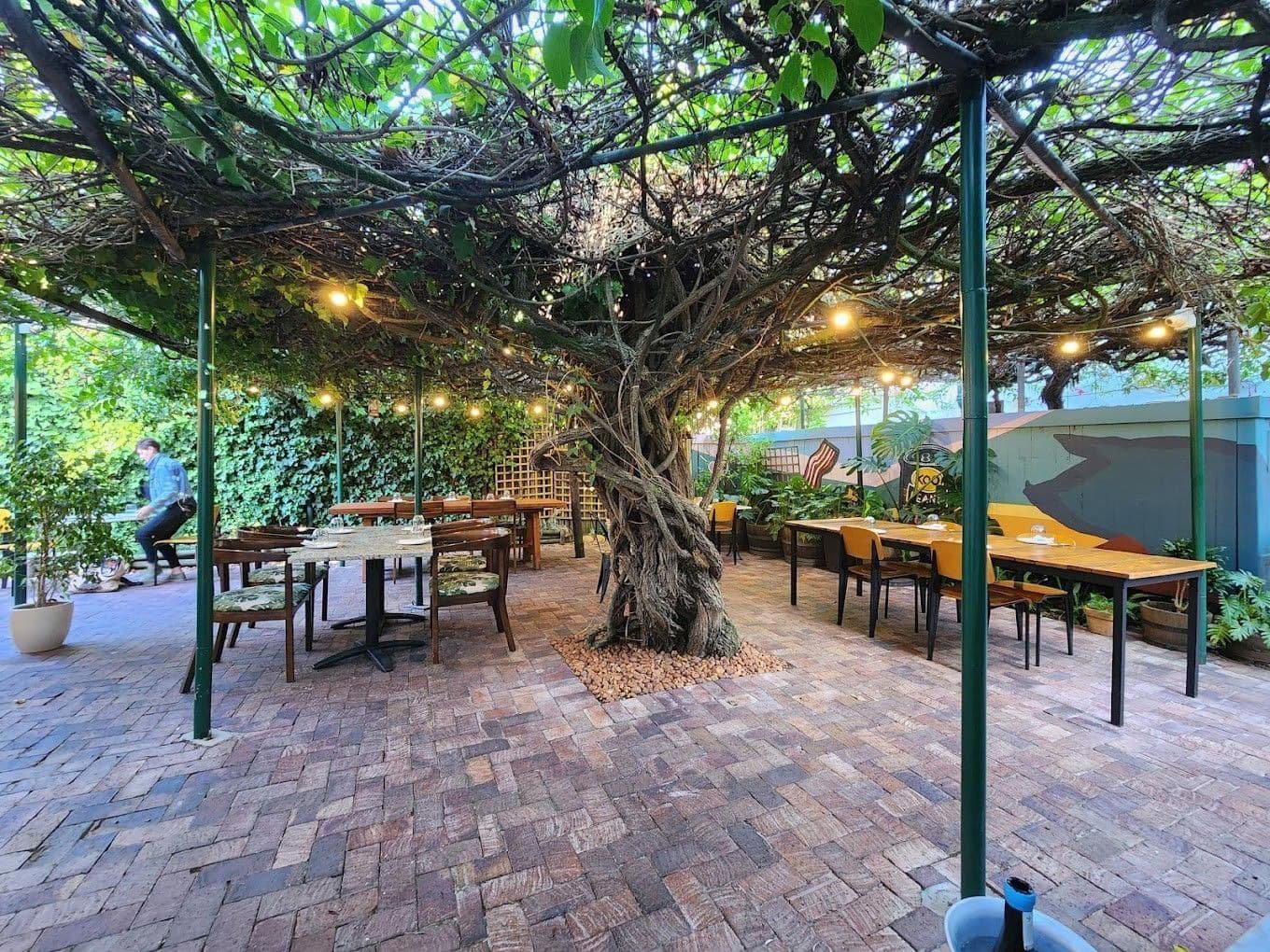
Restaurants in Stellenbosch
Browse all →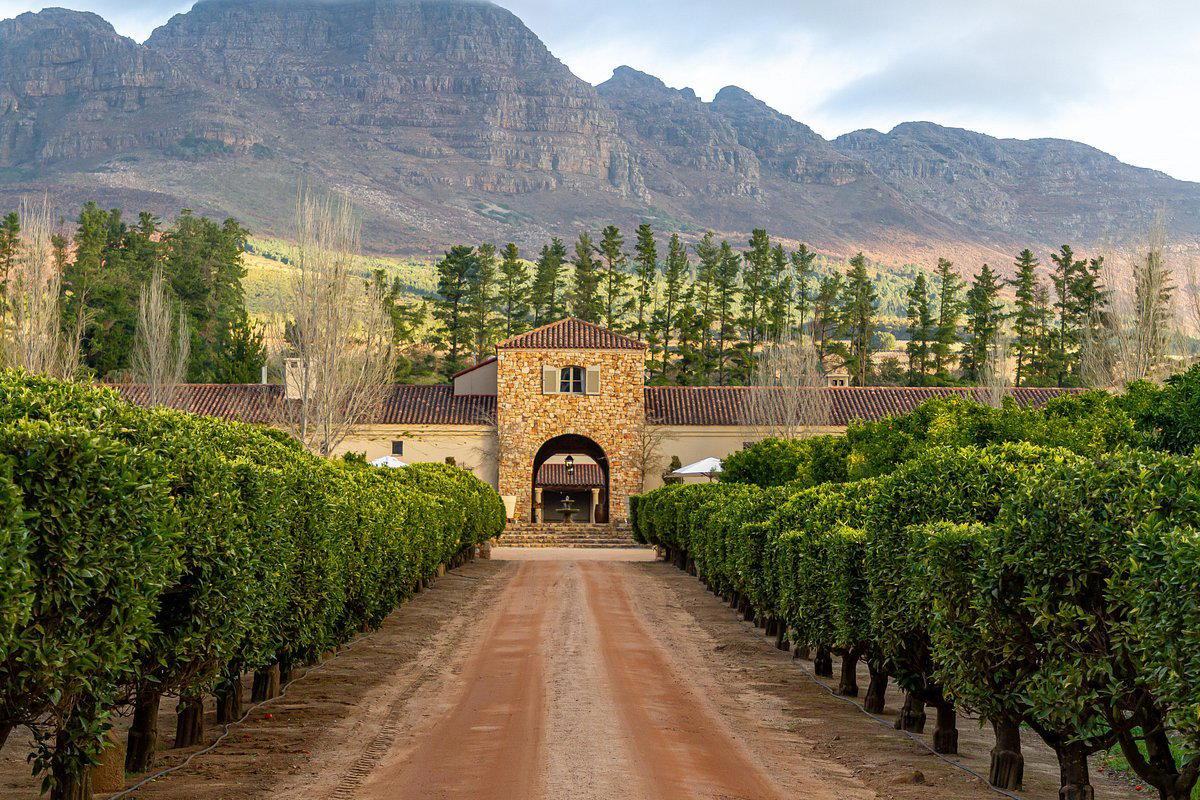
Hotels in Stellenbosch
Browse all →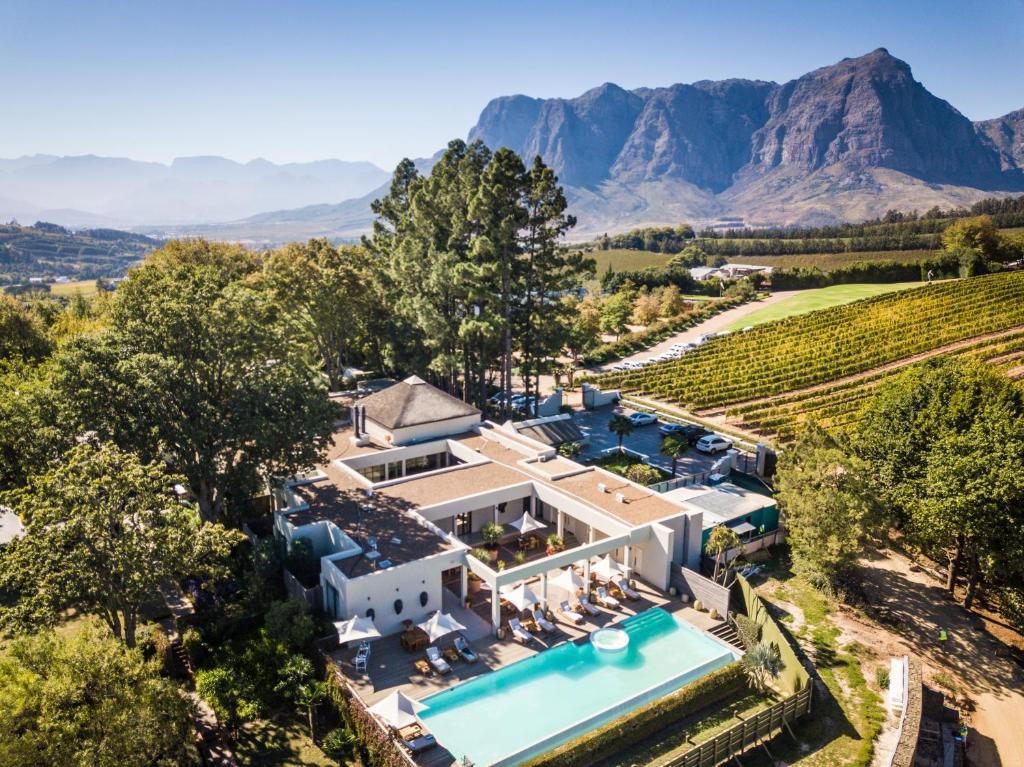
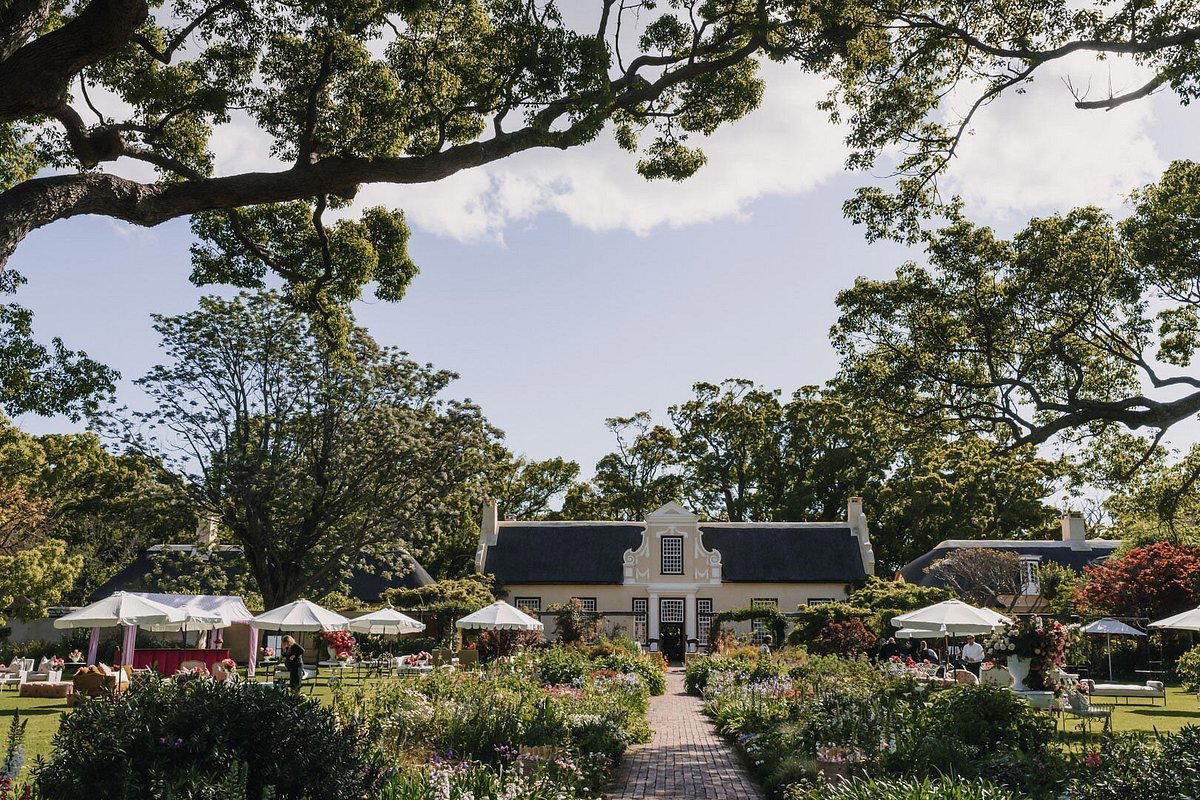
At a Glance
- Scenic
- Rustic
- Elegant
- Date Night
- Special Occasion
- Garden
- Historic Building
- Outdoor Terrace
- Lounge Seating
- Conventional Wine
- Vineyard
- Mountain
Current opening hours
- Monday
- 9 AM–5:30 PM
- Tuesday
- 9 AM–5:30 PM
- Wednesday
- 9 AM–5:30 PM
- Thursday
- 9 AM–5:30 PM
- Friday
- 9 AM–5:30 PM
- Saturday
- 9 AM–5:30 PM
- Sunday
- 9 AM–5:30 PM
Hours can change for holidays and private events. Last verified .
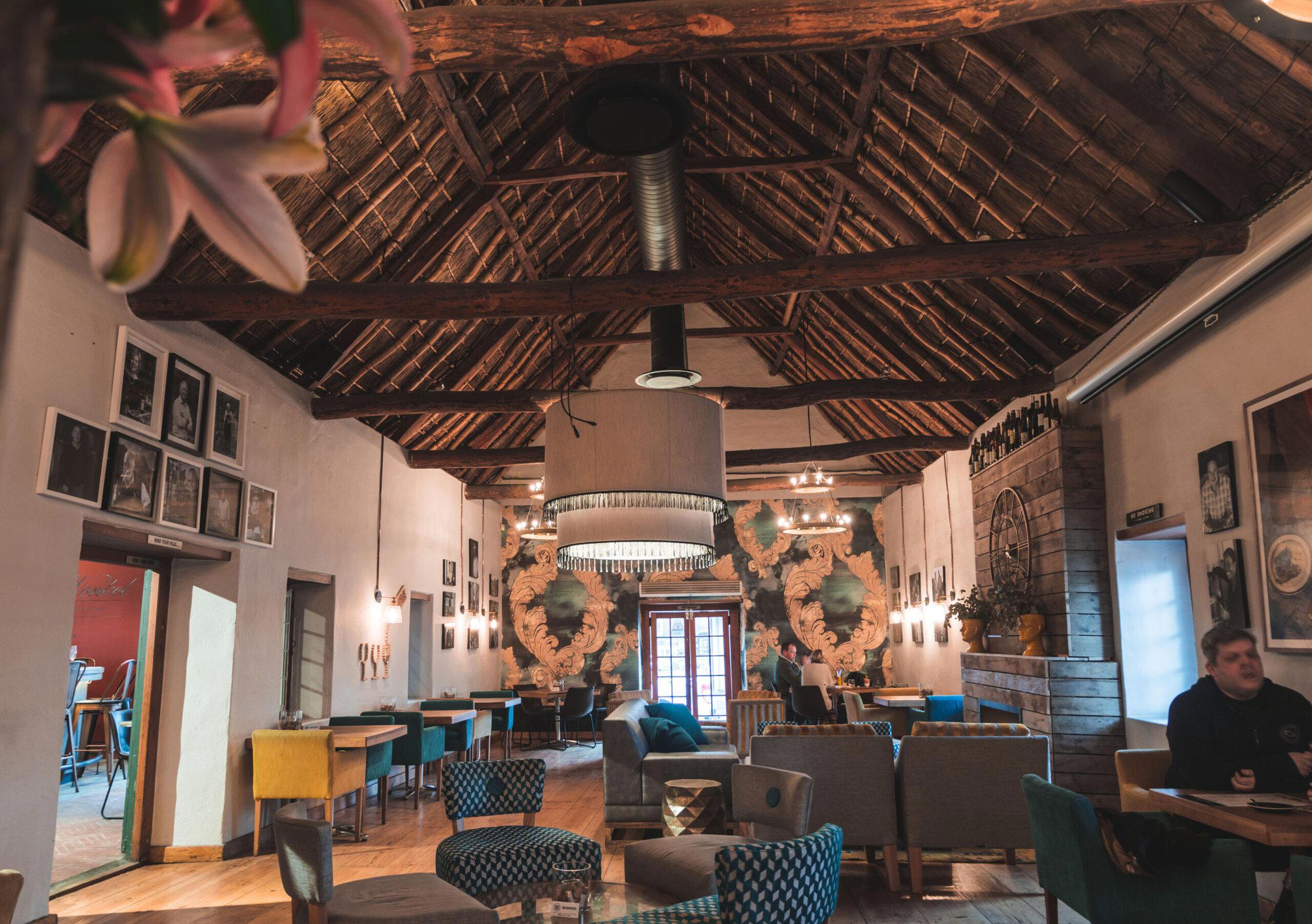
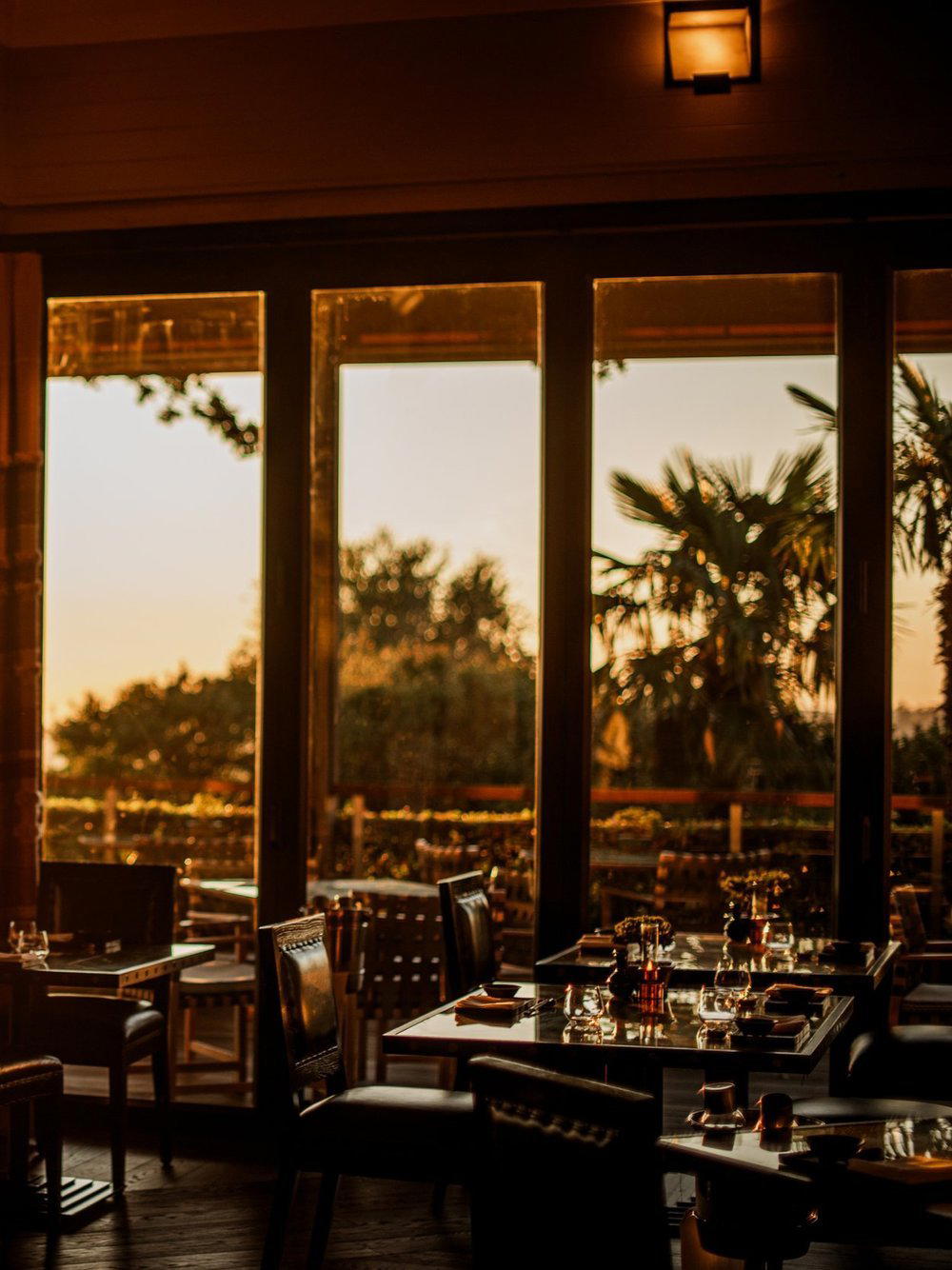
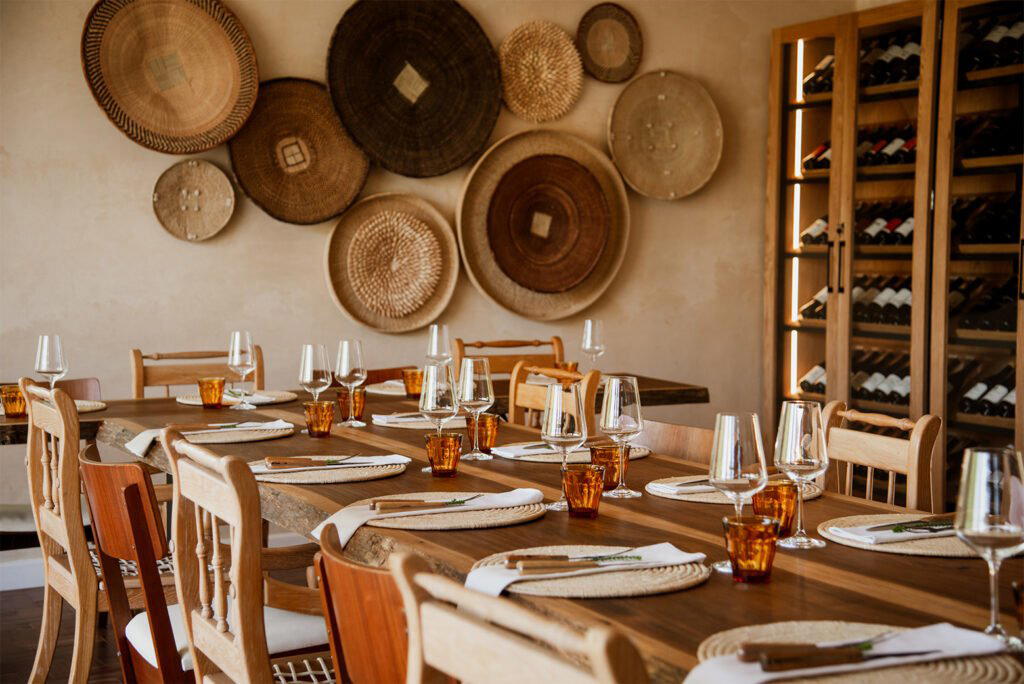
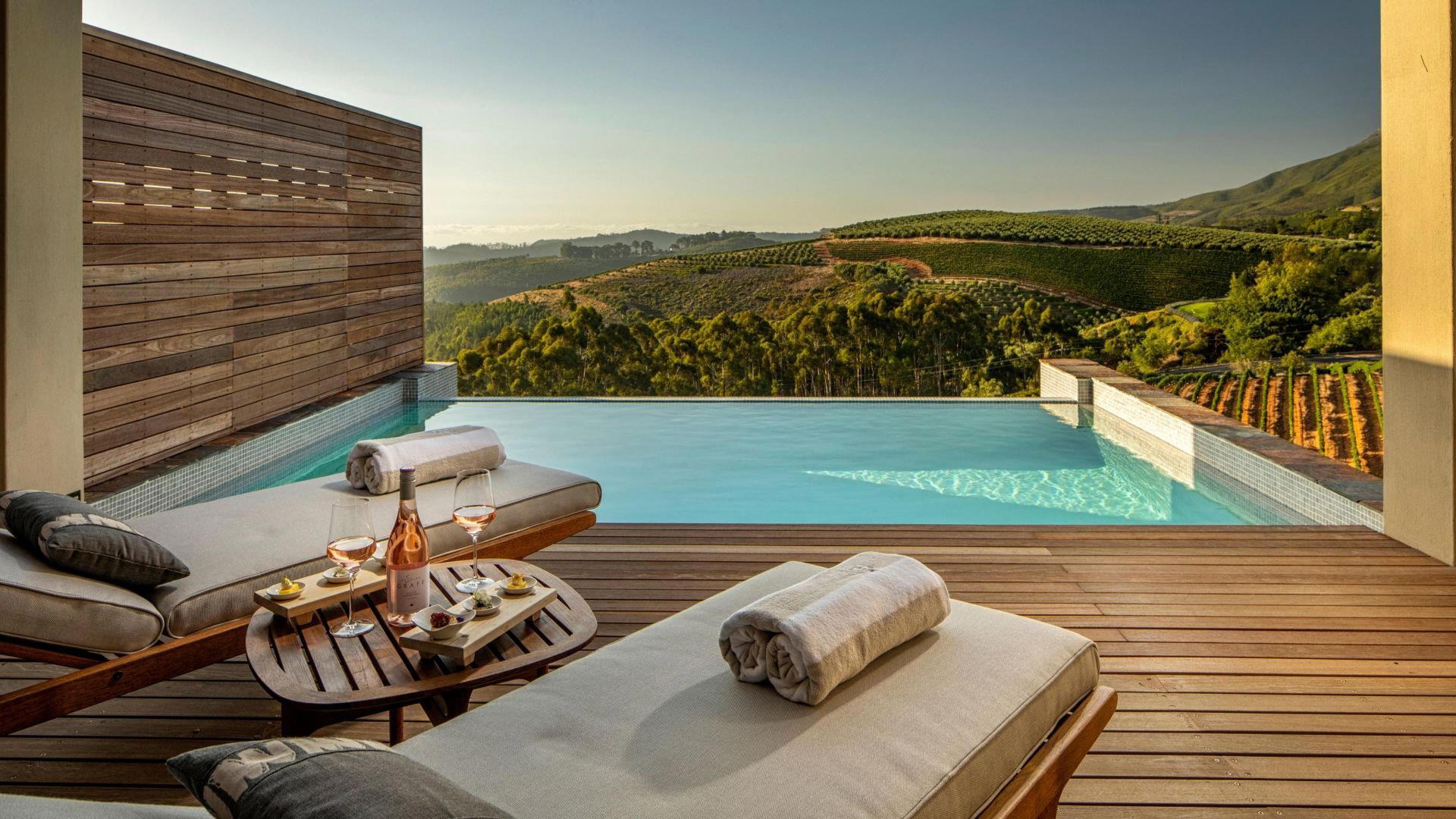
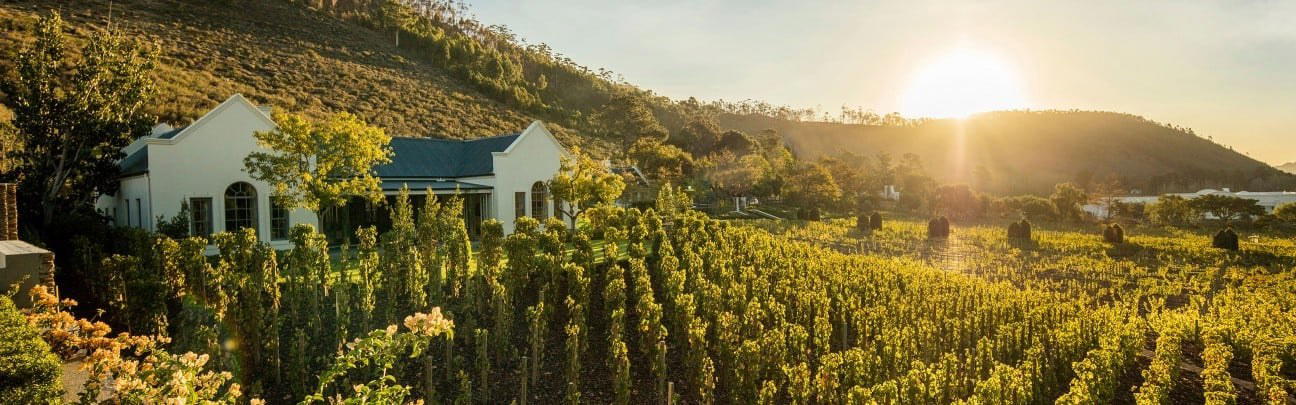
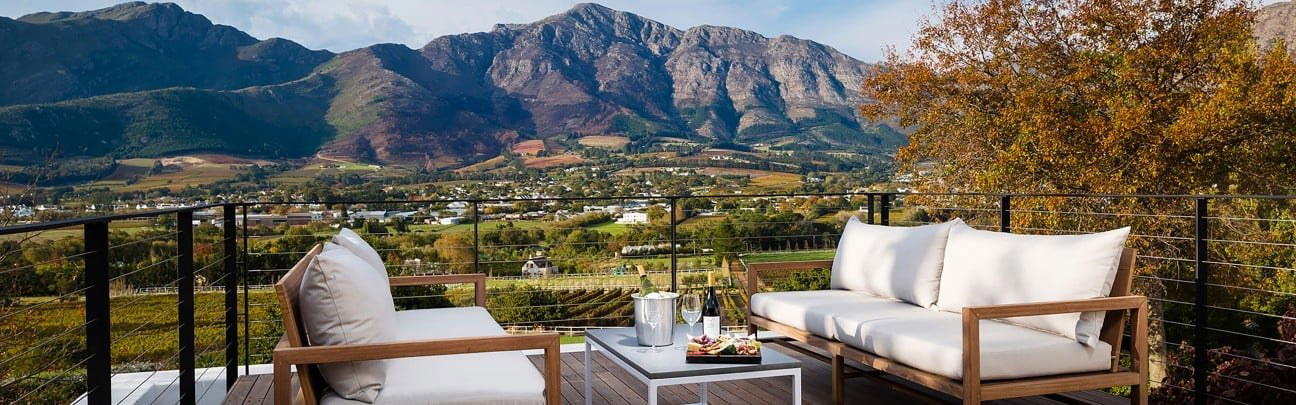
Warm atmosphere in a historic barn with Mexican and Moroccan elements, enhanced by dramatic vineyard and mountain views.