Oldenburg Vineyards

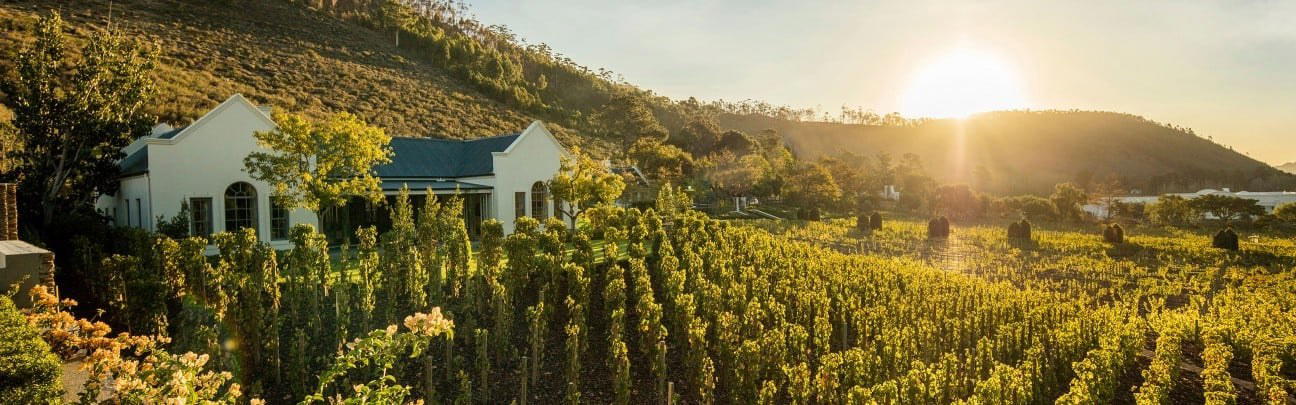
Oldenburg Vineyards sits on Banghoek Road in Stellenbosch, occupying a cooler, higher-elevation pocket of the Helshoogte pass corridor where granite and shale soils push grapes toward structure and restraint. The estate operates in a quieter register than the Stellenbosch showroom set, making it a reference point for visitors interested in site-driven Cape reds and whites rather than volume or spectacle.
Pearl is the En Primeur Club membership app — saves, bookings, and concierge access live there. Same editors, same standards.
- Address
- Oldenburg Vineyards, Banghoek Rd, Stellenbosch, 7601
- Phone
- +27 21 885 1618
- Website
- oldenburgvineyards.com
- Directions
- Get directions
 Saves & bookings on Pearl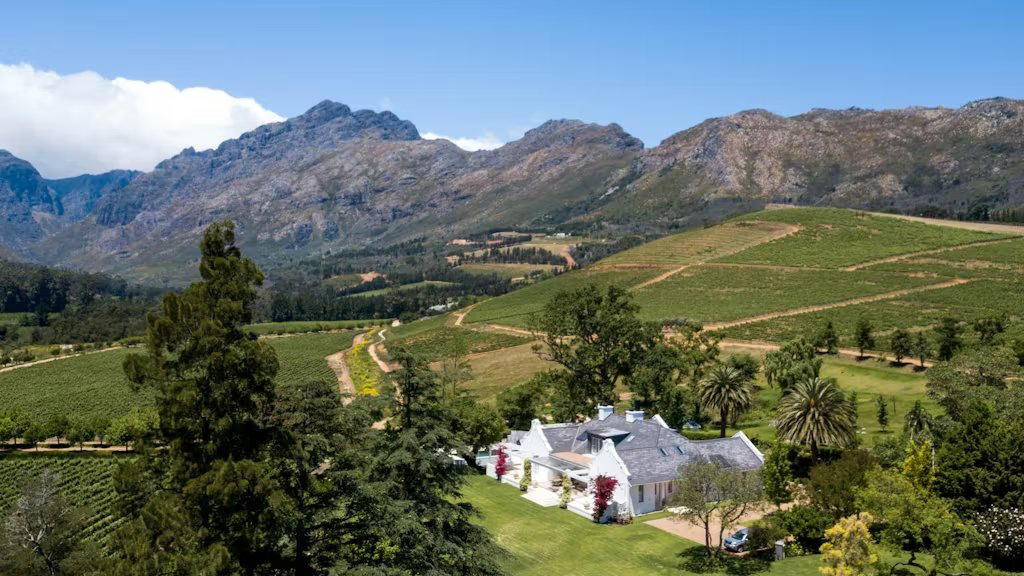
Where the Banghoek Valley Shapes the Wine
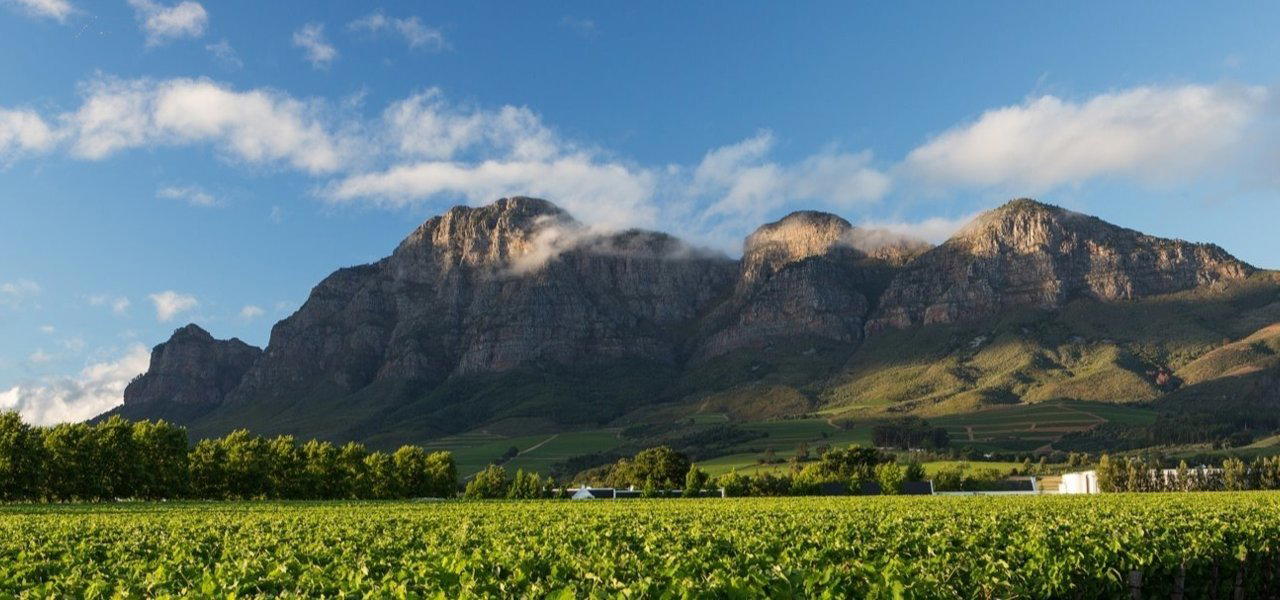
The approach along Banghoek Road already signals something different. The valley narrows, the altitude climbs, and the mountain walls close in on both sides. This is the cooler eastern rim of Stellenbosch, where afternoon shade arrives earlier and the growing season stretches longer than on the sun-exposed valley floors further west. Estates that have chosen this corridor, and Oldenburg Vineyards is among the more committed to it, are making an implicit argument about terroir: that the slower ripening and retained acidity produced by this elevation and aspect result in wines with more precision and longer aging potential than their lower-altitude peers.
That argument is worth understanding before you visit, because it frames everything else about the experience. Oldenburg is not a high-volume showcase estate in the mode of some of the larger Stellenbosch operations. It is a site-specific producer, and the visit reflects that orientation. The setting is quieter, the focus tighter, and the wines themselves carry the minerality and taut structure you would expect from granite and shale soils under mountain influence.
The Banghoek Terroir Case
Banghoek sits at the northeastern edge of the Stellenbosch Wine of Origin district, geographically closer to Franschhoek than to the flat, warm soils around Somerset West. The distinction matters. Where much of the broader Stellenbosch appellation is warm enough to ripen Cabernet Sauvignon to high alcohol and ripe tannin with relative ease, Banghoek's elevation, parts of the corridor sit above 400 metres, introduces the kind of thermal variation that slows sugar accumulation and preserves natural acidity. The result, across producers in this zone, tends toward Cabernet and Syrah expressions with more defined structure, cooler-climate spice registers, and the capacity to age.
Oldenburg's position on Banghoek Road places it squarely in this argument. The soils here shift between decomposed granite and shale-derived profiles, each offering different drainage characteristics and mineral contributions. Granite tends to produce wines with lift and tension; shale brings texture and mid-palate weight. Estates that farm both across a single property have the raw material for wines that blend precision with presence, a combination that has increasingly attracted international attention to this corner of the Cape Winelands.
For context, the broader Stellenbosch set includes estates across a wide range of site conditions. Delaire Graff Estate sits at even higher elevation on the Helshoogte Pass, and its wines similarly reflect the altitude and aspect. Tokara Winery, also on Helshoogte, operates in a comparable register. Neethlingshof Estate and Spier Wine Farm, by contrast, occupy warmer, lower terrain and produce wines with a different stylistic profile. Understanding where Oldenburg sits within that spectrum helps calibrate expectations.
The Experience on the Ground
Visits to Oldenburg suit those who come with questions about the site rather than those seeking entertainment infrastructure. The estate's address on Banghoek Road positions it away from the busier tasting room corridors around Stellenbosch town. Getting here requires a dedicated drive east from the town centre, along a road that passes orchards and climbing vineyards before the Oldenburg property comes into view. Plan at least 15 minutes from the central Stellenbosch area, and be aware that the road can be narrow in sections, it is not a casual detour.
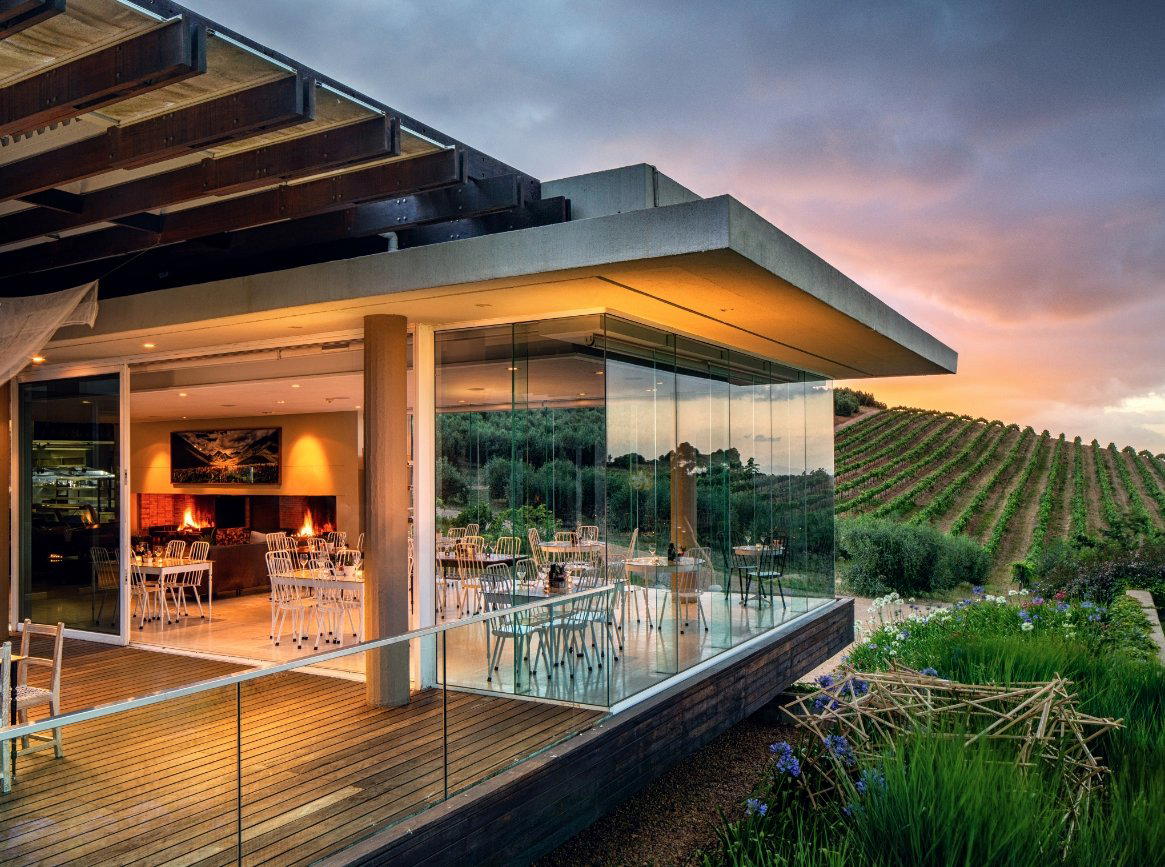
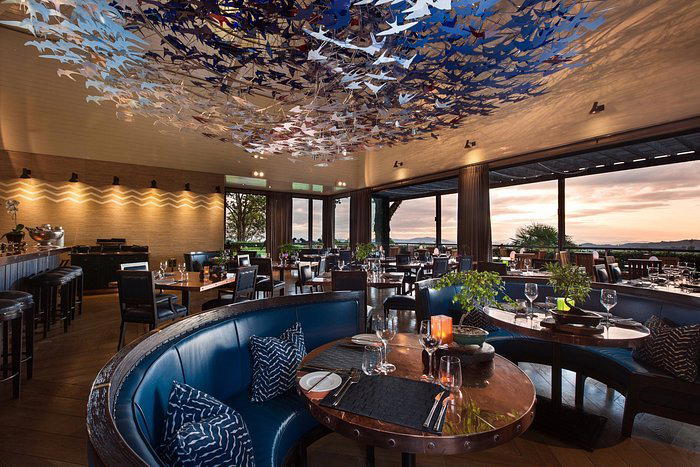
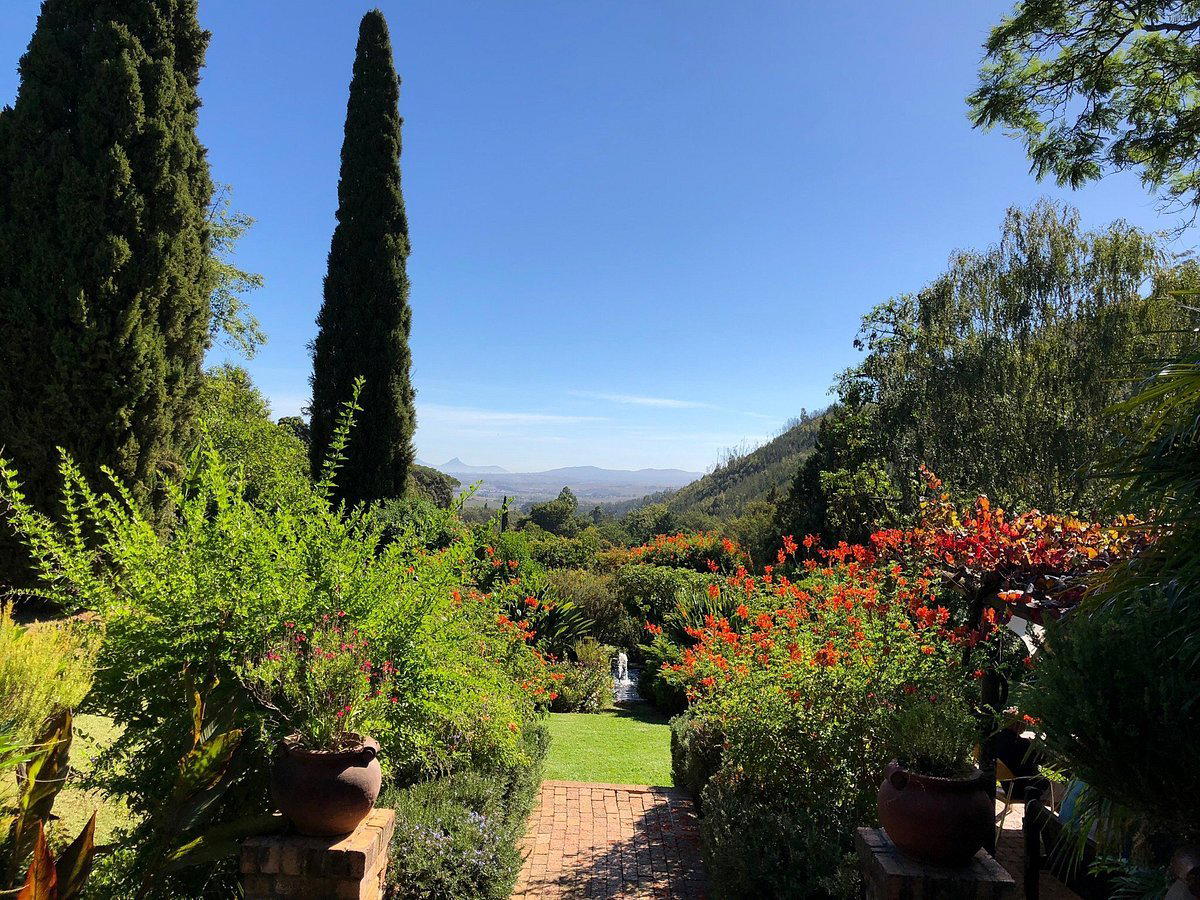
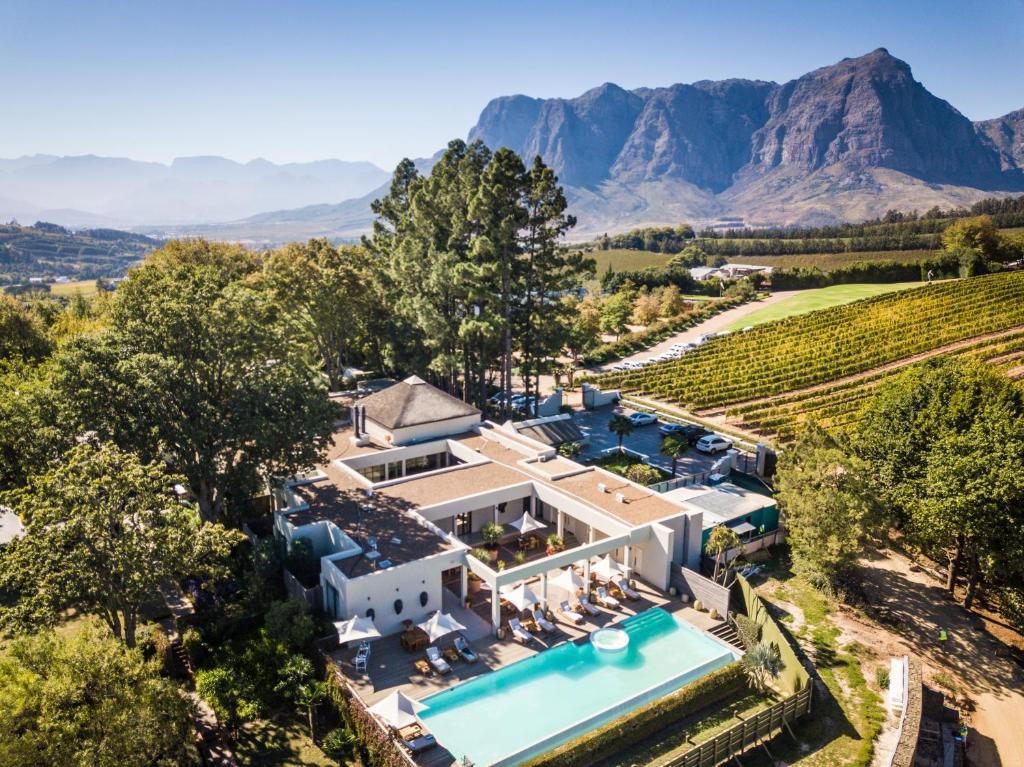
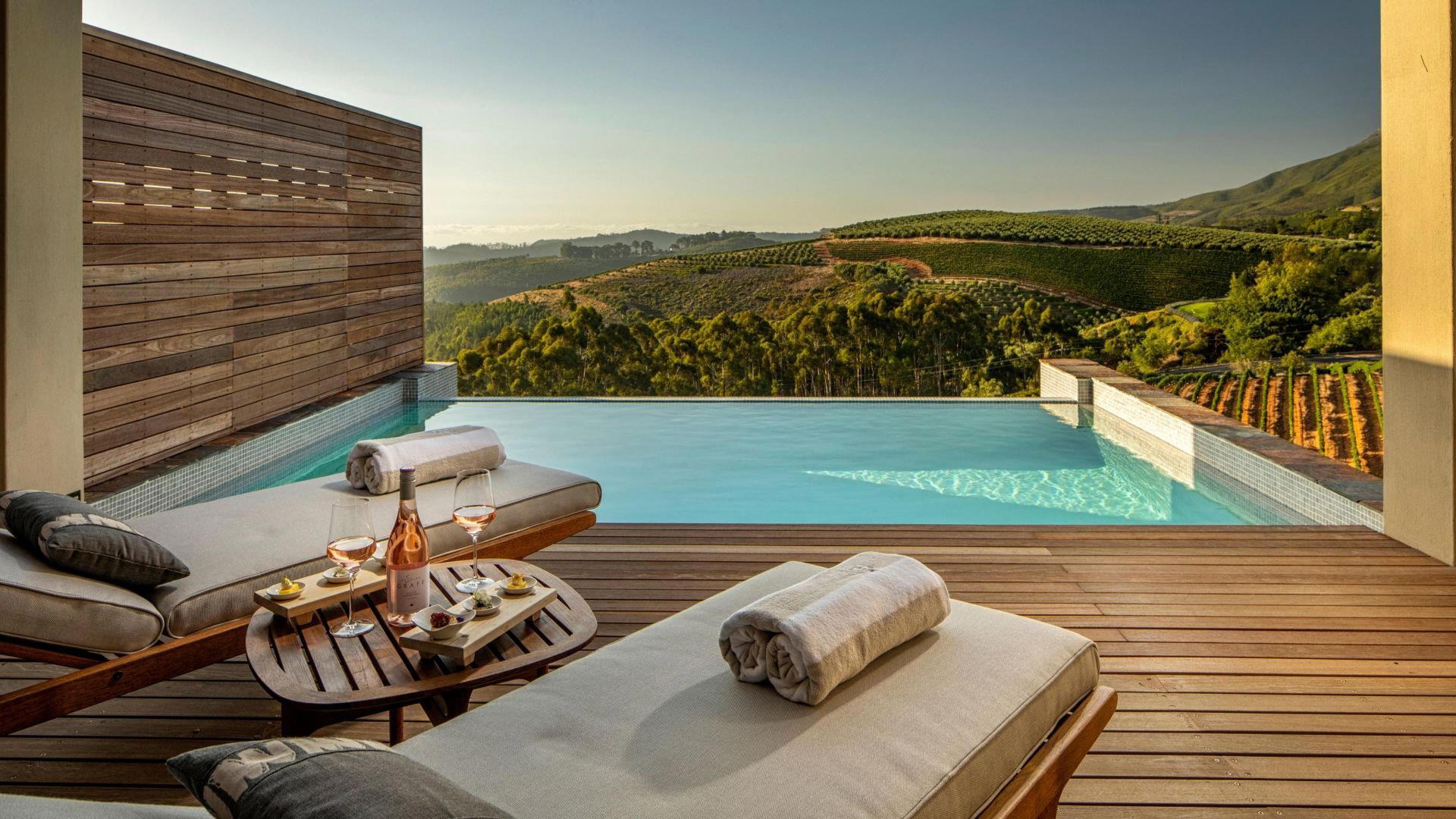
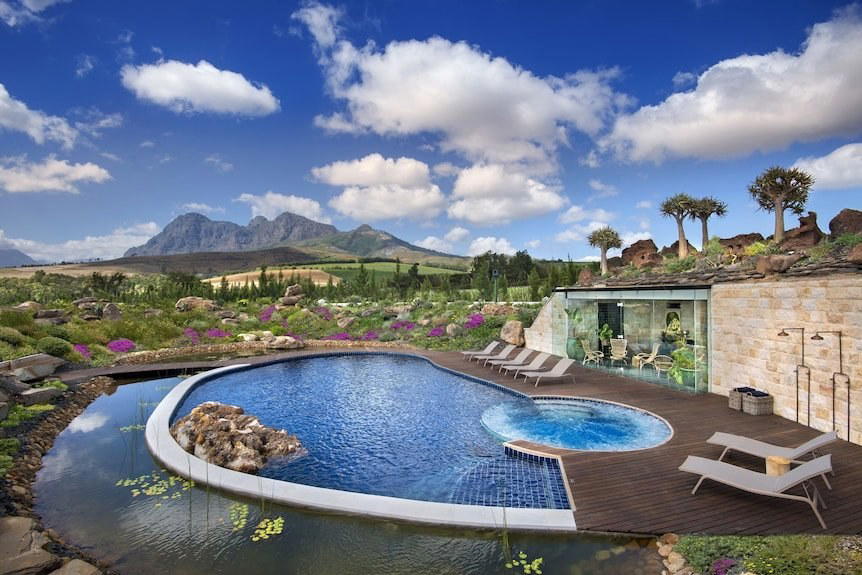
The atmosphere at this kind of mountain-corridor estate tends toward focused rather than festive. You are not arriving at a resort. The surrounding landscape, steep slopes, fynbos, and the granite buttresses of the Simonsberg and Groot Drakenstein ranges, provides the theatre, and the wines provide the substance. For visitors accustomed to the larger Stellenbosch estates with their full restaurant and event programming, this is a recalibration worth making at least once. The difference in orientation is instructive about how differently wine estates can position themselves within the same appellation.
For a fuller picture of what Stellenbosch offers across price points and styles, our full Stellenbosch guide maps the broader scene. Those extending their Cape Winelands circuit might also consider Babylonstoren in Franschhoek, where the experience model is markedly different, or Vergelegen Wine Estate in Somerset West, one of the Cape's oldest and most historically significant properties. Further afield, Creation Wines in Hermanus and Constantia Glen in Cape Town offer comparable cool-climate precision in different geographic contexts. Graham Beck Wines in Robertson, Val de Vie Estate in Paarl, and Oude Molen Distillery in Grabouw each anchor different parts of the wider Western Cape circuit.
For those building a comparative tasting itinerary across Stellenbosch specifically, pairing a visit here with Asara Wine Estate, which operates at warmer, lower elevation, provides a direct study in how site conditions within a single appellation produce genuinely different wines. For global reference points on mountain-influenced Cabernet, Accendo Cellars in St. Helena offers a Napa analogue worth considering, and for a different expression of refined cool-climate winemaking, Aberlour in Aberlour represents the Speyside tradition of site fidelity in a Scottish distilling context.
Planning a Visit
Oldenburg Vineyards is located at Banghoek Road, Stellenbosch, 7601. As with most boutique Cape Winelands estates of this profile, contacting the property directly before visiting is advisable rather than arriving without arrangement. The Banghoek corridor can be quiet mid-week and the estate's intimate scale means capacity is limited. Late summer through autumn (February through April) is the period when vineyards are at their most visually dramatic, harvest activity visible across the slopes and the light at its most angular in the mountain valleys. Winter visits (June through August) offer a starkly different atmosphere: stripped vines, low cloud on the peaks, and a solitude that larger commercial estates rarely provide.
Comparison Snapshot
Comparable venues nearby, for context on price, style, and recognition.
| Venue | Cuisine | Price | Notes |
|---|---|---|---|
| Oldenburg VineyardsThis venue — the venue you are viewing | Winery | Not listed | Not listed |
| Zevenwacht Wine Estate | Sauvignon Blanc, Chenin Blanc | $$ | Kuils River |
| Alto Wine Estate | Cabernet Sauvignon, Cabernet Franc | $$$ | Helderberg |
| Muratie Wine Estate | Pinot Noir, Chardonnay | $$$ | Knorhoek Valley |
| Ernie Els Wines | Cabernet Sauvignon, Merlot | $$$ | Helderberg |
| Thelema Mountain Vineyards | Cabernet Sauvignon, Merlot | $$$ | Simonsberg |
Recognition history
Dated appearances from independent guides and award organizations, with the underlying list record or original source where available.
Falstaff Winery - Listed
Falstaff
Continue exploring
More in Stellenbosch
Wineries in Stellenbosch
Browse all →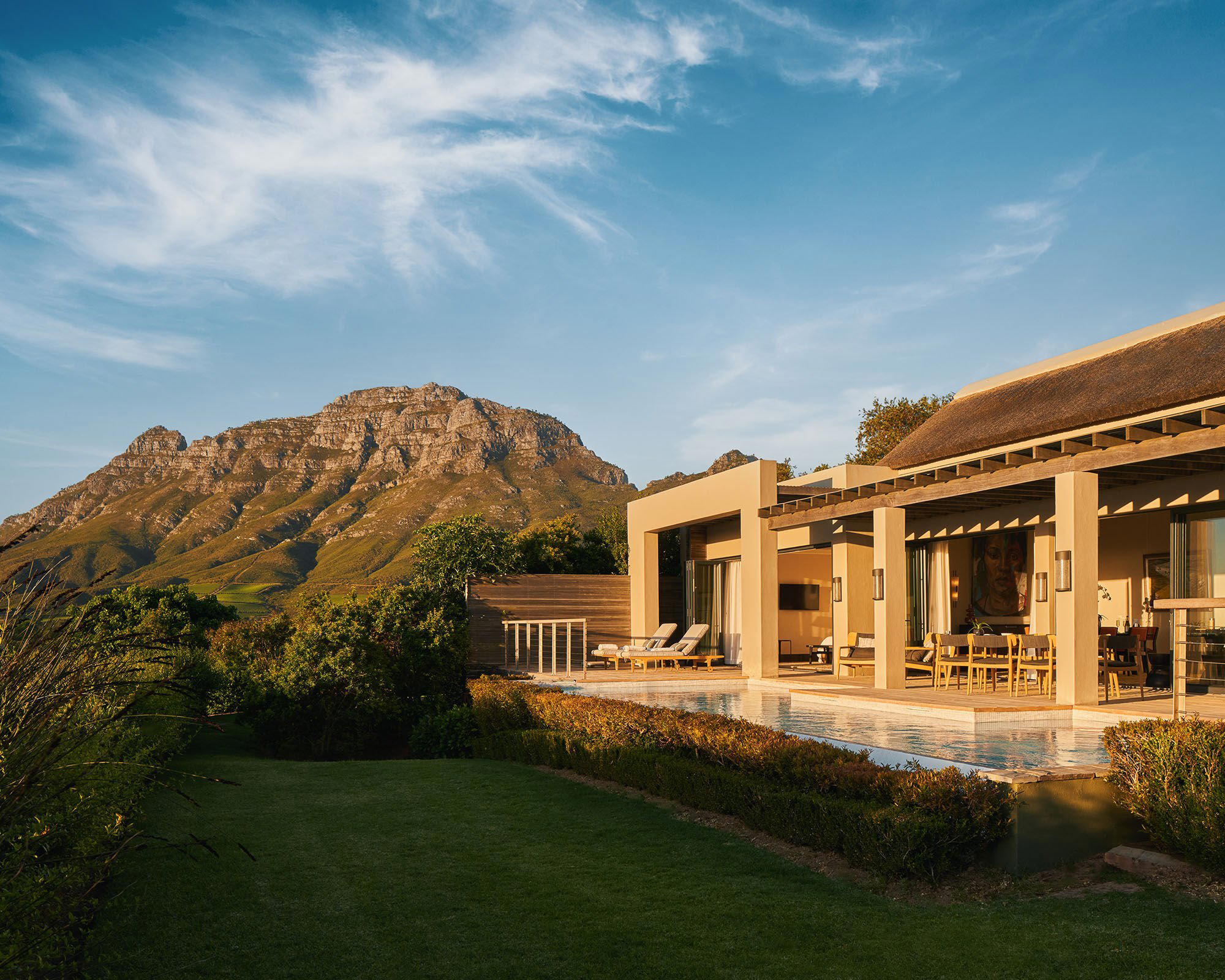
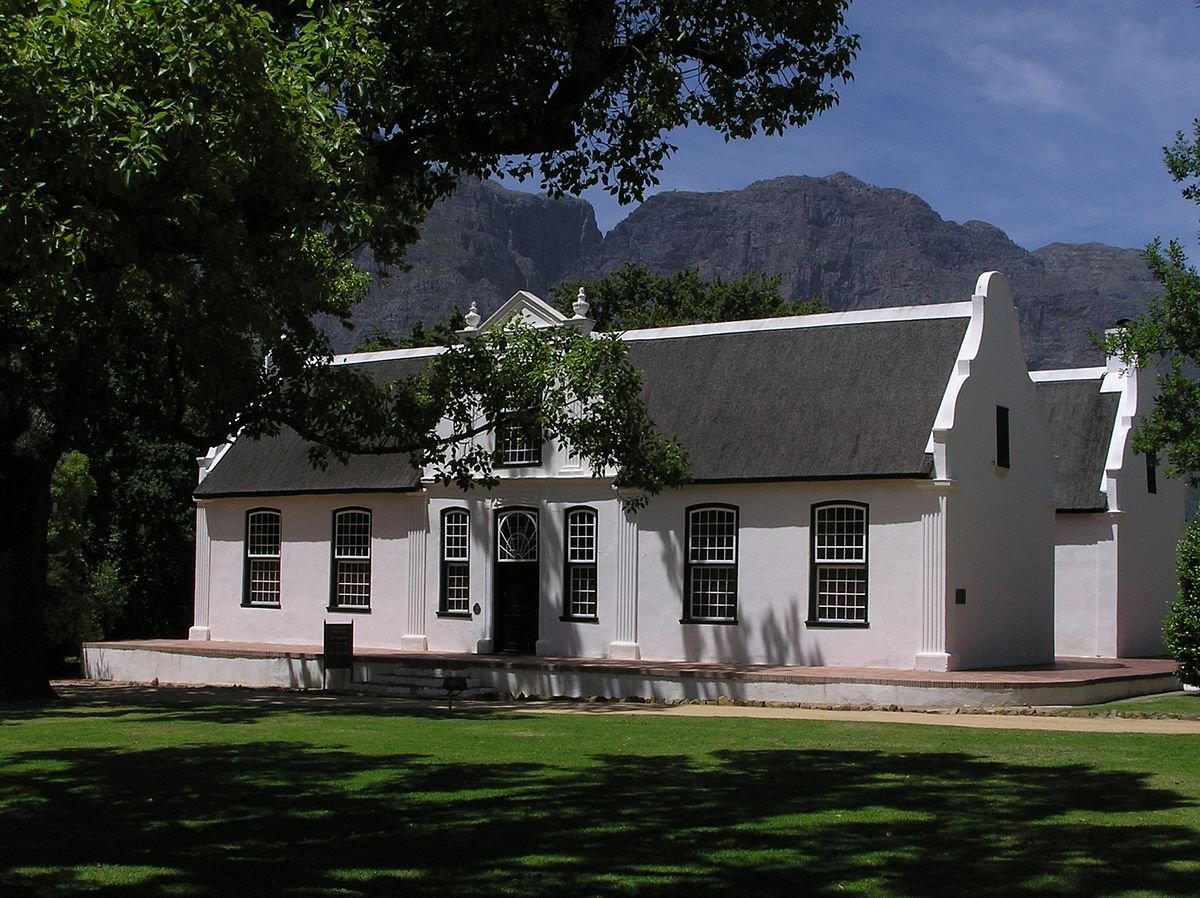
Bars in Stellenbosch
Browse all →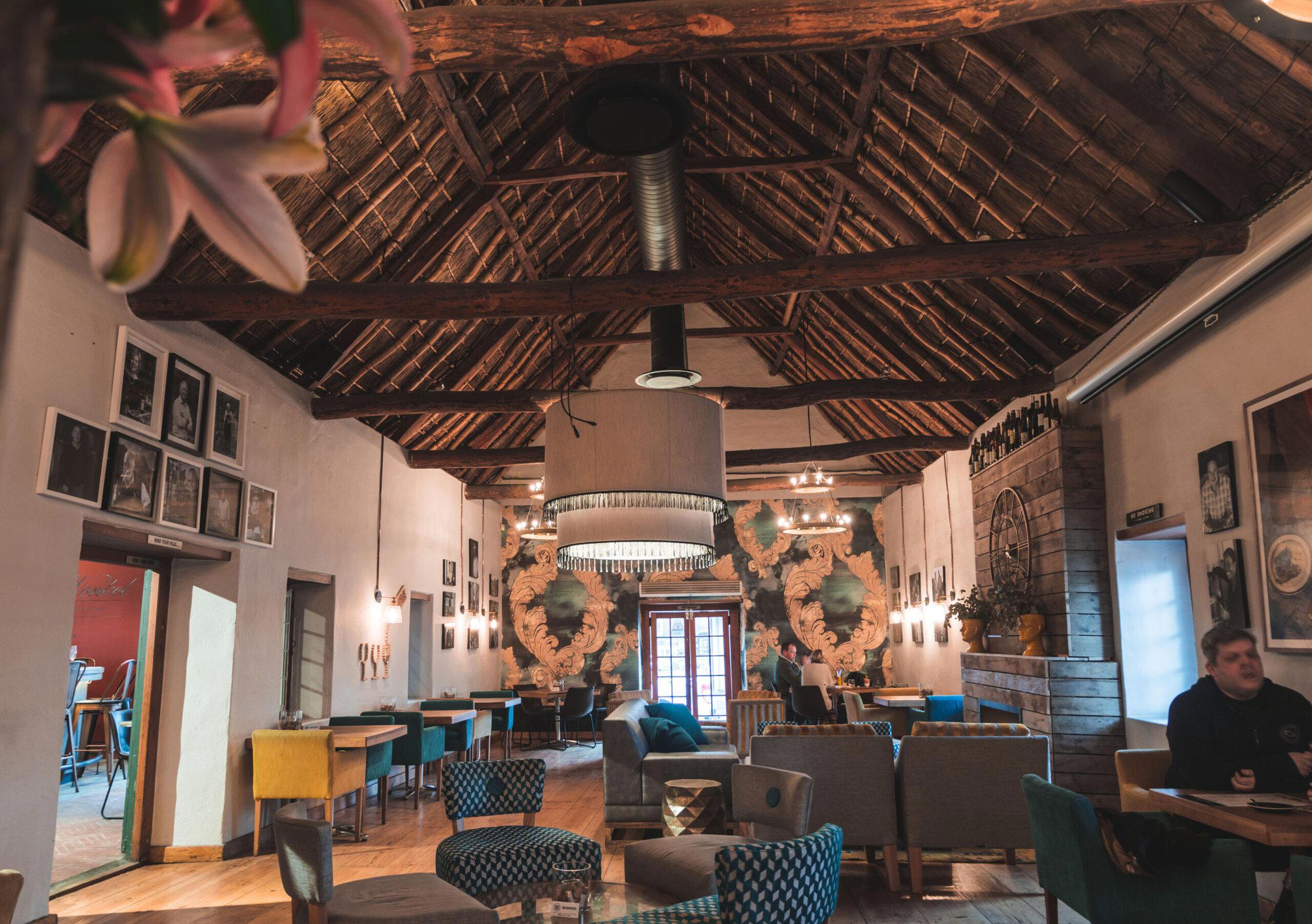
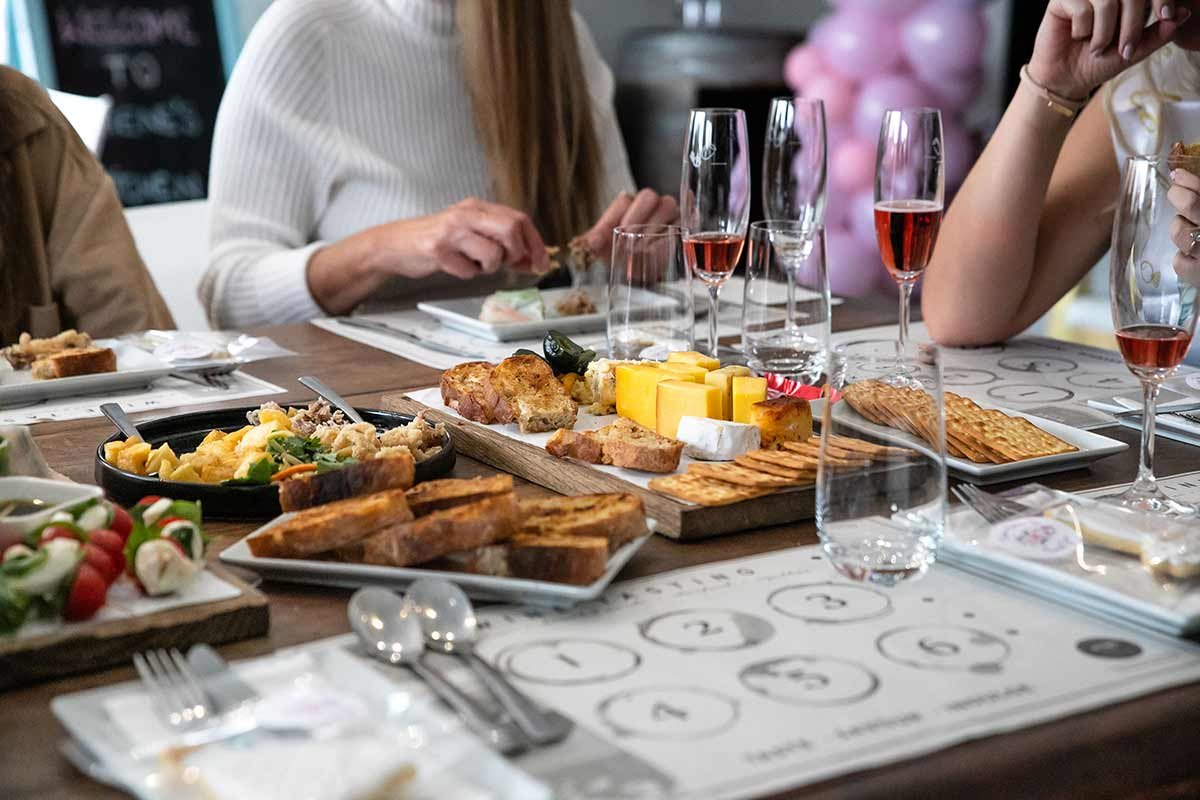
Restaurants in Stellenbosch
Browse all →
At a Glance
- Scenic
- Quiet
- Intimate
- Sophisticated
- Rustic
- Wine Education
- Special Occasion
- Romantic Getaway
- Group Outing
- Terrace
- Panoramic View
- Estate Grounds
- Private Tasting
- Sustainable
- Dry Farmed
- Mountain
- Vineyard
- Garden
- Stellenbosch Wine Of Origin
- Cabernet Franc
- Cabernet Sauvignon
- Chenin Blanc
- Chardonnay
- Merlot
- Syrah
- Still Red
- Still White
- Guided Tasting
- Comparative Tasting
- By Reservation
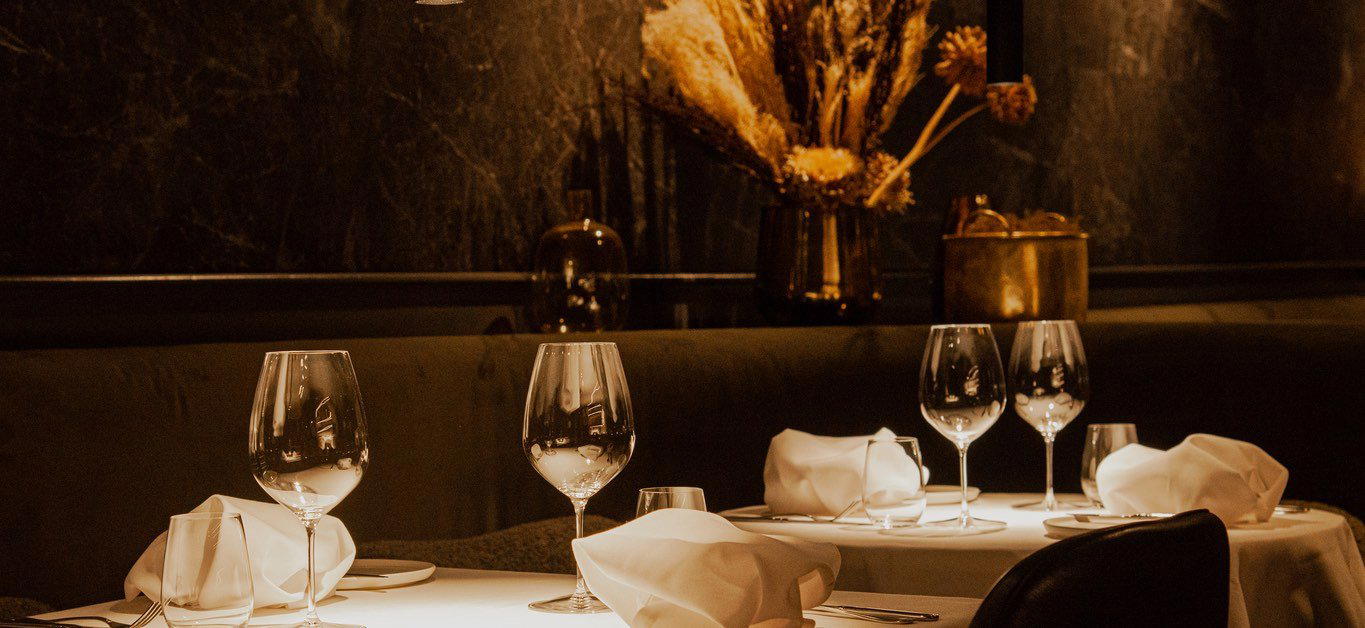
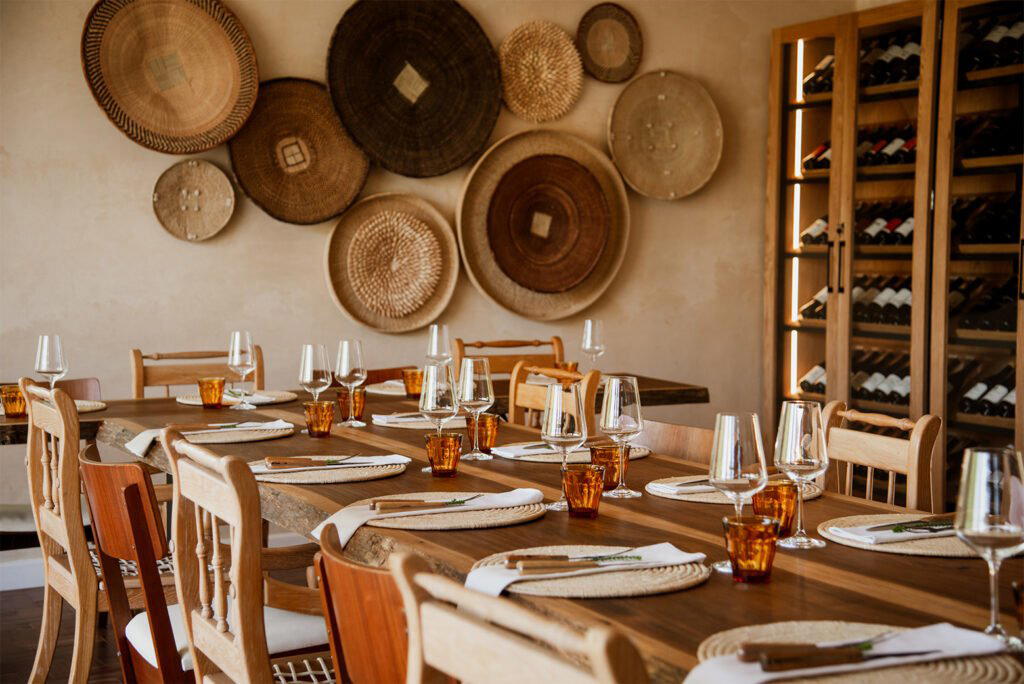
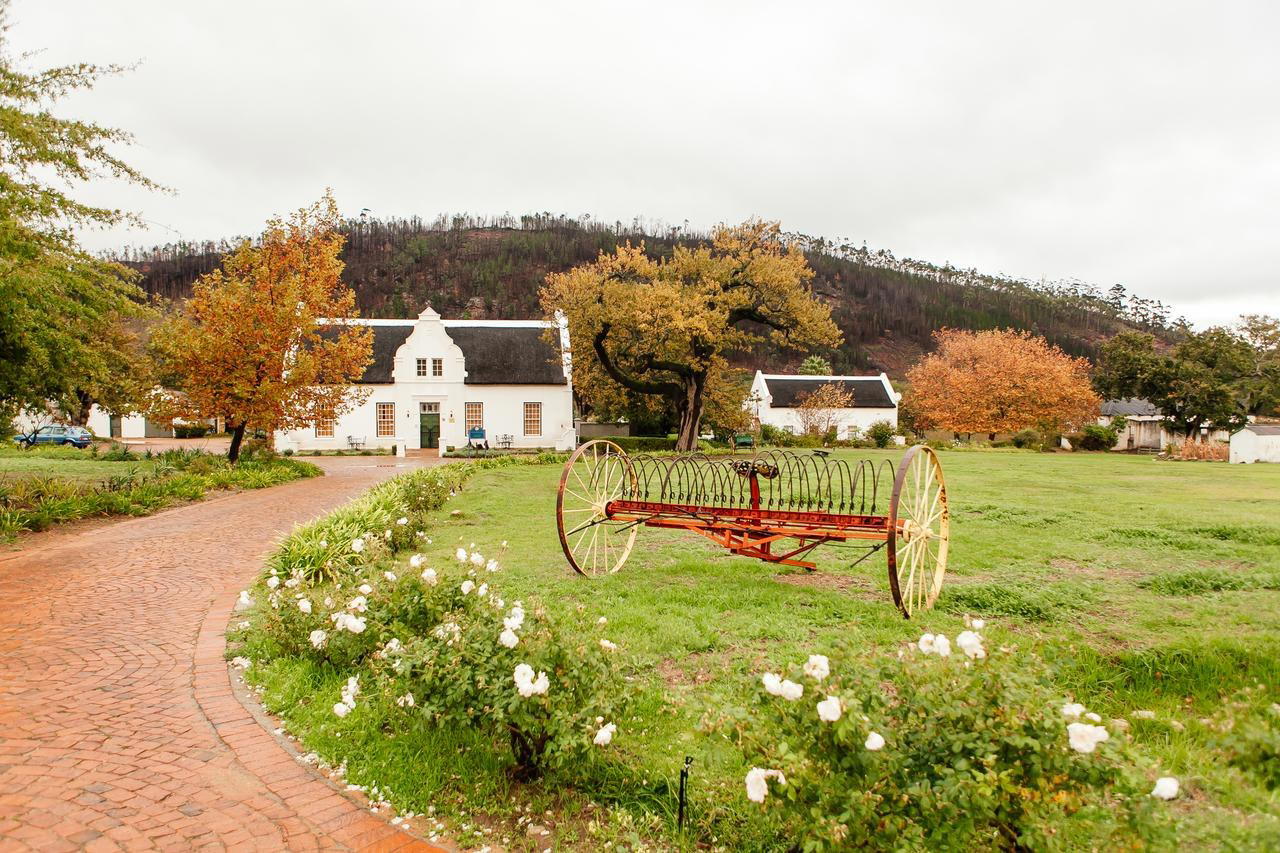
A polished, scenic mountain-valley setting with a spectacular mountain amphitheatre and a tranquil, boutique-farm atmosphere centered on Rondekop and the surrounding vineyards.