Weingut Setzer

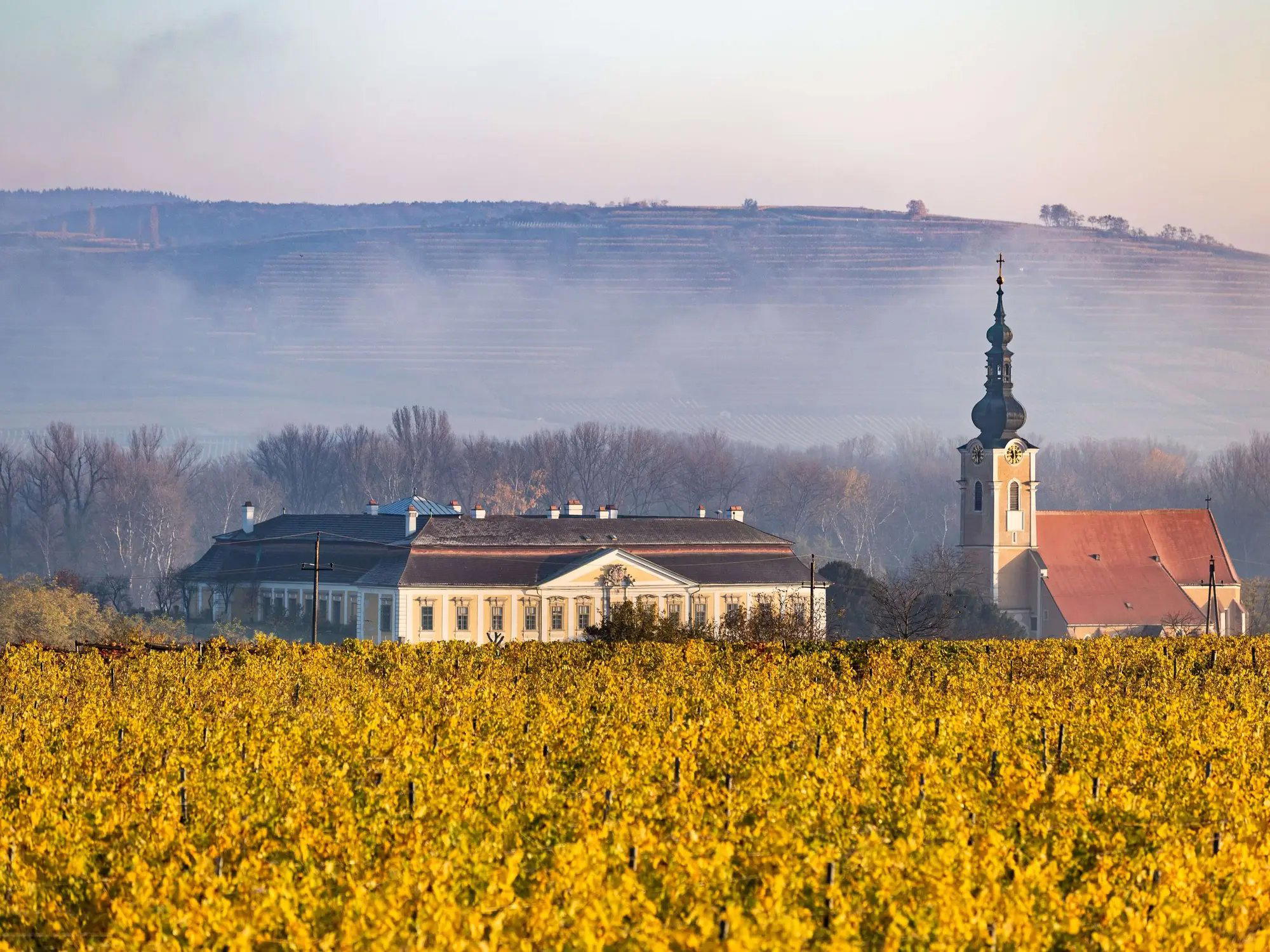
Weingut Setzer operates from Hohenwarth in Lower Austria's Weinviertel. The estate sits within one of Austria's most productive but often underestimated wine regions, where loess soils and continental conditions shape a distinct house character. For those tracing serious Austrian wine outside the Wachau corridor, Setzer represents a purposeful address.
Pearl is the En Primeur Club membership app — saves, bookings, and concierge access live there. Same editors, same standards.
- Address
- Hauptstraße 64, 3472 Hohenwarth
- Phone
- +43 2957 228
- Website
- weingut-setzer.at
- Directions
- Get directions
 Saves & bookings on Pearl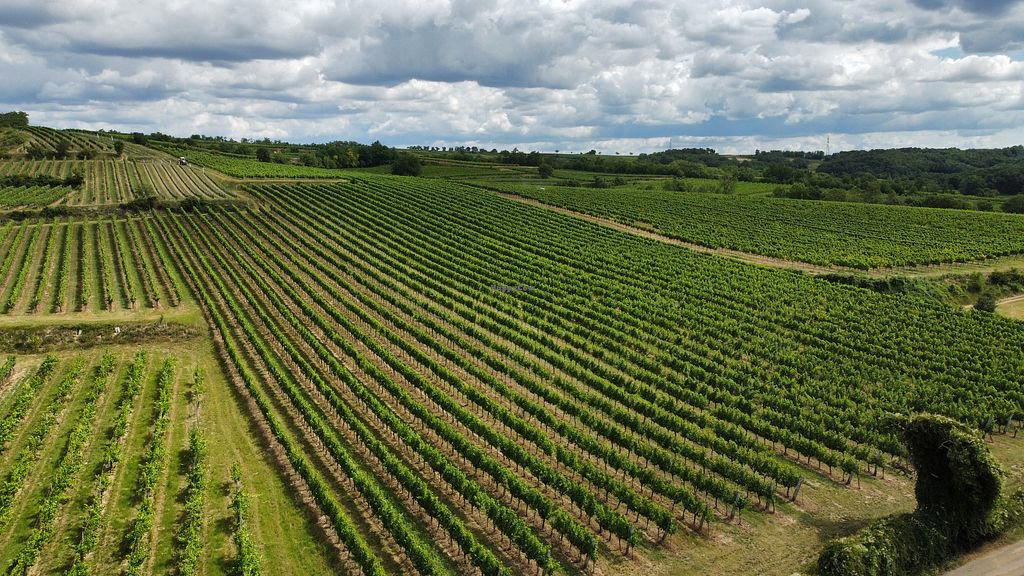
Weinviertel on Its Own Terms
Lower Austria's Weinviertel occupies more vineyard area than any other Austrian wine region, yet it has spent decades in the shadow of the Wachau, Kamptal, and Kremstal corridors that attract most international attention. That imbalance is narrowing. A cluster of producers working the region's loess-heavy soils and the DAC-protected Grüner Veltliner typicity have accumulated serious recognition, and Weingut Setzer, based in Hohenwarth at Hauptstraße 64, sits within that credentialed group. See our full Hohenwarth restaurants and wine guide for wider regional context.
What Loess Does to a Wine
Terroir in the Weinviertel operates differently than it does along the Danube's terraced slopes. Where the Wachau's primary rock and steep gradient produce wines with mineral tension and structural precision, qualities that define houses like Weingut Emmerich Knoll in Dürnstein, the loess soils that dominate much of the Weinviertel offer something architecturally different. Loess, the wind-deposited silt that blankets large parts of the region, retains water well during dry summers, drains adequately in wet periods, and imparts a characteristic roundness and textural weight to wines grown in it. Grüner Veltliner from loess-heavy sites tends to show fuller mid-palate presence than its slate or gneiss-grown counterparts, with the peppery signature of the grape arriving against a broader, more generous frame.
The continental climate of the Weinviertel amplifies these soil effects. Long, warm summers push ripeness steadily; cool autumn nights preserve acidity. This combination produces a rhythm well-suited to the Weinviertel DAC category, which requires Grüner Veltliner to express regional character above all else. Producers who have worked these conditions across multiple vintages develop a precise read on when to harvest, which parcels to separate, and where the line falls between regional expressiveness and excess ripeness. The 2025 recognition of Weingut Setzer reflects that accumulated site knowledge.
Hohenwarth and the Northern Weinviertel Character
Hohenwarth sits in the northern reaches of the Weinviertel, close to the Czech border, in a sub-zone where the continental influence is more pronounced than in the region's warmer southern sections. Vineyards here tend to produce wines with slightly firmer structure and more defined acidity than those from sites further south or west. The village itself is small, typical of the agricultural settlements scattered across this plateau landscape, and the estates that operate from it tend to be working wineries rather than hospitality-heavy destinations. That character places Hohenwarth in a different register from the wine-tourism infrastructure of Langenlois, where Weingut Bründlmayer draws visitors with a more developed visitor offer, or from Gols in Burgenland, where Weingut Pittnauer has built recognition around a distinct natural-leaning identity.
That is not a limitation. For those whose primary interest is the wine rather than the surrounding experience infrastructure, the working-estate model offers directness. You are at the source, without the interpretive layer of a polished visitor centre, and the wines speak to the site conditions without having to perform for a tourist audience.
How Setzer Sits Among Austrian Peers
Austrian wine recognition at this level is competitive: the country's per-capita density of serious producers is high relative to its total output, and houses achieving multi-star or prestige-tier designations are doing so in a context where the bar has been raised consistently over the past two decades.
Within the Weinviertel specifically, Setzer's recognition places it among the estates making the case that the region's DAC-category wines deserve shelf space and cellar space alongside the more publicised Kamptal and Kremstal houses. The comparison with Kremstal's leading estates, or with the premium Grauburgunder and Sauvignon Blanc specialists further south in Styria, such as Weingut Wohlmuth in Kitzeck, illustrates how Austria has developed a spread of regionally distinct wine identities rather than a single national style. Setzer's position is Weinviertel-specific: the case it makes is for loess-grown, continental-climate Grüner Veltliner as a distinct proposition, not a substitute for wines grown elsewhere.
Planning a Visit
Weingut Setzer is a working estate at Hauptstraße 64, 3472 Hohenwarth. Austrian wine estates in smaller villages frequently operate by appointment rather than walk-in, particularly outside the harvest and summer touring windows. The region is most actively visited between late spring and October, when vineyard access makes the terroir context legible.
Hohenwarth is accessible from Vienna, which sits roughly 70 kilometres to the southeast, a reasonable day-trip distance for those combining a Weinviertel itinerary with time in the capital. The area does not have the concentration of hospitality infrastructure that exists in the Wachau, so arriving with accommodation arranged in advance, whether in a nearby town or back in Vienna, is advisable. Those building a broader Lower Austrian wine itinerary might consider pairing a visit to Setzer with stops at Weingut Heinrich Hartl in Oberwaltersdorf or exploring the Burgenland estates, including Weingut Kracher in Illmitz, for a comparison across Austria's contrasting wine styles and soil profiles.
Those whose interest extends beyond wine to Austria's distilling and brewing culture can also find context in producers such as 1516 Brewing Company in Vienna, 1310 Spirit of the Country Distillery in Sierning, and A. Batch Distillery in Bergheim, all operating within the broader Austrian craft-production sphere. For those tracing distilling traditions further, Abfindungsbrennerei Franz in Leithaprodersdorf offers a specifically Austrian small-scale distilling reference point, while Weingut Scheiblhofer in Andau and 1404 Manufacturing Distillery in Sankt Peter-Freienstein extend the map of Austrian producers worth tracking. International reference points such as Aberlour in Speyside and Accendo Cellars in St. Helena illustrate how terroir-focused production operates across different wine and spirit traditions.
Comparable Venues
Comparable venues nearby, for context on price, style, and recognition.
| Venue | Cuisine | Price | Notes |
|---|---|---|---|
| Weingut SetzerThis venue — the venue you are viewing | Grüner Veltliner, Roter Veltliner | $$ | Not listed |
| Weingut Leth | Grüner Veltliner, Roter Veltliner | $$ | Fels am Wagram |
| Destillerie Weisz | Winery | Not listed | Neckenmarkt |
| Weingut FJ Gritsch (Mauritiushof) | Grüner Veltliner, Riesling | $$ | Spitz |
| Kausl Distillery | Wachau DAC | $$ | Wachau |
| Weingut Lenz Moser | Grüner Veltliner, Blauer Zweigelt | $$ | Rohrendorf bei Krems |
Recognition history
Dated appearances from independent guides and award organizations, with the underlying list record or original source where available.
Falstaff Winery - 4 Stars
Falstaff
Continue exploring
More in Hohenwarth
Wineries in Hohenwarth
Browse all →
Bars in Hohenwarth
Browse all →
Restaurants in Hohenwarth
Browse all →
At a Glance
- Rustic
- Classic
- Scenic
- Intimate
- Wine Education
- Solo Exploration
- Vineyard Tour
- Estate Grounds
- Sustainable
- Dry Farmed
- Vineyard
- Mountain
- Weinviertel DAC
- Grüner Veltliner
- Roter Veltliner
- Riesling
- Chardonnay
- Zweigelt
- Pinot Noir
- Still White
- Still Red
- Single Vineyard Tasting
- Reserve Tasting
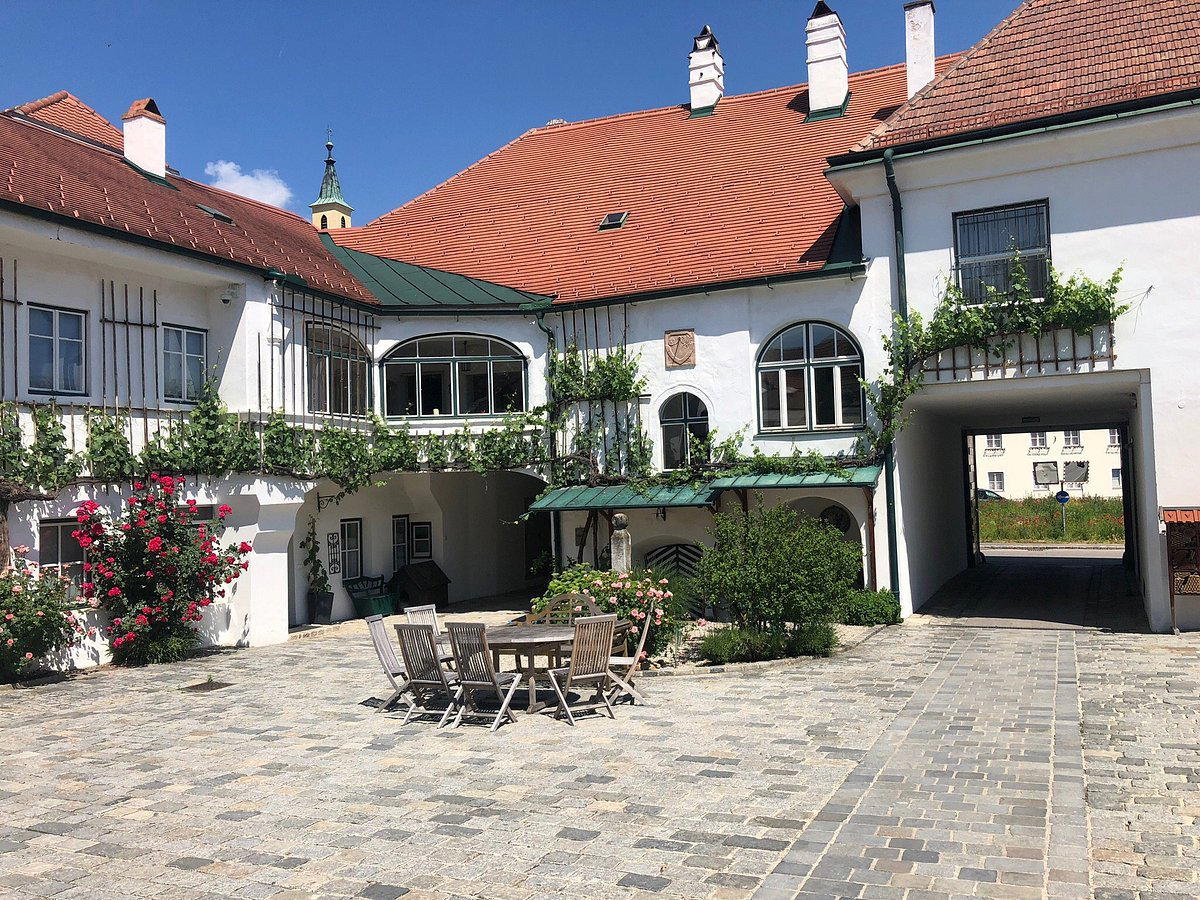
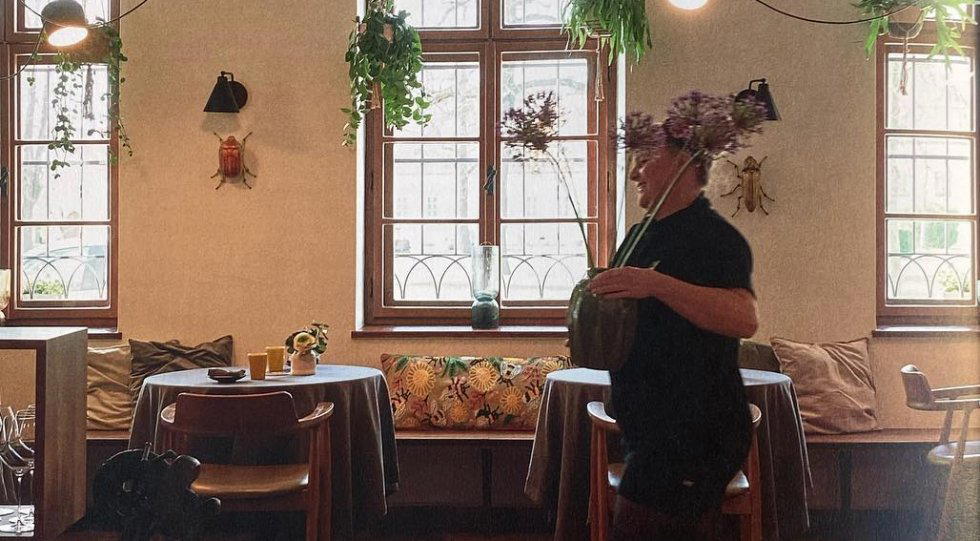
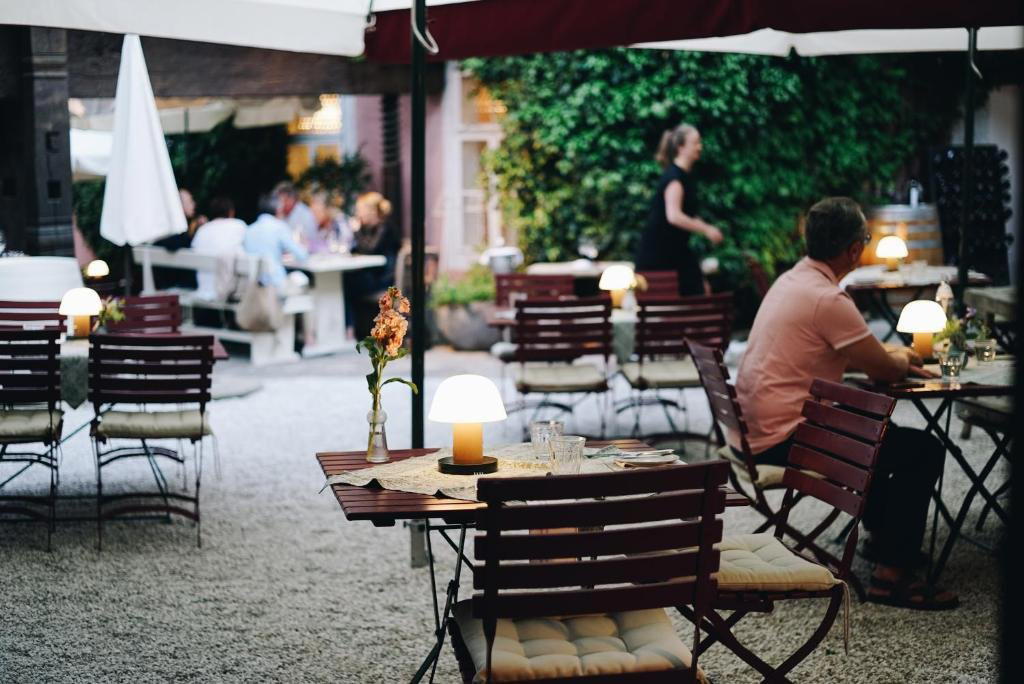
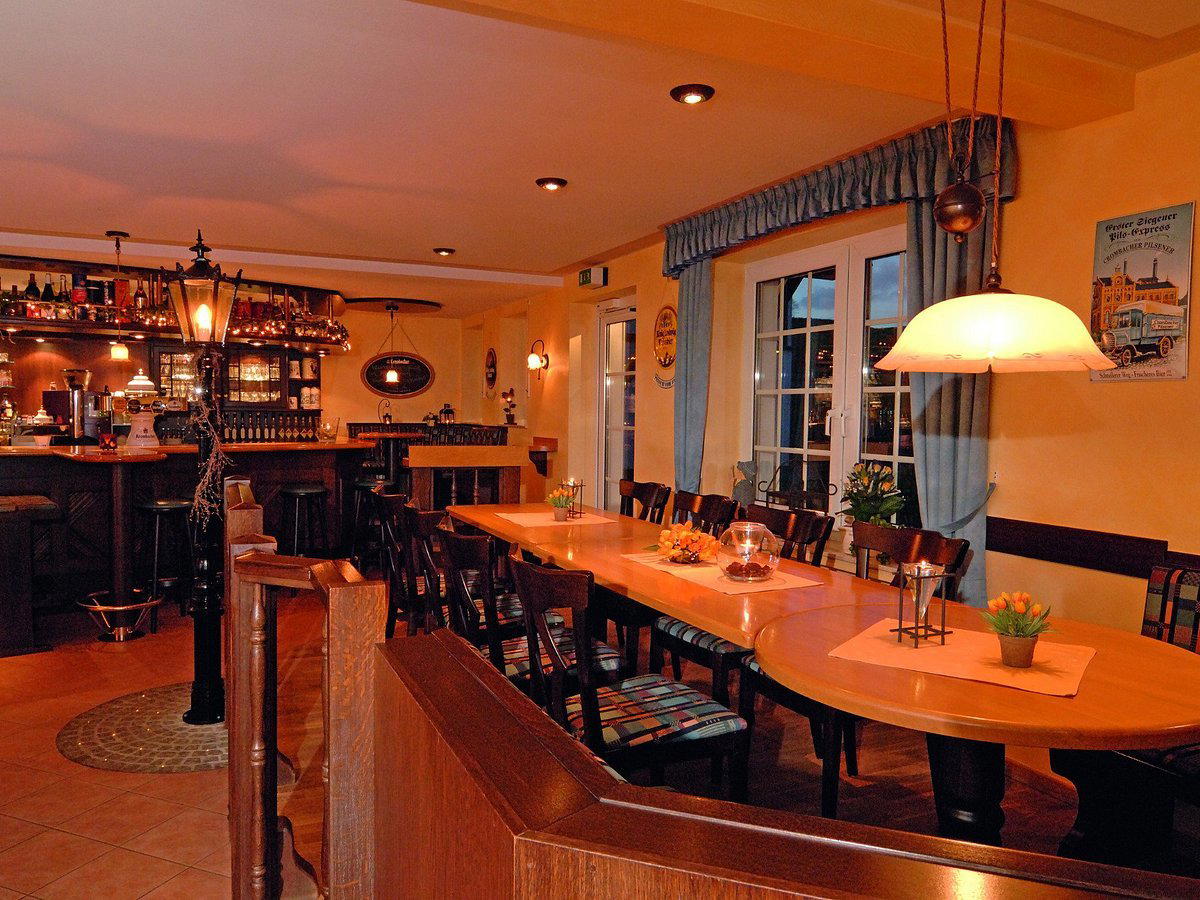
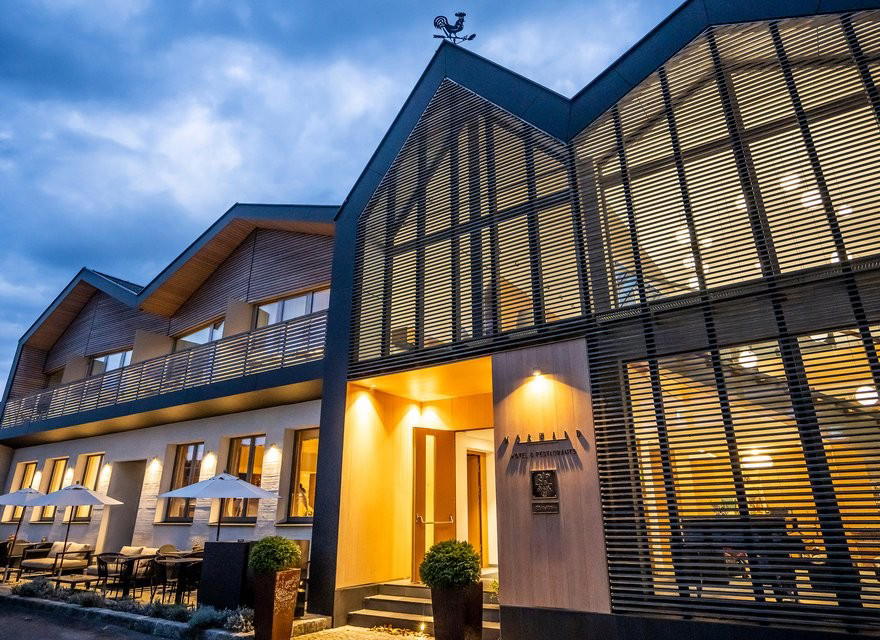
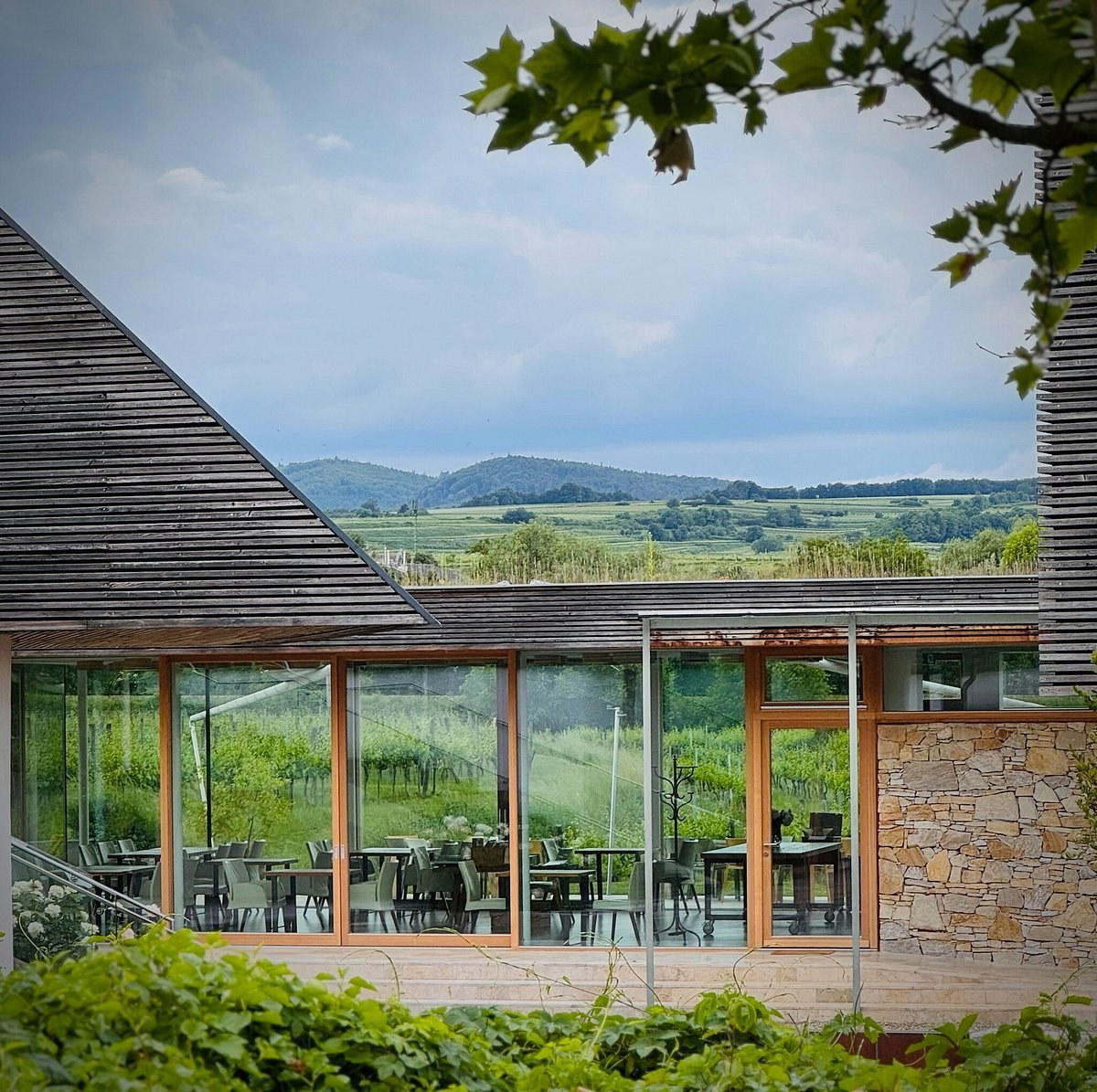
Traditional, rustic atmosphere in a family winery with focus on natural winemaking and scenic vineyard surroundings.