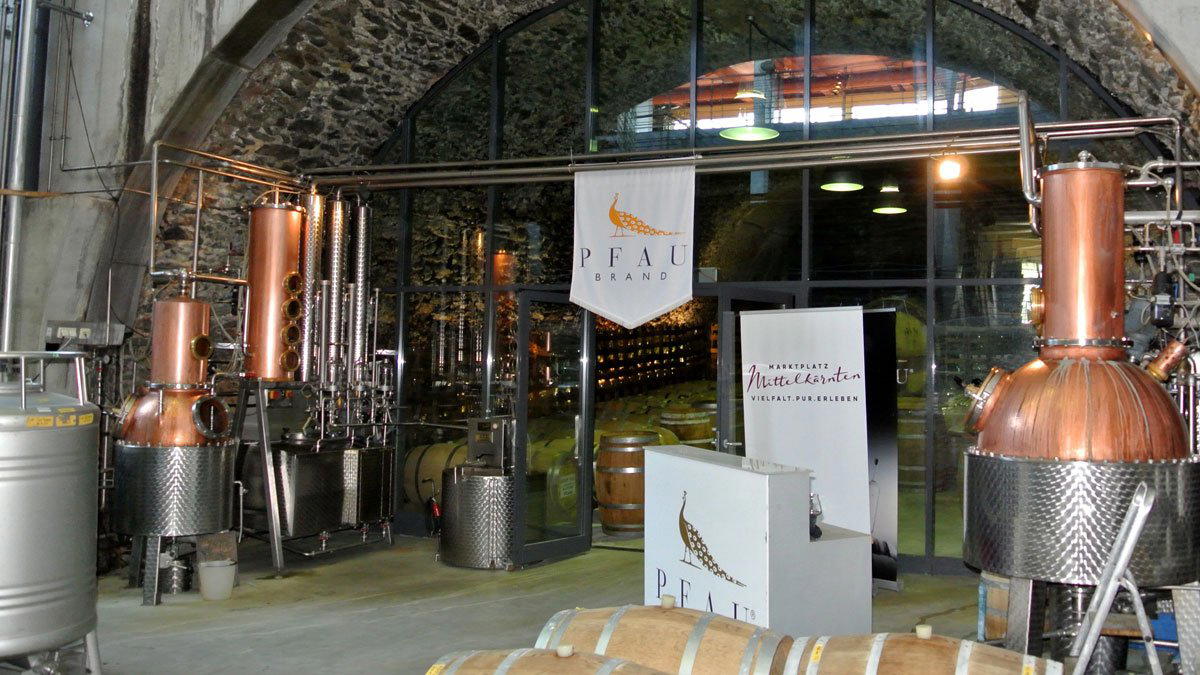
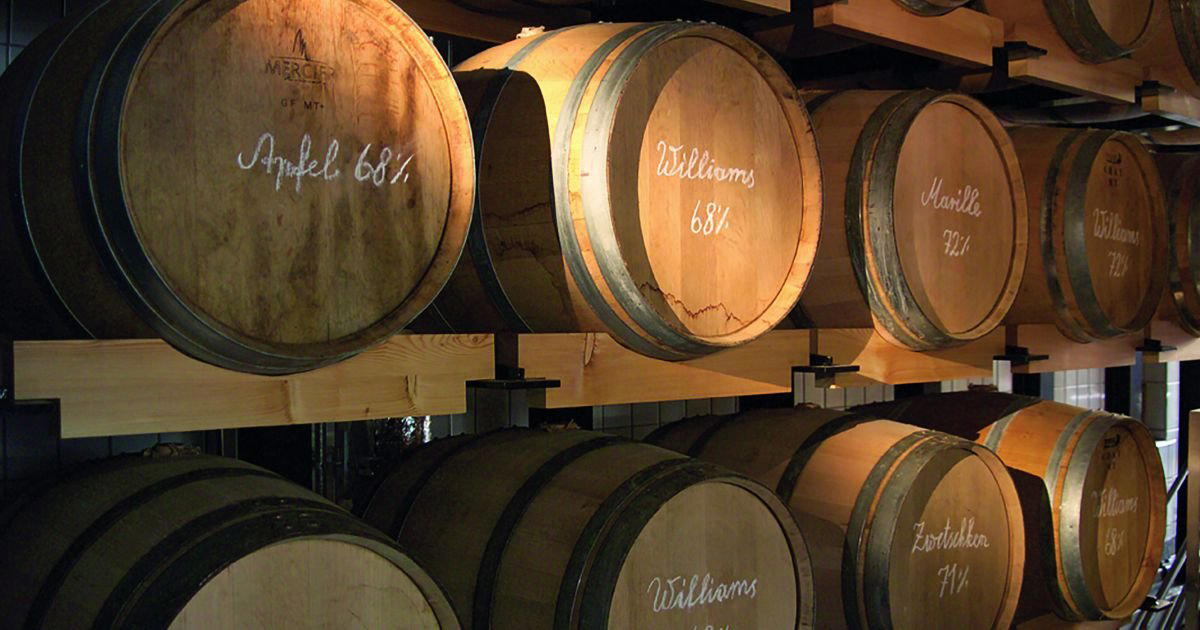
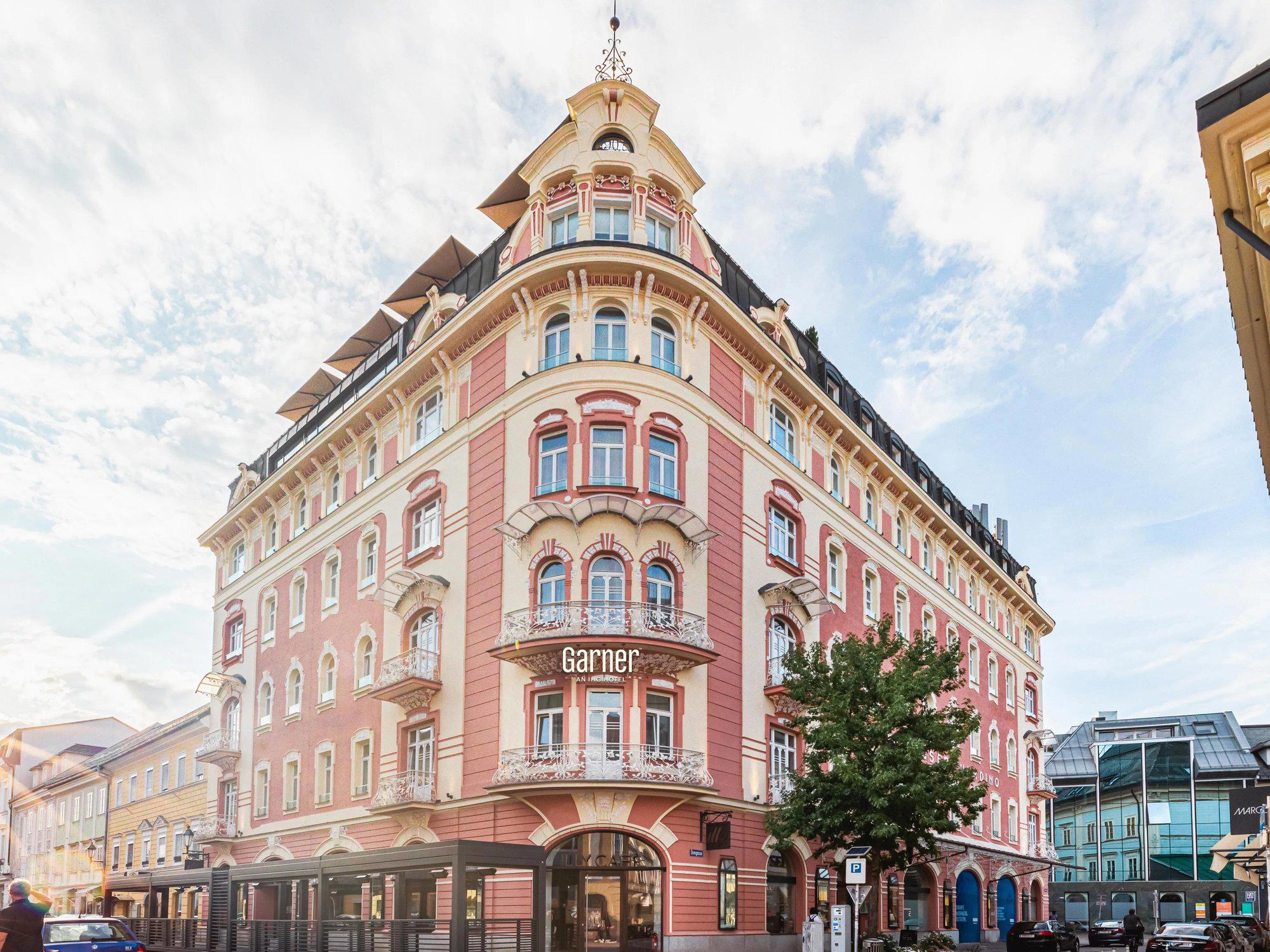
Stroh Austria Distillery

Stroh Austria Distillery in Klagenfurt holds a Pearl 1 Star Prestige rating (2025), placing it among Austria's recognised craft spirits producers. The distillery operates within a regional spirits tradition that spans both alpine herbal production and innovative grain-based work. For visitors to Carinthia, it represents a focused entry point into Austrian distilling culture beyond the country's more prominent wine corridors.
 Discover on Pearl
Pearl is the En Primeur Club membership app — saves, bookings, and concierge access live there. Same editors, same standards.
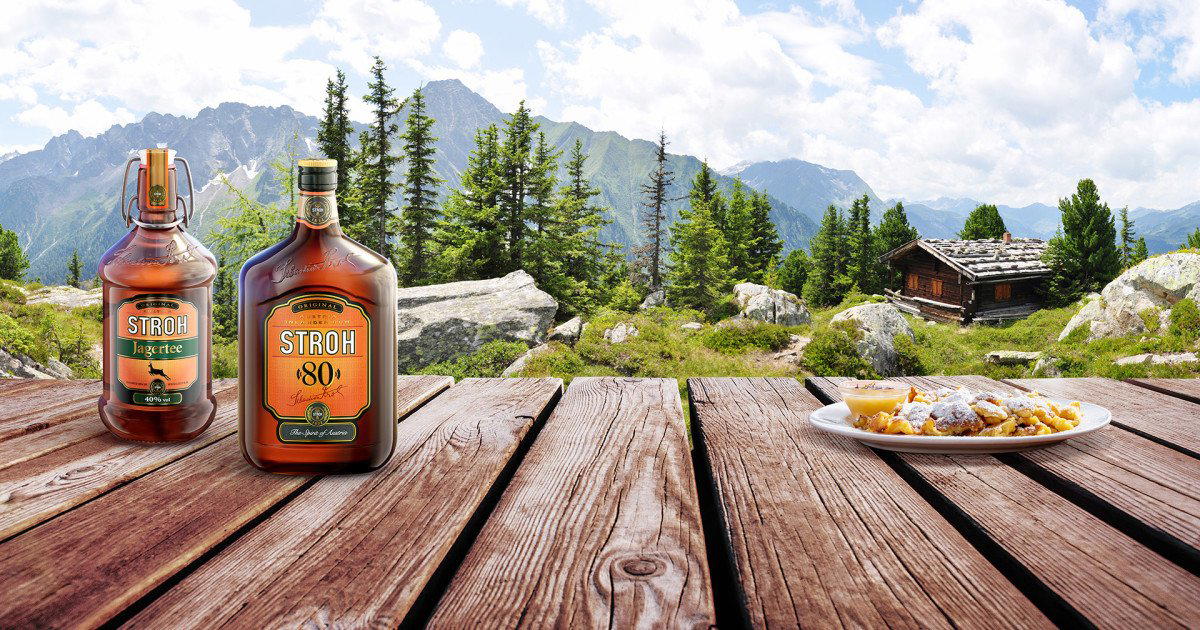
Austria's Craft Spirits Scene and Where Stroh Fits
Austria's reputation abroad tends to default to wine: the Grüner Veltliner and Riesling producers of the Wachau, the Burgenland sweet wine estates of Weingut Kracher in Illmitz, the precision-led whites from Weingut Bründlmayer in Langenlois. But distilling runs equally deep in the country's regional identity, and nowhere is that more apparent than in Carinthia, Austria's southernmost province, where alpine geography and central European trade routes shaped a distinct culture of spirits production across centuries. Within that context, the Stroh Austria Distillery in Klagenfurt operates as one of the city's recognised producers.
It sits within a meaningful peer group of Austrian craft operations. For visitors approaching Klagenfurt from the wine-heavy east or from Slovenia to the south, Stroh represents a distinct category shift. Where producers like Weingut Emmerich Knoll in Dürnstein or Weingut Wohlmuth in Kitzeck anchor themselves in viticulture, Stroh belongs to the spirits tier, and within Klagenfurt specifically, it shares that space with peers like Pfau Distillery and Brennerei Hödl.
The Tasting Format and What to Expect at the Distillery
Austrian distillery visits tend to fall into one of two formats: production-led tours where the still room is the centrepiece, or product-led sessions where tasting takes priority and the facility is background. The more compelling experiences generally integrate both, using the physical environment of the distillery to frame what's in the glass rather than treating them as separate itineraries.
At Stroh Austria Distillery, the visit takes place in Klagenfurt, a city of roughly 100,000 people that functions as the cultural and administrative centre of Carinthia. Unlike the vineyard estates of the Wachau or the cellar-focused operations you find further east with producers such as Weingut Pittnauer in Gols or Weingut Heinrich Hartl in Oberwaltersdorf, an urban distillery operates in a different register. The surroundings are civic rather than pastoral, and the tasting experience draws more on craft production credentials and product specificity than on landscape.
Visitors can expect a baseline level of product and presentation quality that separates it from casual tourist-facing operations. The distinction reflects recognised craft standards rather than simply commercial volume. The practical question for first-time visitors is whether to approach the distillery as a standalone destination or as part of a broader Klagenfurt itinerary.
Stroh Within the Wider Austrian Distilling Network
Austrian craft distilling has expanded substantially over the past two decades, with new operations appearing across the country's federal states at a rate that parallels the craft gin and whisky movements in Germany and Switzerland. The spread is geographically broad. In Upper Austria, 1310 Spirit of the Country Distillery in Sierning represents the Danube corridor's approach to craft spirits. In Styria, 1404 Manufacturing Distillery in Sankt Peter-Freienstein works from a different regional raw material base. And in Vienna, 1516 Brewing Company Distillery operates within the capital's growing interest in urban production.
Carinthia's position in this network is shaped by geography. The province borders both Slovenia and Italy, which influences ingredient sourcing, flavour traditions, and the kinds of spirits that have historic resonance in the region. Alpine herbs, stone fruit from the valleys around Villach and Klagenfurt, and grain sourced from the broader Austrian agricultural belt all feed into a distilling culture that resists simple categorisation. Stroh Austria Distillery sits within that tradition.
For those building a wider Austrian spirits itinerary, the comparison extends internationally. Aberlour in Aberlour provides a point of reference for what a long-established, destination-grade distillery tasting experience looks like in a different national context. Austrian producers, including those in Klagenfurt, are increasingly benchmarking against those standards as domestic spirits tourism matures.
Planning a Visit: Practical Considerations
Visitors should verify current visit formats directly before travelling. What the Pearl 1 Star Prestige rating does confirm is that the operation meets a threshold of quality and presentation that makes advance planning worthwhile. Carinthia's seasonal patterns are relevant here: the region draws peak visitor numbers in summer around the Wörthersee lake district, and Klagenfurt itself becomes considerably more active between June and August. Planning a distillery visit outside peak periods generally allows for more direct engagement with the production team and a less pressured tasting format.
Klagenfurt is accessible by rail from Vienna (approximately three and a half hours on direct services) and sits within easy driving distance of both Graz to the northeast and the Slovenian border to the south. For visitors arriving from wine-focused itineraries in the Wachau or Burgenland, the addition of a Carinthian spirits stop represents a logical category extension rather than a detour. Those already exploring the local drinks scene should note that Pfau Distillery and Brennerei Hödl offer different reference points within the same city, making it possible to construct a half-day or full-day tasting itinerary without leaving Klagenfurt.
For broader context on where distilling fits within Austrian premium drinks culture, the comparison with Weingut Scheiblhofer Distillery in Andau is instructive: that Burgenland operation combines wine and spirits production under one roof, reflecting an increasingly common approach among Austrian estates looking to diversify beyond a single category. Klagenfurt's dedicated distilleries, by contrast, represent the spirits-first end of that spectrum. And for those interested in how American estate winery models compare, Accendo Cellars in St. Helena provides a useful international reference point for allocation-based premium production, even if the category and geography differ considerably.
Continue exploring