Weingut Markus Huber

Weingut Markus Huber operates from Reichersdorf in Austria's Traisental wine region. The estate sits within a cool-climate corridor that produces wines of marked tension and mineral character, placing it alongside Austria's most awarded smaller producers. For visitors seeking direct engagement with Traisental terroir, this is where that conversation begins.
Pearl is the En Primeur Club membership app — saves, bookings, and concierge access live there. Same editors, same standards.
- Address
- Weinriedenweg 13, 3134 Reichersdorf
- Phone
- +43 2783 82999
- Website
- weingut-huber.at
- Directions
- Get directions
 Saves & bookings on Pearl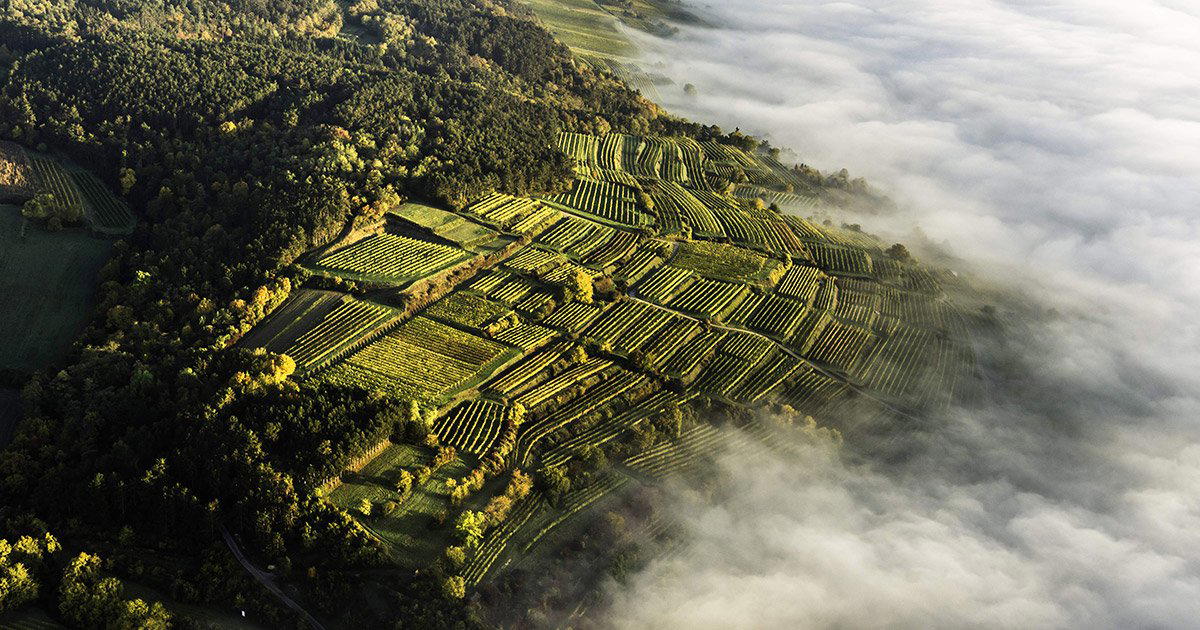
Where Traisental's Geology Speaks Loudest
The Traisental DAC sits in a narrow corridor of Lower Austria where the Traisen River has cut through ancient primary rock, depositing soils that shift from gneiss and granite in the upper reaches to loess and loam on the lower slopes. This geology is not incidental to what happens at Weingut Markus Huber in Reichersdorf, it is the entire argument. The region operates at the cooler margin of Austrian viticulture, where ripening is slower and acid retention higher, producing a tension in the wines that distinguishes them from the richer, warmer profiles of the Wachau or Neusiedlersee. Estates that understand this dynamic, and build their work around it rather than against it, tend to produce wines that age with purpose rather than simply existing to be consumed young.
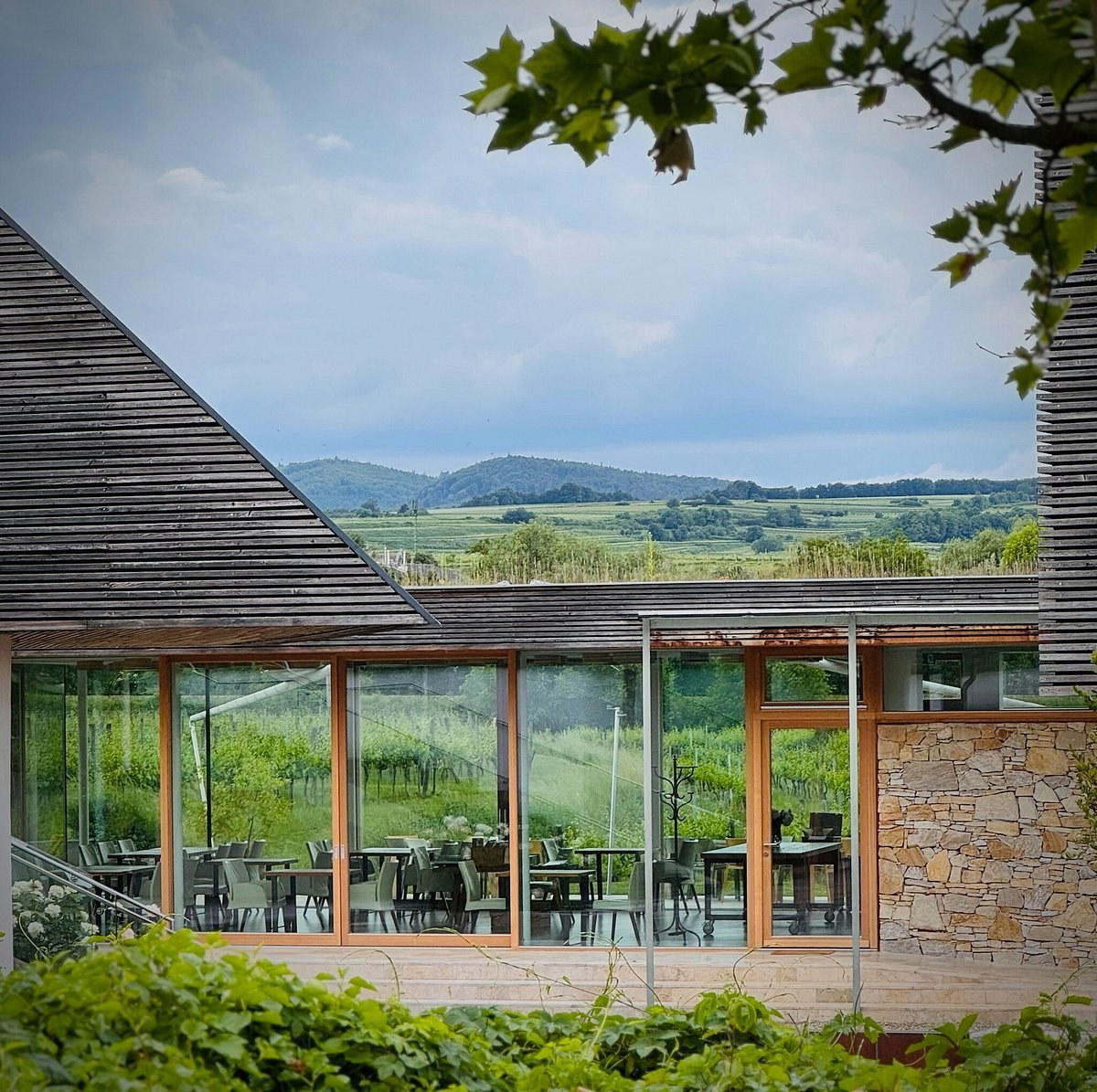
Reichersdorf itself is a quiet settlement within this corridor, the kind of address that gives nothing away from the road. The estate at Weinriedenweg 13 sits within working vineyard country rather than a tourist-configured wine village, which means the visit is premised on the wines rather than the spectacle of the setting.
The Pearl system evaluates producers on consistency, terroir fidelity, and the capacity of wines to carry place in an identifiable way. In the Traisental context, where fewer estates occupy this level of critical acknowledgment compared to the more densely lauded Kamptal or Wachau, the recognition carries proportionally more weight. It positions Weingut Markus Huber as a reference point for the region rather than simply a competent local address.
For comparison, the Kamptal hosts producers like Weingut Bründlmayer in Langenlois and the Wachau includes Weingut Emmerich Knoll in Dürnstein, both operating in regions with longer international reputations and deeper critical infrastructure. That Weingut Markus Huber earns prestige-level recognition from a less prominent appellation base makes the award a signal of genuine merit rather than borrowed geography.
Traisental DAC and the Logic of Cool-Climate Riesling
Austria's DAC system, Districtus Austriae Controllatus, exists to tie varieties to the regions where they are most expressive, rather than allowing producers to draw from a generic Austrian identity. The Traisental DAC is built primarily around Riesling and Grüner Veltliner, both of which perform differently here than in their more celebrated Lower Austrian contexts. Traisental Riesling, at its leading, carries a crystalline structure, pronounced minerality, and acid lines that are closer to a cool German Mosel expression than to the fuller, more textural Wachau style. Grüner Veltliner from the region tends toward leaner profiles with the characteristic white pepper note amplified by slower, cooler ripening.
The Traisental has not fully broken into the first rank of Austrian wine tourism, which creates an interesting situation for visitors: the wines are at a serious level, but visiting remains relatively unmediated. The engagement happens at the estate, on the estate's own terms.
Producers across Lower Austria are operating within this same DAC framework but with different soil and climate profiles. Weingut Heinrich Hartl in Oberwaltersdorf works in a different thermal context, as does Weingut Pittnauer in Gols, whose Burgenland base produces wines with a warmer character and different varietal emphasis. Understanding where Weingut Markus Huber sits requires understanding what the Traisental's specific conditions add to the equation.
Reading the Wines Against Their Landscape
The geological diversity within the Traisental means that even relatively small estates can work across meaningfully different soil types. Primary rock sites produce wines with a harder, more reductive mineral edge; loess sites tend toward softer, more generously textured profiles. The ability to read and communicate these differences within a single estate's range is a marker of producer sophistication. Estates at the Prestige tier within systems like Pearl are generally those that have developed enough vineyard-specific understanding to present their site differences coherently, rather than blending them into a single stylistic fingerprint.
The cool continental climate of the Traisental also means vintage variation matters here more than in regions with more consistent heat accumulation. Years with warm September conditions and good ripening windows produce wines with more volume and roundness; cooler vintages with higher acidity produce wines that demand longer cellaring but reward patience. This is a region where buying across multiple vintages makes sense, and where the estate's view of a specific growing year is worth understanding before making selections.
The Broader Austrian Wine Context
Austria's wine identity internationally rests heavily on a small group of regions: the Wachau, the Kamptal, Burgenland for sweet wines and reds. Producers like Weingut Kracher in Illmitz have defined what Austrian Trockenbeerenauslese means to international collectors; Weingut Wohlmuth in Kitzeck represents a different southern Styrian register entirely. The Traisental operates below this level of export recognition, which means that Prestige-tier producers within it represent a significant value proposition relative to their equivalent peers in more marketed regions. The wines carry comparable complexity at prices that have not yet absorbed the premium attached to Wachau or Kamptal addresses.
This gap is narrowing as sommeliers and wine buyers in European cities increasingly look beyond the familiar Austrian appellations for precision whites with genuine aging capacity. The Traisental's structural profile makes it a natural next address in that search. The winery's 2025 recognition is one data point in a broader pattern of critical attention shifting toward the region.
Planning a Visit to Reichersdorf
Reichersdorf sits in Lower Austria, accessible from Vienna via the A1 motorway and approximately an hour's drive from the city center, putting it within comfortable day-trip range for visitors based in the capital. St. Pölten, the provincial capital, is the nearest larger rail hub, from which Reichersdorf is a short drive. The region does not have the visitor infrastructure of the Wachau, so arriving by car is the practical approach for anyone combining multiple estate visits in a single day.
Given the estate's Prestige-tier standing, contact ahead of visit is advisable. Smaller Austrian producers at this recognition level typically operate tastings by appointment rather than maintaining walk-in hours, and confirmation of availability before making the journey from Vienna or St. Pölten is direct planning rather than an inconvenience.
Those building a broader Austrian producer itinerary might also consider visits to Weingut Scheiblhofer in Andau in Burgenland, or explore distillery-focused operations such as 1310 Spirit of the Country Distillery in Sierning, A. Batch Distillery in Bergheim, Abfindungsbrennerei Franz in Leithaprodersdorf, 1516 Brewing Company in Vienna, and 1404 Manufacturing Distillery in Sankt Peter-Freienstein for those whose interests extend across Austrian artisan production more broadly.
Comparable Spots, Quickly
Comparable venues nearby, for context on price, style, and recognition.
| Venue | Cuisine | Price | Notes |
|---|---|---|---|
| Weingut Markus HuberThis venue — the venue you are viewing | Grüner Veltliner, Riesling | $$$ | Not listed |
| Weingut Jurtschitsch | Grüner Veltliner, Riesling | $$$ | Langenlois |
| Weingut Ludwig Neumayer | Grüner Veltliner, Riesling | $$$ | Inzersdorf ob der Traisen |
| Weingut Uwe Schiefer | Blaufränkisch, Welschriesling | $$$ | Welgersdorf |
| Kraxenbräu Distillery | Winery | Not listed | Schladming |
| Kräuterdestillerie Steiner | Winery | Not listed | Achenkirch |
Recognition history
Dated appearances from independent guides and award organizations, with the underlying list record or original source where available.
Falstaff Winery - 4 Stars
Falstaff
Continue exploring
More in Reichersdorf
Wineries in Reichersdorf
Browse all →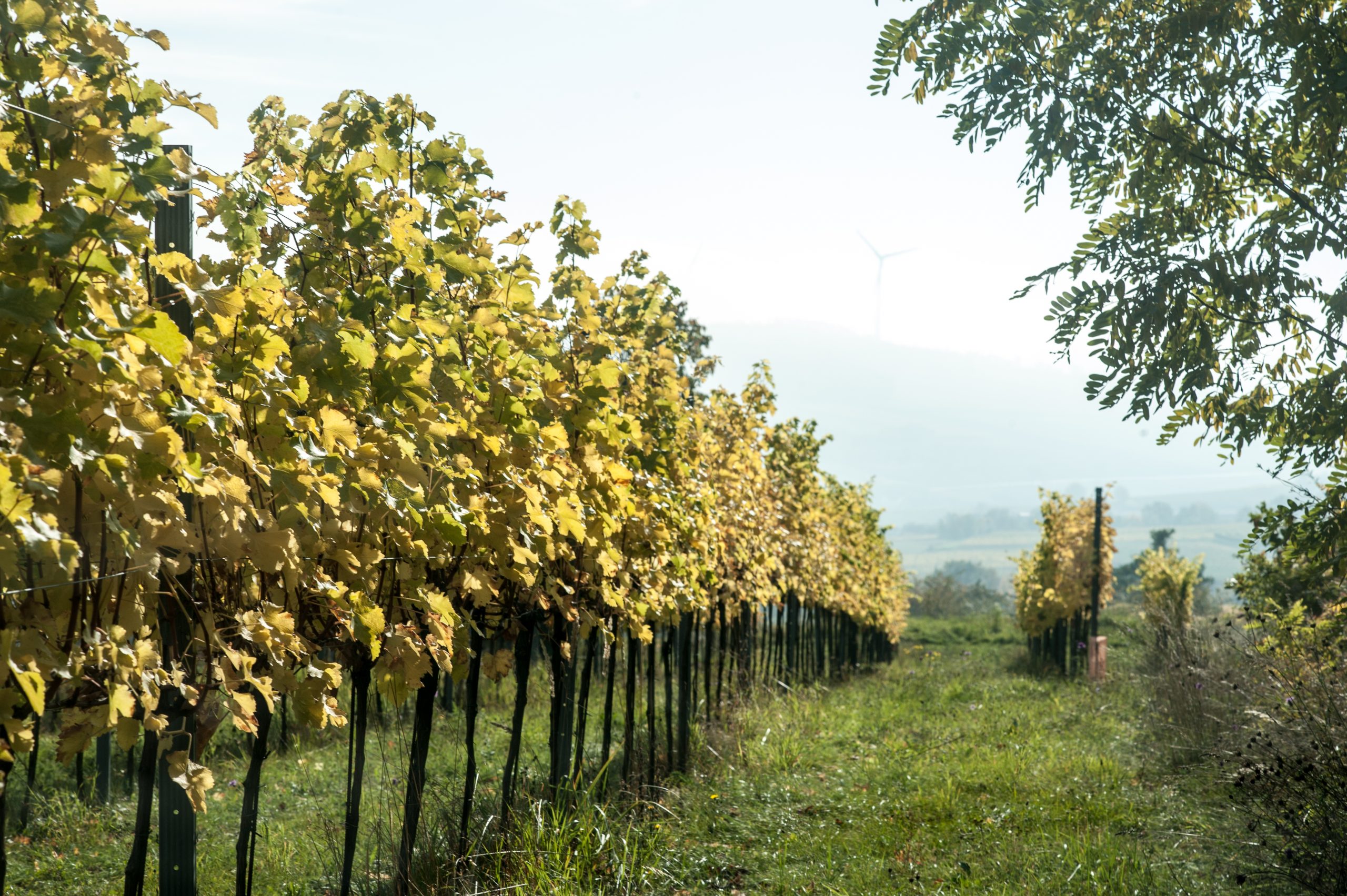
Bars in Reichersdorf
Browse all →
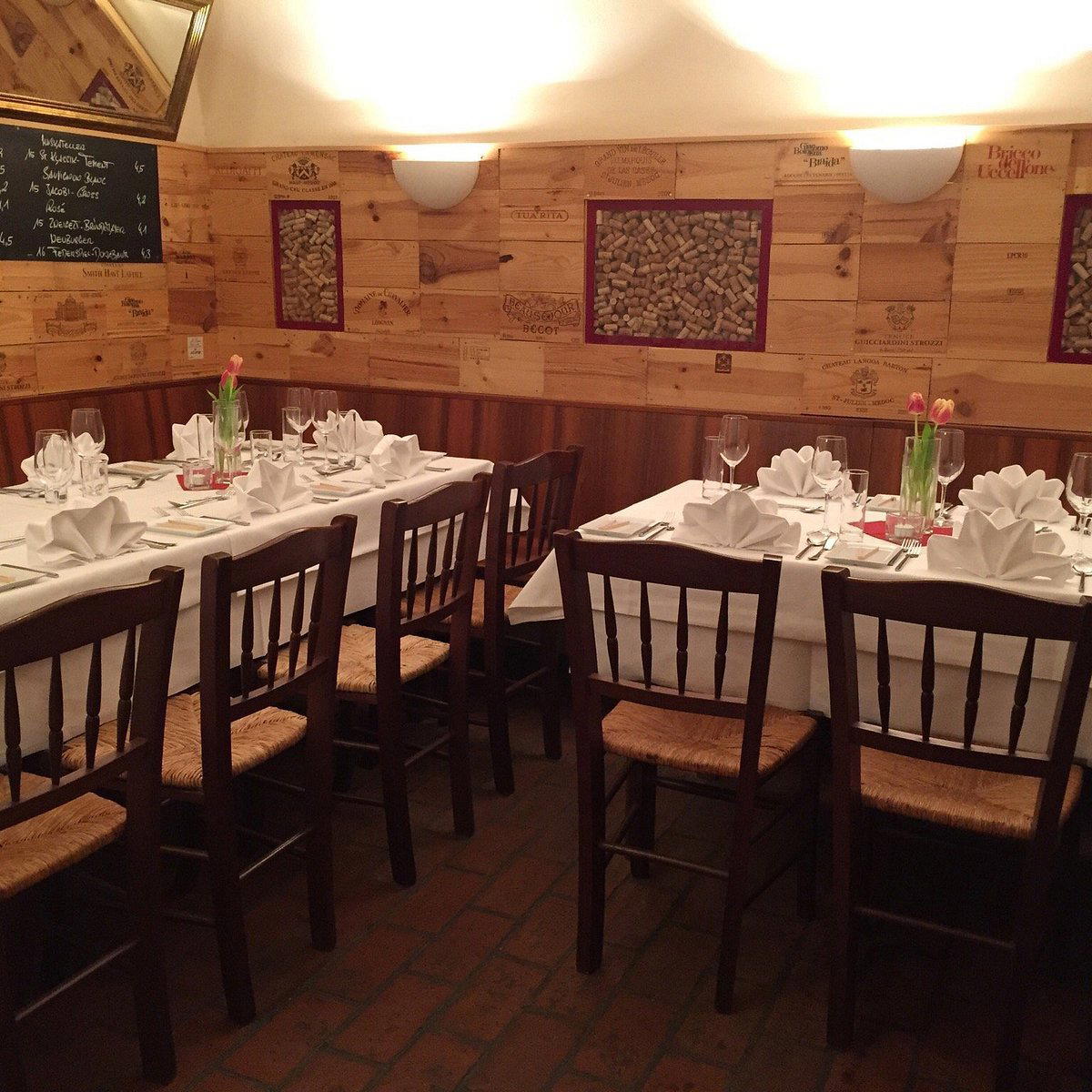
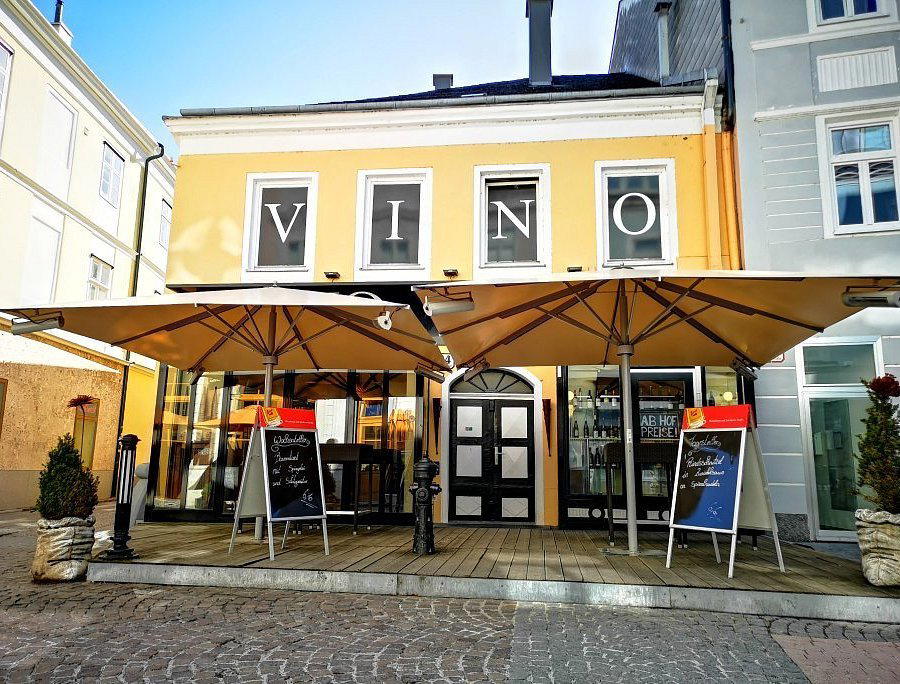
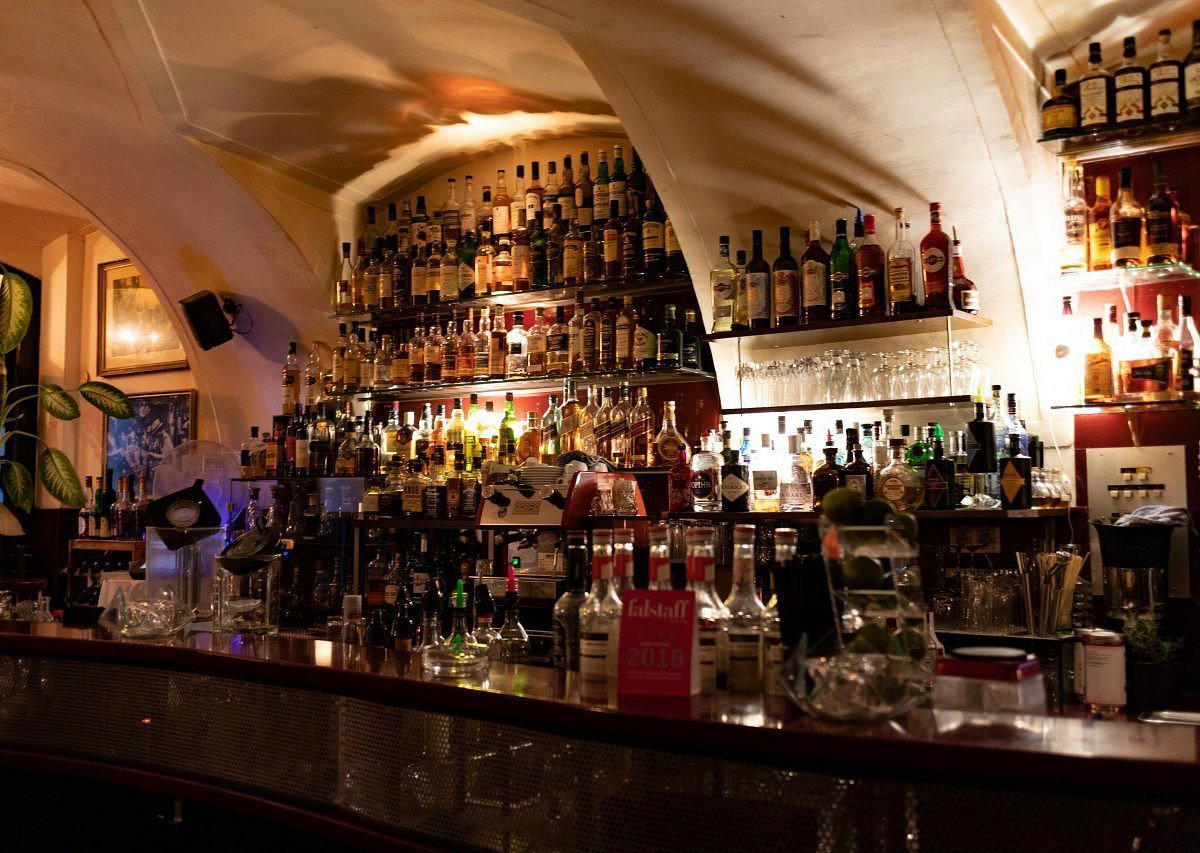
Restaurants in Reichersdorf
Browse all →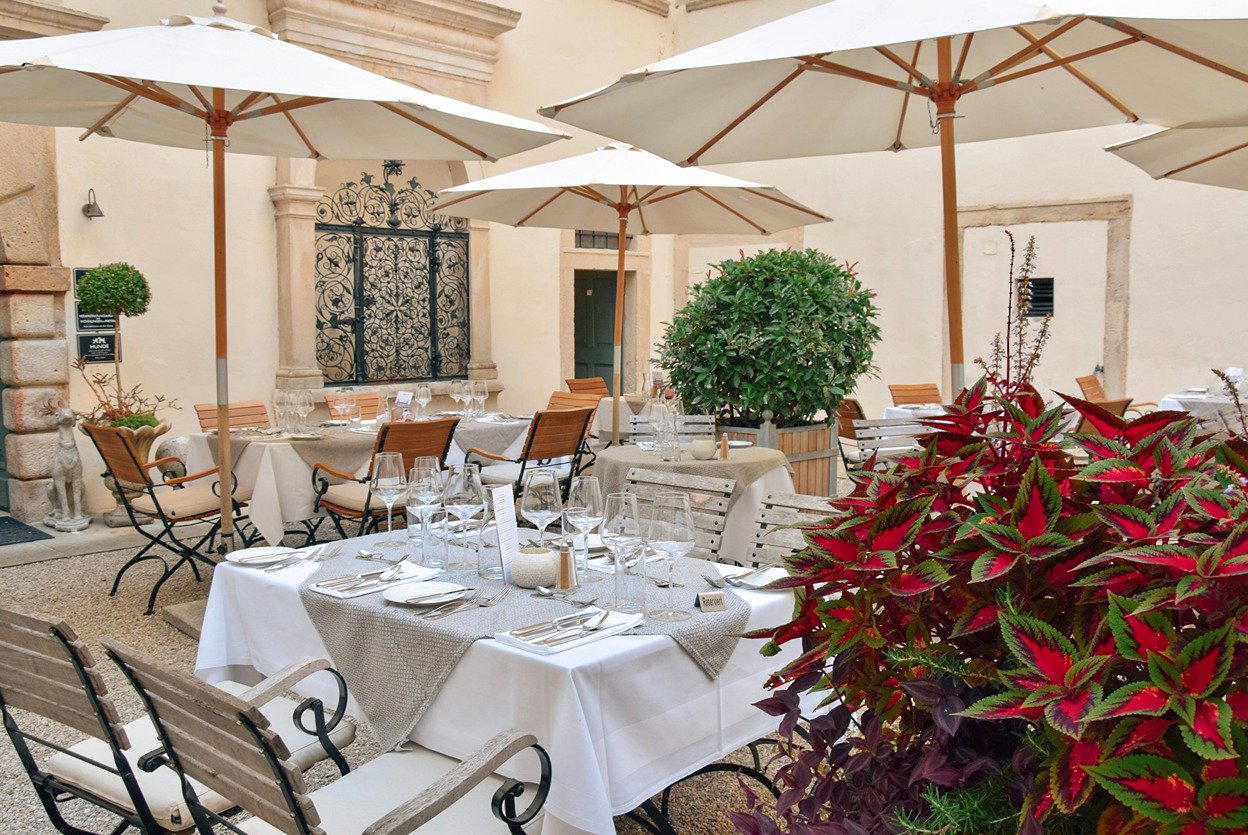
At a Glance
- Elegant
- Rustic
- Scenic
- Wine Education
- Solo Exploration
- Special Occasion
- Vineyard Tour
- Estate Grounds
- Organic
- Sustainable
- Vineyard
- Traisental DAC
- Grüner Veltliner
- Riesling
- Sauvignon Blanc
- Zweigelt
- Gelber Muskateller
- Pinot Noir
- Still White
- Still Red
- Still Rosé
- Sparkling
- Cave Tasting
- Private Tasting
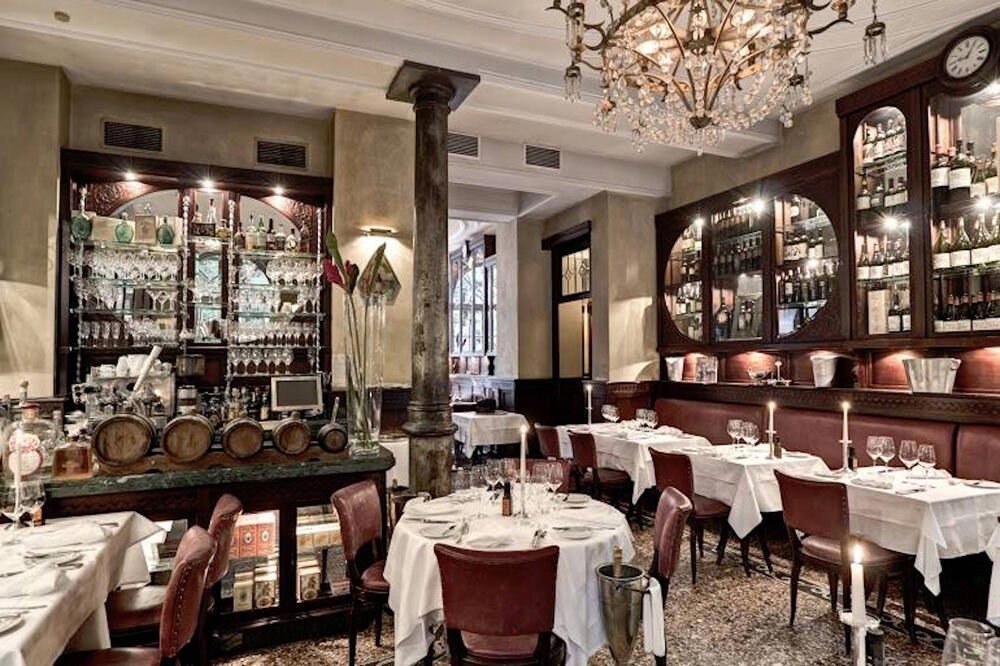
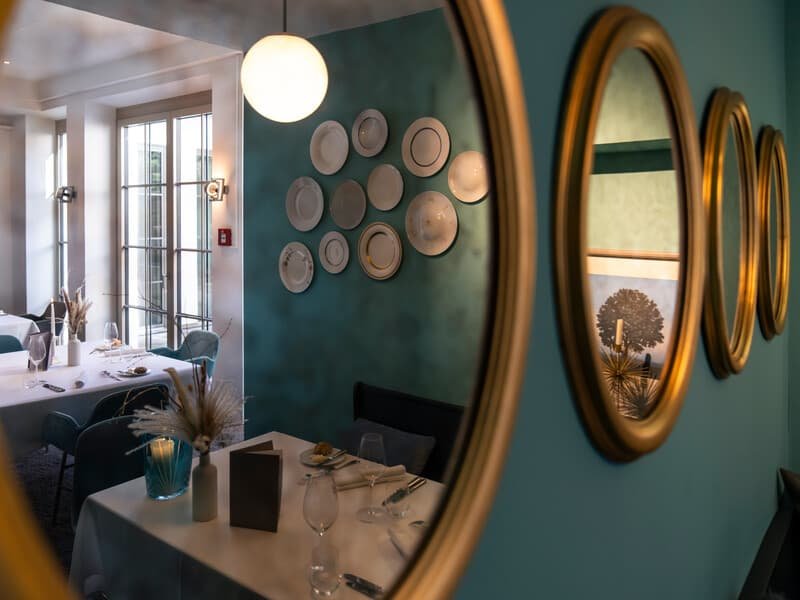
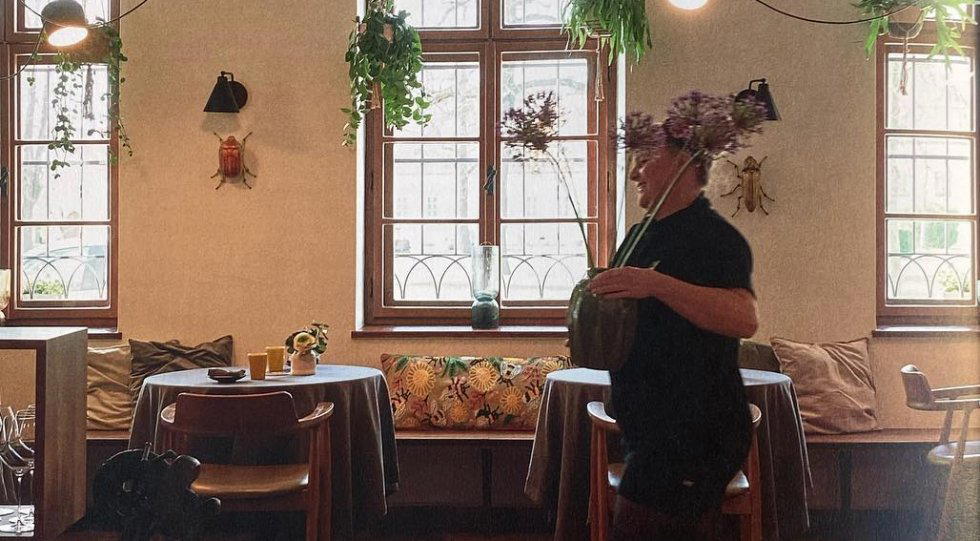
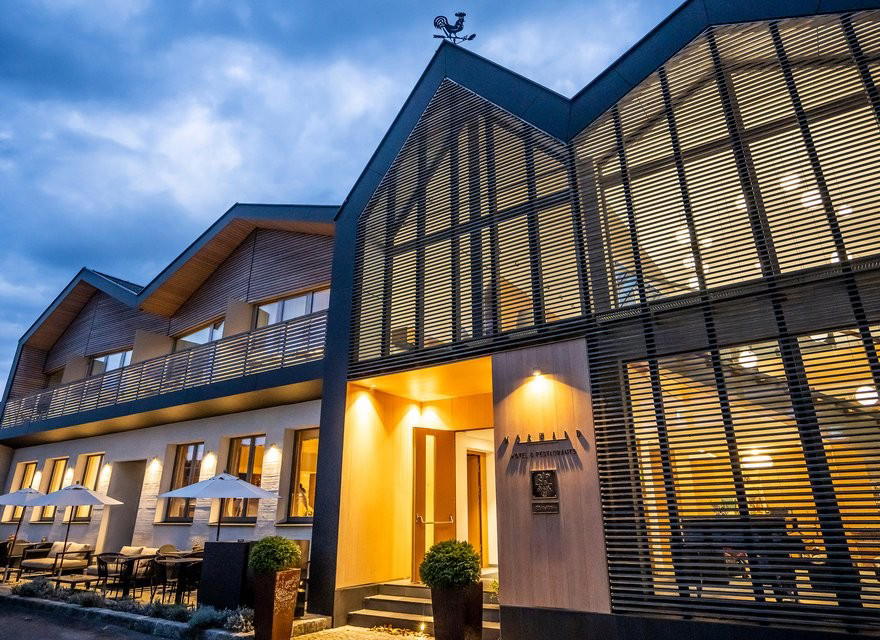
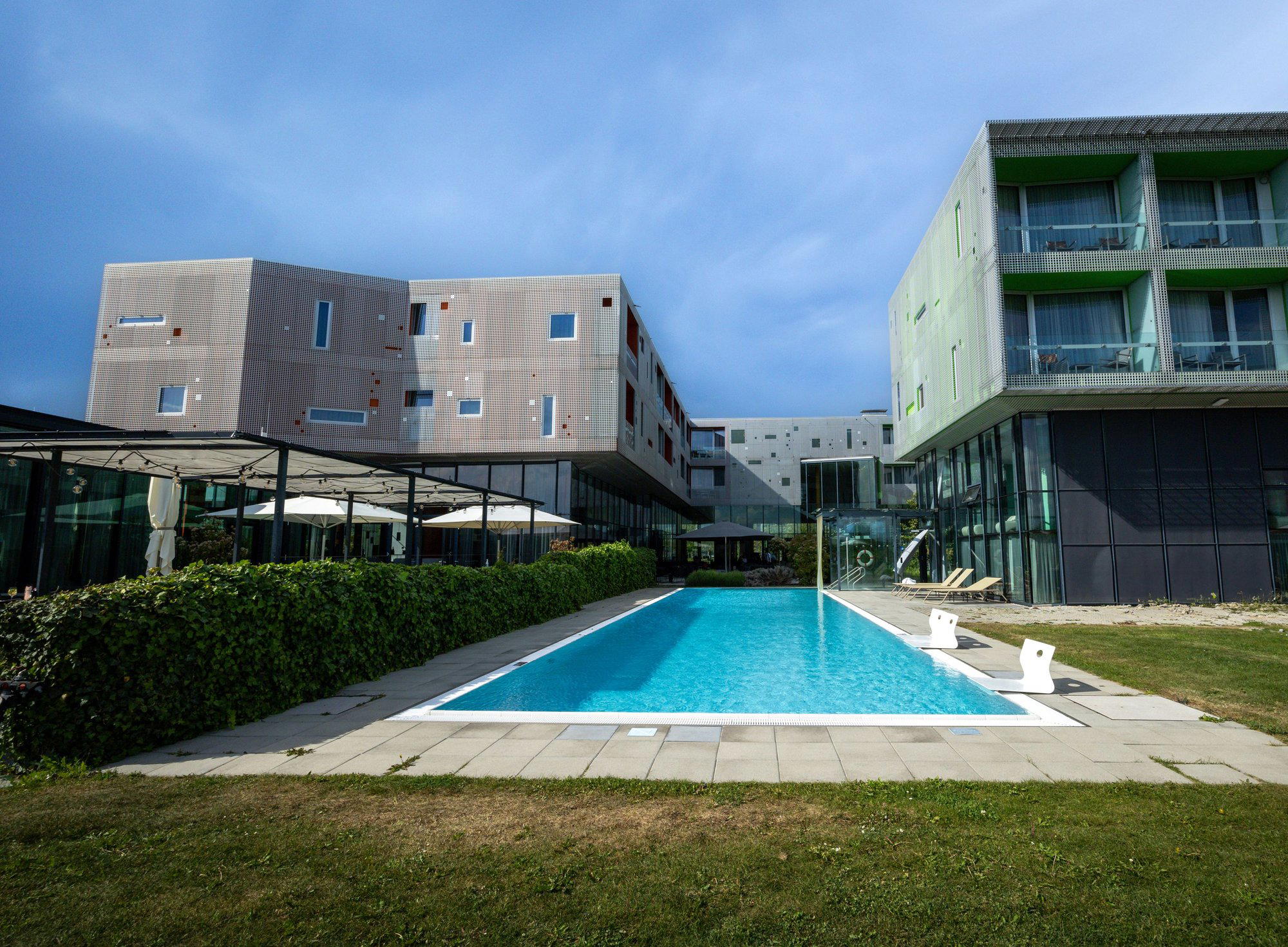
Elegant and mineral-focused atmosphere reflecting the clarity and vibrancy of its Traisental terroir.