
Winzerhof Dockner sits in the Wachau-adjacent village of Höbenbach, where the Danube's thermal rhythms and crystalline schist soils leave a clear mark on the glass. For those tracing the Kamptal and Kremstal corridor, it is a serious stop worth building an itinerary around.
Pearl is the En Primeur Club membership app — saves, bookings, and concierge access live there. Same editors, same standards.
- Address
- Ortsstraße 30, 3508 Höbenbach
- Phone
- +43 2736 7262
- Website
- dockner.at
- Directions
- Get directions
 Saves & bookings on Pearl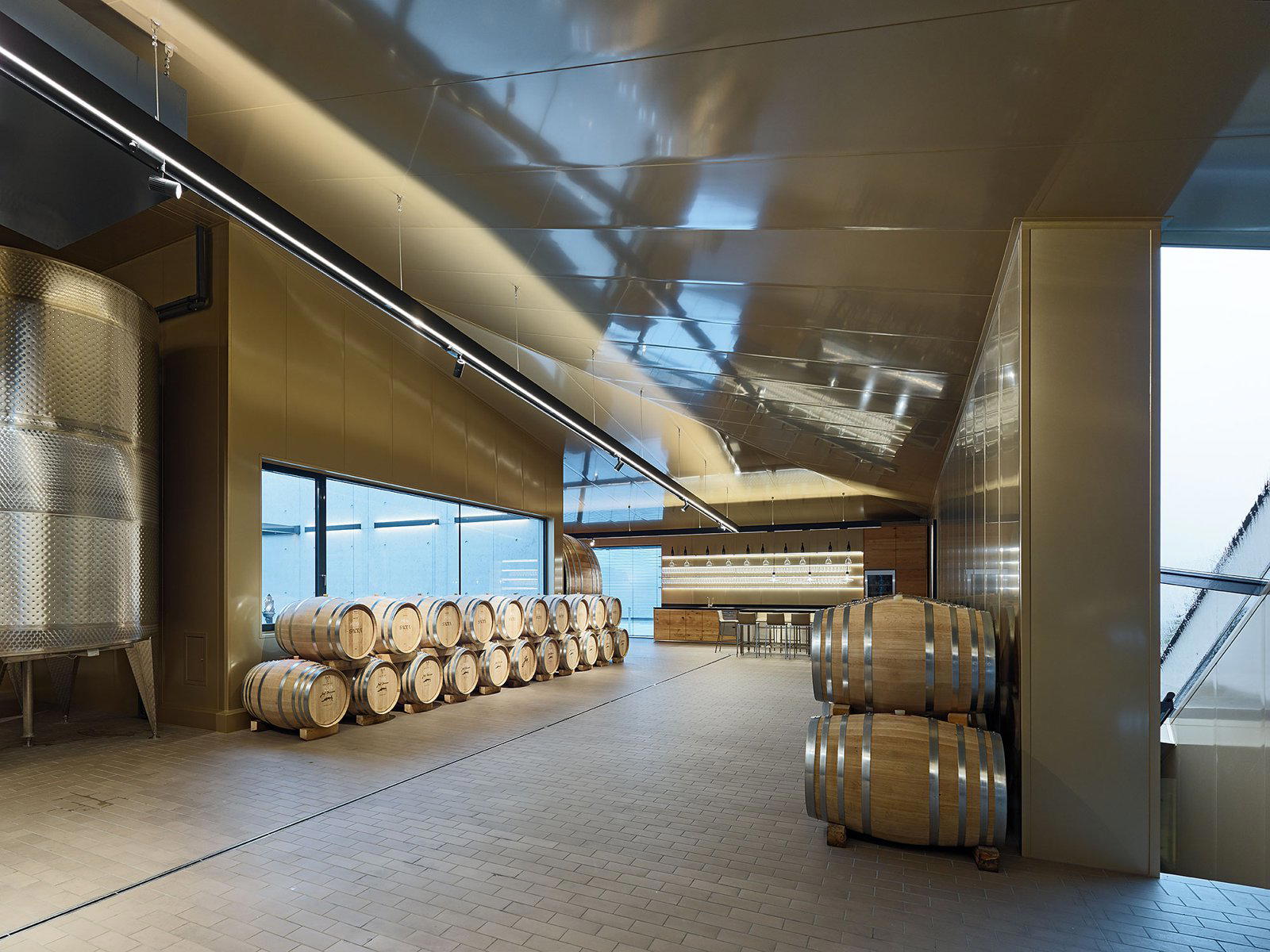
Where the Danube's Terroir Speaks Without Translation
Arrive in Höbenbach on a clear morning and the geography announces itself before any wine is poured. The village sits along the Danube corridor in Lower Austria, where the river valley carves a climatic channel between the Bohemian Massif to the north and the warmer Pannonian air pushing from the east. Ortsstraße 30 is a quiet address in a quiet settlement, the kind of place where the surrounding land, schist outcrops, loess pockets, the diurnal temperature swings that define this stretch of river, does more communicating than any tasting note ever could.
A Region Defined by Geology
The area around Höbenbach occupies a transitional zone between two of Austria's most precisely mapped wine regions. To the west, the Wachau's terraced vineyards on primary rock set the benchmark for Grüner Veltliner and Riesling in a continental Alpine frame. To the east, the Kremstal broadens the discussion into loess-rich flatlands and warmer sites. Höbenbach and its surrounds sit in this corridor, benefiting from both the cooling influence of the Danube and the site diversity that comes with geological transition. Producers working this band of territory are dealing with soils that can shift from gneiss to loess within a short walk, and the wines tend to reflect that complexity in their texture and aromatic range. For context on the density of serious producers in the Danube wine corridor, estates such as Weingut Emmerich Knoll in Dürnstein and Weingut Bründlmayer in Langenlois define the upper tier of the broader neighbourhood, and
Prestige-level recognition in this system requires that the estate demonstrate depth, vineyard differentiation, technical discipline, and wines that hold up across vintages rather than peaking with a single release. In Lower Austria's Danube corridor, where the benchmark for serious Grüner Veltliner and Riesling is set by estates with decades of critical validation, a Pearl 2 Star reading is a meaningful credential. It positions Dockner within a cohort of producers being watched by collectors and sommeliers building Austrian allocations. For those building a comparative picture of Austrian producers at various points of the prestige spectrum, Weingut Kracher in Illmitz and Weingut Wohlmuth in Kitzeck offer instructive contrasts in style and regional identity.
Terroir Expression as the Central Argument
The editorial case for Winzerhof Dockner rests on geography, not biography. What the schist-dominant soils of this Danube reach produce, when managed with care, is a wine profile characterised by mineral tension, linear acidity, and a kind of crystalline precision that warmer, loess-heavy sites rarely achieve. Grüner Veltliner from this corridor tends to carry its signature white pepper spice on a frame that stays taut rather than fat, a direct function of the rock beneath the vines and the cool nights that preserve aromatic lift. Riesling from primary rock sites in the same band can hold extraordinary tension for years, aging into something more expansive without ever losing the mineral thread. These are not decorative claims: they are the structural logic that explains why the Wachau and its immediate neighbours have commanded disproportionate critical attention in Austrian wine discourse for thirty years. Winzerhof Dockner, operating within this terroir logic and carrying a 2025 Prestige rating as external confirmation, is participating in that tradition with recognised standing.
The broader Austrian wine scene has been consolidating its prestige identity around a small number of regions and a tighter set of grape varieties, with international attention narrowing rather than widening. Grüner Veltliner and Riesling remain the anchoring varieties for any collector serious about Austrian wine, and the Danube corridor, Wachau, Kremstal, Kamptal, remains the core geography for both. Estates that hold prestige ratings in this corridor are operating in the scrutinised sub-sector of Central European wine. For comparison across the wider Austrian prestige producer map, Weingut Pittnauer in Gols and Weingut Heinrich Hartl in Oberwaltersdorf illustrate how producers outside the Danube core are building their own prestige arguments through different soil and varietal approaches.
Visiting Winzerhof Dockner: Practical Context
The winery is located at Ortsstraße 30, 3508 Höbenbach, in Lower Austria. The estate sits within reach of the main Danube wine route, making it accessible as part of a multi-stop itinerary through the Kremstal or as a detour from the better-known Wachau wine villages to the west. Given the size and character of estates in this part of Lower Austria, visits typically work leading arranged in advance rather than by walk-in. Visits are best arranged in advance. The estate's village setting means the visit itself is part of the experience: Höbenbach is not a wine tourism hub with surrounding infrastructure, which places the focus squarely on the producer and their wines rather than on any broader hospitality ecosystem. Those who prefer a more anchored base for exploring the region will find Krems a practical centre, with the surrounding Kremstal and Wachau villages accessible by car or regional rail along the Danube.
A Quick Peer Check
Comparable venues nearby, for context on price, style, and recognition.
| Venue | Cuisine | Price | Notes |
|---|---|---|---|
| Winzerhof DocknerThis venue — the venue you are viewing | Grüner Veltliner, Riesling | $$ | Not listed |
| Mühlbauer Distillery | Winery | Not listed | Zwettl |
| Kraxenbräu Distillery | Winery | Not listed | Schladming |
| Kräuterdestillerie Steiner | Winery | Not listed | Achenkirch |
| Weingut Allram | Grüner Veltliner, Riesling | $$ | Straß im Straßertale |
| Weingut Petra Unger | Grüner Veltliner, Zweigelt | $$ | Furth-Palt |
Recognition history
Dated appearances from independent guides and award organizations, with the underlying list record or original source where available.
Falstaff Winery - 3 Stars
Falstaff
Continue exploring
More in Höbenbach
Wineries in Höbenbach
Browse all →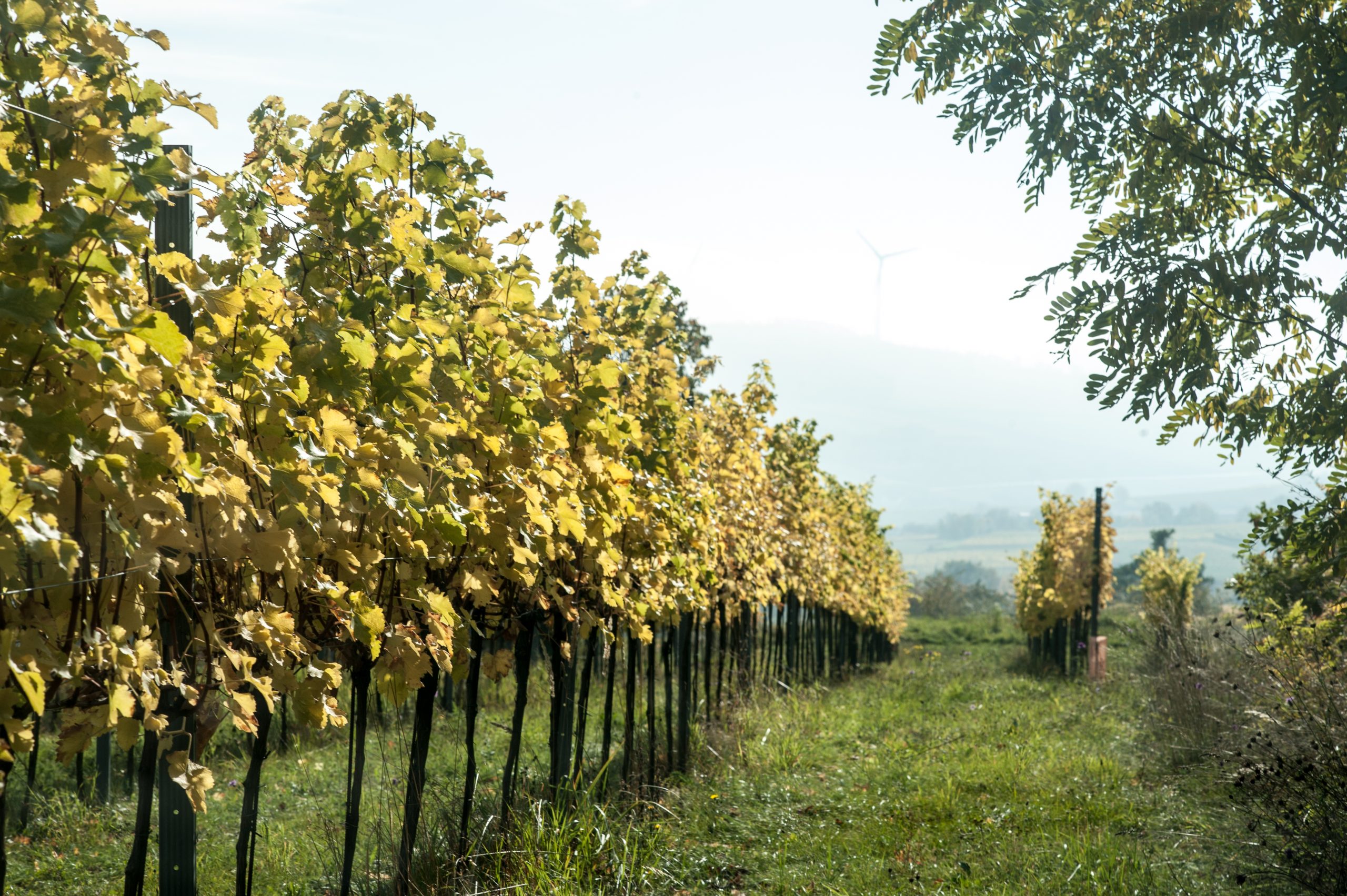
Bars in Höbenbach
Browse all →
Restaurants in Höbenbach
Browse all →
At a Glance
- Rustic
- Scenic
- Cozy
- Wine Education
- Group Outing
- Celebration
- Vineyard Tour
- Estate Grounds
- Terrace
- Panoramic View
- Vineyard
- Mountain
- Kremstal DAC
- Grüner Veltliner
- Riesling
- Zweigelt
- St. Laurent
- Pinot Noir
- Sauvignon Blanc
- Still White
- Still Red
- Sparkling
- Cave Tasting
- Private Tasting
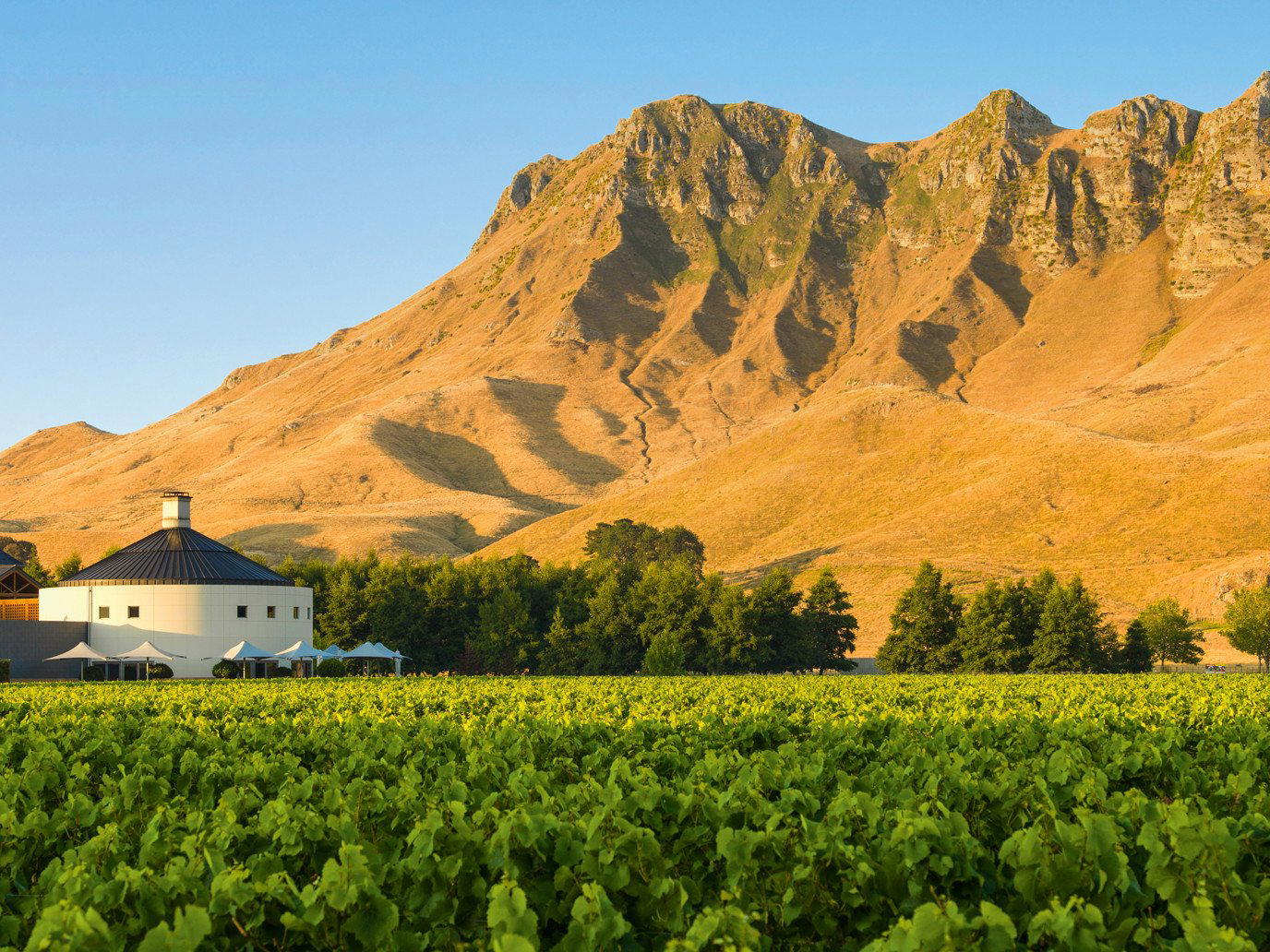
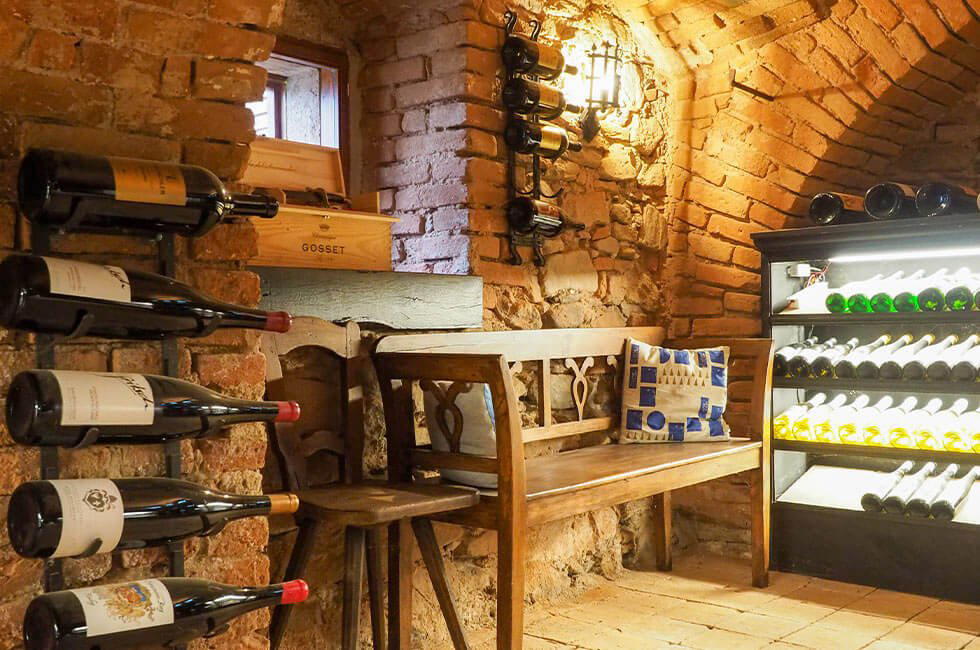
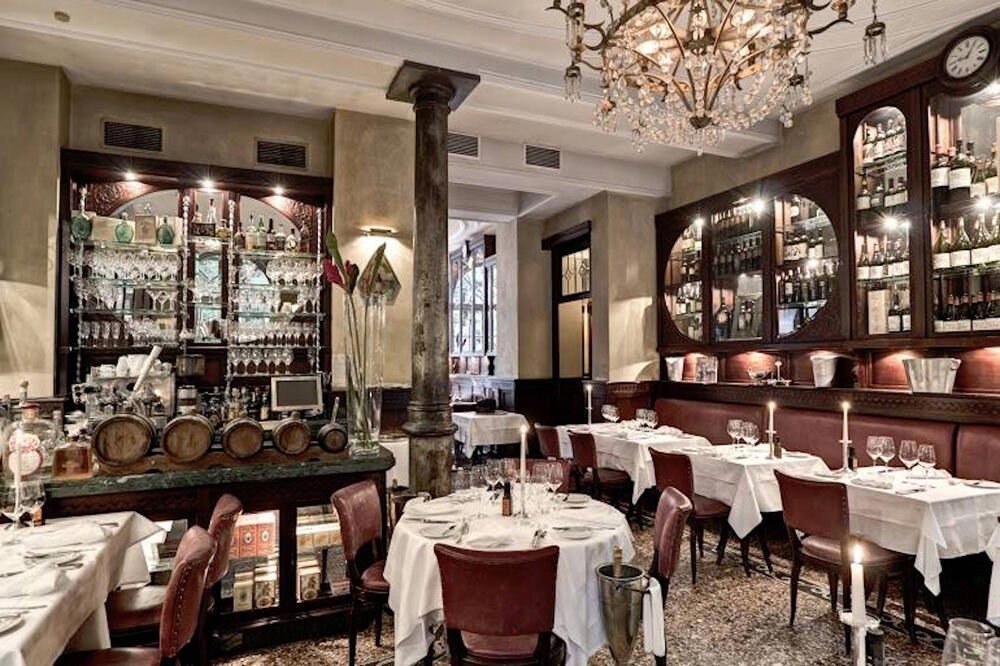
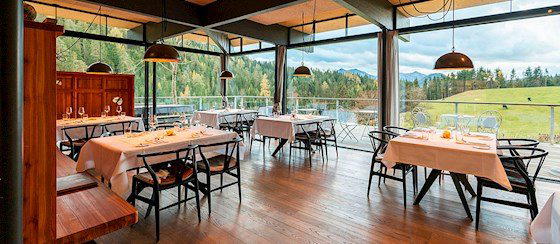
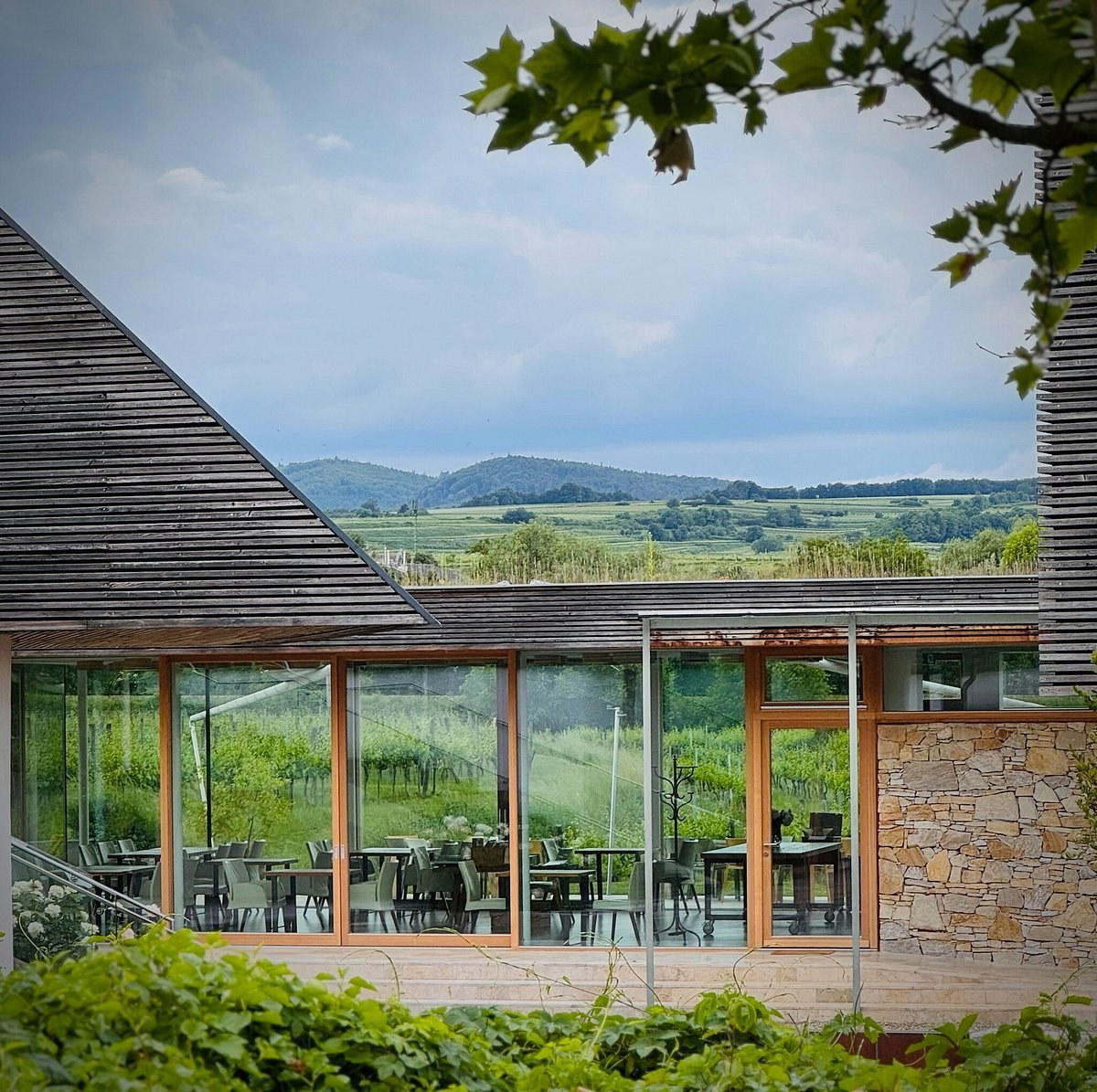
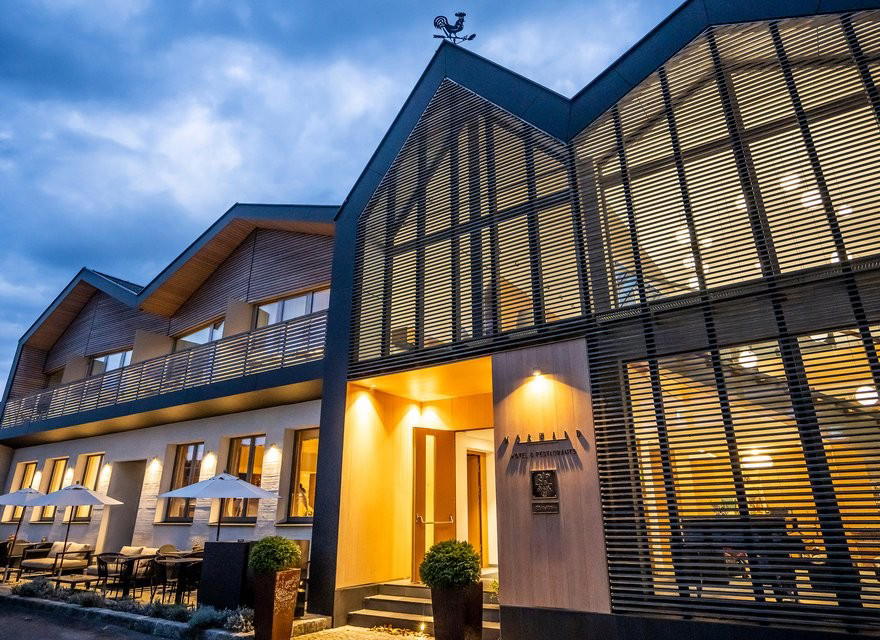
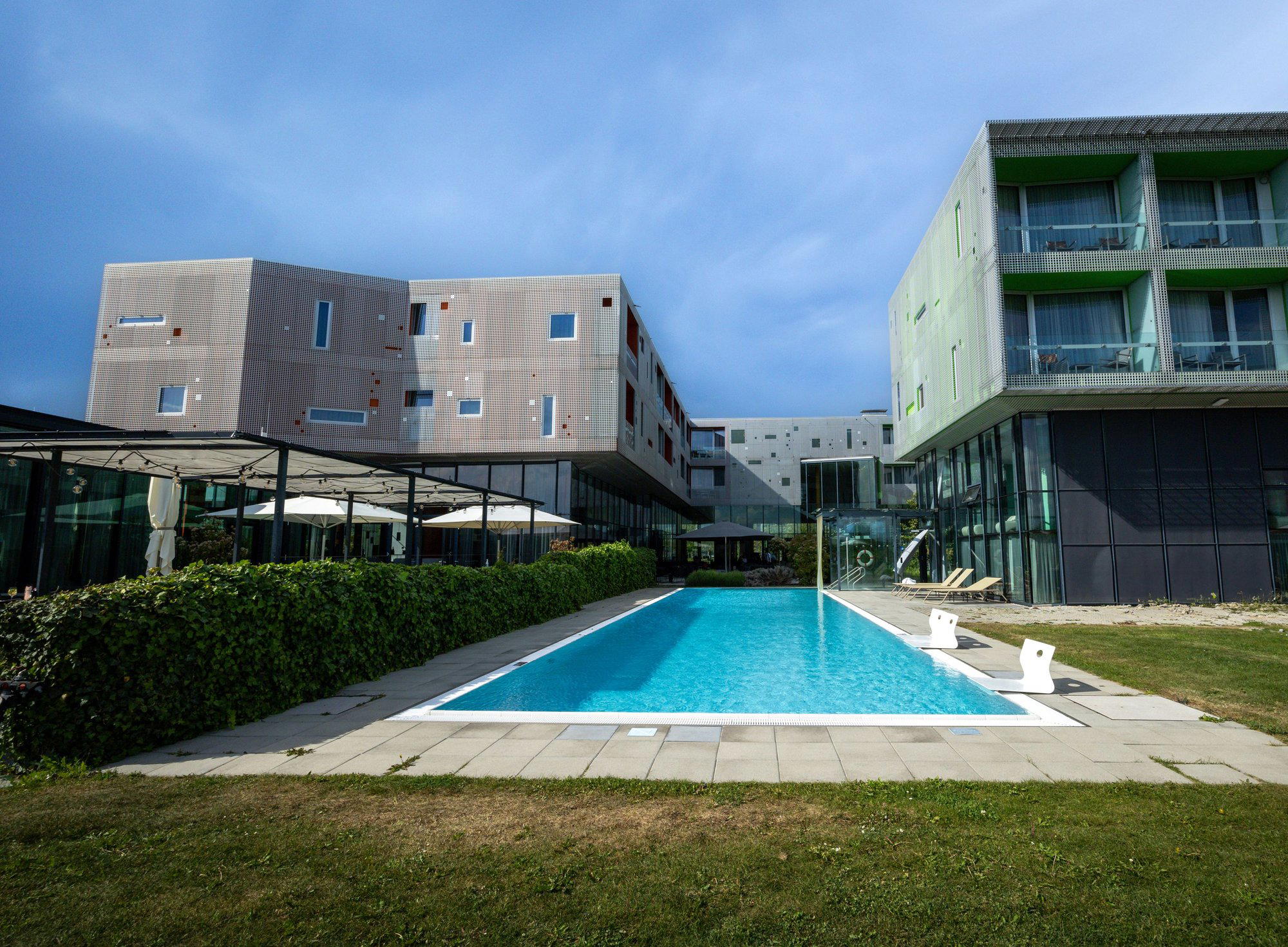
Contemporary architecture blending with traditional wine country landscape, offering panoramic views of vineyards and monastery in a charismatic wine cellar atmosphere.