Weingut Johann Topf

Falstaff Winery - 4 Stars
Weingut Johann Topf is a prestige-tier Austrian winery in Straß im Straßertale. Situated in the Kamptal-adjacent Straßertal valley, the estate operates within a cluster of serious small producers whose work defines the region's identity. For those tracing Austria's cool-climate wine tradition, it belongs on the itinerary alongside the Kamptal's most recognised names.

Pearl is the En Primeur Club membership app, where members save venues, book tables and use the concierge.
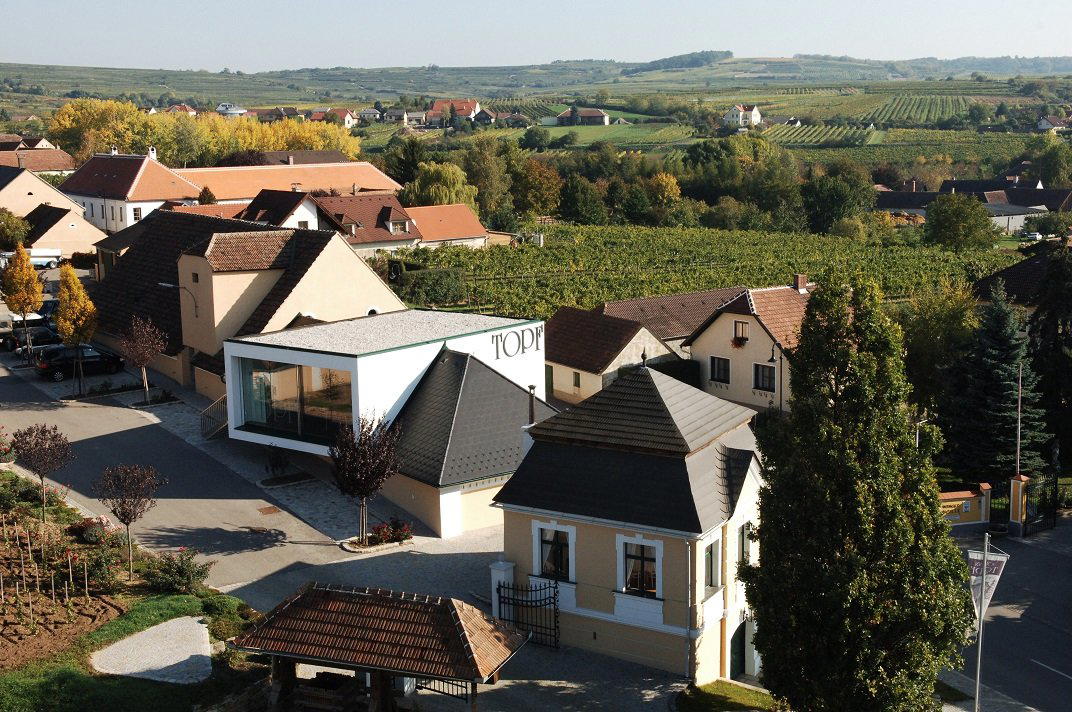
The Straßertal Setting and What It Tells You
The village of Straß im Straßertale sits in a quiet valley that runs south from the Kamptal, close enough to Langenlois that the vineyards share geological logic, yet distinct enough that it rarely appears in the same breath as Kamptal's better-known addresses. That gap between quality and recognition is a recurring feature of Austrian wine geography: small communes producing wines that benchmark against regional leaders, but drawing a fraction of the visitor traffic.
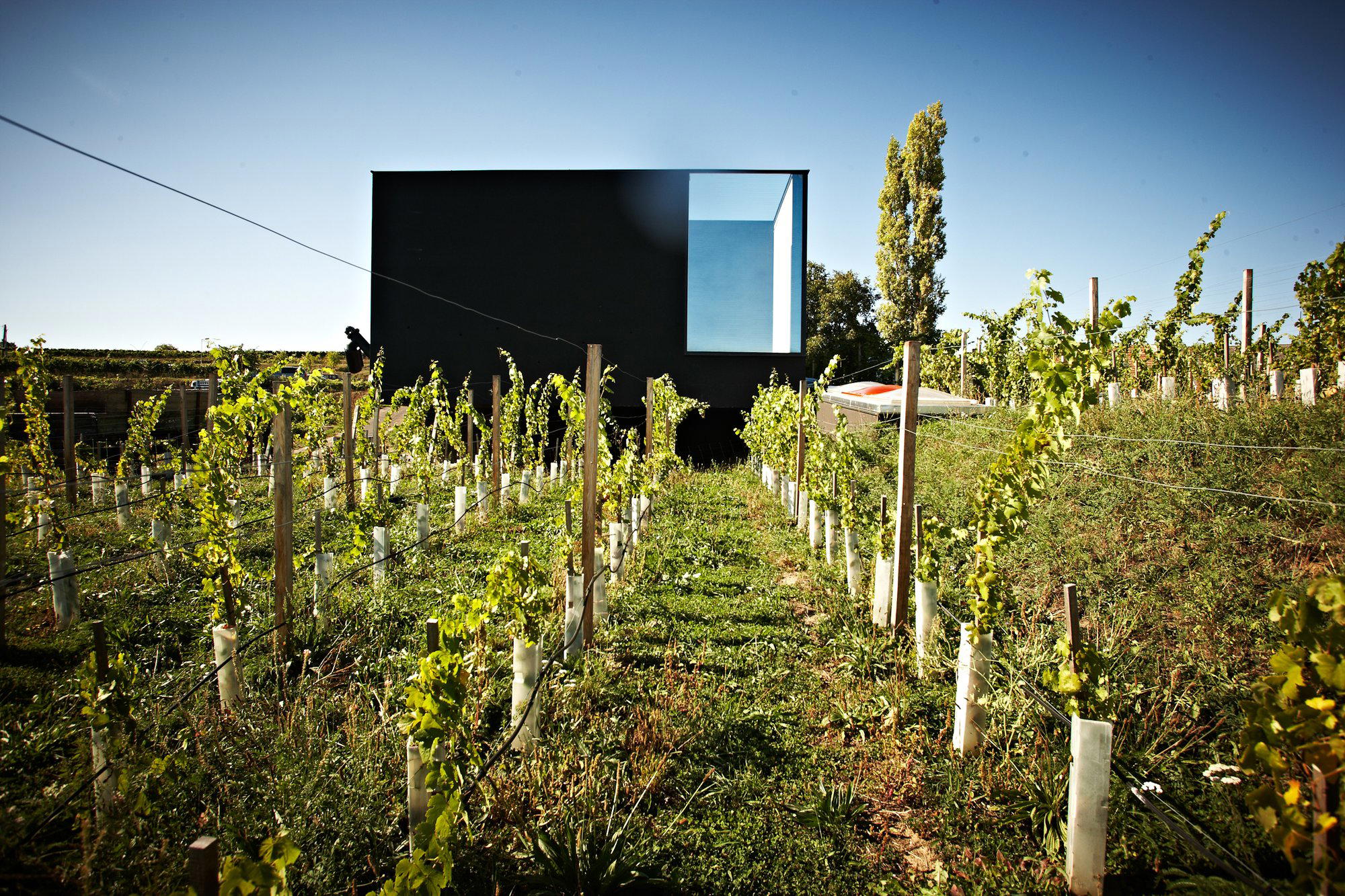
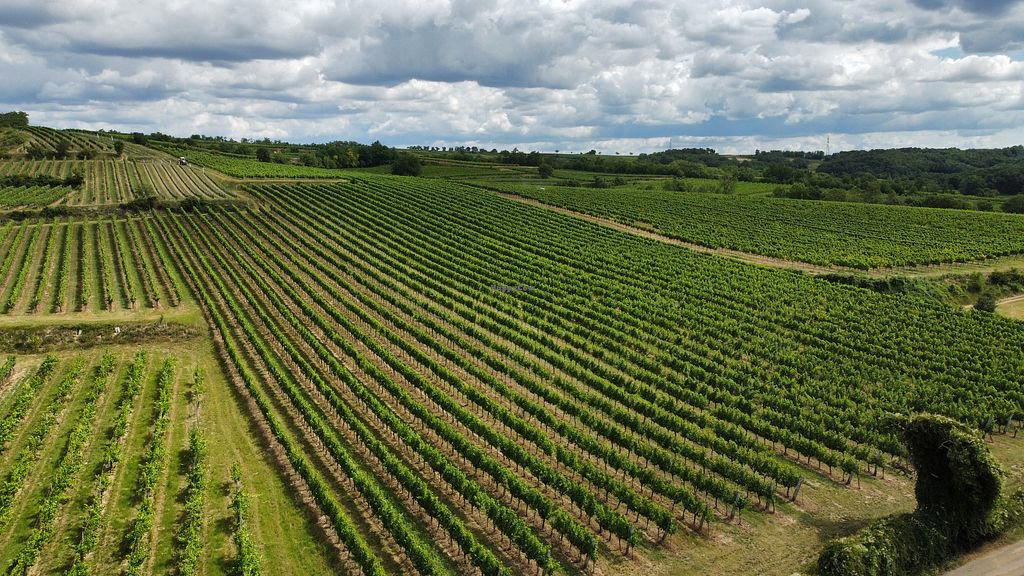
The address at Talstraße 162 confirms the valley-floor orientation, and the wider Straßertal context shapes how the estate fits into Austria's cool-climate winemaking tradition. The region's vineyards benefit from the same Pannonian warmth and cool northern airflow that define the neighbouring Kamptal, with loess and crystalline primary-rock soils producing wines of comparable structural precision to those made just a few kilometres away at estates like Weingut Bründlmayer in Langenlois or Weingut Emmerich Knoll in Dürnstein. The soil and climate context is not incidental, it is the primary reason the Straßertal produces wines capable of earning prestige-tier recognition.
Arriving in the Valley
Approaching Straß im Straßertale from Langenlois, the road narrows and the vineyards press closer to the tarmac. This is not a village that announces itself with signage or tourism infrastructure. The wineries here operate on a rhythm that assumes visitors already know why they came, and the absence of promotional noise functions as a kind of credential in itself.
The practical reality of visiting is that this is wine country where advance contact matters. The full Straß im Straßertale guide covers timing and context for the wider area and is the most practical starting point for trip planning.
Austria's prestige-tier small estates share a broadly consistent tasting format: unhurried, producer-led, and grounded in the specifics of site and season rather than a scripted performance. At this level, the tasting room is rarely separated from the working winery, and the person pouring the wine is often the person who made it. That proximity between production and hospitality is a structural feature of Austrian family estates at this scale, and it shapes the experience in ways that larger, more commercially organised operations cannot replicate.
For visitors calibrating expectations, this places the estate in a peer group that includes some of Austria's most carefully regarded small producers, even if the name does not yet carry the international profile of houses like Weingut Kracher in Illmitz or Weingut Wohlmuth in Kitzeck.
The tasting format itself, typical for estates of this type, rewards visitors who arrive with some knowledge of the region's grape varieties and site names. Grüner Veltliner and Riesling are the dominant varieties in the Kamptal and Straßertal, and the most instructive tastings at estates like this one draw on site-specific bottlings to illustrate how loess-heavy soils produce broader, more generous wine than the steep crystalline terraces that define Austria's most celebrated single-vineyard expressions. Visitors who have already spent time at Weingut Heinrich Hartl in Oberwaltersdorf or Weingut Pittnauer in Gols will arrive with a useful frame of reference for comparing Austria's different cool-climate wine zones.
Where Topf Sits in the Regional Picture
The Straßertal's producers are not chasing the international allocation lists that drive demand for Kamptal's most prominent names. They operate instead within a more locally anchored tradition, producing wines that circulate primarily within Austria and among the informed European buyers who follow the country's smaller appellations closely.
That positioning is neither a limitation nor a marketing failure. It is consistent with how quality has historically distributed across Austrian wine regions: a handful of internationally visible names at the leading, a wider tier of prestige-rated estates operating below the visibility threshold, and a long tail of smaller producers working at everyday quality levels.
For comparison, the broader Austrian wine scene includes estates across very different climatic and stylistic registers, from the Burgenland botrytis specialists represented by Kracher to the Styrian whites of Wohlmuth, and further afield to producers like Weingut Scheiblhofer in Andau. The Straßertal sits in a different stylistic register from all of these, defined by the cooler valley microclimate and the loess-dominated soils that shape wines of characteristic freshness and mineral precision.
Planning a Visit
Straß im Straßertale is accessible by road from Langenlois in under ten minutes, and from Vienna in roughly ninety minutes via the A22 autobahn and regional roads. The village has no significant accommodation infrastructure of its own, so most visitors base themselves in Langenlois or Krems and cover the Straßertal as a day visit. Harvest season, running broadly from late September through October, is the period when the valley is most alive with activity, and tastings at estates of this calibre are generally more accessible during that window than at other points in the year.
Without a publicly listed website or phone number, the practical approach for securing a tasting is to arrive during normal winery hours with the understanding that small Austrian estates at this quality tier frequently accommodate visitors on a walk-in basis during the working day, particularly outside peak summer weeks. Planning the visit as part of a wider Kamptal itinerary, taking in the cluster of Straß producers alongside the more prominent Langenlois names, makes the most of the distance and provides a useful comparative frame for the wines.
For context on the surrounding area's broader wine and hospitality offering, the Straß im Straßertale guide covers the village's full producer landscape. Those extending the trip toward Vienna's more experimental wine and spirits scene might also cross-reference producers in entirely different categories, including 1516 Brewing Company in Vienna, for a wider picture of Austrian craft production.
Frequently Asked Questions
Cuisine and Recognition
Comparable venues nearby, for context on price, style, and recognition.
| Venue | Cuisine | Awards | Notes |
|---|---|---|---|
| Weingut Johann TopfThis venue (the venue you are viewing) | Grüner Veltliner, Riesling | Falstaff Winery - 4 Stars | Not listed |
| Weingut Allram | Grüner Veltliner, Riesling | Falstaff Winery - 4 Stars | Straß im Straßertale |
| Weingut Arndorfer | Grüner Veltliner, Riesling | Falstaff Winery - 3 Stars | Straß im Straßertale |
| Koskij Distillery | Winery | Not listed | Vienna |
| Privatbrennerei Hiebl | Winery | Not listed | Reikersdorf |
| Mountain Spirits Distillery | Winery | Not listed | Axams |
Recognition history
Dated appearances from independent guides and award organizations, with the underlying list record or original source where available.
Falstaff Winery - 4 Stars
Falstaff
Continue exploring
More in Straß im Straßertale
Wineries in Straß im Straßertale
All wineries in Straß im Straßertale →
Details
- Classic
- Quiet
- Rustic
- Sophisticated
- Wine Education
- Group Outing
- Special Occasion
- Private Tasting
- Historic Building
- Barrel Room
- Sustainable
- Vineyard
- Grüner Veltliner
- Riesling
- Chardonnay
- Weißburgunder
- Sauvignon Blanc
- Pinot Noir
- Zweigelt
- Still White
- Still Red
- Sparkling
- Guided Tasting
- Cellar Door Tasting
- Direct Purchase
- German
- English
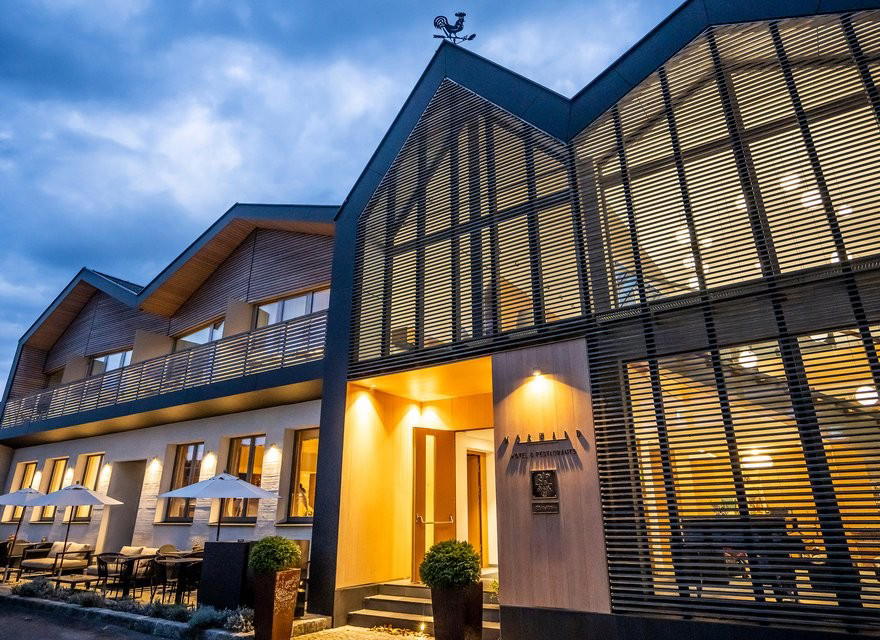
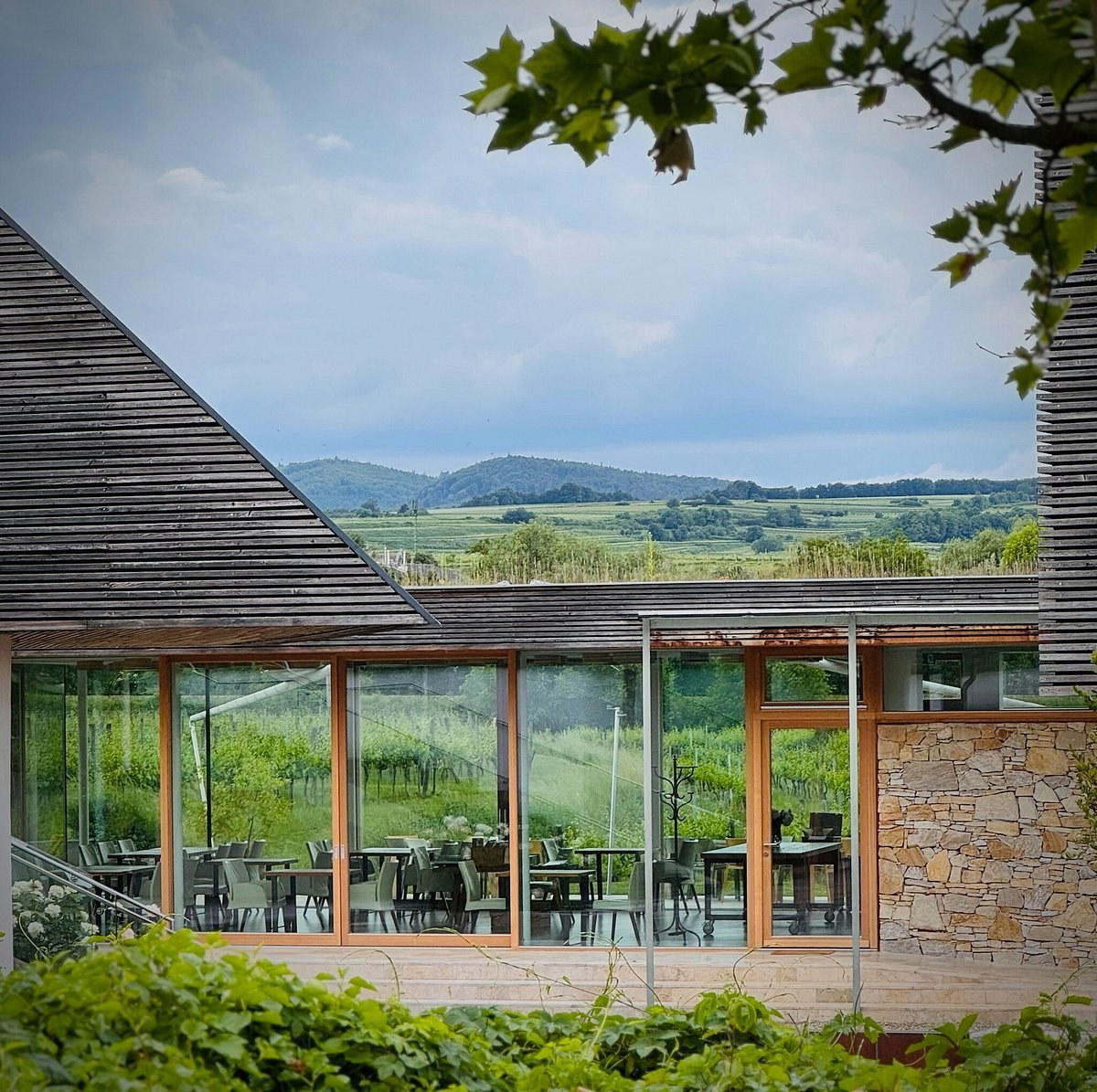
Historic, traditional winery atmosphere with a private vinothek and cellar-aged wines; the estate emphasizes heritage, craftsmanship, and origin-driven production.