Weingut Bassermann-Jordan

One of the Pfalz's most historically rooted estates, Weingut Bassermann-Jordan has shaped the identity of Deidesheim's Grand Cru vineyards for generations. Holding a Pearl 3 Star Prestige rating in 2025, the estate sits in the uppermost tier of German Riesling producers, where site fidelity and cellar discipline define the work. Kirchgasse 10 is where that long-standing tradition is still made legible, one vintage at a time.
 Discover on Pearl
Pearl is the En Primeur Club membership app — saves, bookings, and concierge access live there. Same editors, same standards.
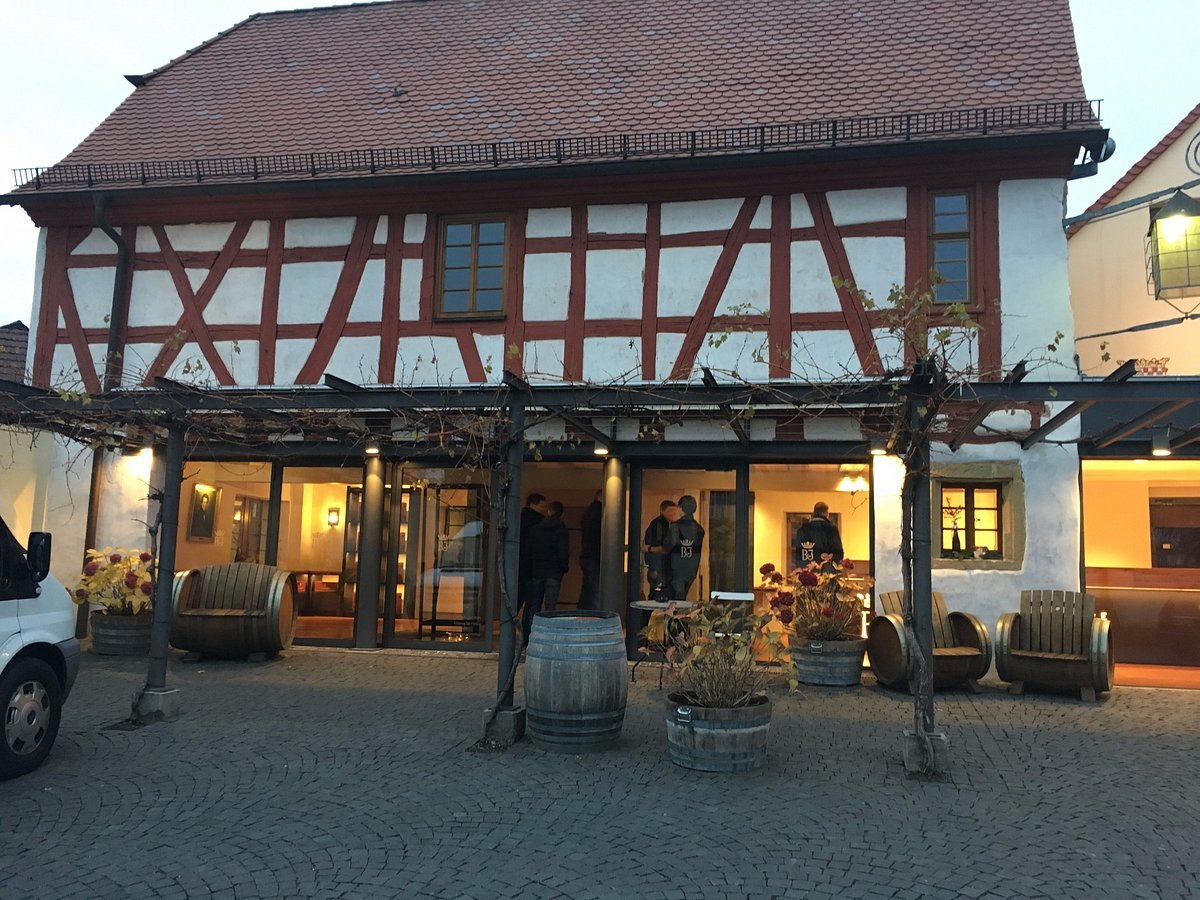
The Pfalz in a Glass: What Deidesheim's Soils Actually Produce
The Pfalz is Germany's warmest and most productive major wine region, a stretch of foothills sheltered by the Haardt mountains along the Rhine plain. Where the Mosel trades in slate-driven tension and the Rheingau in cool-climate restraint, the Pfalz offers fuller-bodied Rieslings with a stone fruit register and enough structure to age for decades. Deidesheim sits at the heart of that expression, a small market town whose surrounding Lagen — classified vineyards of well-drained loam, sandstone, and basalt — have drawn serious winemaking ambition for centuries. The combination of sun exposure, diurnal temperature swing, and shallow, mineralised soils creates conditions where Riesling doesn't merely survive but arrives at a particular clarity of character that is difficult to replicate elsewhere in Germany.
Within that context, Weingut Bassermann-Jordan at Kirchgasse 10 occupies a position earned over many generations of site-focused viticulture. The estate holds a Pearl 3 Star Prestige rating in 2025, placing it among the most formally recognised producers in the region and aligning it with a peer set defined by long-standing vineyard ownership, careful cellar work, and a measurable record of critical attention. In Deidesheim specifically, that puts it alongside estates like Weingut Reichsrat von Buhl and Weingut Von Winning in a concentrated cluster of serious producers sharing some of the same Grand Cru-classified parcels.
Terroir as Argument: What the Vineyards Around Deidesheim Actually Say
Terroir in the Pfalz is not a marketing abstraction. The estates that have worked these specific sites for long periods have accumulated the kind of evidence , across wet years, drought years, cold springs, and hot harvests , that allows them to speak with precision about what each parcel contributes. The Erste Lagen and Grosse Lagen classification system introduced by the VDP (Verband Deutscher Prädikatsweingüter) formalises what growers have known empirically: that certain Deidesheim plots consistently produce wines with greater depth, site specificity, and ageing potential than those from flatter or less well-drained ground.
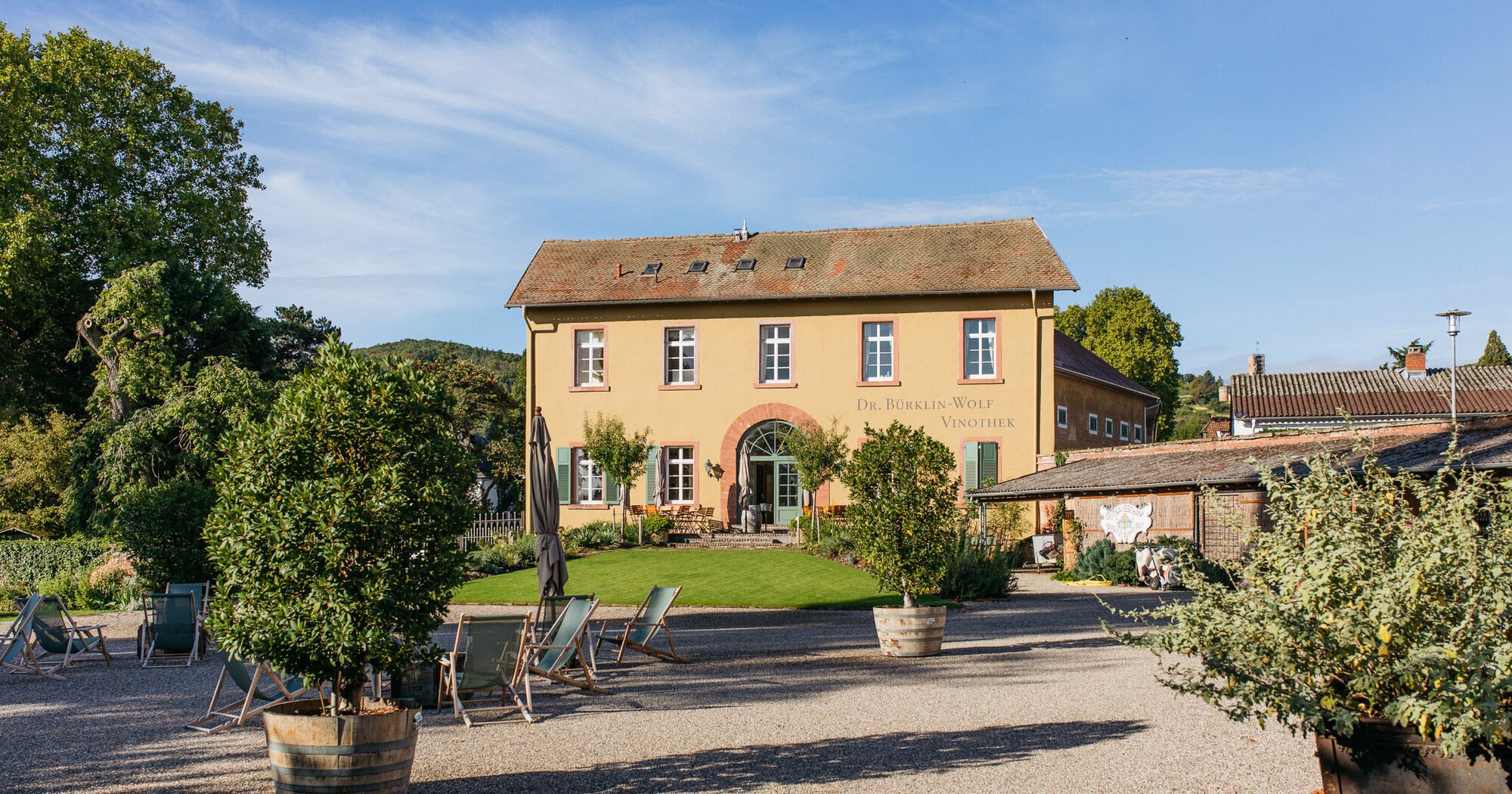
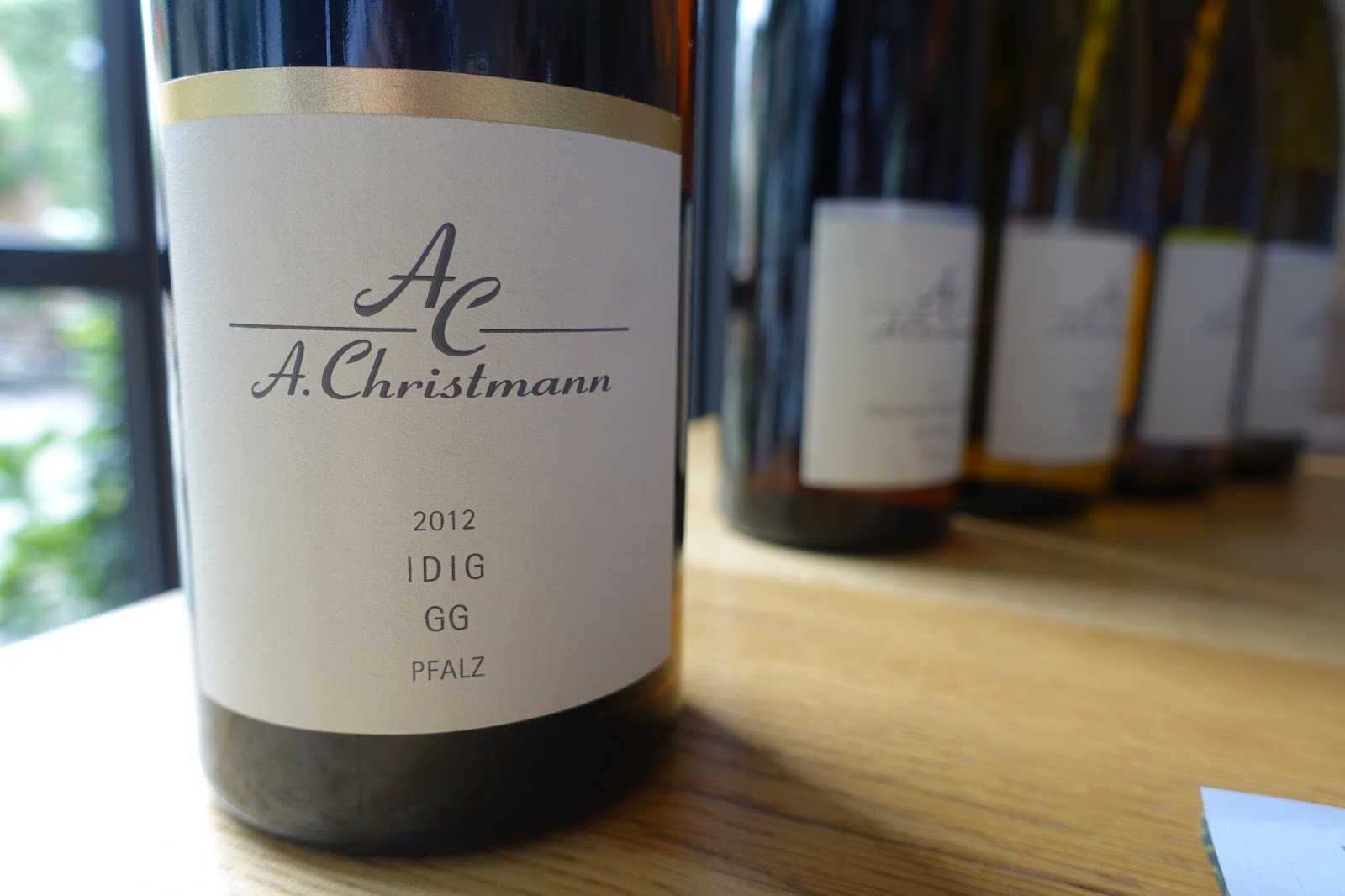
Bassermann-Jordan's classification under this system, combined with its 2025 Pearl 3 Star Prestige recognition, signals a producer operating in the tier where vineyard ownership and site expression are the primary arguments. This is where comparisons across the broader German fine wine scene become useful. Estates like Weingut Dr. Bürklin-Wolf in Wachenheim an der Weinstraße and Weingut A. Christmann in Neustadt an der Weinstraße occupy a comparable register , VDP members with long site histories and critical recognition that positions them against Burgundy's domaine model rather than volume production. What connects these producers is a shared argument: that place, not intervention, is the primary source of wine quality.
Further afield, the same conversation appears in different regional dialects. Weingut Clemens Busch in Pünderich makes it with Mosel slate; Weingut Fritz Haag in Brauneberg pursues a similar logic in the Brauneberg Juffer. In Franken, Weingut Bürgerspital zum Heiligen Geist in Würzburg adds institutional longevity to that argument. What changes is the geology. What persists is the commitment to letting the site speak in the finished wine.
Deidesheim's Place in the German Fine Wine Hierarchy
Germany's fine wine scene has spent the past two decades reasserting itself internationally, with dry Riesling in particular finding a new critical audience that had previously defaulted to Burgundy or Austria. Deidesheim has benefited from that reappraisal: its classified vineyards now command serious allocations, and the town's cluster of VDP estates produces wines that appear regularly on restaurant lists in London, Tokyo, and New York. The Pfalz as a whole has moved from being perceived as a warmer, easier-going alternative to the Mosel or Rheingau into a legitimate prestige address in its own right.
That shift is visible in the comparison set. Producers like Weingut Georg Breuer in Rüdesheim am Rhein were early in making dry Riesling a serious international proposition; Kloster Eberbach in Eltville carries a historical weight that gives German wine institutional credibility. Bassermann-Jordan fits into this landscape as a Pfalz estate with the longevity and site depth to anchor that reappraisal rather than merely ride it. The Pearl 3 Star Prestige rating it carries in 2025 is consistent with recognition given to estates operating at this level of documented site commitment and regional authority.
The broader German Riesling scene also connects to producers well outside the classic regions. Weingut Battenfeld-Spanier in Hohen-Sülzen and Weingut Grans-Fassian in Leiwen represent how the conversation extends into Rheinhessen and the middle Mosel respectively, each contributing a different site character to the same ongoing argument about what German wine can achieve. Weingut Allendorf in Oestrich-Winkel adds a Rheingau perspective. Within that wider peer set, Bassermann-Jordan's Pfalz address and Grand Cru vineyard access are defining factors.
Visiting Deidesheim: What to Know Before You Go
Deidesheim is a compact and walkable town, and the concentration of serious estates within a few streets of one another makes it one of the more rewarding single-afternoon destinations in German wine country. The address at Kirchgasse 10 is central to the old town, close to the market square where wine festivals draw regional visitors in summer and early autumn. The Pfalz Wine Road (Deutsche Weinstraße) passes through Deidesheim, making the town accessible by car from Mannheim or Kaiserslautern within 30 to 40 minutes, and from Frankfurt in under 90 minutes. Train connections from Mannheim reach Neustadt an der Weinstraße, roughly 10 kilometres south, from which local transport or taxis cover the remaining distance.
Visitors planning a serious tasting circuit in the region should note that Deidesheim's three principal estates , Bassermann-Jordan, Von Buhl, and Von Winning , are all within a short walk of one another, which allows for back-to-back comparisons of how different ownership structures and cellar philosophies express the same classified vineyards. For a broader Pfalz itinerary, our full Deidesheim restaurants guide maps the town's food and wine options in more detail. Those extending to the wider German fine wine circuit will find that estates like Weingut Reichsrat von Buhl offer a useful reference point for understanding how neighbouring estates with shared vineyard access can produce meaningfully different wines.
Visitors from outside Europe planning a German wine country trip sometimes ask how the Pfalz compares to Napa or Burgundy as a destination. The scale is smaller, the infrastructure less tourism-heavy, and the engagement with individual producers more direct. For context on how internationally recognised estates elsewhere approach allocation and visitation, Accendo Cellars in St. Helena offers a Napa reference point where scarcity and site focus similarly define the proposition.
Quick Comparison
A compact peer snapshot based on similar venues we track.
| Venue | Cuisine | Price | Awards | Notes |
|---|---|---|---|---|
| Weingut Bassermann-Jordan | This venue | |||
| Jacquart | ||||
| Lingua Franca | ||||
| Weingut Reichsrat von Buhl | ||||
| Weingut Von Winning | ||||
| Kloster Eberbach |
Continue exploring
More in Deidesheim
Wineries in Deidesheim
Browse all →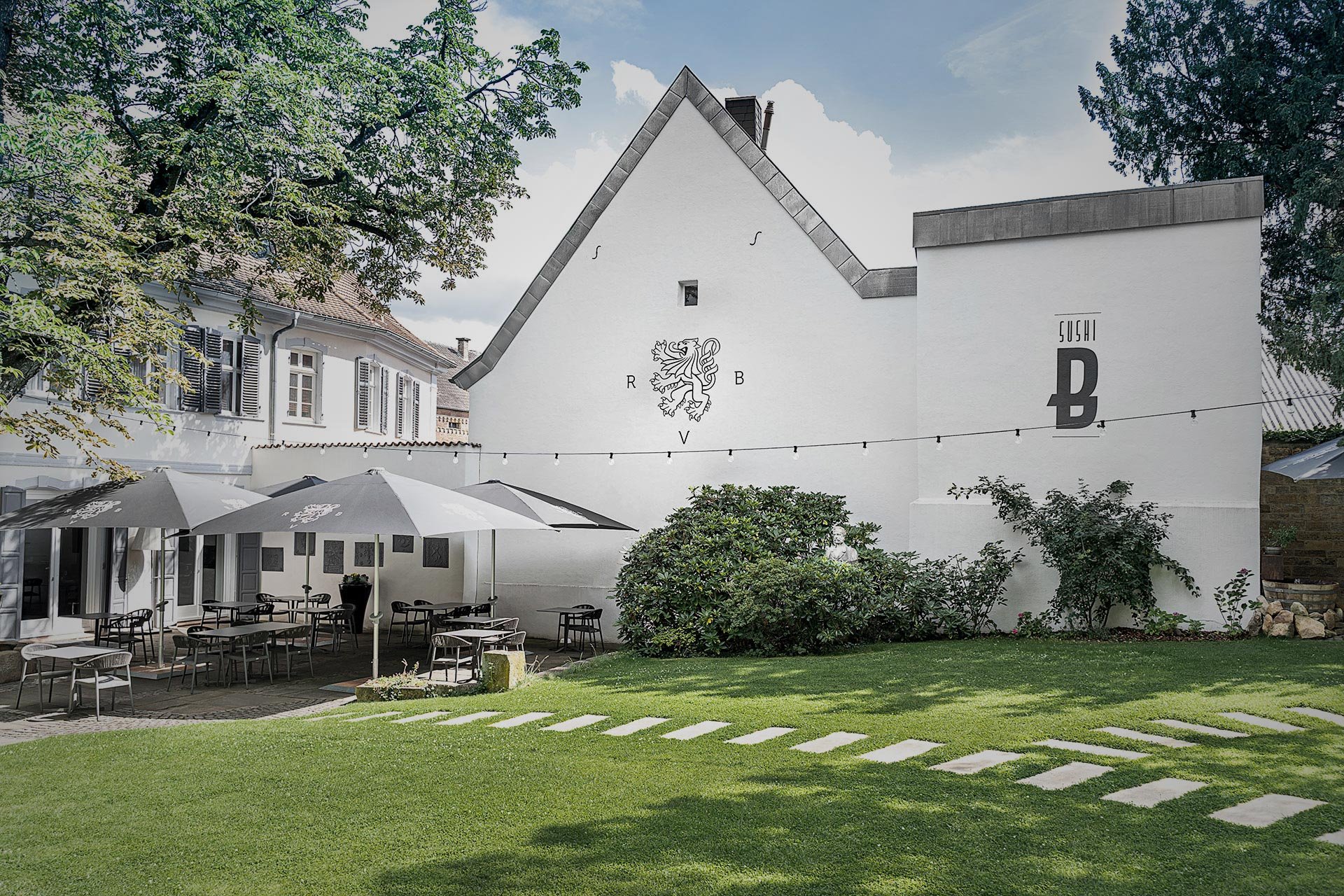
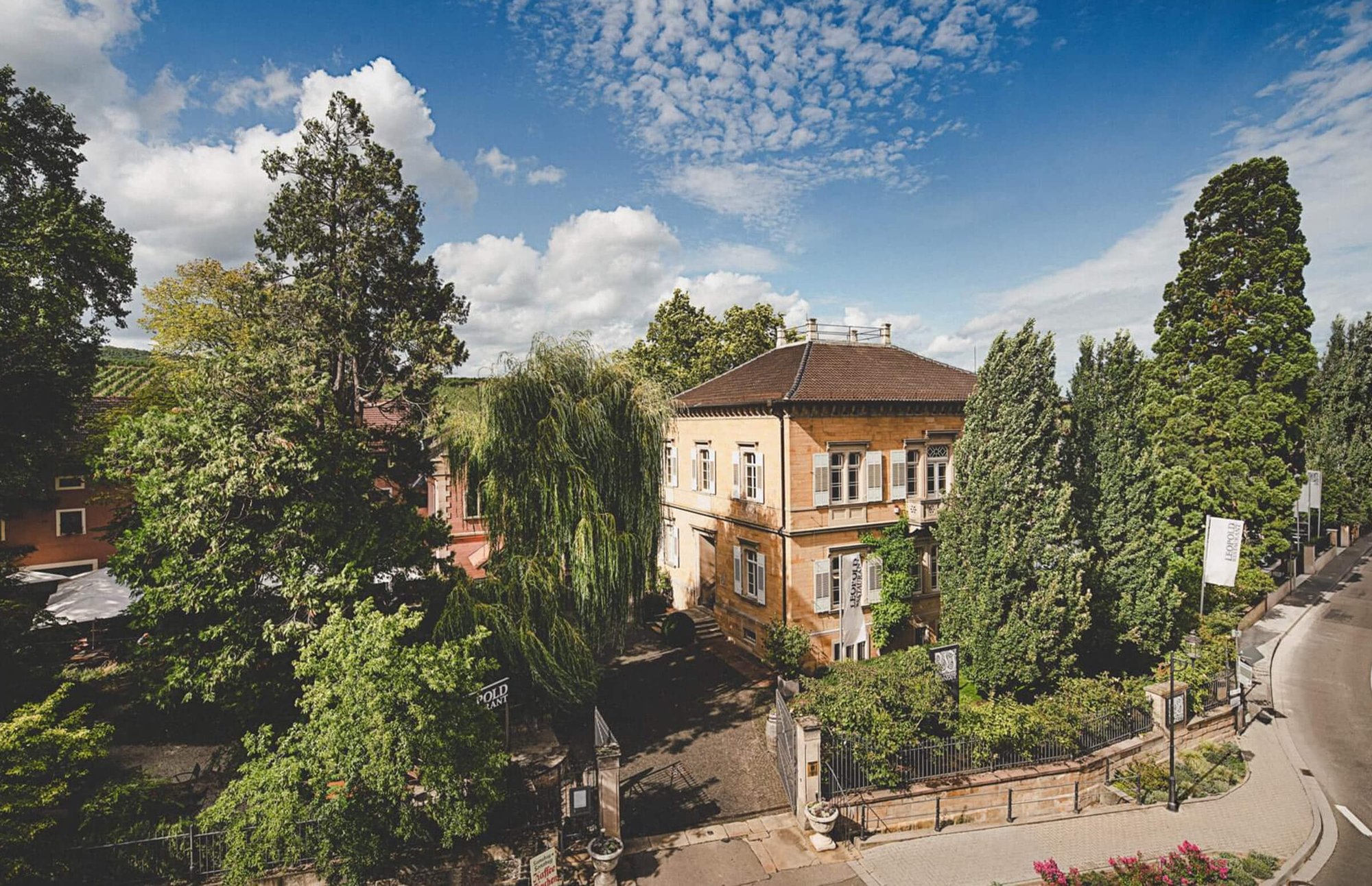
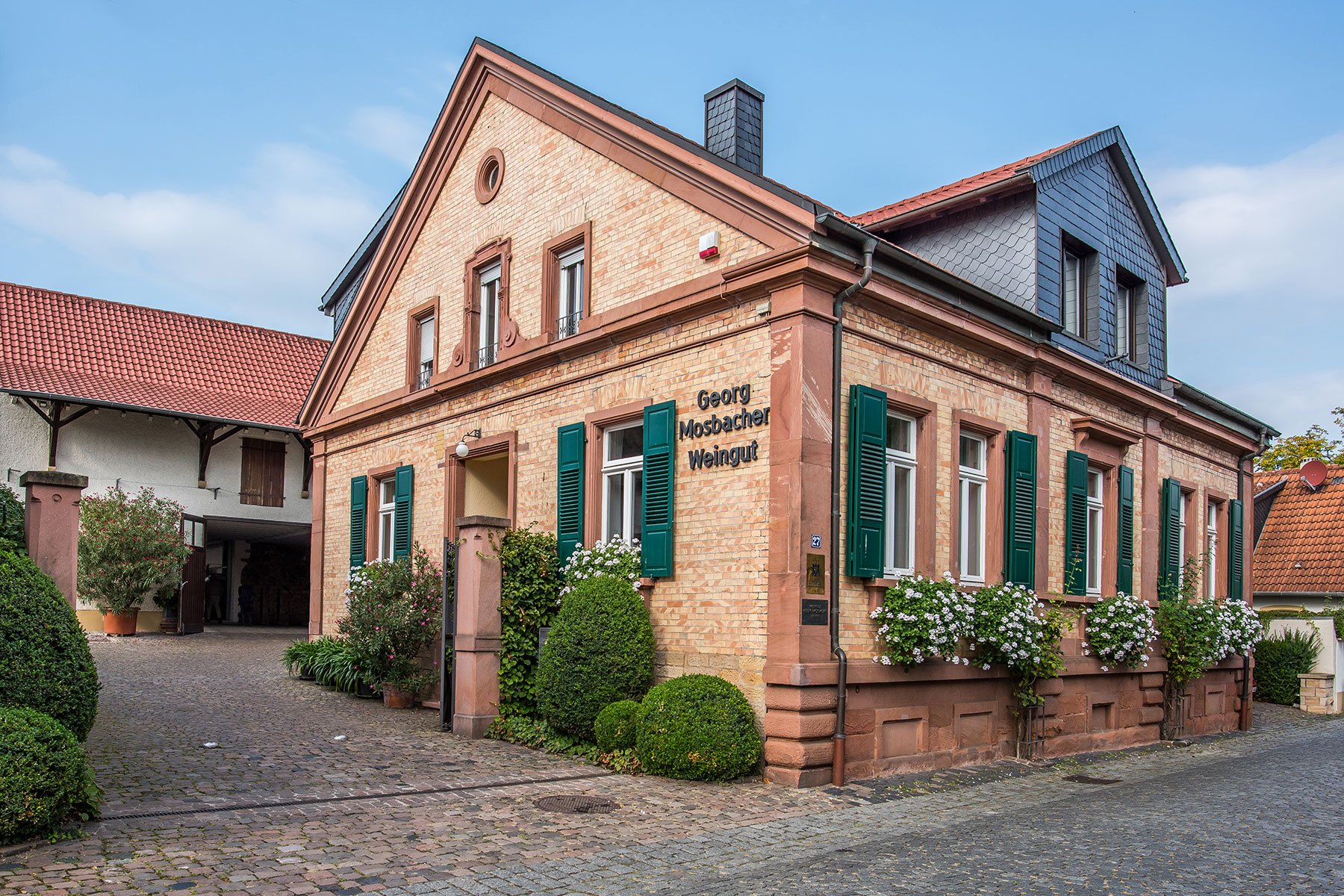
Restaurants in Deidesheim
Browse all →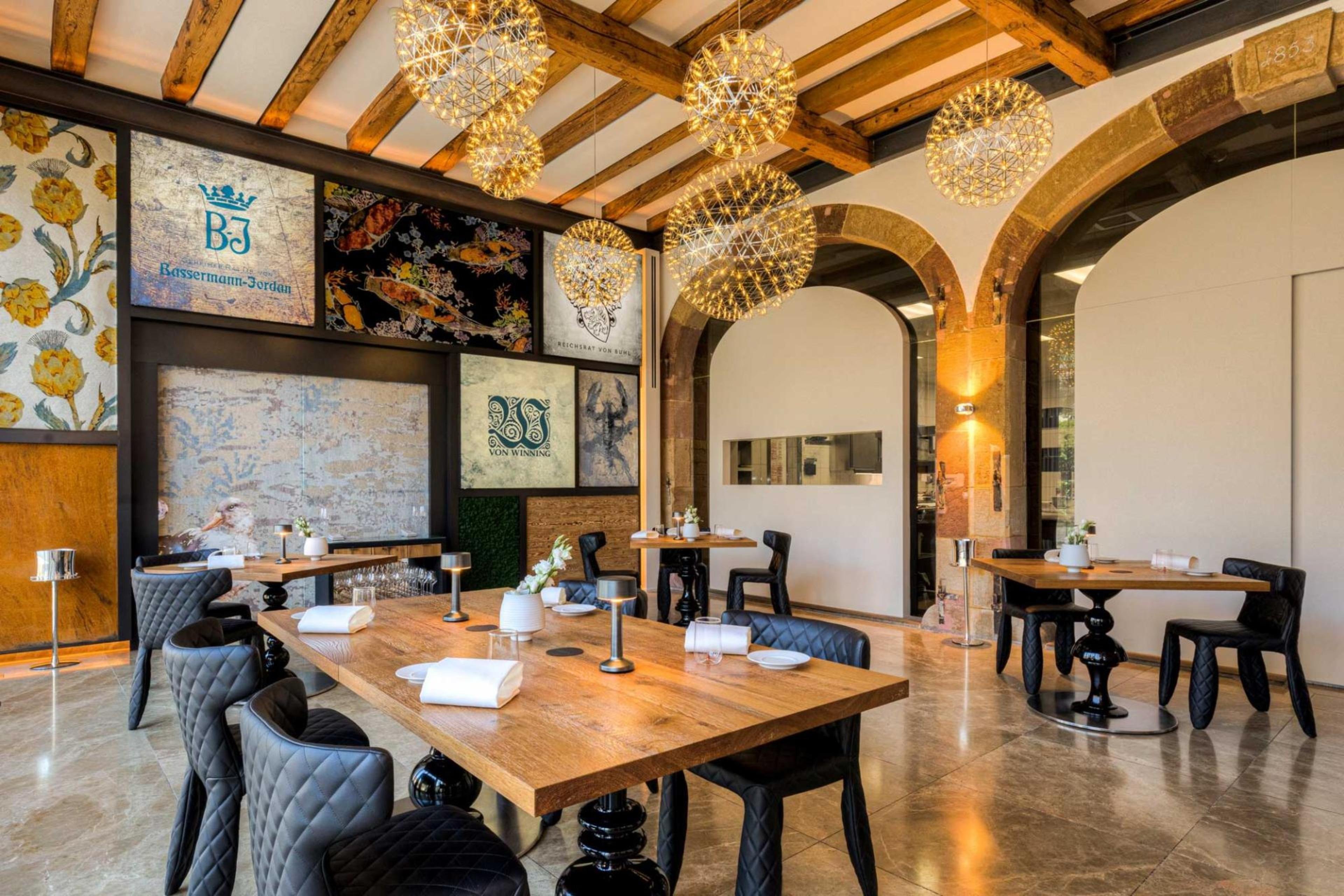
At a Glance
- Classic
- Elegant
- Historic
- Scenic
- Wine Education
- Special Occasion
- Historic Building
- Vineyard Tour
- Estate Grounds
- Organic
- Vineyard
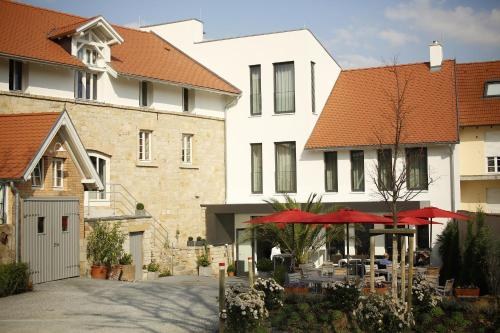
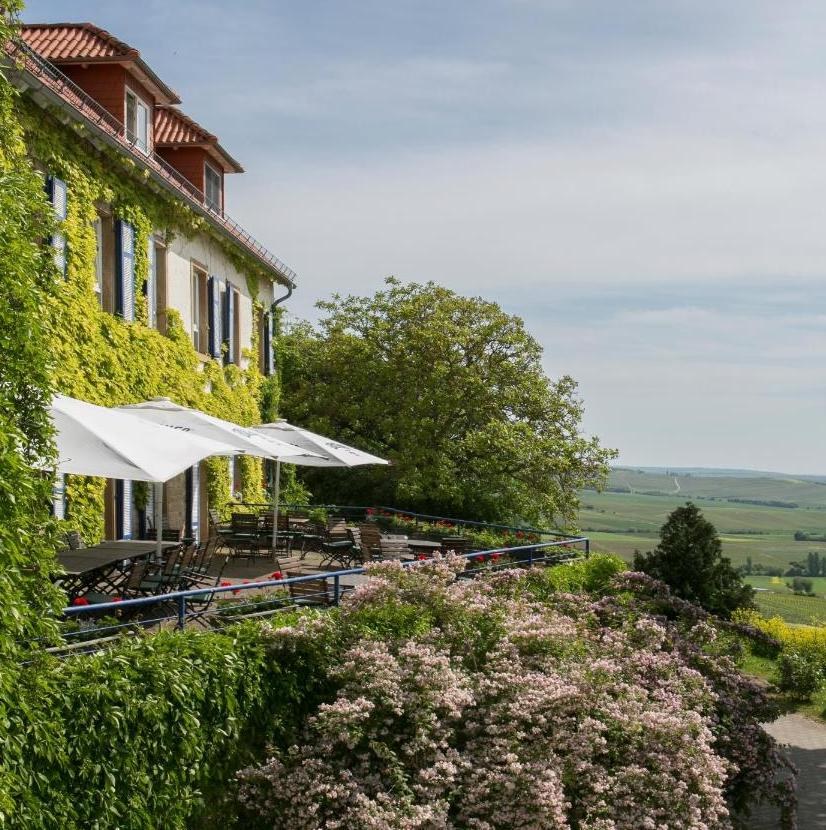
Traditional sandstone vaulted cellars with gentle aging in wooden casks, evoking a sophisticated and storied atmosphere.