
Haras de Pirque sits in the Maipo Valley's Pirque subzone, where the Andes foothills compress growing conditions into some of Chile's most concentrated Cabernet Franc and Carmenère terroir. It belongs to a small tier of Pirque producers treating altitude and alluvial soils as the primary argument in the glass.
Pearl is the En Primeur Club membership app — saves, bookings, and concierge access live there. Same editors, same standards.
- Address
- Pirque, Santiago Metropolitan Region, Chile
- Phone
- +56 2 2854 7910
- Website
- haraswines.com
- Directions
- Get directions
 Saves & bookings on Pearl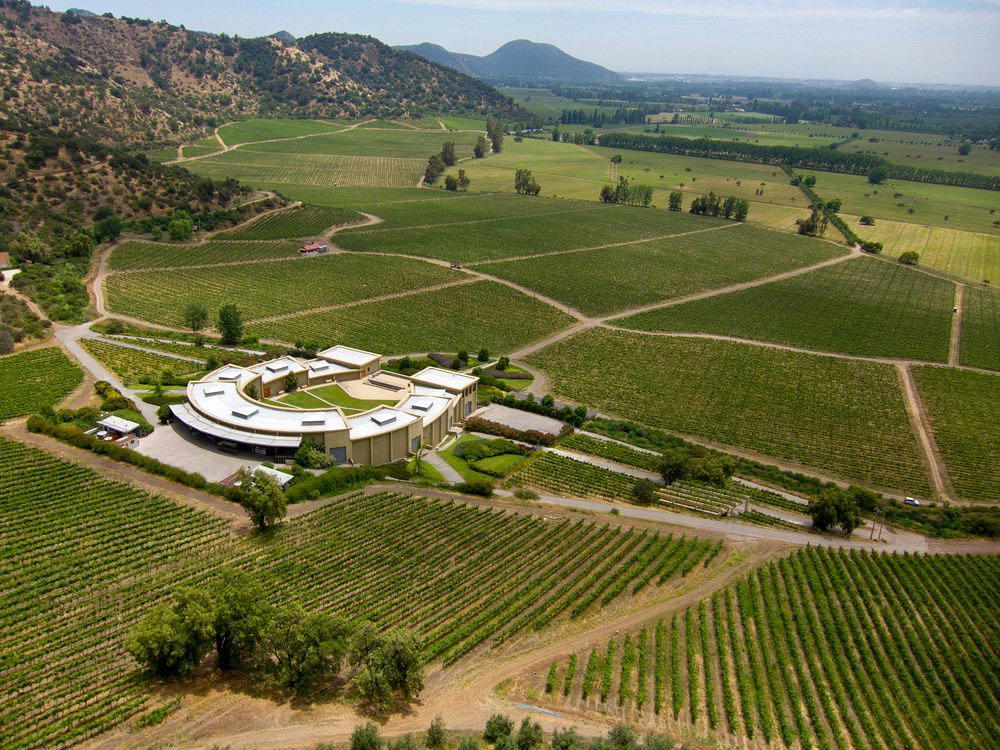
Where the Andes Begin to Make Their Case
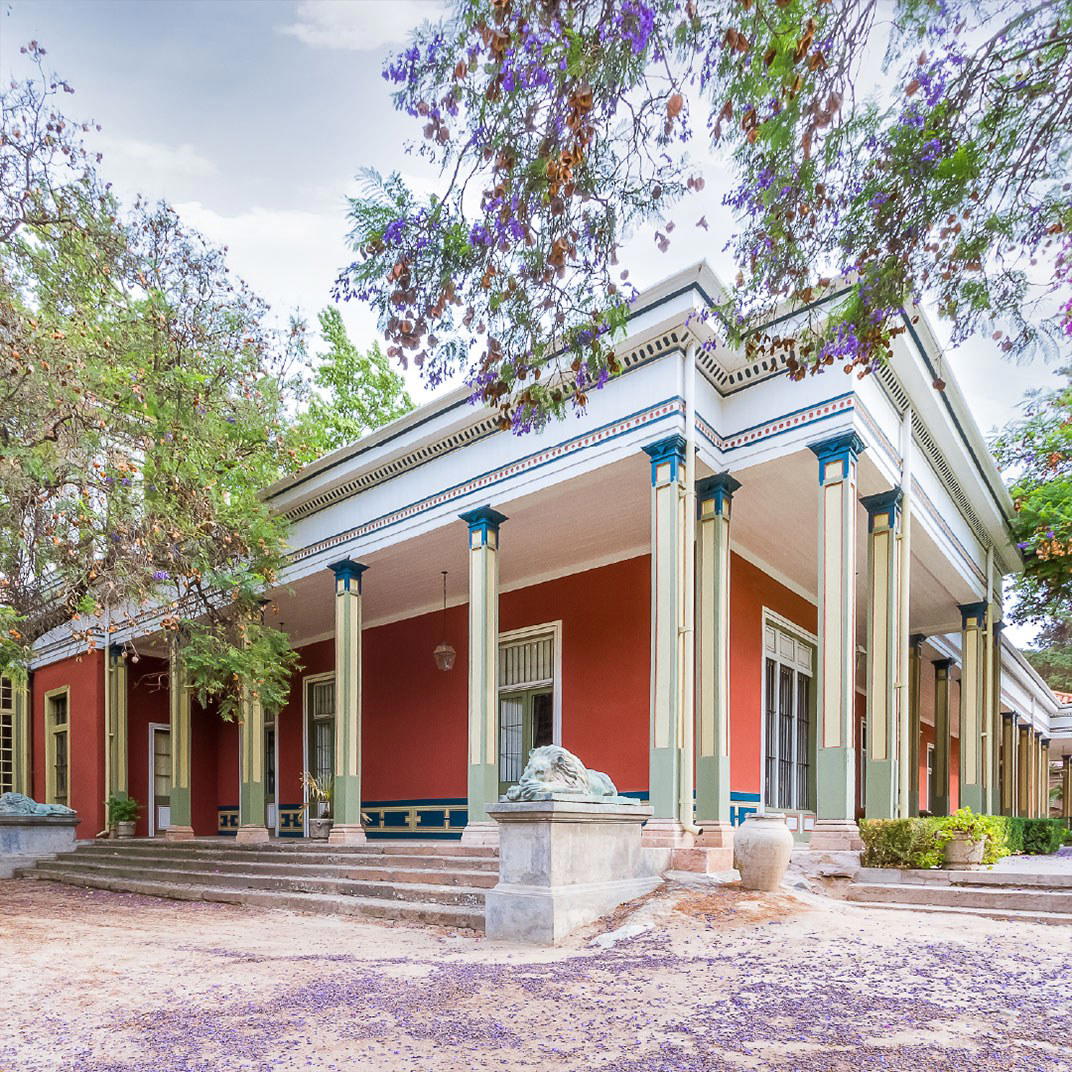
The road into Pirque from Santiago climbs gradually, the city's smog giving way to dry Andean air and a scrubland palette that shifts by season. Fundo La Rochuela sits along Camino Macul in this eastern fold of the Maipo Valley, where the Andes foothills stop being background scenery and start being an active presence: altitude, diurnal temperature swings, and alluvial soils deposited across millennia by glacial runoff. These are not incidental features. They are the conditions that define what Haras de Pirque puts in the bottle.
Pirque occupies the upper reaches of the Maipo Valley appellation, the zone that Chilean wine has long treated as its Cabernet heartland. But within that story, the Pirque subzone operates at a different register than the valley floor, higher elevation, harder rock-and-gravel subsoils, and a proximity to snowmelt that keeps vine stress specific and measurable. The properties here, including neighbours like Viña El Principal and the vast operation at Viña Concha y Toro, share that geography but interpret it differently.
Terroir as the Starting Point, Not the Afterthought
The Maipo Valley's reputation was built on Cabernet Sauvignon, and rightly so, the combination of warm days, cool nights, and mineral-dense soils produces a structural profile that ages with unusual authority. But the Pirque subzone has increasingly drawn attention for Carmenère and Cabernet Franc, varieties that respond to slightly cooler, more elevation-influenced conditions with an aromatic complexity that the valley floor struggles to replicate. In this part of Chile, those varieties carry tobacco leaf, dark herb, and graphite notes rather than the jammy fruit register that warmer Maipo sites tend to produce.
Haras de Pirque's address at Fundo La Rochuela places it in this more complex subzone. The estate name itself references the equestrian tradition that gave many Chilean wine estates their original economic logic before viticulture took over as the primary activity. That layering of land use, horse breeding, agriculture, viticulture, reflects a broader pattern across premium Chilean wine estates, where old-money pastoral land has been systematically converted into carefully managed vineyard blocks over the past three decades. The transition was not incidental to quality; it meant estates entered viticulture with deep knowledge of their soil profiles and drainage patterns.
Across the wider Chilean wine context, the estates that most consistently translate Pirque's terroir advantage into bottle are those treating site selection and canopy management as precision work rather than agricultural routine. The Andes proximity here means afternoon cloud cover arrives earlier than in lowland Maipo, extending the phenological ripening window and allowing sugar accumulation to proceed more gradually. That slower ripening is what separates the better Pirque reds from comparable price-tier bottlings further west in the valley.
A Prestige Tier in a Specific Geography
In the context of Pirque's producer community, that recognition signals consistency at a level that requires more than one strong vintage, it reflects a demonstrated relationship between site and craft that repeats across years. This matters particularly in Maipo, where the vintage-to-vintage variation introduced by El Niño cycles and late-season rain events tests winemaking discipline as much as terroir advantage.
For context on how Pirque compares to the wider Chilean wine geography: the Colchagua Valley, home to estates like Viña Casa Silva and Viña MontGras, works warmer, more maritime-influenced conditions that suit Syrah and Carmenère at a richer register. Further south in the Maule Valley, producers like Viña Valdivieso operate with cooler temperatures suited to sparkling and lighter reds. Pirque's value proposition is different: it occupies the convergence of Andes proximity and a long-established premium red wine identity that no other Chilean subzone replicates in quite the same way.
Comparing outward from Chile entirely, the structural argument for Pirque Cabernet sits closer to Mendoza's Luján de Cuyo than to Napa Valley, both share an Andean elevation influence and a mineral, tobacco-edged profile, though Pirque's lower average temperatures during ripening tend to produce wines with slightly higher natural acidity and more angular tannin in youth. Estates working with that profile, like Viña Seña in Panquehue, have used it as the basis for positioning at international price points usually associated with Bordeaux blends.
How to Approach a Visit
Getting to Fundo La Rochuela requires coming from Santiago, with Pirque sitting roughly 40 kilometres southeast of the city centre. The route via Puente Alto and Camino Macul is the standard approach, passing through the increasingly suburban fringe of the metropolitan region before the landscape opens into the estate zone. Most visitors arrive by car;
Haras de Pirque is open Monday through Saturday from 9 AM to 6 PM and is closed on Sundays. Reservations are recommended. The appointment model is the norm across Pirque's prestige producers, so planning ahead by at least a week is standard practice for this part of the valley.
For those building a wider Maipo Valley itinerary, neighbouring estates Viña El Principal and Viña Concha y Toro sit within the same subzone and offer complementary tasting reference points for understanding how different producers interpret the same terroir base. Viña De Martino in Isla de Maipo and Viña Undurraga in Talagante represent the lower-altitude Maipo tier for comparison. Broader itineraries extending into northern Chile's pisco tradition can incorporate Pisco Alto del Carmen Distillery in Huasco or Viña Falernia in Vicuña, where the Elqui Valley's extreme terroir operates on entirely different logic. Those wanting to track Chilean wine across its full range can also reference El Gobernador (Miguel Torres Chile) in Curicó or Viña Ventisquero in Santiago for points of stylistic comparison.
Side-by-Side Snapshot
Comparable venues nearby, for context on price, style, and recognition.
| Venue | Cuisine | Price | Notes |
|---|---|---|---|
| Haras de PirqueThis venue — the venue you are viewing | Cabernet Sauvignon, Carmenère | $$$ | Not listed |
| Viña El Principal | Cabernet Sauvignon, Carménère | $$$ | Pirque |
| Viña Concha y Toro | Cabernet Sauvignon, Chardonnay | $$ | Pirque |
| Viña Koyle | Carmenere, Garnacha | $$$ | Los Lingues, Alto Colchagua |
| Pisco Alto del Carmen Distillery | Muscat, Muscat of Alexandria | $$$ | Huasco Valley |
| Viña Valdivieso | Cabernet Sauvignon, Carmenere | $$$ | Lontué |
Recognition history
Dated appearances from independent guides and award organizations, with the underlying list record or original source where available.
Falstaff Winery - Listed
Falstaff
Continue exploring
More in Pirque
Wineries in Pirque
Browse all →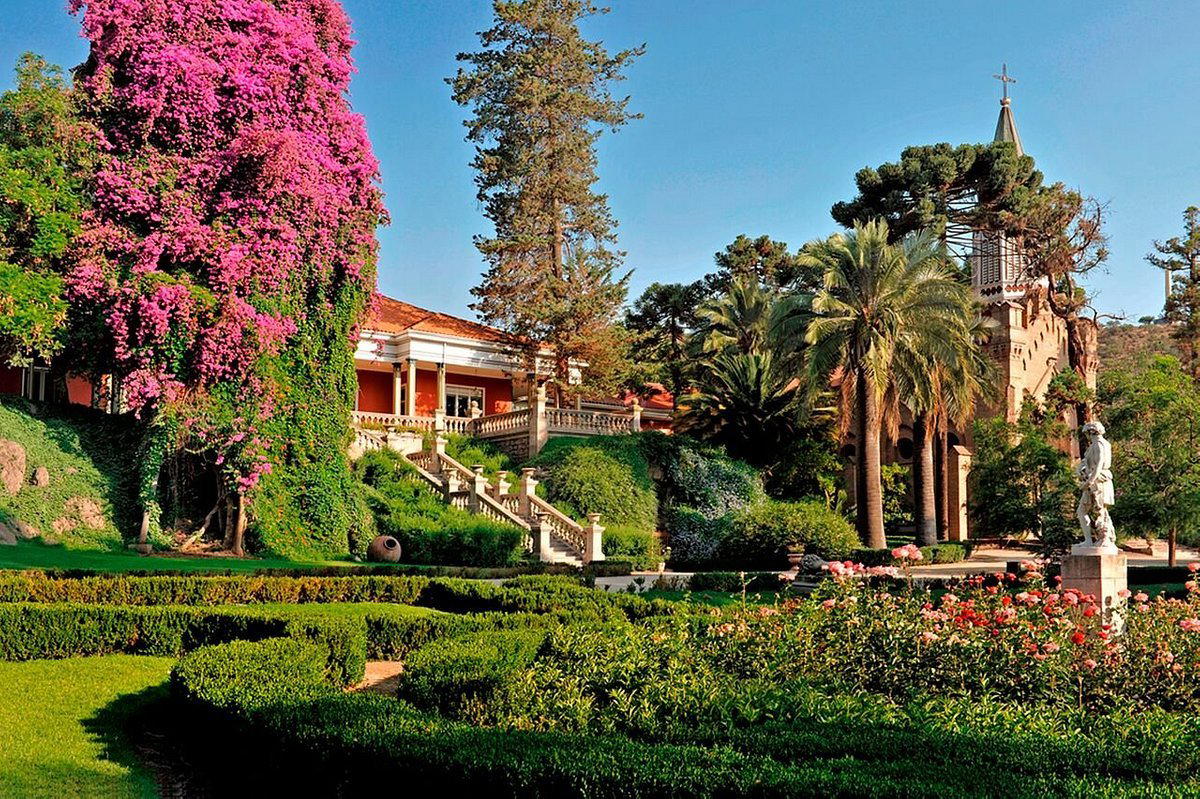
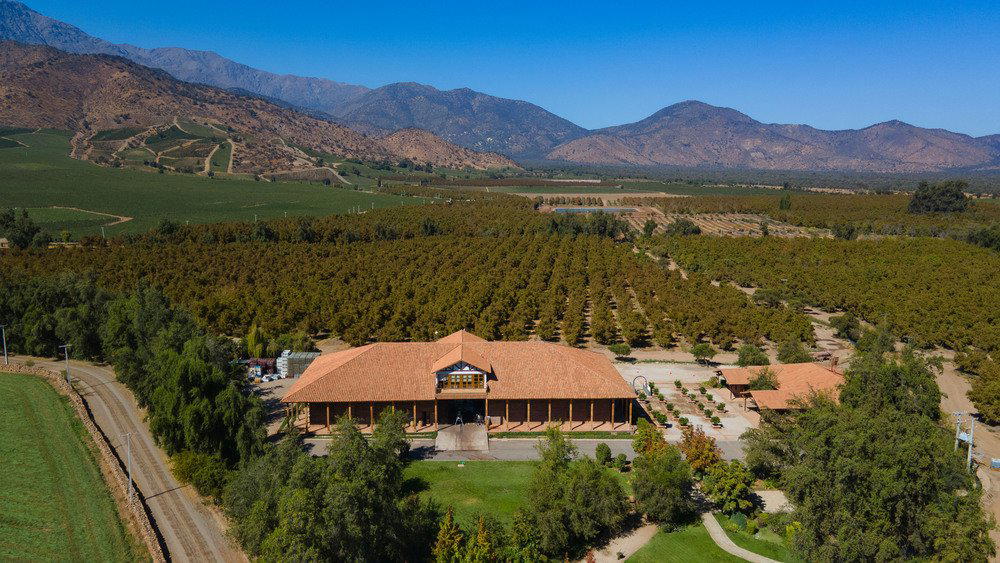
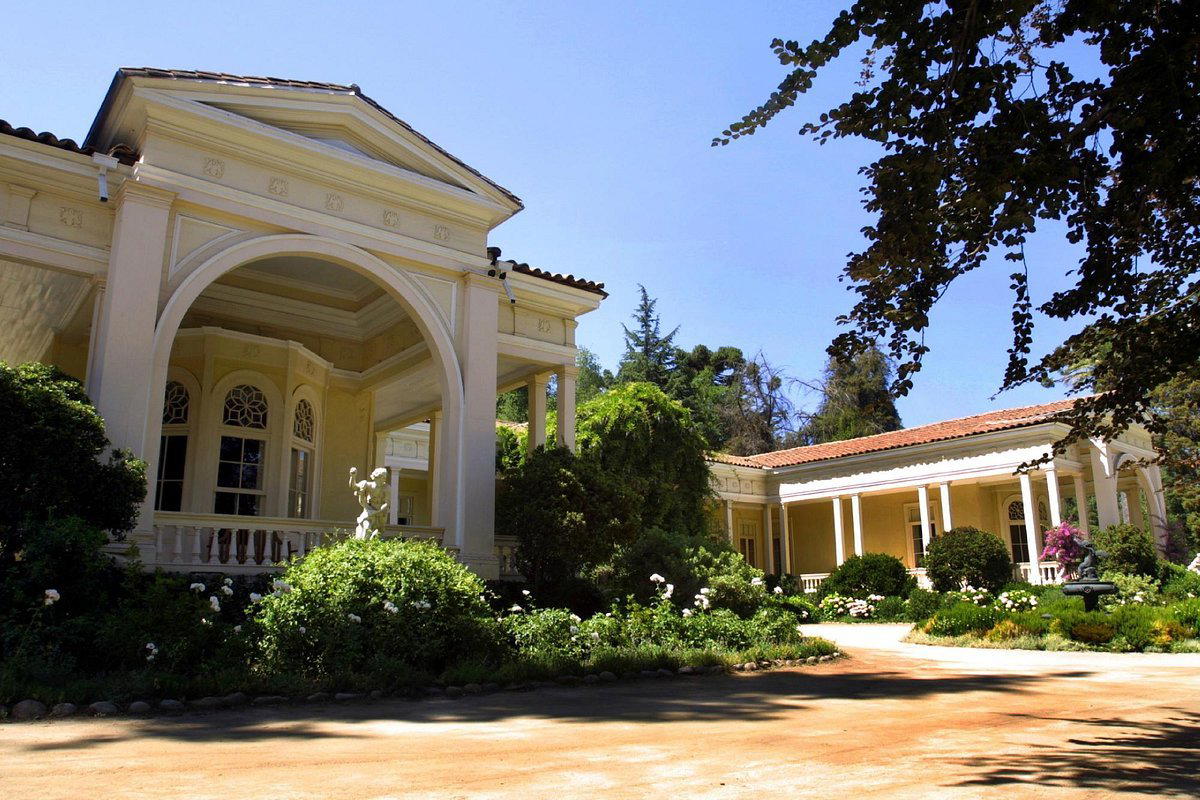
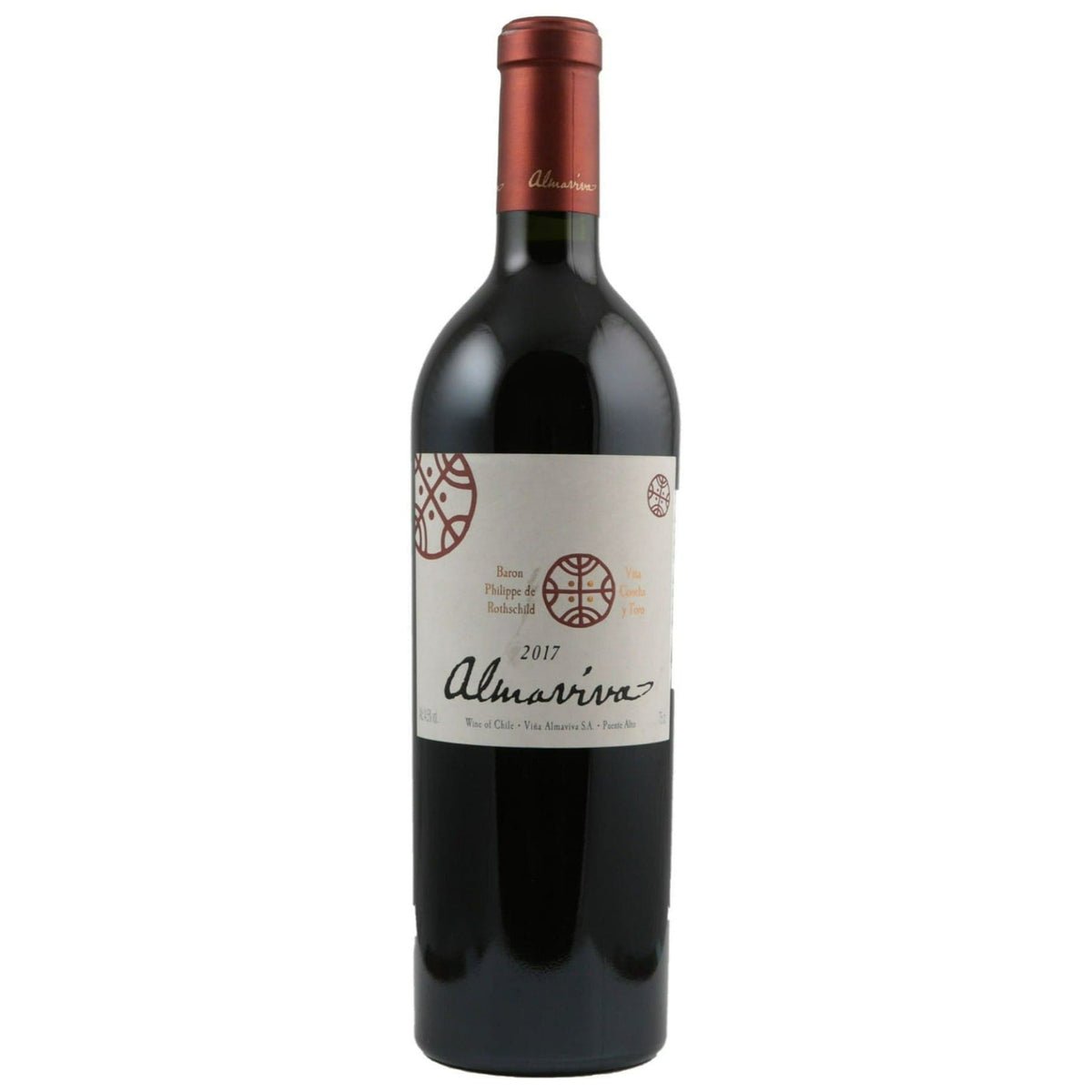
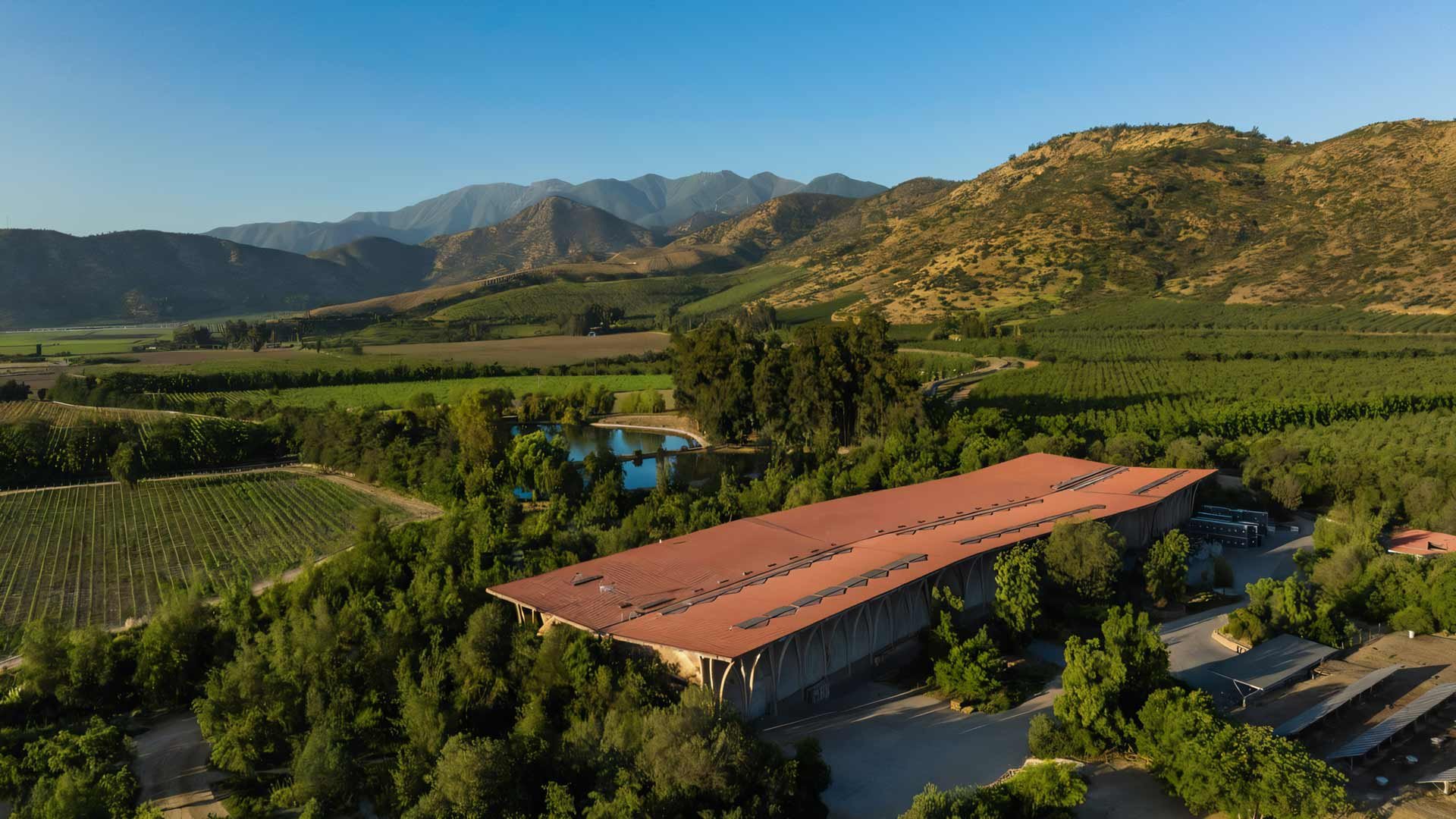
Bars in Pirque
Browse all →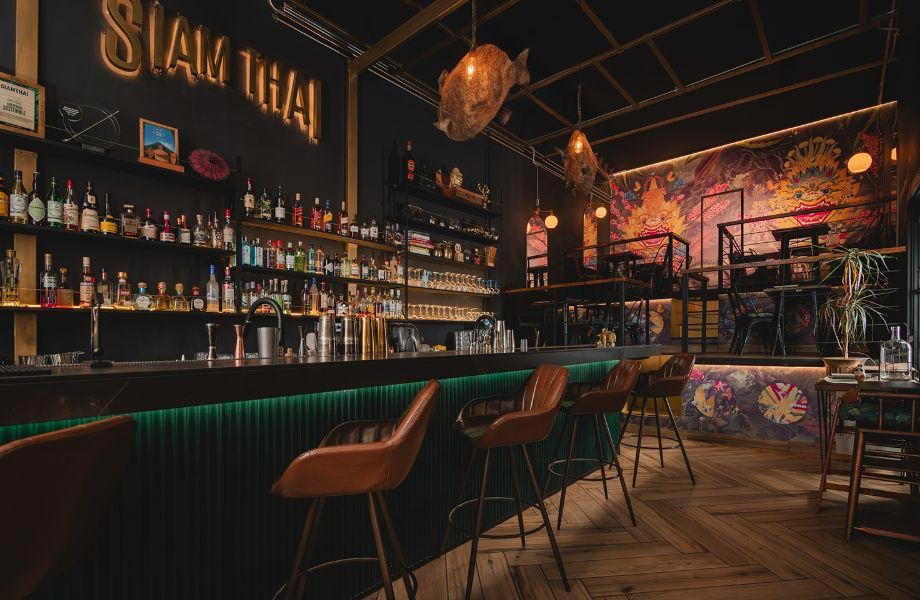
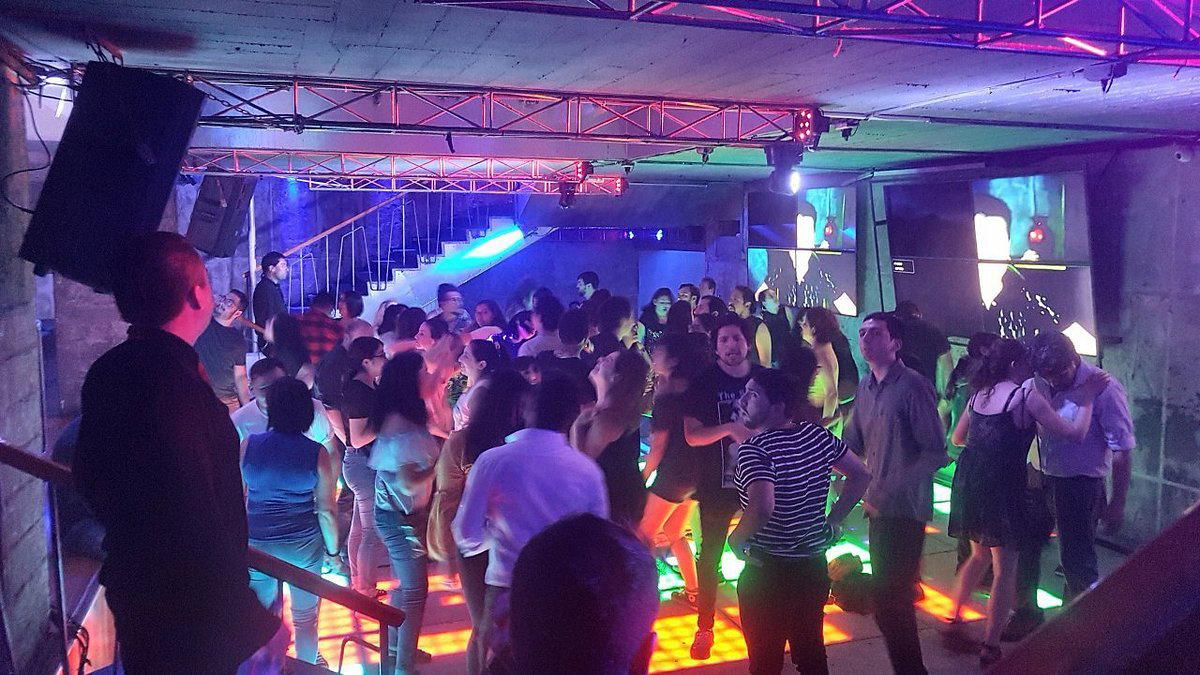
Restaurants in Pirque
Browse all →
At a Glance
- Elegant
- Scenic
- Rustic
- Sophisticated
- Wine Education
- Special Occasion
- Group Outing
- Vineyard Tour
- Panoramic View
- Historic Building
- Organic
- Sustainable
- Mountain
- Vineyard
- Maipo Valley
- Cabernet Sauvignon
- Carmenère
- Cabernet Franc
- Sauvignon Blanc
- Chardonnay
- Still Red
- Still White
- Cave Tasting
Current opening hours
- Monday
- 9 AM–6 PM
- Tuesday
- 9 AM–6 PM
- Wednesday
- 9 AM–6 PM
- Thursday
- 9 AM–6 PM
- Friday
- 9 AM–6 PM
- Saturday
- 9 AM–6 PM
- Sunday
- Closed
Hours can change for holidays and private events. Last verified .
Acogedor and personalized with panoramic Andes views, spectacular lighting in the cava tasting room, and a warm, family-like atmosphere.