Tres Sabores
Tres Sabores is a Rutherford winery. Located on South Whitehall Lane in St. Helena, it sits within the Cabernet-dominant corridor where barrel decisions and aging discipline separate the allocation-tier estates from the rest.

Pearl is the En Primeur Club membership app — saves, bookings, and concierge access live there. Same editors, same standards.
- Address
- 1620 S Whitehall Ln, St Helena, CA 94574
- Phone
- (707) 967-8027
- Website
- tressabores.com
- Directions
- Get directions
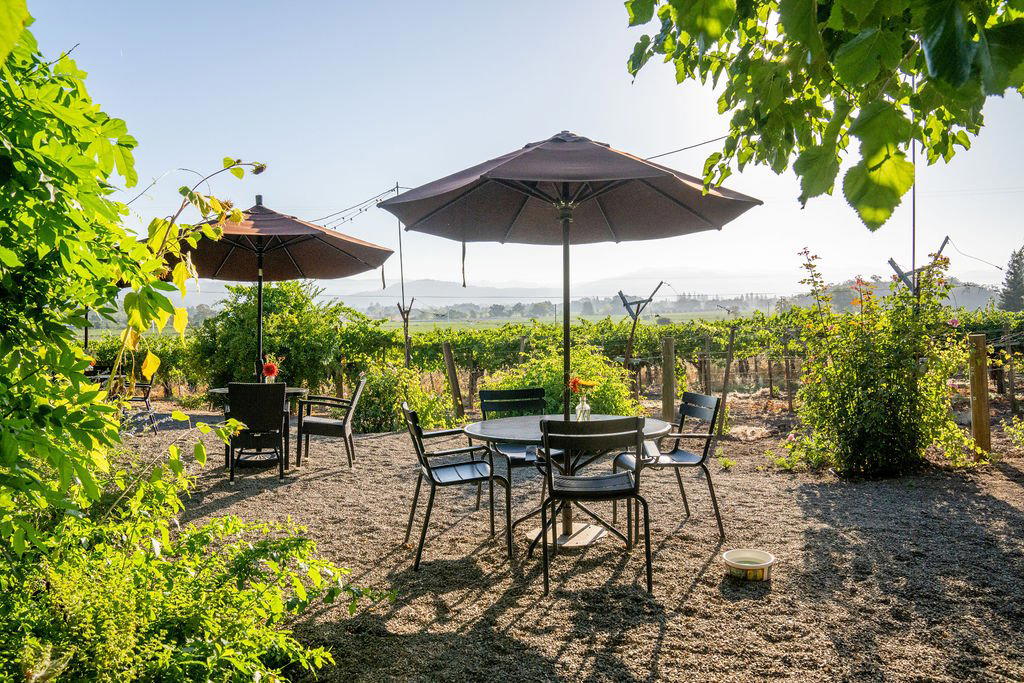
Where the Valley Floor Demands Patience
The stretch of Napa's valley floor running through Rutherford has long operated under a particular kind of pressure: the soil produces some of California's most structured Cabernet fruit, and the wineries that work it face a constant choice between extracting volume and allowing time. The estates that lean toward the latter tend to run smaller programs, hold stock longer, and talk about what happens in the cellar with as much precision as what happens in the vineyard. Tres Sabores, located at 1620 South Whitehall Lane, sits within that tradition.
Rutherford's reputation was built on the so-called Rutherford Dust, the minerally, slightly dusty tannin quality that local growers have identified as a marker of valley-floor Cabernet from this specific AVA. The claim is contested by some outside observers, but the consistent texture found in serious Rutherford reds gives it enough weight to inform how producers in the area frame their cellar programs. Whether or not the descriptor holds up scientifically, it has shaped the aesthetic ambitions of the estates here for decades. You can see its influence at neighbors like Beaulieu Vineyard (BV) and Caymus Vineyards, both of which have built long-standing identities around the structural qualities of this corridor.
The Cellar as Editorial Statement
In Napa, barrel selection and aging timelines are among the clearest signals a producer can send about which market they are positioning toward. High-volume commercial programs favor shorter aging cycles and newer oak to deliver accessible, market-ready wines on tight release schedules. The smaller allocation-oriented producers take the opposite approach: more time in barrel, more selective use of new wood, blending decisions that prioritize integration over immediacy. That gap in philosophy produces genuinely different wines, and it is visible at the price and availability tiers where estates like Tres Sabores operate.
The Rutherford valley floor rewards patience in the cellar more than almost anywhere else in California. The structural backbone in the fruit, that firm tannin framework from volcanic and alluvial soils, means that wines pulled early can read as austere or angular. Extended aging allows the tannins to resolve, the oak to recede, and secondary complexity to emerge. This is the winemaking logic that underpins most of the serious small-production Rutherford estates, and it is the framework against which Tres Sabores should be understood.
Cakebread Cellars and Alpha Omega Winery operate with greater production volumes and broader distribution footprints. Cathiard, by contrast, represents the Burgundy-informed restraint end of the Rutherford spectrum. Tres Sabores belongs to the group where craft decisions in the cellar function as the primary differentiator from mid-market Napa production.
Small-Scale Programs in a Volume Valley
Napa as a whole has bifurcated between large estates with national retail presence and small allocation programs that sell primarily through mailing lists and direct-to-consumer channels. The allocation model shifts the commercial relationship entirely: buyers commit before release, often without tasting the current vintage, and the producer retains the freedom to make cellar decisions based on the wine's needs rather than a retailer's timeline. This is not unusual in Napa, but it concentrates in specific corridors, and the St. Helena and Rutherford sections of the valley floor have a higher density of this model than the more commercially developed parts of the appellation.
It places the winery above the large-volume commercial tier and within a group where specificity of origin, careful barrel work, and restrained production are the operative values. In a valley where credential inflation has made simple star counts less useful, the Pearl 2 designation carries contextual weight.
Producers working in comparable modes elsewhere in California take different approaches to the same underlying challenge of aging Cabernet in a warm climate. Accendo Cellars in St. Helena works with similarly small lots and targets the high end of the allocation market. Further south in the state, Alban Vineyards in Arroyo Grande has made Rhône varieties the vehicle for a comparable philosophy of restraint and extended cellar time, and Adelaida Vineyards in Paso Robles applies limestone-driven terroir logic to a similarly deliberate production model. The through-line across all of these is a willingness to let the cellar program absorb cost and time rather than releasing wine before it is ready.
Planning a Visit to Rutherford
The South Whitehall Lane address places Tres Sabores in the quieter agricultural zone west of Highway 29, away from the tasting-room traffic that defines the main road corridor. This part of the valley draws visitors who have moved past the introductory Napa circuit and are looking for appointment-based visits with smaller producers. For context on the broader area and how to structure a day across multiple estates, the full Rutherford guide provides a more complete picture of the corridor's options.
Booking windows for this category of producer in Napa typically run four to six weeks ahead for weekend appointments, and some require prior mailing list membership before visits are offered.
Visitors building a Rutherford itinerary should also note that Beaulieu Vineyard, which holds a documented place in California wine history as one of the AVA's founding estates, is accessible without appointment and provides useful historical context for the appellation before a smaller-producer visit. The contrast between the two experiences, large heritage operation versus small craft estate, illustrates the spread of the current Rutherford scene more clearly than either visit would alone.
Producers at a comparable prestige tier in other parts of California and beyond, including Artesa Vineyards and Winery in Napa, Adelsheim Vineyard in Newberg, Andrew Murray Vineyards in Los Olivos, and Alexander Valley Vineyards in Geyserville, share the allocation-plus-appointment structure that now defines serious small-production American wine. The model rewards buyers who commit early and visitors who come with specific questions about cellar and vintage decisions rather than a general tasting-room agenda.
Budget and Context
Comparable venues nearby, for context on price, style, and recognition.
| Venue | Cuisine | Price | Awards | Notes |
|---|---|---|---|---|
| Tres SaboresThis venue — the venue you are viewing | Not listed | $50–100 | Not listed | Not listed |
| Revelette Wines | Not listed | Not listed | Not listed | Rutherford, Cabernet Sauvignon, Sauvignon Blanc |
| Beaulieu Vineyard (BV) | Rutherford, Cabernet Sauvignon | $50–100 | Falstaff Winery - Listed | Not listed |
| Honig Vineyard & Winery | Not listed | Not listed | Not listed | Rutherford, Sauvignon Blanc, Cabernet Sauvignon |
| Cakebread Cellars | Not listed | $50–100 | Falstaff Winery - Listed | Rutherford, Chardonnay, Cabernet Sauvignon |
| Round Pond Estate | Not listed | Not listed | Not listed | Rutherford, Cabernet Sauvignon, Sauvignon Blanc |
Continue exploring
More in Rutherford
Wineries in Rutherford
Browse all →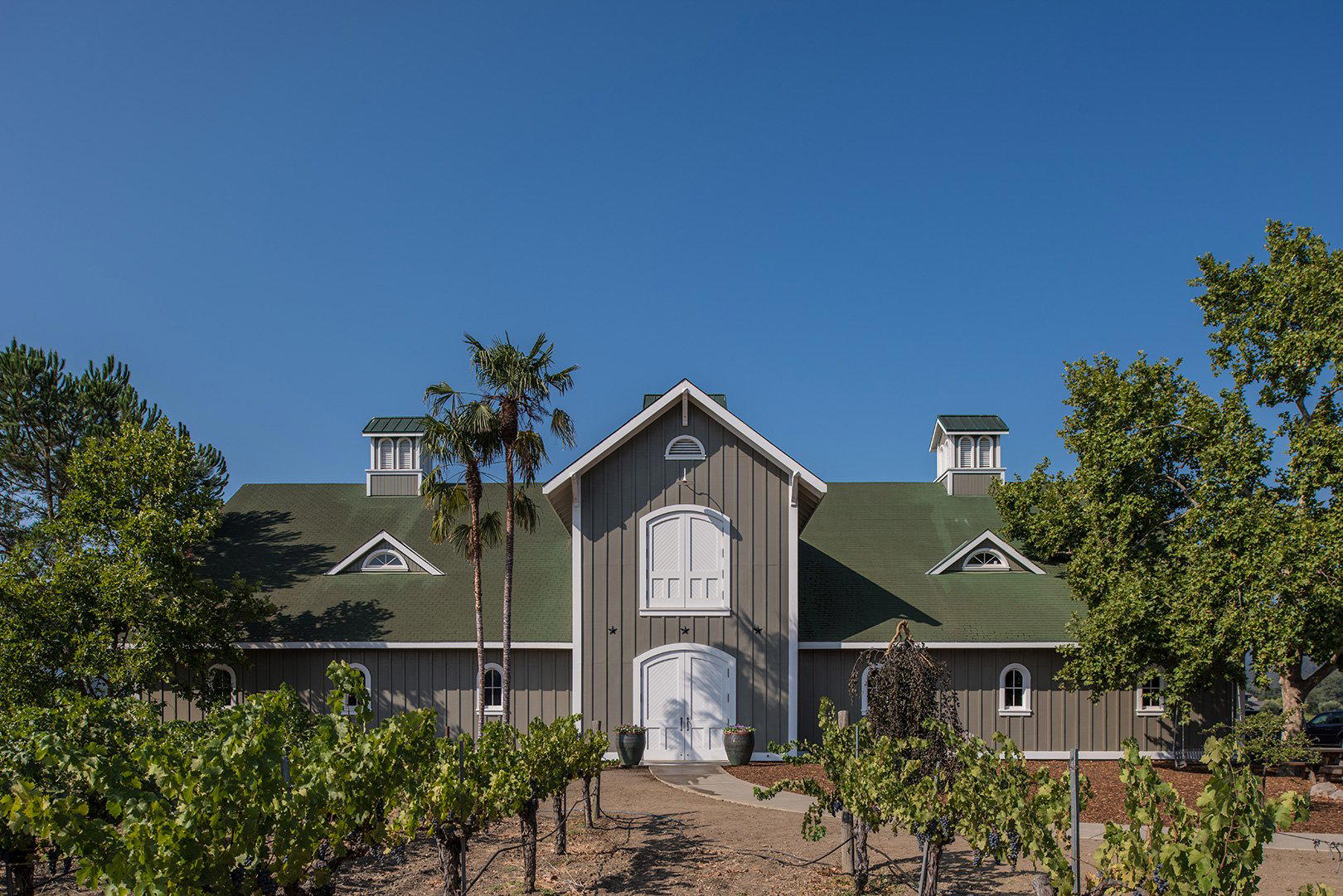
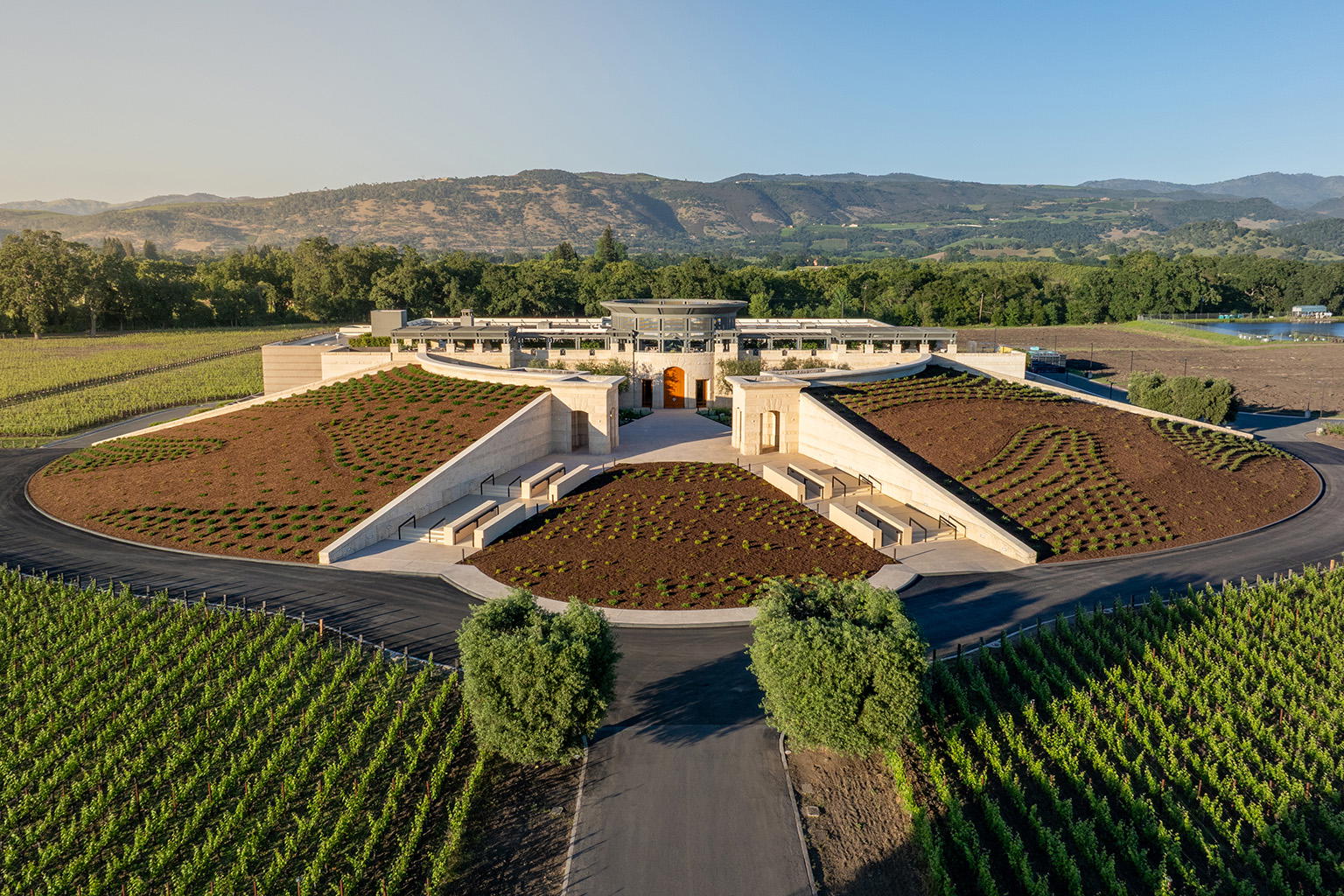
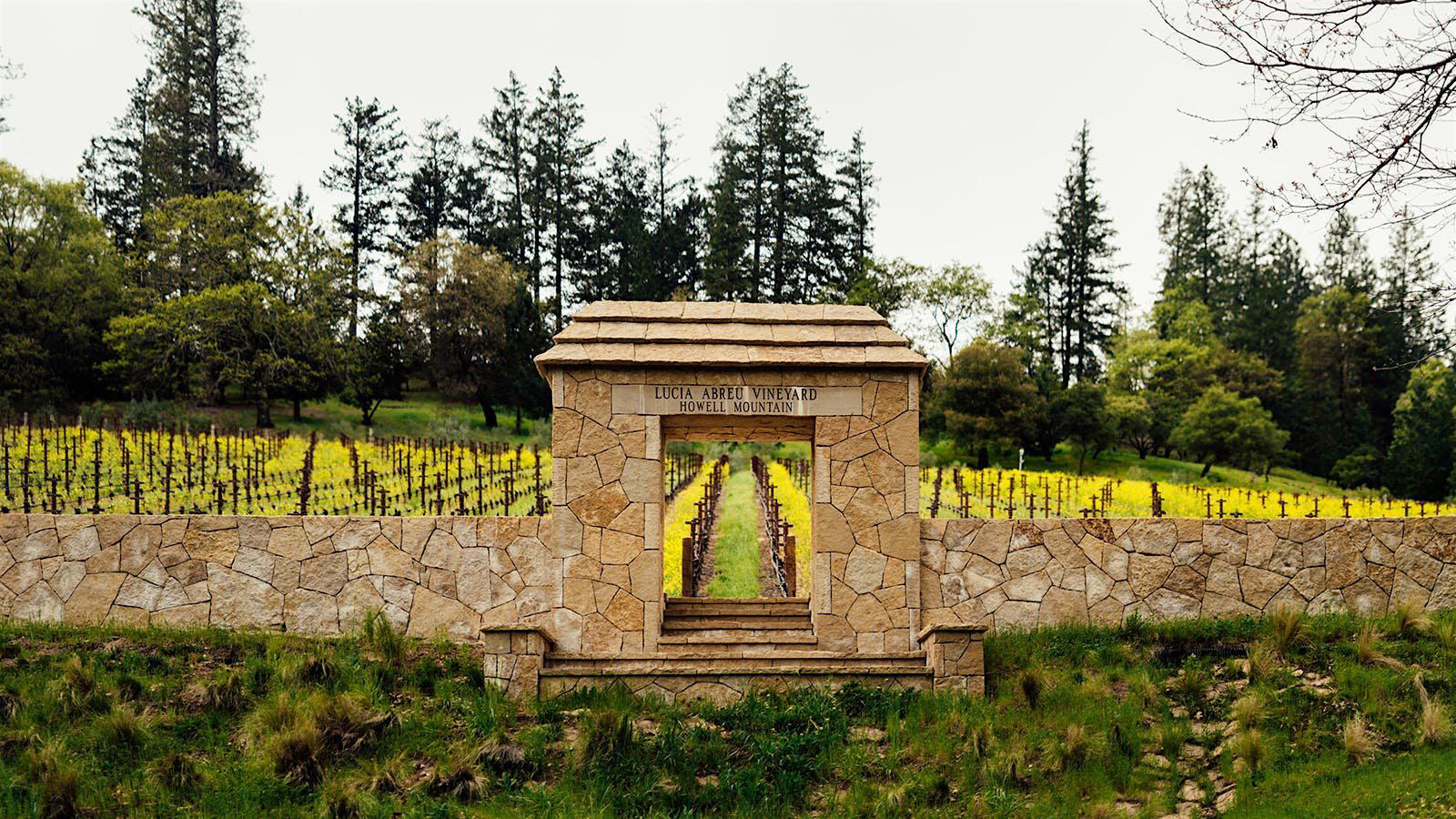
Bars in Rutherford
Browse all →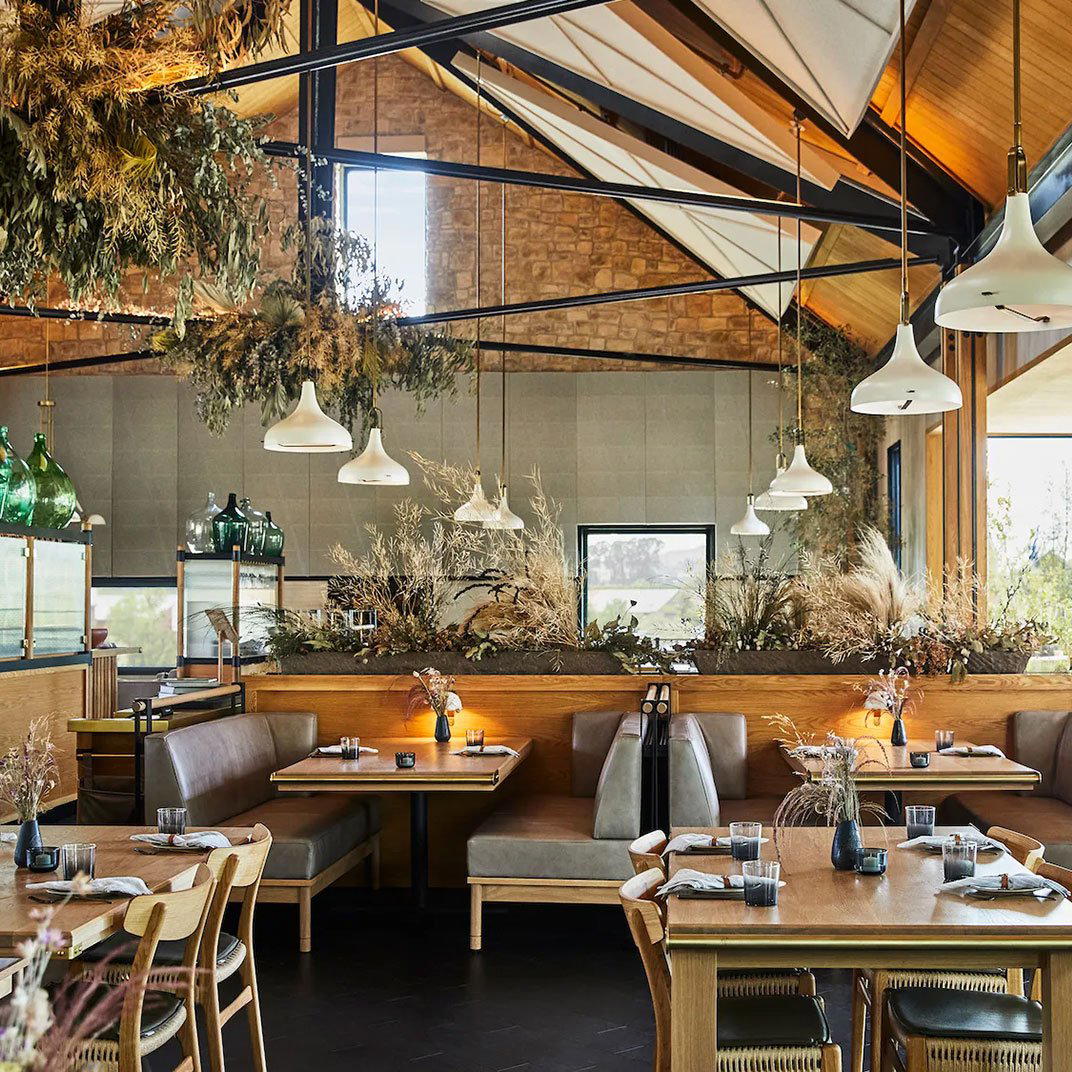
Restaurants in Rutherford
Browse all →
Details
- Rustic
- Quiet
- Scenic
- Intimate
- Wine Education
- Solo Exploration
- Special Occasion
- Group Outing
- Estate Grounds
- Garden
- Vineyard Tour
- Private Tasting
- Organic
- Sustainable
- Vineyard
- Garden
- Zinfandel
- Cabernet Sauvignon
- Petite Sirah
- Petit Verdot
- Sauvignon Blanc
- Still Red
- Still White
- Private Tasting
- Appointment Tasting
- English
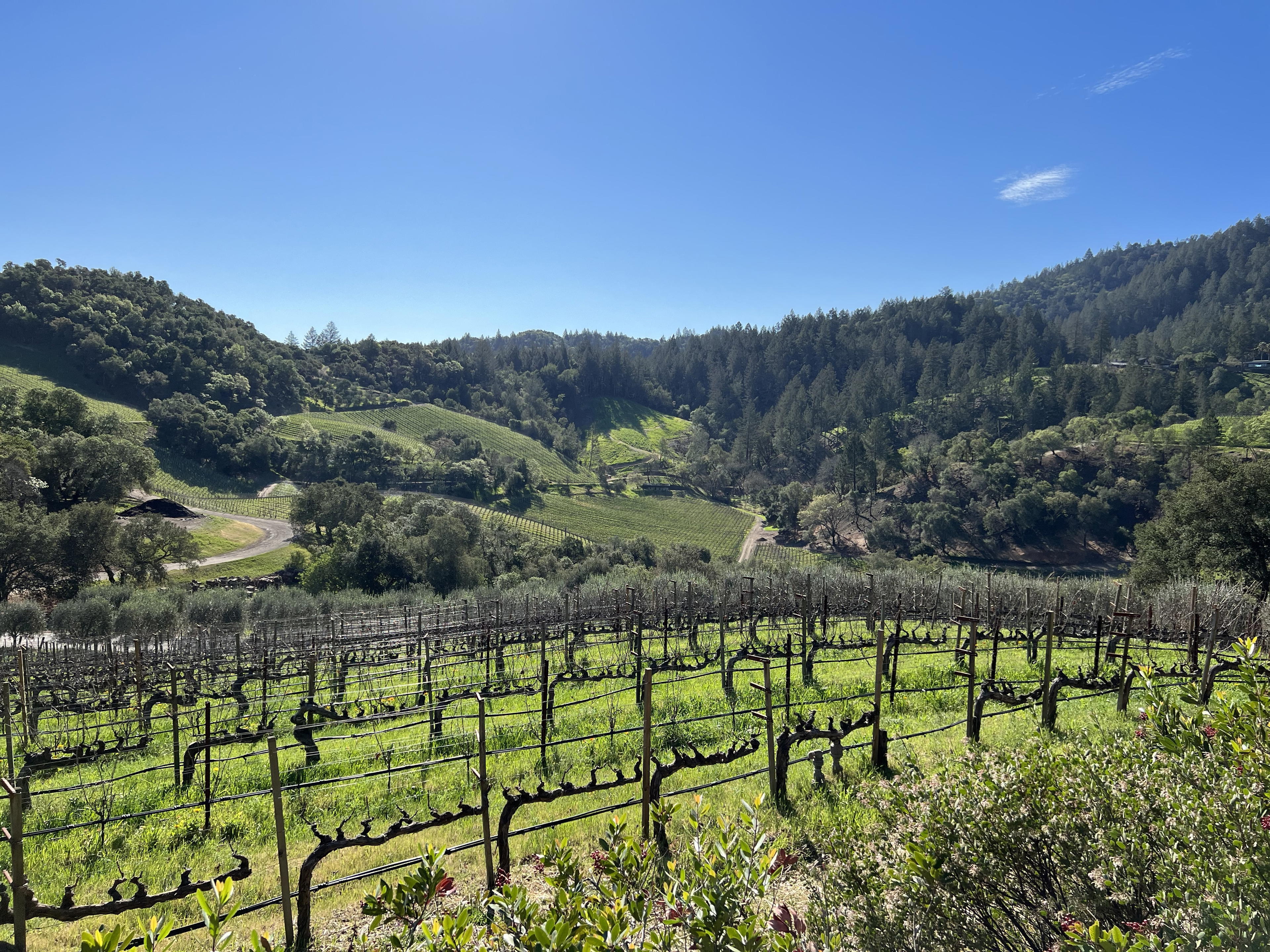
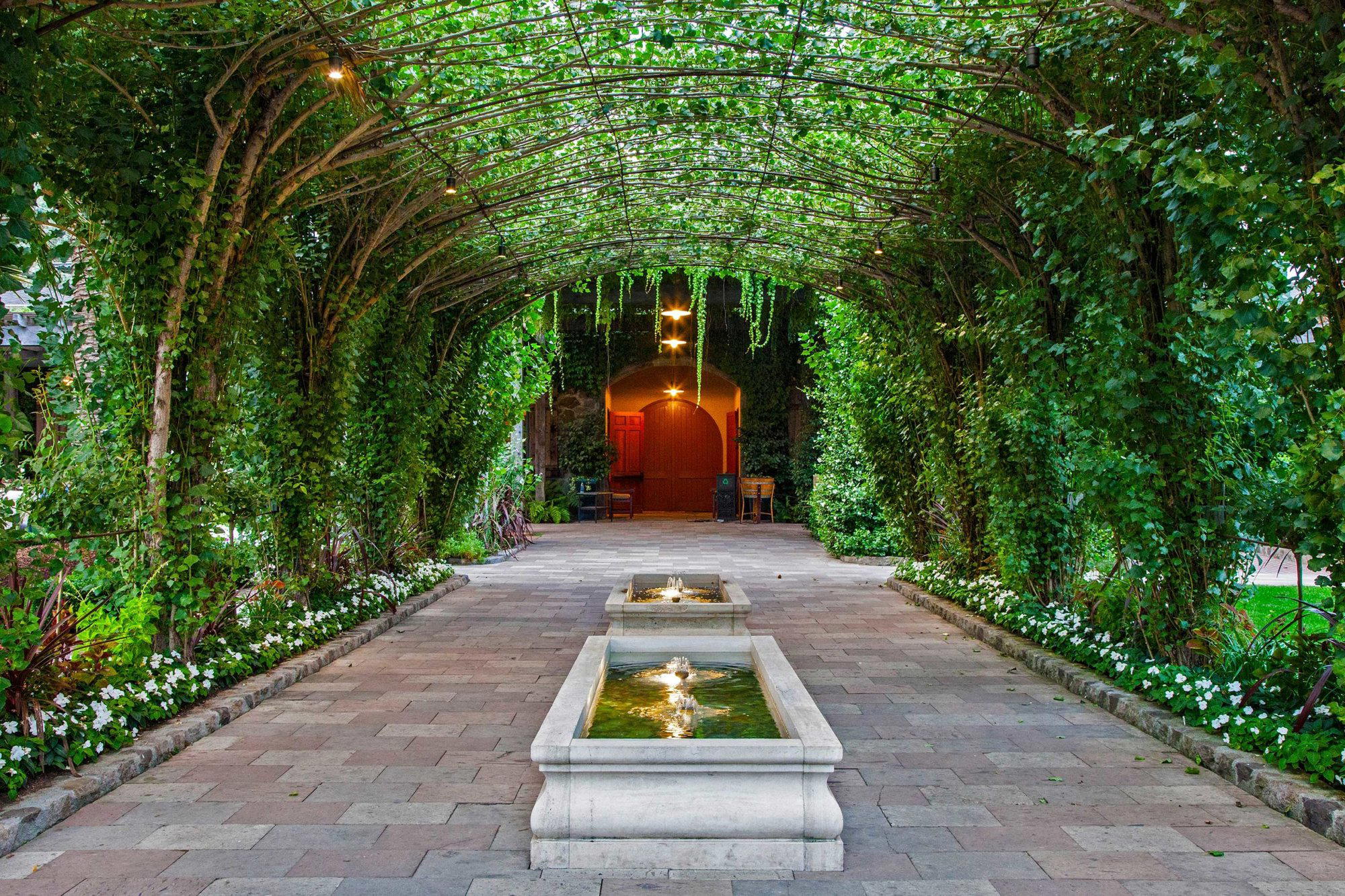
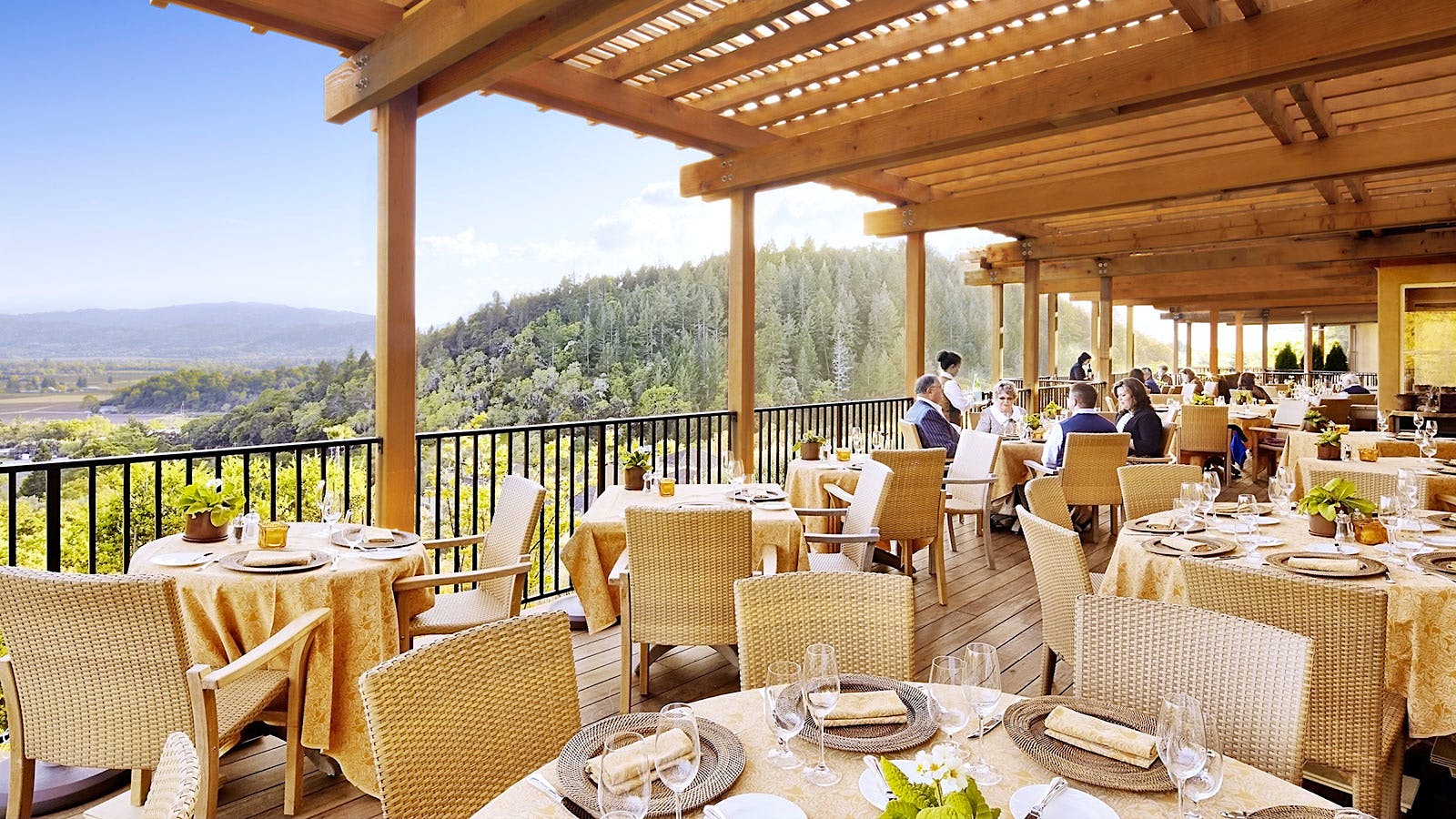
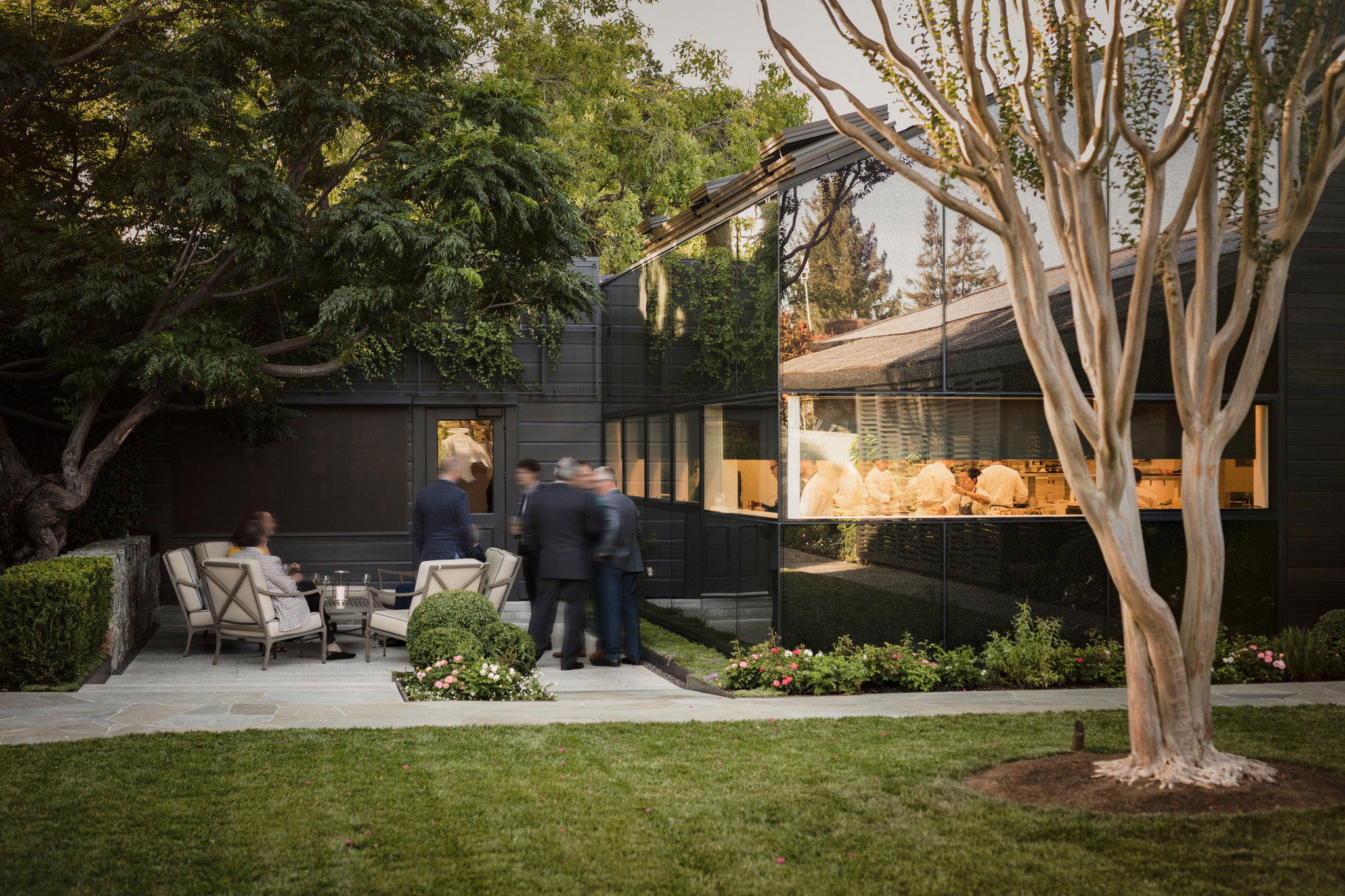
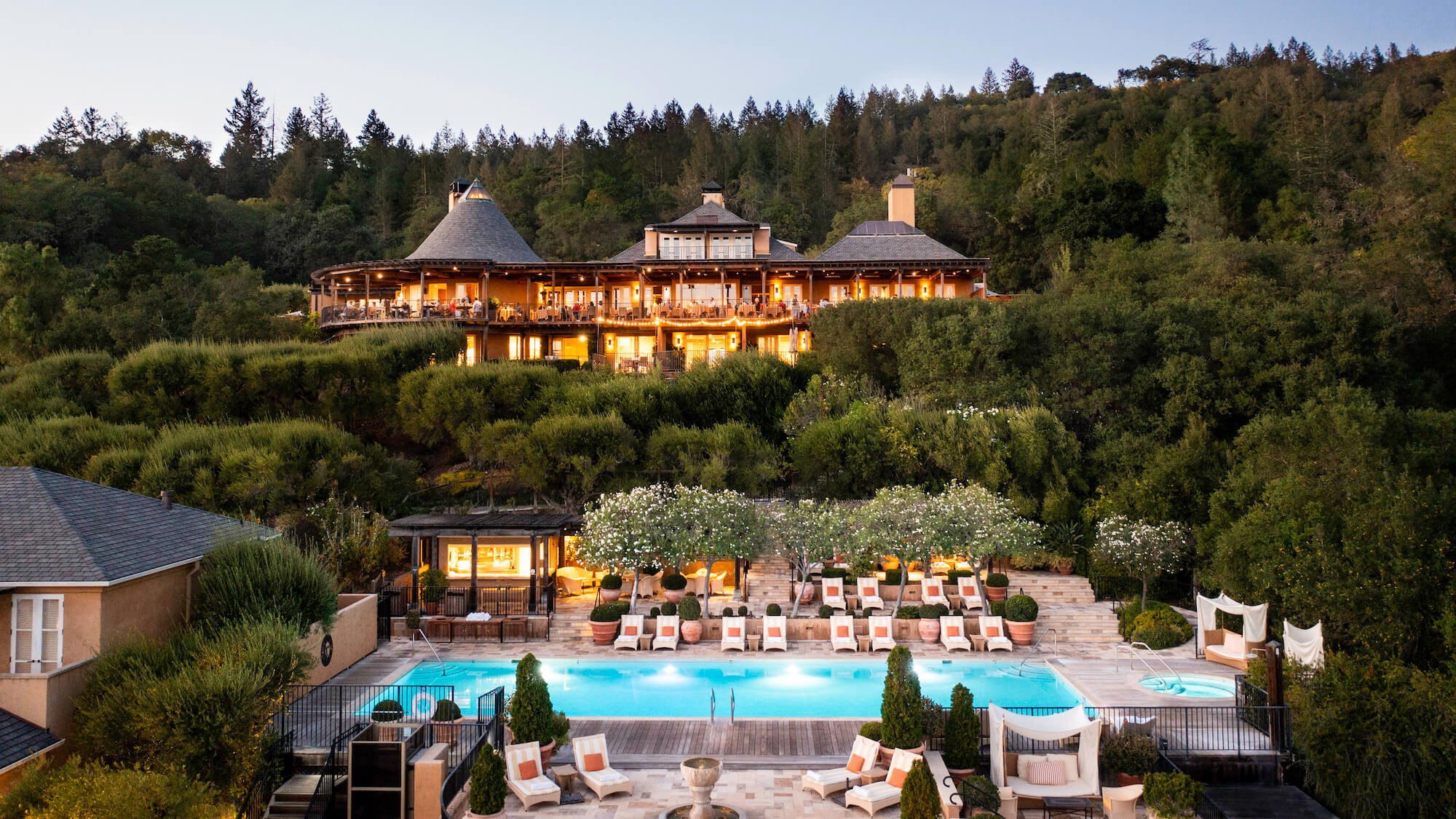
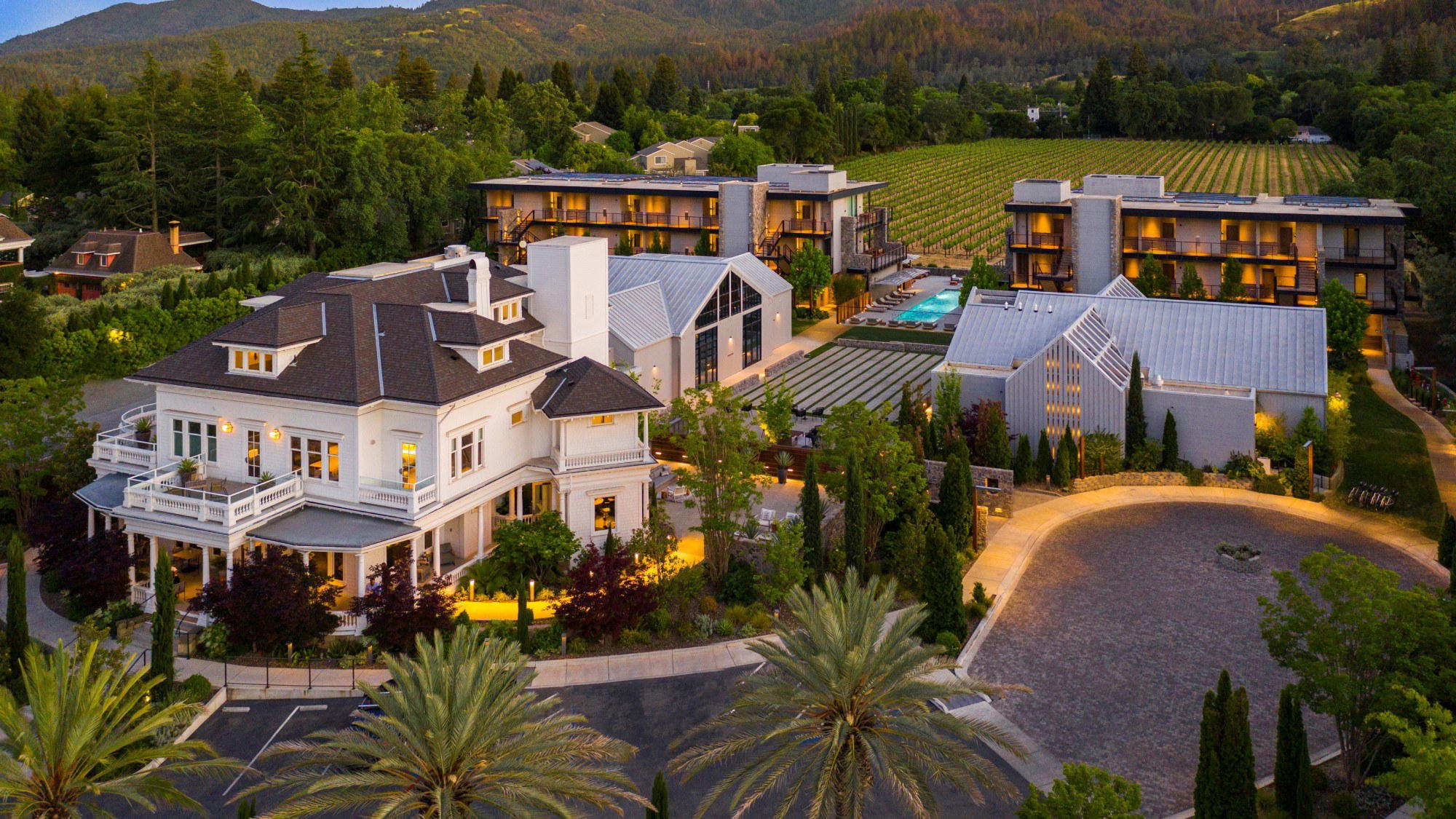
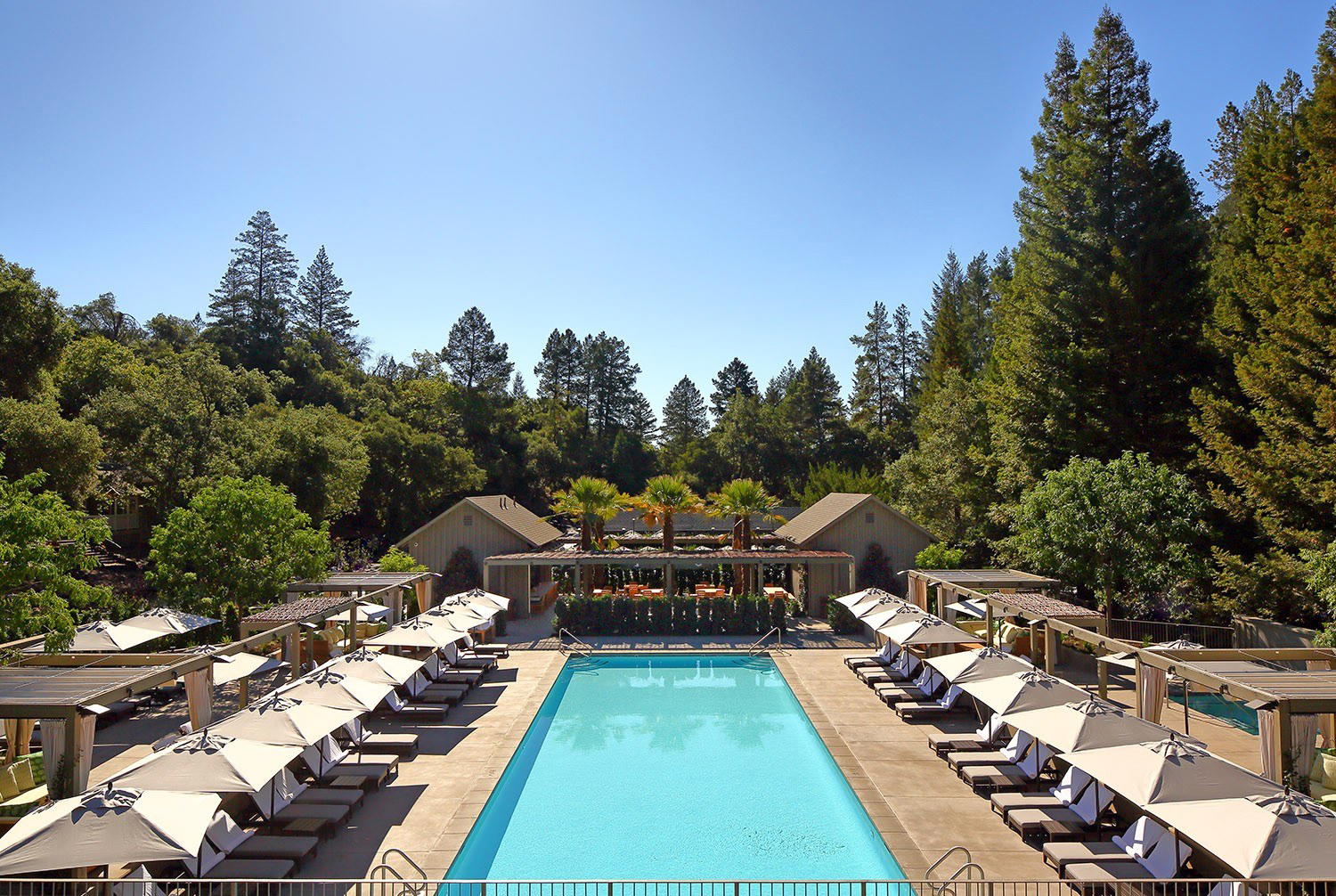
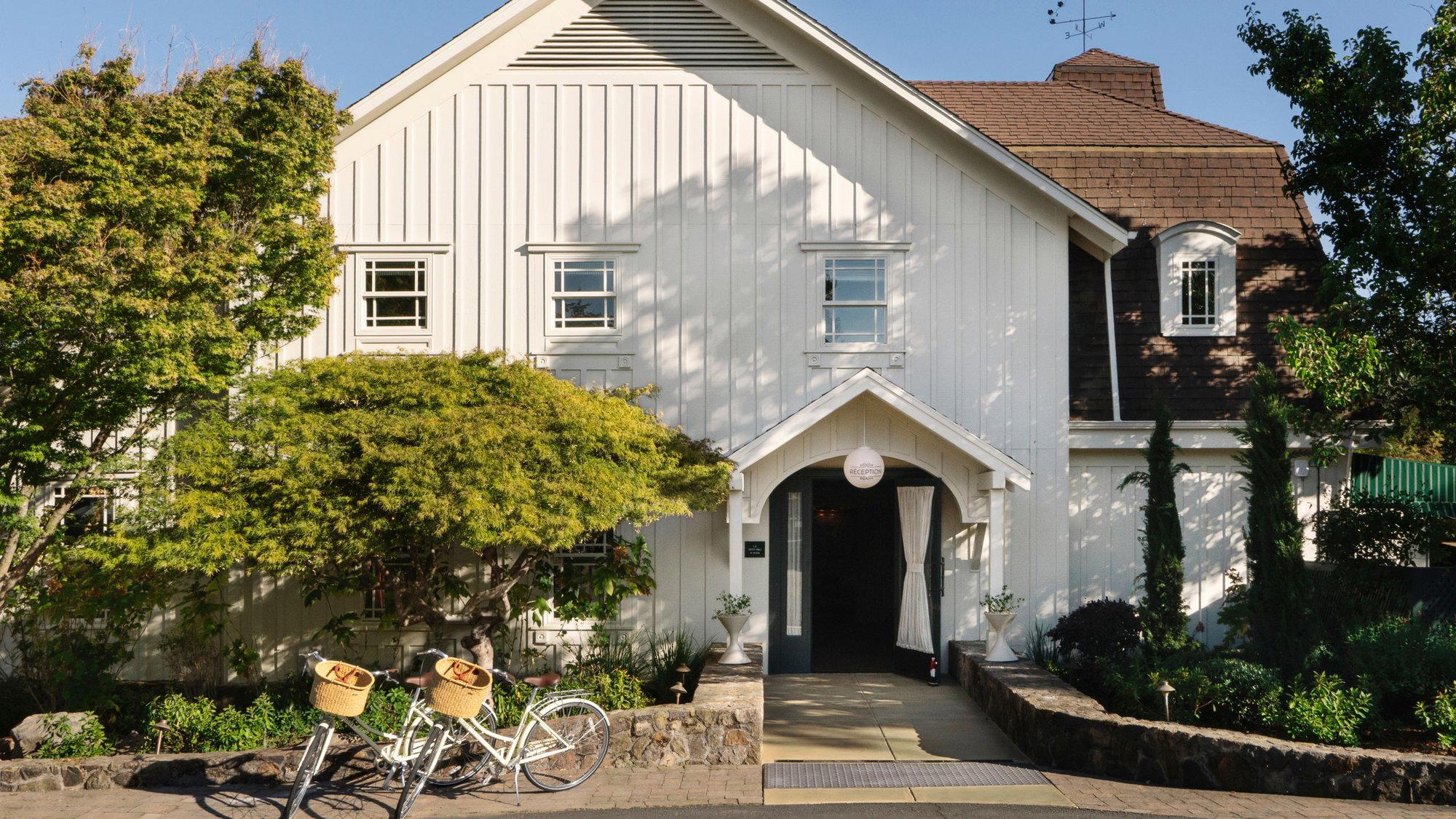
Laid-back, unpretentious, and rustic, with a working-farm atmosphere set among sloping vineyards and wooded hillsides.