The Shed Distillery

The Shed Distillery sits at the heart of Drumshanbo, Co. Leitrim, drawing on the raw, boggy terrain of Ireland's least-populated county to shape spirits that carry a genuine sense of place. Recognised with a Pearl 2 Star Prestige award in 2025, it occupies a distinct position within Ireland's expanding craft distillery scene. The surrounding landscape is not incidental to what ends up in the glass.
 Discover on Pearl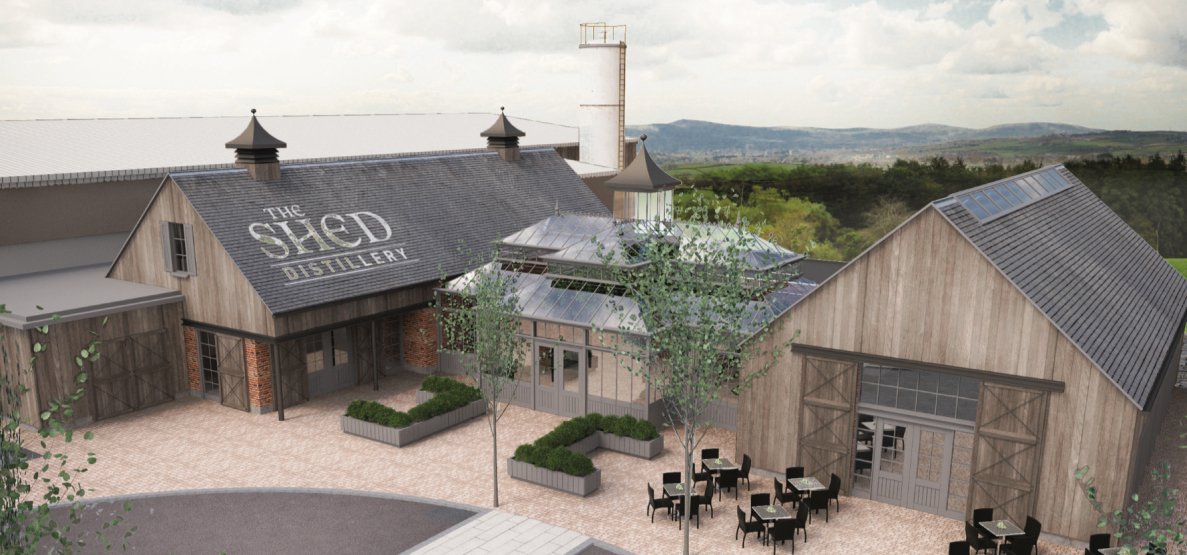
Leitrim's Unlikely Spirit Country
Ireland's craft distillery revival has spread unevenly across the island. The well-documented clusters around Dublin and Kerry attract most of the early attention, but it is in places like Co. Leitrim that something harder to replicate is happening. Drumshanbo sits at the southern end of Lough Allen, surrounded by a range of blanket bog, drumlin fields, and slow-moving water. That environment does not merely provide a backdrop; it supplies the raw material conditions that distillers elsewhere would struggle to source. The Shed Distillery, housed within The Food Hub complex at Carricknabrack, is the most visible product of that geography. See our full Drumshanbo restaurants guide for broader context on what the town offers beyond the distillery.
Terroir in a Still House
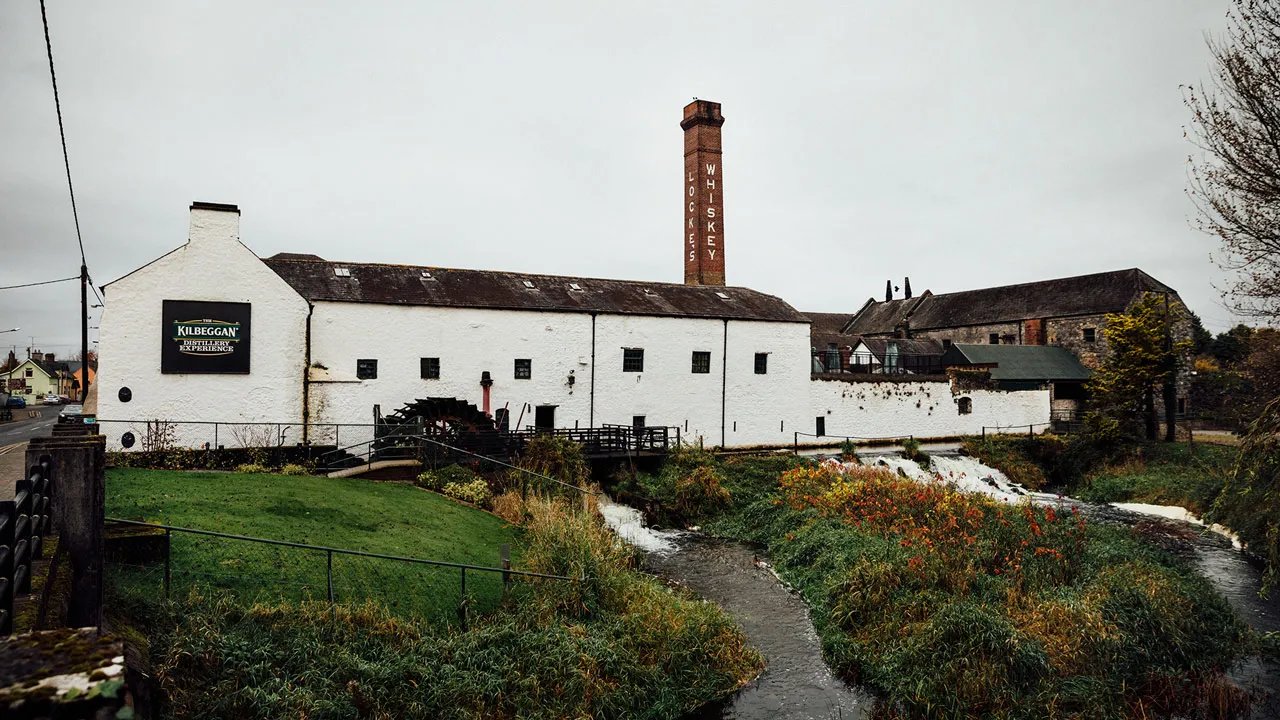
The word terroir has long been claimed exclusively by wine, but the conversation has shifted. Distillers at operations like Waterford Distillery in Waterford have made provenance traceability a central product argument, and the broader Irish spirits scene is increasingly asking what a landscape tastes like when it passes through a still. Leitrim makes that question concrete. The county is defined by high rainfall, peat-rich soils, and relatively cool temperatures across the growing season. Water drawn from local sources carries mineral characteristics shaped by those boggy catchments. These are not abstract marketing claims; they are measurable conditions that distinguish Leitrim-sourced production from, say, the drier limestone terrain around Kilbeggan Distillery in Kilbeggan or the more industrially scaled operation at Jameson (Bow St.) in Dublin.
The Shed's 2025 Pearl 2 Star Prestige recognition places it inside a tier of Irish distilleries that have moved beyond simple novelty to deliver consistent, category-credible spirits. Within that peer group, the Leitrim address is a differentiator rather than a liability. Remote production sites are increasingly read by knowledgeable buyers as quality signals, not logistical inconveniences.
Where It Sits in the Irish Spirits Conversation
Irish whiskey's commercial recovery over the past fifteen years has produced an industry split roughly three ways: the established blending houses with global distribution, the heritage pot still producers reclaiming pre-Prohibition formats, and the newer craft operations using provenance as their primary argument. The Shed belongs to the third category, but with a geographic specificity that separates it from craft distilleries that trade primarily on aesthetic branding.
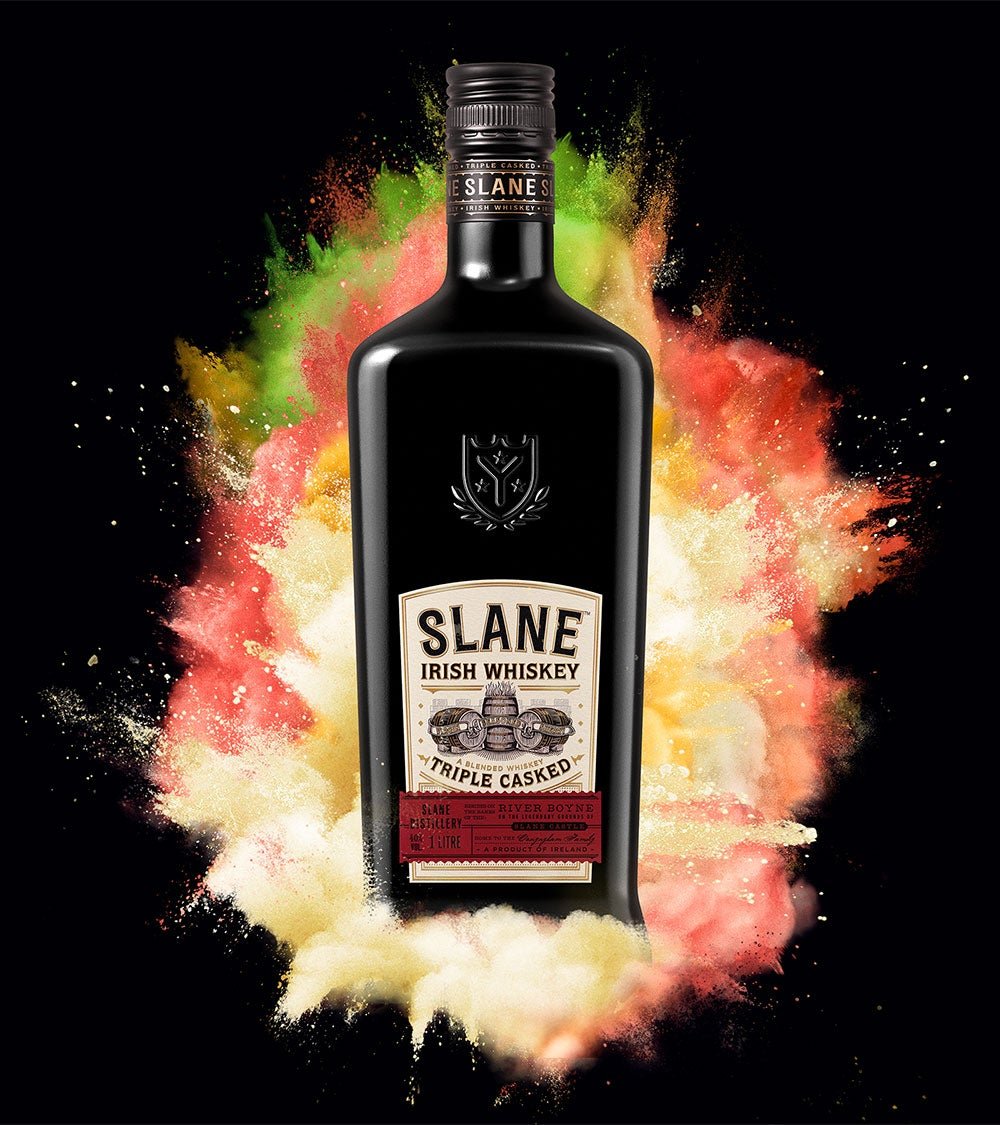
Compare the peer set. Dingle Distillery in Dingle made Kerry's Atlantic exposure part of its identity early. Slane Irish Whiskey in Slane built its case around the Boyne Valley microclimate and triple cask maturation. Powerscourt Distillery in Enniskerry draws on the Wicklow granite landscape. What Drumshanbo offers is distinct: an interior, lakeside, bogland character that does not compete with coastal salinity or valley-floor minerality. It is a different register entirely, and The Shed has built its production around communicating that difference rather than smoothing it out.
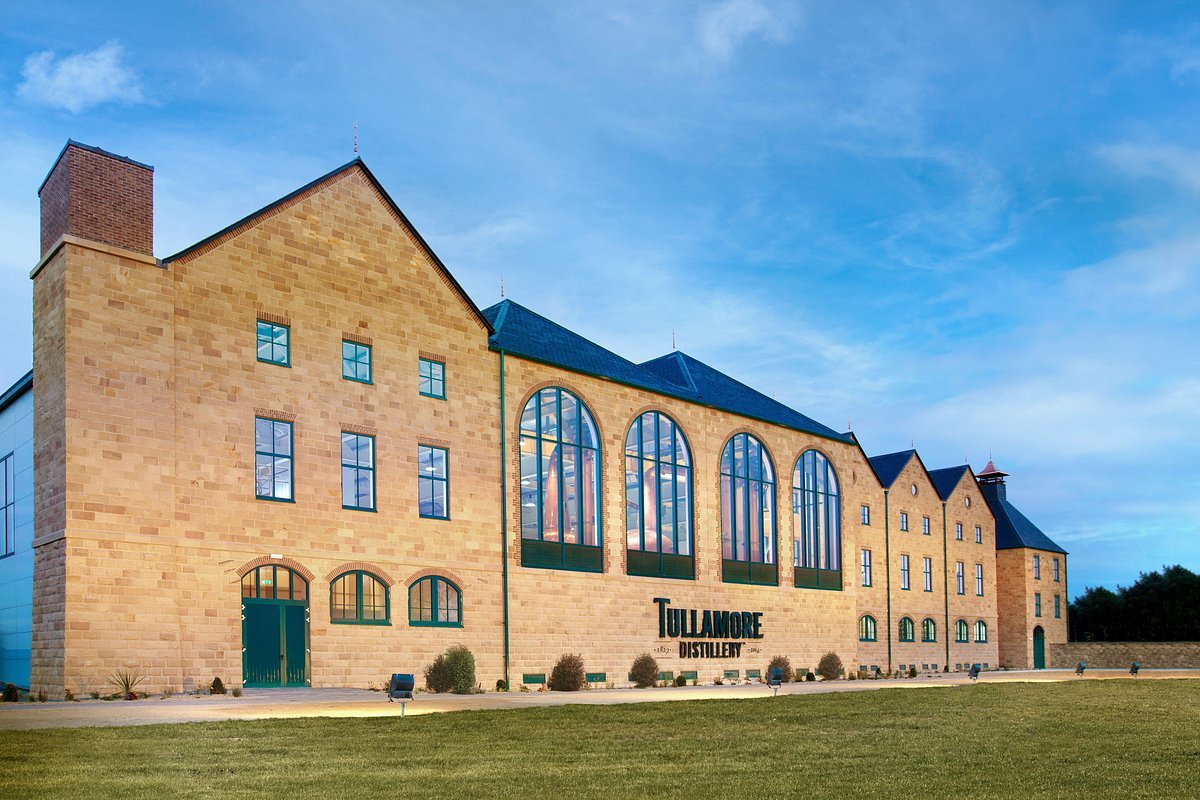
That approach contrasts with larger-volume operations like Tullamore D.E.W. in Tullamore or Powers John's Lane (Midleton) in Midleton, where consistency at scale and brand history are the primary values on offer. Neither approach is incorrect; they address different buyers with different expectations.
The Food Hub Setting
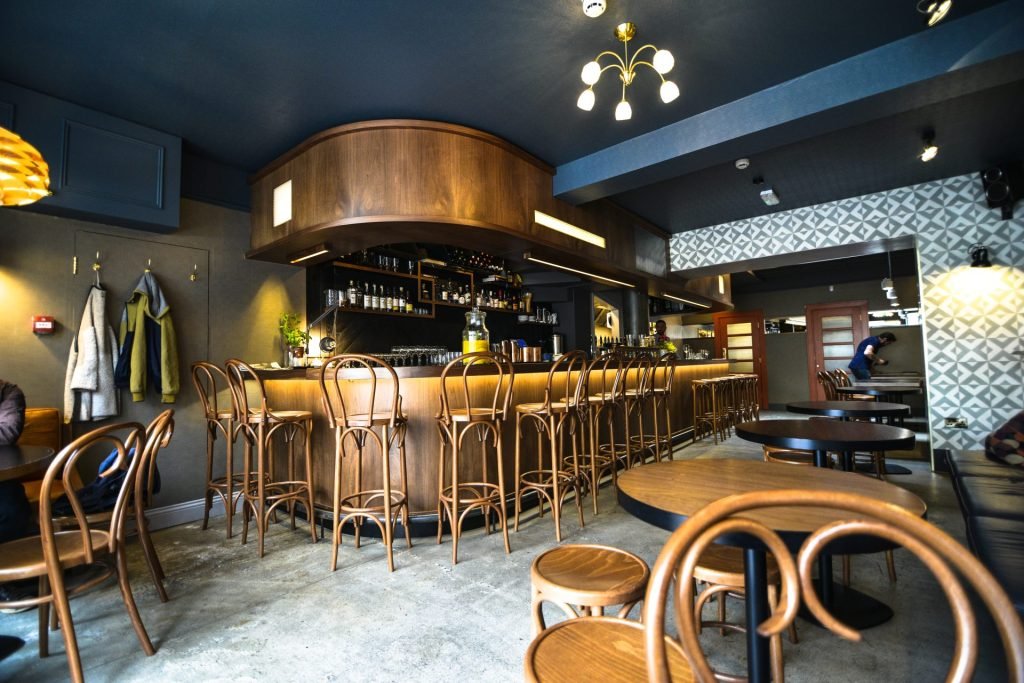
The distillery's location within The Food Hub at Carricknabrack is worth understanding structurally, not just as an address. The Food Hub model, which groups food and drink producers in a shared production and visitor space, changes the visitor dynamic considerably. Arriving at a building that houses multiple producers rather than a standalone distillery campus shifts the experience from brand showcase to regional production argument. The setting says something about how the operation positions itself: as part of a broader Leitrim food and drink identity rather than as an isolated prestige object.
For visitors, the Food Hub address means the surrounding context rewards attention. Drumshanbo itself is a small town by any measure, which means the distillery is not competing for attention within a saturated tourism zone. The relative quietness of the area is an asset for the kind of focused visit that lets you actually think about what you're tasting, rather than processing it between other scheduled stops.
What to Taste and How to Approach It
The Shed's award recognition in 2025 provides a framework for what to prioritise. A Pearl 2 Star Prestige designation signals category-level seriousness, and the appropriate response from a visitor is to treat the tasting accordingly. Irish distilleries operating at this level typically offer a structured tasting format that moves through production stages, but the detail of what The Shed provides in its visitor experience should be confirmed directly before visiting, as formats evolve and the database does not contain current session specifics.
What the geography suggests, more than any specific product, is that spirits made here will carry characteristics shaped by soft, mineral-rich water and the ambient cool of the Irish midlands. Those are conditions that distillers in drier, warmer climates cannot replicate, and they are worth tasting for deliberately rather than passively. Approach the visit with the same framework you would apply to a terroir-driven wine producer: ask where the water comes from, how the local climate affects fermentation conditions, and what the decision to distil here rather than elsewhere actually produces in the glass.
For reference points from outside Ireland, the approach has parallels with how Aberlour in Aberlour frames its Speyside water source as a central production argument, or how estate-grown operations like Adelaida Vineyards in Paso Robles or Adelsheim Vineyard in Newberg treat soil composition as a primary communication tool. The logic is the same whether the liquid is whiskey or Pinot Noir: place conditions are not incidental to flavour, and producers who treat them seriously tend to produce more interesting results than those who treat raw material sourcing as a back-office function.
Planning the Visit
Drumshanbo is approximately two hours from Dublin by road, placing it within day-trip range for a determined visitor but more rewarding as part of an overnight or multi-day trip through the northwest midlands. The town has limited accommodation relative to more tourist-oriented Irish destinations, which means planning ahead for an overnight stay matters, particularly in summer when Leitrim's lake and river attractions draw more visitors. The distillery sits on the Carricknabrack road on the edge of town, direct to reach by car, less so without one. Check opening hours and tour availability directly with The Shed before travelling, as visitor programming at craft distilleries at this scale typically requires advance booking rather than walk-in access.
For a broader itinerary, the Shannon-Erne Waterway passes through the area, and Lough Allen is navigable by canoe or kayak. The Food Hub context means there may be other producers worth visiting on the same trip. This is not a destination that packages itself for convenience; it rewards visitors who have done enough research to understand what they are coming for. The Pearl 2 Star Prestige recognition is a useful starting point for that research, but the more interesting question is what Leitrim's specific geography does to a spirit, and that is leading answered in the still house itself. Links to related international producers including Accendo Cellars in St. Helena, Achaia Clauss in Patras, and Alban Vineyards in Arroyo Grande offer further reading on how terroir arguments are made across different production traditions.
In Context: Similar Options
These are the closest comparables we have in our database for quick context.
| Venue | Cuisine | Price | Awards | Notes |
|---|---|---|---|---|
| The Shed Distillery | This venue | |||
| Dingle Distillery | ||||
| Jameson (Bow St.) | ||||
| Kilbeggan Distillery | ||||
| Waterford Distillery | ||||
| Slane Irish Whiskey |
Continue exploring