Kilronan Castle Estate and Spa


An 18th-century castle set within 50 acres of woodland on the shores of Lough Meelagh in County Roscommon, Kilronan Castle occupies a corner of the Irish Midlands that most visitors skip entirely. The property sits at the quieter end of Ireland's castle hotel spectrum, trading the high-volume heritage tourism of properties like Ashford Castle for something considerably more removed from the main tourist arteries.
Pearl is the En Primeur Club membership app — saves, bookings, and concierge access live there. Same editors, same standards.
- Address
- Castletenison Demesne, Ballyfarnon, Co. Roscommon, F52 R867
- Phone
- +353 71 961 8000
- Website
- kilronancastle.ie
- Directions
- Get directions
 Saves & bookings on Pearl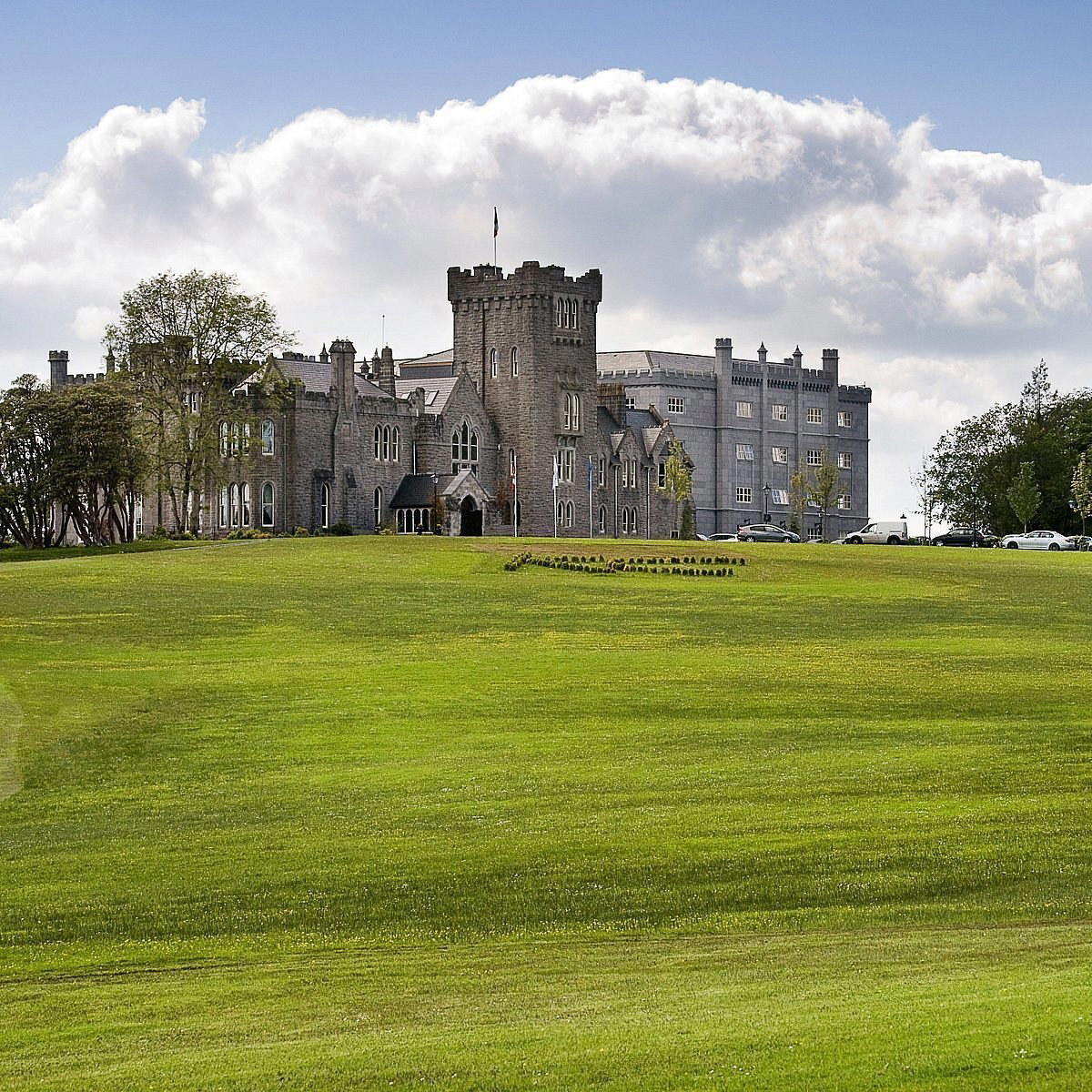
Stone, Water, and Woodland: The Architecture of Retreat
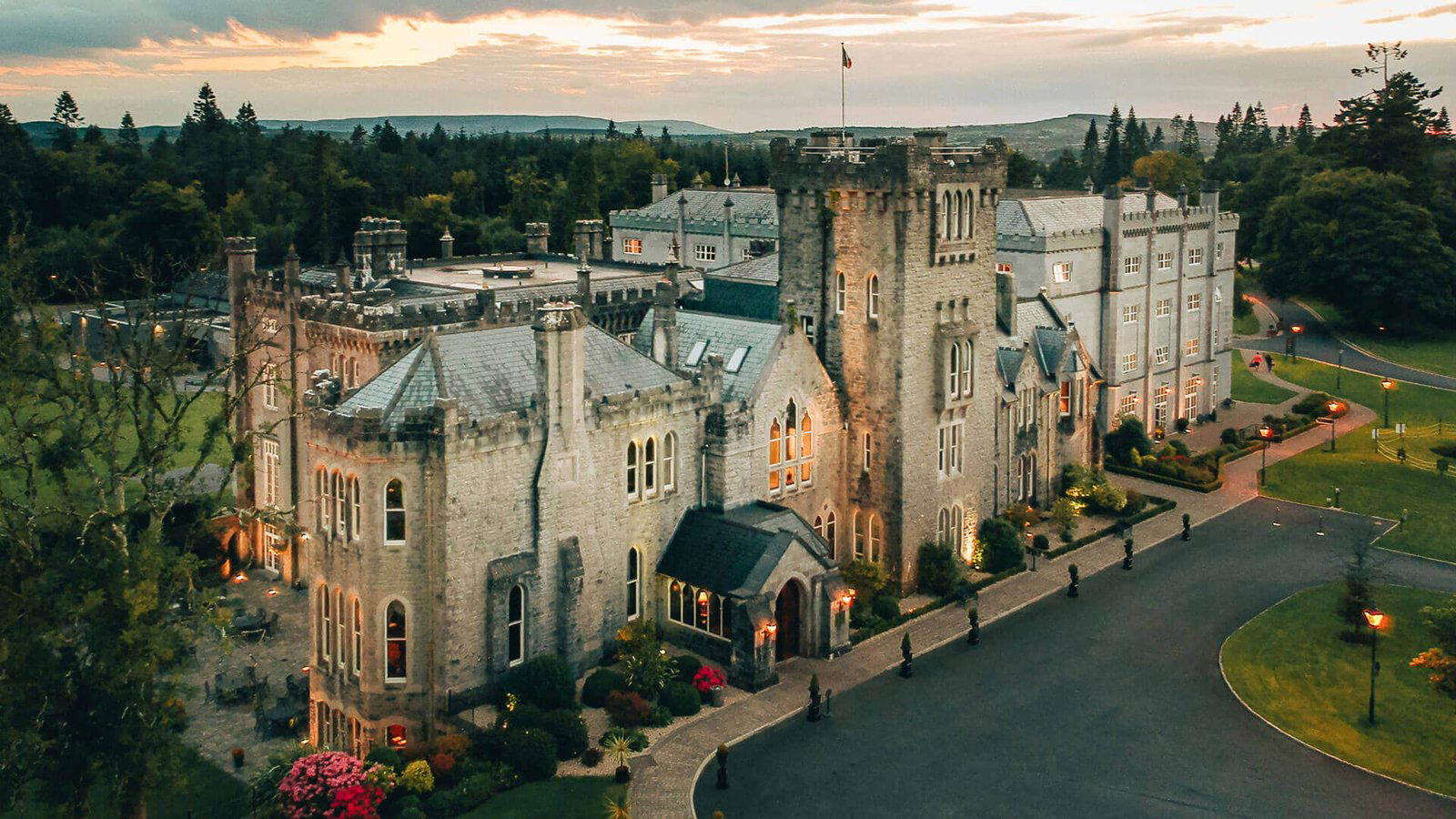
Ireland's castle hotel tradition tends to produce two distinct categories. The first is the grand, heavily restored estate with formal gardens, golf courses, and a conference wing discreetly annexed to a medieval tower. The second is the smaller property where the castle itself remains the dominant architectural fact rather than a backdrop to amenity stacking. Kilronan Castle belongs to the second group. The 18th-century structure at Castletenison Demesne in County Roscommon sits within 50 acres of woodland on the eastern shore of Lough Meelagh, and the combination of water, mature trees, and stone sets a tone that the interior is expected to sustain.
The 18th century was a formative period for Irish country house architecture. The Palladian and Gothic Revival impulses that shaped the era produced buildings with a particular relationship to their surrounding demesnes: the house was legible from a distance, approached through plantings designed to frame and delay the reveal. That spatial logic is still visible at Kilronan, where the woodland functions less as amenity and more as architectural context. Arriving at a property like this is categorically different from pulling up to a city hotel or a purpose-built resort, and the estate format rewards guests who treat arrival as part of the experience rather than an inconvenience to be minimised.
Properties like Ashford Castle in Cong, Dromoland Castle in Newmarket on Fergus, and Adare Manor in Adare each operate at high-profile tourist nodes with strong international name recognition. Kilronan sits further from those circuits, in a part of Roscommon that draws visitors who have already done the Galway and Connemara passes and are looking for something with lower ambient noise. That positioning is a structural feature, not an oversight.
The Lough Meelagh Setting and What It Means in Practice
Lakeshore placement is a recurring feature of Ireland's premium castle hotel category. Ballynahinch Castle in Recess has the Owenmore River; Lough Eske Castle in Donegal has its namesake lake. The relationship between the building and the water shapes the daily rhythm of a stay, determining where light falls in the morning, what the grounds smell like after rain, and which walking routes feel purposeful rather than decorative. At Kilronan, Lough Meelagh provides the western edge of the estate, and the 50 acres of woodland between the castle and the lough create a sequence of transitions rather than an abrupt edge. This matters architecturally: the demesne is designed to be moved through, not merely viewed.
County Roscommon sits in the Irish Midlands, a region that attracts less dedicated tourism than the western seaboard or the southeast. That means the surrounding countryside is relatively underpressured by visitor infrastructure, which has practical implications for guests: the roads are quieter, the walks are less managed, and the sense of arriving somewhere genuinely peripheral remains intact. For visitors considering a stay, the nearest significant town is Boyle, roughly 10 kilometres to the north, which provides a connection point to the Sligo rail line if arriving without a car. A car, however, gives considerably more freedom to work through the wider Roscommon and Leitrim landscape, including the Arigna Mining Experience and Lough Key Forest and Activity Park, both within reasonable driving distance.
Where Kilronan Sits in the Irish Castle Hotel Spectrum
Ireland's castle hotel market has stratified over the past two decades into several identifiable tiers. At the leading, properties like Ballyfin in Laois and Ballyfin Demesne operate in a category of near-total restoration and extreme scarcity, with limited rooms and rates to match. The middle band, which includes properties like Castle Leslie Estate in Glaslough and Kilkea Castle in Castledermot, offers castle accommodation with a broader range of amenities and a more accessible price point. Kilronan occupies a position in this middle register, offering the castle estate format, woodland grounds, a spa, and lakeshore setting without positioning itself at the ultra-premium end of that spectrum.
The spa component places Kilronan in a specific subset of Irish castle properties where wellness programming has become a primary rather than supplementary draw. This mirrors a wider pattern in European country house hotels, where the spa has shifted from an add-on to a structuring element of the stay. For guests whose primary aim is decompression rather than activity, this configuration makes the property work harder per night. Other Irish properties that follow a comparable model include Aghadoe Heights Hotel and Spa in Killarney and Parknasilla Resort and Spa in Kerry, though both operate in areas with considerably higher tourist density.
Guests considering alternatives in the broader Irish castle category might also look at Glenlo Abbey Hotel and Estate in Galway, Gregans Castle Hotel in Ballyvaughan, or Cashel Palace in Cashel for comparable heritage property formats with different regional orientations. For those open to smaller-scale country house stays, Ballyvolane House in Castlelyons, Liss Ard Estate in Skibbereen, and Ballymaloe House Hotel in Shanagarry each offer a less formal reading of the Irish country estate tradition.
For those building a wider Irish itinerary from a Dublin base, properties like Number 31 in Dublin and Hotel Isaacs Cork in Cork anchor the urban ends of a circuit that could include a Roscommon night at Kilronan as a midpoint detour. The drive from Dublin to Ballyfarnon runs approximately two and a half hours via the N4 and N61. See our full Ballyfarnon restaurants guide for context on what eating and drinking around the area looks like beyond the estate itself.
Planning a Stay
The property operates as a full-service castle hotel with spa facilities, and the woodland and lakeshore grounds are the primary draws outside of the building itself. Roscommon's weather follows the standard Irish Atlantic pattern: mild, variable, and frequently wet, which makes autumn and spring shoulder seasons genuinely viable rather than compromised options. In those months, the estate grounds take on the kind of textural density that the architecture was originally designed to frame, and the spa becomes a more natural anchor for the middle of the day rather than a retreat from heat that never materialises in any meaningful quantity.
Guests who respond to the castle estate format but want to compare across Europe's broader country house hotel category might also consider Aman Venice in Venice for a palazzo reading of the same historic-property impulse, or look at how the format translates to urban luxury at properties like The Fifth Avenue Hotel in New York City and Aman New York in New York City. The comparison is instructive: what Kilronan trades in cosmopolitan infrastructure, it returns in the specific quality of quiet that a 50-acre woodland estate on a Roscommon lough can reliably produce.
Recognition history
Dated appearances from independent guides and award organizations, with the underlying list record or original source where available.
Michelin Selected
Michelin
Tablet Hotels Top 40 New Hotels #15
Tablet Hotels
Continue exploring
More in Ballyfarnon
Hotels in Ballyfarnon
Browse all →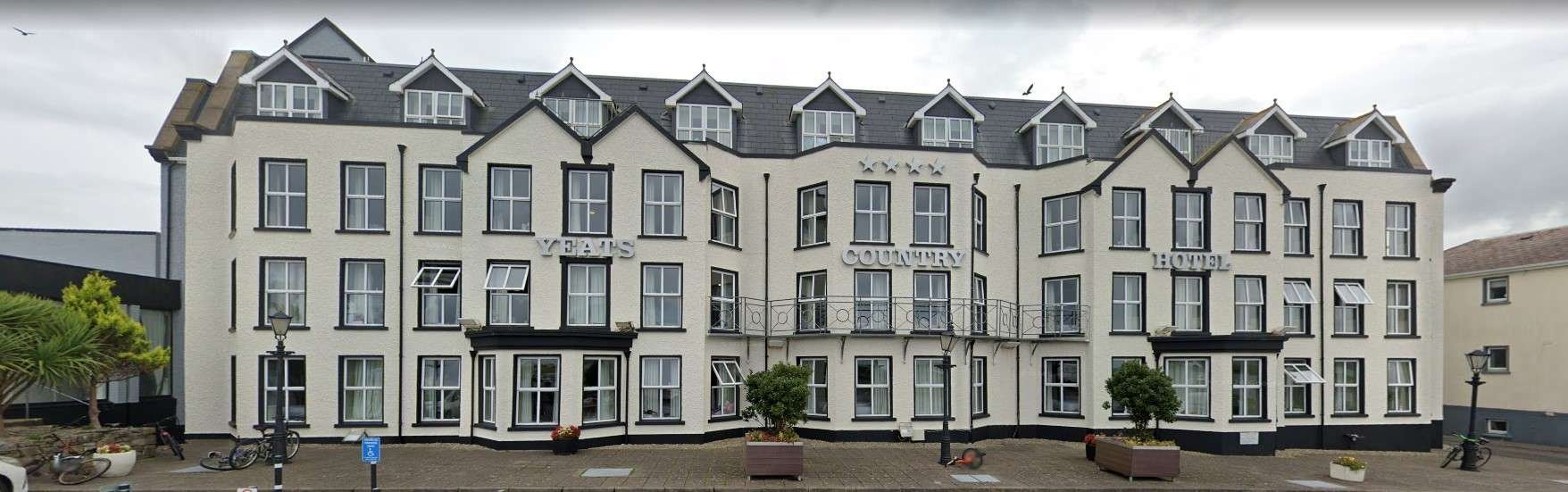
Bars in Ballyfarnon
Browse all →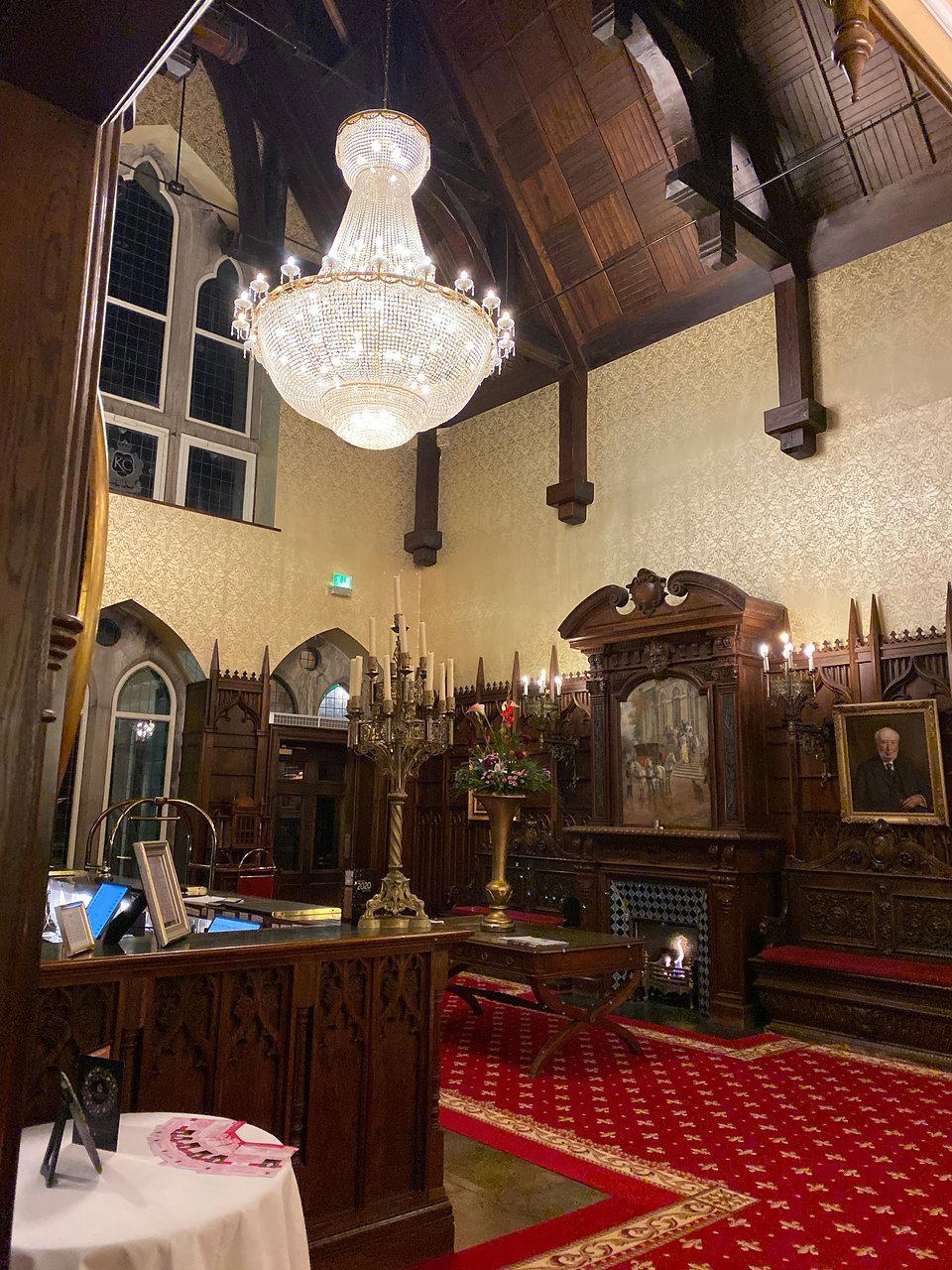
At a Glance
- Romantic
- Elegant
- Scenic
- Cozy
- Sophisticated
- Ornate
- Honeymoon
- Romantic Getaway
- Wellness Retreat
- Anniversary
- Destination Wedding
- Historic Building
- Destination Spa
- Panoramic View
- Spa
- Pool
- Fitness Center
- Room Service
- Concierge
- Restaurant
- Wi Fi
- Sauna
- Hot Tub
- Garden
- Spa
- Pool
- Fitness Center
- Room Service
- Concierge
- Restaurant
- Wi Fi
- Sauna
- Hot Tub
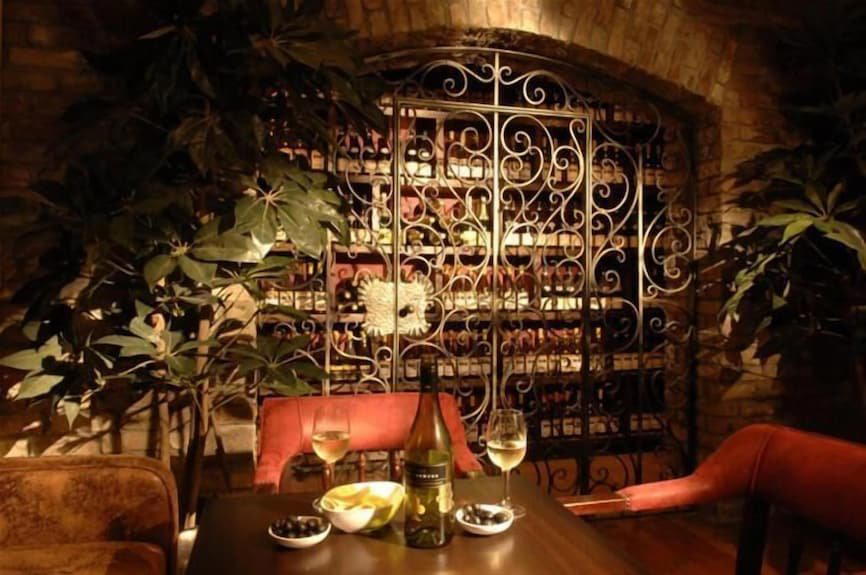
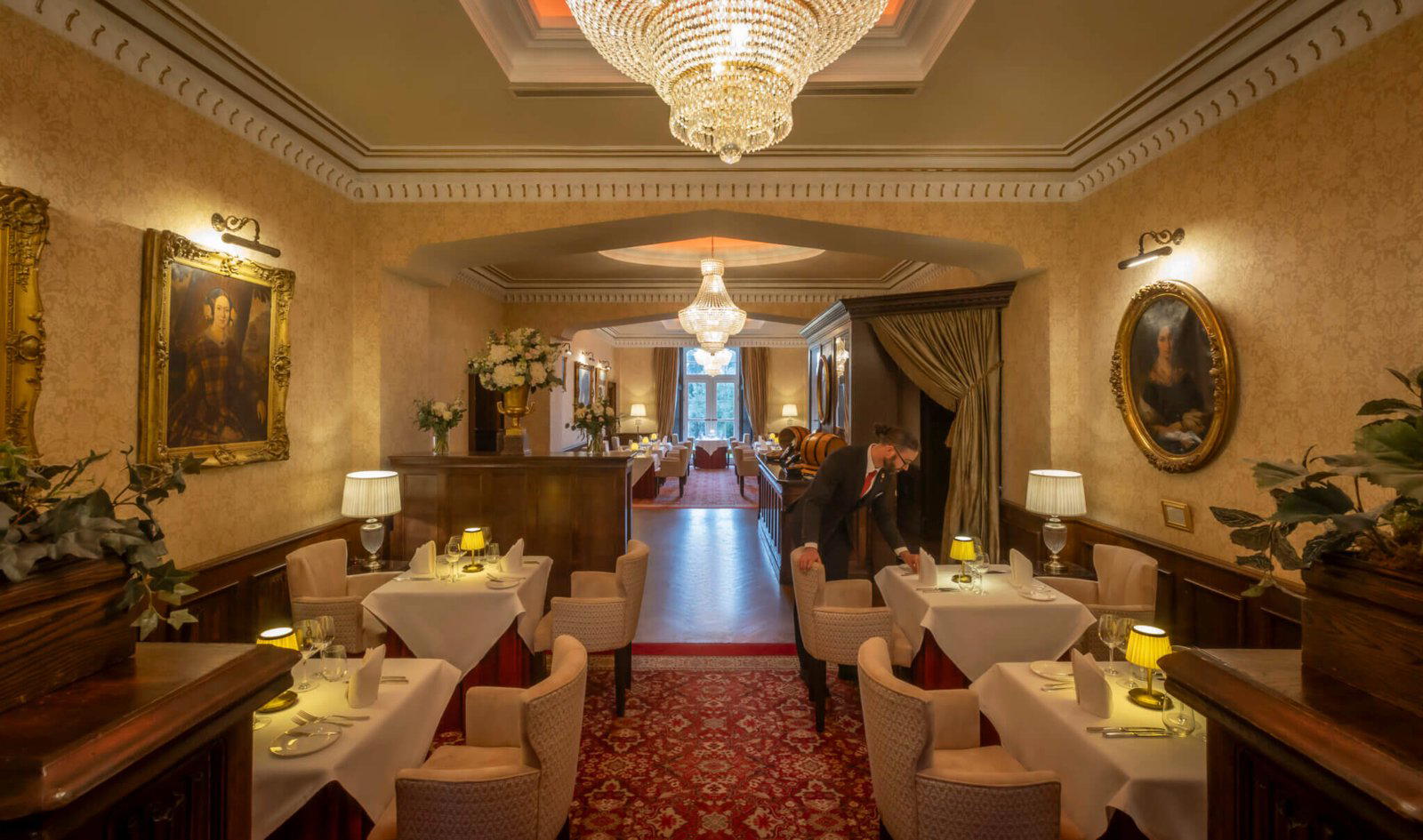
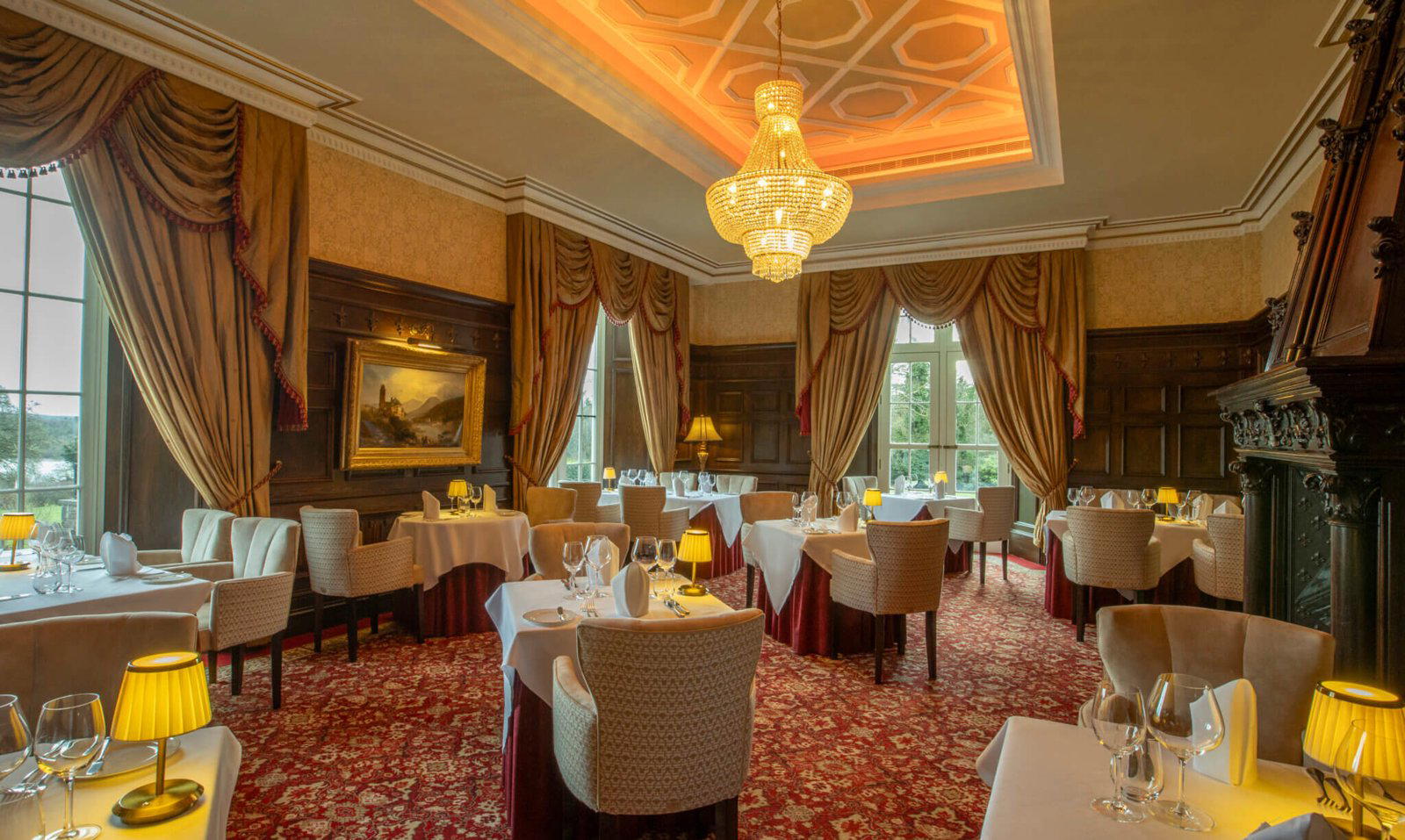
Sensuous and relaxing spa atmosphere with thermal suites, vitality pools, and steam rooms; elegant castle interiors featuring antique furniture, fireplaces, and serene lighting.
Know Before You Go
- Getting there
- Castletenison Demesne, Ballyfarnon, Co. Roscommon, F52 R867