Tenuta Villa Trasqua

Falstaff Winery - 3 Stars
Tenuta Villa Trasqua is a Chianti Classico DOCG estate in Castellina in Chianti shaped by long viticultural continuity, organic farming, and a gravity-fed winery. Its 120-hectare holding, including 54 hectares of vineyard, gives the tasting experience a strong estate-grown frame rather than a generic cellar-door feel.

Pearl is the En Primeur Club membership app, where members save venues, book tables and use the concierge.

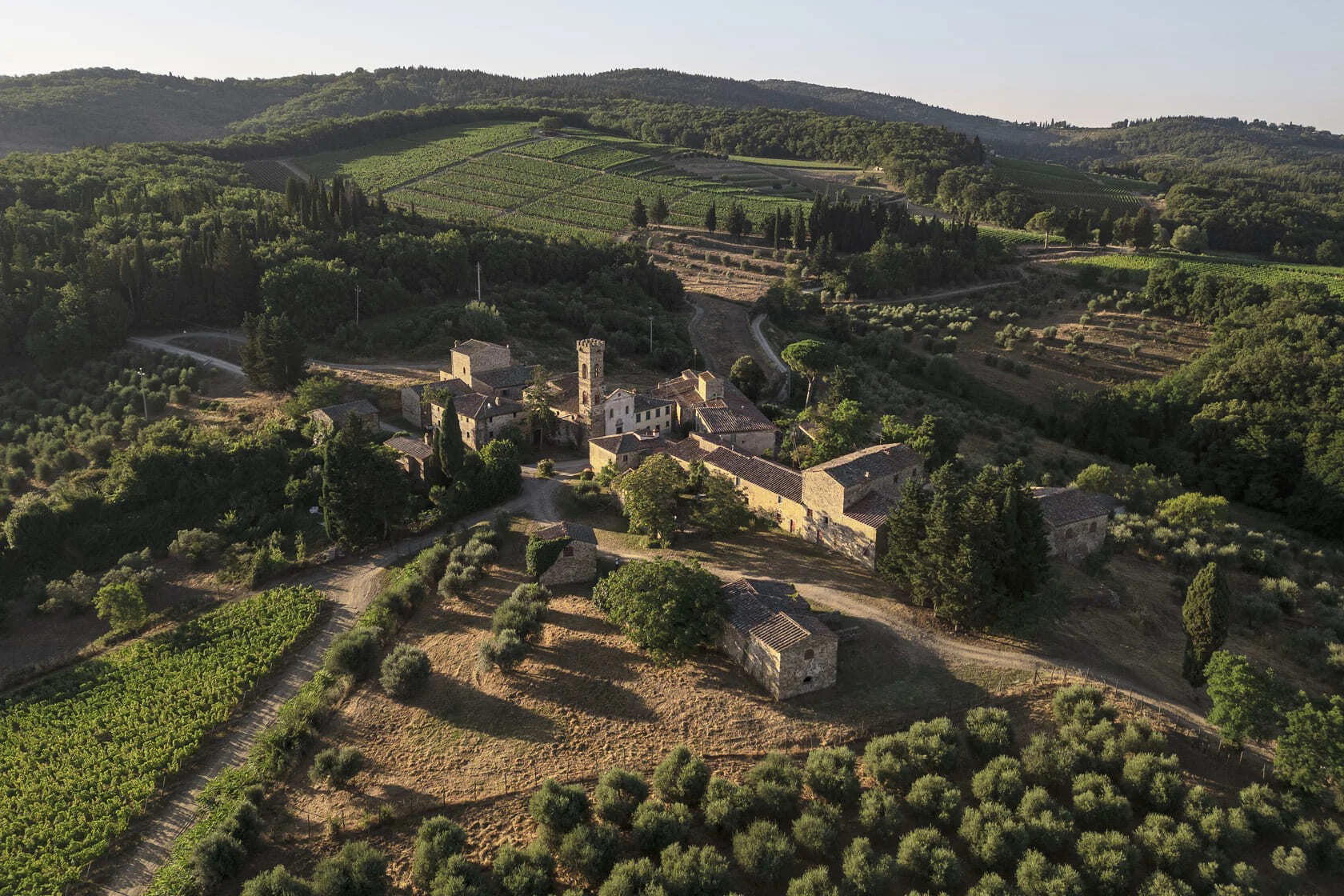
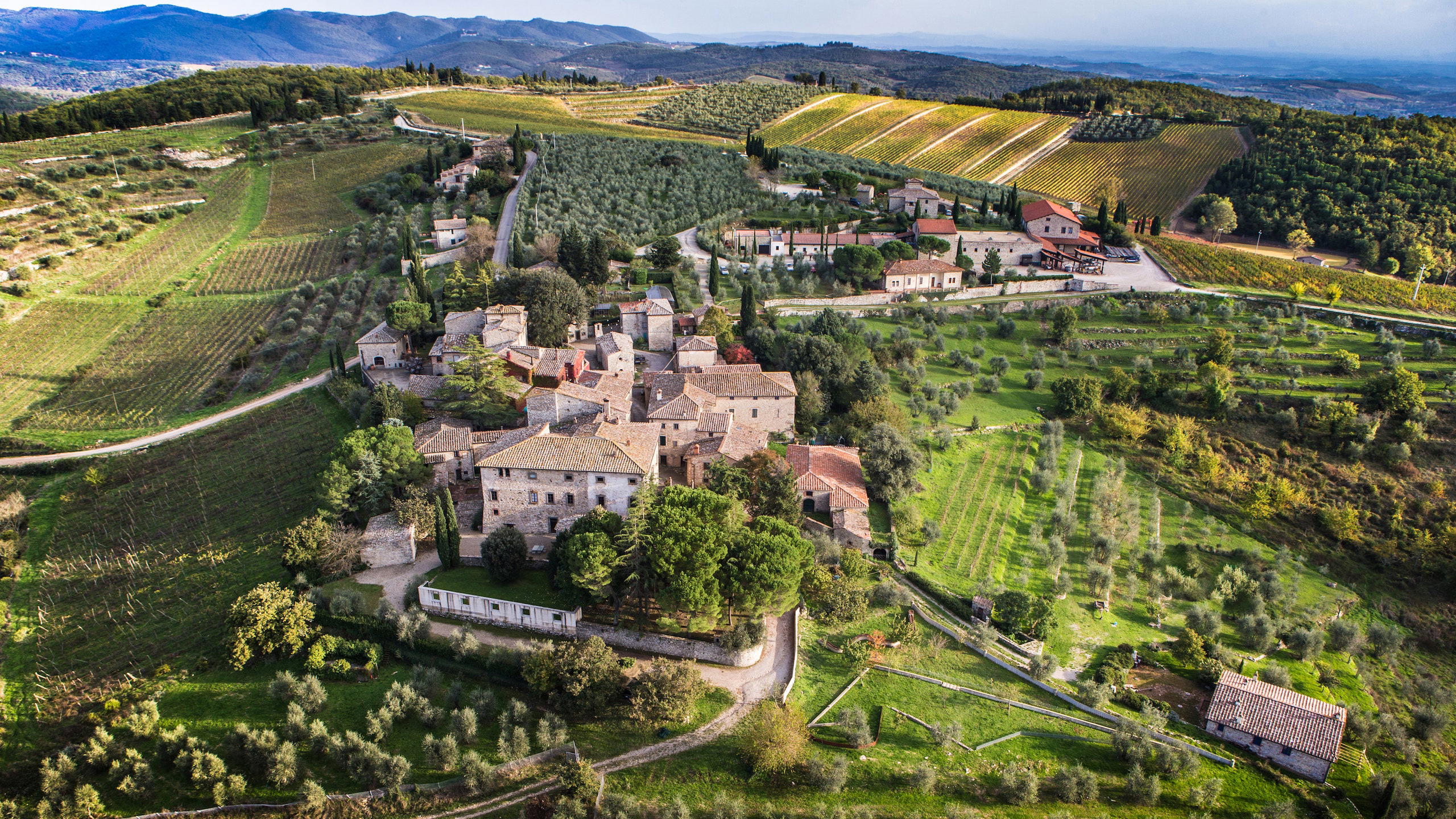
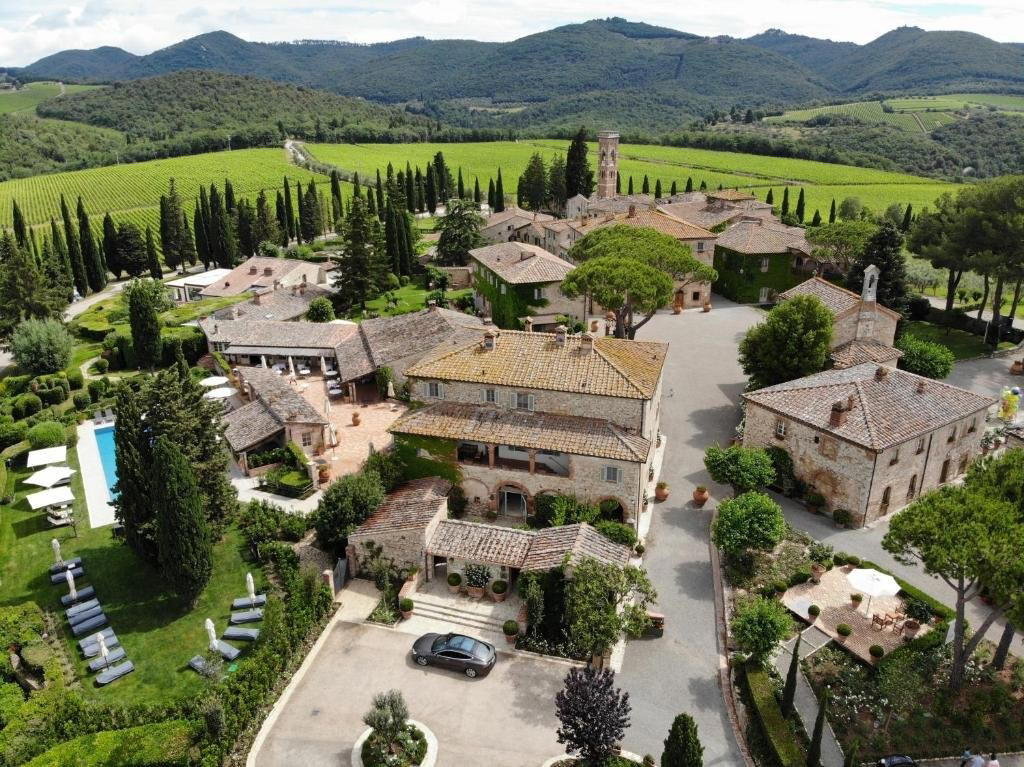
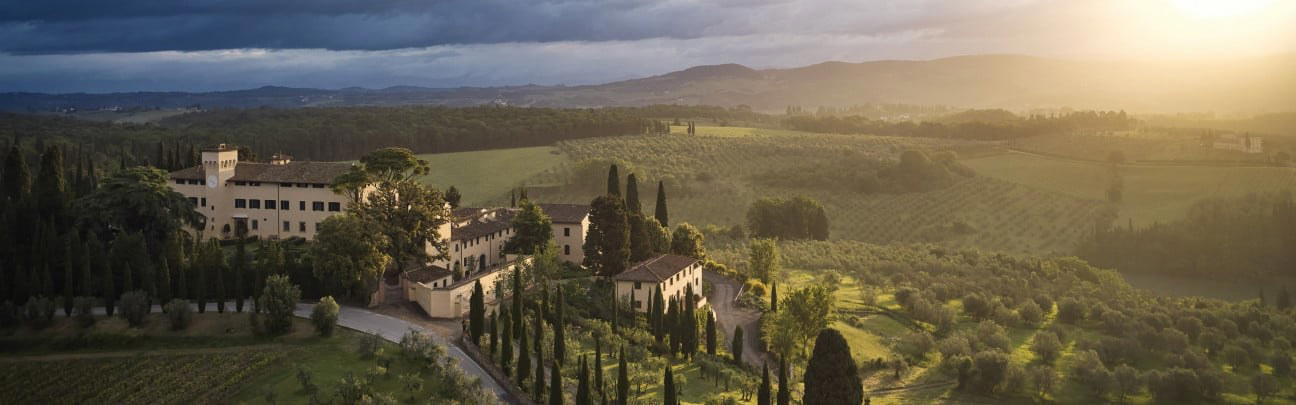
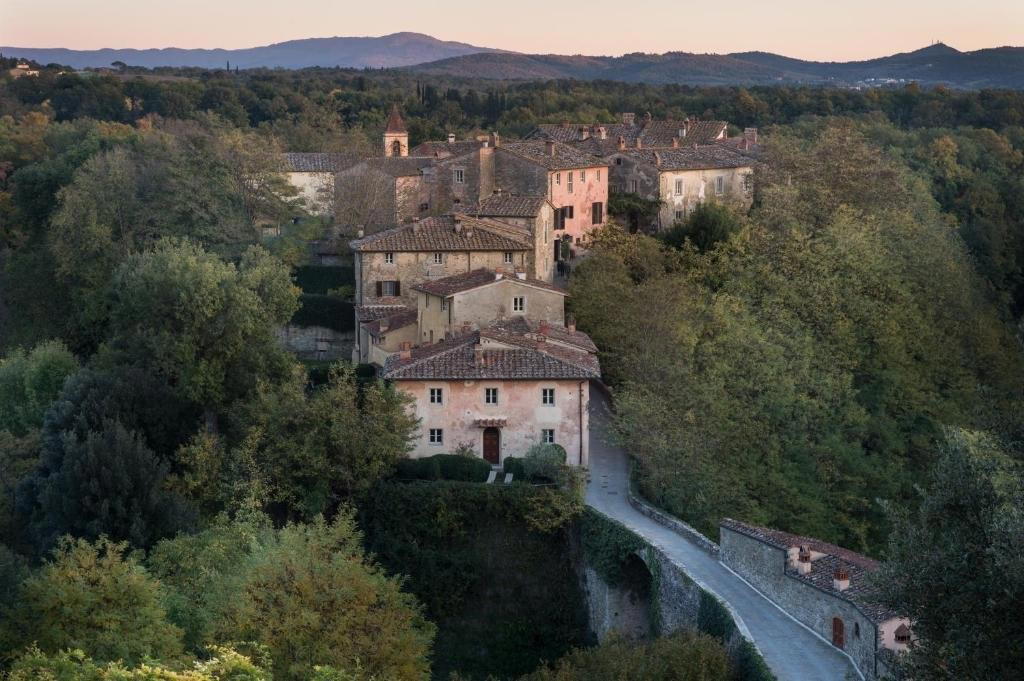
Approaching a Chianti Classico estate in Castellina in Chianti, the first argument is rarely in the glass. Slope, exposure, cypress line, stonework, and long views across vineyard land worked for generations set the tone. Tenuta Villa Trasqua belongs to that older Tuscan grammar: a hillside wine estate built around land before labels, where the cellar visit makes better sense after the vineyards speak.
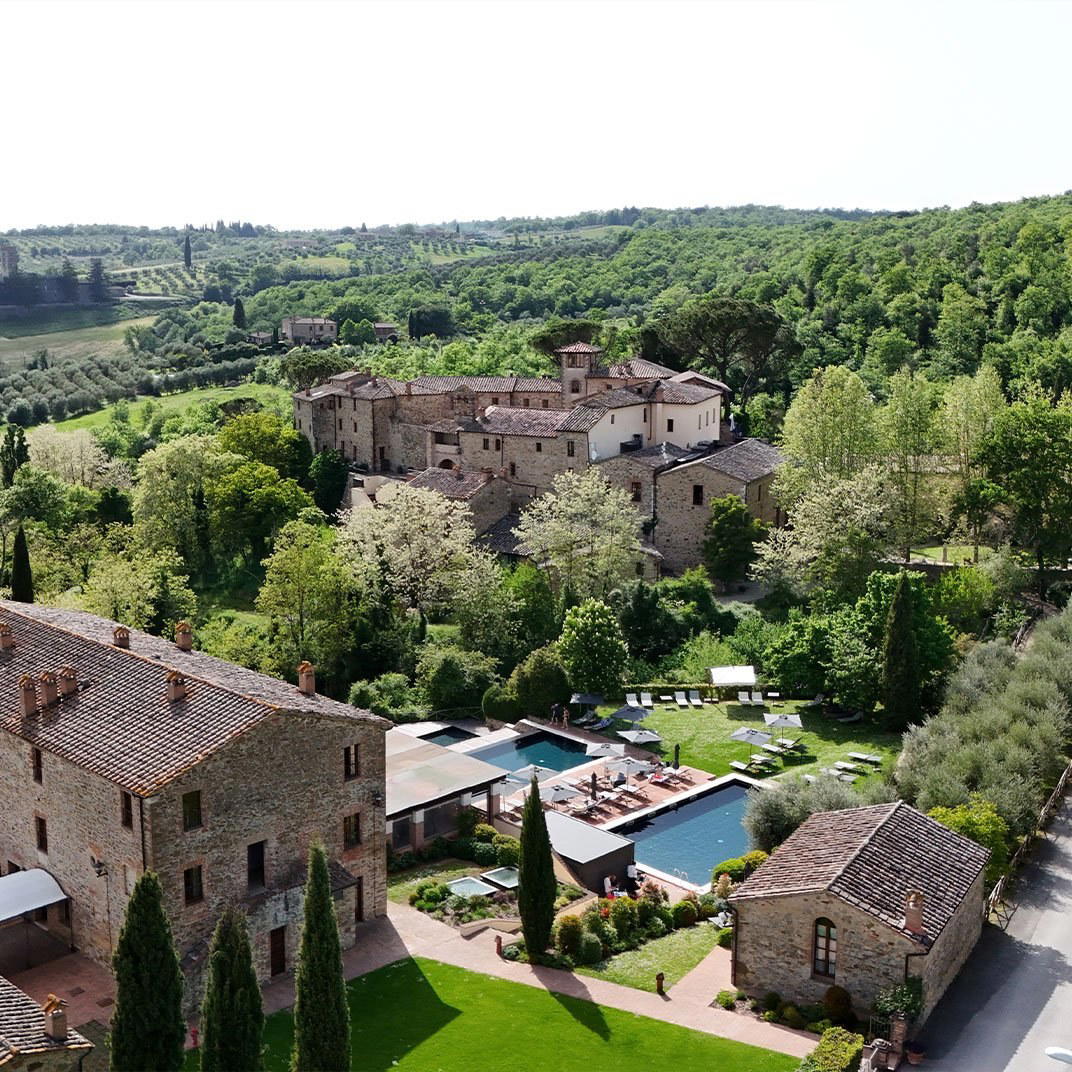
The estate’s scale gives the setting substance. Tenuta Villa Trasqua covers 120 hectares, with 54 hectares planted to vines, an estate model that matters in Chianti Classico because land control remains central to communicating place. This is not a storefront tasting room using the region as backdrop, but a production landscape where vineyard, cellar, hospitality, and direct sales sit within one agricultural holding.
Chianti Classico told through estate land, not cellar theatrics
Chianti Classico can be oversimplified by visitors chasing a Tuscan red-wine postcard, but better estates make the denomination specific. Castellina in Chianti sits within the appellation’s historic core, and Villa Trasqua leans into that continuity. The estate dates its viticultural history to 1001, a striking claim even in a region of medieval timelines. The point is not nostalgia, but how long cultivation turns a modern wine visit into a conversation between inherited vineyard knowledge and contemporary cellar discipline.
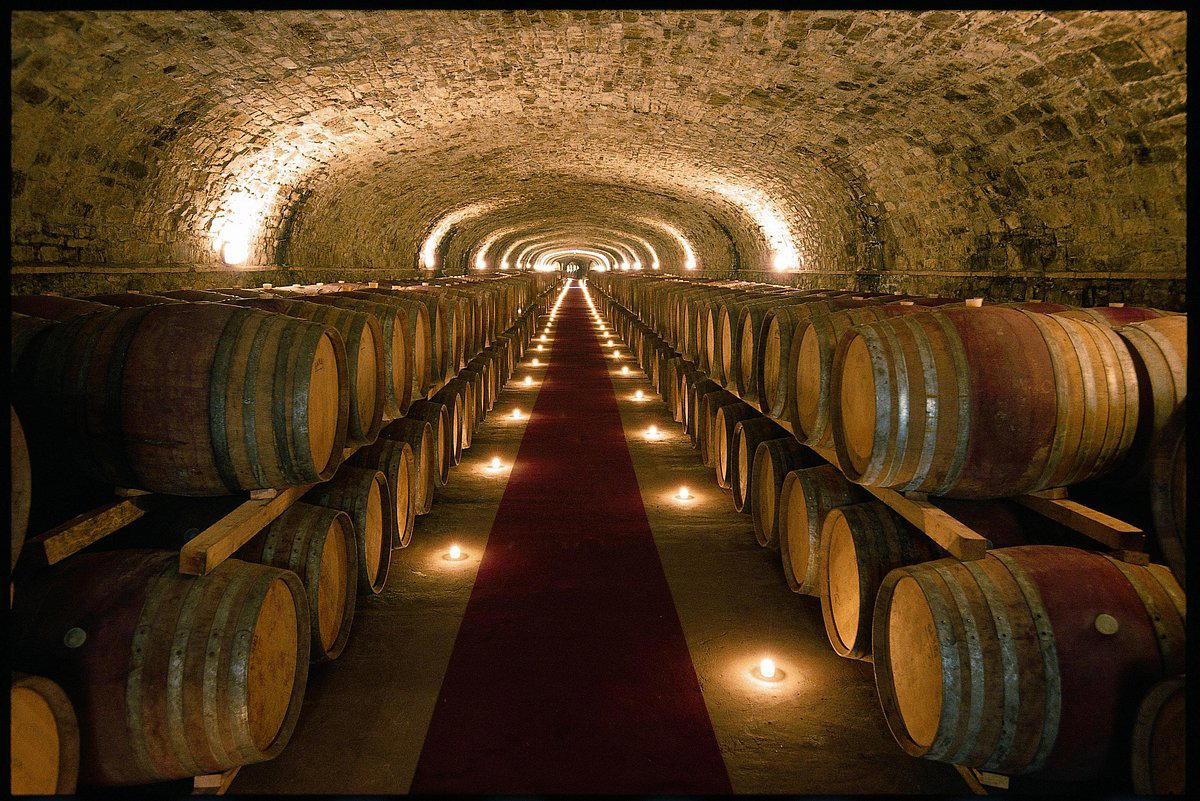
The production cues show that balance. The winery is described around gravity-fed winemaking, associated with gentler movement of fruit, must, and wine through the cellar. It does not explain every fermentation or élevage detail, but signals that handling is part of the estate narrative. In a denomination where Sangiovese carries the cultural load, the listed plantings also include Cabernet Sauvignon, Merlot, Alicante Bouschet, and Cabernet Franc, placing the estate inside Tuscany’s wider conversation between native identity and international-variety structure.
Organic farming is part of the stated production philosophy, especially relevant in Chianti Classico, where vineyard health, erosion control, and biodiversity are practical rather than abstract. Hill-country farming asks for long-term thinking. Here, organic viticulture, significant estate vineyard acreage, and a gravity-fed cellar form coherent signals about how the property wants its wines to express site.
The wine focus is still red, and that matters. Chianti Classico’s prestige has always depended on red wines with acidity and structure for the table, not just the tasting glass. Villa Trasqua emphasizes longevity and Tuscan character, aligning with the appellation’s food-facing tradition rather than immediate softness. For travelers planning several estate visits, this stop clarifies why Chianti Classico remains a place-based category, not a generic Sangiovese label.
A guided estate visit with language breadth and vineyard context
The hospitality format is built around guided tasting, estate visit, wine tour, cellar context, and vineyard exposure. That suits an estate whose main asset is not one famous bottle or a chef-led dining room, but the relationship between terrain and production. Read the experience as wine education rather than casual sampling: vineyard land, cellar logic, and the red-wine traditions of the denomination carry the visit.
Language access is practical for international travelers, with English, French, German, and Spanish listed for tours. That breadth matters in rural Tuscany, where premium wine tourism depends on communicating technical ideas clearly, not merely pouring. A one-to-two-hour format gives orientation without a full-day commitment, and suitability for groups and corporate occasions points to a hospitality operation able to handle more than the lone collector passing through.
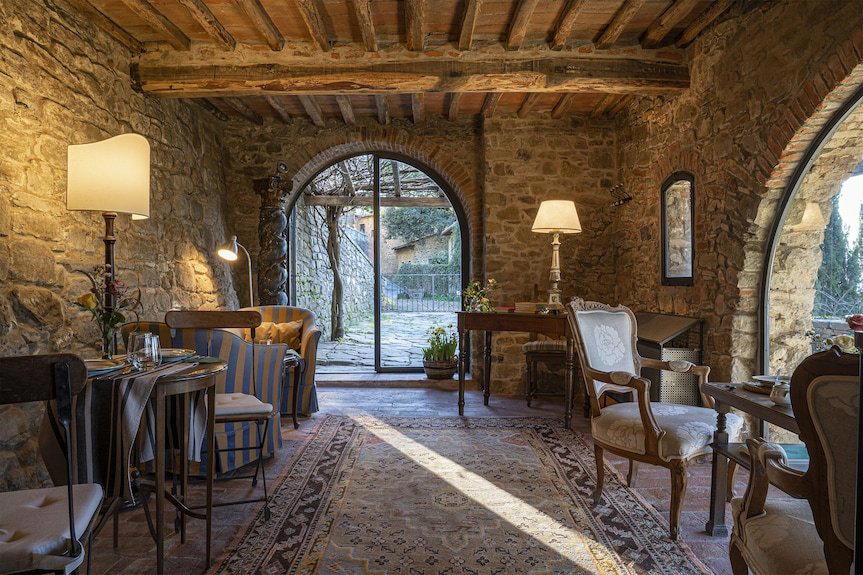
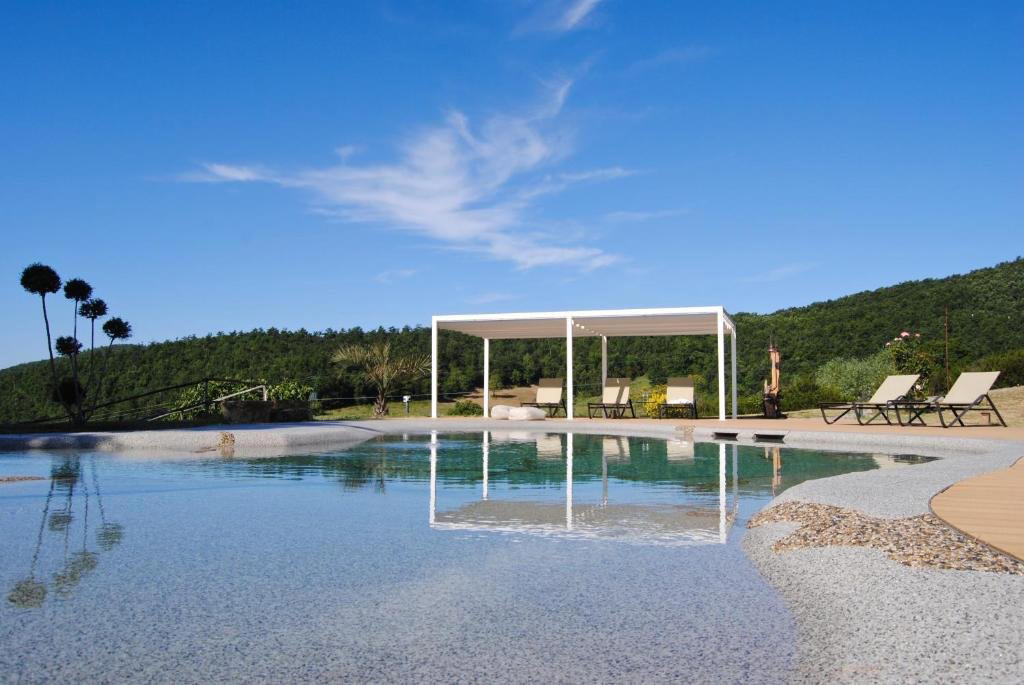
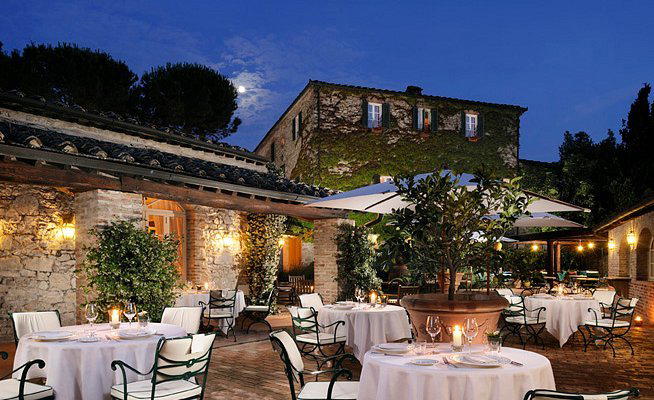
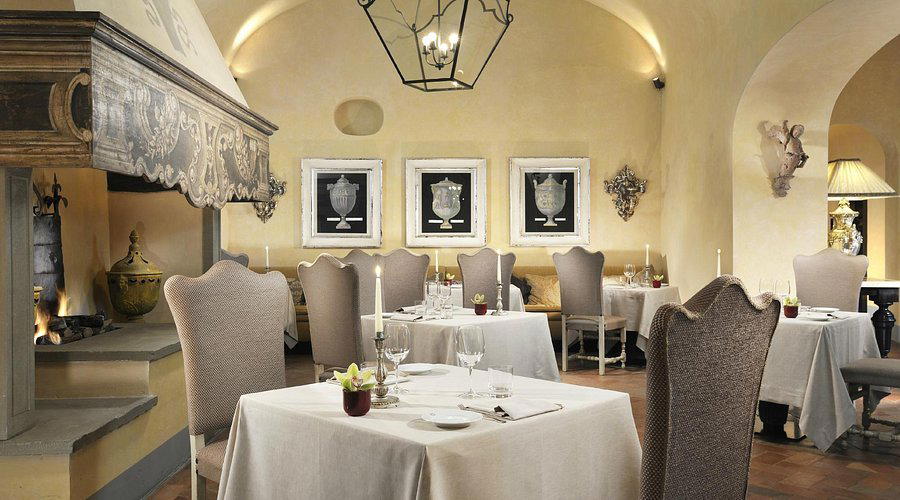
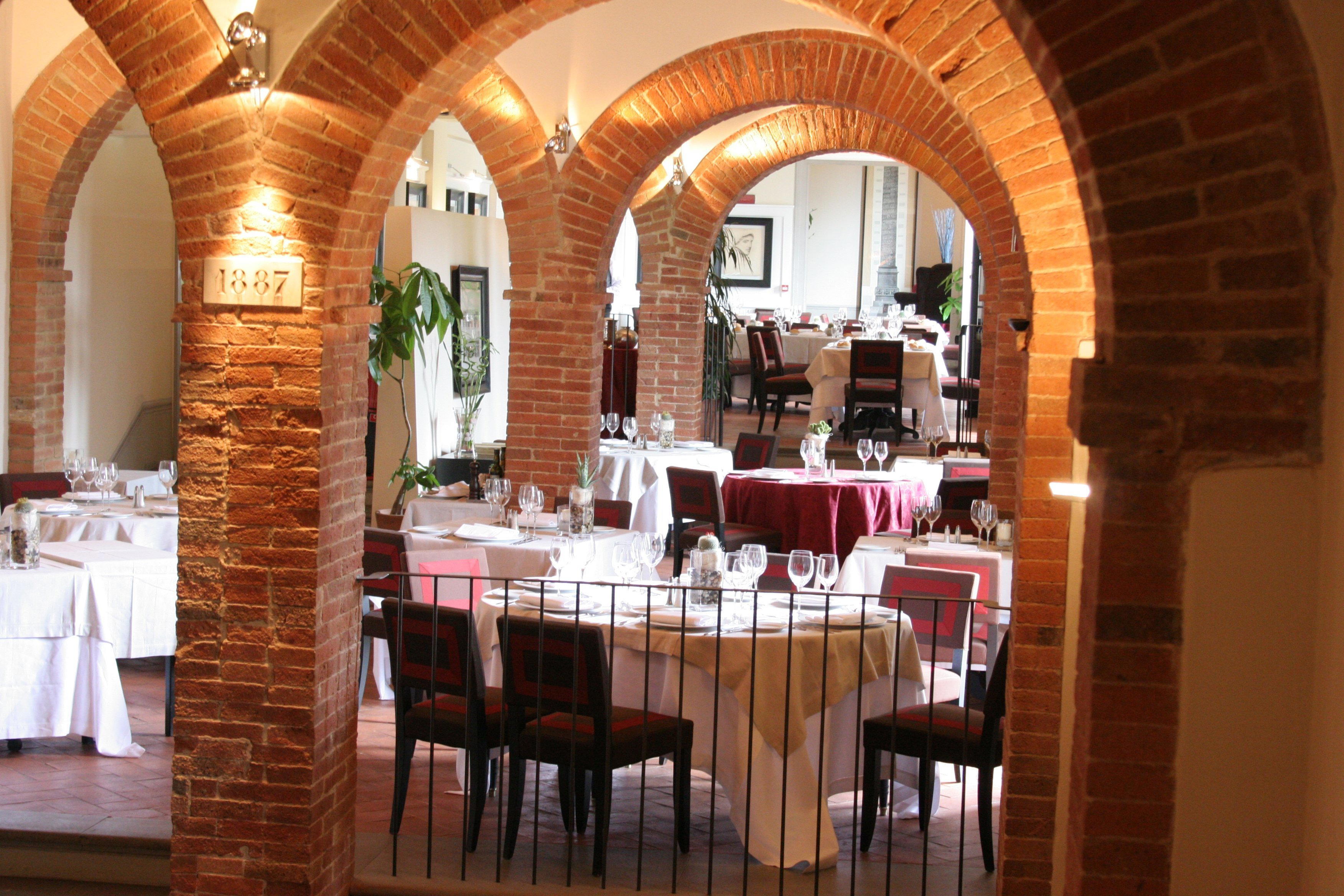
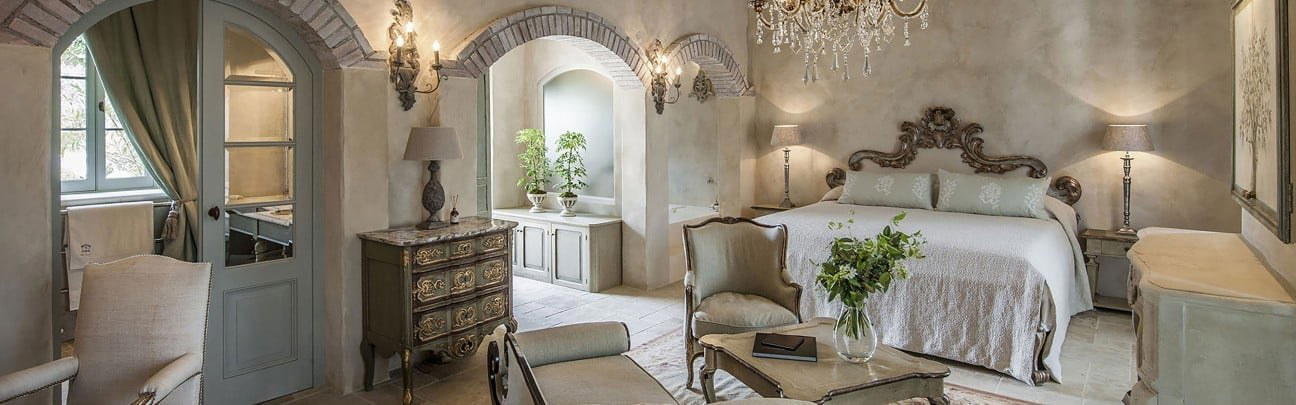
The mood is quiet, classic, scenic, rustic, and polished without resort theatre. Outdoor seating and vineyard views make the setting part of the tasting vocabulary. Food pairing is available, placing the wines where Chianti Classico needs them: acidity, tannin, and savoury Tuscan cooking speak more fluently at the table than alone. The dress code is casual, but the tone is not throwaway; this is for people who want the vineyard to explain the wine.
There is also a useful absence: no named award ladder dominates the story. In Tuscany, medals and critic scores can help sort the field, but they are not the only measure of a serious estate visit. At Villa Trasqua, the stronger evidence is structural: a large historic holding, 54 hectares under vine, Chianti Classico DOCG status, organic production philosophy, gravity-fed winemaking, and a visitor program oriented toward guided interpretation.
How to place Villa Trasqua inside a Castellina wine itinerary
Castellina in Chianti rewards visitors who treat winery selection as contrast, not a race through tastings. Villa Trasqua fits the estate-scale, heritage-led end of that itinerary: substantial land base, red-wine focus, and a hillside setting that makes Chianti Classico feel agricultural before collectible. Travelers widening the local frame can compare estate visits across nearby winery pages such as Azienda Agricola Casavecchia alla Piazza, Azienda Agricola San Donatino, Belguardo, Casale dello Sparviero, and Casina di Cornia.
The right visitor is not chasing spectacle. The appeal is a grounded Chianti Classico encounter where vineyard acreage, organic approach, and cellar format point toward terroir expression. That makes the estate useful for wine education, solo exploration with serious purpose, group outings where structure matters, or a special occasion that benefits from landscape rather than ceremony.
Planning the wider stay around Castellina helps. Pair the estate with our full Castellina in Chianti wineries guide, then use our full Castellina in Chianti restaurants guide, our full Castellina in Chianti hotels guide, our full Castellina in Chianti bars guide, and our full Castellina in Chianti experiences guide to build the rest of the day around food, lodging, and non-wine time. For a broader European winery lens, EP Club also tracks producers such as 3GP SRL in Treviso, 47 Anno Domini in Trebaseleghe, A Mano Wine in Noci, »der Steiner« Hans Steiner in Podersdorf am See, and & Handwein in Mannheim.
The editorial case for Tenuta Villa Trasqua is clear: it is a Chianti Classico estate where land has enough scale and history to carry the visit. The gravity-fed winery and organic farming philosophy add contemporary discipline, but the deeper draw remains older and simpler: vineyard place, interpreted through red wine, in one of Tuscany’s defining wine towns.
Recognition history
Dated appearances from independent guides and award organizations, with the underlying list record or original source where available.
Falstaff Winery - 3 Stars
Falstaff
Continue exploring
More in Castellina in Chianti
Wineries in Castellina in Chianti
All wineries in Castellina in Chianti →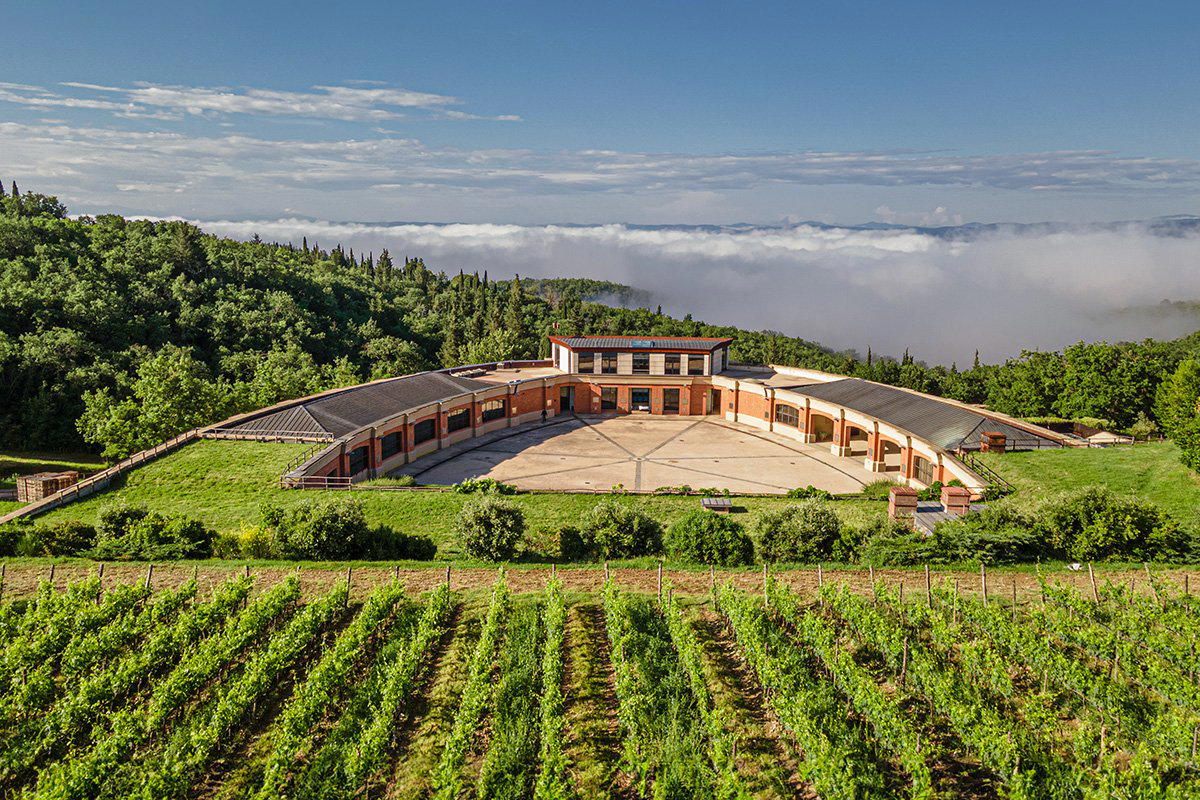
Bars in Castellina in Chianti
Browse all →
Restaurants in Castellina in Chianti
All restaurants in Castellina in Chianti →
Details
- Classic
- Scenic
- Elegant
- Rustic
- Sophisticated
- Wine Education
- Special Occasion
- Group Outing
- Corporate Event
- Solo Exploration
- Historic Building
- Estate Grounds
- Vineyard Tour
- Private Tasting
- Organic
- Vineyard
- Sangiovese
- Cabernet Sauvignon
- Merlot
- Alicante Bouschet
- Cabernet Franc
- Still Red
- Guided Tasting
- Estate Visit
- Wine Tour
- English
- French
- German
- Spanish
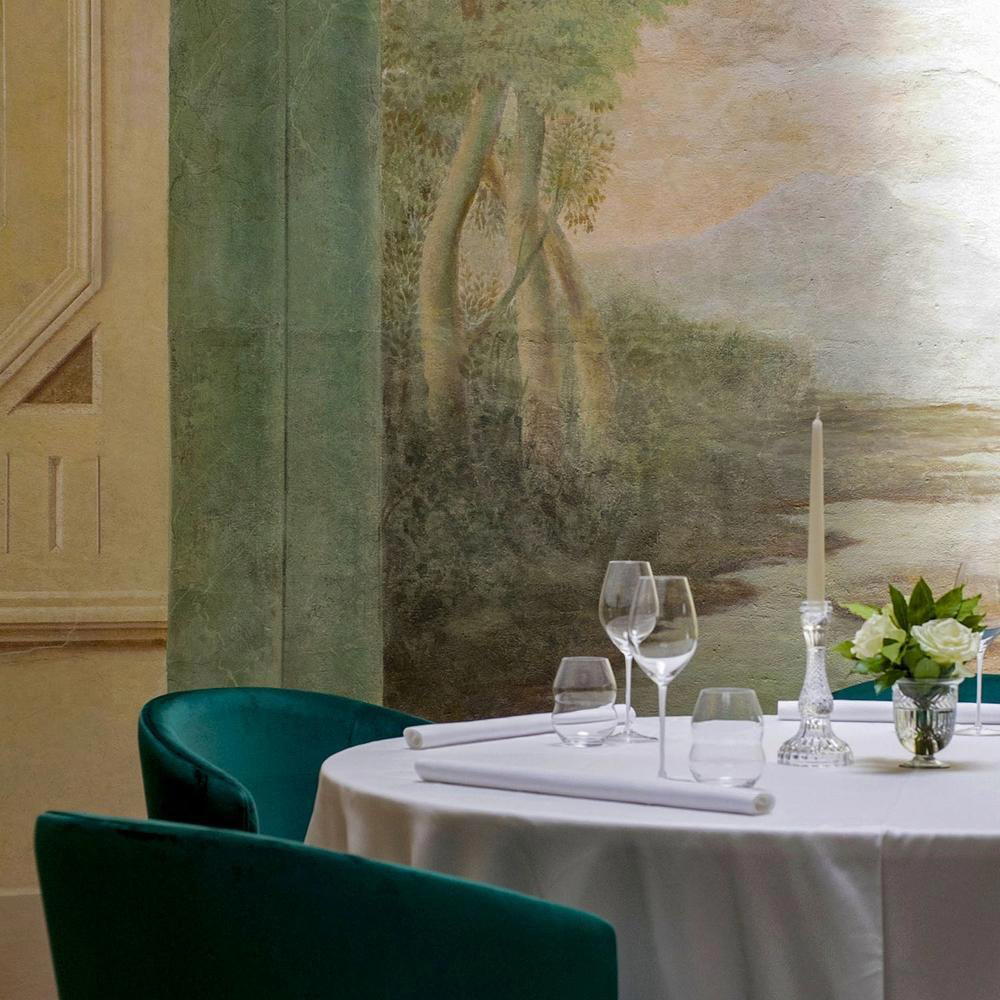
A timeless, classic Tuscan wine estate with a contemporary feel, set in an historic hillside landscape and designed around gravity-fed winemaking.