Swinney
Swinney is a Frankland River winery. The address alone tells you something: 325 Kojonup-Frankland Rd places it deep in a region that still rewards the traveller willing to seek it out.

Pearl is the En Primeur Club membership app — saves, bookings, and concierge access live there. Same editors, same standards.
- Address
- 325 Kojonup-Frankland Rd, Frankland River WA 6396
- Phone
- +61 8 9200 4483
- Website
- swinney.com.au
- Directions
- Get directions
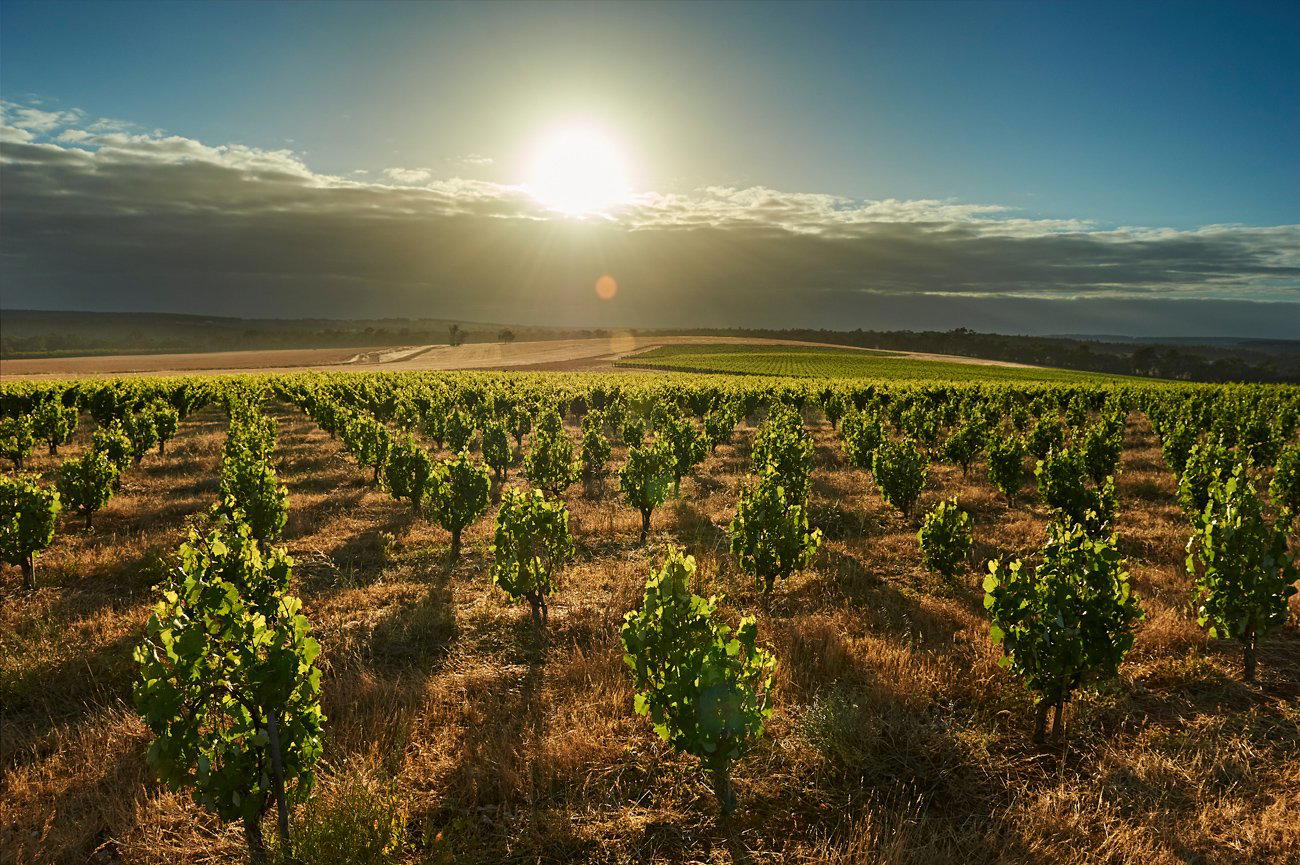
Frankland River and the Case for Remoteness
The Great Southern is one of Western Australia's most geographically dispersed wine regions, and Frankland River sits at its western edge, separated from the coastal moderating influence that defines Margaret River and exposed instead to a drier, more continental rhythm. Warm days, cold nights, and ancient granite-derived soils produce a growing environment that compresses flavour while preserving acidity in a way that few Australian sub-regions can match. Swinney, addressed at 325 Kojonup-Frankland Rd, occupies that terrain directly. The road itself is the orientation: a working agricultural corridor that signals you are entering a landscape shaped by farming long before wine became its primary export identity.
For a Frankland River address, that recognition carries additional weight: the sub-region produces a fraction of the volume that Barossa, McLaren Vale, or Margaret River generate, which means less critical attention by default. A prestige-tier rating here is earned against a smaller reference pool but in conditions that make the viticulture genuinely demanding.
What the Soil Tells the Wine
Granite and laterite profiles dominate the Frankland River floor, and their low fertility forces vine roots to work hard for nutrients. The result, across producers who have worked this ground long enough to understand it, is fruit with concentrated flavour and a structural backbone that makes the wines age-worthy. Compare that to the limestone-clay profiles further west at Cape Mentelle in Margaret River, where the moderating maritime climate produces a different kind of precision, cooler and more aromatic, and the distinction becomes clear. Frankland River's wines tend toward darker fruit profiles and firmer tannin architecture, particularly in Shiraz and Cabernet Sauvignon, the two varieties that have defined the sub-region's reputation most consistently.
The continental temperature range is the other key variable. Diurnal swings of fifteen to twenty degrees Celsius across the growing season are common, and that range slows ripening enough to develop phenolic complexity without the heat accumulation that pushes alcohol up in warmer inland zones. The comparison with producers operating in similarly cool but wetter southern Australian environments, such as Bass Phillip in Gippsland or Leading's Wines in Great Western, is instructive. Each region imposes different constraints; Frankland River's particular contribution is that granite-driven mineral thread that runs through the wines when the vintage cooperates.
Reading a Prestige Rating in Context
Across Australia's wine regions, the producers carrying equivalent prestige-tier recognition tend to share certain characteristics: low intervention in the winery, fruit sourced from estate or long-term contracted blocks with known soil profiles, and release schedules that prioritise quality over volume. Angove Family Winemakers in Renmark and All Saints Estate in Rutherglen represent different points on the Australian wine spectrum, but all sit within a broader conversation about regional identity and how a rated estate communicates that identity through its wines.
For Swinney specifically, the prestige rating in 2025 signals that the estate is producing at a level that warrants attention from buyers and collectors who track Great Southern output. Frankland River has historically been overshadowed by Margaret River in terms of international profile, despite producing wines that many critics argue are more age-worthy at the leading level. The rating is one data point in that longer argument.
The Wider Great Southern Reference Set
Understanding Swinney requires situating it within Australia's premium wine geography more broadly. The Great Southern as a whole competes for collector attention with Barossa Valley estates whose Shiraz commands the highest prices in the Australian market, and with Clare and Eden Valley Riesling producers who have carved out a different kind of prestige. Frankland River's producers, operating at lower volumes and with less marketing infrastructure than the major South Australian players, tend to build reputation through critical recognition rather than retail presence.
That dynamic is visible across the Australian wine scene in other forms too. Estates like Brokenwood in Hunter Valley built long-term credibility through consistent critical attention in a region that required patient advocacy. Bird in Hand in Adelaide Hills operates in a cooler-climate zone that similarly rewards patience over volume. The pattern across Australia's premium wine culture is consistent: the estates that earn prestige-tier recognition in less-trafficked regions are often the ones whose wines reward cellaring most reliably.
Getting There and Planning Your Visit
Frankland River is not a destination you fall into. Albany, the nearest significant regional centre, sits roughly two hours southeast by road, and Perth is approximately three and a half hours north. The Kojonup-Frankland Rd address means arriving via agricultural roads through open farmland, and that physicality is part of the experience of engaging with a producer at this level of geographic specificity. Visitors planning a broader Great Southern itinerary would do well to anchor their routing through Frankland River as a deliberate stop rather than a detour, given the concentration of serious producers in the sub-region. Given the limited venue-specific booking and operational data currently available for Swinney, contacting the estate directly before any visit is the practical first step.
For context on what else the broader Frankland River area offers, see our full Frankland River restaurants guide. Those planning a wider Australian wine circuit might also consider the comparative perspectives offered by Blue Pyrenees Estate in Pyrenees or Brown Brothers in King Valley, both of which operate in cool-climate zones with their own distinct terroir arguments. Further afield, Archie Rose Distilling Co in Sydney represents a different point of Australian craft production, while Casella Family in Griffith and the Bundaberg Rum Distillery anchor the high-volume commercial end of the spectrum. For international comparative context, Aberlour in Aberlour and Accendo Cellars in St. Helena demonstrate how terroir-focused producers in other categories build equivalent prestige recognition through specificity rather than scale.
Comparable Spots, Quickly
Comparable venues nearby, for context on price, style, and recognition.
| Venue | Cuisine | Price | Awards | Notes |
|---|---|---|---|---|
| SwinneyThis venue — the venue you are viewing | shiraz, grenache | Not listed | Not listed | Not listed |
| Flowstone Wines | Chardonnay, Cabernet Sauvignon | Not listed | Not listed | Forest Grove |
| Houghton | Chenin Blanc, Cabernet Sauvignon | Not listed | Not listed | Swan Valley |
| Margaret River Distilling Co (Giniversity) | Margaret River | Not listed | Not listed | Not listed |
| Garagiste | Chardonnay, Pinot Noir | Not listed | Not listed | Mornington Peninsula |
| Cullen Wines | cabernet sauvignon, merlot | $10–20 | Falstaff Winery - Listed | Wilyabrup |
Continue exploring
More in Frankland River
Wineries in Frankland River
Browse all →
Details
- Rustic
- Scenic
- Quiet
- Wine Education
- Solo Exploration
- Vineyard Tour
- Estate Grounds
- Dry Farmed
- Sustainable
- Vineyard
- Shiraz
- Grenache
- Riesling
- Cabernet Sauvignon
- Mourvedre
- Still Red