Cantina de Ventozelo
Cantina de Ventozelo belongs to the Douro’s estate-dining tradition, where the meal makes more sense when read through terraces, olive groves, river bends, and cellar culture than through urban restaurant codes. In Ervedosa do Douro, the relevant comparison is not Lisbon polish but whether the table can translate rural sourcing into a clear regional argument.
Pearl is the En Primeur Club membership app — saves, bookings, and concierge access live there. Same editors, same standards.
- Address
- 5130-057 Ervedosa do Douro, Portugal
- Phone
- +351 254 249 670
- Website
- hotel.quintadeventozelo.pt
- Directions
- Get directions
 Saves & bookings on Pearl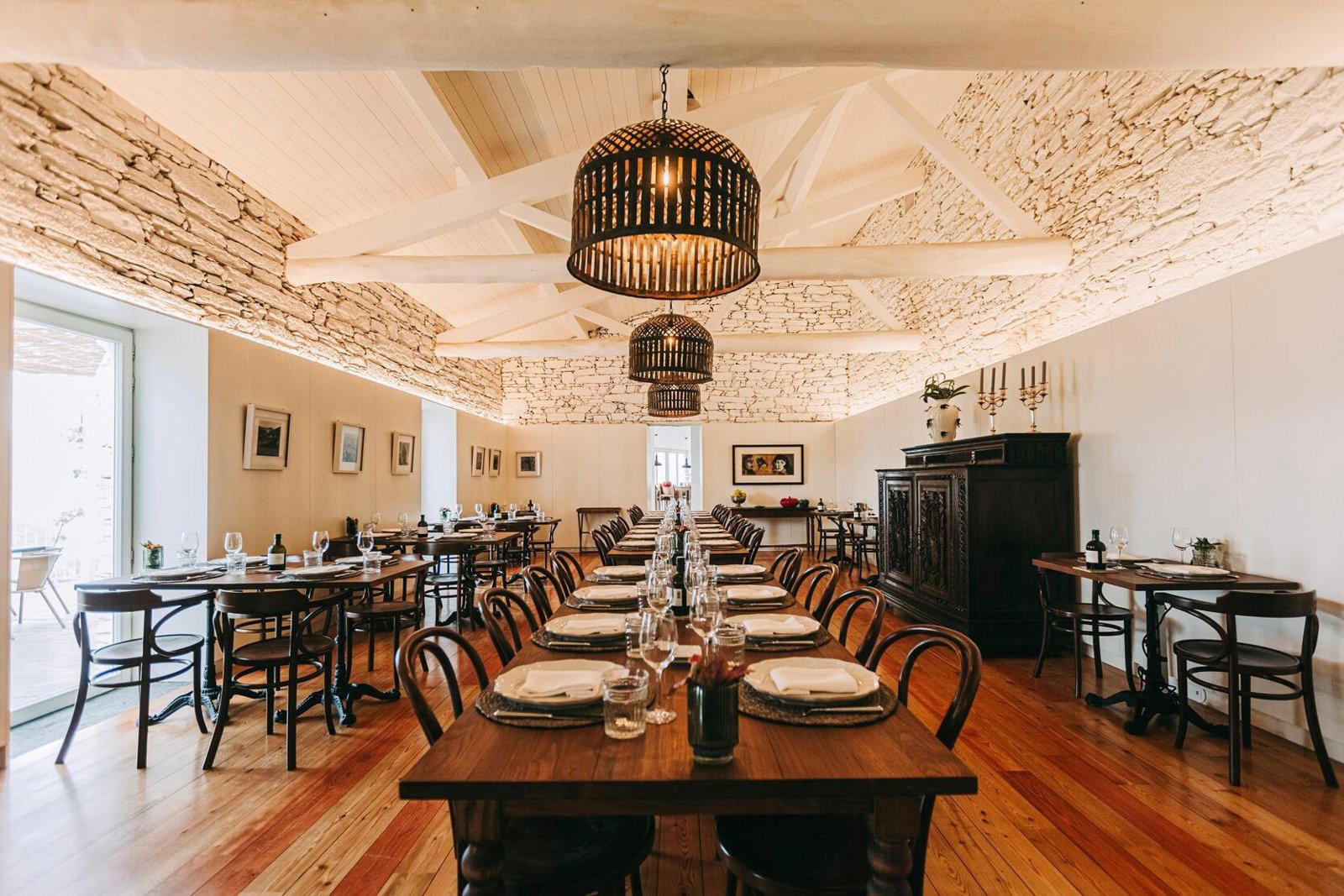
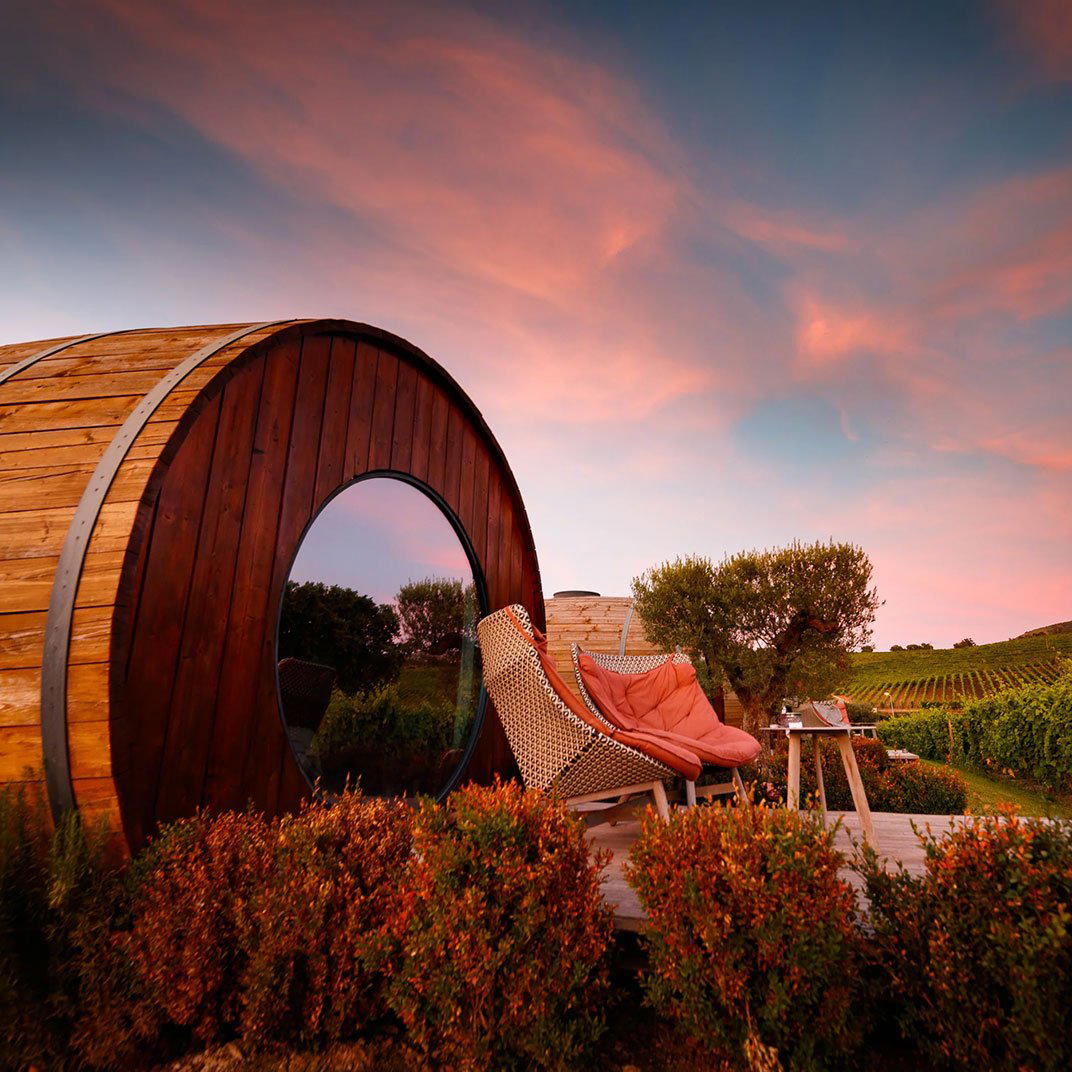
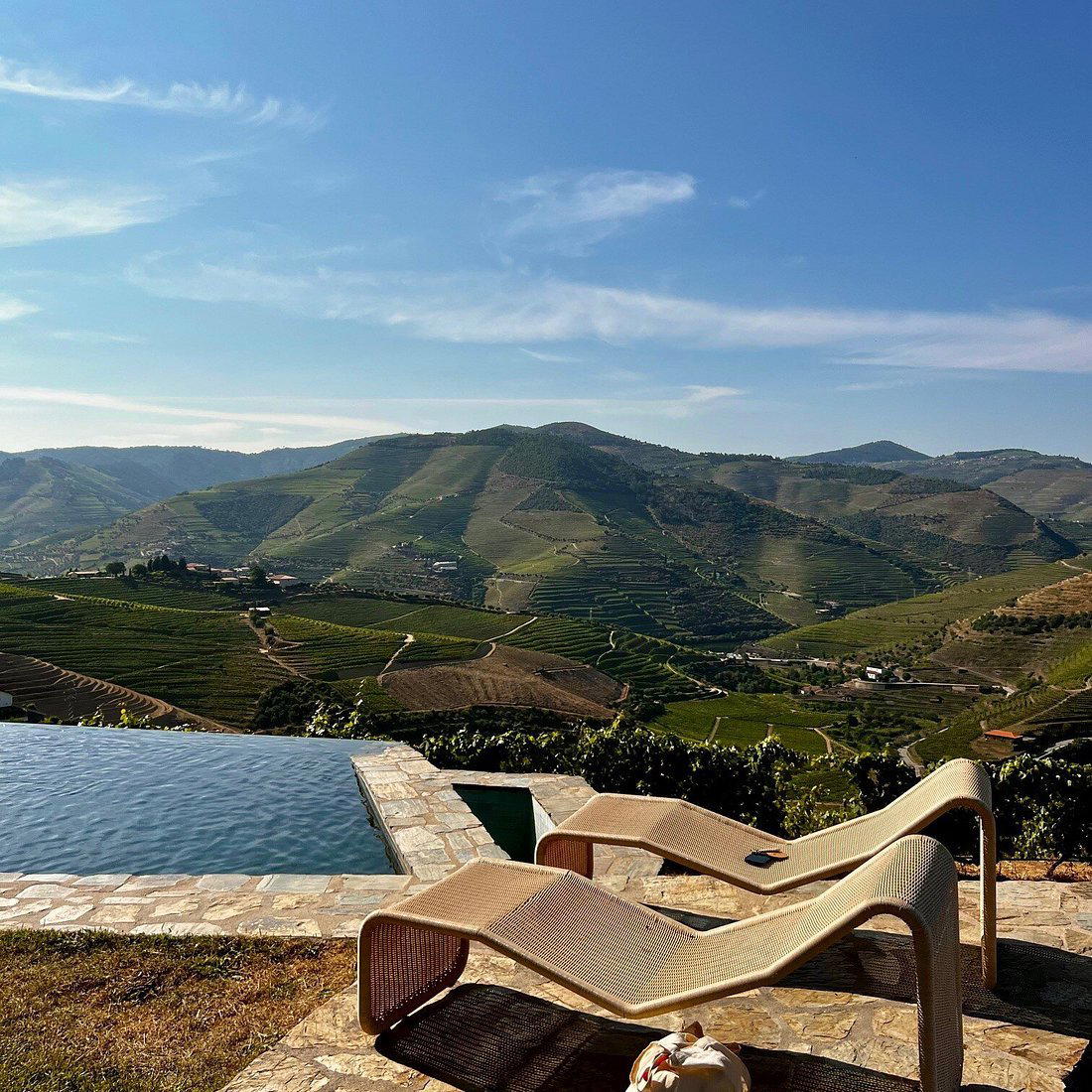
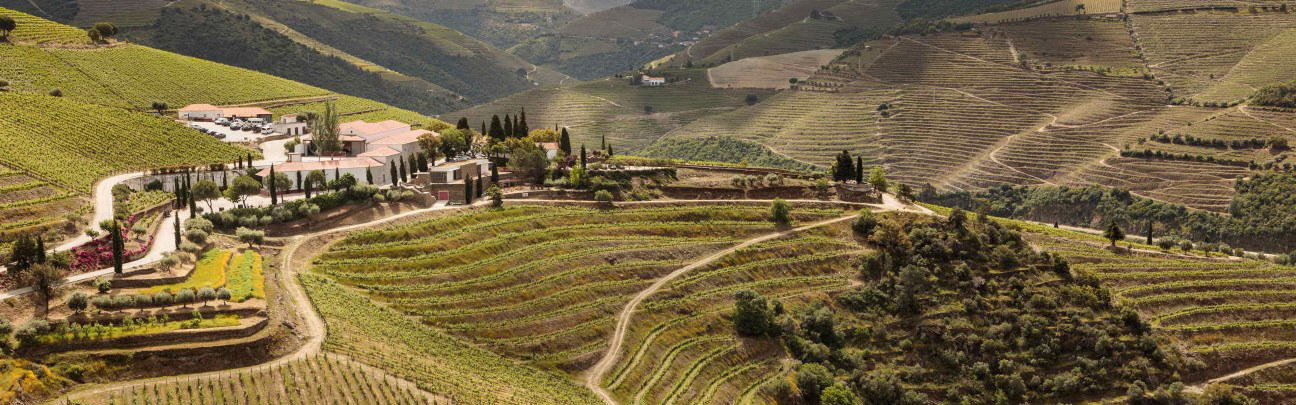
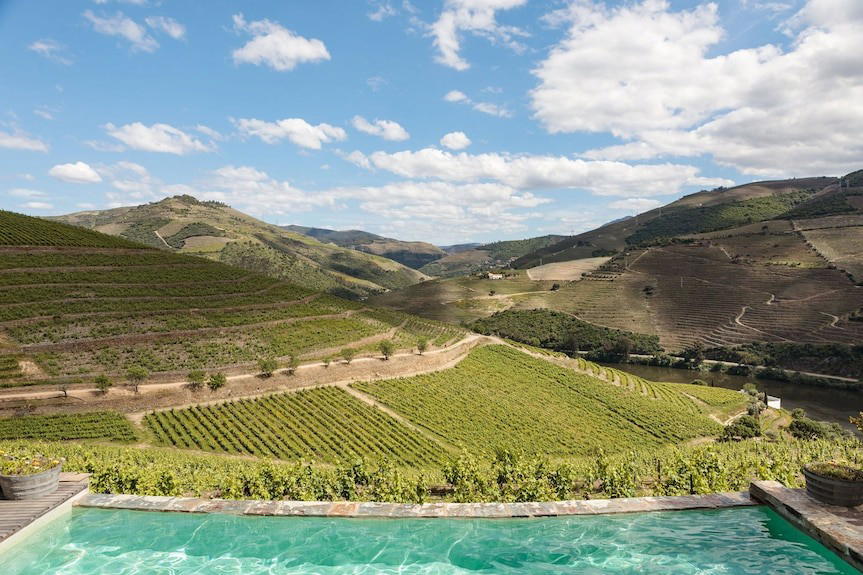
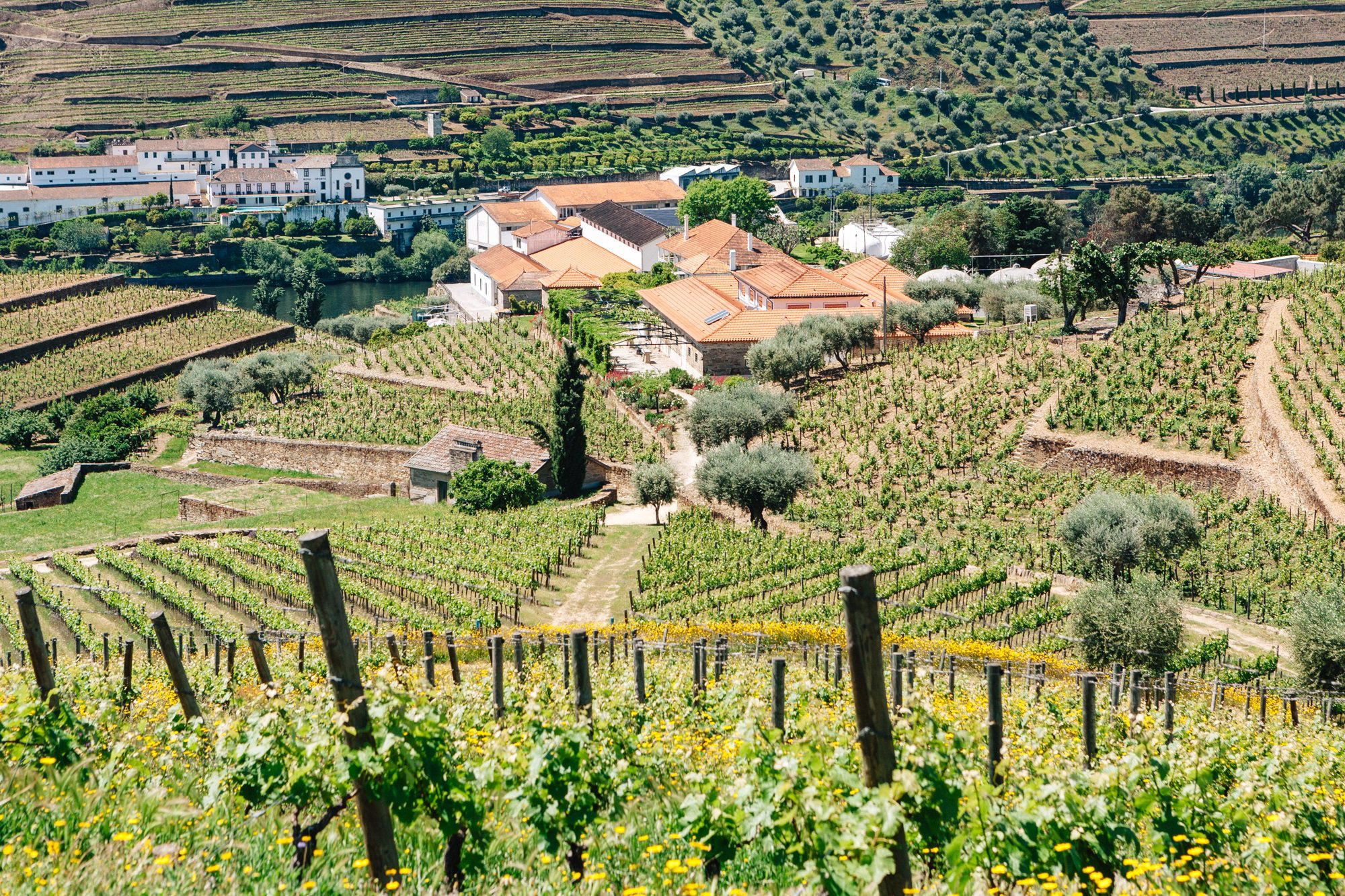
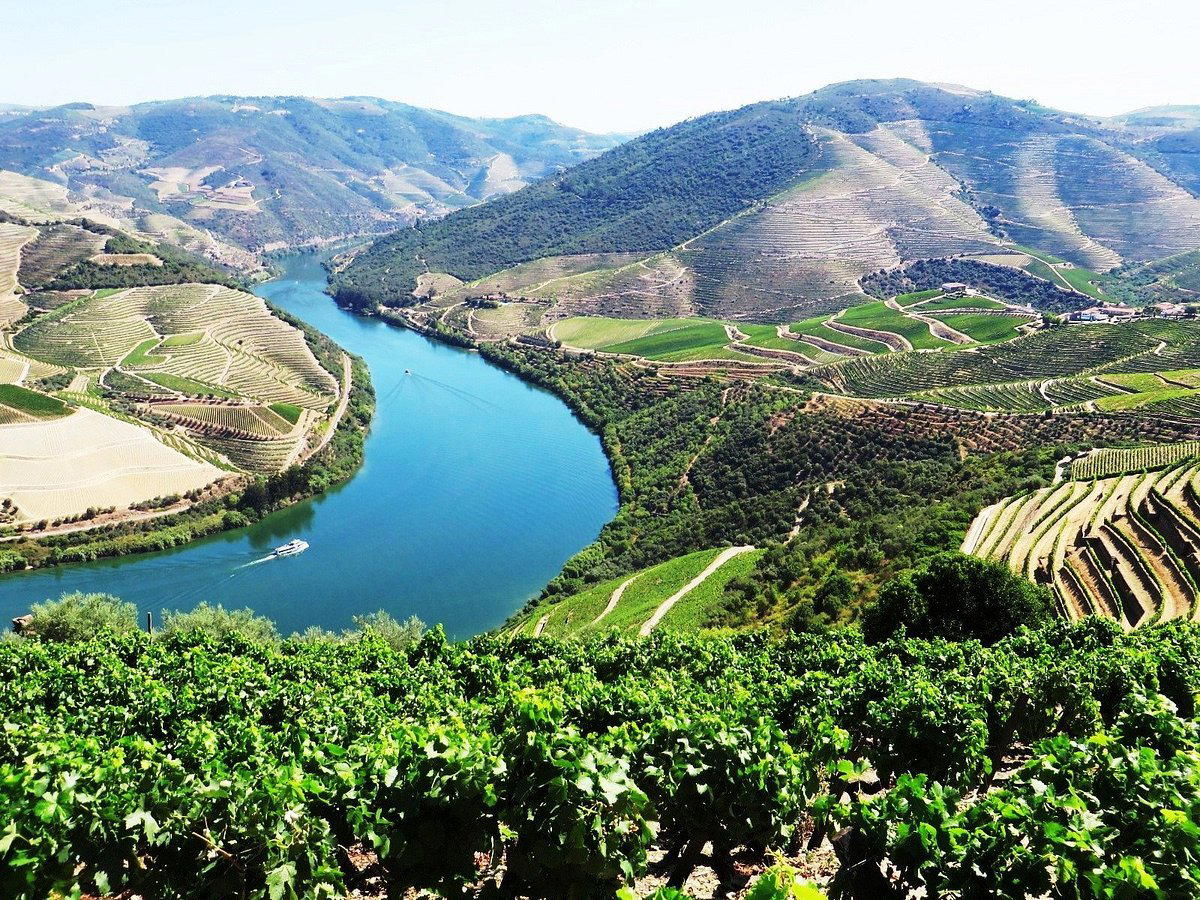
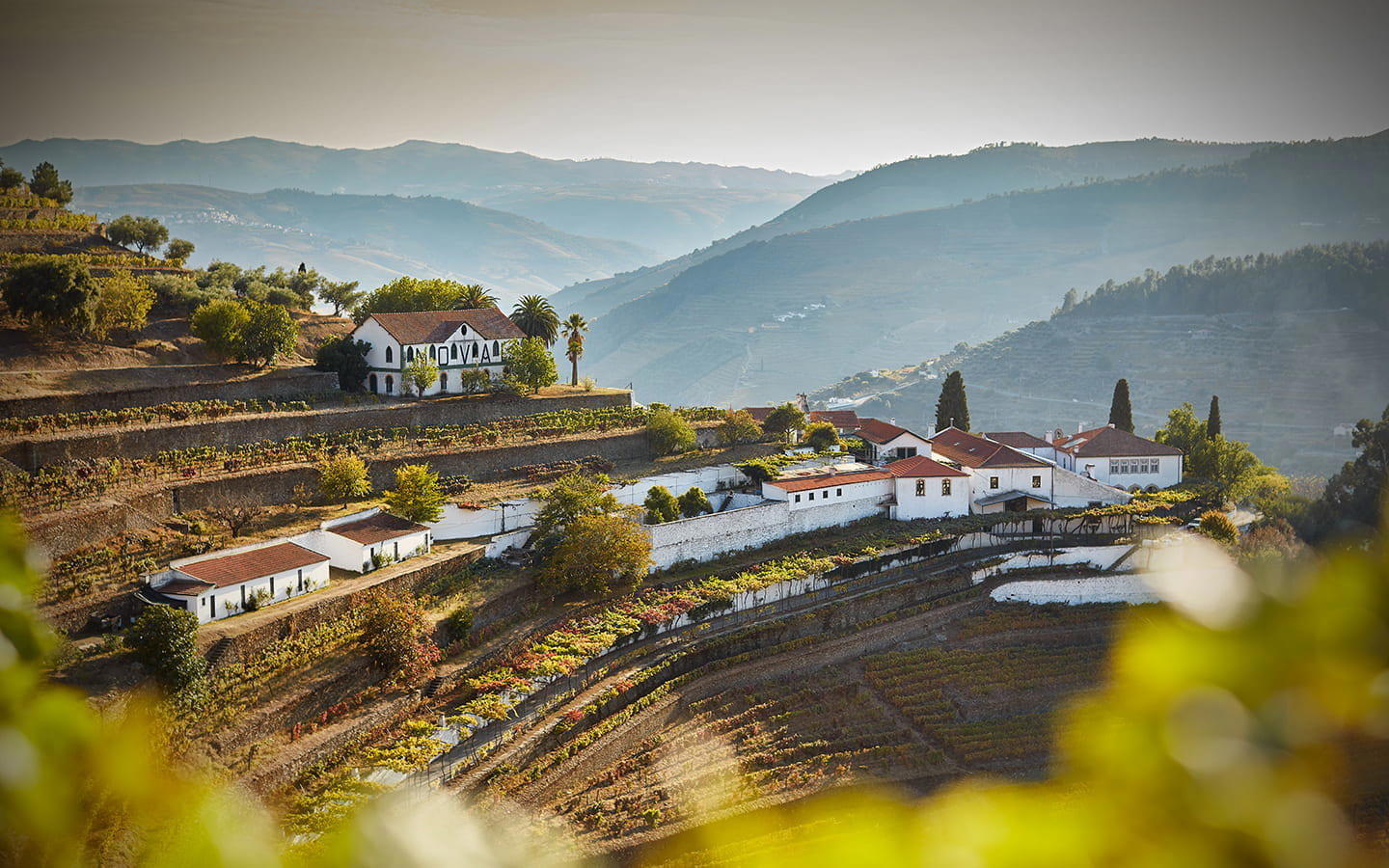
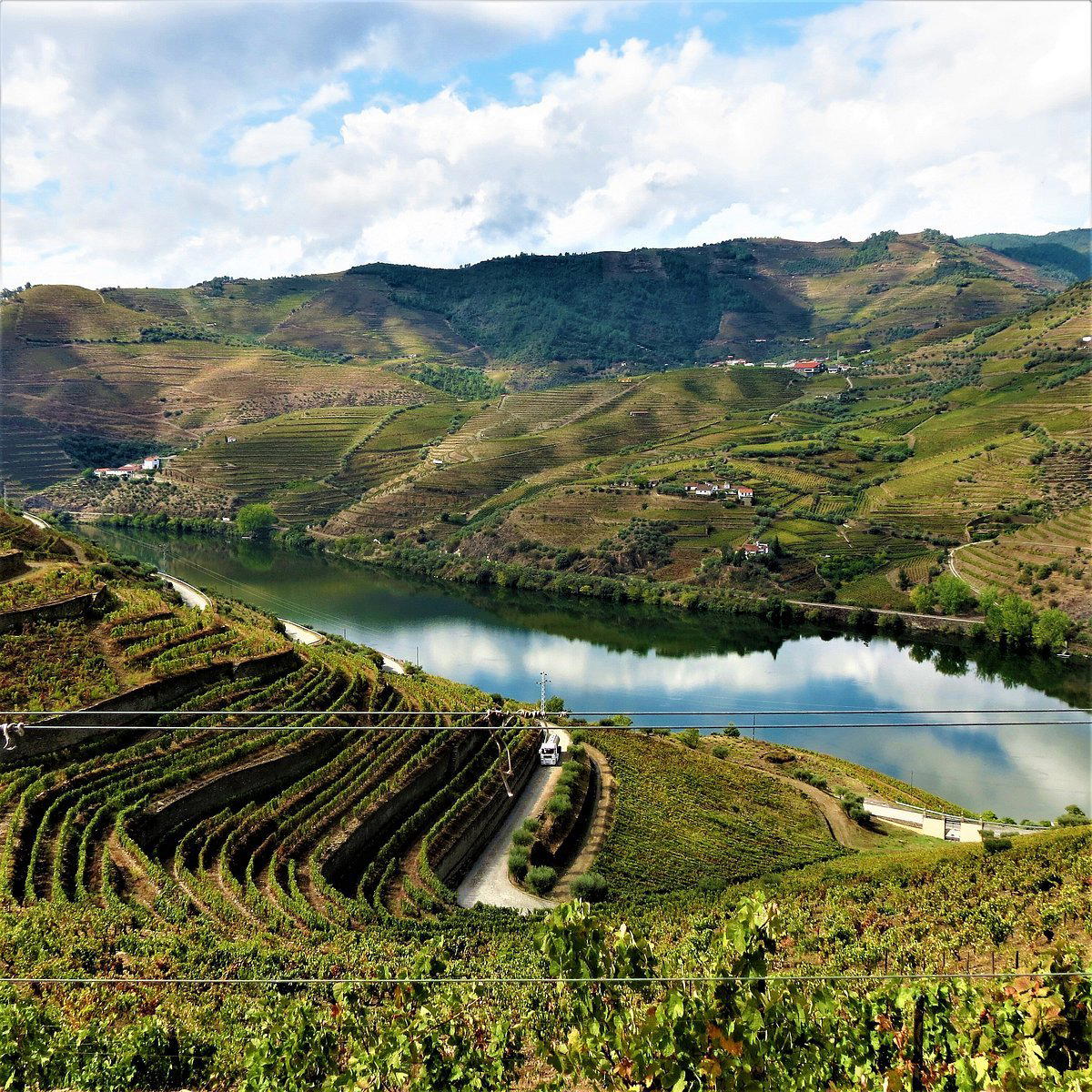
The approach to Ervedosa Do Douro is already part of the meal: schist slopes, vineyard terraces, and a river valley that turns agriculture into architecture. In this part of Portugal, dining is not merely attached to wine country; it is shaped by it. Cantina de Ventozelo fits that Douro pattern, where the kitchen’s credibility depends less on metropolitan theatre and more on how convincingly it connects the plate to nearby land, cellar, and season.
Douro restaurant culture has split into two visible lanes. One is the polished destination dining model, where ambitious projects and tasting-menu discipline pull rural addresses into the orbit of Porto and Lisbon. The other is the estate-cantina model, where the food is expected to sit closer to vineyard labour, regional produce, and the slower rhythms of the valley. Cantina de Ventozelo is more useful to understand in the second lane. It is not competing with the city’s high-concept rooms; it is part of a category in which location, agricultural context, and wine-country pacing matter as much as technique.
Estate dining in the Douro is judged by sourcing, not spectacle
The Douro’s serious tables are rarely neutral rooms. Vineyards, olive oil, almonds, river fish, cured meats, and mountain vegetables form the local grammar, and restaurant formats in the valley tend to succeed when they make those elements legible rather than decorative. That is why estate dining here has a different pressure from urban Portuguese restaurants: the address itself raises expectations about provenance. A cantina in Ervedosa Do Douro carries an implied promise that the food should feel anchored to the valley rather than imported from a generic luxury playbook.
That sourcing lens also changes how to read the menu. In a city, a contemporary Portuguese kitchen can make its case through design, pace, and international fluency; in the Douro, the sharper question is whether the cooking respects the region’s agricultural density. Nearby comparison points such as Bomfim 1896 with Pedro Lemos, Seixo by Vasco Coelho Santos, Quinta Nova Winery House, Terraçu's, and Quinta do Tedo Familia Geadas show how broad the valley’s dining range has become, from chef-led contemporary formats to regional cooking tied to wine tourism. Cantina de Ventozelo sits within that rural conversation rather than outside it.
In the Douro, awards can help separate ambitious estate restaurants from casual winery add-ons, but they are not the only signal. A dining room attached to this valley’s landscape is judged by whether the table clarifies place: what grows here, what is preserved here, what pairs naturally with local wine, and what pace suits a region built on terraces rather than traffic.
Ervedosa Do Douro asks for a slower table
Ervedosa Do Douro is not a city-dining address where guests stack a meal between museums, bars, and late trains. The local context changes the decision. Lunch can feel more natural than a compressed evening because the Douro is visually legible in daylight, and estate restaurants benefit from time: arrival, a glass, the meal, and a return through the valley rather than a rushed seating. That slower structure is part of the value proposition. The room is not just a place to eat; it is a way to understand why this region’s food and wine developed together.
For travellers building a broader itinerary, Ervedosa Do Douro works better when planned as a wine-country day rather than a single isolated booking. Use Our full Ervedosa Do Douro restaurants guide for nearby dining context, then map the rest of the stay through Our full Ervedosa Do Douro hotels guide, Our full Ervedosa Do Douro wineries guide, Our full Ervedosa Do Douro experiences guide, and Our full Ervedosa Do Douro bars guide. The region rewards sequencing: winery visits before dinner, valley drives before sunset, and a hotel close enough that the meal does not become a logistics exercise.
Across Portugal, the contrast is instructive. Urban and riverside wine-bar culture brings different expectations around polish and movement, while other Douro-axis dining sits closer to the rhythms of the valley. Elsewhere, Portuguese regional dining changes by coast, interior, and agricultural base. Even international comparisons make the same point from another angle: format only matters when it matches place.
Who this table suits
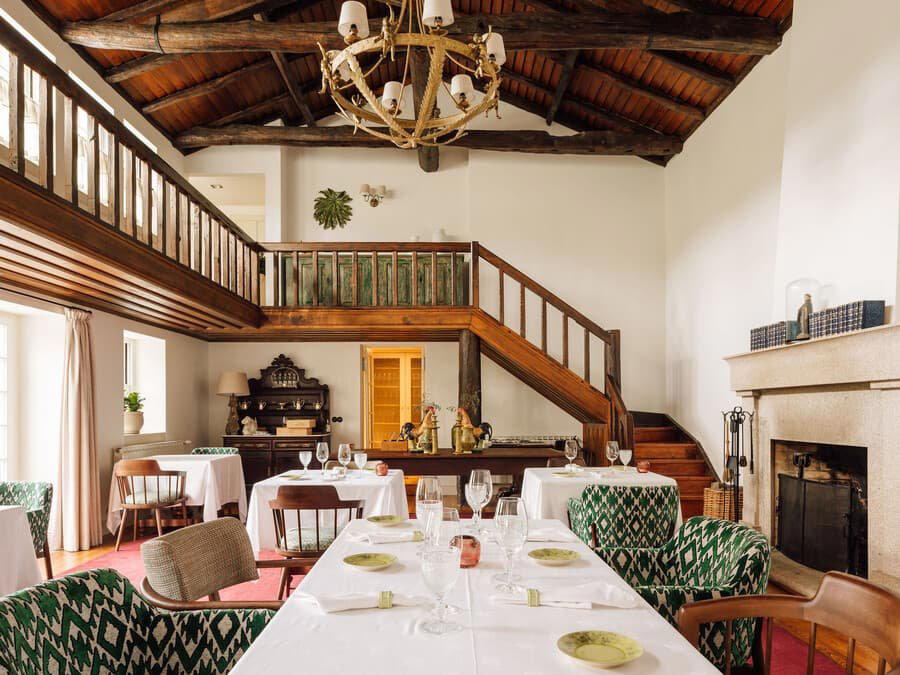
Cantina de Ventozelo makes sense for travellers who want the Douro read through produce and wine rather than through a checklist of luxury cues. It is better framed as a regional meal in a vineyard valley than as a chef-chasing detour. Families, wine travellers, and slow-itinerary guests will understand the appeal fastest; diners looking for a dense urban tasting-menu circuit may find the valley’s rhythm too quiet. That is not a weakness. It is the point of eating here.
How Cantina de Ventozelo compares with similar nearby venues.
| Venue | Cuisine | Price |
|---|---|---|
| Bomfim 1896 with Pedro Lemos | Contemporary | €€€ |
| Seixo by Vasco Coelho Santos | Portuguese | €€ |
| Terraçu's | Portuguese Coastal | Not listed |
| Quinta Nova Winery House | Portuguese Wine | Not listed |
| Quinta do Tedo Familia Geadas | Regional Cuisine | €€€ |
Continue exploring
More in Ervedosa Do Douro
Restaurants in Ervedosa Do Douro
Browse all →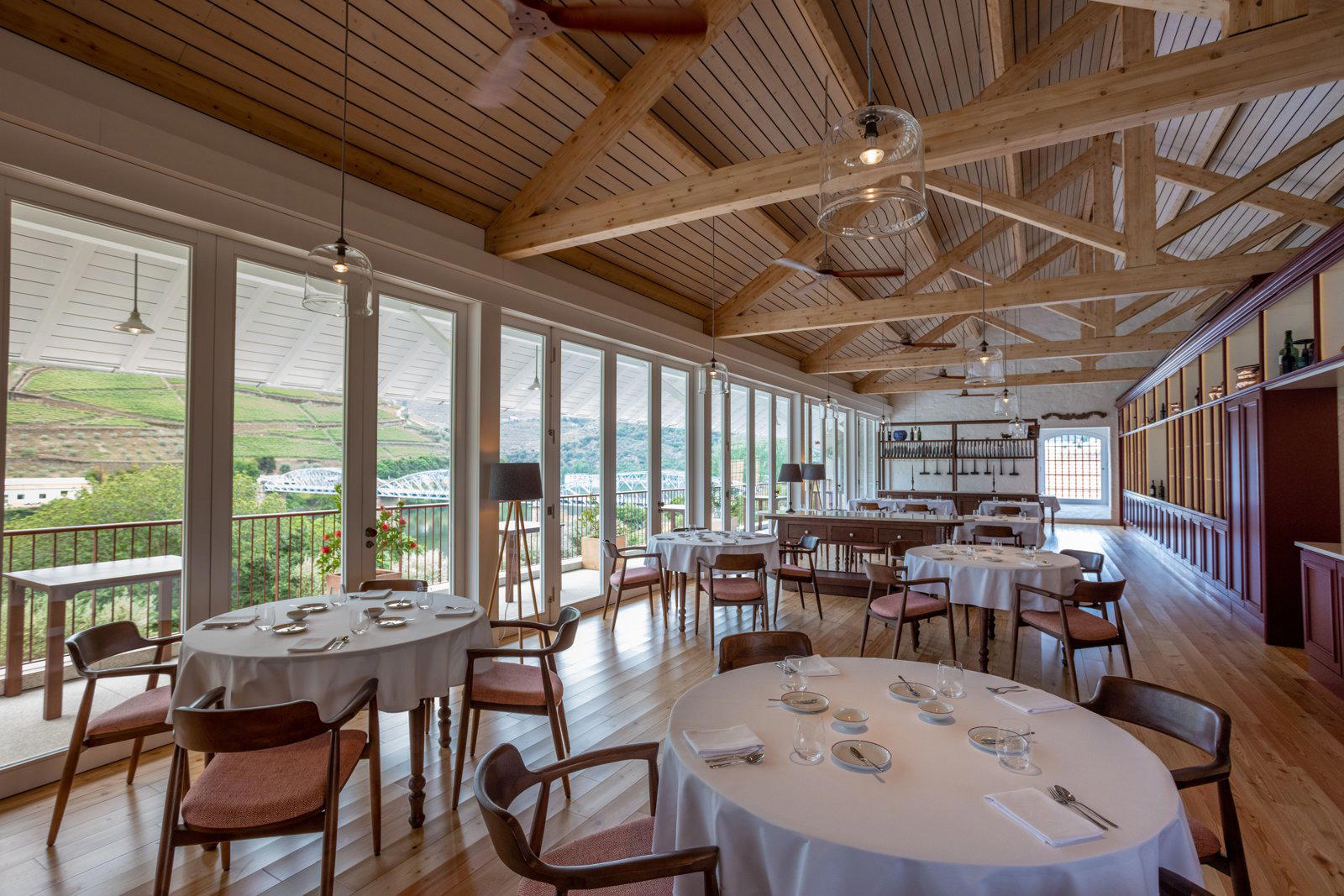
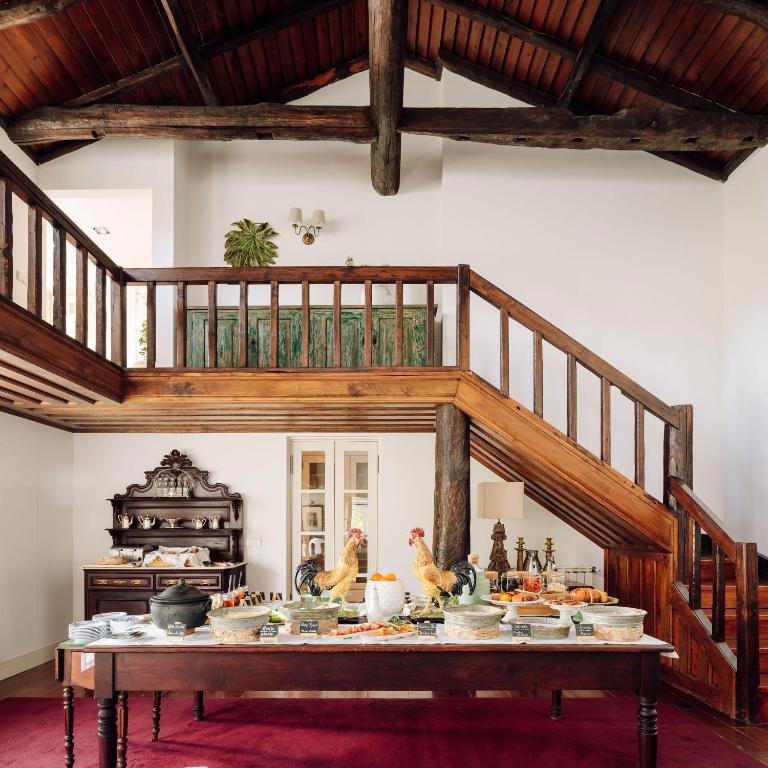
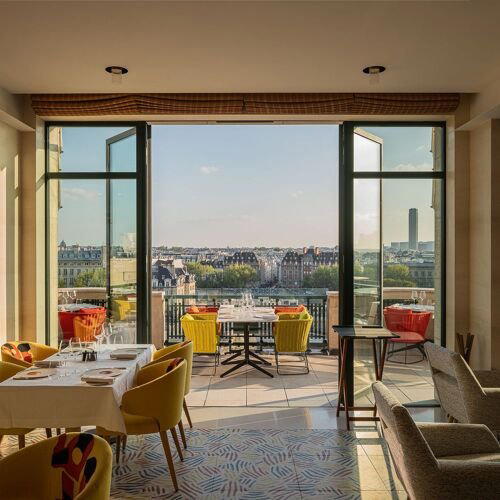
Bars in Ervedosa Do Douro
Browse all →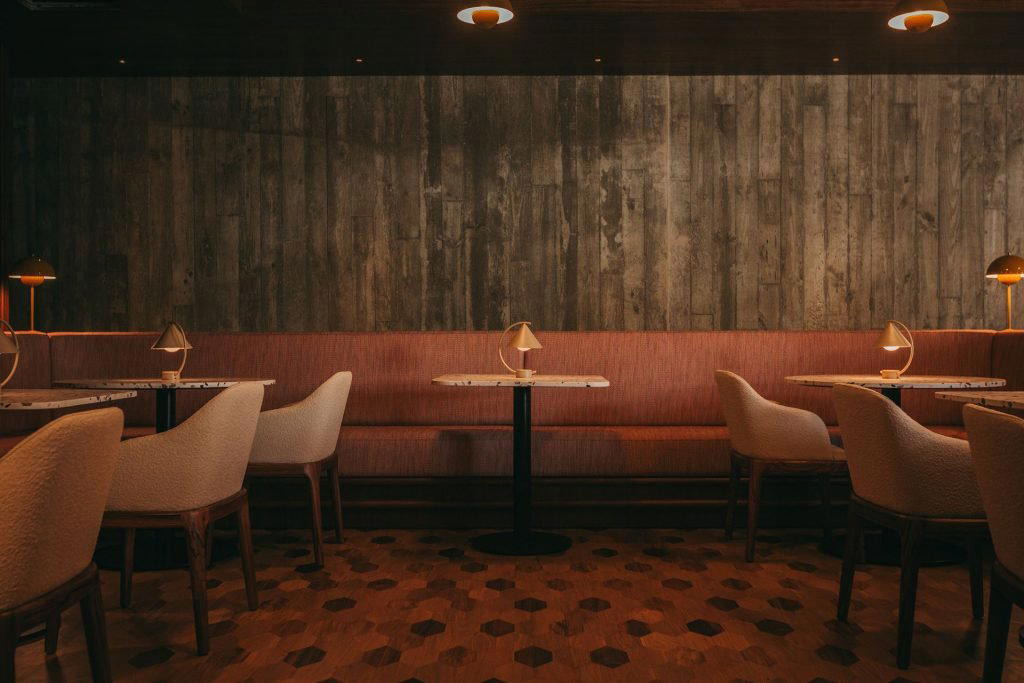
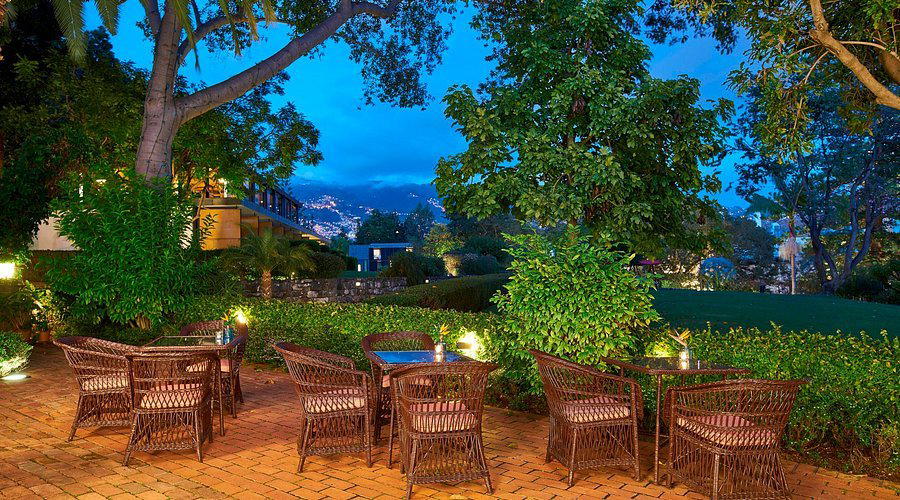
Hotels in Ervedosa Do Douro
Browse all →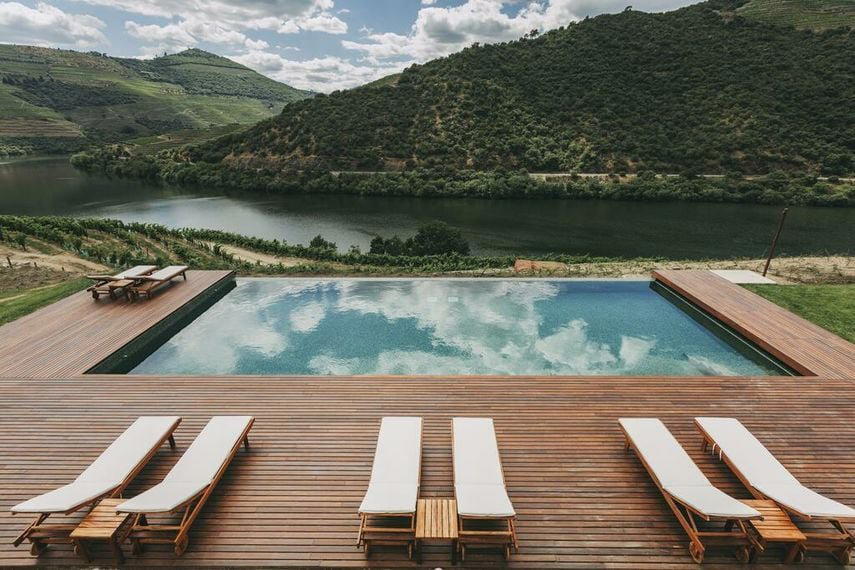
At a Glance
- Scenic
- Rustic
- Cozy
- Classic
- Group Dining
- Family
- Celebration
- Casual Hangout
- Special Occasion
- Hotel Restaurant
- Garden
- Terrace
- Historic Building
- Extensive Wine List
- Sommelier Led
- Local Sourcing
- Farm To Table
- Sustainable
- Vineyard
- Mountain
Current opening hours
- Monday
- 12:30–3 PM, 7:30–10 PM
- Tuesday
- 12:30–3 PM, 7:30–10 PM
- Wednesday
- 12:30–3 PM, 7:30–10 PM
- Thursday
- 12:30–3 PM, 7:30–10 PM
- Friday
- 12:30–3 PM, 7:30–10 PM
- Saturday
- 12:30–3 PM, 7:30–10 PM
- Sunday
- 12:30–3 PM, 7:30–10 PM
Hours can change for holidays and private events. Last verified .
Relaxed and scenic, with a rustic estate atmosphere that feels rooted in Douro tradition and nature.
Know Before You Go
- Reservations
- Recommended
- Dress code
- Casual
- Getting there
- 5130-057 Ervedosa do Douro, Portugal