Provenance Vineyards
Provenance Vineyards sits within Rutherford's tightly competitive Cabernet corridor. The address places it in Lodi's wider Central Valley wine belt, where the physical experience of the estate and the character of its wines speak to a different register than Napa's headline names. A considered visit rewards those tracking California's broader appellational range.

Pearl is the En Primeur Club membership app — saves, bookings, and concierge access live there. Same editors, same standards.
- Address
- 5573 W Woodbridge Rd, Lodi, CA 95242
- Phone
- (209) 210-4029
- Website
- provenancevineyards.com
- Directions
- Get directions
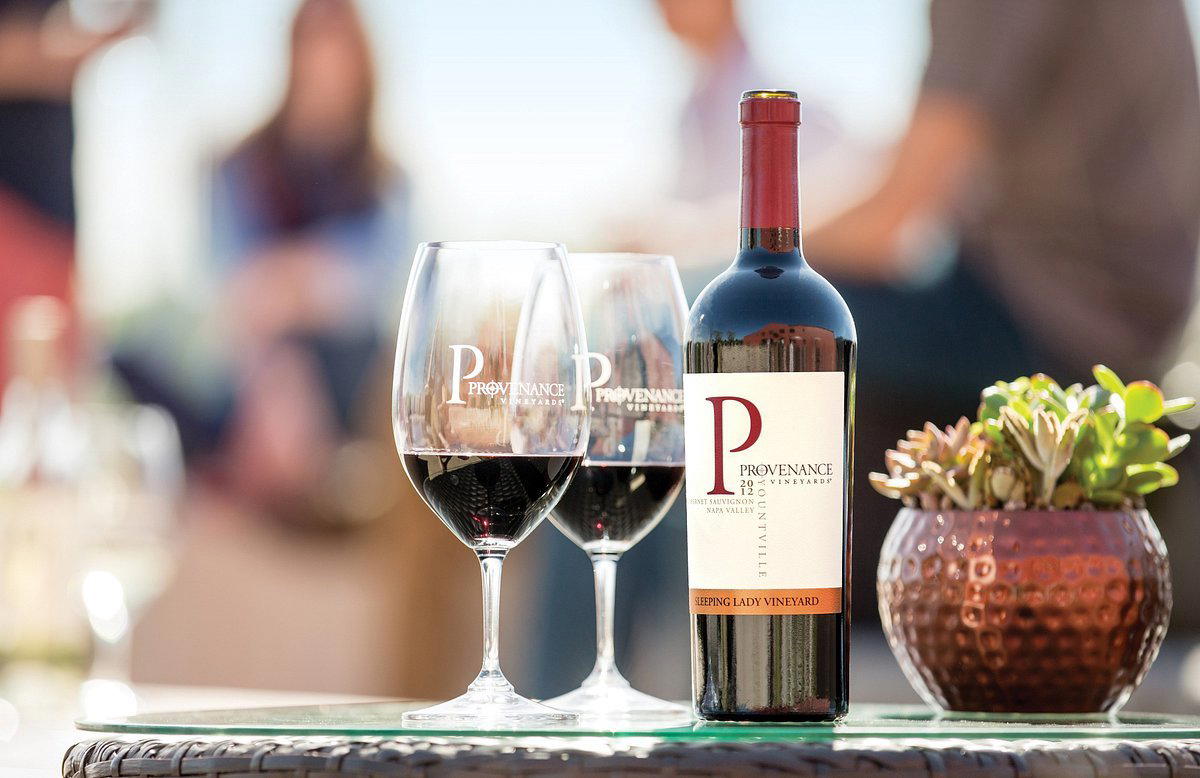
The Physical Address and What It Tells You
The address at 5573 W Woodbridge Road, Lodi, CA 95242 locates Provenance Vineyards inside California's Central Valley wine corridor rather than the heart of the Napa Valley appellation, despite the Rutherford listing that often accompanies the name. That geographic tension is itself editorial. Lodi has spent the better part of two decades reframing its identity from bulk-production origin to estate-quality destination, and a property operating under the Provenance name within that zone occupies an interesting position in that transition. The flat, sun-drenched terrain of the Central Valley differs sharply from the volcanic and alluvial complexity of Rutherford benchland; the wines made here carry different structural signatures, and the experience of visiting reflects that contrast.
For travelers moving through California wine country and building itineraries that reach beyond the Silverado Trail, understanding where Provenance Vineyards sits geographically is the first planning decision.
Estate Architecture and the Space Around the Wine
California's premium wine estates have divided into two broad design philosophies over the past decade. One school treats the winery as a monument — cathedral ceilings, imported stone, the tasting room as theater. The other prioritizes agricultural honesty: buildings that read as working structures embedded in their landscape, where the wine is the protagonist and the architecture steps back. The physical environment at Provenance Vineyards, given its Lodi footprint, belongs to that Central Valley vernacular, where land scale dominates and the relationship between vine row and horizon line defines the visual experience more than any constructed interior.
That context matters for visitors assessing what kind of tasting experience they are booking. Estates in Rutherford proper — places like Alpha Omega Winery, Beaulieu Vineyard (BV), or Caymus Vineyards, operate within the highly choreographed Napa tasting economy, where visitor infrastructure is dense and the experience is built around the appellation's premium reputation. A visit to Provenance Vineyards involves a different register: more agricultural immediacy, less scripted hospitality theater.
Rutherford Context: Where This Fits in the California Wine Hierarchy
Rutherford carries one of the most loaded reputations in American wine. The so-called "Rutherford dust", a descriptor for the chalky, slightly earthy mid-palate character associated with Cabernet Sauvignon grown on the benchland, is arguably the most discussed single terroir signature in Napa Valley. Estates like Cakebread Cellars and Cathiard operate within that tradition, pricing and positioning their wines against the expectation that Rutherford Cabernet represents one of California's most serious appellational arguments.
Provenance Vineyards, with its Lodi address, sits adjacent to that conversation rather than inside it. Lodi's old-vine Zinfandel heritage is well-documented; its Cabernet and Rhône-variety producers have been building credibility more quietly.
For the traveler building a California wine route, this positioning has practical value. The estates dominating the our full Rutherford restaurants guide and tasting circuit tend toward high price points and heavily booked appointment systems. A 2 Star Prestige-rated producer outside that circuit can offer comparable quality access with less scheduling friction. That is a meaningful logistical distinction for anyone planning a multi-day wine itinerary.
How Provenance Compares Across California's Wine Belt
California's premium wine identity remains heavily concentrated in a handful of coastal and valley appellations: Napa Valley, Sonoma Coast, Santa Barbara County, Paso Robles. Producers outside those anchors operate with less automatic brand recognition but often with more latitude to develop distinct house styles without the overhead of appellation prestige expectations. Adelaida Vineyards in Paso Robles and Alban Vineyards in Arroyo Grande represent producers who built serious reputations from less immediately glamorous base positions. Andrew Murray Vineyards in Los Olivos did similar work in the Santa Ynez Valley's Rhône corridor.
Provenance Vineyards operates within that same logic, a producer whose recognition comes from what is in the bottle rather than from the appellation name on the label. That framing is not a consolation argument; it is a different value proposition. For collectors and visitors who have already covered the high-traffic Napa circuit, estates like Accendo Cellars in St. Helena or Artesa Vineyards and Winery in Napa, a 2 Star Prestige-rated Lodi producer offers a different axis for exploration.
The international comparison is also worth noting. Estates like Alexander Valley Vineyards in Geyserville and Adelsheim Vineyard in Newberg demonstrate that prestige-tier recognition in American wine increasingly distributes beyond the headline valleys. Globally, the pattern holds: Achaia Clauss in Patras and Aberlour in Aberlour are both examples of producers operating from non-obvious geographic positions who earn recognition on product terms. Provenance Vineyards fits a recognizable global pattern.
Planning a Visit: What to Know
Given that, the practical advice is to contact the estate directly before building it into a fixed itinerary.
The Lodi address places Provenance roughly equidistant between the Bay Area and Sacramento, making it accessible as a standalone day visit or as a component of a Central Valley wine route that also covers Lodi's old-vine Zinfandel producers. That routing logic differs from a Napa Valley itinerary, and travelers should plan accordingly in terms of accommodation base and drive times.
Dress codes and formality at Lodi-area estates generally sit below the polished-casual standard expected at Napa Valley tasting rooms. The environment rewards those who come with curiosity about the wine rather than expectations shaped by the Napa visitor economy.
It does not require appellation celebrity to justify a visit, the rating carries its own argument. For travelers willing to move their California wine itinerary beyond the established Napa circuit, Provenance Vineyards represents a data-supported reason to do so.
At-a-Glance Comparison
Comparable venues nearby, for context on price, style, and recognition.
| Venue | Cuisine | Price | Awards | Notes |
|---|---|---|---|---|
| Provenance VineyardsThis venue — the venue you are viewing | Cabernet Sauvignon, Sauvignon Blanc | Not listed | Not listed | Not listed |
| Sequoia Grove Winery | Cabernet Sauvignon, Merlot | $50–100 | Not listed | Rutherford |
| William Harrison Vineyards | Cabernet Sauvignon, Cabernet Franc | $30–50 | Not listed | Rutherford |
| Rutherford Wine Company | Cabernet Sauvignon, Merlot | Not listed | Not listed | Rutherford |
| Quintessa | Cabernet Sauvignon, Cabernet Franc | Not listed | Falstaff Winery - Listed | Rutherford |
| STAGLIN Family Vineyard | Cabernet Sauvignon, Chardonnay | Not listed | Falstaff Winery - Listed | Rutherford |
Continue exploring
More in Rutherford
Wineries in Rutherford
Browse all →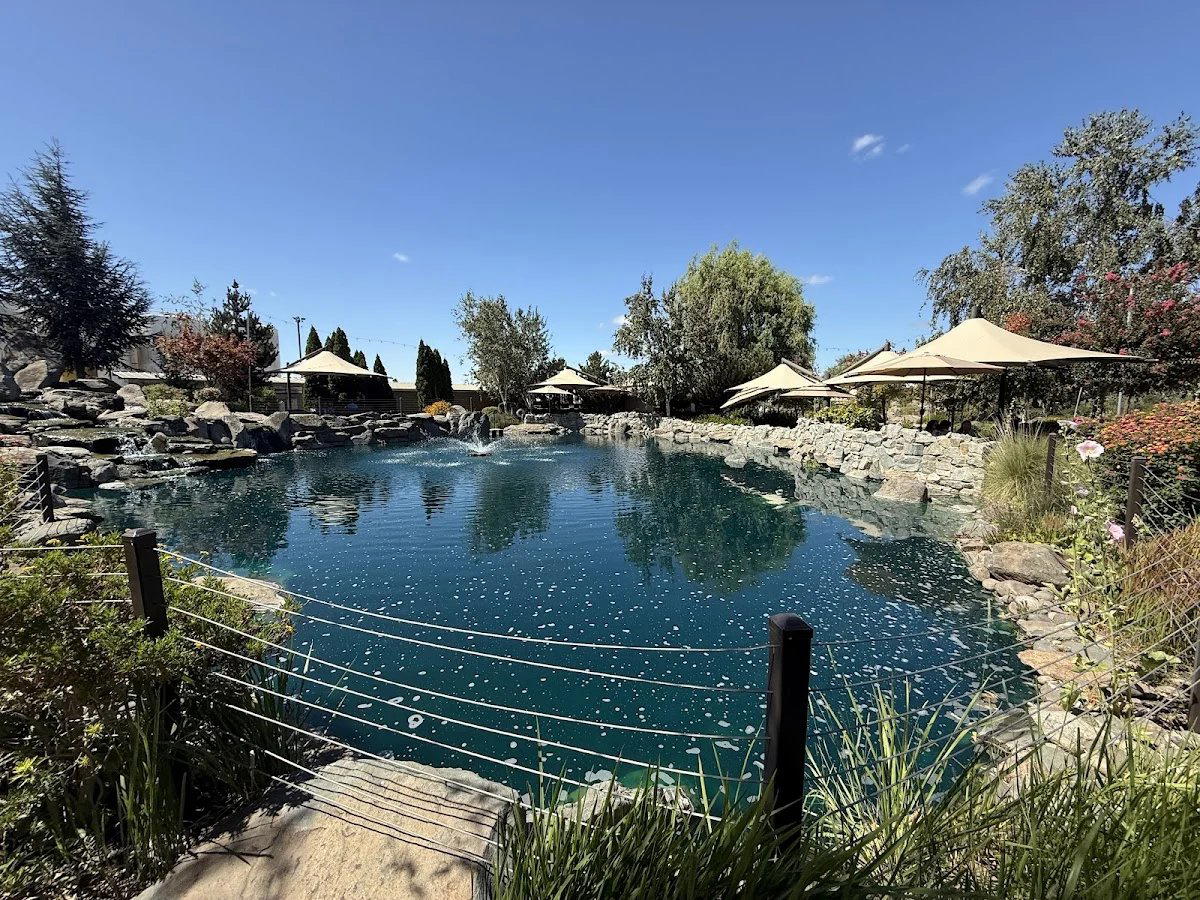

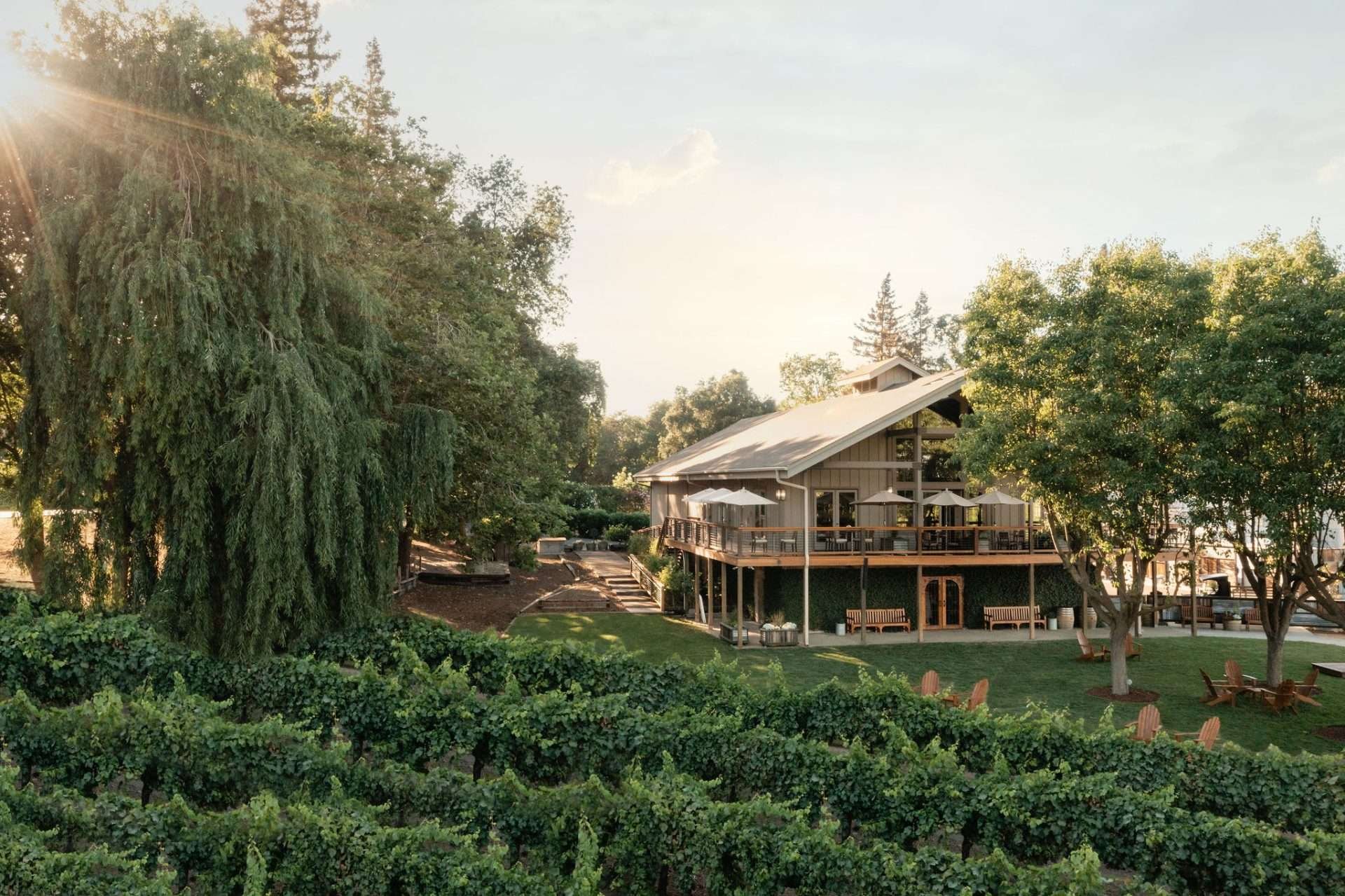
Bars in Rutherford
Browse all →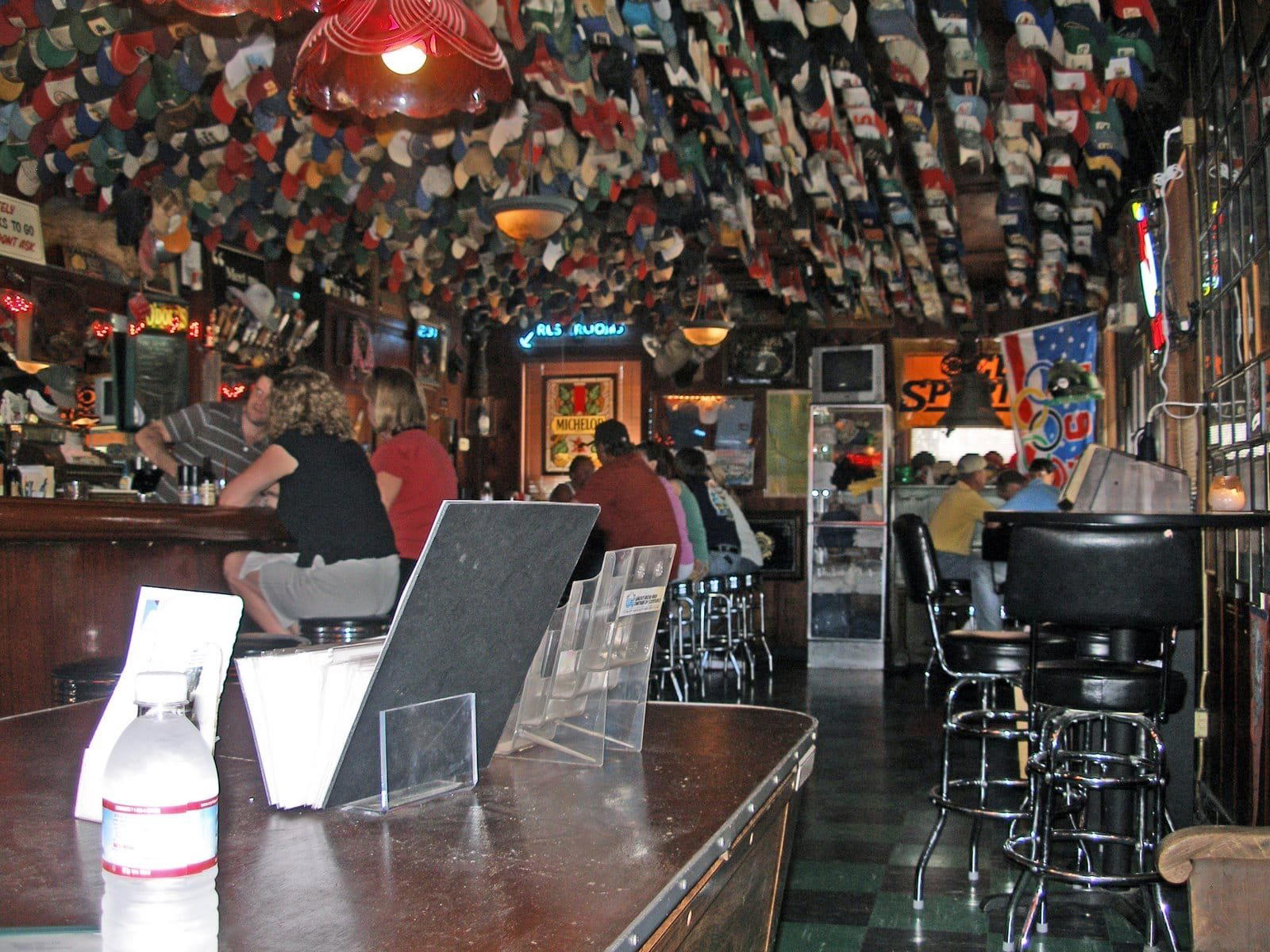

Restaurants in Rutherford
Browse all →
Details
- Elegant
- Rustic
- Scenic
- Wine Education
- Special Occasion
- Vineyard Tour
- Estate Grounds
- Terrace
- Vineyard
- Garden
- Cabernet Sauvignon
- Sauvignon Blanc
- Merlot
- Zinfandel
- Malbec
- Petite Sirah
- Still Red
- Private Tasting
Calming atmosphere with exterior water features, distinctive barrel stave flooring, and art installations including a curved metallic sculpture and hand-painted mural.