McManis Family Vineyards

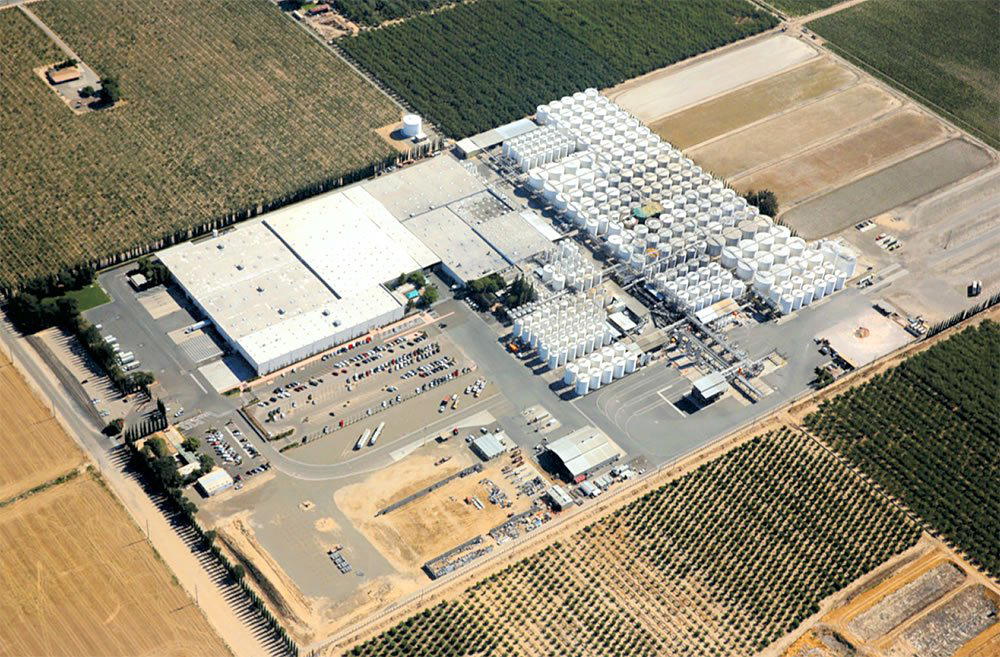
McManis Family Vineyards is a production-first Ripon winery shaped by inland California farming rather than tasting-room theater. Its identity rests on five generations of family agriculture, a 40-acre winery facility, broad varietal range, sustainable farming language, and a value-led approach to California wine.
Pearl is the En Primeur Club membership app — saves, bookings, and concierge access live there. Same editors, same standards.
- Address
- Ripon, California, Vereinigte Staaten
- Directions
- Get directions
 Saves & bookings on Pearl
Approaching the Ripon facility, the impression is agricultural before it is recreational: vineyard land, production infrastructure, and the quieter rhythm of a working winery rather than a hospitality campus built around flights and photo stops. McManis Family Vineyards belongs to a California category that matters more than it is often credited for: family-run, scale-capable producers that translate inland farming into widely accessible bottles.
That distinction is useful in Ripon, where the wine conversation is less about destination tasting itineraries than about farming systems, fruit handling, and consistency. For broader city context, see Our full Ripon wineries guide, alongside Our full Ripon restaurants guide, Our full Ripon hotels guide, Our full Ripon bars guide, and Our full Ripon experiences guide.
Inland California farming, read through scale and fruit control
The useful way to read this winery is through land management rather than hospitality polish. The family farming story reaches back to 1938, and the winery business was founded in 1990. The Ripon production site followed in 1998, giving the operation a central facility for receiving and processing fruit. In a state where many wine estates lean on estate romance or cellar-door scarcity, this model is more pragmatic: grow broadly, process centrally, and use infrastructure to protect consistency.
The winery is set on a 40-acre site near Ripon and works from California’s northern interior, a warm agricultural zone better understood through farming capacity than through tiny-site mythology. The stated vineyard base exceeds 3,600 acres of sustainably farmed wine grapes, with other public-facing material placing the figure above 3,800 acres. Either way, the point is scale. This is not a micro-producer built around scarcity; it is a family farming business operating at a size where vineyard decisions, intake timing, and cellar logistics shape the final identity of the wines.
Terroir expression here should not be read like a single hillside Burgundy parcel. It is expressed through a networked inland California model: extensive grape farming, centralized fruit receipt, and a winery built to manage multiple lots without rough handling. All grapes are received at the Ripon facility, where the winemaking team oversees fruit care from intake onward. That detail matters because large production can flatten character when fruit handling is careless; McManis’s stated emphasis on small-winery methods inside a large-capacity facility is the production argument behind the label.
Small-lot language inside a large production facility
The craft story is unusually technical for a value-oriented California producer. The facility includes extensive stainless steel fermentation and storage capacity, two grape receiving stations, Delta stemmer-crushers, Bucher presses, and receiving hoppers designed to slow intake and treat grapes more gently. Those are not decorative details. They describe a winery built around throughput, temperature control, and protection of fruit condition at the point where quality can be lost quickly.
The portfolio reinforces that production logic. Red wines include Cabernet Sauvignon, Reserve Cabernet, Petite Sirah, Merlot, Zinfandel, Pinot Noir, and Barbera; whites and sparkling include Chardonnay, Pinot Grigio, Sauvignon Blanc, Viognier, Chenin Blanc & Viognier, and Sparkling Brut. Rather than presenting one rare bottle as the whole argument, the range points to a broad California program designed for consistency across familiar varietals, with a few less common choices adding breadth.
Its market position is equally clear. The family mission has been described as “quality wine at an honest price,” which places the brand closer to value-driven California reliability than collector allocation culture. That is not a lesser category; it is a different competitive promise. In wine travel, scarcity often gets the attention, but everyday dependability at scale requires its own discipline. McManis Family Vineyards makes that case through farming reach, controlled production, and an accessible varietal spread rather than through awards theater or highly staged hospitality.
A working winery, not a tasting-room destination
The Ripon site should be understood as a production address first. The winery does not operate as a conventional public tasting-room stop, and that changes the visitor expectation completely. The atmosphere described around the property is scenic, rustic, and quiet, but the center of gravity is operational: vineyards, stainless steel capacity, receiving equipment, and cellar infrastructure rather than a public-facing culinary program.
That makes the winery more relevant to travelers interested in how California wine is made at family-owned commercial scale than to those planning a classic tasting-room afternoon. The property’s direct-to-consumer shipping in select states also signals how many drinkers encounter the wines: through bottles, retail channels, and home delivery rather than an on-site flight. For Ripon, that production-first model is part of the local wine story. It ties the city to inland agriculture and to the less theatrical side of California wine, where the key decisions happen before a bottle reaches a table.
For readers mapping a wider wine itinerary, the lesson is not to judge every winery by cellar-door hospitality. Some producers are better understood through farming continuity, facility design, and portfolio architecture. McManis Family Vineyards sits in that lane: five-generation family farming, a 1998 Ripon winery facility, sustainable farming claims at large acreage, and a broad still-red and still-white program aimed at access rather than scarcity.
Recognition history
Dated appearances from independent guides and award organizations, with the underlying list record or original source where available.
Falstaff Winery - Listed
Falstaff
At a Glance
- Scenic
- Rustic
- Quiet
- Family
- Corporate Event
- Solo Exploration
- Estate Grounds
- Sustainable
- Vineyard
- Northern Interior California
- Cabernet Sauvignon
- Petite Sirah
- Merlot
- Zinfandel
- Chardonnay
- Still Red
- Still White
Surrounded by lush vineyards, the winery sits on a 40-acre site and is designed as a large-capacity but still 'petite' facility focused on small-lot production, giving it a working-production, agricultural atmosphere rather than a public tasting-room feel.