Cocoro Bistro Sushi Bar
Cocoro Bistro Sushi Bar occupies a Pacific Avenue address in central Stockton, combining a bistro format with a sushi program in a city where Japanese dining options remain relatively sparse. The bar dimension of the operation points toward a curated drinks program alongside the kitchen output. Located at 2105 Pacific Ave, it represents one of the more considered dining formats on Stockton's mid-range dining corridor.
Pearl is the En Primeur Club membership app — saves, bookings, and concierge access live there. Same editors, same standards.
- Address
- 2105 Pacific Ave, Stockton, CA 95204
- Phone
- +1 209 565 5890
- Website
- cocorobistro.com
- Directions
- Get directions
 Saves & bookings on Pearl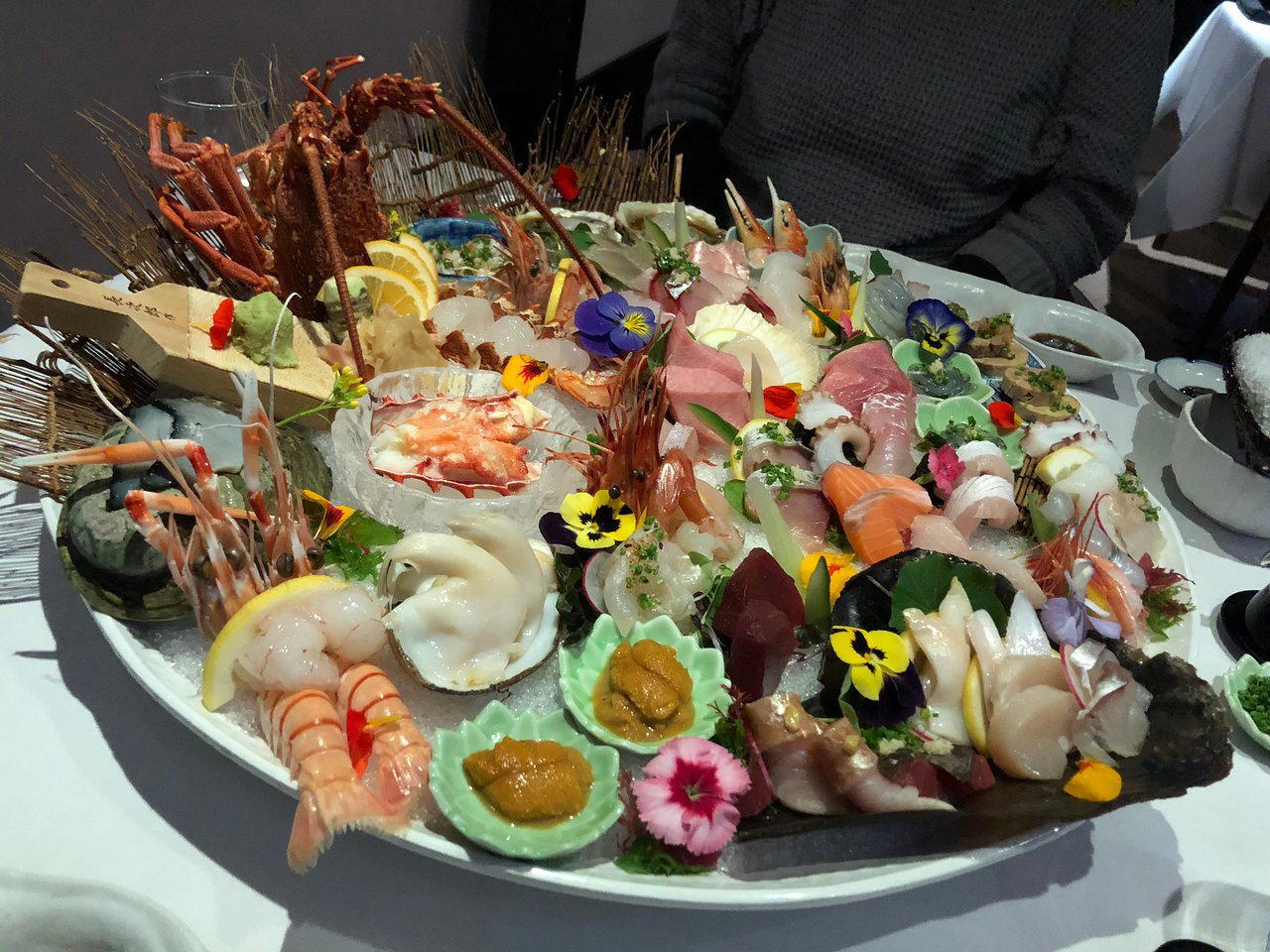
Pacific Avenue and the Case for Serious Drinking Alongside Raw Fish
On Pacific Avenue in central Stockton, the dining options divide roughly into two camps: casual spots serving the surrounding residential blocks, and a smaller tier of places making a deliberate effort at something more considered. Cocoro Bistro Sushi Bar sits in the latter category, at 2105 Pacific Ave, operating a format that combines a sushi program with a bistro-style bar dimension. In a city that doesn't have the depth of Japanese dining infrastructure that Sacramento or San Francisco carry, that combination is notable rather than routine.
The bistro-sushi hybrid format has become a practical model in mid-sized American cities precisely because it widens the commercial base: diners who might not commit to a full omakase sit can anchor around cocktails and a few rolls, while others come specifically for the food. When the bar component is handled with care, these formats often develop a regulars culture that a pure sushi counter rarely achieves at the same price tier. The question worth asking at any such venue is whether the back bar matches the ambition of the kitchen, or whether it's a perfunctory wine-and-beer shelf dressed up with a cocktail list written on a chalkboard.
The Bar Dimension: What a Spirits-Forward Program Means in This Context
Across American cities, the venues that have moved past the novelty phase of craft cocktails tend to share a few characteristics: a back bar where the bottle selection reflects actual curation rather than distributor defaults, a willingness to carry aged spirits in multiple expressions, and a program that treats Japanese whisky, shochu, and sake as legitimate bar categories rather than afterthoughts. The alignment between those spirits and a sushi-focused kitchen is not incidental. Japanese whisky culture developed in parallel with a food tradition that prizes precision and restraint, and bars that understand that alignment tend to construct pairings with more intention than venues treating the two as separate departments.
Programs at venues like Kumiko in Chicago and Bar Leather Apron in Honolulu show how depth in Japanese spirits, particularly whisky and liqueur-based formats, can anchor a drinks identity. ABV in San Francisco, closer geographically to Stockton, has built its reputation on a back bar that treats bottle selection as editorial, carrying expressions that a distributor wouldn't automatically propose. These programs set the reference point for what the category can look like when it's handled with discipline.
Within Stockton's own bar and restaurant circuit, the comparison set is less dense. Cast Iron Trading Co. operates on the more American-focused end of Stockton's bar spectrum, while Mezzo Ristorante approaches drinks from a European-Italian frame. New Fu Lim Restaurant covers Chinese dining in the city, which means the Japanese-focused niche that Cocoro occupies has limited direct local competition. It functions as one of the more specialized options in the local market.
Stockton's Dining Character and Where Bistro-Sushi Formats Fit
Stockton is a Central Valley city whose restaurant mix has long leaned more toward Chinese, Filipino, and Vietnamese formats than Japanese. That context means a venue presenting a bistro-sushi combination is working against the local dining grain in one sense, building a case for a format the market hasn't historically prioritized, while potentially finding an audience among the city's professional and younger demographic looking for something outside the established neighborhood restaurant patterns.
The Central Valley's proximity to agricultural production shapes food culture in ways that visitors from coastal cities often underestimate. Access to California produce and Pacific seafood through the same supply chains that reach Bay Area restaurants is not a logistics problem in Stockton in the way it might be in a more isolated inland market. For a sushi program, that matters: the fish supply question that historically disadvantaged inland Japanese restaurants from their coastal peers has been substantially reduced as distribution networks have improved. Whether a venue takes advantage of that access is a different question, but the structural disadvantage is smaller than it was fifteen years ago.
For visitors using Stockton as a base or passing through the Central Valley, the practical picture is direct in terms of geography: the Pacific Avenue address puts Cocoro in the central part of the city, accessible from the main corridor. Those looking for overnight options can reference Stockton Inn Boutique Hotel for a local lodging base. A fuller picture of the city's dining options is available through our full Stockton restaurants guide.
For context on what the cocktail category looks like at its most developed elsewhere in the country, programs at Jewel of the South in New Orleans, Julep in Houston, Superbueno in New York City, and The Parlour in Frankfurt each demonstrate how a clearly defined bar identity creates lasting recognition even in competitive markets. The lesson for any bistro-sushi format operating in a less saturated city is that the bar program can become the differentiating signal even if the kitchen anchors the visit.
Planning a Visit
Cocoro Bistro Sushi Bar is located at 2105 Pacific Ave, Stockton, CA 95204. Given the mid-scale bistro format, walk-in access is likely viable for solo diners and small groups outside peak evening hours, though weekend visits to any Pacific Avenue venue benefit from arriving early or confirming availability in advance.
Cost and Credentials
Comparable venues nearby, for context on price, style, and recognition.
| Venue | Cuisine | Price | Notes |
|---|---|---|---|
| Cocoro Bistro Sushi BarThis venue — the venue you are viewing | Miracle Mile, Bar | $$$ | Not listed |
| Mezzo Ristorante | Not listed | $$$ | Brookside, cocktail_bar |
| Cast Iron Trading Co. | Downtown Stockton, pub | $$ | Not listed |
| New Fu Lim Restaurant | East Stockton, Bar | $$ | Not listed |
| Flora Loca Rooftop Cantina | Not listed | $$$ | Oxnard, rooftop_bar |
| Bar Orso | Not listed | $$$ | SoMa, cocktail_bar |

At a Glance
- Cozy
- Intimate
- Relaxed
- Date Night
- Casual Hangout
- Standalone
- Seated Bar
- Booth Seating
- Sake
Current opening hours
- Monday
- 4–9 PM
- Tuesday
- 4–9 PM
- Wednesday
- 4–9 PM
- Thursday
- 4–9 PM
- Friday
- 11:30 AM–9 PM
- Saturday
- 11:30 AM–9 PM
- Sunday
- Closed
Hours can change for holidays and private events. Last verified .
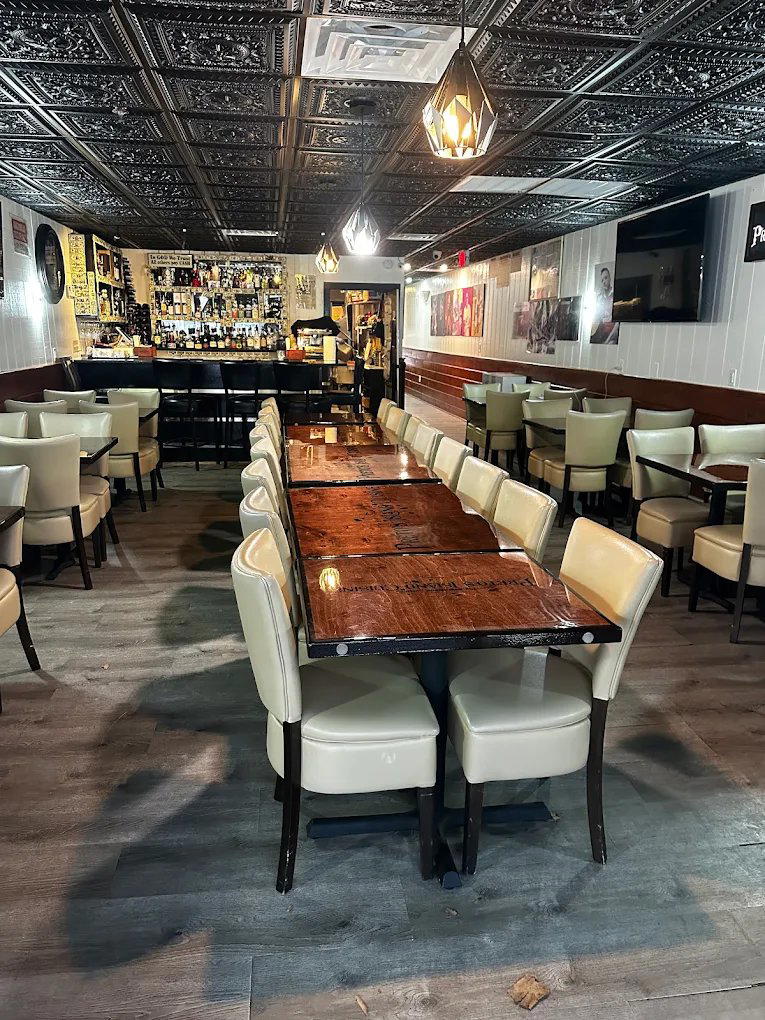
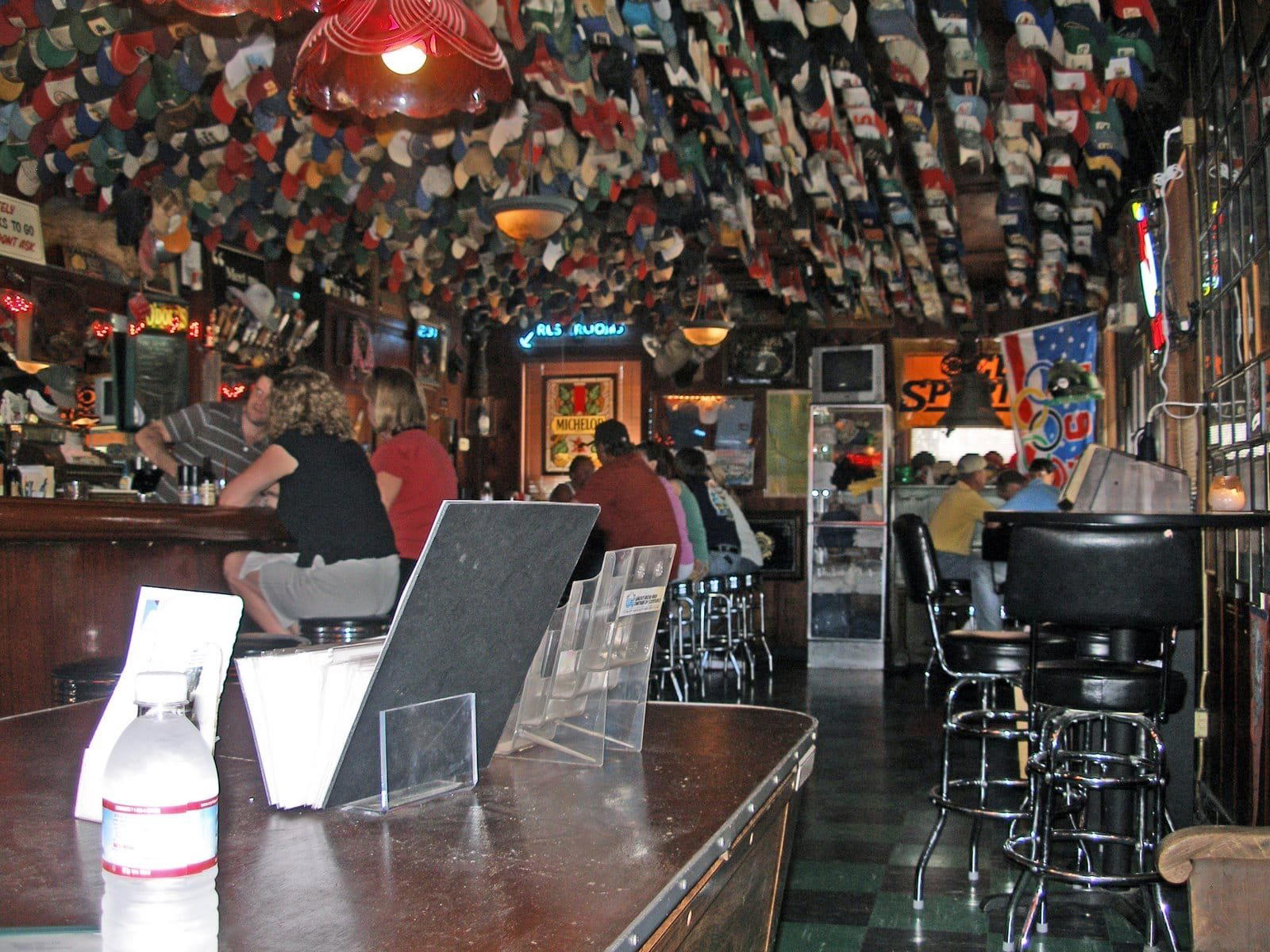
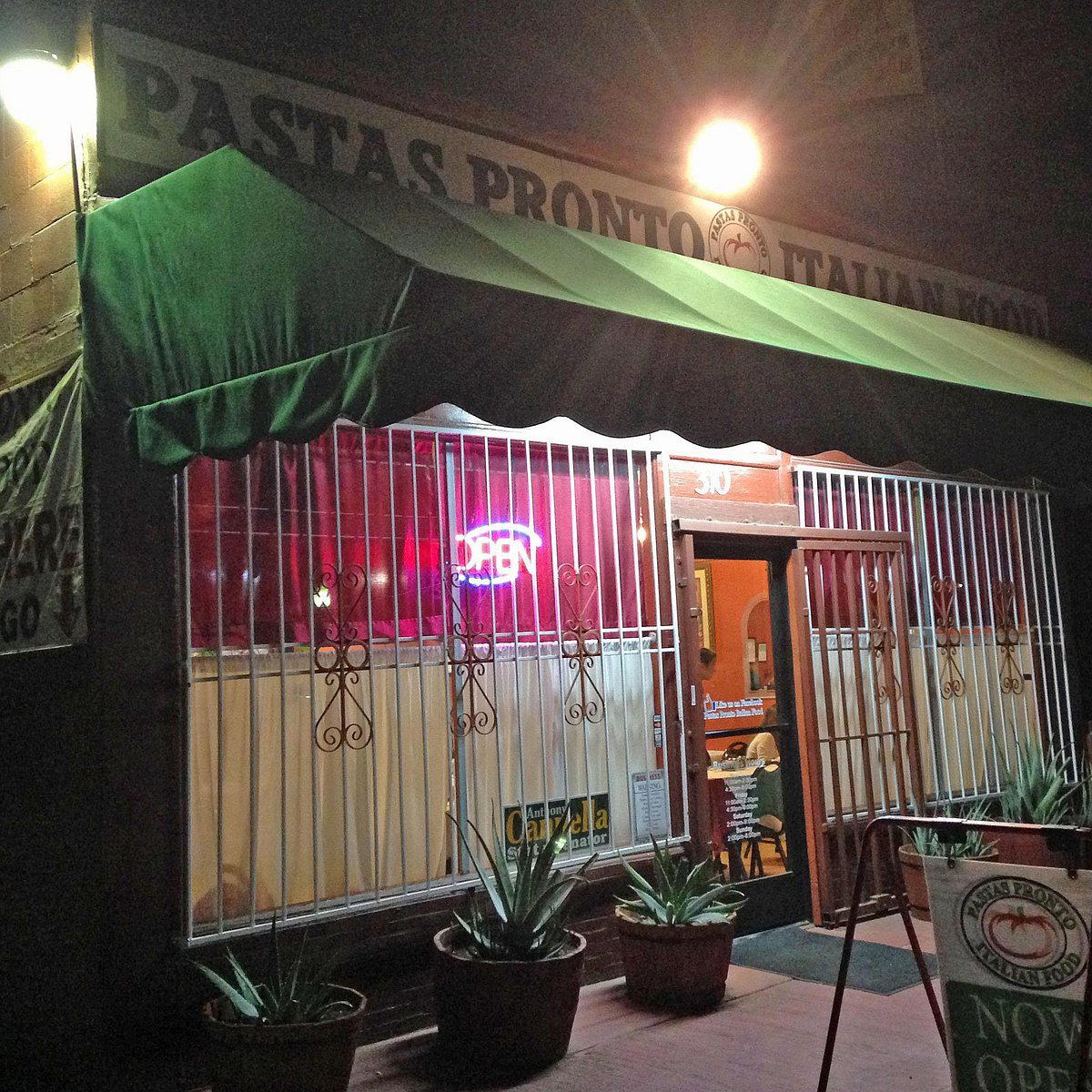
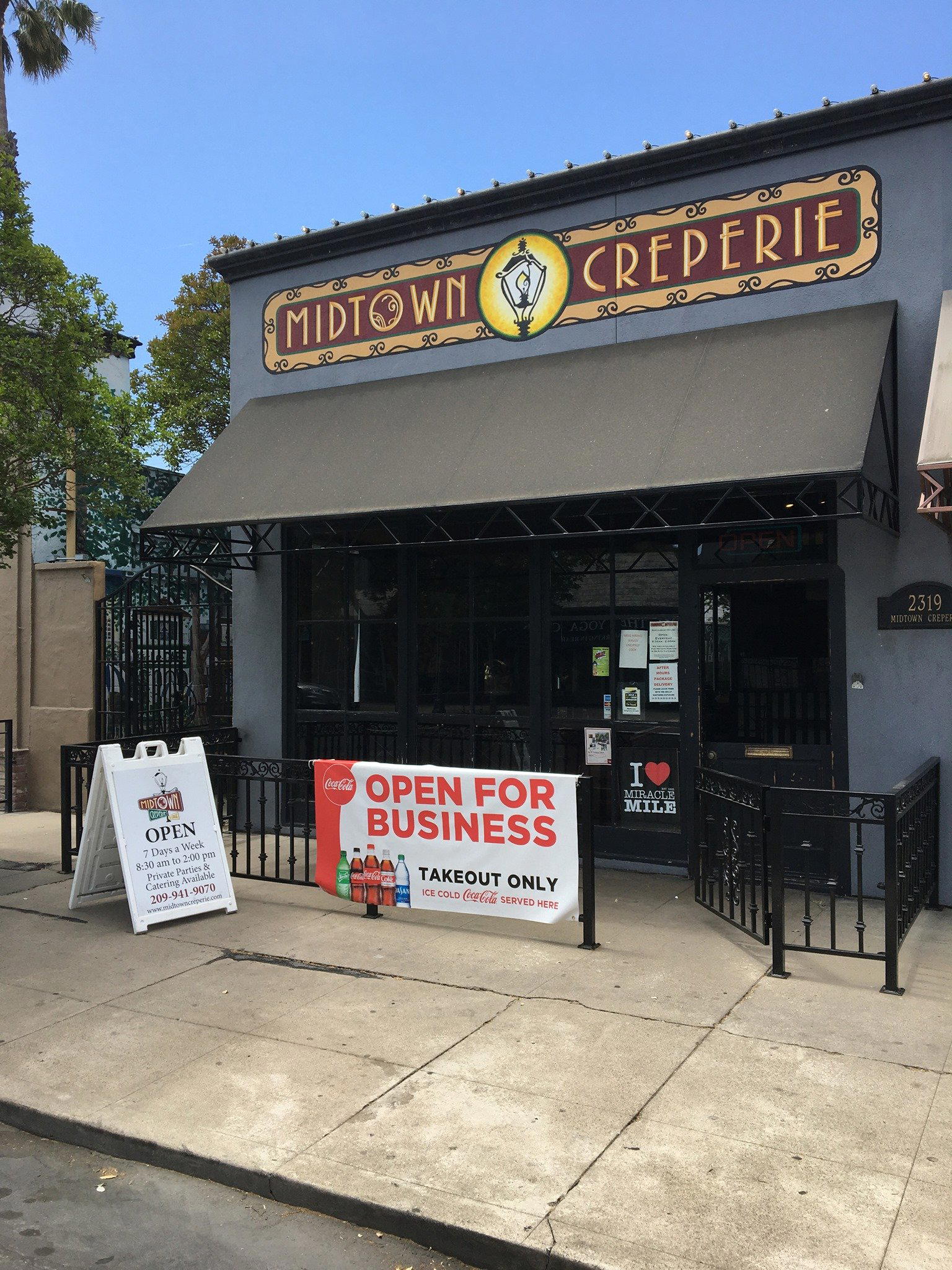
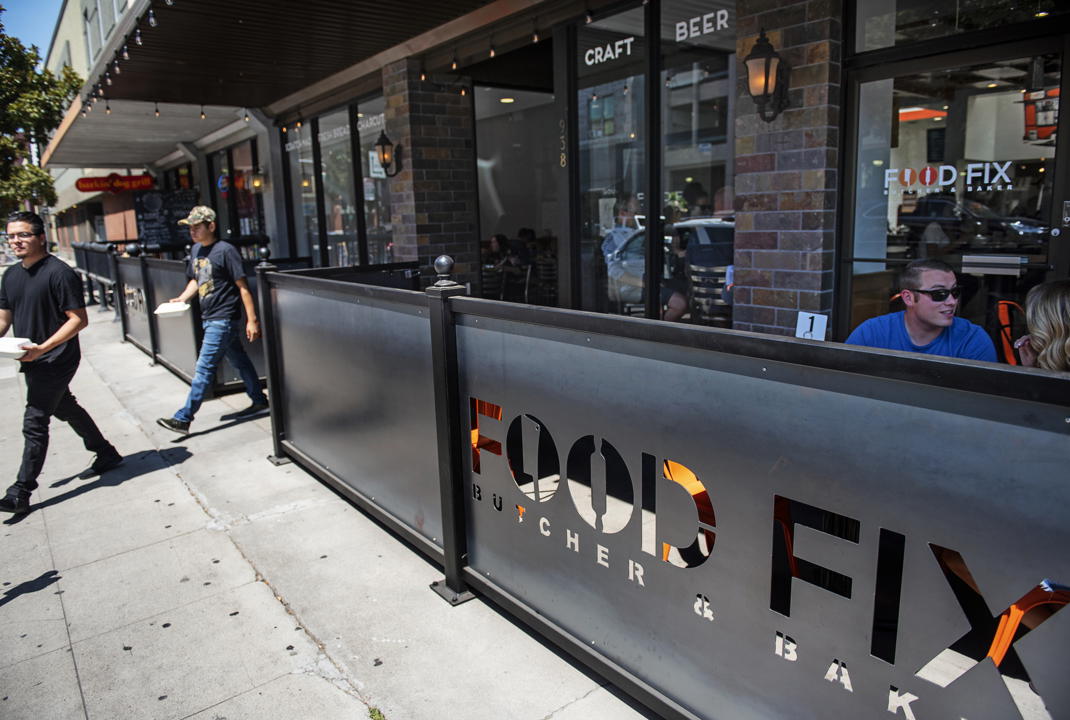
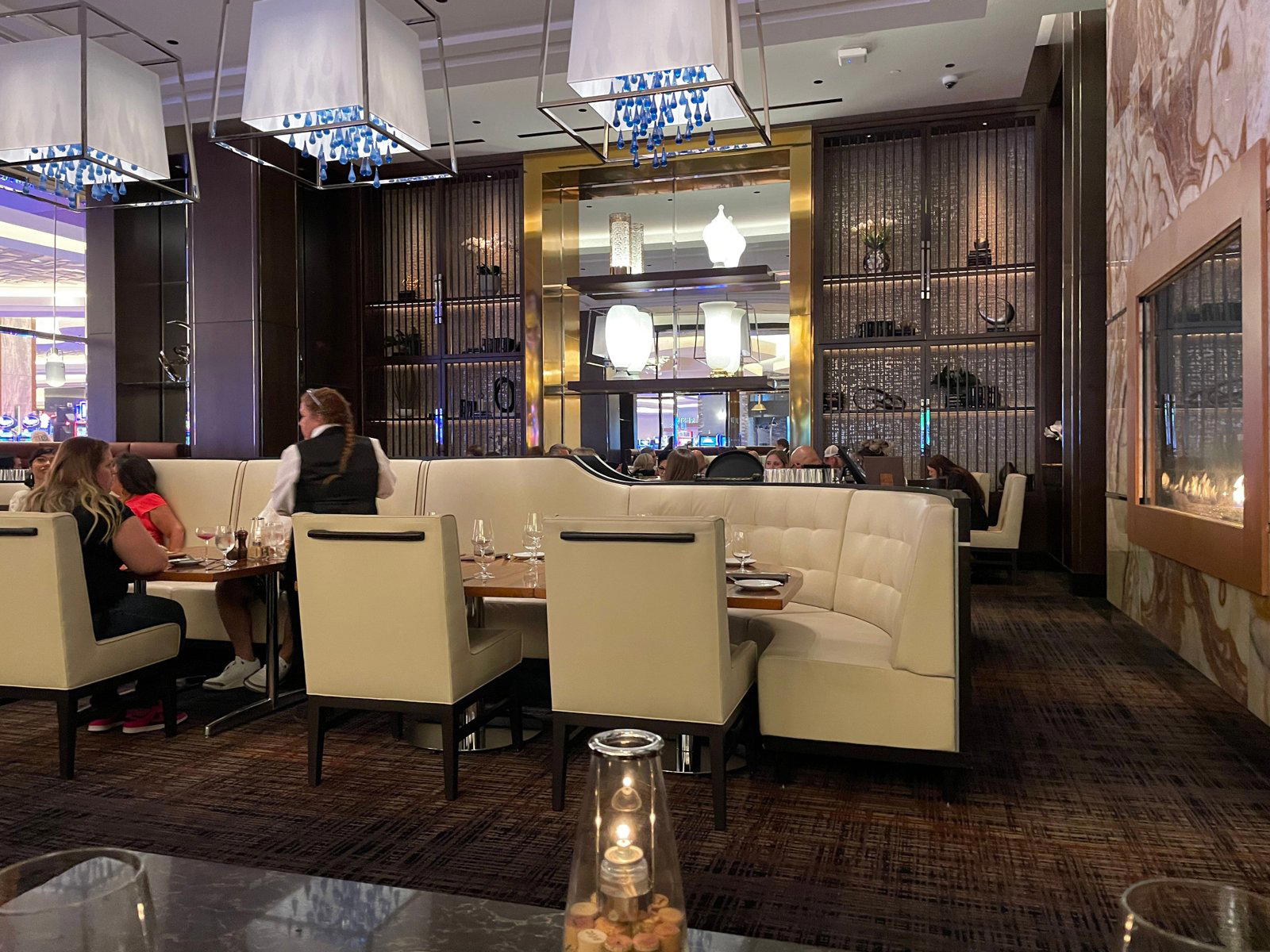
Cozy and welcoming with a calm vibe ideal for conversation, featuring a sushi bar to watch chefs prepare beautiful plates; ambiance like a fine bistro that can be a bit noisy at times.