Michael David Winery

Falstaff Winery - Listed
Michael David Winery reflects Lodi’s wine-tourism identity: agricultural roots, broad-access hospitality, and a portfolio built around both familiar California varieties and playful branded labels. The sixth-generation Phillips family estate pairs Lodi Rules sustainable farming with a casual tasting-room model, outdoor grounds, food service, and a pricing band that keeps the experience approachable for groups and families.

Pearl is the En Primeur Club membership app — saves, bookings, and concierge access live there. Same editors, same standards.
- Address
- Lodi, Vereinigte Staaten
- Directions
- Get directions
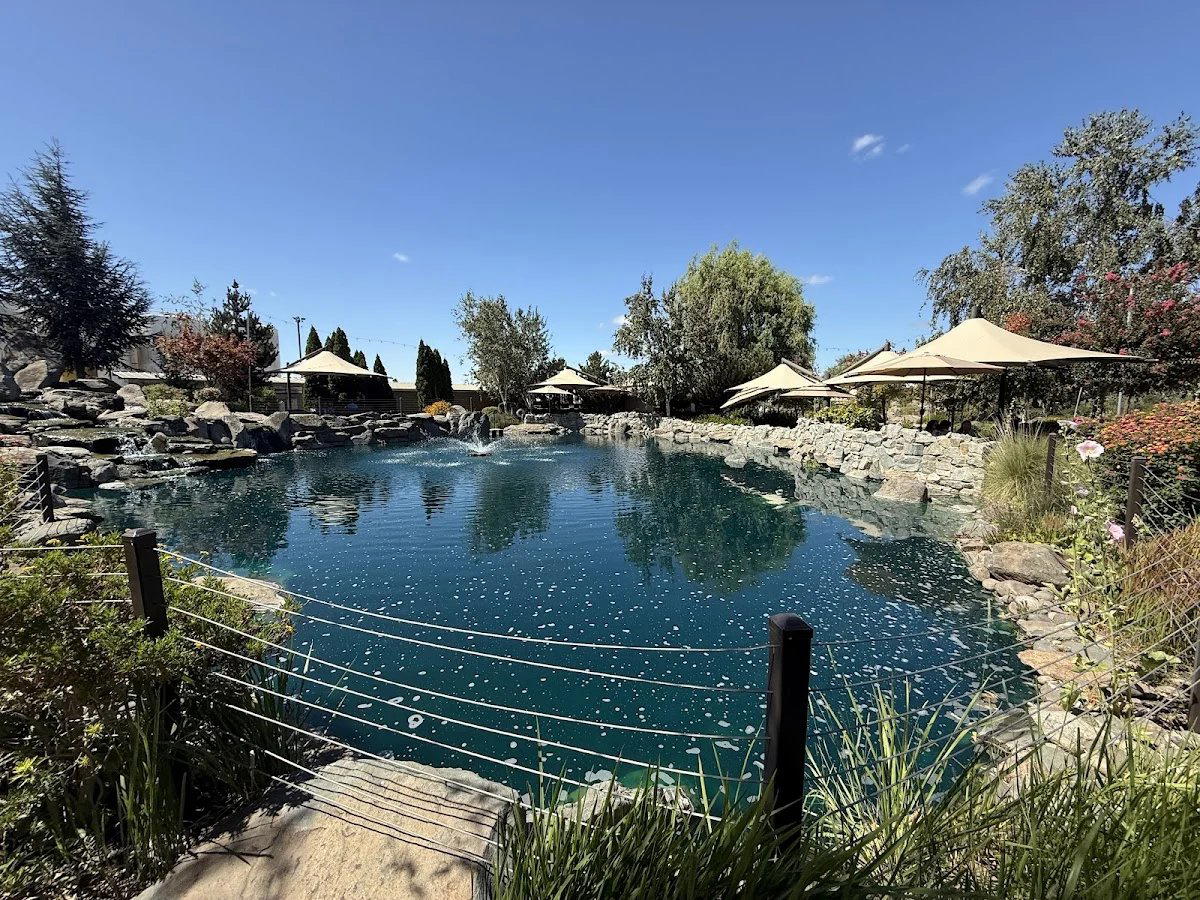
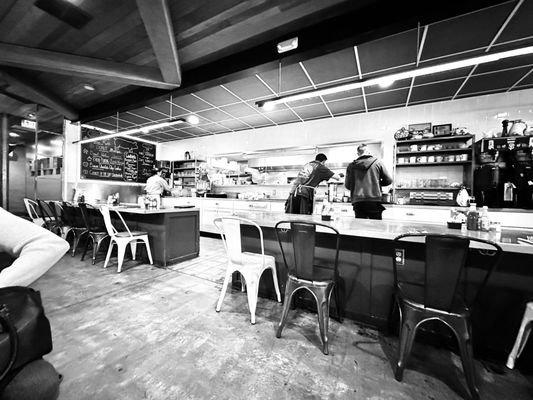
The first impression is not hushed cellar-door formality. Michael David Winery belongs to the more democratic side of California wine country: bright tasting bars, outdoor space, a pond-and-garden setting, and the easy rhythm of a working agricultural estate that has learned how to host families, groups, dogs, and casual drinkers without turning the visit into a ceremony. In Lodi, that matters. The region’s strongest wine identity has never depended on polished luxury codes alone; it comes from farming, old vines, warm-climate generosity, and producers that understand direct hospitality as part of the wine itself.
The Phillips family history gives the property its useful context. Farming in Lodi dates back more than 150 years in the family narrative, and the winery became a bonded operation in 1984. That timeline places the estate inside a regional story larger than branding: Lodi’s evolution from agricultural heartland to a serious visitor destination. The wines are sustainably grown under the Lodi Rules program, a certification framework with more than 100 standards covering environmental stewardship, social responsibility, and economic viability. For a region often reduced to value reds and old-vine shorthand, that certification is a meaningful marker of how local producers are trying to define quality through farming systems, not just bottle labels.
Lodi farming, old-vine memory, and a broad California cellar
Wine program is built around breadth rather than narrow specialization. Cabernet Sauvignon, Chardonnay, Old Vine Zinfandel, Sauvignon Blanc, Syrah, Cabernet Franc, Rosé, sparkling wine, Pinot Noir, Merlot, Carmenere, Pinot Grigio, Cinsaut, and Teroldego all appear in the wider portfolio. That range says something about Lodi’s role in California wine: the region can support familiar varieties for broad audiences while also giving producers room to work with less common grapes and heritage plantings.
Strongest terroir signal is Ancient Vine Cinsaut planted in 1886. Old-vine material has become one of Lodi’s defining arguments because it links the present tasting-room economy to vineyards that predate the modern premium-wine conversation. The presence of Cinsaut from that era also complicates the usual view of Lodi as simply a Zinfandel and Cabernet source. It points to a warmer-climate, mixed-varietal farming history where survival, adaptability, and grower knowledge matter as much as fashion.
Branded side of the portfolio is deliberately direct. Freakshow Cabernet Sauvignon, Earthquake Cabernet Sauvignon, Misfits & Mavens Sauvignon Blanc, and Michael David Chardonnay sit in an accessible bottle-price band, with examples listed from $18 to $26. Freakshow Red Wine is identified as a Syrah and Petite Sirah blend, while Freakshow Petite Petit brings together Petite Sirah and Petit Verdot. This is not the language of restrained, allocation-only California wine. It is retail-facing, memorable, and built to convert the tasting-room visitor into a repeat buyer. In Lodi, where wineries often balance agricultural scale with personal hospitality, that strategy is commercially sharp.
The estate visit is built for dwell time, not solemn tasting rituals
Hospitality format explains why the property functions as more than a pour-and-go tasting room. The estate combines wine tasting with a Farm Café, Bakery + Fruit Stand, outdoor Bistro areas, a playground, patio seating, gardens, and a scenic pond. That mix changes the visitor’s pace. Breakfast or lunch can frame the tasting, children have room to move, and the outdoor program makes the estate feel closer to a day-trip stop than a formal appointment in a silent room.
That model also reflects a larger shift in wine tourism. Many visitors now want less hierarchy: clear access, food on site, outdoor seating, and a setting that works for multigenerational groups. Michael David Winery is aligned with that demand. The dress code is casual, the noise level is conversational, parking is on site, and the property is wheelchair accessible. Wine club participation and shipping availability extend the relationship beyond the visit, but the immediate appeal is practical: a medium-scale, family-friendly Lodi estate where tasting, food, and grounds are integrated into one visit.
There is critical trade-off here. Drinkers looking for a small, appointment-only cellar focused on one vineyard block and a narrow set of varieties will find a different rhythm elsewhere. This estate is stronger as a complete hospitality environment and a broad introduction to Lodi’s wine personality. Its value is the way it joins sustainable farming credentials, old-vine reference points, recognizable labels, and a relaxed estate setting without asking guests to decode wine-country etiquette before the first pour.
How to place it in a Lodi itinerary
Within Lodi, the winery works well as an anchor stop rather than a quick add-on because the food program and outdoor grounds reward a longer visit. The broader trip can then be shaped around the city’s other categories: Our full Lodi wineries guide for cellar-door planning, Our full Lodi restaurants guide for meals away from the estate, Our full Lodi hotels guide for overnight stays, Our full Lodi bars guide for post-tasting drinks, and Our full Lodi experiences guide for activities beyond the glass.
For readers mapping wider wine travel, EP Club’s winery coverage also includes Boundary Breaks Vineyard, Klinker Brick, Lamoreaux Landing Wine Cellars, 00 Wines in Carlton, 13th Vineyard in Angwin, 50 West Vineyards in Aldie, A to Z Wineworks in Newberg, A. Rafanelli Winery in Healdsburg, »der Steiner« Hans Steiner in Podersdorf am See, and & Handwein in Mannheim.
Recognition history
Dated appearances from independent guides and award organizations, with the underlying list record or original source where available.
Falstaff Winery - Listed
Falstaff
Continue exploring
More in Lodi
Wineries in Lodi
Browse all →

Bars in Lodi
Browse all →
Restaurants in Lodi
Browse all →
Details
- Well Known
- Scenic
- Lively
- Rustic
- Whimsical
- Classic
- Group Outing
- Family
- Romantic Getaway
- Celebration
- Solo Exploration
- Wine Education
- Estate Grounds
- Garden
- Picnic Area
- Vineyard Tour
- Terrace
- Sustainable
- Vineyard
- Garden
- Waterfront
- Cabernet Sauvignon
- Chardonnay
- Old Vine Zinfandel
- Sauvignon Blanc
- Syrah
- Cabernet Franc
- Still Red
- Still White
- Still Rosé
- Sparkling
- Dessert
- Bar Tasting
- Outdoor Tasting
- Self Guided Flight
- Food Pairing
- Guided Tour
- English
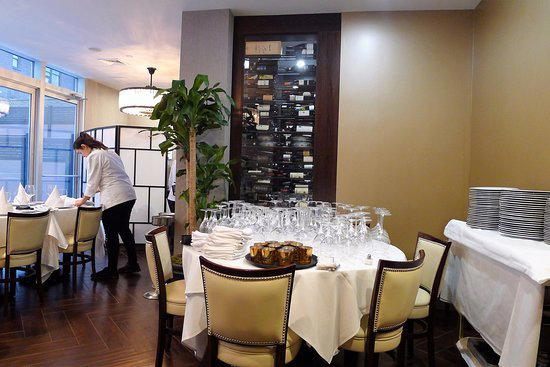
Lively, family-friendly estate with a casual, farm-inspired feel, bright indoor tasting bars, and relaxed outdoor spaces around a scenic pond and gardens.