Philip Carter Winery of Virginia
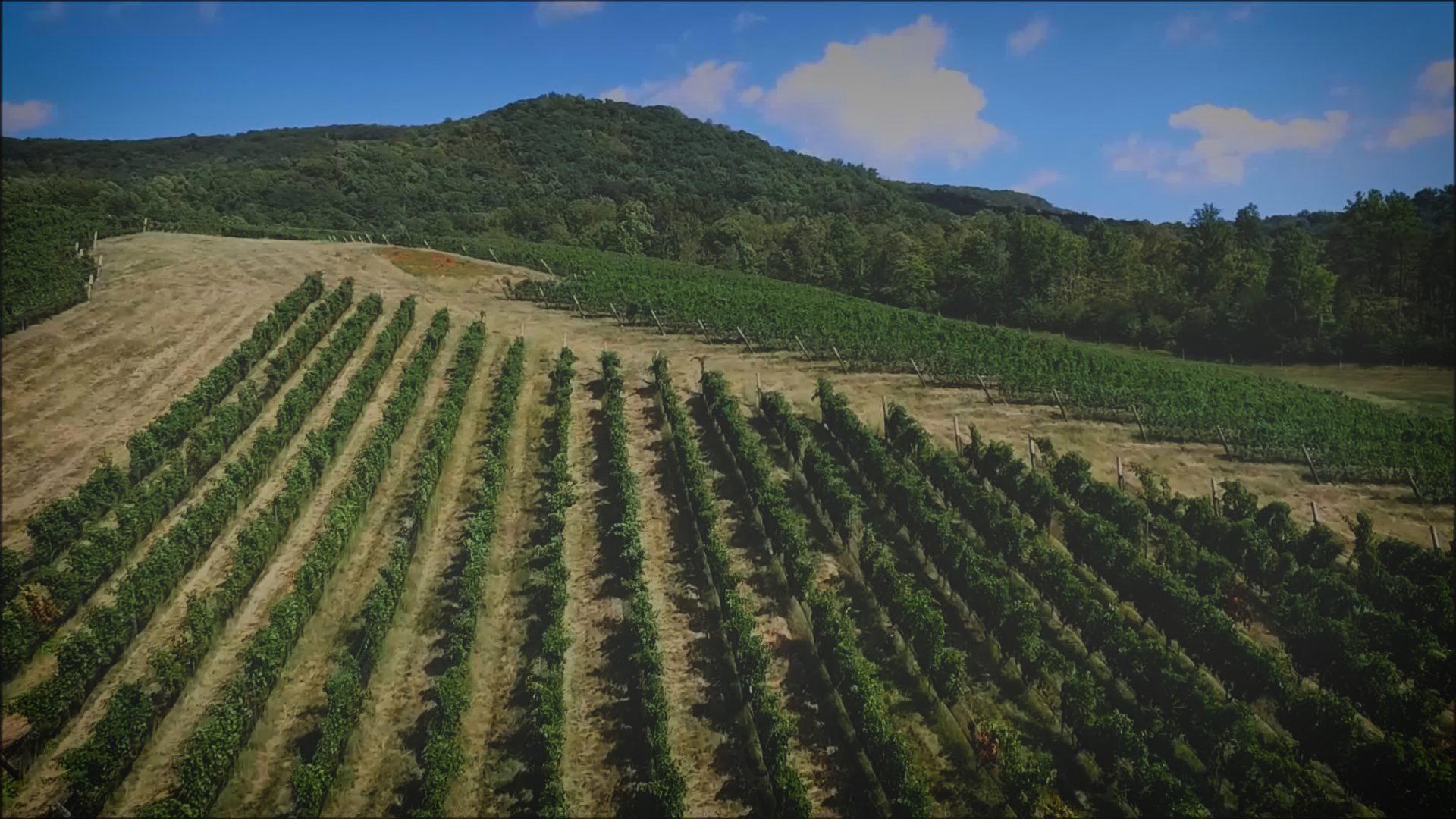
Philip Carter Winery sits in the Hume corridor of Virginia's Piedmont, where the Blue Ridge foothills shape growing conditions distinct from more southerly Virginia appellations. For visitors exploring Virginia wine country, it represents a serious point of reference for the region's terroir-driven potential.

Pearl is the En Primeur Club membership app — saves, bookings, and concierge access live there. Same editors, same standards.
- Address
- 4366 Stillhouse Rd, Hume, VA 22639
- Phone
- (540) 364-1203
- Website
- pcwinery.com
- Directions
- Get directions
Where the Piedmont Meets the Vine
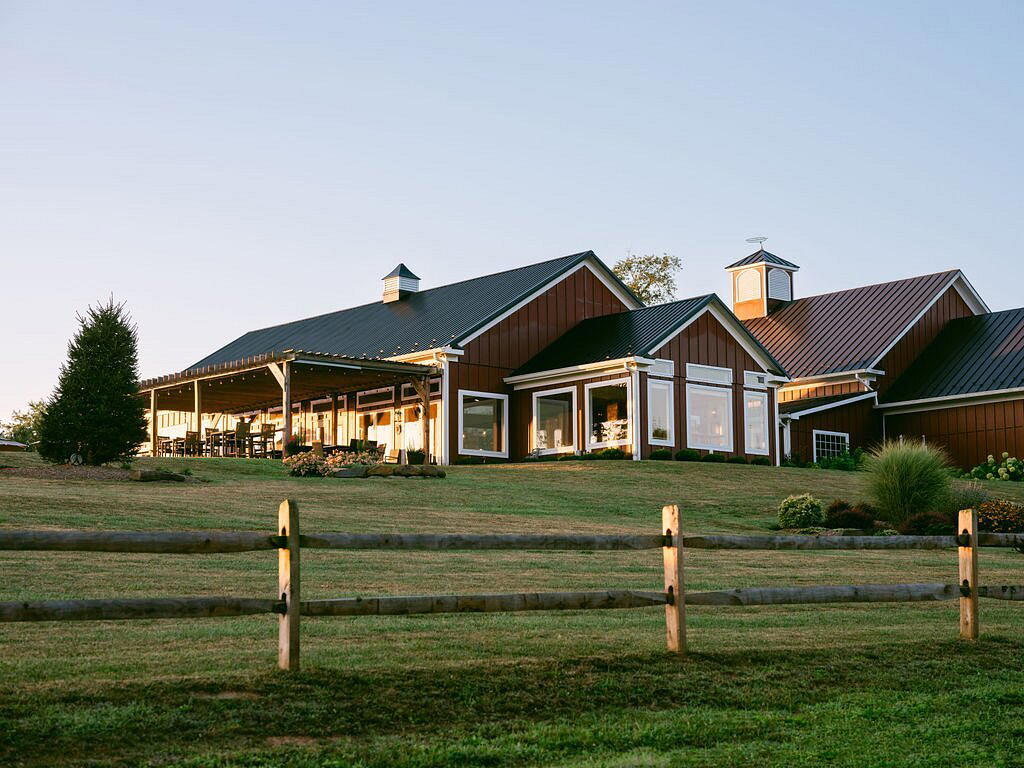
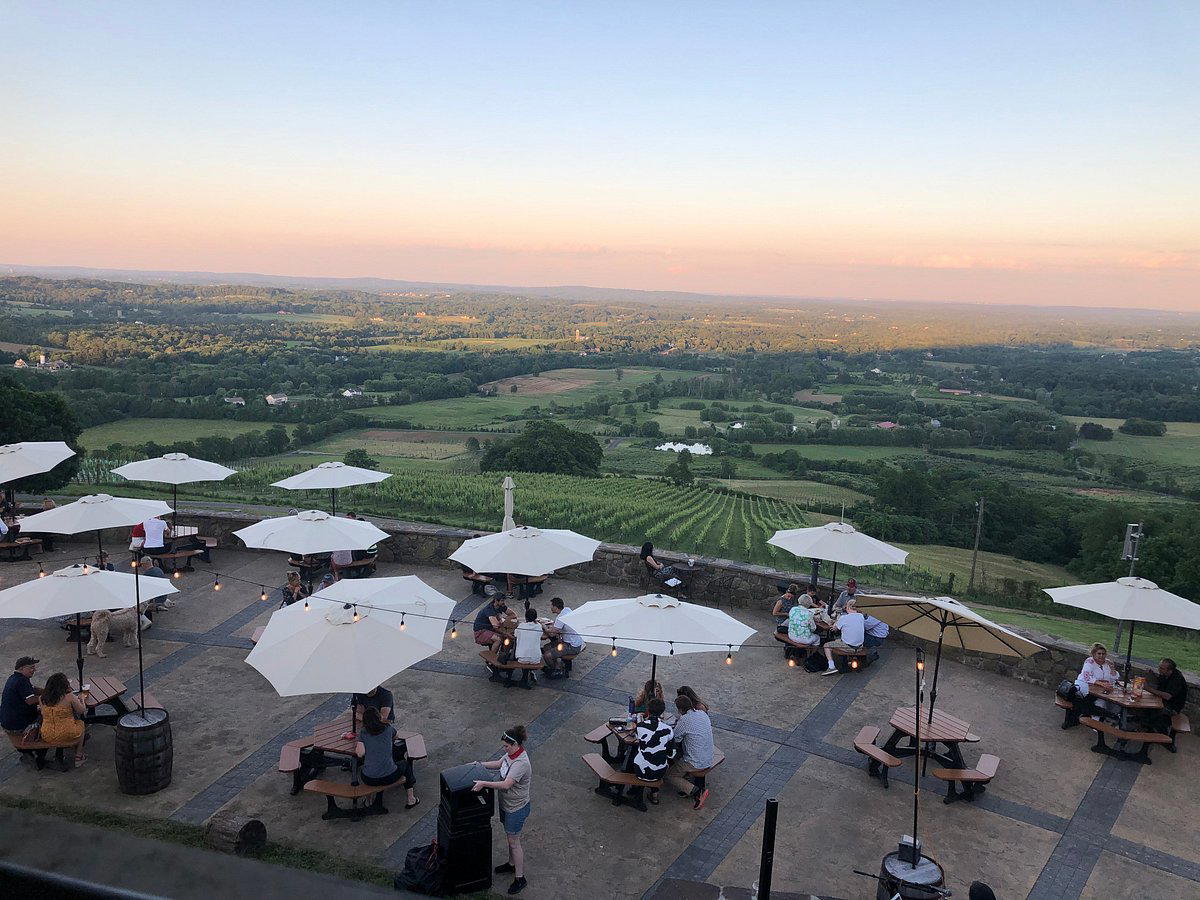
Drive west from Washington on Route 66 and the land shifts gradually but decisively. By the time you reach Fauquier County and turn south toward Hume, the Blue Ridge is close enough to read as a weather system rather than a backdrop. This is the part of Virginia wine country that operates at some remove from the tasting-room tourism concentrated closer to Charlottesville. The Hume corridor is quieter, the holdings more spread out, and the sense of place more tied to the agricultural identity of the northern Piedmont than to any branded wine trail. Philip Carter Winery of Virginia, at 4366 Stillhouse Road, sits inside that character rather than apart from it.
Virginia's wine identity has been contested territory for decades. The state's boosters have long pointed to Thomas Jefferson's ambitions at Monticello as proof of viticultural destiny, while the skeptics noted that American Viticultural Areas like Monticello AVA and the Shenandoah Valley have taken time to establish consistent critical traction. The northern Piedmont, where Fauquier County sits, occupies a different micro-climatic band than the central Virginia appellations that draw more press attention. Elevations shift, cold air drainage patterns differ, and the soils carry a distinct mineral signature shaped by the geology of the Blue Ridge foothills. For producers operating in this zone, those conditions are as much constraint as opportunity.
Terroir at This Latitude
The question Virginia winemakers in the Piedmont face is not whether the land can grow grapes but which grapes, grown in what way, express the place with any honesty. The region sits at roughly 38-39 degrees north latitude, a position that places it in the same general band as parts of southern Burgundy and northern Rhône, though the analogy has limits. The continental humidity of the Mid-Atlantic, the fungal pressure that comes with it, and the shorter, more variable growing windows all demand viticultural decisions that differ from what those European reference points require. Producers who have found traction in northern Virginia tend to do so by working with that reality rather than importing a template from elsewhere.
Bordeaux varieties have historically anchored Virginia's premium identity, with Cabernet Franc performing with particular reliability at altitude in the Piedmont. The variety's earlier ripening relative to Cabernet Sauvignon gives it a structural advantage in seasons where harvest windows close fast. Petit Verdot, which struggles in Bordeaux itself due to late ripening, paradoxically finds footing in Virginia's warmer late summers. White Burgundy varieties, particularly Viognier and Chardonnay, have champions across the state, though their expression in northern Piedmont conditions carries more phenolic tension than their warmer-climate counterparts. These are not abstract style choices; they are terrain-driven outcomes that serious producers in the region have arrived at through iteration rather than design. For comparative reference across American terroir-focused producers, the range of approaches from Accendo Cellars in St. Helena through to Adelaida Vineyards in Paso Robles illustrates how differently latitude, soil, and altitude resolve themselves in the glass.
In Virginia's northern Piedmont, that kind of formal recognition is not common currency. The state's wine scene has grown considerably since the early 2000s, but critical validation at the level of structured award frameworks has been concentrated around a narrower set of producers. Philip Carter's position in the 2025 cycle indicates it belongs to that narrower set.
Whether that means Adelsheim Vineyard in Newberg in the Willamette Valley, Alban Vineyards in Arroyo Grande on the Central Coast, or Alexander Valley Vineyards in Geyserville in Sonoma, the framework maps intent as much as output. What it signals here is that Philip Carter is not a winery you visit for the pastoral scenery alone. The wines are the point.
The Northern Virginia Wine Visit in Practice
Fauquier County doesn't move at the pace of Napa or Healdsburg. There are no high-volume tasting pavilions doing hourly tours, no restaurant-grade kitchen programs attached to the winery experience, and no hotel infrastructure woven through the vineyard block. What the area offers instead is access to working wine country at a scale that still feels agricultural rather than curated. Visiting Philip Carter means arriving with some deliberation. The address at 4366 Stillhouse Road, Hume, VA 22639, places the winery in a rural stretch where cell coverage is intermittent and the roads reward attention. Arriving without a confirmed plan is inadvisable. Booking ahead — by phone or website once current contact details are confirmed — is the practical baseline for any serious tasting visit.
The broader circuit of northern Virginia wine country rewards a two-day approach. Producers in Fauquier and adjacent Rappahannock County tend to operate on weekend schedules, and the density of interesting stops within a manageable drive makes overnight accommodation in Warrenton or Washington, VA a practical anchor. Our full Hume restaurants guide covers the dining and accommodation options that make sense as a complement to a winery-focused day in this part of the Piedmont.
How Philip Carter Sits in the Virginia Wine Picture
Virginia wine has spent much of the past decade trying to shed its regional-curiosity status and enter national critical conversations with the same seriousness as Oregon Pinot producers or Central Coast Rhône specialists. Producers like Alpha Omega Winery in Rutherford, Artesa Vineyards and Winery in Napa, and Au Bon Climat in Santa Barbara each established their reputations by anchoring themselves to a specific argument about place. Virginia's credibility problem has always been the opposite: too many arguments made at once, insufficiently grounded in a single clear terroir identity. The producers who have made the most convincing case in recent years are those who stopped trying to produce everything and committed to the varieties and sites where the Piedmont's particular conditions actually confer an advantage.
Whether its focus runs toward Bordeaux-influenced red blends, single-varietal Cabernet Franc, or white wine expressions of northern Piedmont fruit, the award signals that the output holds up against a structured critical lens rather than a regional-pride one. That distinction matters more than it might in wine regions where the quality baseline is already deeply established. In Virginia's northern Piedmont, it is a meaningful marker.
For visitors making serious wine decisions, Philip Carter belongs on the same planning horizon as any prestige-tier American producer. The same care you'd give to scheduling a visit at Aubert Wines in Calistoga, Andrew Murray Vineyards in Los Olivos, or B.R. Cohn Winery in Glen Ellen applies here. Confirm availability, arrive with a question in mind about the land and the vintage, and treat the tasting as the research it is. Producers at this tier in under-covered regions are frequently more accessible than their West Coast equivalents at the same quality level. That gap in profile to quality is worth paying attention to. See also: Babcock Winery and Vineyards in Lompoc, Aberlour in Aberlour, and Achaia Clauss in Patras for an international cross-section of how terroir specificity earns formal recognition across very different wine cultures.
Comparable Spots, Quickly
Comparable venues nearby, for context on price, style, and recognition.
| Venue | Cuisine | Price | Awards | Notes |
|---|---|---|---|---|
| Philip Carter Winery of VirginiaThis venue — the venue you are viewing | Chambourcin, Chardonnay | $30–50 | Not listed | Not listed |
| Glen Manor Vineyards | Cabernet Sauvignon, Cabernet Franc | Not listed | Falstaff Winery - Listed | Huntly |
| CrossKeys Vineyards | Cabernet Franc | Not listed | Not listed | Shenandoah Valley |
| Rockbridge Vineyard & Brewery | Vidal, Vignoles | Not listed | Not listed | Raphine |
| Saudé Creek Vineyards | Chambourcin, Traminette | $20–30 | Not listed | New Kent County |
| Bluestone Vineyard | Petit Verdot, Traminette | $10–20 | Not listed | Bridgewater |
Continue exploring
More in Hume
Wineries in Hume
Browse all →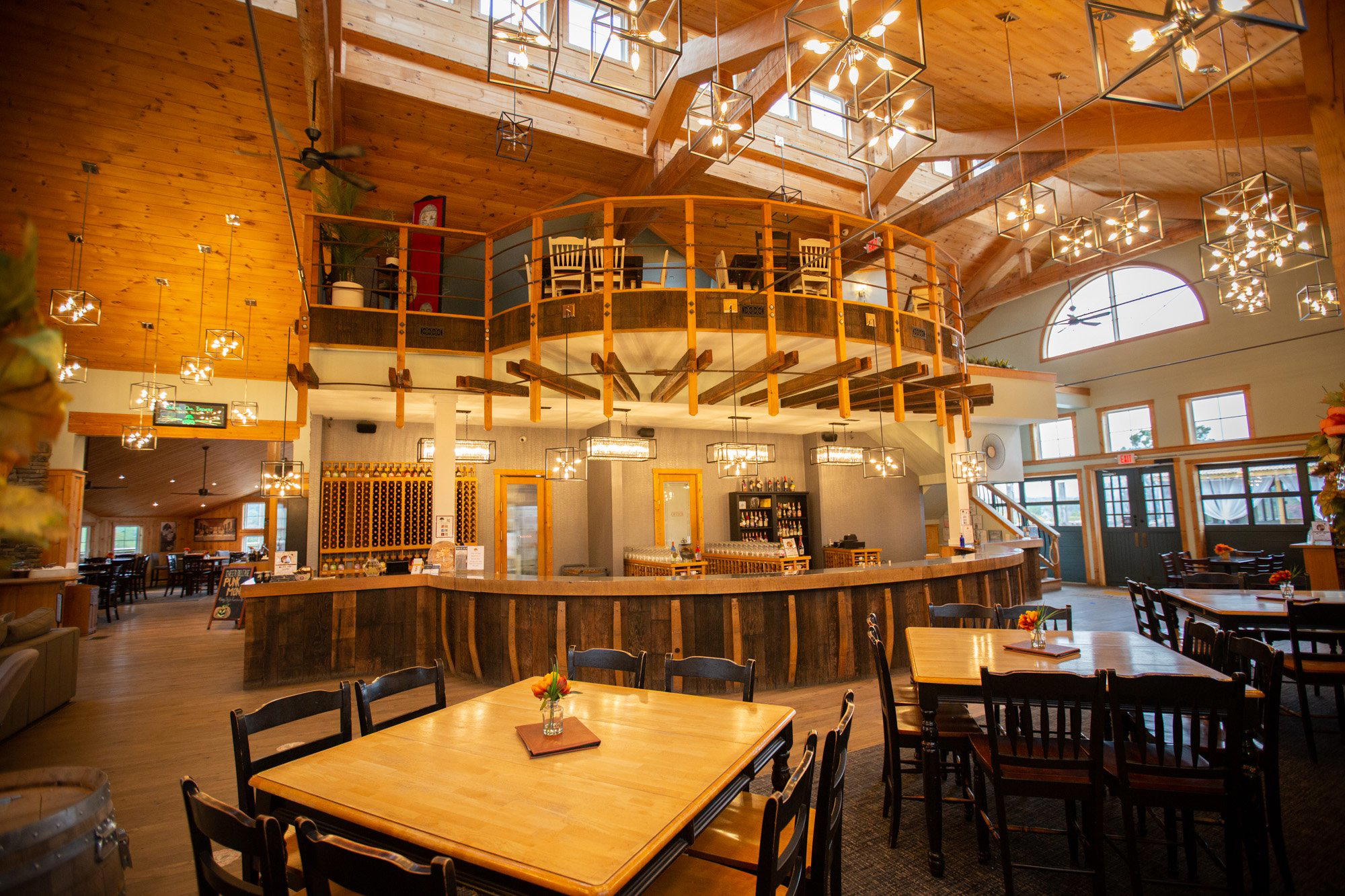
Bars in Hume
Browse all →
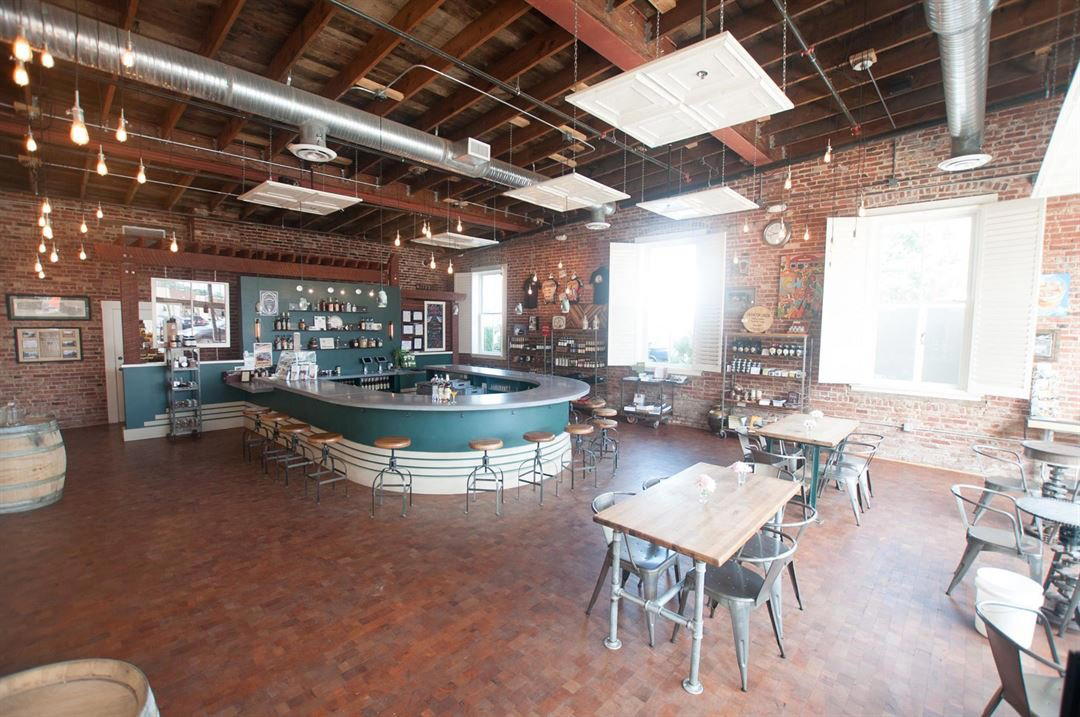
Restaurants in Hume
Browse all →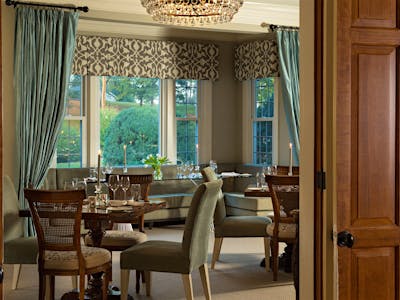
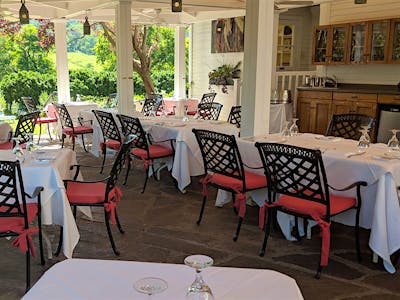
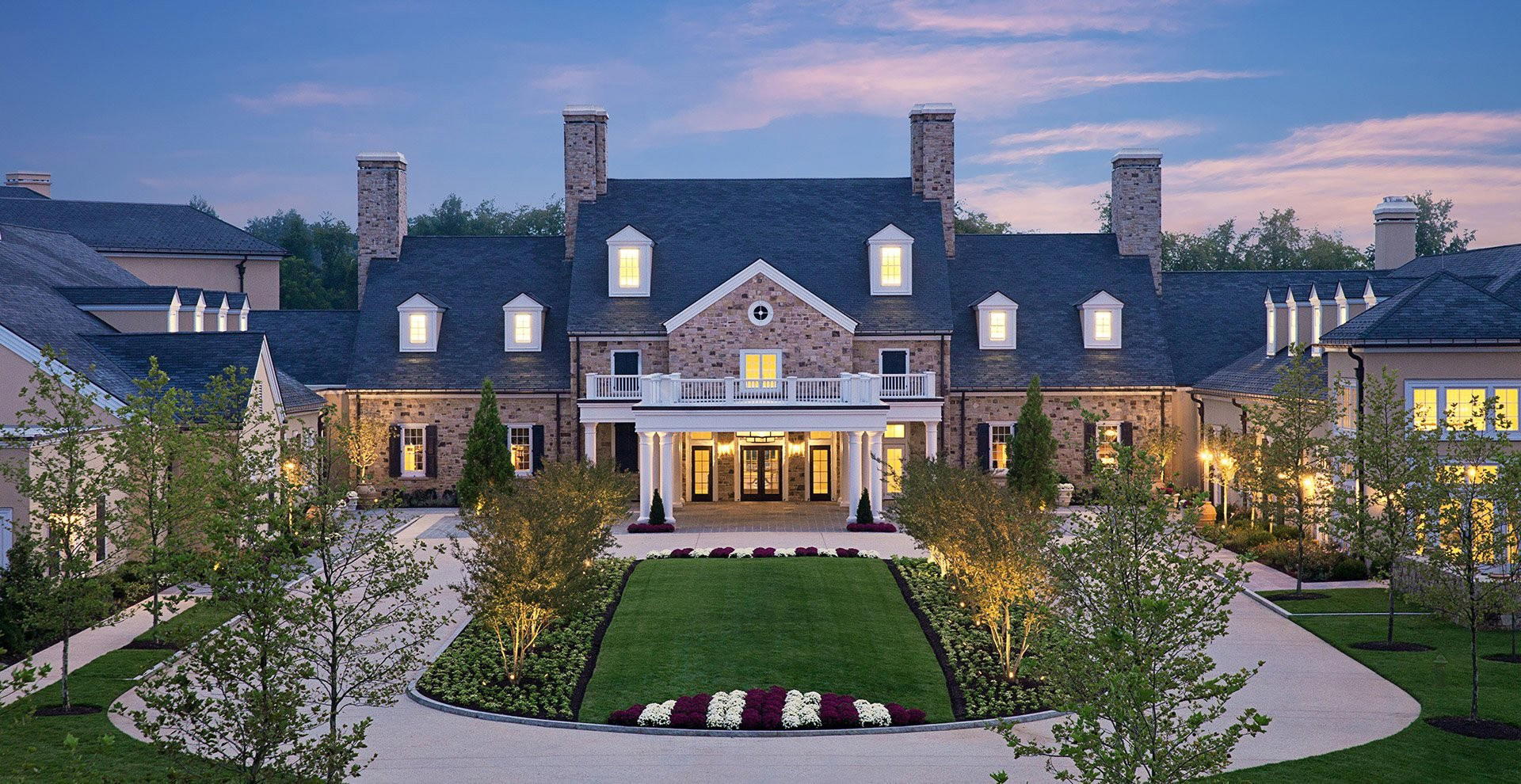
Details
- Romantic
- Scenic
- Rustic
- Elegant
- Intimate
- Romantic Getaway
- Group Outing
- Celebration
- Wine Education
- Family
- Special Occasion
- Vineyard Tour
- Estate Grounds
- Picnic Area
- Private Tasting
- Panoramic View
- Historic Building
- Sustainable
- Vineyard
- Mountain
- Garden
- Chambourcin
- Chardonnay
- Riesling
- Still White
- Still Red
- Fortified
- Guided Tasting
- Private Tasting
- Picnic Tasting
- English
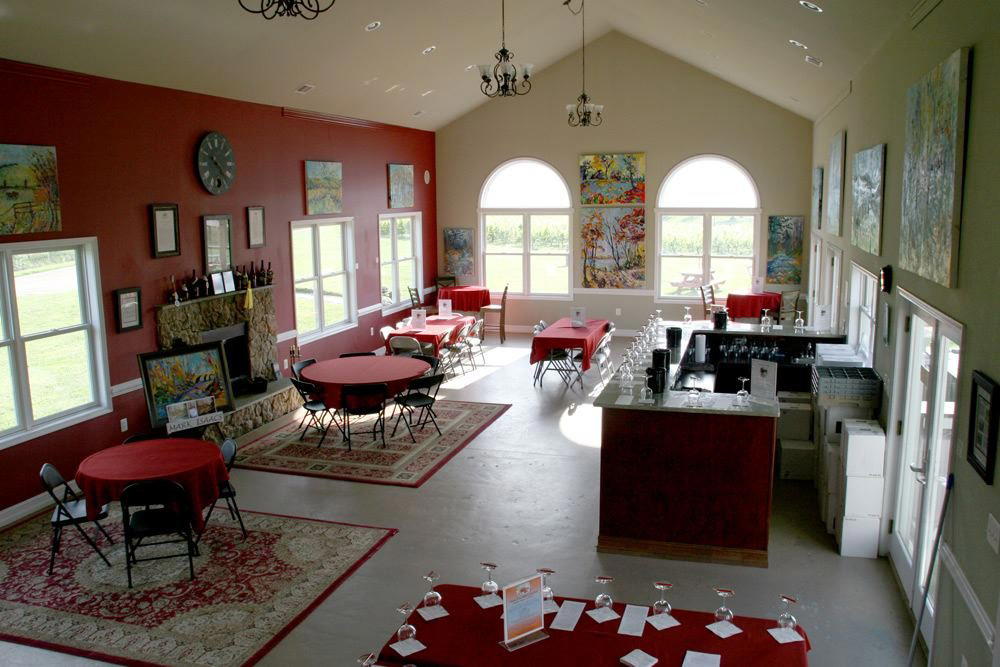
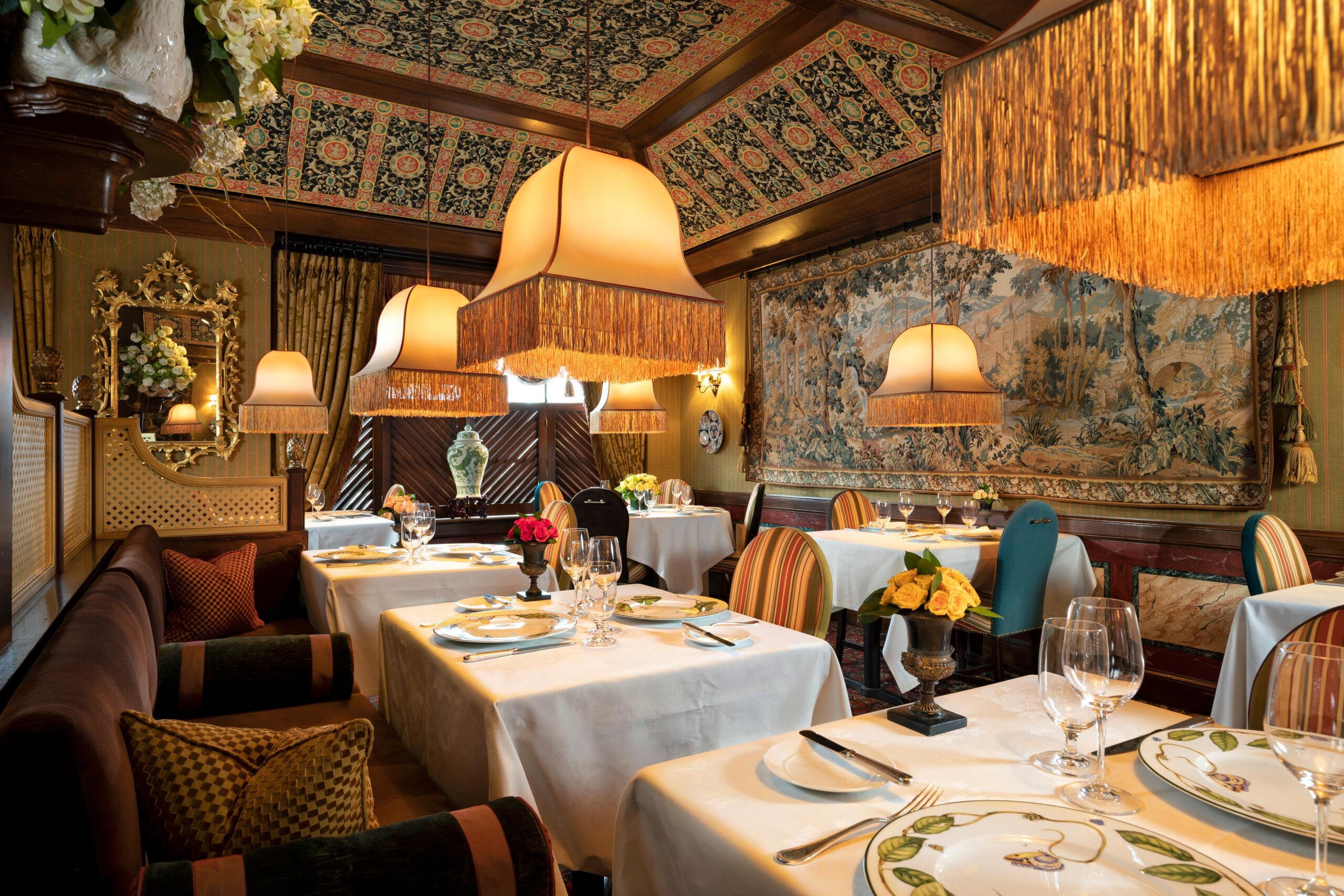
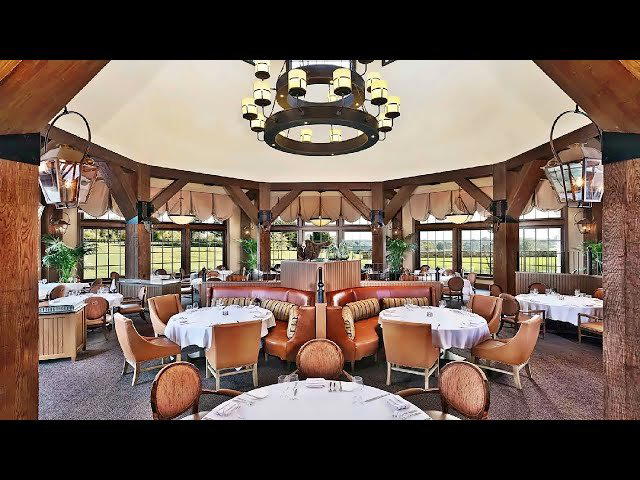
Tranquil and picturesque with natural light from expansive grounds; seasonal decorating in tasting room; welcoming and relaxed atmosphere suitable for both intimate and group gatherings.