Hotel Burg

1 Michelin Key
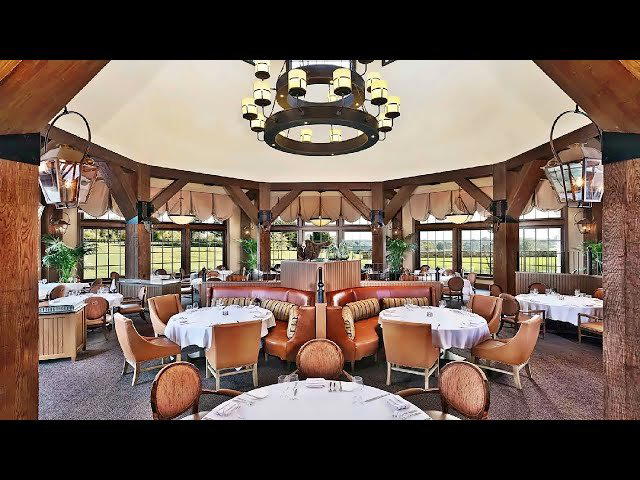
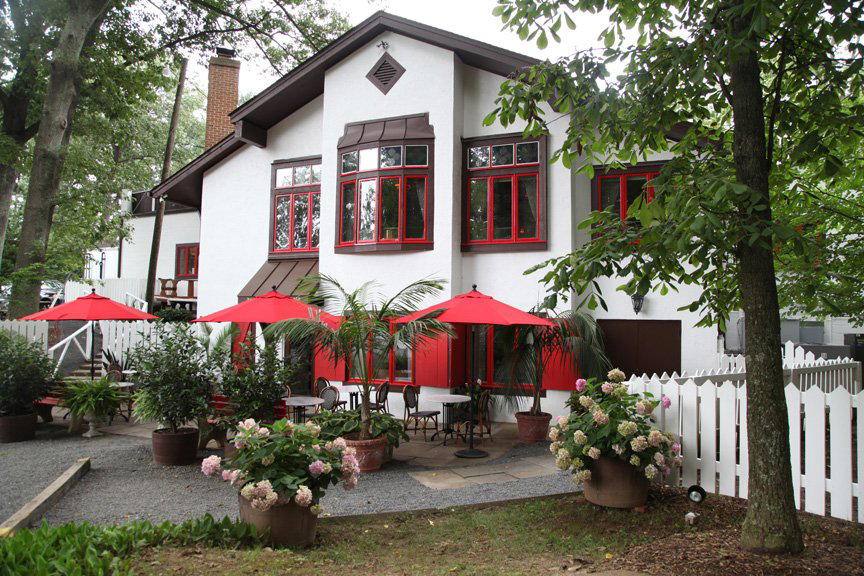
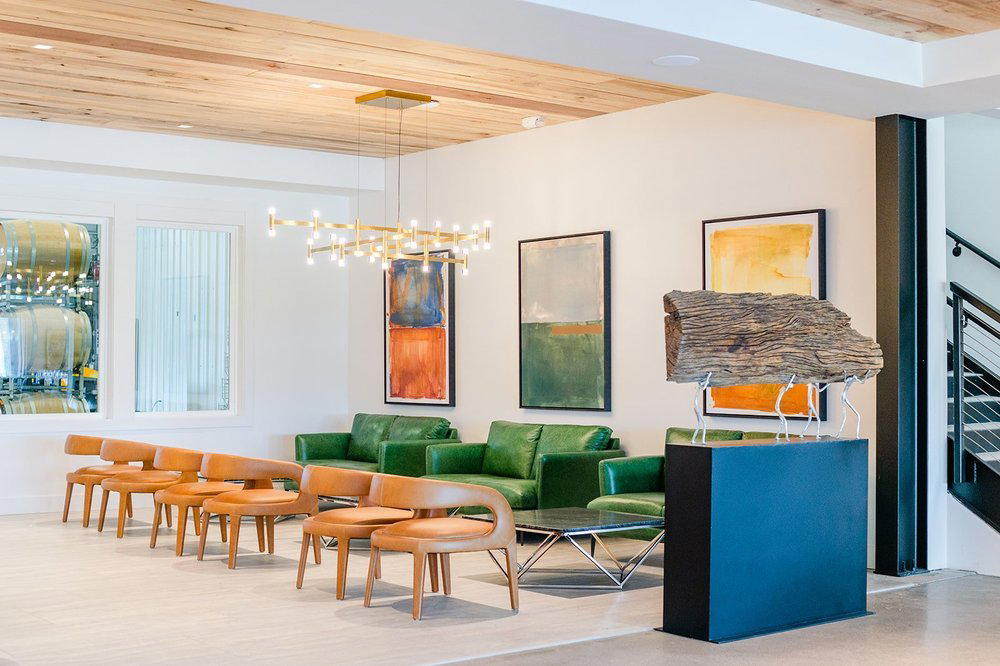
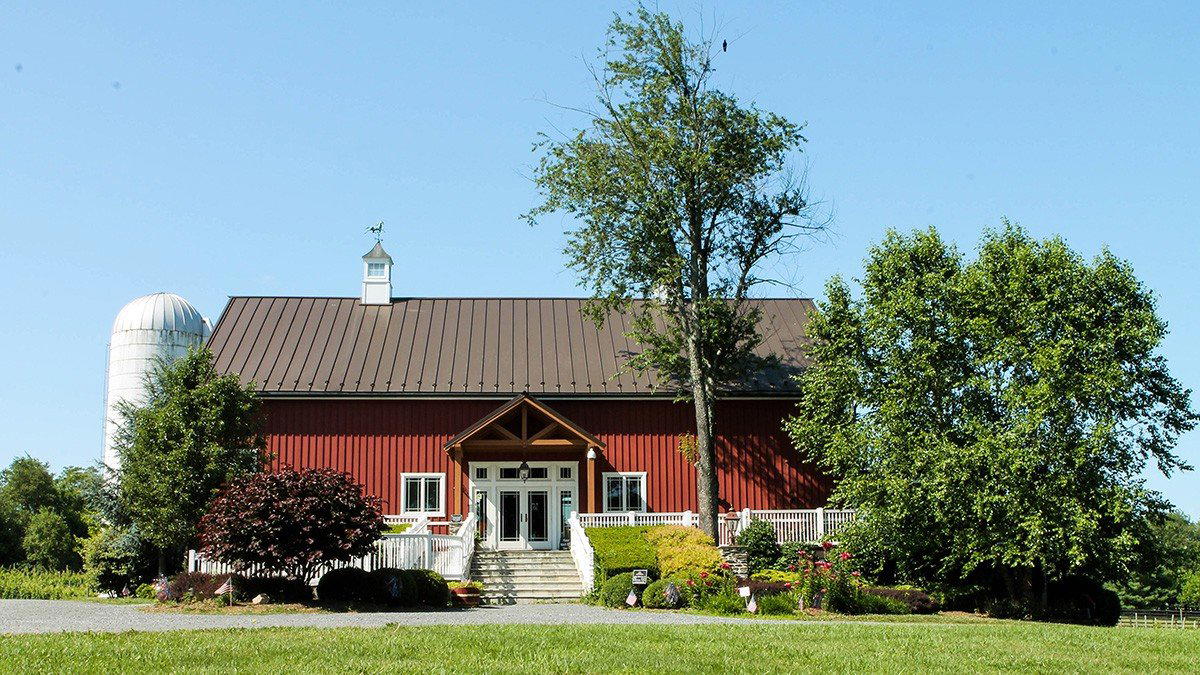
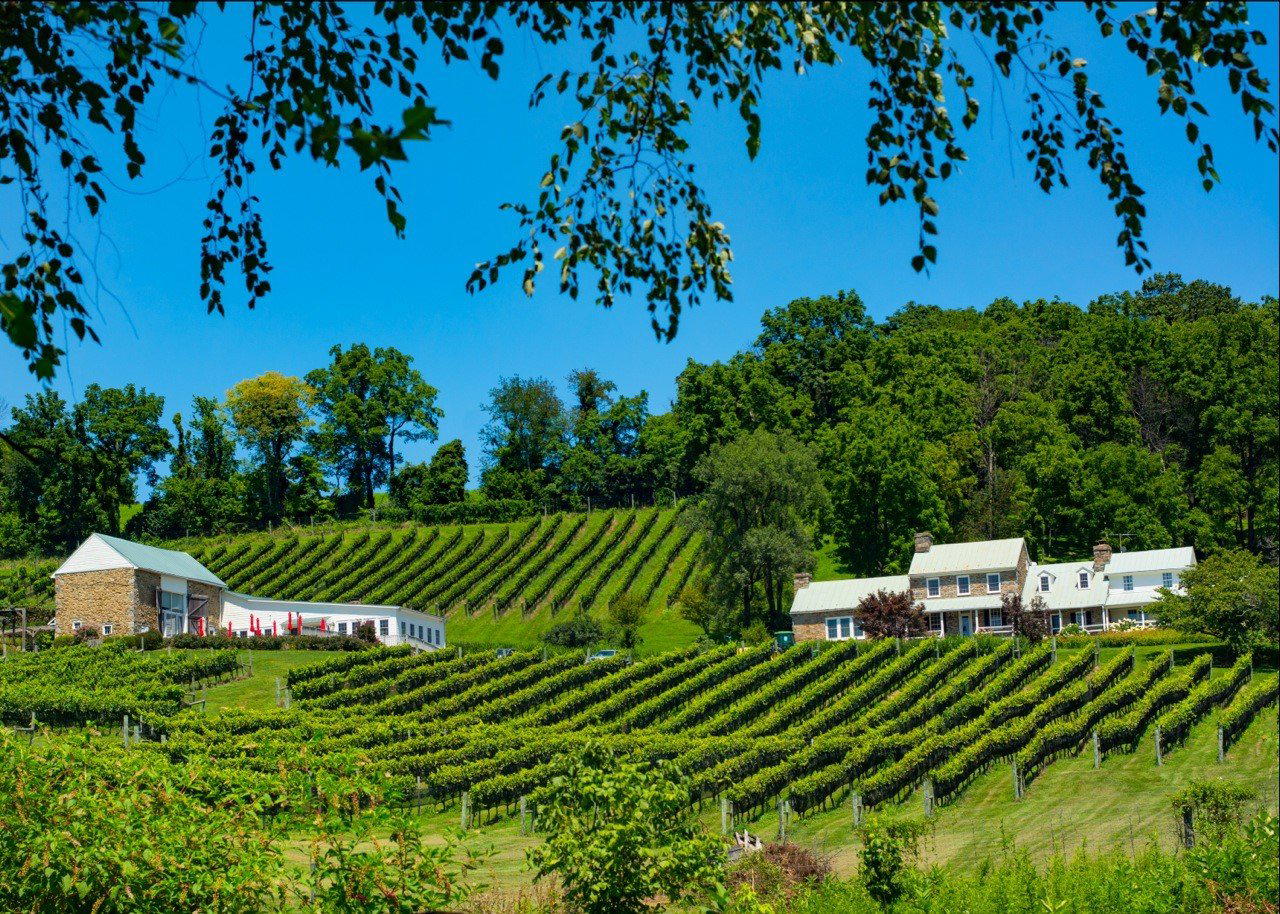
An 1885 estate in Leesburg, Virginia, a town that sheltered the National Archives during the Civil War and later became a retreat for Washington D.C.'s political class. Hotel Burg opened here in 2025, and the interiors match the setting: rich textures, bespoke furnishings, fireplaces in multiple suites. The Dogwood Suite has a clawfoot soaking tub and two fireplaces; the Rooftop Suite adds a private outdoor terrace with its own fireplace above the town roofline. The Huntōn serves a hunt-inspired dinner menu most evenings. Vineyards and equestrian estates fill the surrounding Loudoun County countryside.

Pearl is the En Primeur Club membership app — saves, bookings, and concierge access live there. Same editors, same standards.
- Address
- 208 S King St, Leesburg, VA 20175
- Phone
- (703) 552-0964
- Website
- hotelburg.com
- Directions
- Get directions
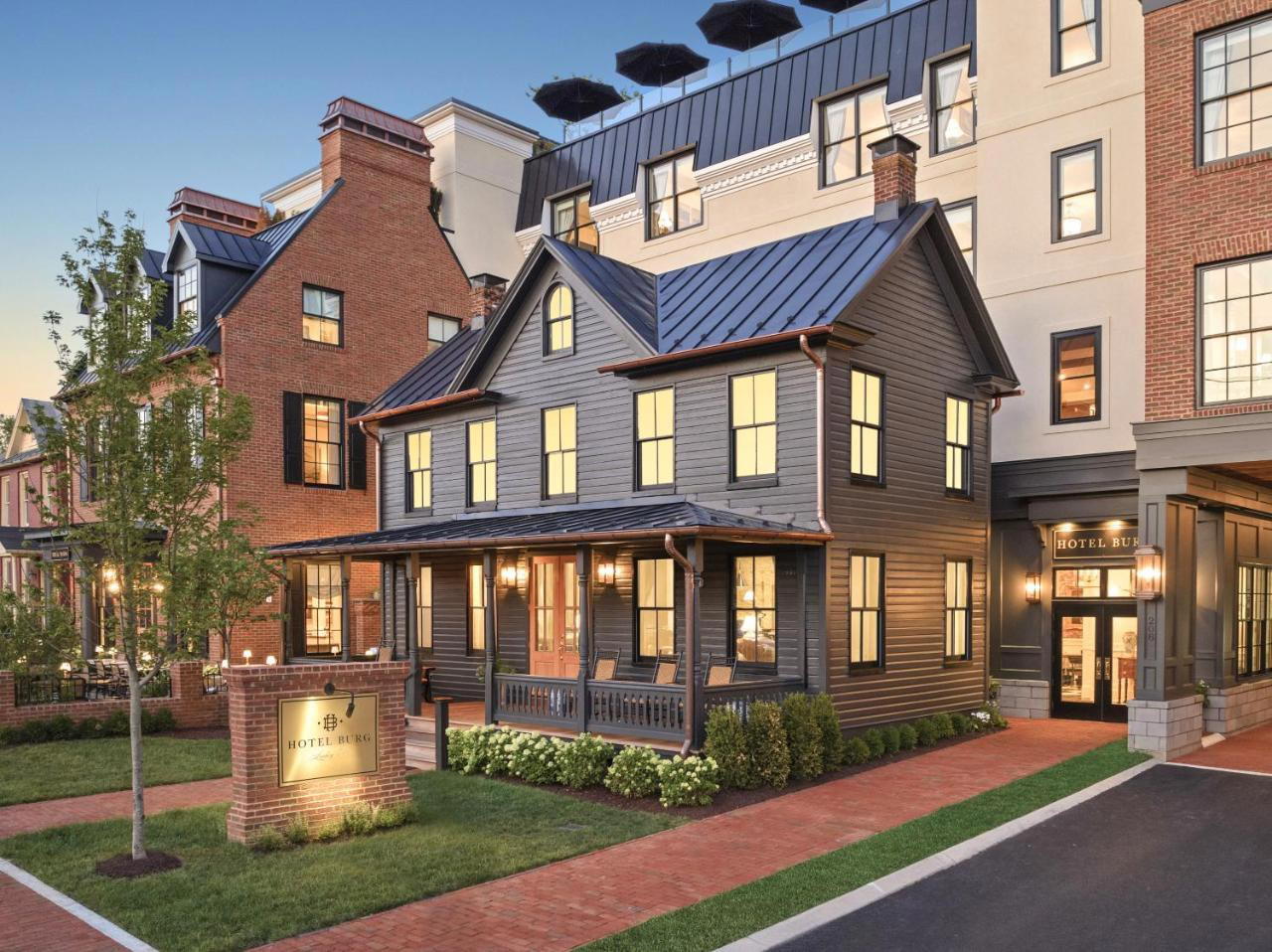
A Historic Address on South King Street
Leesburg's historic district has a particular architectural logic to it: Federal-era storefronts and 19th-century brick facades line streets that predate the republic itself, and the town has spent decades managing the tension between preservation and commercial reinvention. Hotel Burg sits at 208 South King Street, one of the district's primary corridors, where that tension is most visible. The address places it inside a walkable block of courthouses, independent retailers, and period buildings that give Leesburg its small-capital character, distinct from the commuter-belt identity that defines much of Loudoun County's newer development.
That physical context matters when reading what Michelin Selected status means for a property like this. The Michelin hotel guide in the United States has increasingly recognized smaller-city properties that demonstrate design coherence and a sense of place, rather than defaulting to major metropolitan flagships. For 2025, Hotel Burg earned that designation, placing it in a curated tier that includes properties with measurably different ambitions than full-service resort chains. It is a signal about fit and quality of execution, not scale.
The Architecture as Editorial Statement
Small-town Virginia hotels have historically fallen into two categories: the repurposed inn operating on regional nostalgia, and the generic roadside property serving weekend visitors to the wine country or the battlefield sites to the west. Hotel Burg occupies a third position, one that has become more common in the past decade as historic downtowns attract adaptive reuse projects with genuine design intent. The building on South King Street carries the structural bones of Leesburg's architectural heritage, and that inherited fabric is precisely what distinguishes this tier of property from new-build competitors.
The design approach common to Michelin-recognized boutique properties in similar American small cities, from Amenia's Troutbeck to Park City's Washington School House Hotel, prioritizes the preservation of architectural character over the introduction of dominant contemporary interventions. The historic shell becomes the design statement, and interiors are calibrated to enhance rather than override. Hotel Burg's position on a protected streetscape in a nationally recognized historic district creates a similar set of constraints, and those constraints tend to produce more interesting spaces than the blank-slate freedom of a greenfield site.
This is also the logic behind why adaptive reuse projects in American small cities often outperform their metropolitan counterparts on atmosphere per square foot. Without the budget or footprint of, say, The Fifth Avenue Hotel in New York City or Raffles Boston, smaller properties are forced to work harder with existing materials, existing proportions, and existing street relationships. The result, when it works, is a room that feels genuinely located rather than generically appointed.
Leesburg as a Base: What the Town Offers
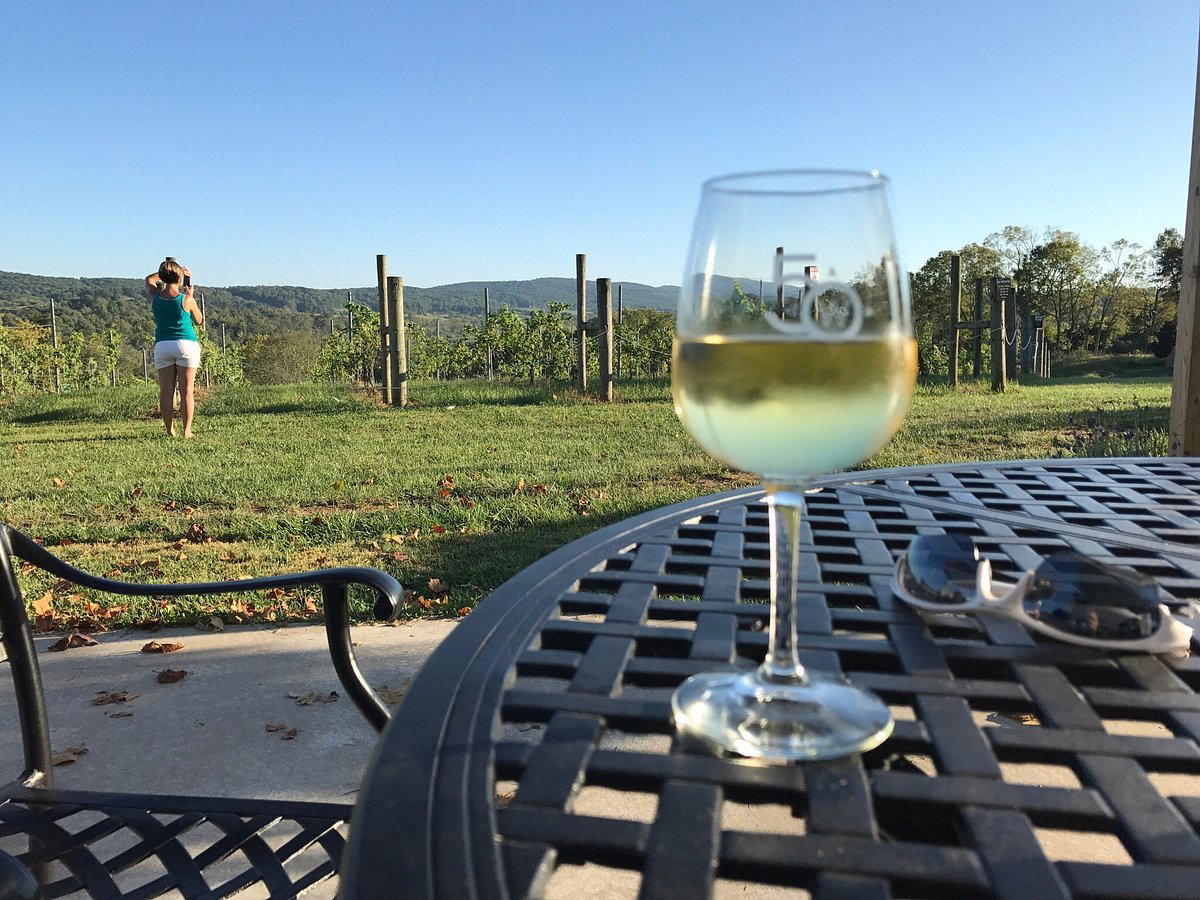
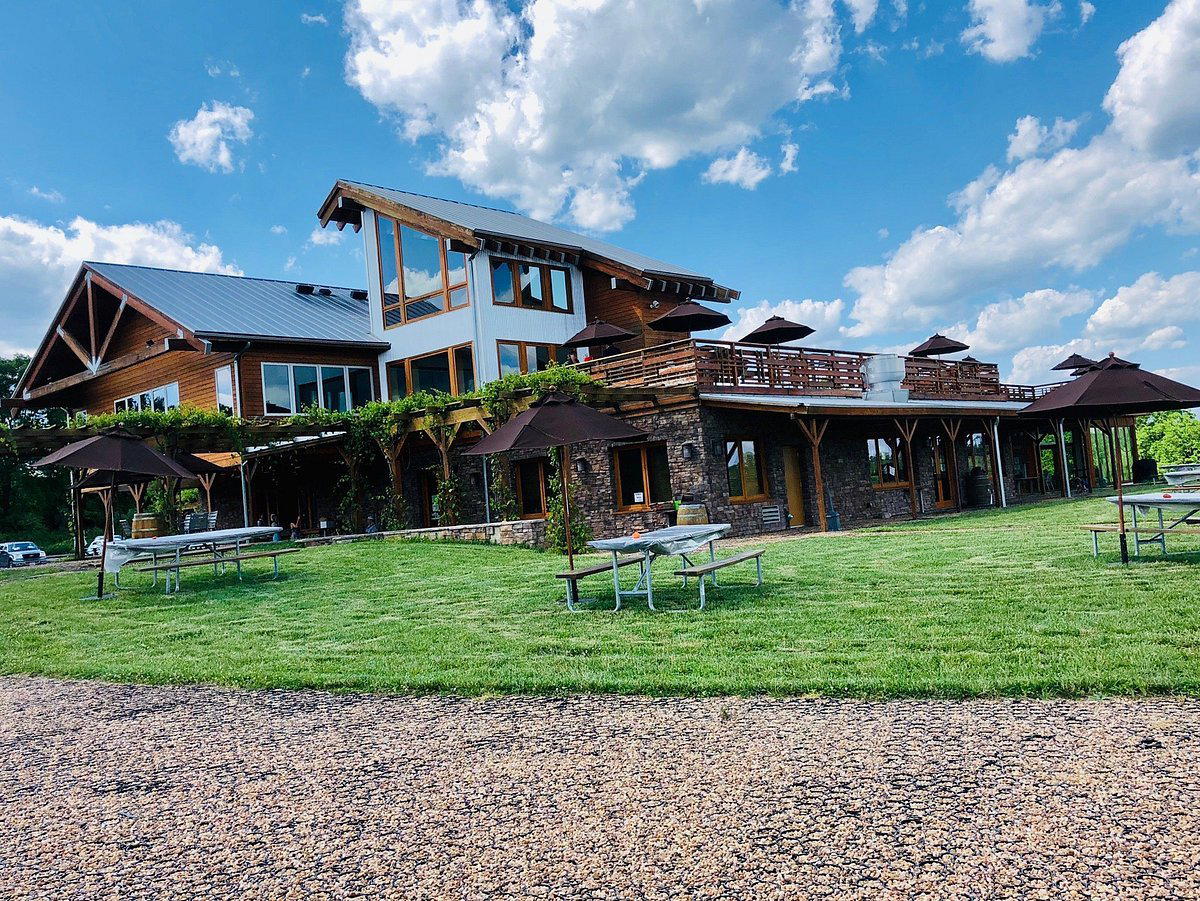
The case for Leesburg as a destination rather than a waypoint has strengthened over the past decade. Loudoun County is now one of Virginia's most productive wine regions, with over 40 wineries within reasonable driving distance, many concentrated along the routes west toward the Blue Ridge foothills. The town itself holds enough architectural and culinary interest to anchor a weekend without requiring a car at all. South King Street and its immediate surroundings support independent restaurants, specialty food shops, and a farmers market infrastructure that reflects the county's agricultural base.
For visitors calibrating their weekend against other mid-Atlantic options, Leesburg sits roughly 35 miles northwest of Washington, D.C. placing it within day-trip range of the capital while offering a distinctly different pace. The Loudoun County wine corridor puts it in conversation with Virginia's broader wine identity, which has shifted significantly since the early 2000s; the region now produces Cabernet Franc, Viognier, and Bordeaux-style blends that attract serious attention from east coast wine buyers. Hotel Burg's South King Street address makes the town's dining and wine scene walkable in a way that rural vineyard properties cannot match.
Comparable small-city boutique properties in the American countryside, from The Stavrand in Guerneville near Sonoma's Russian River Valley to Sage Lodge in Pray outside Yellowstone country, typically derive their value from proximity to a specific natural or agricultural resource. Hotel Burg operates within a different logic: the town is the resource, and the building's historic fabric is the credential. That is a less common positioning in American boutique hospitality, and it explains the Michelin recognition.
Placing Hotel Burg in the Michelin Selected Tier
Michelin's hotel selection in the United States spans a wide range of property types, from landmark urban hotels like The Beverly Hills Hotel and destination resorts like Amangiri in Canyon Point to smaller independent properties in secondary markets. The common thread across the Selected designation is a consistent quality of experience rather than a particular price point or amenity count. Hotel Burg's inclusion in the 2025 list places it alongside properties that have demonstrated that consistency, which is meaningful in a market where Loudoun County's hospitality inventory ranges from weekend B&Bs to large resort complexes near Dulles airport.
For travelers who use the EP Club guides to plan itineraries that stretch from urban anchors to regional properties, Hotel Burg functions as the type of mid-journey stop that justifies the detour: historically grounded, Michelin-vetted, and located in a town with enough independent character to hold interest beyond the hotel itself. The full Leesburg guide covers the town's dining and wine options in more depth for visitors planning around Hotel Burg as a base.
Across the broader EP Club hotel collection, the historic-building boutique format appears in a range of American markets: Chicago Athletic Association occupies a landmark athletic club building on Michigan Avenue, while The Hornibrook Mansion Empress of Little Rock operates within a Victorian residential structure. Each of these properties derives authority from its building's history, and each demonstrates that the format produces a distinctive guest experience when the design execution is disciplined. Hotel Burg belongs to that same category, applied to Leesburg's Federal and 19th-century streetscape.
For reference points at a larger scale, the EP Club collection includes international properties where historic architecture and contemporary hospitality intersect at higher price tiers: Aman Venice and Hotel de Paris Monte-Carlo both operate within buildings of significant architectural heritage, and Badrutt's Palace Hotel in St. Moritz demonstrates how historic fabric can anchor a property's identity across generations. Hotel Burg operates at a very different price and scale, but the underlying logic, that a building's history creates a form of hospitality authenticity that new construction cannot replicate, holds across the tier.
Planning Your Stay
Hotel Burg is located at 208 South King Street in Leesburg's historic downtown, placing guests within walking distance of the town's primary restaurant and retail corridor. Leesburg is accessible from Washington Dulles International Airport, approximately 12 miles to the east, and from the Virginia commuter rail and bus network that connects to the broader D.C. metro area. Visitors traveling from D.C. by car should account for Dulles Toll Road traffic during Friday afternoon peak hours, when the approach to Leesburg from the southeast can extend significantly. Booking through the hotel directly or through the Michelin hotel platform is advisable; as a Michelin Selected property for 2025, demand from guide-aware travelers has increased. The town's wine country draws the largest volumes in spring and fall, when vineyard conditions and harvest events attract weekend visitors from the D.C. metro area, making advance reservations for those periods sensible.
A Quick Peer Check
Comparable venues nearby, for context on price, style, and recognition.
| Venue | Cuisine | Price | Awards | Notes |
|---|---|---|---|---|
| Hotel BurgThis venue — the venue you are viewing | Historic boutique blending preserved 1885 estate with modern luxury. | Not listed | 1 Michelin Key | Not listed |
| JW Marriott at Reston Station | Large luxury business and events hotel anchoring a mixed‑use, transit‑oriented development at Reston Station. | $300–500 | Not listed | Reston Station |
| Hilton Norfolk The Main | Modern luxury hotel blending upscale classic feel with lively social spaces | Not listed | Not listed | Downtown Norfolk |
| Hotel Heron | Boutique heritage hotel in a restored historic building with an adjacent modern addition. | $200–300 | Not listed | Old Town Alexandria |
| The Jefferson Hotel | Historic luxury landmark with grand ballrooms and preserved original details. | $200–300 | Forbes Recommended · Preferred Hotels Member | Downtown |
| Quirk Hotel Richmond | Art-centric historic conversion with modern boutique positioning | $100–200 | Michelin Guide New Hotels New Hotel · Michelin Selected | downtown |
Recognition history
Dated appearances from independent guides and award organizations, with the underlying list record or original source where available.
Michelin 1 Key
Michelin
Full recognition history (2 entries)
Michelin Selected
Michelin
Continue exploring
More in Leesburg
Hotels in Leesburg
Browse all →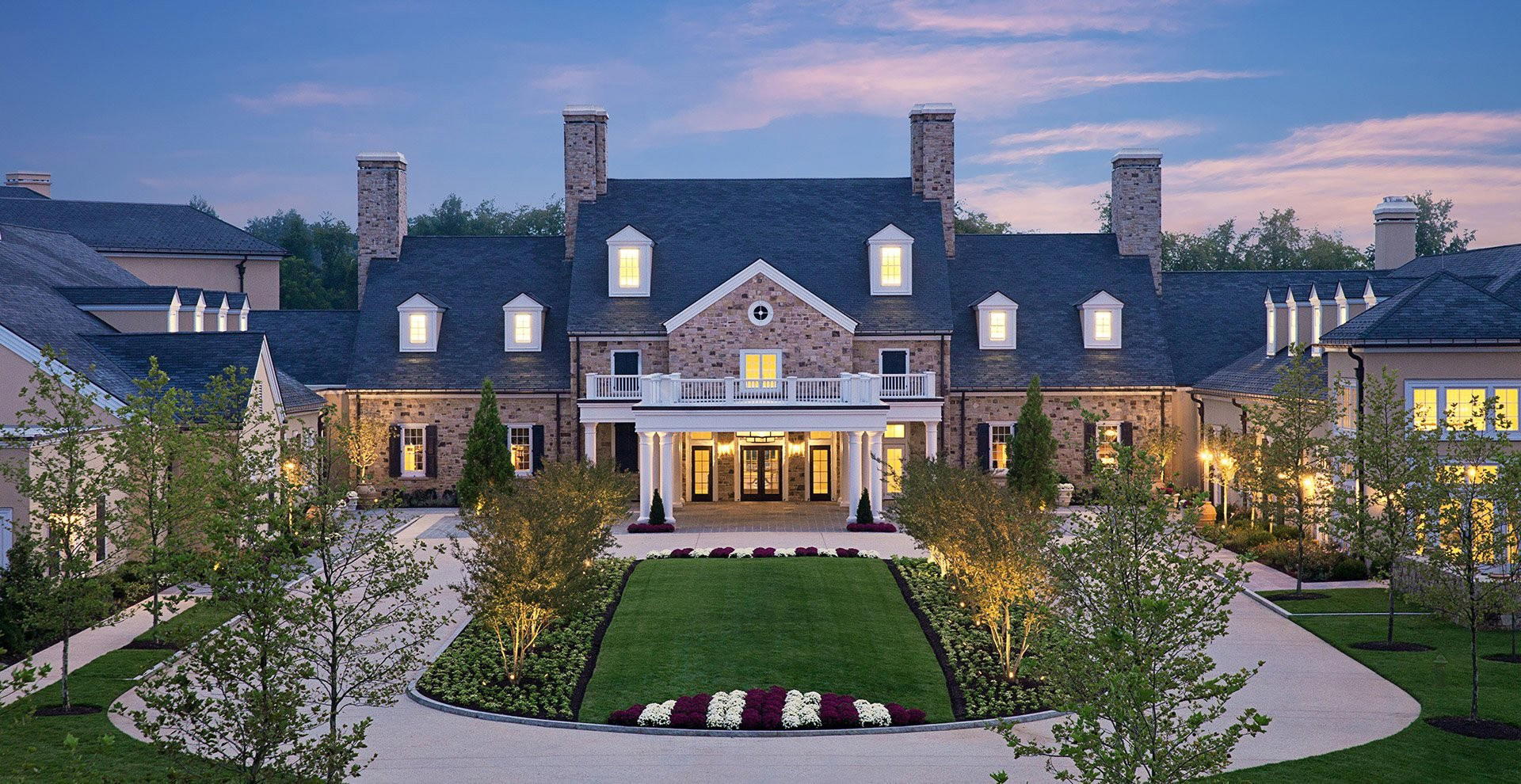
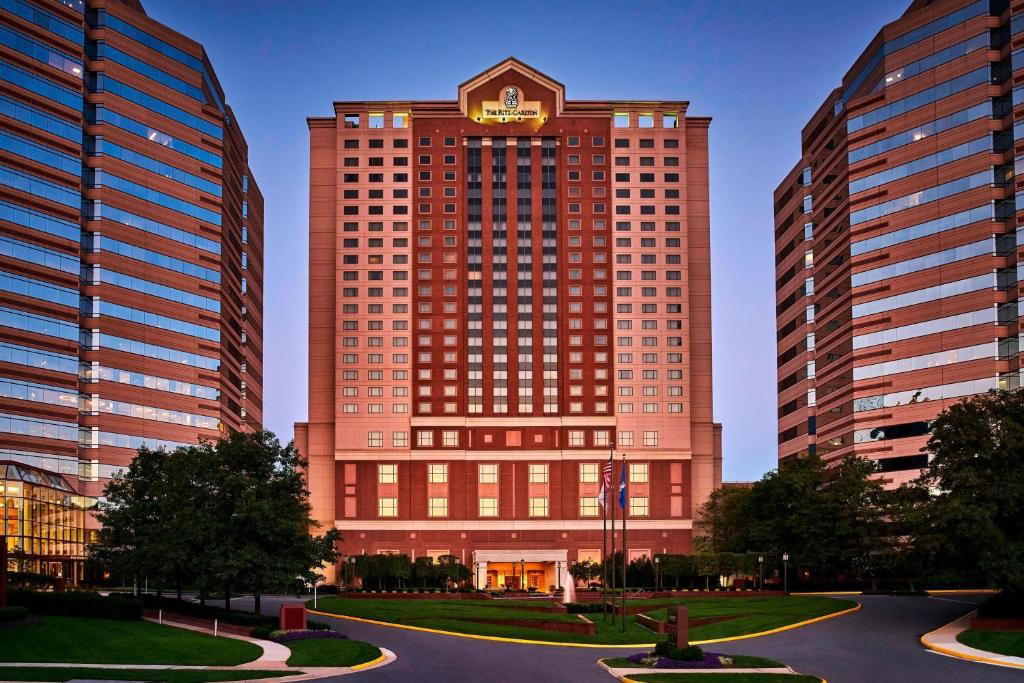
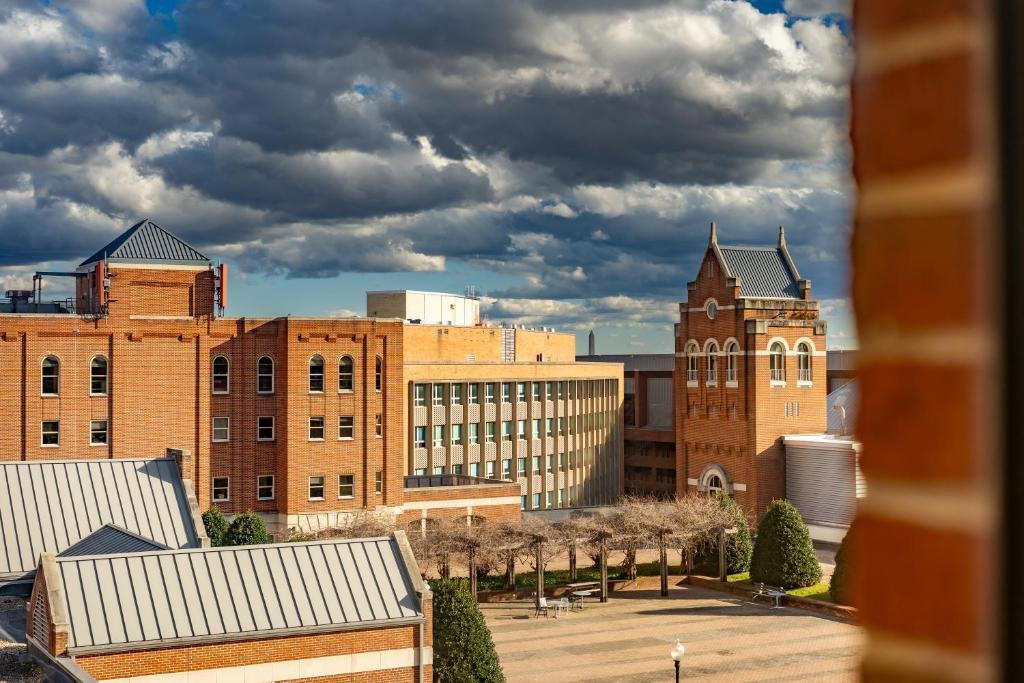
Bars in Leesburg
Browse all →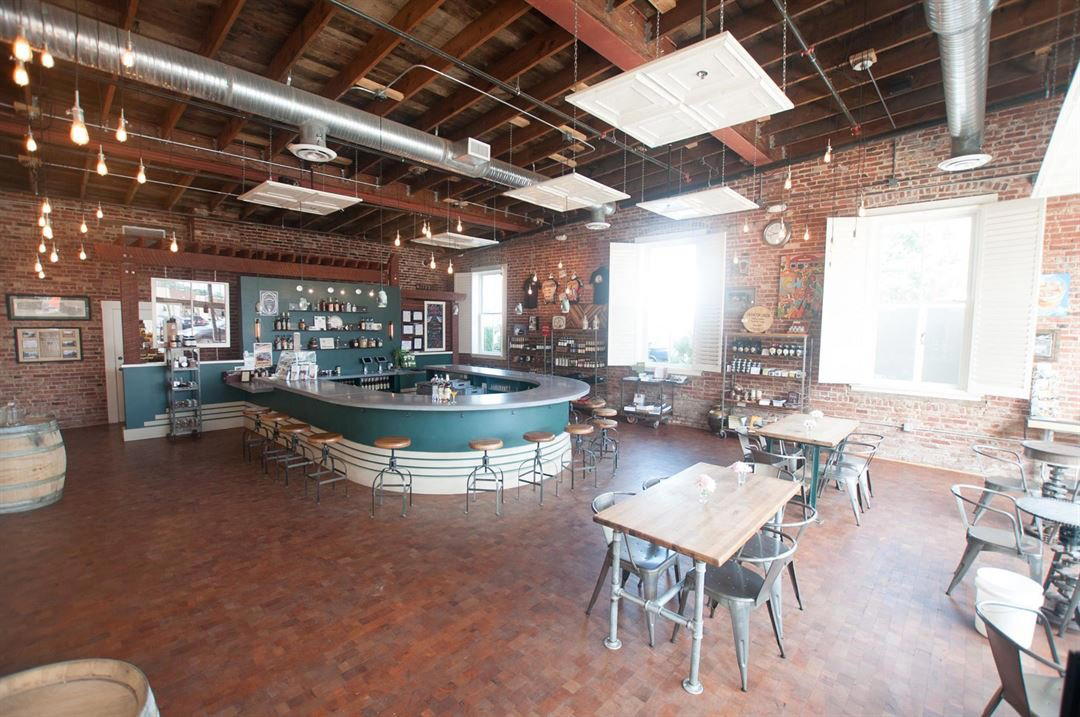
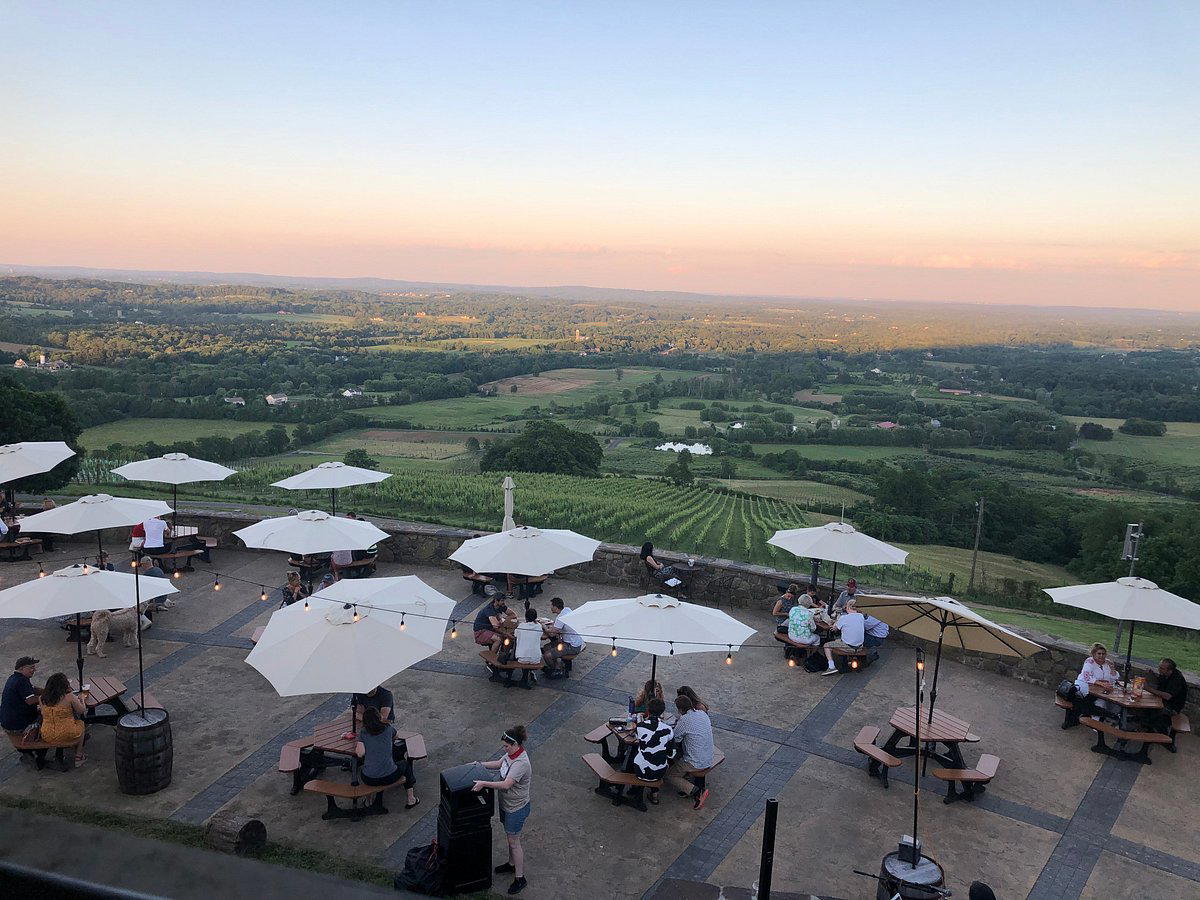
Restaurants in Leesburg
Browse all →
Details
- Elegant
- Sophisticated
- Cozy
- Historic
- Romantic Getaway
- Anniversary
- Weekend Escape
- Historic Building
- Panoramic View
- Fitness Center
- Wi Fi
- Restaurant
- Room Service
- Mountain
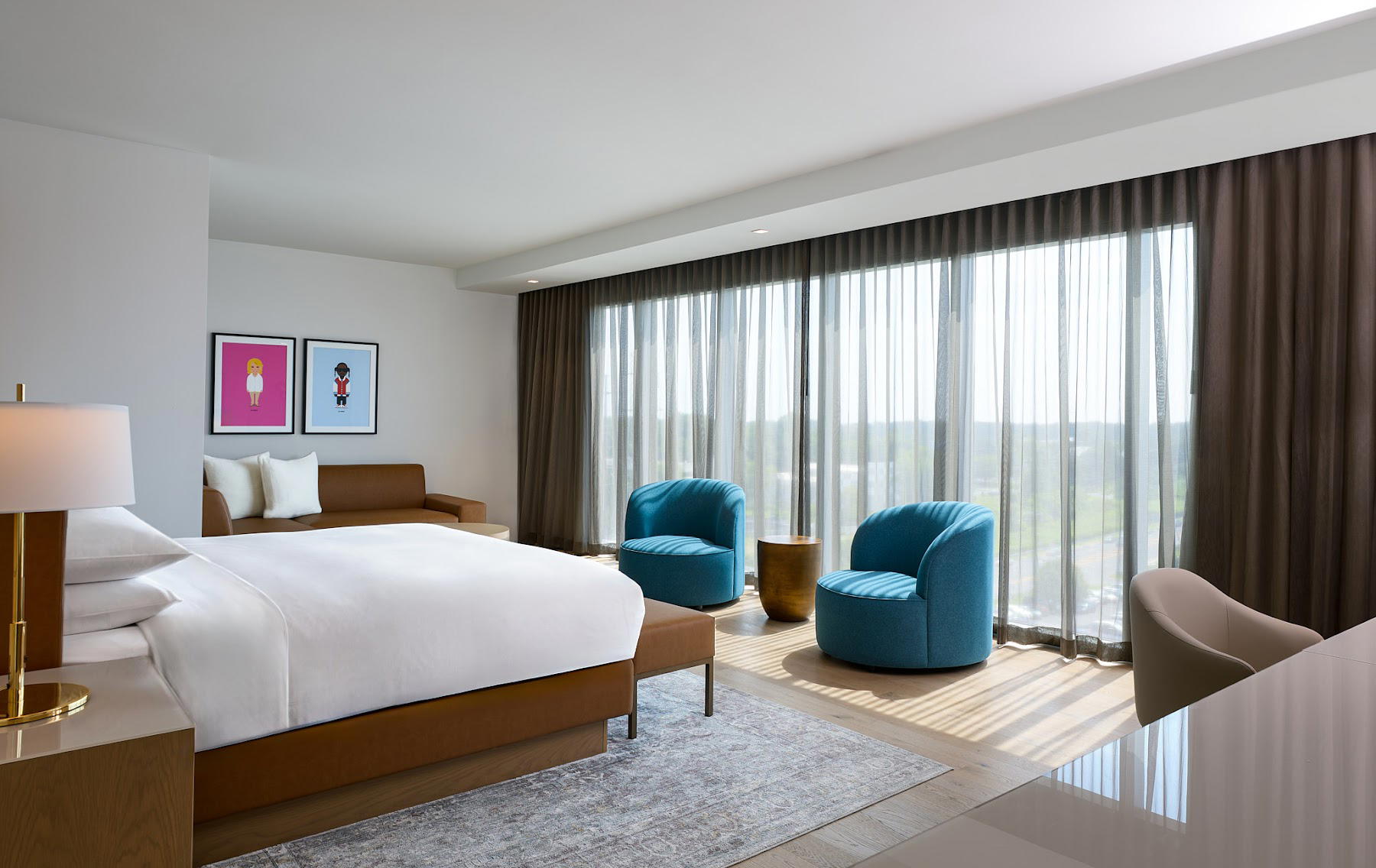
Rich textures, bespoke furnishings, fireplaces in suites, and traditional elegance creating a quiet, intimate historic atmosphere.