Catoctin Creek Distilling Company
Catoctin Creek Distilling Company operates out of a Main Street address in Purcellville, Virginia, placing craft spirits production squarely inside the town's walkable core. The distillery draws on the agricultural character of Loudoun County's foothills, with a program built around rye whiskey and eau de vie production that positions it within Virginia's expanding craft distilling movement. It functions as both production facility and tasting room, making it a dual-purpose stop for spirits-focused visitors to the region.

Pearl is the En Primeur Club membership app — saves, bookings, and concierge access live there. Same editors, same standards.
- Address
- 120 W Main St, Purcellville, VA 20132
- Phone
- (540) 751-8404
- Hours
- Mon–Tue ClosedWed–Thu 1–5 PMFri 1–7 PMSat 12–7 PMSun 1–6 PM
- Website
- catoctincreekdistilling.com
- Directions
- Get directions
Purcellville's Distilling Tradition and Where Catoctin Creek Sits
Loudoun County, Virginia has spent the past two decades building a reputation as the mid-Atlantic's most agriculturally serious wine and spirits corridor. The foothills west of Washington, D.C. offer a combination of grain farming heritage, clean water sources from the Blue Ridge watershed, and a visitor base drawn from the capital that has made the region viable for small-batch producers operating outside the large commercial distilling centers of Kentucky or Tennessee. Within that corridor, Purcellville functions as one of the more compact and walkable stops: a Main Street town with a strong local identity and a growing number of craft producers who treat the surrounding farmland as both context and raw material.
Catoctin Creek Distilling Company, at 120 W Main St, sits at the center of that proposition. The distillery occupies a Main Street position that makes it accessible on foot from Purcellville's other points of interest, which matters in a town where most craft beverage producers are spread across rural routes requiring a car. That address alone places it in a different category from the county's farm-based operations: this is a production facility that functions simultaneously as an urban-format tasting destination, the kind of model that has proven effective in smaller cities where walkable density compensates for lower total visitor volume. For a broader map of where to eat and drink in the area, see our full Purcellville restaurants guide.
The Spirit of the Program: Rye, Grain, and Regional Identity
American craft distilling has matured significantly since the early 2010s boom. The category has moved past novelty and into something closer to genuine regional differentiation: producers increasingly define themselves by grain sourcing, still type, and the specific traditions they draw from rather than simply by being small. In Virginia, the most compelling operations have leaned into the state's pre-Prohibition heritage, particularly the rye whiskey tradition that dominated the mid-Atlantic before bourbon's rise reshaped American spirits geography.
Catoctin Creek has built its identity squarely inside that rye-forward tradition. The distillery is known for whisky (spelled without the 'e', signaling an intentional stylistic position) produced from rye grain, alongside fruit-based eau de vie, a category that remains genuinely underrepresented in American craft spirits. Eau de vie production demands precision: the spirit is unaged, which means there is no barrel to mask flaws in distillation, and the fruit character has to carry the entire sensory experience. The decision to commit to that format alongside rye whiskey speaks to a program interested in technical discipline rather than category volume. Compared to the cocktail bars operating in larger East Coast markets, such as Allegory in Washington, D.C. or Jewel of the South in New Orleans, which source from broad national and international spirits catalogs, Catoctin Creek works from the opposite direction: the production decision comes first, and the tasting room experience follows from it.
What the Tasting Room Format Delivers
Distillery tasting rooms occupy a specific niche in the American craft spirits experience. Unlike a bar, where the focus is on the cocktail program and the bartender's compositional skill, a distillery tasting room asks the visitor to engage with production logic: why this grain, why this still configuration, why this proof. The experience is more educational in structure, though the leading operations deliver that education through the spirits themselves rather than through explanatory overhead.
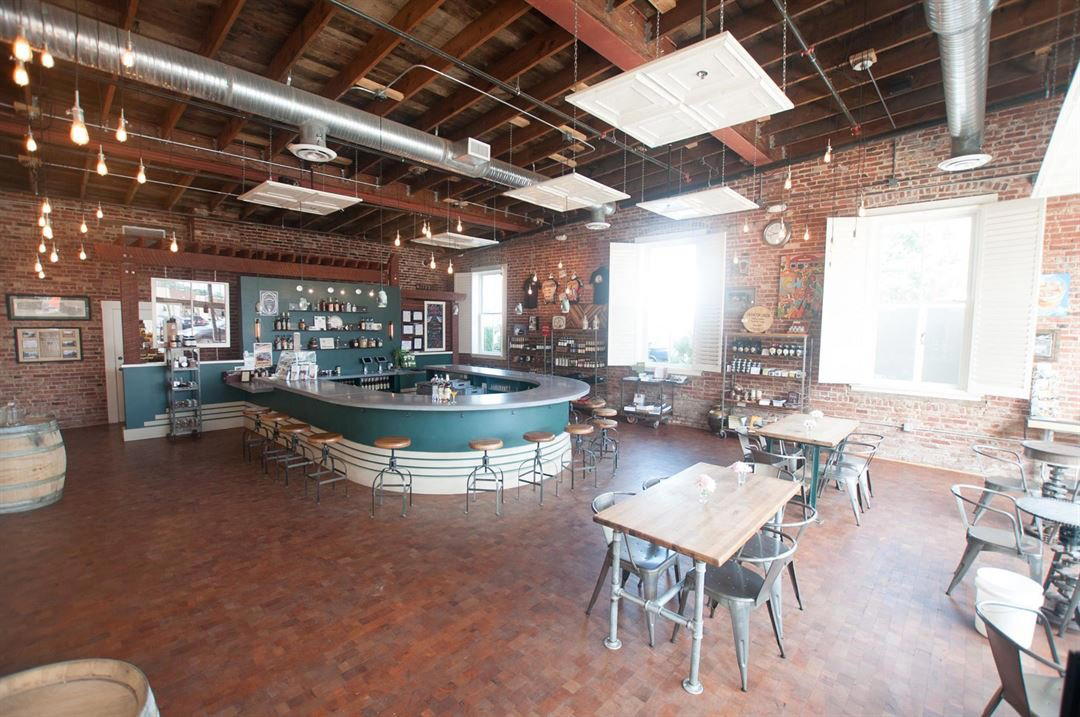
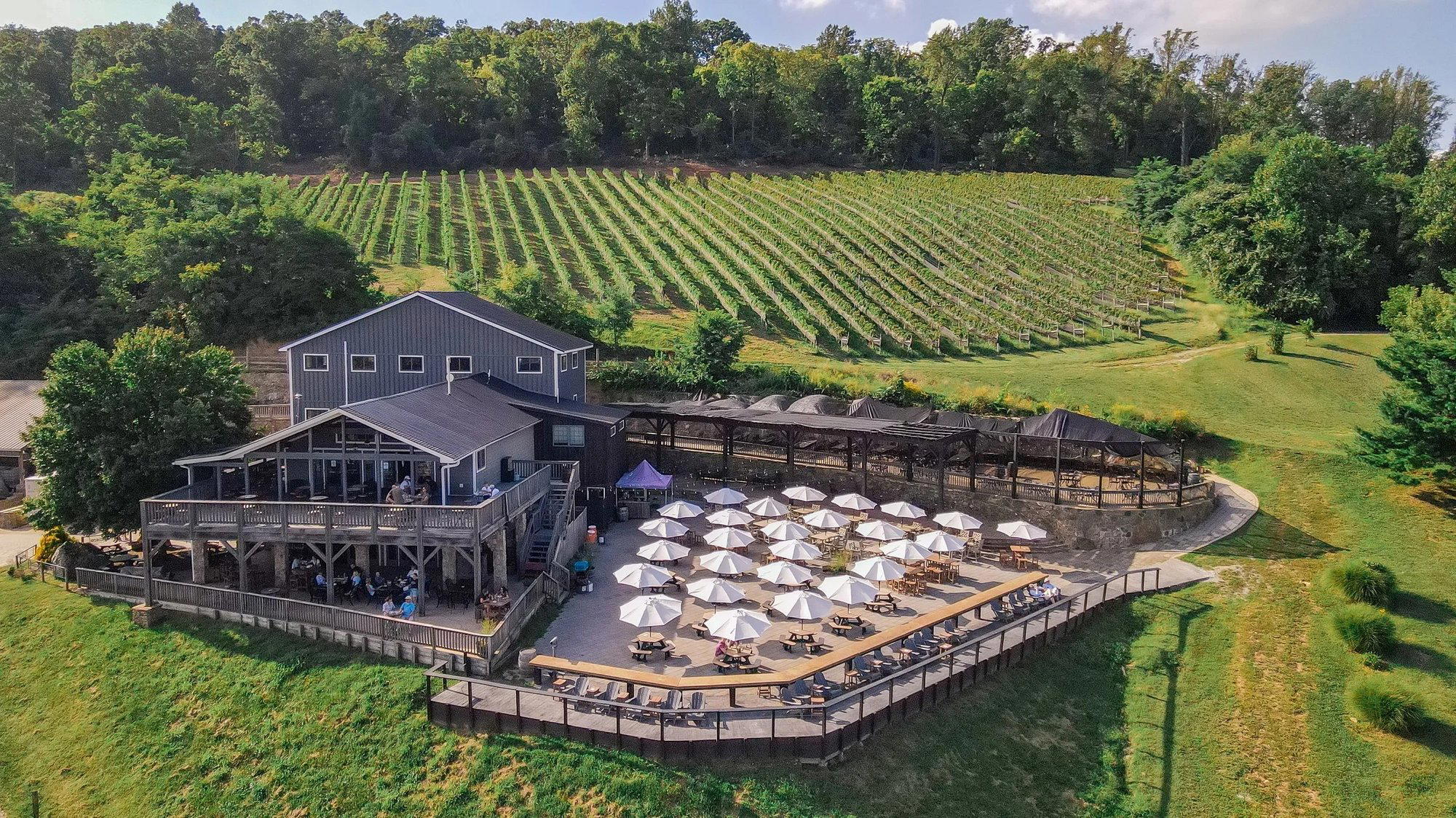
At Catoctin Creek, the physical environment reinforces that production-first framing. The Main Street address means the distillery is embedded in Purcellville's commercial fabric rather than isolated on a rural property, which shapes the atmosphere: visitors arrive in a working production space that happens to have a tasting counter rather than a purpose-built hospitality venue designed to simulate one. That distinction matters for how the experience reads. The spirits-forward approach connects the distillery to a broader movement in American craft drinking that bars like Canon in Seattle, with its documented emphasis on spirits depth, or Kumiko in Chicago have helped define from the bar side of the industry.
Visitors planning a stop should account for the fact that tasting room hours at small craft distilleries in this region are typically concentrated on weekends and do not always extend across a full seven-day week. Calling ahead or checking the distillery's current schedule before making the drive from Washington, D.C. roughly 50 miles to the east via Route 7, is the practical approach. The drive is direct and connects Catoctin Creek into a broader day-trip itinerary that can include Loudoun's wine trail operations or Purcellville's other Main Street stops.
Placing Catoctin Creek in the Wider Craft Cocktail Conversation
The relationship between craft distilleries and the cocktail bar world has become increasingly direct over the past decade. Bars operating serious technical programs, whether Bar Leather Apron in Honolulu, ABV in San Francisco, or Superbueno in New York City, have driven demand for American rye whiskey and small-batch spirits that would have had no natural market channel a generation ago. Distilleries that produce distinctive rye expressions find placement in exactly those kinds of programs, which in turn provides the visibility that sustains small-volume production.
Catoctin Creek's rye whisky has developed a following in the Washington, D.C. metro market that extends beyond the tasting room. That regional distribution matters for understanding the distillery's position: it is not purely a destination operation dependent on visitors making the trip to Purcellville, though the tasting room is the most direct way to engage with the full range of the portfolio. The eau de vie production in particular is most accessible at the source, since those expressions tend to have narrower distribution than the whisky line. Bars with spirits-focused programs, similar in emphasis to Julep in Houston or Bitter and Twisted in Phoenix, represent the kind of venue where Catoctin Creek's more technically driven expressions find their natural audience when poured outside the distillery itself. The same applies internationally: the program-driven approach of places like The Parlour in Frankfurt or Bar Kaiju in Miami reflects a global appetite for American craft spirits that small Virginia producers have begun to reach.
Planning Your Visit
Catoctin Creek functions leading as part of a considered Loudoun County itinerary rather than a standalone destination, though the Main Street location gives it more standalone viability than most rural distillery operations. The distillery is the kind of stop where a focused visitor, interested in the production logic behind rye whiskey and American eau de vie, will get more out of an hour than a casual tasting tourist looking for a party atmosphere. The tasting room format rewards that kind of engagement. Confirm current hours directly before visiting, as small-batch distillery schedules shift seasonally and can change with production calendars.
Comparable Spots, Quickly
Comparable venues nearby, for context on price, style, and recognition.
| Venue | Cuisine | Price | Notes |
|---|---|---|---|
| Catoctin Creek Distilling CompanyThis venue — the venue you are viewing | Bar | $20–30 | Not listed |
| Port City Brewing Company | beer_bar | $20–30 | West Alexandria |
| Oakhart Social | cocktail_bar | $30–50 | Midtown |
| The Veil Brewing Co. - Scott’s Addition | beer_bar | $20–30 | Scott’s Addition |
| Carter Mountain Orchard and Country Store | wine_bar | $20–30 | Crozet |
| Mekong Restaurant | beer_bar | Not listed | Henrico County |
Continue exploring
More in Purcellville
Bars in Purcellville
Browse all →

Restaurants in Purcellville
Browse all →
Hotels in Purcellville
Browse all →


Details
- Rustic
- Cozy
- Industrial
- Casual Hangout
- After Work
- Historic Building
- Standalone
- Seated Bar
- Counter Only
- Whiskey
- Craft Cocktails
- Gin
Current opening hours
- Monday
- Closed
- Tuesday
- Closed
- Wednesday
- 1–5 PM
- Thursday
- 1–5 PM
- Friday
- 1–7 PM
- Saturday
- 12–7 PM
- Sunday
- 1–6 PM
Hours can change for holidays and private events. Last verified .
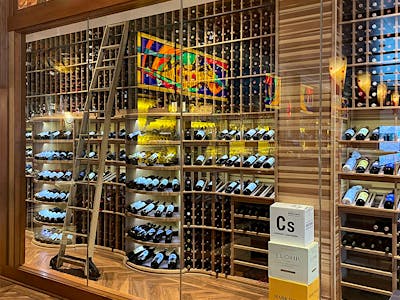
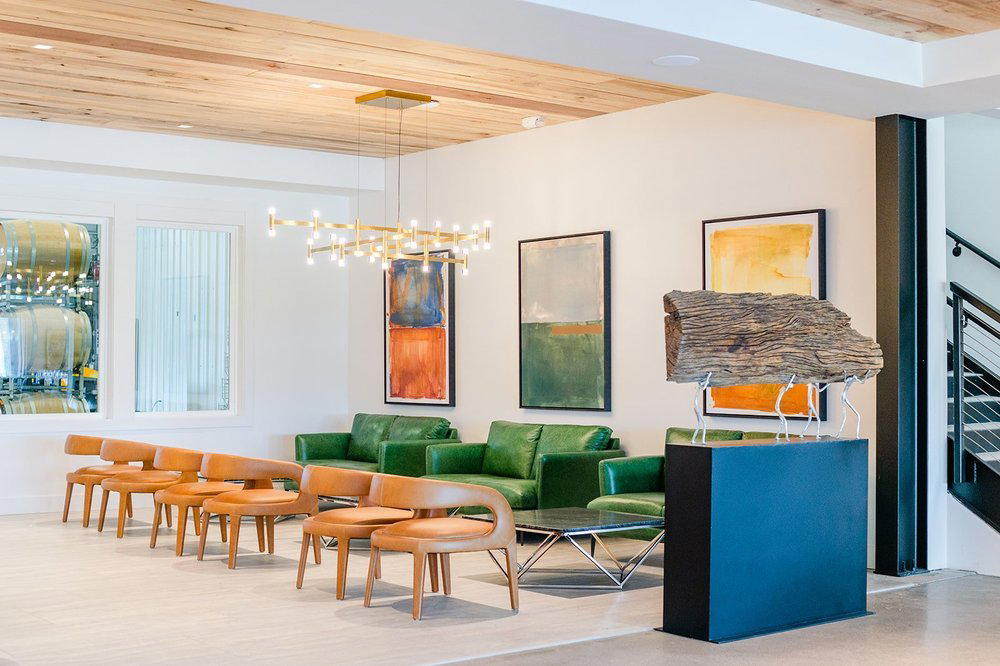
Industrial-chic tasting room lit by Edison bulbs and natural light from 1920s windows, creating a warm, historic atmosphere.