Peter Michael Winery

Falstaff Winery - Listed
Peter Michael Winery operates from a remote perch above Calistoga on Knights Valley's volcanic slopes, producing Chardonnay and Cabernet Sauvignon under winemaker Robert Fiore since its first vintage in 1987.

Pearl is the En Primeur Club membership app — saves, bookings, and concierge access live there. Same editors, same standards.
- Address
- 12400 Ida Clayton Rd, Calistoga, CA 94515
- Phone
- (707) 942-3200
- Website
- petermichaelwinery.com
- Directions
- Get directions
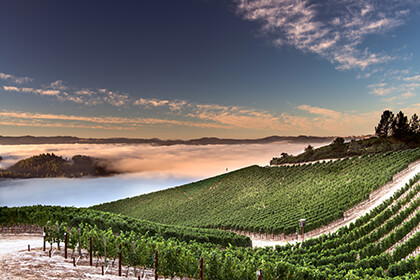
A Road That Earns Its Destination
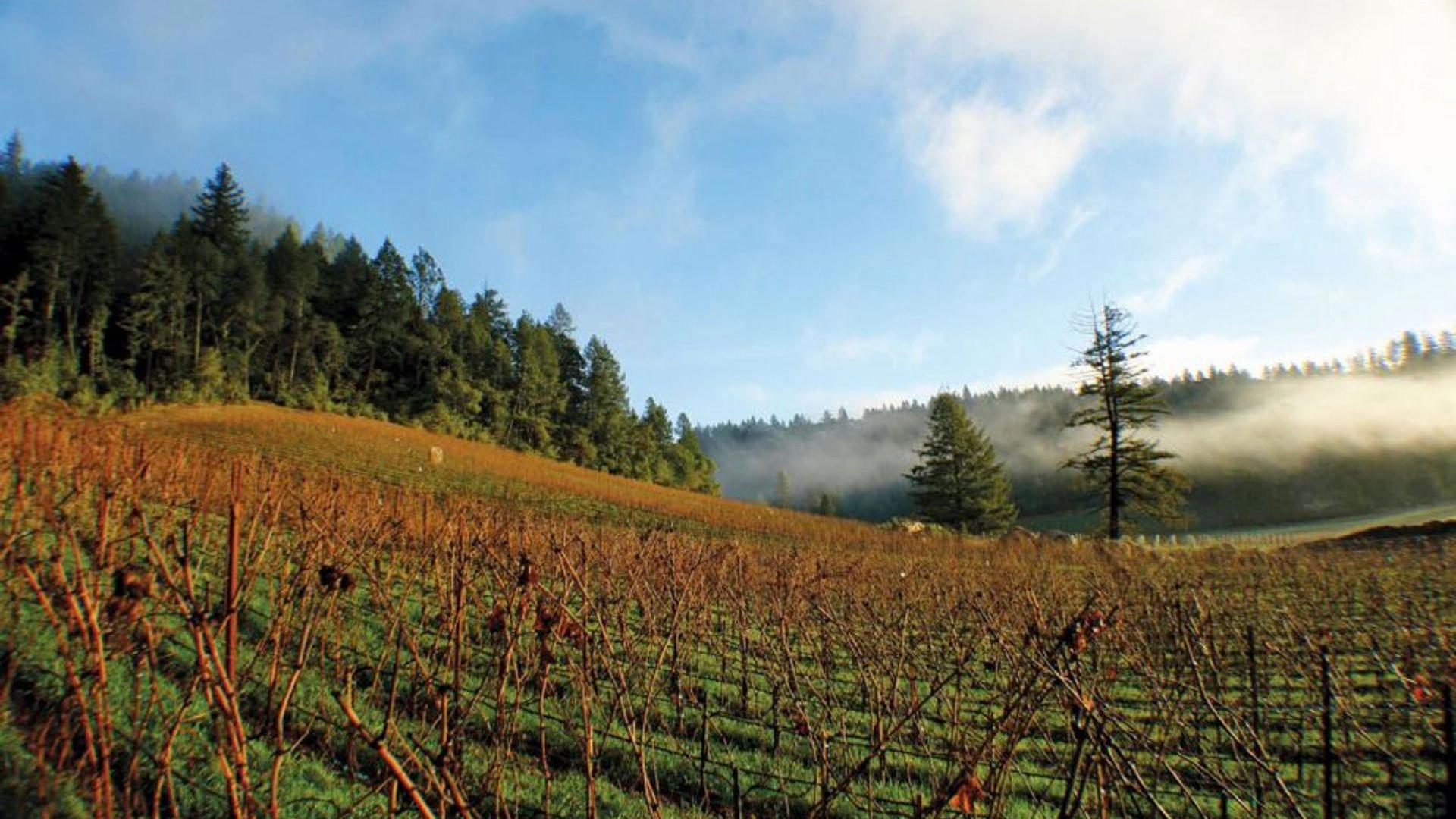
Ida Clayton Road climbs out of Calistoga's valley floor with the kind of resolve that discourages casual visitors. The elevation gain is real, the switchbacks deliberate, and by the time Peter Michael Winery's property comes into view, the visitor has already left the tourist circuit behind. This is the physical logic of the estate: the geography does the filtering. Knights Valley, which sits at the intersection of Sonoma and Napa County influence, provides volcanic soils and cooler mountain air than the valley floor, and the drive communicates all of that before a single glass is poured. For a fuller orientation to the wider area, our full Calistoga restaurants and wineries guide maps the region's character across multiple categories.
The Space as Editorial Statement
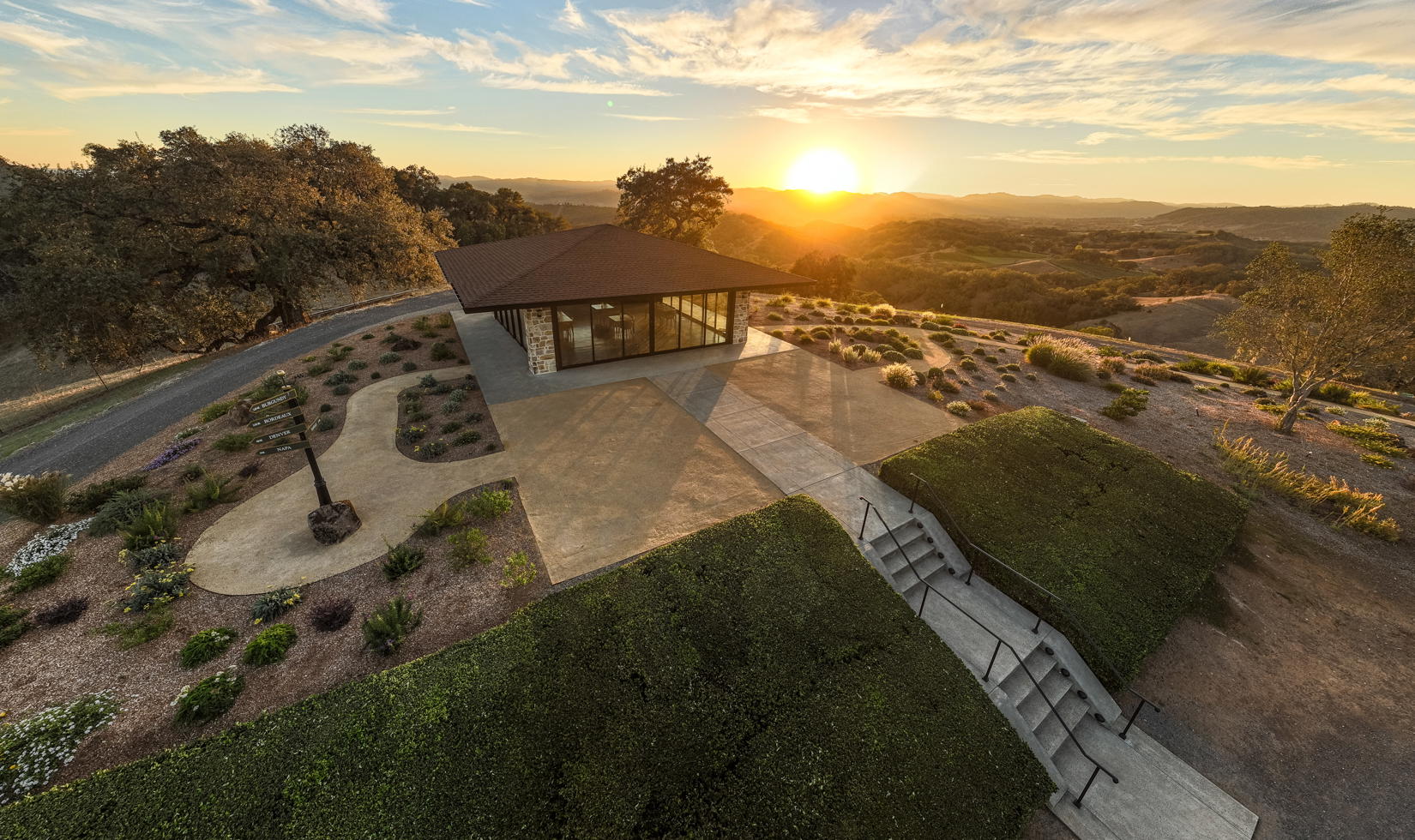
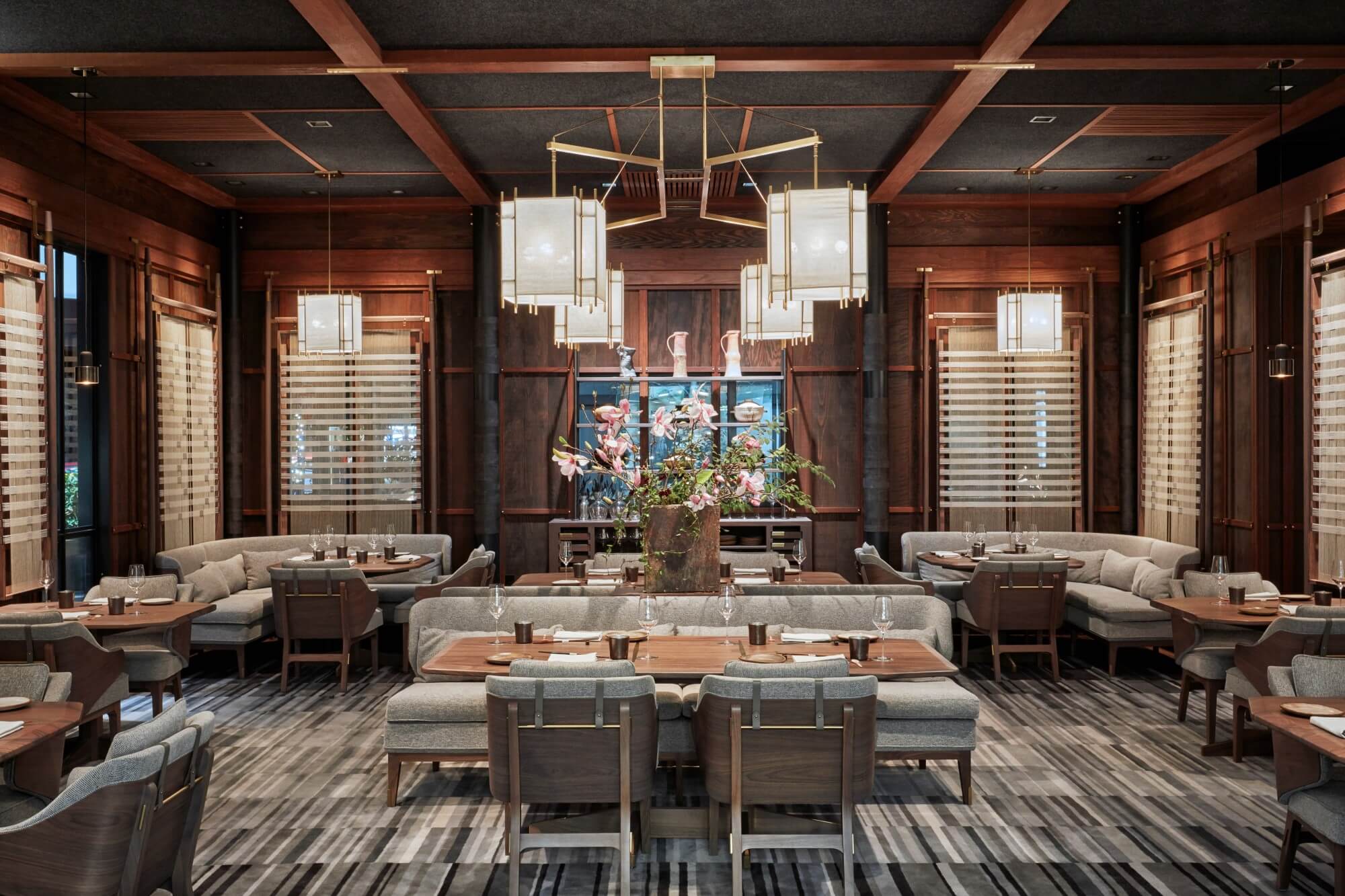
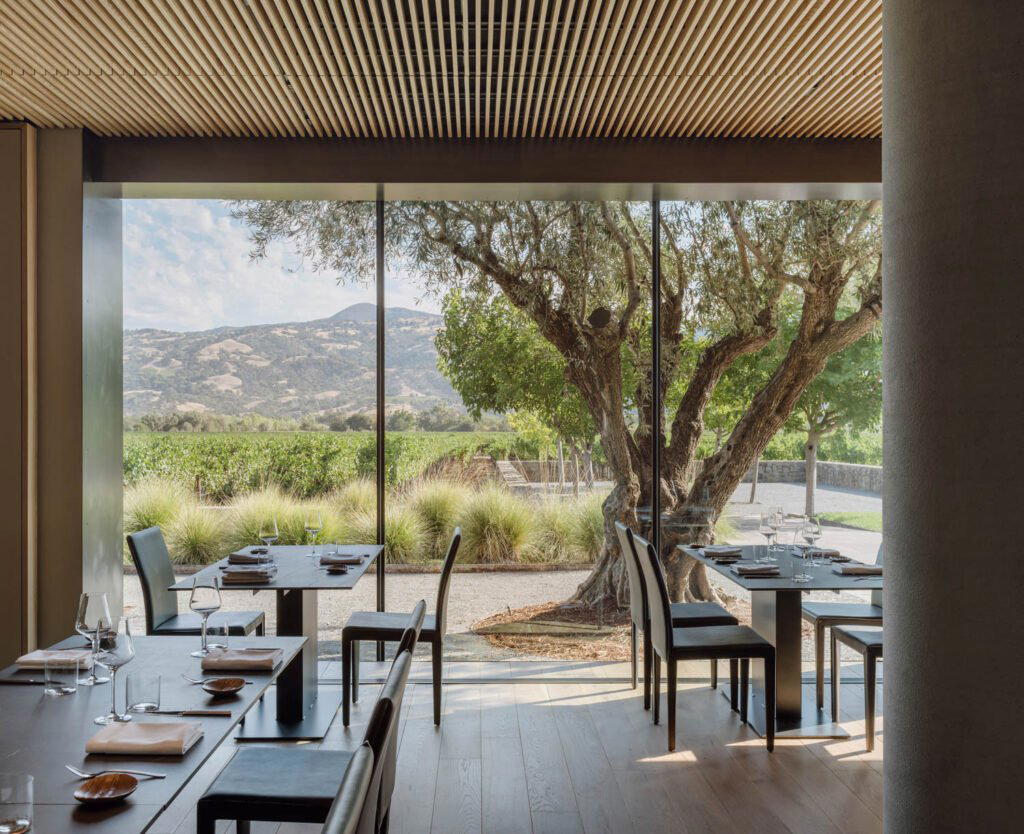
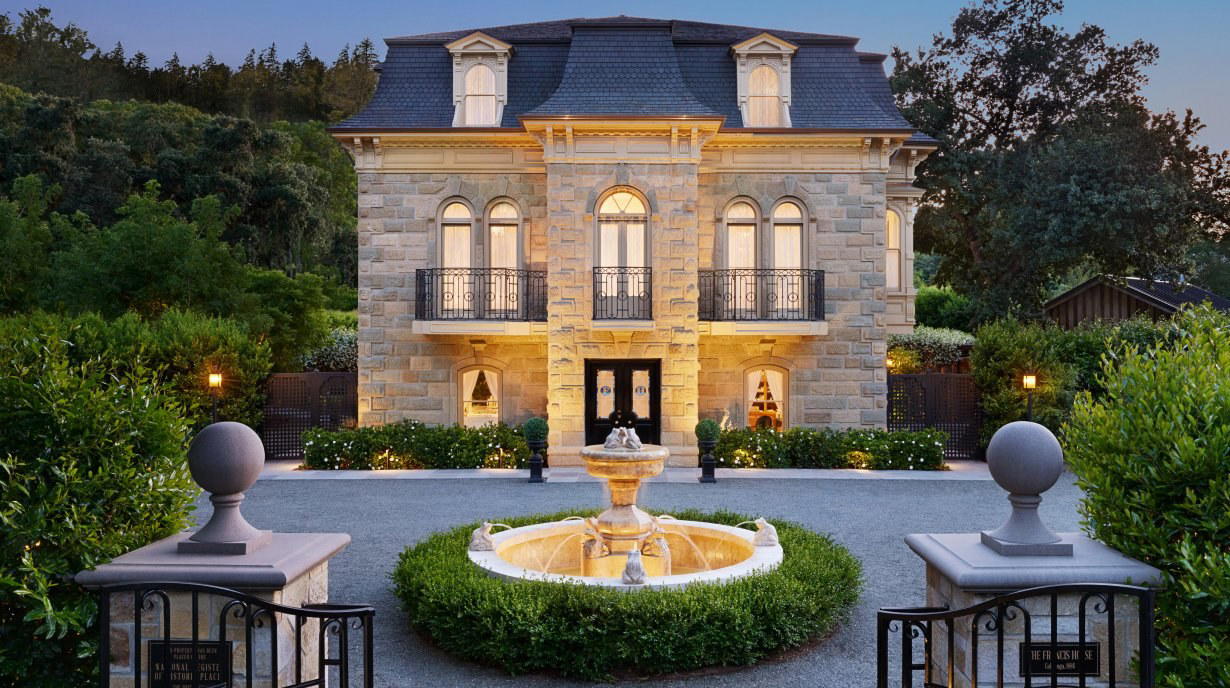
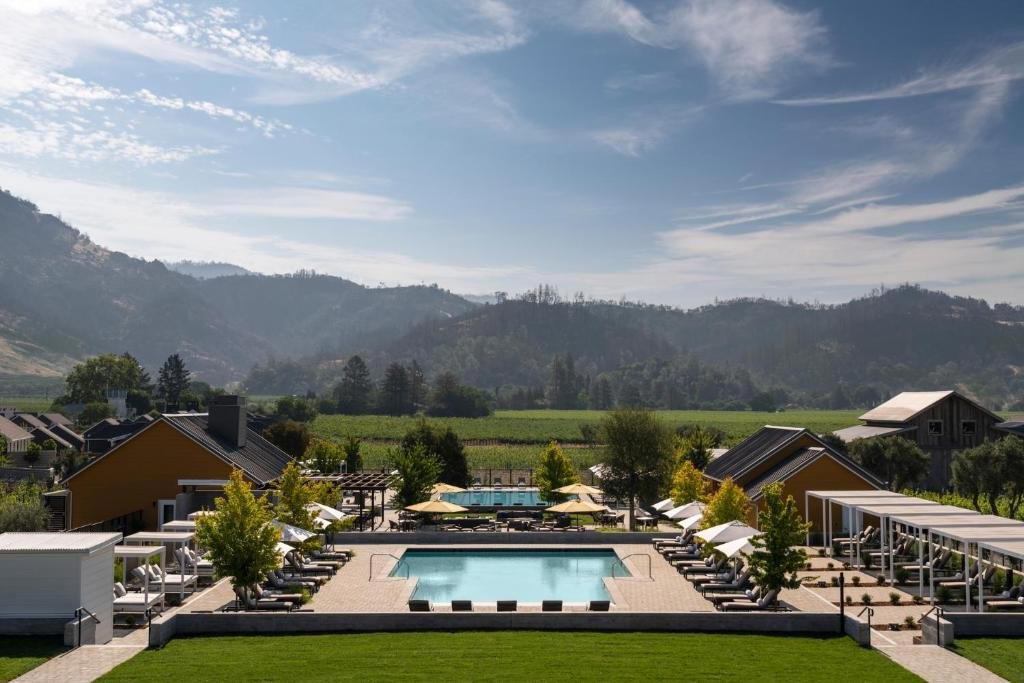
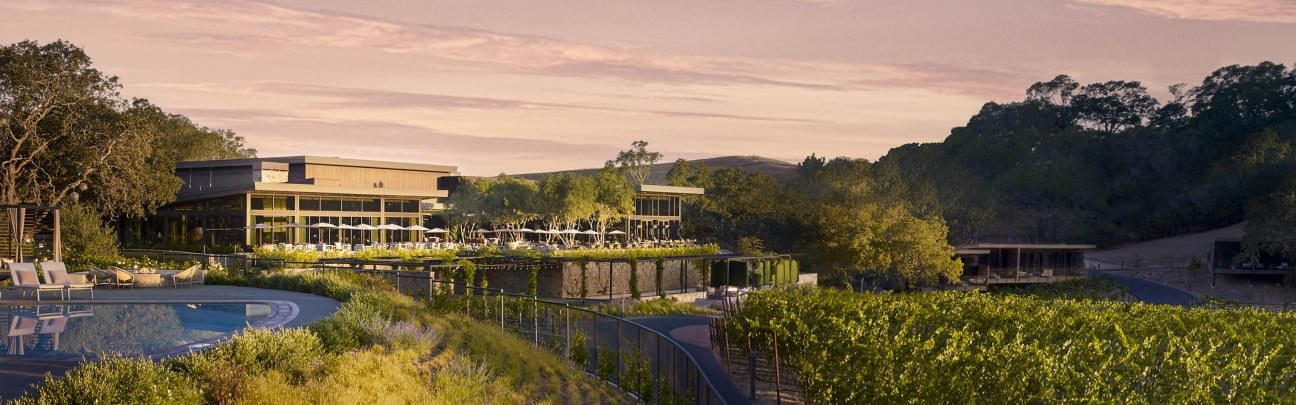
Mountain wineries in California operate under a different spatial grammar than valley-floor estates. Where the latter tend toward grand avenues, manicured lawns, and tasting rooms designed for volume throughput, the former work with terrain. Peter Michael's setting on the Knights Valley hillside shapes every element of the visitor experience through topography rather than interior design convention. Views replace chandeliers. The relationship between the building and the slope it occupies is the primary design feature. This is an approach shared by a cohort of serious California mountain producers who treat elevation as both a viticultural and experiential argument: the altitude explains the wines, and the wines explain why you made the drive.
Compared to valley-floor peers such as Chateau Montelena Winery, where the pond and pagoda architecture have become part of the estate's cultural identity, or Frank Family Vineyards, where the sparkling-focused tasting experience unfolds across approachable Victorian architecture, Peter Michael operates in a quieter register. The estate belongs to the category of California wineries that regard access as a privilege to be earned, not a hospitality product to be packaged. Visits here are by appointment, and the format reflects that seriousness.
First Vintage to Present: What 1987 Signals
Among Napa and Knights Valley producers, a first vintage of 1987 places Peter Michael in a specific generational bracket. The late 1980s were a period of deliberate ambition for California fine wine: the 1976 Paris tasting had already redrawn the global map, and a new cohort of producers were staking claims on terroir-specific wines rather than broad appellations. Peter Michael's founding belongs to that wave. Winemaker Robert Fiore carries the program forward from that foundation, working within a house style that has had nearly four decades to develop internal consistency.
That depth of institutional memory matters in the mountain wine tier. Larkmead Vineyards and Newton Vineyard each carry comparable historical weight in their respective styles, and the shared characteristic across these older estates is that the vineyards are doing the talking. Soil types, elevation, and aspect have been observed across dozens of vintages, which translates into winemaking decisions grounded in accumulated data rather than trend-chasing.
The Wines: Chardonnay and Cabernet at Mountain Scale
Peter Michael has built its reputation on two varieties that represent opposing ends of California's fine wine argument. The Chardonnay program, informed by French technique and Knights Valley's cooler growing conditions, sits in a peer group that includes Aubert Wines, where single-vineyard specificity and allocation scarcity define the tier. At this level, the wines are not sold through retail channels in any meaningful volume. They circulate through mailing lists and allocations, which means the critical audience for them tends to be collectors and serious wine buyers rather than casual visitors.
The Cabernet program draws on the estate's Knights Valley and Napa County fruit to produce wines that aim for structure and age-worthiness rather than early approachability. This is a consistent choice across the mountain Cabernet tier in California: producers at elevation tend to work with tannin frameworks that require time, and the critical language around these wines emphasizes cellaring potential over immediate gratification. Across California's premium tier, estates like Accendo Cellars in St. Helena and Alpha Omega Winery in Rutherford occupy adjacent positions in the Cabernet conversation, each arguing a slightly different point about site and style.
For context across California's broader fine wine range, producers taking similarly terroir-specific approaches in other regions include Adelaida Vineyards in Paso Robles, Alban Vineyards in Arroyo Grande, Andrew Murray Vineyards in Los Olivos, and Alexander Valley Vineyards in Geyserville, all of which represent the California model of site-driven production outside the Napa valley floor.
At this rating level, the expectation is consistent quality across vintages, a clearly articulated house style, and a track record that justifies the allocation model the winery operates within. The Pearl 3 designation is not assigned to volume producers or to estates that rely primarily on label recognition; it reflects a program where the wines themselves carry the argument.
Within the EP Club Calistoga and Knights Valley set, this places Peter Michael in company with estates that reward planning. If you are mapping a serious California wine itinerary, the winery belongs on the research list early, not as an afterthought.
Planning a Visit: What to Know Before You Go
Peter Michael Winery is located at 12400 Ida Clayton Rd, Calistoga, CA 94515. The road itself is the first logistical consideration: the drive from downtown Calistoga covers a meaningful elevation change, and a clear day significantly improves the experience of both the approach and any outdoor tasting elements. Visits are by appointment; this is not a walk-in property, and the appointment-only format is consistent with how the winery positions its access more broadly. Prospective visitors should contact the winery directly to arrange a visit, and should treat lead time as a real variable, particularly around harvest and the busiest Napa tourism seasons in autumn.
The address places the estate in Knights Valley, which technically sits in Sonoma County despite its close proximity to Calistoga and its historical association with Napa's premium tier. For visitors structuring a multi-day itinerary, pairing a Peter Michael appointment with visits to valley-floor Calistoga producers such as Larkmead Vineyards or Frank Family Vineyards creates a useful contrast between mountain and valley expressions of the same grape varieties. The drive between them is short, and the stylistic difference is instructive.
At-a-Glance Comparison
Comparable venues nearby, for context on price, style, and recognition.
| Venue | Cuisine | Price | Awards | Notes |
|---|---|---|---|---|
| Peter Michael WineryThis venue — the venue you are viewing | Chardonnay, Pinot Noir | Not listed | Falstaff Winery - Listed | Not listed |
| Aubert Wines | Chardonnay, Pinot Noir | Not listed | Falstaff Winery - Listed | Calistoga |
| Carter Cellars | Cabernet Sauvignon, Merlot | $50–100 | Not listed | Calistoga |
| Eisele Vineyard | Cabernet Sauvignon, Cabernet Franc | $150–200 | Falstaff Winery - Listed | Calistoga |
| Clos Pegase Winery | Cabernet Sauvignon, Chardonnay | Not listed | Not listed | Calistoga |
| Diamond Creek Vineyards | Cabernet Sauvignon, Merlot | Not listed | Not listed | Diamond Mountain |
Recognition history
Dated appearances from independent guides and award organizations, with the underlying list record or original source where available.
Falstaff Winery - Listed
Falstaff
Continue exploring
More in Calistoga
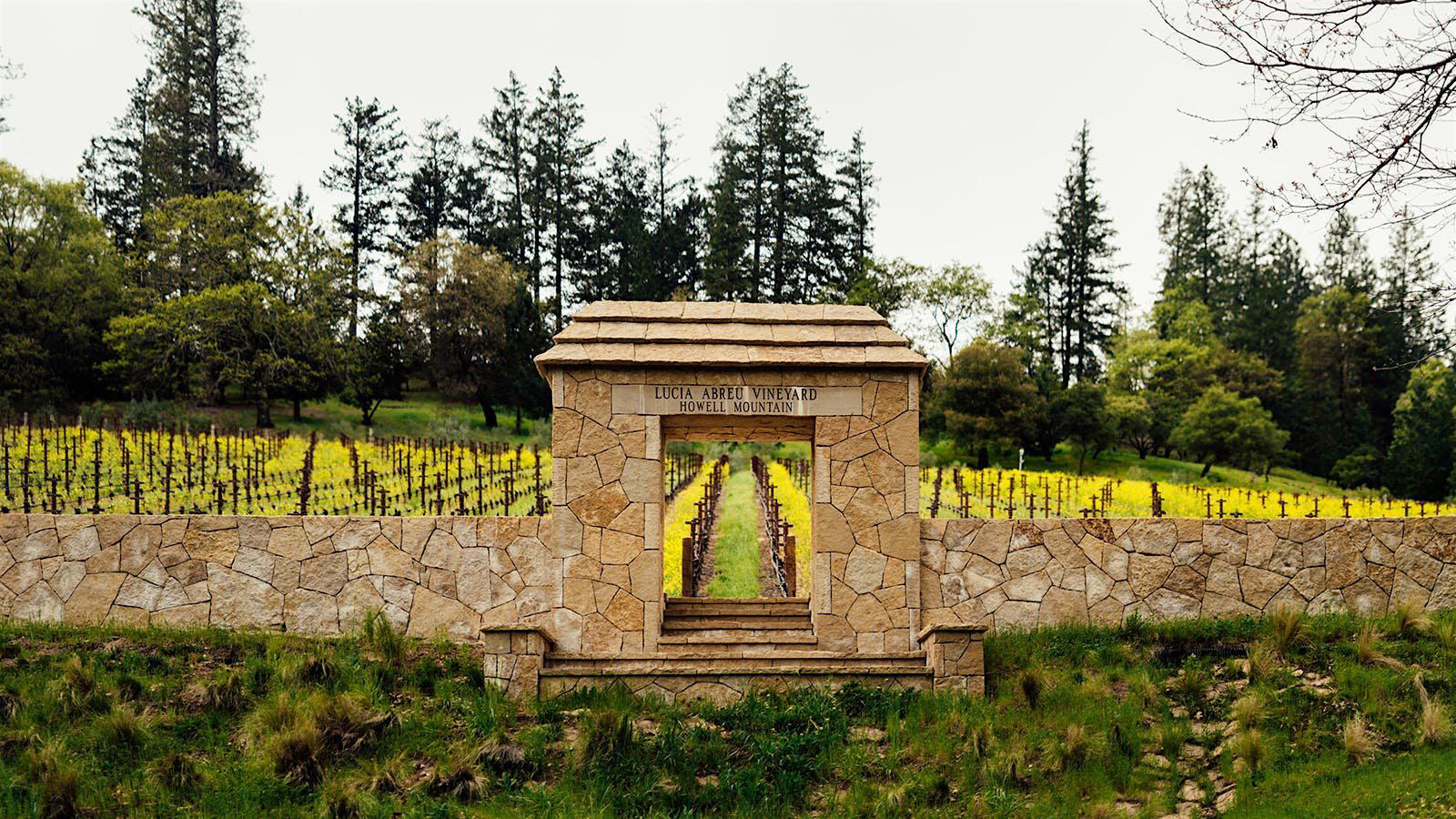
Wineries in Calistoga
Browse all →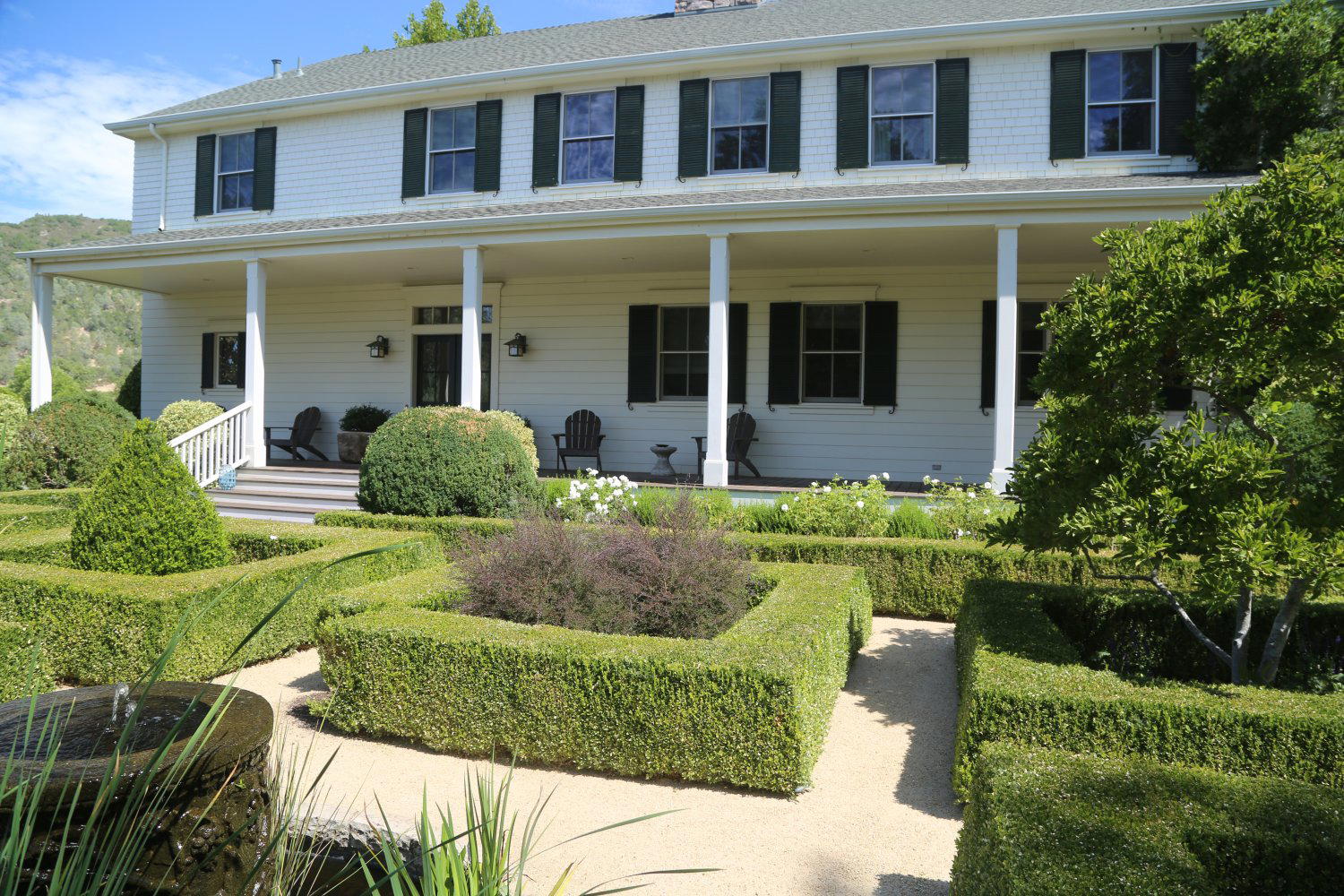
Bars in Calistoga
Browse all →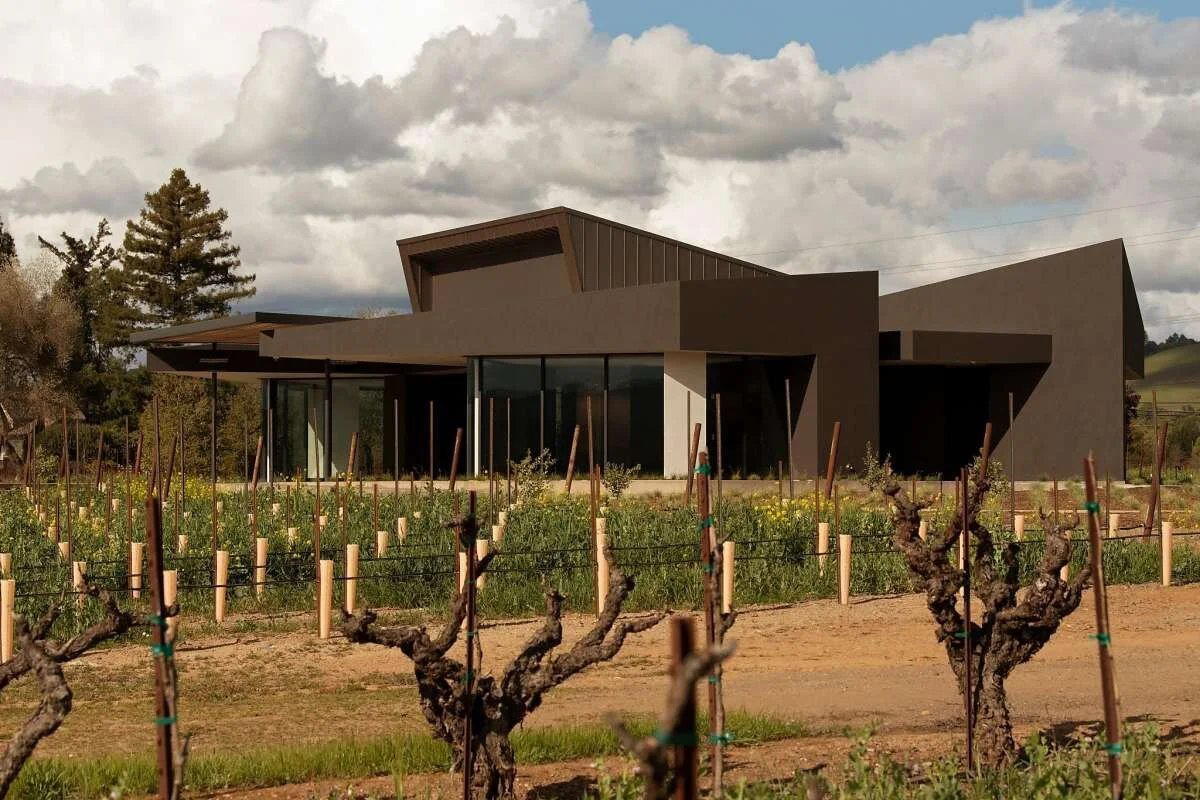
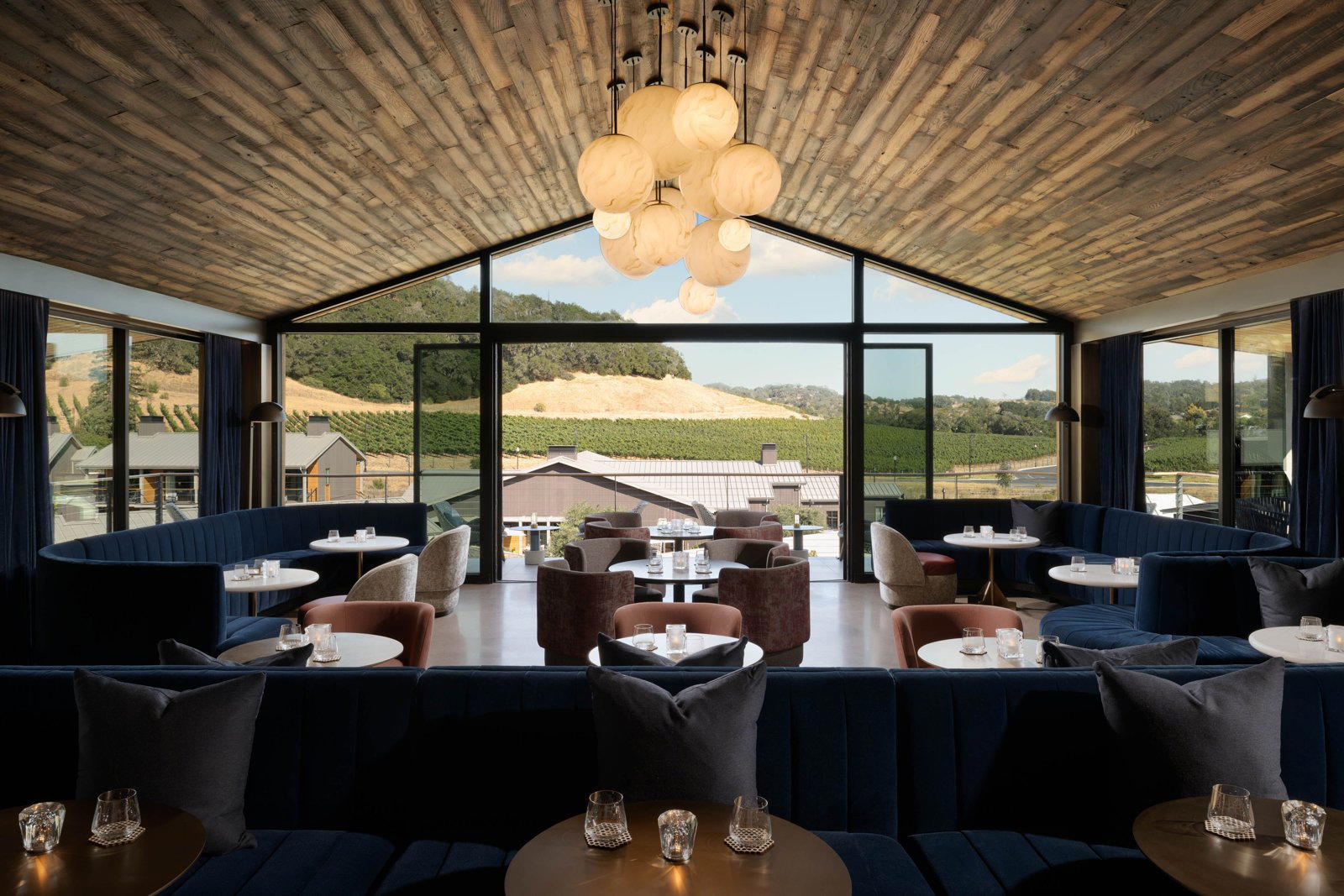
Restaurants in Calistoga
Browse all →
Details
- Elegant
- Scenic
- Intimate
- Sophisticated
- Romantic Getaway
- Special Occasion
- Wine Education
- Vineyard Tour
- Estate Grounds
- Panoramic View
- Sustainable
- Mountain
- Vineyard
- Chardonnay
- Pinot Noir
- Cabernet Sauvignon
- Sauvignon Blanc
- Semillon
- Still Red
- Still White
- Private Tasting
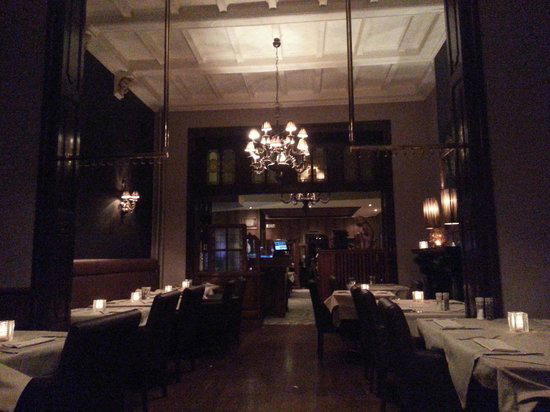
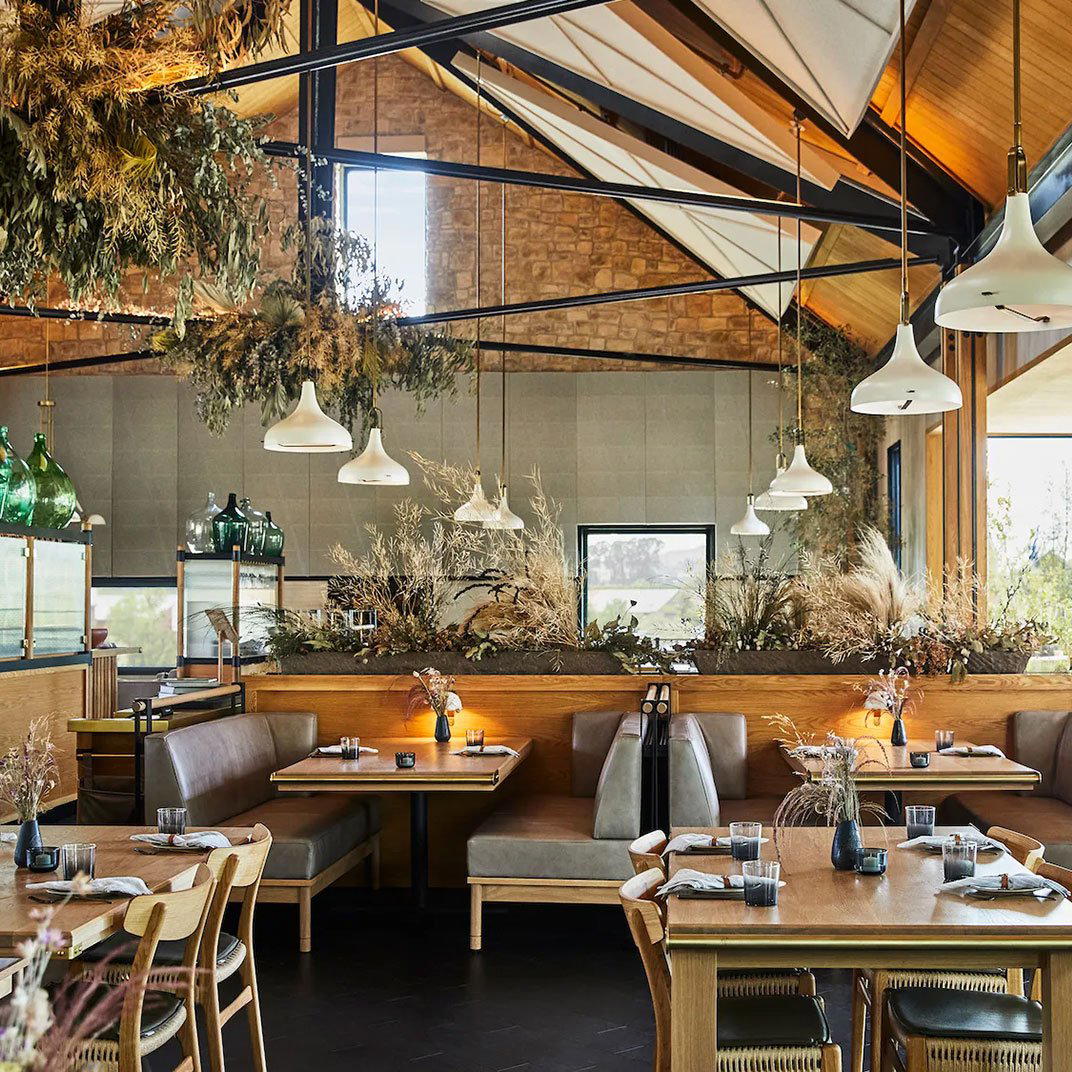
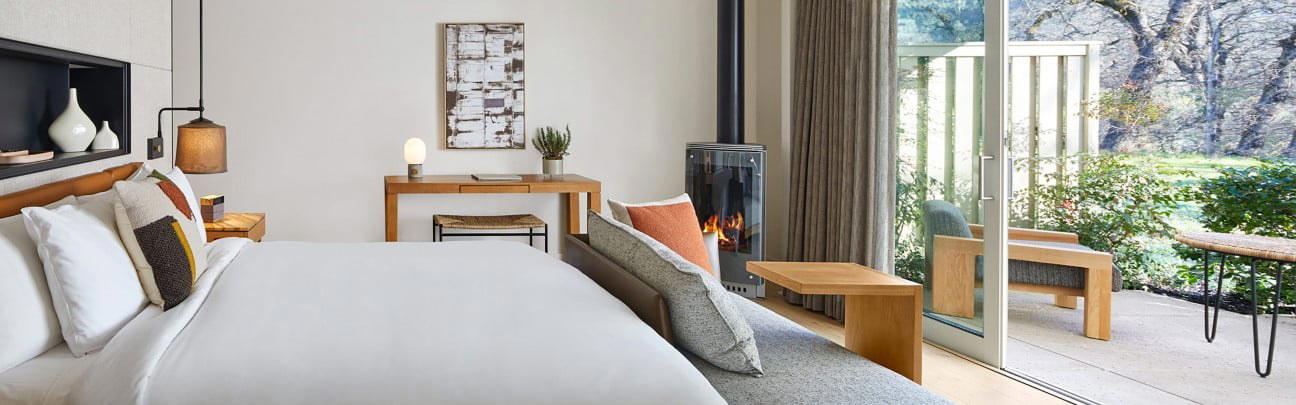
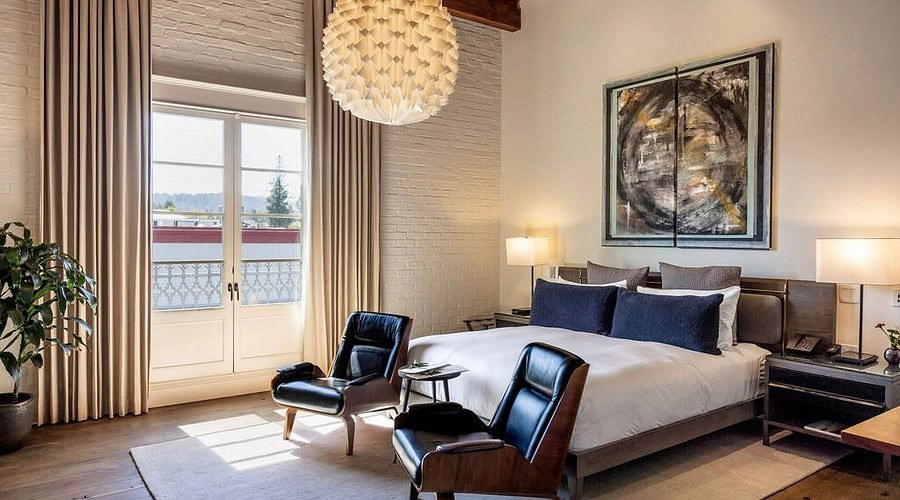
Serene and elegant with far-reaching vineyard and mountain views, offering an intimate and personal tasting experience.