Newton Vineyard

Newton Vineyard has been producing wine from its Calistoga estate on Tubbs Lane since 1987. The property sits in the northern reaches of Napa Valley, where elevation and volcanic soils shape a distinctive style. For those who return season after season, the draw is less novelty than precision accumulated over nearly four decades of single-estate focus.
Pearl is the En Primeur Club membership app — saves, bookings, and concierge access live there. Same editors, same standards.
- Address
- 1171 Tubbs Ln, Calistoga, CA 94515
- Phone
- +1 707-204-7423
- Website
- newtonvineyard.com
- Directions
- Get directions
 Saves & bookings on Pearl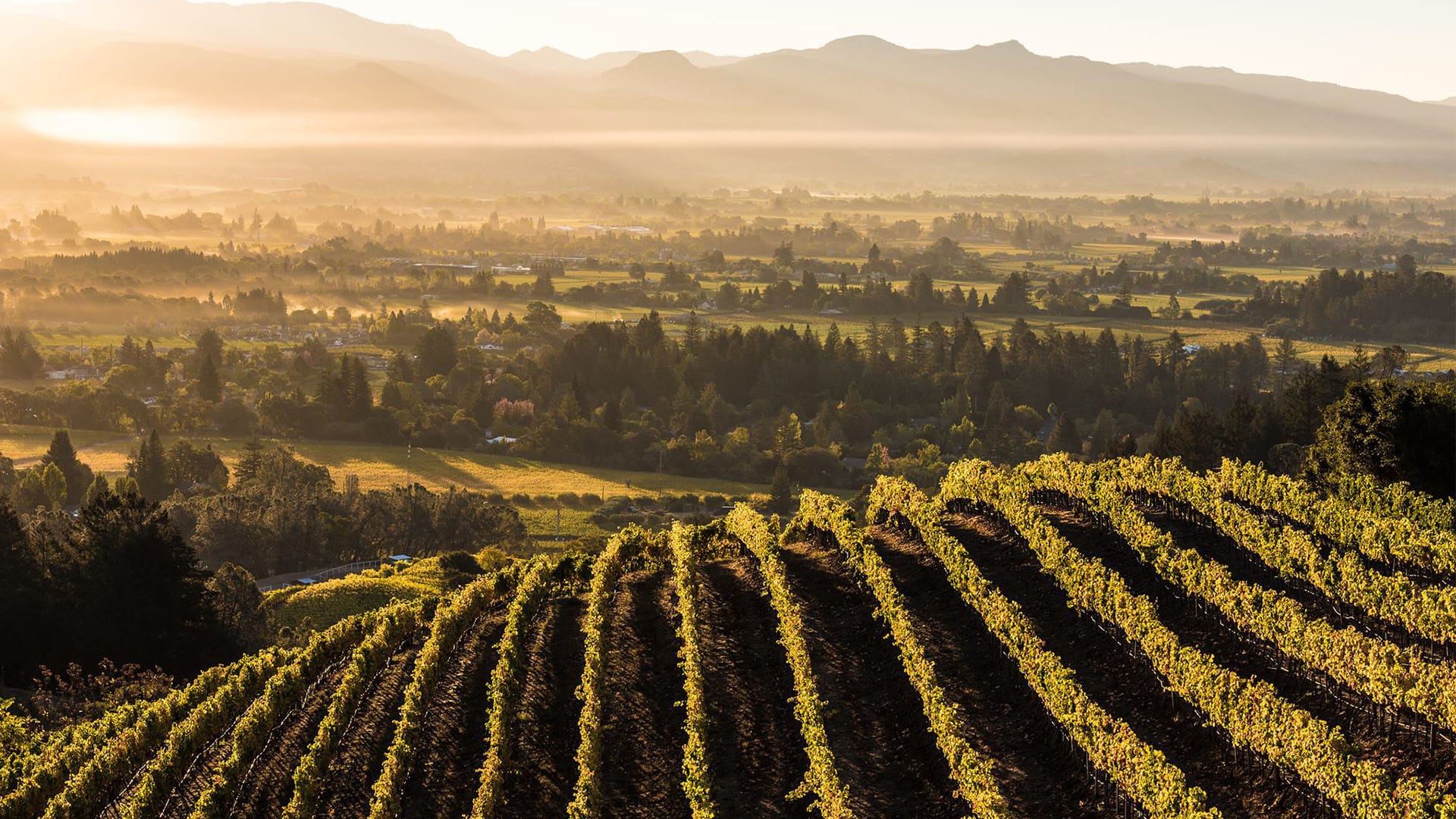
What Draws People Back to Tubbs Lane
The northern end of Napa Valley has a different register from the well-trafficked stretch between Yountville and St. Helena. Calistoga sits at the valley's narrowing upper point, where the Mayacamas and Vaca ranges press closer together and the thermal character of the land becomes more pronounced. Tubbs Lane, which runs northwest from the town centre toward the slopes of Mount St. Helena, carries a cluster of serious estate producers. Newton Vineyard, at number 1171, has occupied that address since 1987, and the tenure matters: nearly four decades of harvests from a defined set of blocks creates a reference point that newer producers in the appellation simply cannot replicate.
For the visitors who return to Newton year after year, the pull is not novelty. It is the inverse of novelty: a known quantity that keeps delivering. The kind of winery that regulars plan around rather than stumble across. In a valley where new projects launch with considerable noise and established names trade on reputation alone, a property that has been quietly working the same land since the late 1980s occupies a particular position.
Calistoga's Winemaking Identity
Understanding Newton's position requires some orientation within Calistoga's broader production character. The sub-appellation sits at roughly 360 feet elevation at the valley floor, with volcanic and alluvial soils that differ structurally from the benchland clays dominant further south. Daytime temperatures in Calistoga run warmer than most of the valley, but the gap between daytime highs and evening lows is pronounced, which preserves acidity through the growing season. That thermal swing is the defining agricultural fact of the area, and it shapes every serious producer working here.
The Calistoga roster includes properties with different ambitions. Chateau Montelena Winery operates with the weight of documented historical significance from the 1976 Paris tasting. Frank Family Vineyards handles a broader production model. Larkmead Vineyards works from one of the appellation's older estate blocks. Newton operates in a different register: a property that has accumulated vintage depth without building toward spectacle. For comparison, Accendo Cellars in St. Helena pursues a similar philosophy of restraint and estate focus just a few miles south, and the contrast in appellation character between the two properties is instructive.
Alberto Bianchi and the Case for Continuity
In Napa Valley winemaking, the question of continuity carries real weight. Winemaker transitions at established estates often produce a visible stylistic fracture in the bottle record, which collectors and serious visitors read as a risk. Alberto Bianchi's tenure at Newton represents the kind of stability that regular visitors factor into their planning. The winemaker's role here is less auteur than custodian of a site with established patterns, and that distinction matters for anyone reading Newton's arc across multiple vintages.
The broader California wine conversation has increasingly centered on restraint-oriented producers who resist the extraction-heavy model that dominated critical conversation in the early 2000s. Napa's Cabernet culture remains the gravitational centre of the valley's premium identity, but a quieter tier of estate producers, working across multiple varieties with site-specific attention, has built a loyal following that treats their annual releases less like trophy purchases and more like provisioning. Aubert Wines and Peter Michael Winery operate in this space, each with allocation structures that reward sustained engagement over impulse buying. Newton sits within that peer conversation.
What the Regulars Know
The visitors who return to Newton across multiple seasons have developed a practical literacy about the place that first-timers lack. They know which parts of the vintage cycle produce particularly interesting tasting room opportunities. Spring, after the vines have pushed but before harvest pressure builds, tends to offer one attentive experience at most Napa estates. The harvest window itself, roughly September through October depending on the year, brings logistical density to the valley that can work against deliberate visits to smaller producers.
Planning a visit to Newton requires the same forward discipline that applies to the better Calistoga estates generally. The address on Tubbs Lane is not difficult to reach from the town centre, but confirming current visit formats and availability before arrival is prudent, particularly for parties with specific tasting objectives.
It operates as a confirmation rather than a discovery, which is precisely the dynamic that regulars appreciate. The award validates what multiple vintages have demonstrated rather than marking a sudden arrival.
Newton in the Wider California Context
Napa tends to absorb most of the attention directed at California fine wine, but the conversation among serious producers extends well beyond the valley. Adelaida Vineyards in Paso Robles, Alban Vineyards in Arroyo Grande, and Andrew Murray Vineyards in Los Olivos each represent distinct regional expressions that position Napa not as the default answer but as one node in a broader network of California estate production. Within that network, Newton's 1987 start date is a meaningful credential. Most of California's recognized producers began their work in an era when commercial priorities shaped site selection and varietal choice. Newton's early commitment to its Calistoga estate reflects a different set of assumptions about what the land could do.
For visitors whose reference points extend internationally, the comparison with allocation-driven European estates is worth making. Adelsheim Vineyard in Newberg offers a Pacific Northwest counterpoint on the domestic side, while the contrast with Alexander Valley Vineyards in Geyserville illustrates how differently neighbouring California appellations have chosen to position their premium tiers. Alpha Omega Winery in Rutherford represents the southern Napa Valley's approach to the same premium question from a benchland perspective.
Planning a Visit
Newton Vineyard sits on Tubbs Lane in Calistoga, a location that rewards visitors who build their itinerary around the northern valley rather than treating Calistoga as a detour from the more densely programmed southern corridor. The combination of Newton with neighbouring Calistoga estates produces a coherent day rather than a scattered one. Appointments are required. Price is about $75 per person.
City Peers
Comparable venues nearby, for context on price, style, and recognition.
| Venue | Cuisine | Price | Notes |
|---|---|---|---|
| Newton VineyardThis venue — the venue you are viewing | Cabernet Sauvignon, Chardonnay | $$$ | Not listed |
| Schramsberg Vineyards | Chardonnay, Pinot Noir | $$$ | Diamond Mountain, Calistoga |
| Venge Vineyards | Cabernet Sauvignon, Zinfandel | $$$$ | Calistoga |
| Castello di Amorosa | Cabernet Sauvignon, Sangiovese | $$$$ | Calistoga |
| Ladera Vineyards | Cabernet Sauvignon, Pinot Noir | $$$ | Calistoga |
| Constant Diamond Mountain Vineyard | Cabernet Sauvignon, Cabernet Franc | $$$$ | Diamond Mountain District |
Recognition history
Dated appearances from independent guides and award organizations, with the underlying list record or original source where available.
Falstaff Winery - Listed
Falstaff
Continue exploring
More in Calistoga
Wineries in Calistoga
Browse all →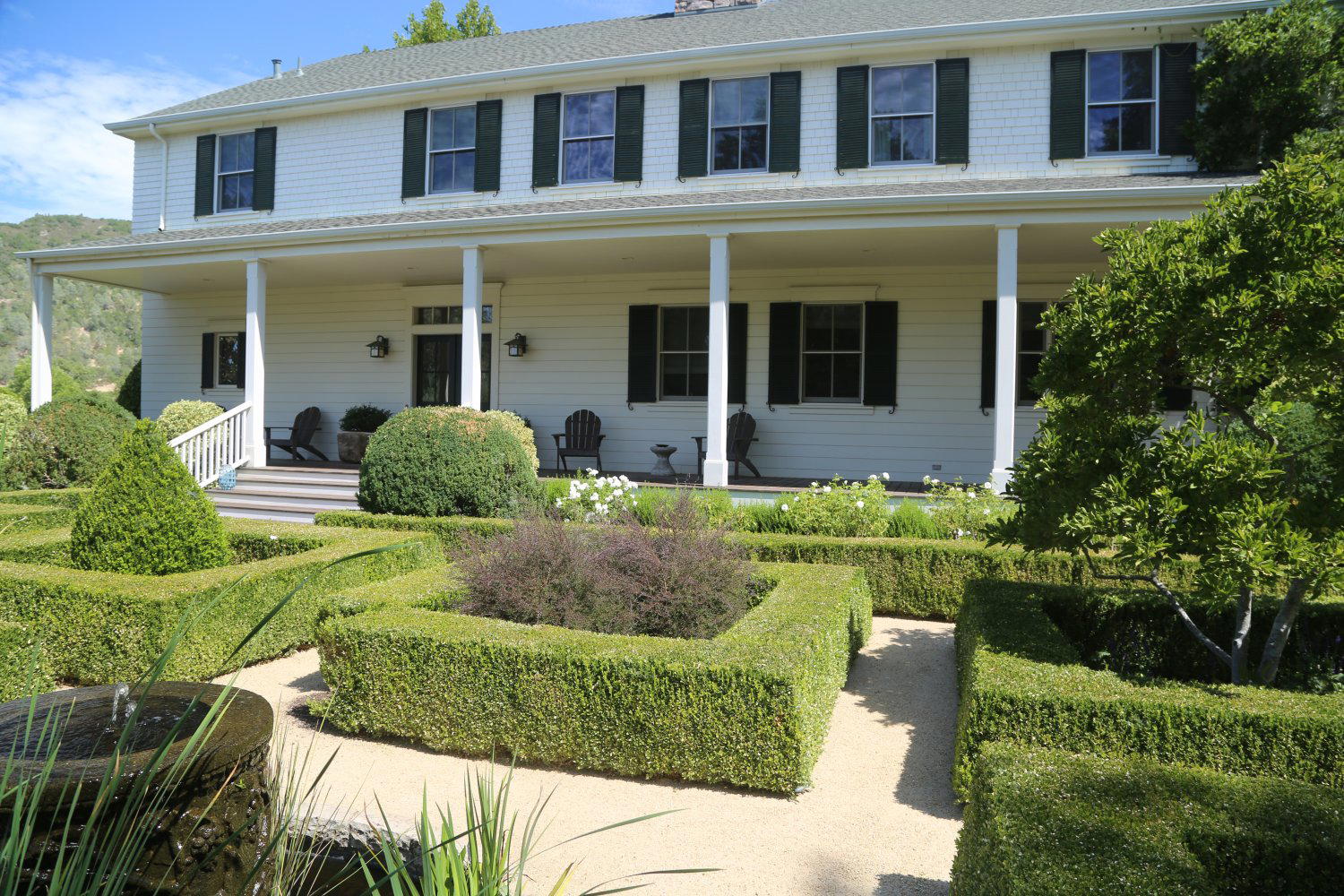
Bars in Calistoga
Browse all →
Restaurants in Calistoga
Browse all →
At a Glance
- Elegant
- Scenic
- Classic
- Sophisticated
- Romantic Getaway
- Special Occasion
- Wine Education
- Vineyard Tour
- Cave Tasting
- Garden
- Panoramic View
- Estate Grounds
- Sustainable
- Mountain
- Vineyard
- Garden
- Spring Mountain District AVA
- Cabernet Sauvignon
- Chardonnay
- Cabernet Franc
- Merlot
- Petit Verdot
- Malbec
- Still Red
- Still White
- Seated Tasting
- Private Tasting
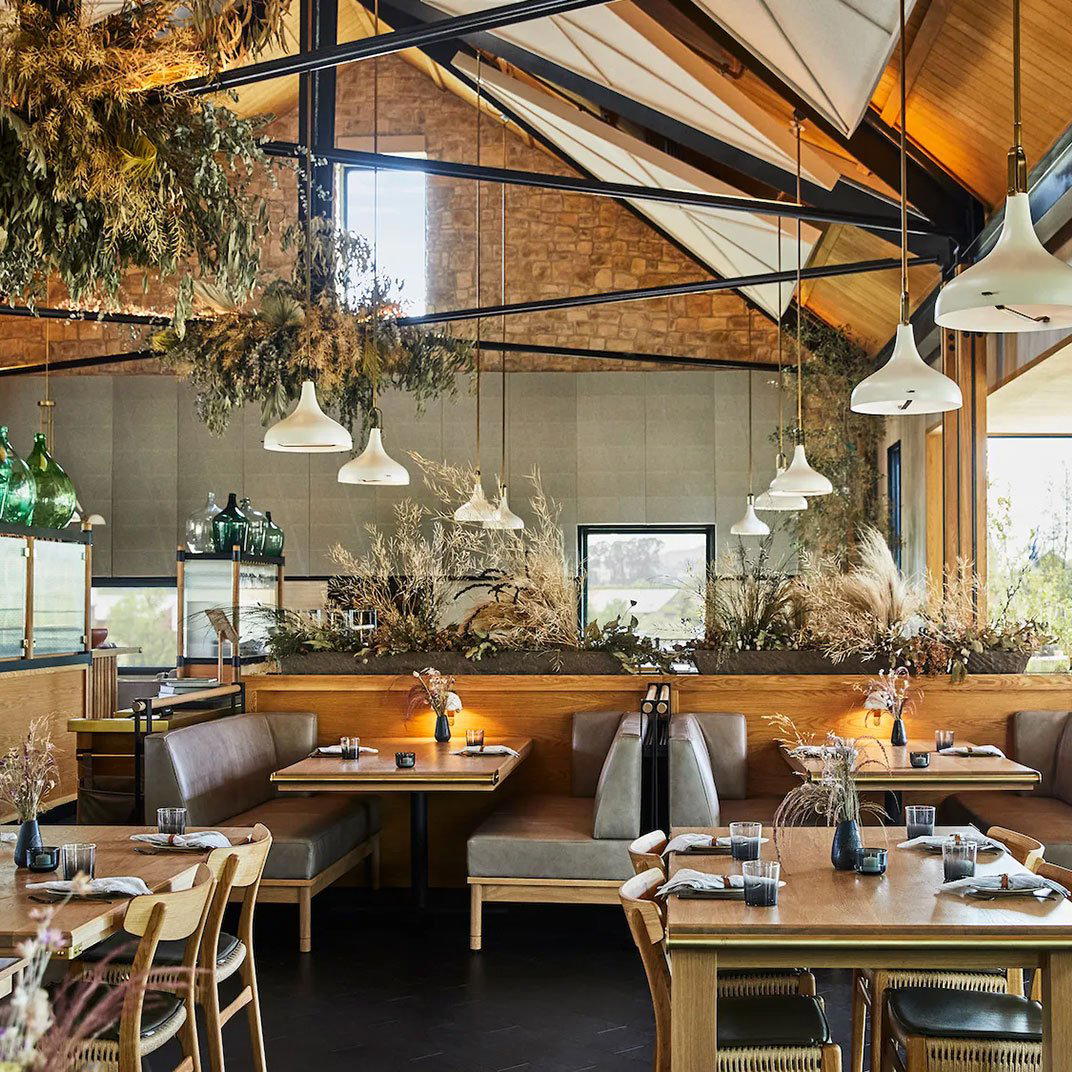
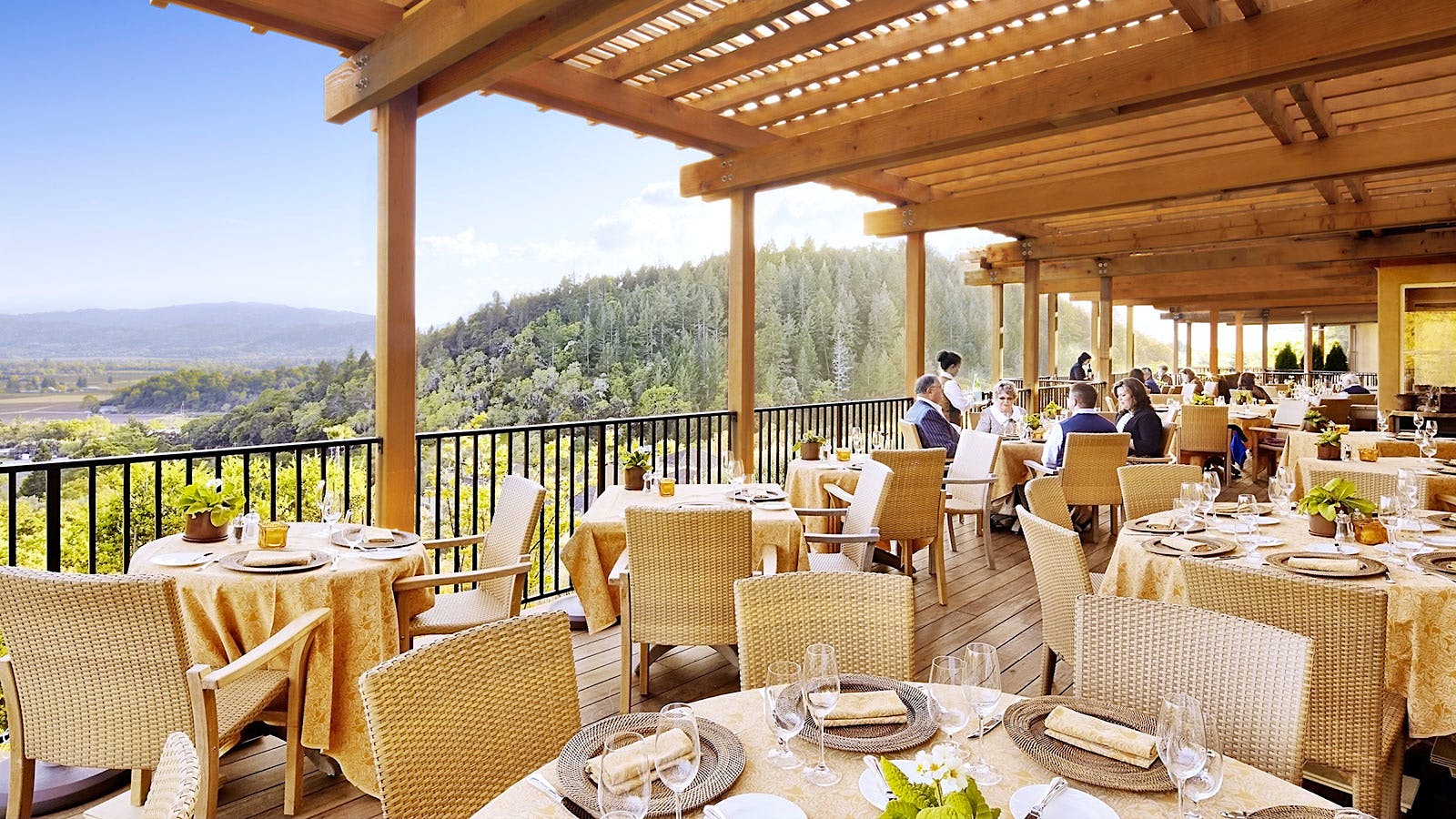
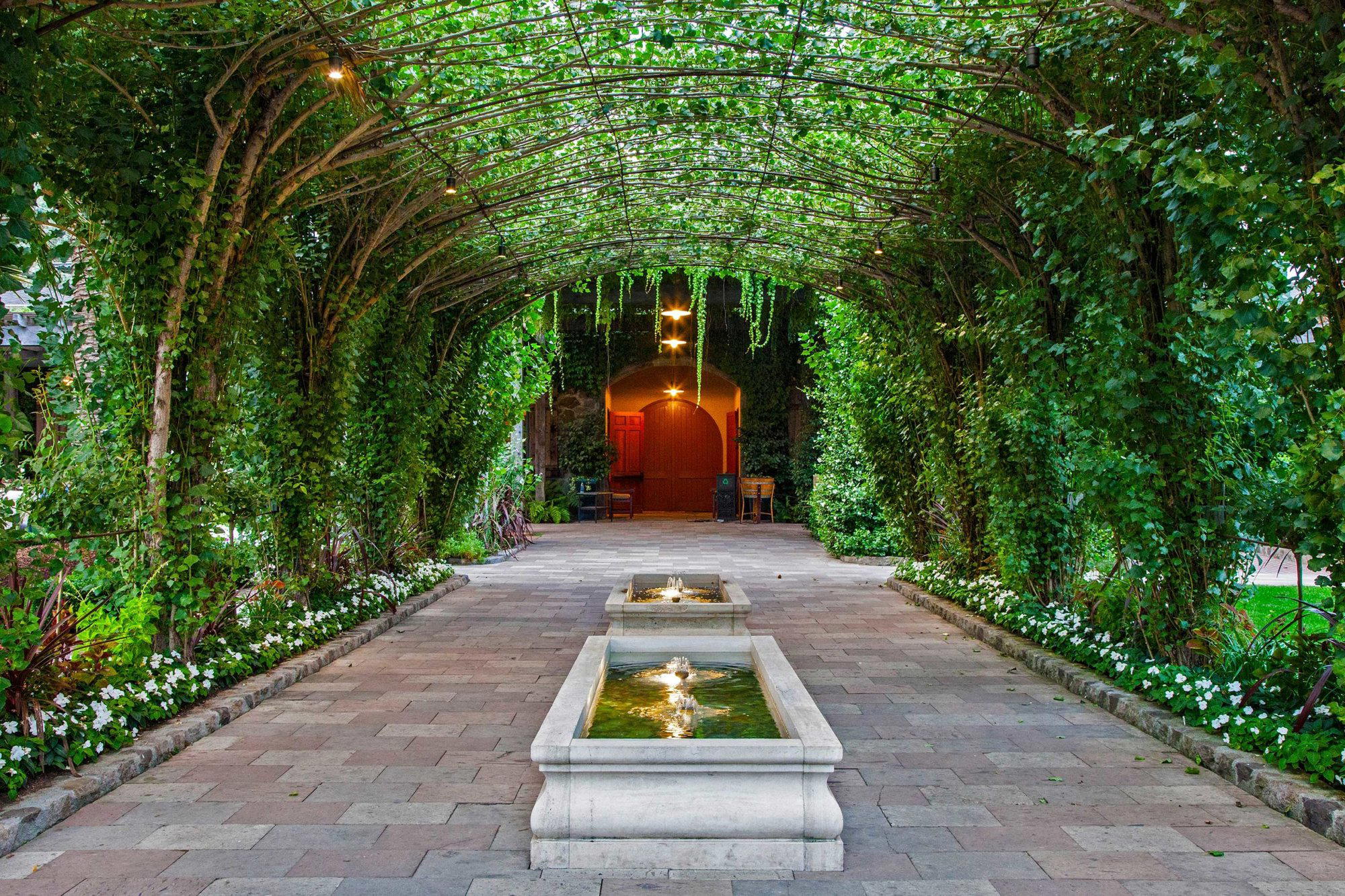
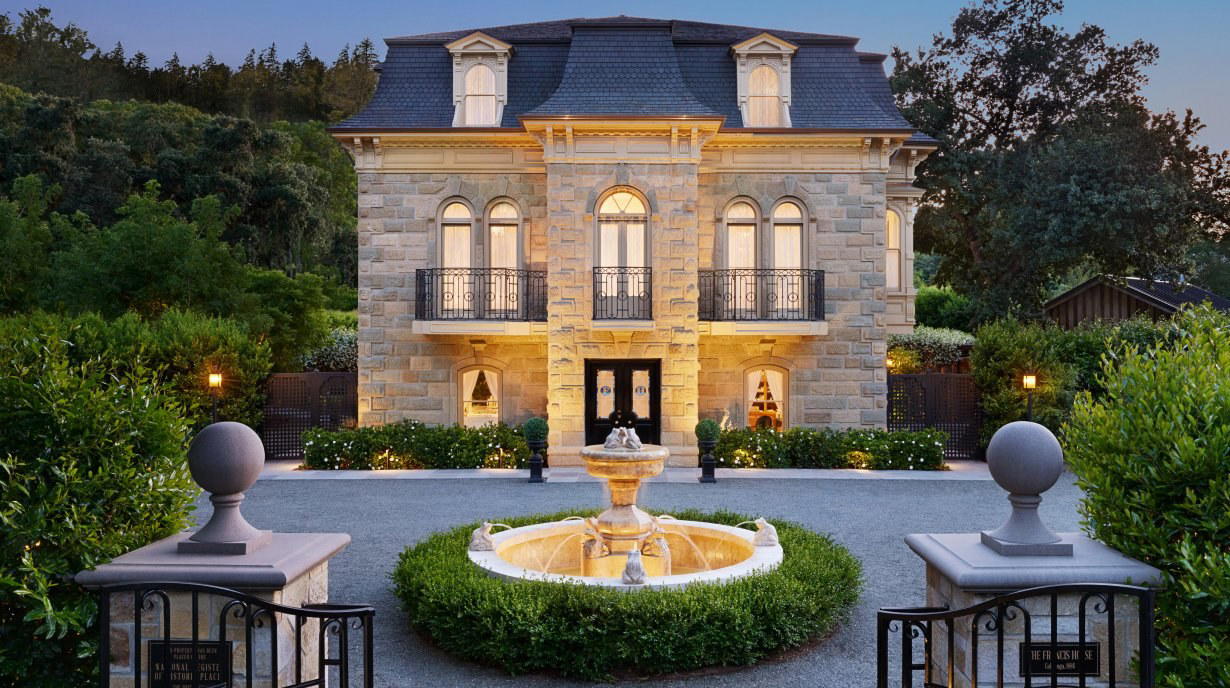
Serene and elegant with natural light in tasting rooms overlooking hillsides and vineyards, or on patios with panoramic vistas amid terraced formal gardens.