Chateau Montelena Winery

Chateau Montelena has anchored Calistoga's northern end since its first vintage in 1973. The estate is inseparable from the moment that reframed how the world assessed American wine, and its cellar program continues to shape how Napa Cabernet ages. Visiting means engaging with one of California's most consequential winemaking records.
Pearl is the En Primeur Club membership app — saves, bookings, and concierge access live there. Same editors, same standards.
- Address
- 1429 Tubbs Ln, Calistoga, CA 94515
- Phone
- +1 707-942-5105
- Website
- montelena.com
- Directions
- Get directions
 Saves & bookings on Pearl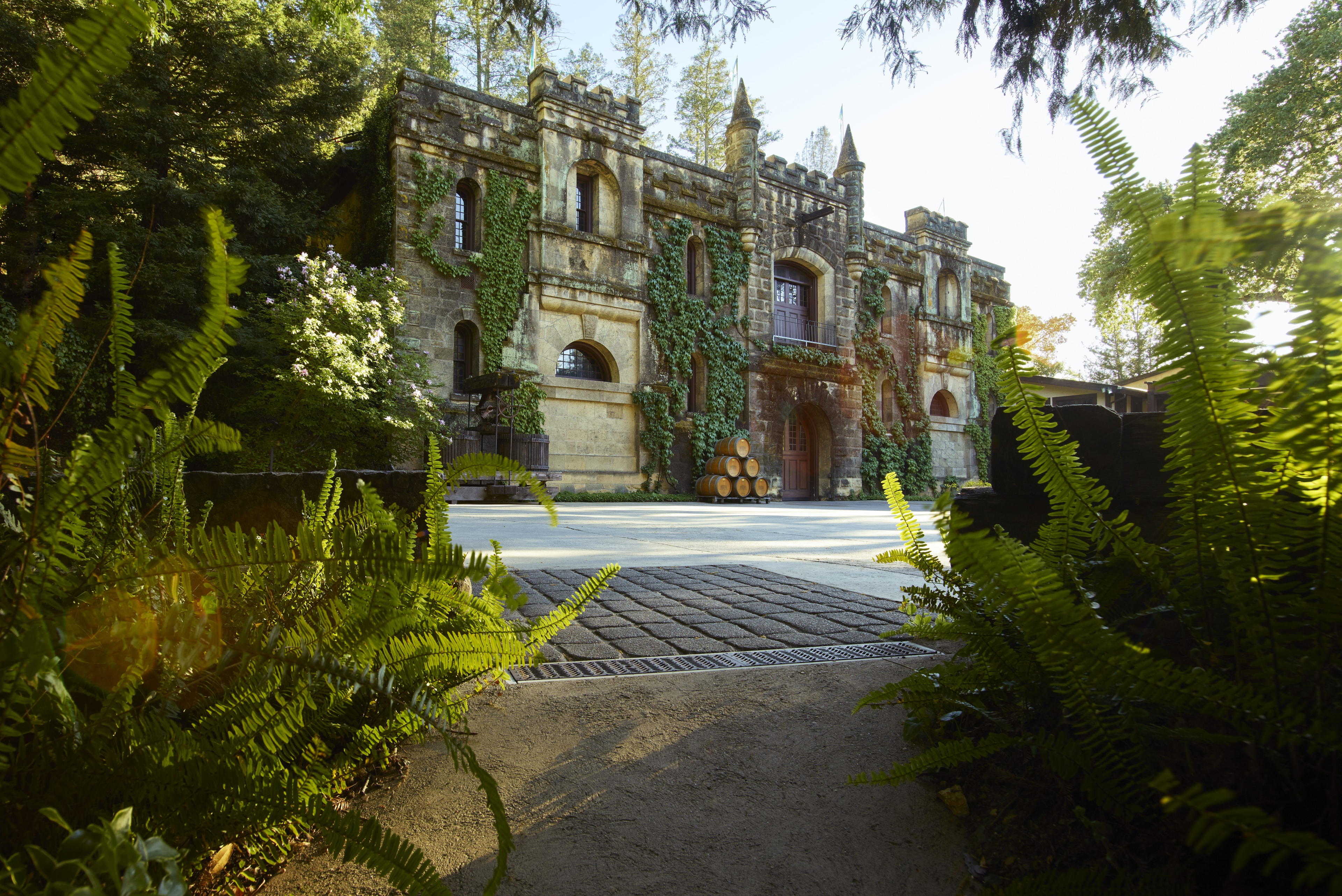
Where the Argument for California Wine Was Made
The drive north through Napa Valley narrows as you approach Calistoga. The valley floor tightens, the volcanic geology of Mount St. Helena comes into full view, and the temperature swings that define this end of the appellation become something you feel through the car window rather than read about in a tasting note. Chateau Montelena sits at 1429 Tubbs Lane at this northern edge, and the setting matters because it is inseparable from why the wines taste the way they do. This is not the gentle, fog-softened Carneros. The climate here is more extreme, which pushes winemakers toward decisions in the cellar that the warmer, smoother parts of the valley do not require in the same way.
That credential sits alongside a historical record most California producers cannot match: the first commercial vintage here dates to 1973, predating the consolidation of Napa's premium identity and the international attention that followed it.
1973 and What It Meant for the Cellar
California wine history pivots around a single tasting held in Paris in 1976, and Chateau Montelena's Chardonnay was at the center of it. That moment reframed how European critics and American producers alike thought about aging potential and structural discipline in New World wines. What mattered was not simply that a California label placed first in a blind tasting, but what that placement implied about winemaking decisions made months and years before the bottles were opened. The discipline to build wine for longevity rather than immediate approval was the argument being made, and the cellar was where that argument was constructed.
That context shapes how you should read Chateau Montelena's program today. A winery that earned its reputation on aging-forward structure in 1976 carries an institutional commitment to cellar work that few California producers share. Winemaker Bo Barrett has held that responsibility at Montelena, and the continuity of approach across decades distinguishes this estate from the rotation of talent that characterizes newer Napa projects. Napa Cabernet at this level is often discussed through the lens of single-vintage scores, but the more instructive question is how the wine performs across a decade of bottle aging, and Montelena's record makes that question answerable in a way that properties with shorter histories cannot.
The Cellar Program: Barrel Logic and Aging Decisions
The EA-WN-06 editorial lens is earned here rather than imposed. Chateau Montelena's identity is genuinely downstream of cellar decisions. At the northern end of Napa, where volcanic soils and significant diurnal temperature swings produce fruit with higher natural acidity and tighter tannin structure than the valley's warmer midsection, the winemaking challenge is managing that structure toward integration rather than softening it prematurely.
Barrel selection and aging duration are where that management happens. Extended time in oak allows tannins to polymerize and integrate without requiring additions or manipulations that would undercut the wine's capacity to develop further in bottle. Producers in Napa's premium tier, including neighbors such as Larkmead Vineyards and Frank Family Vineyards, each make different barrel and aging commitments that reflect their own house styles and sourcing philosophies. At Montelena, the through-line is wines built for time. That is not a marketing position; it is a structural one you can verify by tasting a current release alongside a ten-year bottle.
The contrast with intervention-heavy production elsewhere in the valley is instructive. Napa Cabernet that is softened early for immediate palatability typically loses dimensionality as it ages. The Montelena approach, consistent across Crafton's tenure, prioritizes structural integrity at release over easy accessibility. For buyers thinking in terms of cellar investment rather than immediate consumption, that distinction matters considerably. Comparable discipline in a different California context can be found at Peter Michael Winery, where restrained intervention has similarly produced wines that reward patience, and at Aubert Wines, where the emphasis on site-specific expression shapes cellar decisions from the outset.
Calistoga's Position in the Napa Hierarchy
Calistoga gained its own AVA designation in 2009, formalizing what growers in the area had argued for years: that the combination of volcanic soils, warmer daytime temperatures, and dramatically cooler nights at this northern end produces a distinct wine profile that should not be folded into the broader Napa Valley appellation without qualification. The designation also placed Calistoga producers in a more defined competitive conversation with the valley's other sub-appellations.
Within that context, Chateau Montelena occupies a specific position. It is not a new entrant building a reputation on single-vintage scores; it is an estate whose track record spans the entire modern era of Napa winemaking. That longevity is a meaningful differentiator in a market where new projects with significant capital backing enter regularly. For context on how restrained, site-driven California winemaking looks outside Napa, Adelaida Vineyards in Paso Robles, Alban Vineyards in Arroyo Grande, and Andrew Murray Vineyards in Los Olivos each represent how the aging-first philosophy translates into different California climates. Further afield, Adelsheim Vineyard in Newberg shows how Pacific Northwest producers approach structured winemaking with a similarly long institutional memory.
Visiting in Context: Timing and What to Expect
Late autumn and early spring are the periods that reward visitors most at an estate like Montelena. Reservations are recommended, and the dress code is smart casual. Harvest pressure has passed or has not yet arrived, which means the winery is not running at operational capacity and the conversations possible during a visit tend to be more substantive. Summer visits work logistically but the Napa Valley crowds are at their densest, and the wine-country experience becomes more about traffic management than wine engagement.
The address at 1429 Tubbs Lane places the winery close to the northern edge of Calistoga town, accessible from Highway 128 without significant navigation. Visitors exploring the full northern Napa range can pair a Montelena visit with the nearby Larkmead Vineyards or reach further south into St. Helena, where Accendo Cellars represents a different approach to Cabernet at the premium tier. For those building a broader California itinerary, Alpha Omega Winery in Rutherford, Alexander Valley Vineyards in Geyserville, and Newton Vineyard each offer reference points for how different Napa and North Coast producers handle the structural questions that Montelena's history placed at the center of California wine's conversation with the world. For producers whose programs sit further outside the California orbit, Aberlour in Aberlour and Achaia Clauss in Patras illustrate how aging programs function across entirely different traditions and climates.
Same-City Peers
Comparable venues nearby, for context on price, style, and recognition.
| Venue | Cuisine | Price | Notes |
|---|---|---|---|
| Chateau Montelena WineryThis venue — the venue you are viewing | Chardonnay, Cabernet Sauvignon | $$$ | Not listed |
| Newton Vineyard | Cabernet Sauvignon, Chardonnay | $$$ | Spring Mountain |
| Clos Pegase Winery | Cabernet Sauvignon, Chardonnay | $$$ | Calistoga |
| Sterling Vineyards | Cabernet Sauvignon, Sauvignon Blanc | $$$ | Calistoga |
| Frank Family Vineyards | Cabernet Sauvignon, Chardonnay | $$$ | Calistoga |
| Schramsberg Vineyards | Chardonnay, Pinot Noir | $$$ | Diamond Mountain, Calistoga |
Recognition history
Dated appearances from independent guides and award organizations, with the underlying list record or original source where available.
Falstaff Winery - Listed
Falstaff
Continue exploring
More in Calistoga
Wineries in Calistoga
Browse all →
Bars in Calistoga
Browse all →
Restaurants in Calistoga
Browse all →

At a Glance
- Well Known
- Elegant
- Scenic
- Rustic
- Historic
- Wine Education
- Special Occasion
- Romantic Getaway
- Estate Grounds
- Historic Building
- Panoramic View
- Vineyard
- Mountain
- Garden
- Calistoga AVA
- Chardonnay
- Cabernet Sauvignon
- Riesling
- Sauvignon Blanc
- Still White
- Still Red
- Guided Tasting
- Private Tasting
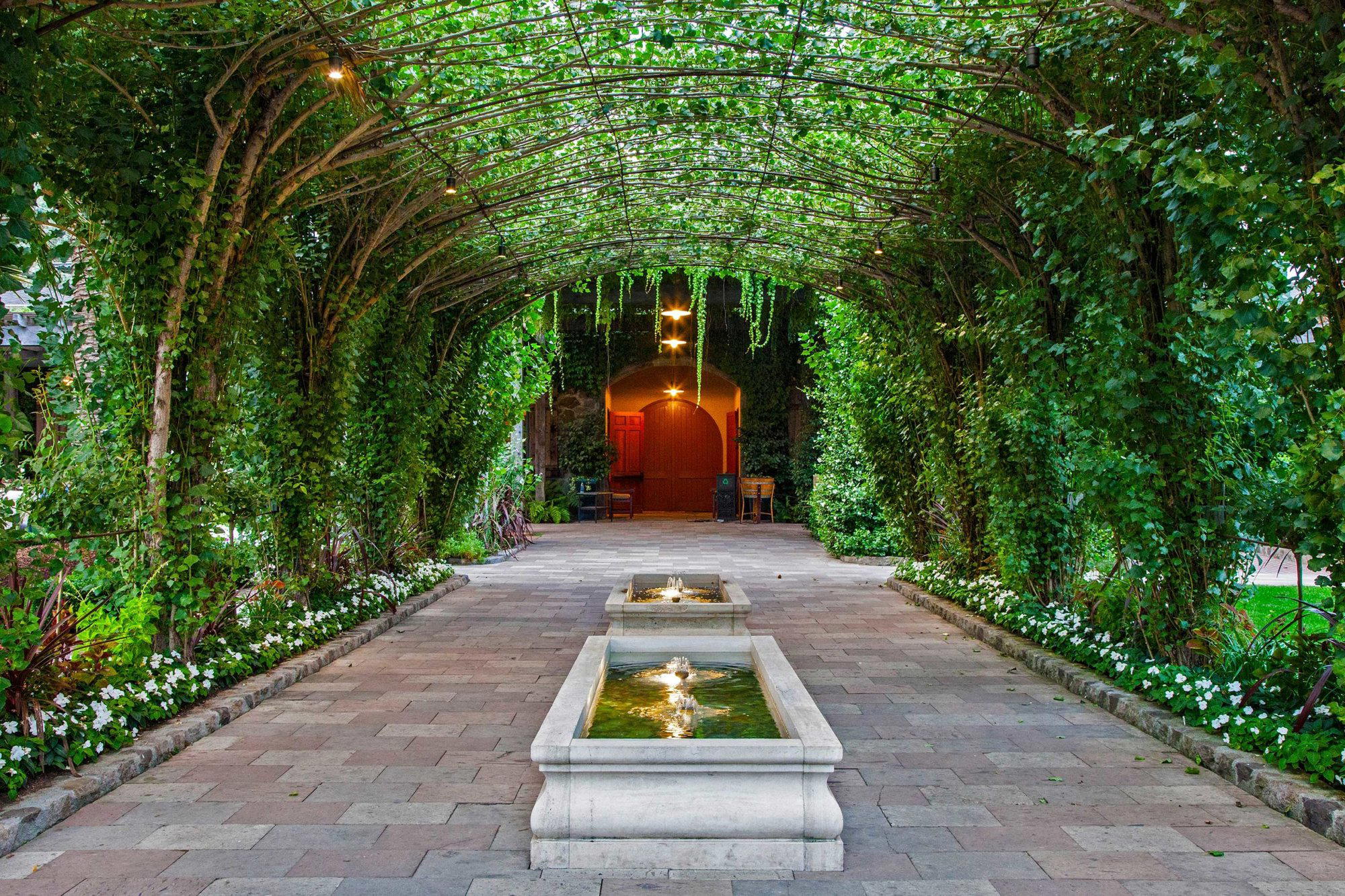
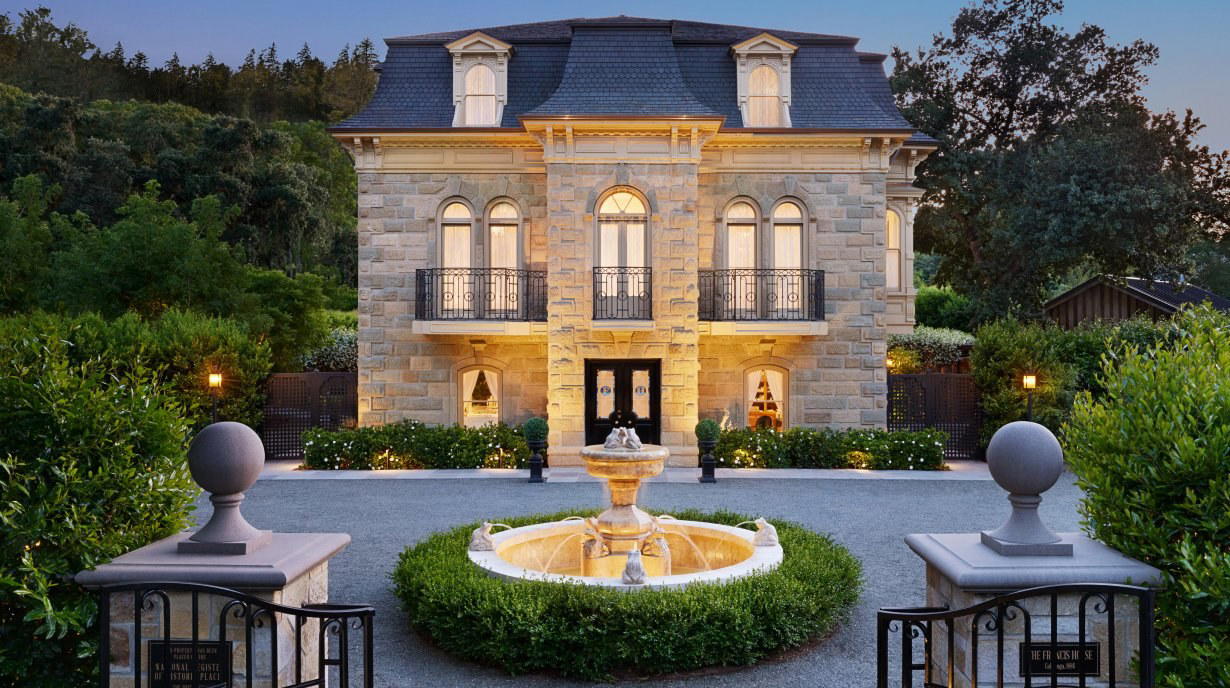
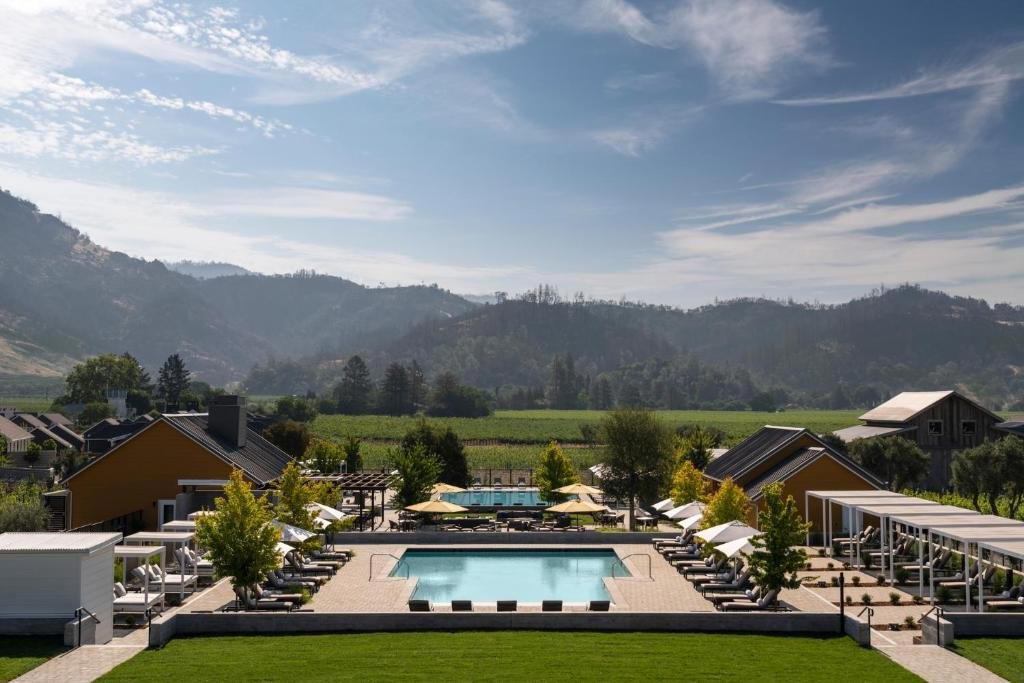
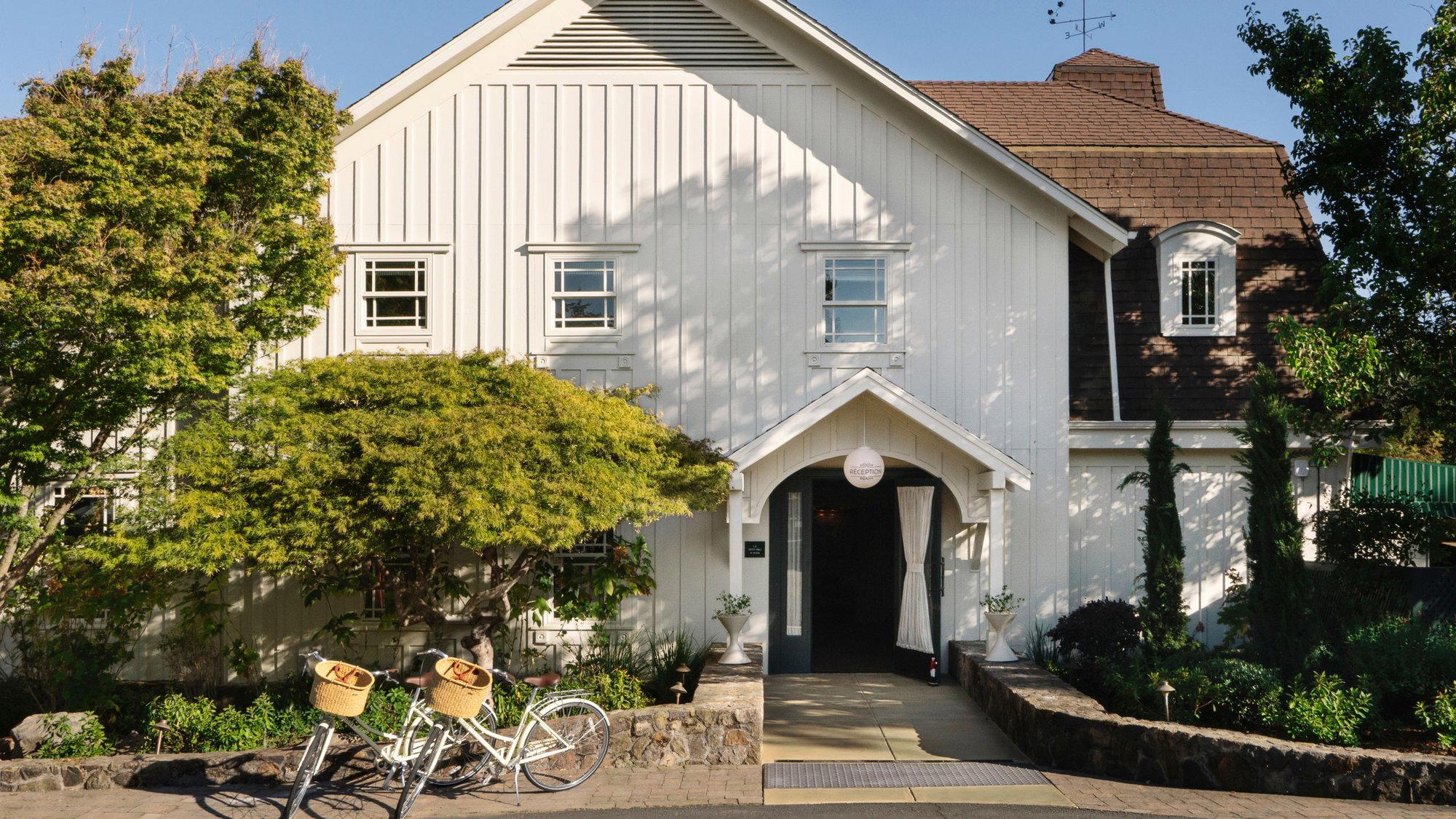
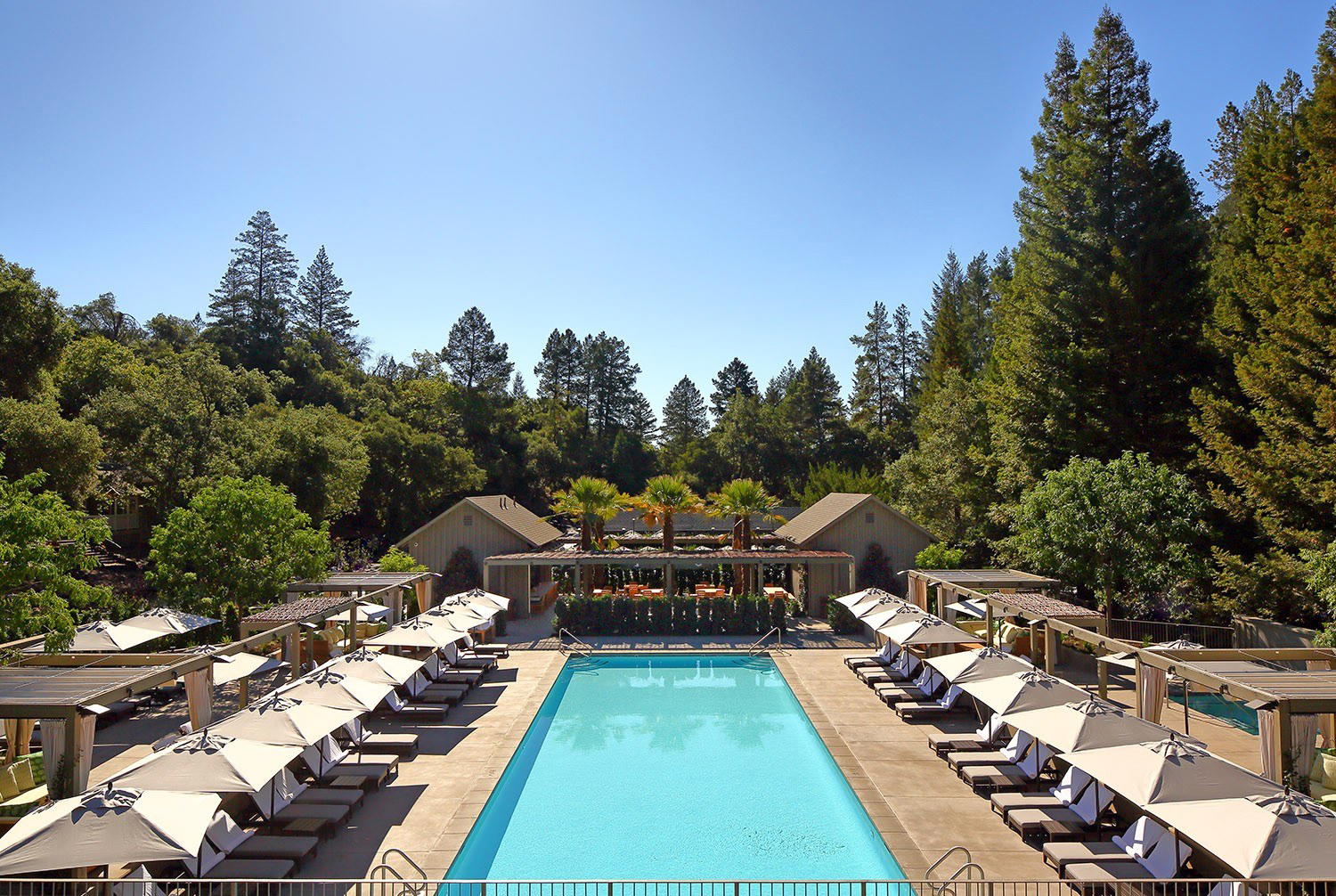
Beautiful historic grounds with a stone chateau, Chinese-style gardens, Jade Lake, and vineyard views create a serene, elegant atmosphere.