
Mulassano belongs to the agricultural side of Alba wine culture: a family-run Langhe estate with vineyards, hazelnut groves, and a focus on Piedmont DOC staples rather than design-led cellar-door theatre. Its clearest identity is Barbera d’Alba, supported by Dolcetto, Nebbiolo, and Chardonnay, with visits built around a quiet estate setting and reservation-led tastings.
Pearl is the En Primeur Club membership app — saves, bookings, and concierge access live there. Same editors, same standards.
- Address
- Alba, Piedmont, Italien
- Directions
- Get directions
 Saves & bookings on Pearl
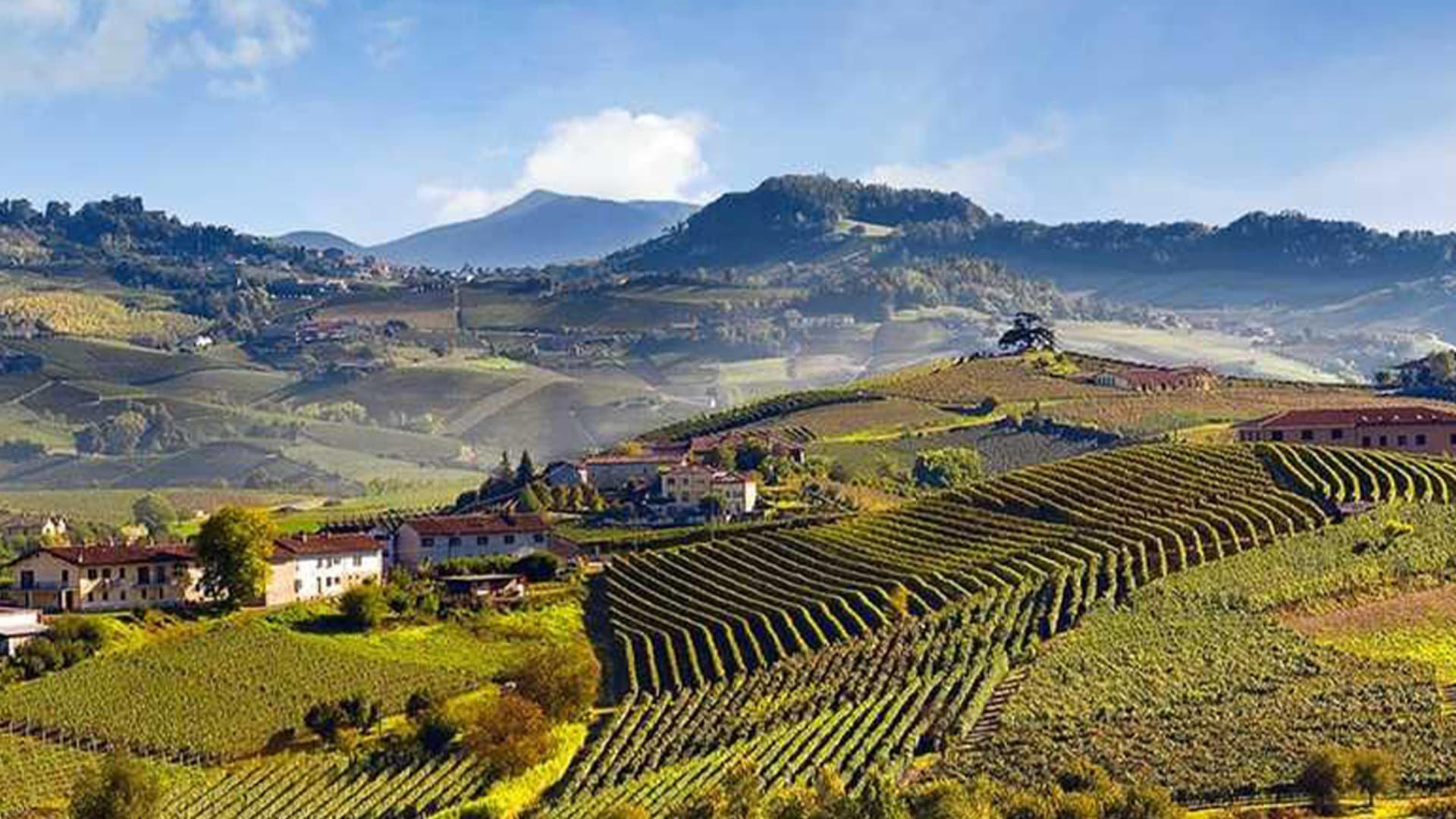
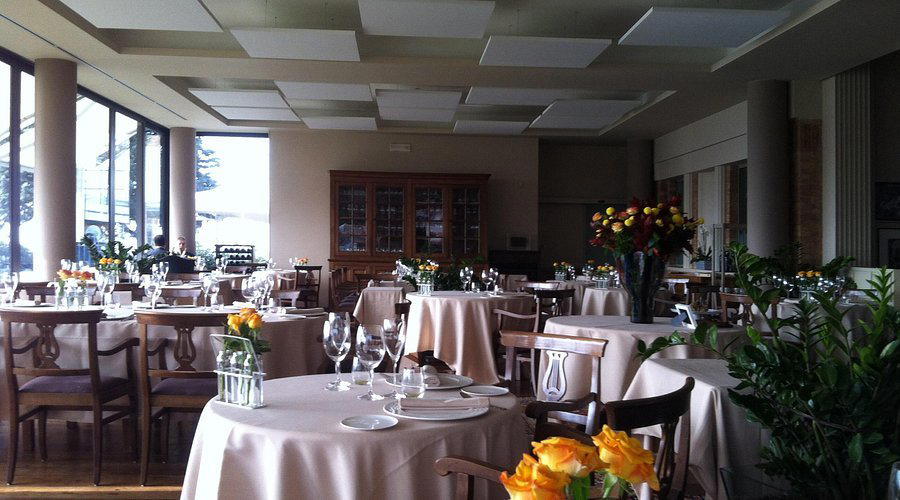
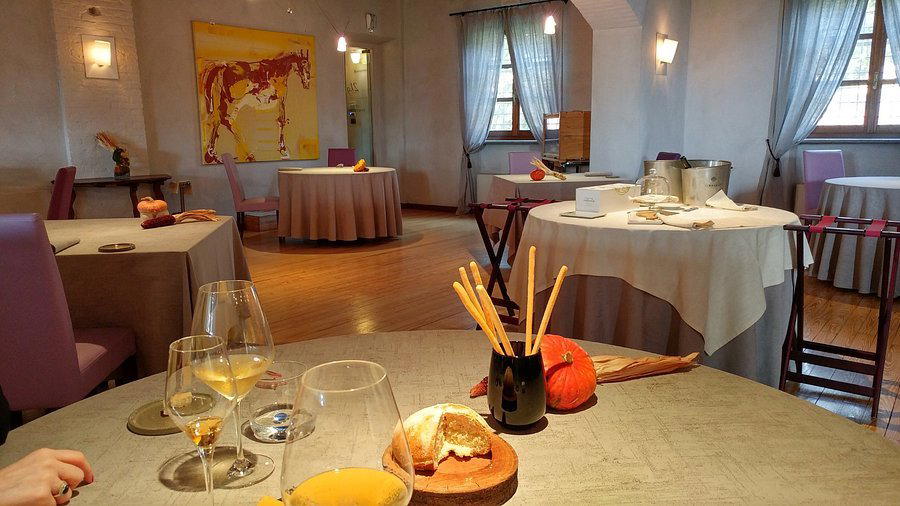
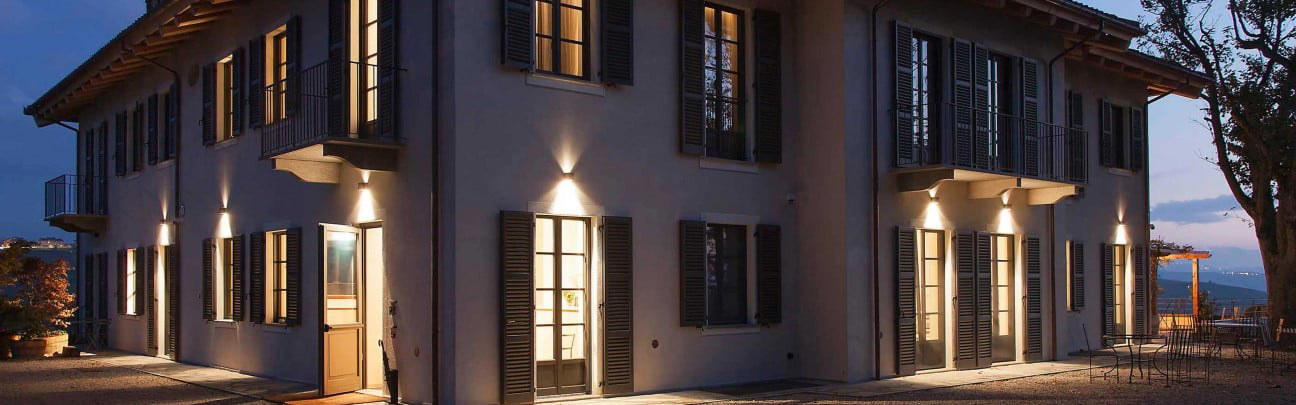
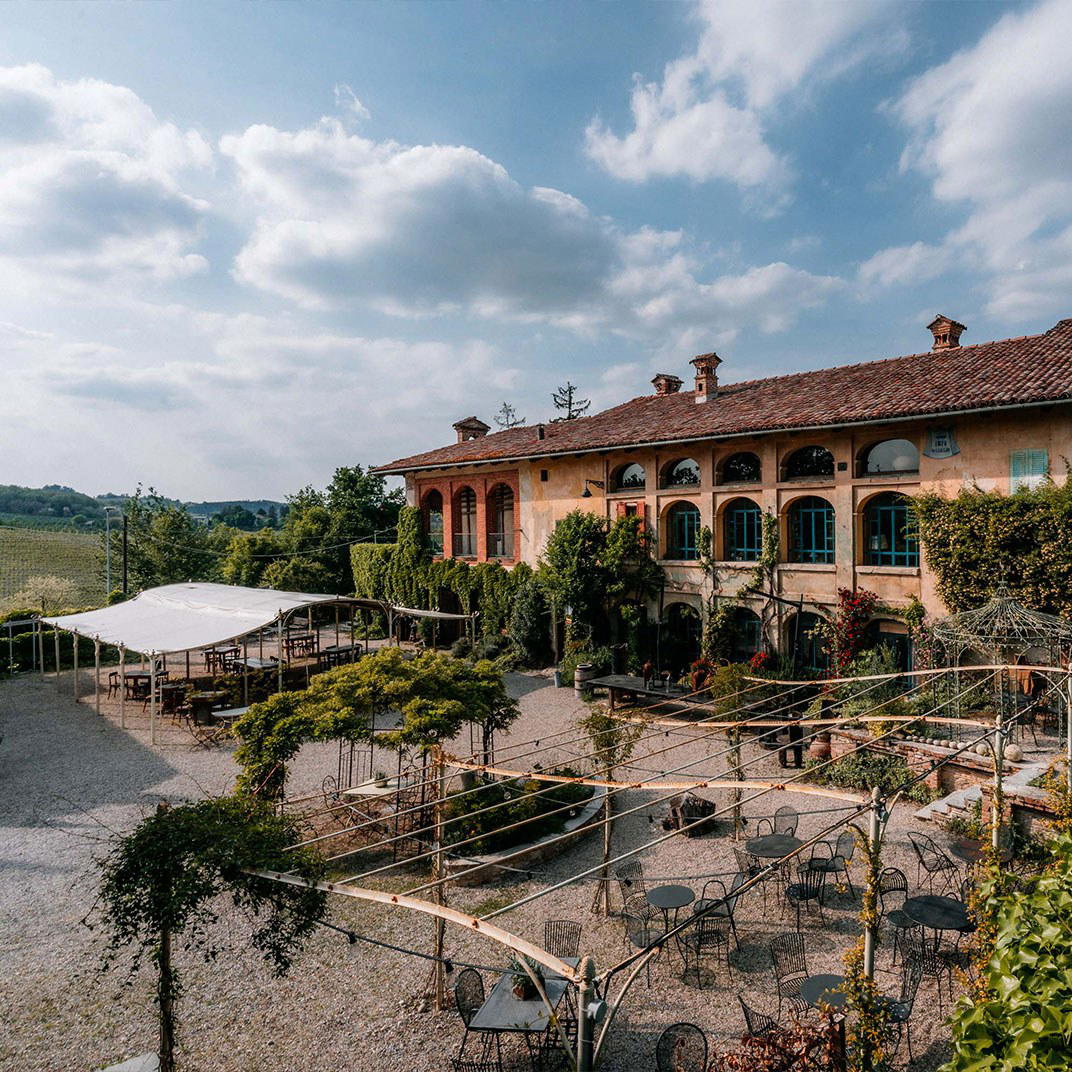
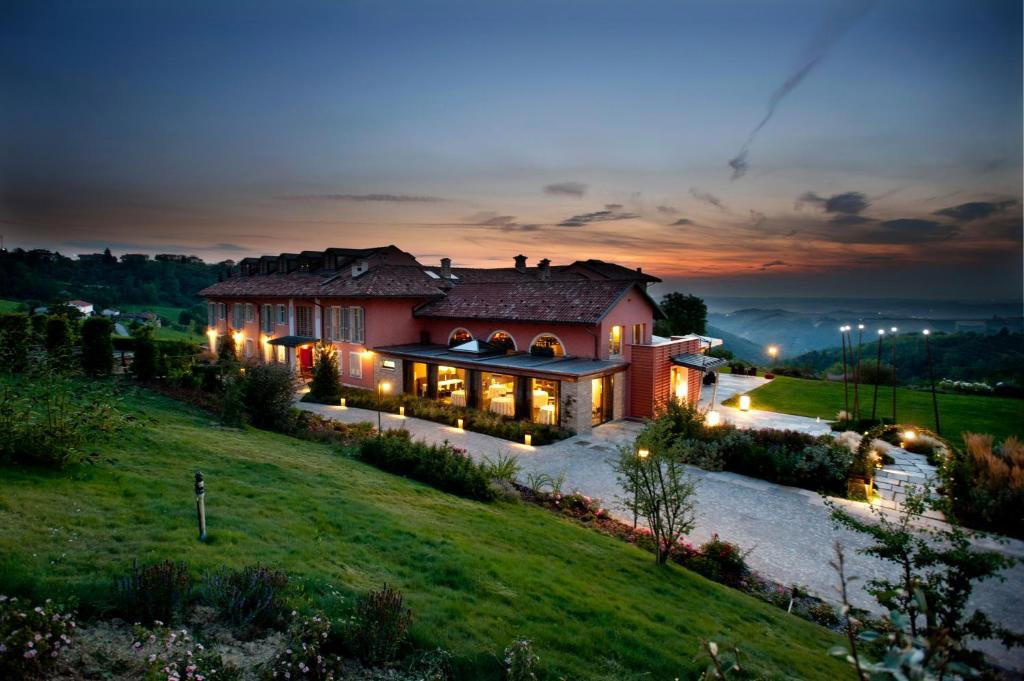
Mulassano in Alba is best understood as a traditional Langhe winery rather than a design-driven hospitality address. The picture is agricultural and rooted in the surrounding hills: a family-run Piedmont estate with vineyards and hazelnut groves shaping the setting. For travelers, the appeal is less about spectacle and more about the rural context associated with the area’s wine culture, where the landscape itself helps explain what is being grown, poured, and valued.
This is the sort of address that should be read through its setting first. The estate belongs to the broader rhythm of the Langhe, where cultivated slopes, working farms, and familiar local grapes create a sense of continuity. It is not being presented here as a glossy destination built around staging or elaborate hospitality design, but as a rural winery whose identity is tied to family operation and the agricultural surroundings of Alba.
The estate’s focus is on classic local DOC reds, including Barbera, Dolcetto, and Nebbiolo. That makes Mulassano a direct Alba reference point for visitors who want to approach the Langhe through regional grapes rather than through an elaborate restaurant or luxury tasting-room narrative. The emphasis is direct: local red wines, a traditional estate context, and a setting that keeps the experience close to the land.
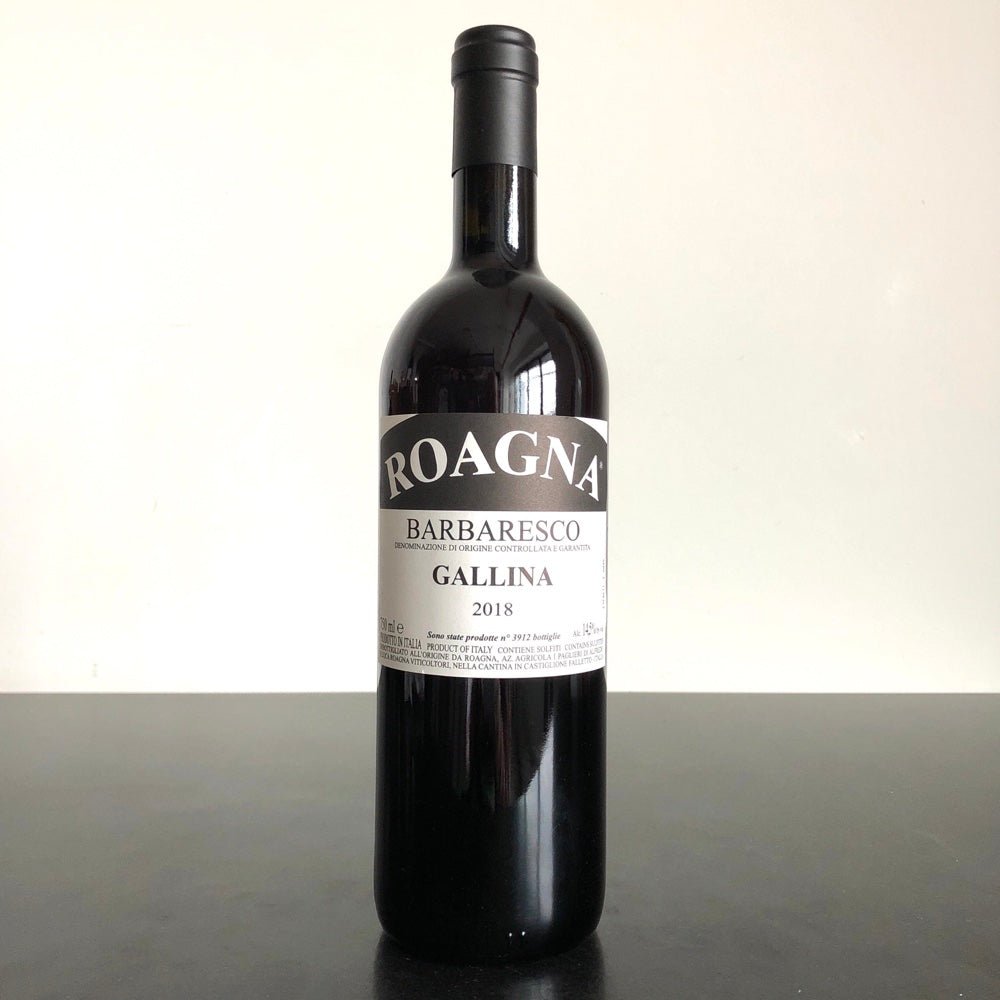
Barbera as part of the estate's local red-wine focus
For travelers trying to understand Piedmont beyond prestige labels, Barbera is a useful place to start. Mulassano’s focus includes Barbera alongside Dolcetto and Nebbiolo.
That broader view is still useful. Barbera, Dolcetto, and Nebbiolo form a familiar local vocabulary for anyone tracing the drinking culture of the area, and Mulassano’s stated focus places it within that recognizable Piedmont frame. The value for visitors is not in dissecting unconfirmed technicalities, but in seeing how a family-run estate in the Langhe presents itself around these classic regional reds.
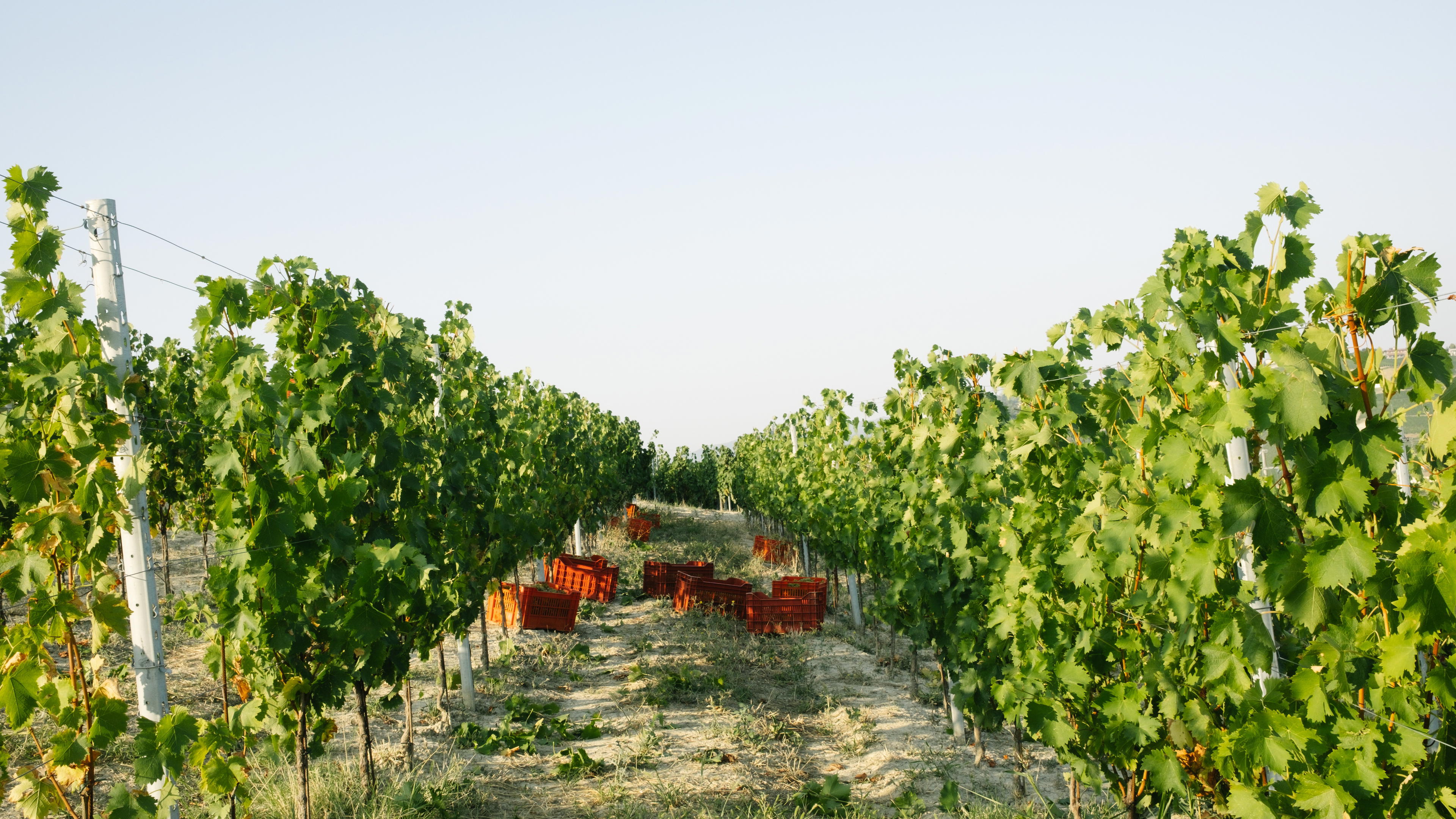
The surrounding agricultural setting adds important context. Vineyards and hazelnut groves place Mulassano firmly within the Langhe landscape, where wine and hazelnuts are both part of the regional picture. The atmosphere is described as classic and rural rather than experimental or design-led, which is the point: the estate’s character rests on place, family operation, and familiar Piedmont grapes.
Seen this way, the winery offers a grounded counterpoint to more polished or concept-heavy interpretations of Alba wine tourism. Its interest lies in the basic alignment of vineyard country, local grape varieties, and a working rural setting. That may sound simple, but for many travelers it is precisely the kind of context that makes the Langhe feel legible.
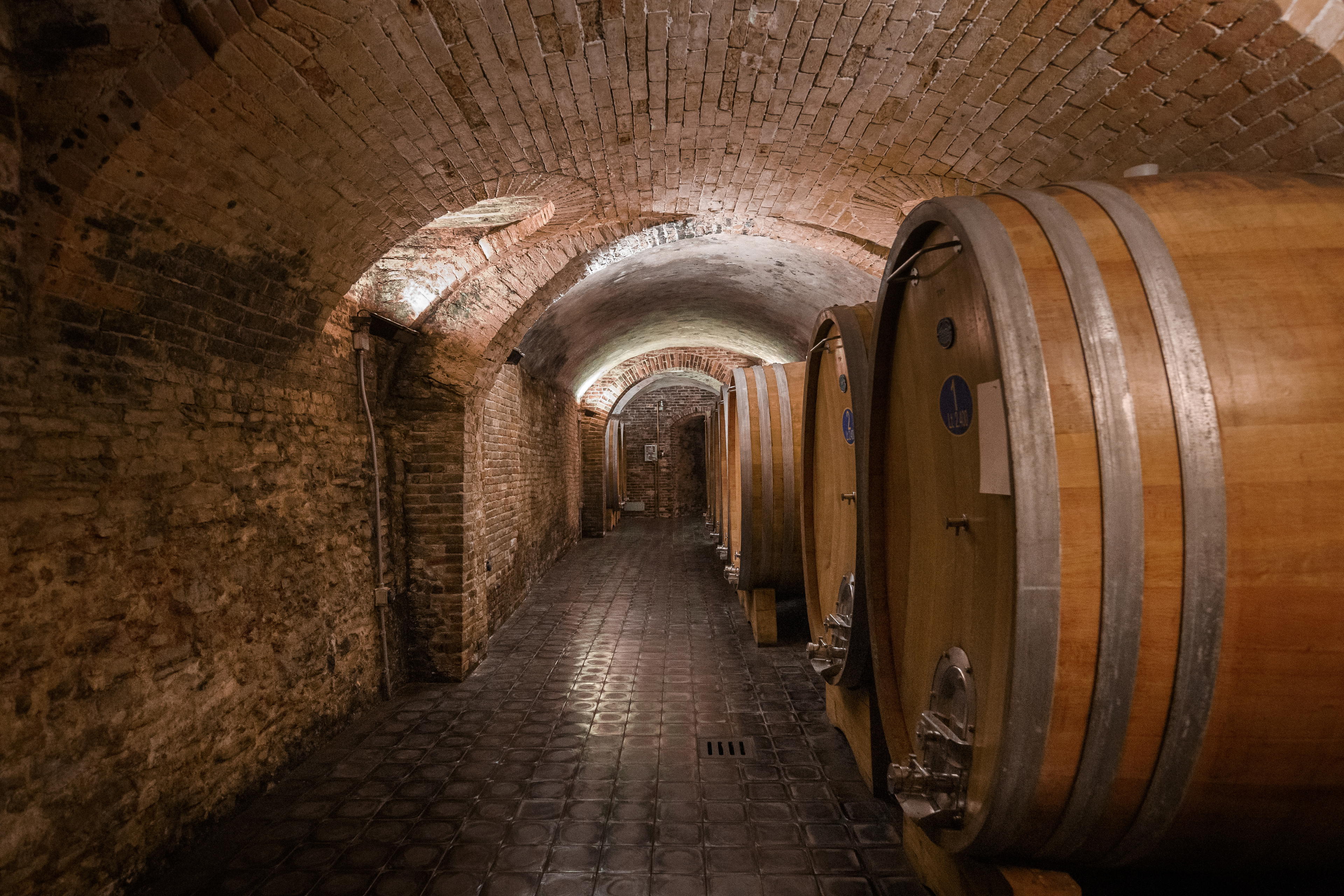
A traditional Langhe winery setting
Because only limited visitor details are available, Mulassano should not be framed around specific services, tour formats, food pairings, payment options, or hospitality features that are not confirmed here. What can be said reliably is that it is a family-run winery in Alba’s Langhe hills with an agricultural feel and a focus on local DOC reds. Keeping the description restrained is important, because the estate’s known strengths are already clear without adding unsupported detail.
That makes it well suited to travelers who value context over polish: vineyards, hazelnut groves, and a traditional Piedmont wine identity. Anyone planning a visit should confirm current arrangements directly before relying on specific opening times, tasting availability, or on-site services. In practical terms, strong expectation is not a highly scripted experience, but a place whose relevance comes from its rootedness in the surrounding wine country.
The traditional character also helps define the mood of a potential stop. Mulassano reads as part of the agricultural fabric of Alba rather than as a standalone lifestyle venue. For visitors who want the Langhe to feel connected to farming, family ownership, and regional grape culture, that distinction matters.
How it fits into an Alba wine itinerary
Alba rewards visitors who build contrast into a wine day. A stop at Mulassano makes sense when the aim is to see the quieter agricultural layer of the Langhe: a family-run estate, local DOC reds, vineyard surroundings, and hazelnut-country context. It sits apart from more design-forward experiences by keeping the frame close to the land and to regional drinking habits.
For a wider Alba route, consider balancing Mulassano with other unnamed dining, wine, and hospitality stops in the city and surrounding area. The useful planning principle is contrast: combine traditional producers, local meals, and time in the Langhe landscape rather than treating every stop as the same kind of polished tasting-room experience. In that kind of itinerary, Mulassano can provide the quieter rural register, helping the day feel less like a sequence of similar appointments and more like a rounded look at the area.
Mulassano’s place in that wider map is clear enough: an Alba estate where family ownership, classic Piedmont reds, vineyards, and hazelnut groves do the heavy lifting. Its appeal is understated, but that understatement is also its function within the Langhe: it points visitors back to the agricultural base of the region’s wine identity.
Recognition history
Dated appearances from independent guides and award organizations, with the underlying list record or original source where available.
Falstaff Winery - Listed
Falstaff
Continue exploring
More in Alba
Wineries in Alba
Browse all →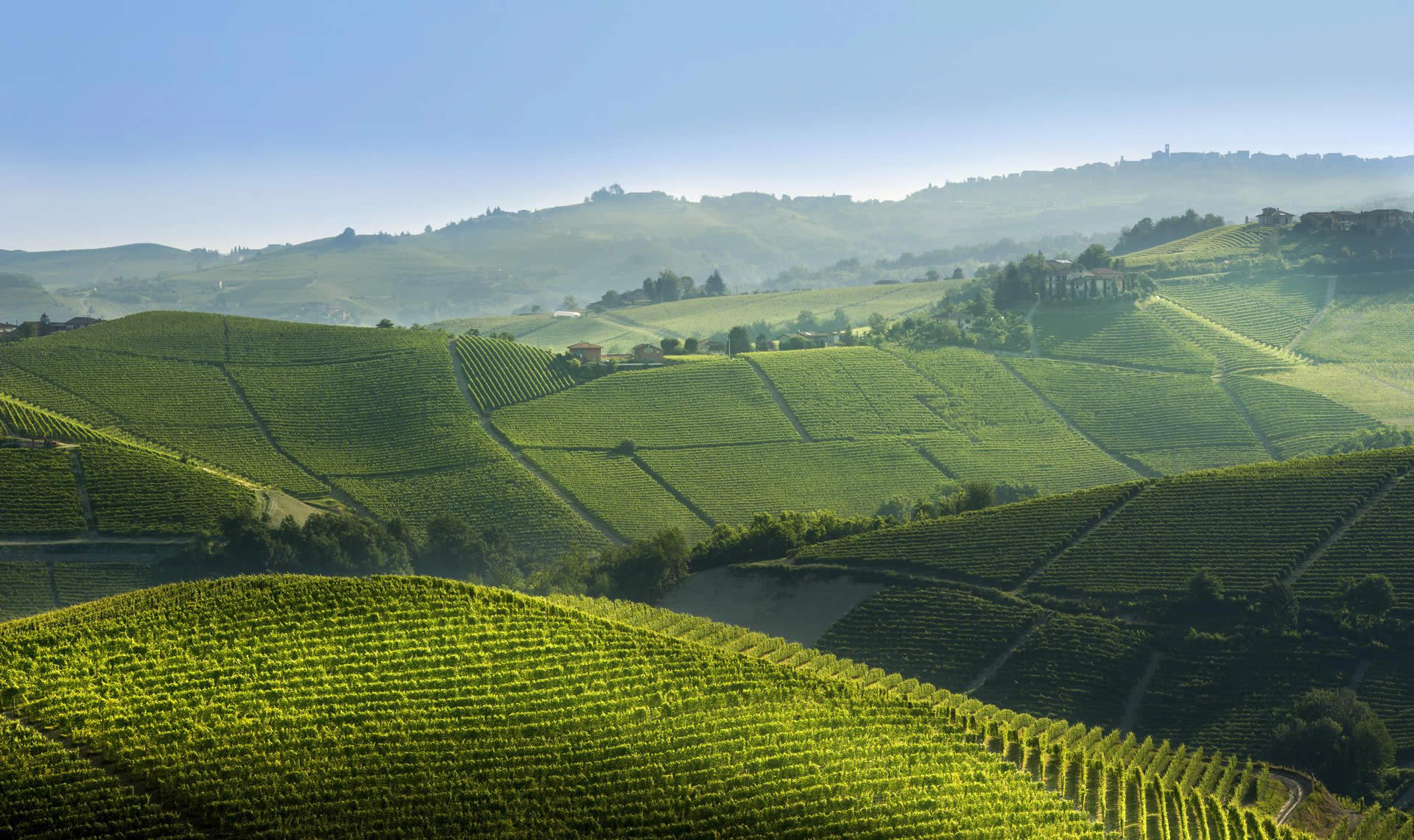
Bars in Alba
Browse all →
Restaurants in Alba
Browse all →
At a Glance
- Rustic
- Scenic
- Classic
- Cozy
- Group Outing
- Romantic Getaway
- Solo Exploration
- Wine Education
- Estate Grounds
- Vineyard Tour
- Vineyard
- Garden
- Barbera D'alba DOC
- Barbera
- Dolcetto
- Nebbiolo
- Chardonnay
- Still Red
- Still White
- Standard Tasting
- Vineyard Tour + Tasting
Family-run Piedmont winery rooted in Alba’s Langhe hills, focused on classic local DOC reds like Barbera, Dolcetto, and Nebbiolo; atmosphere is agricultural and traditional rather than design-driven, with vineyards and hazelnut groves surrounding the cellar.