Aloha Krab
Aloha Krab operates inside the Walden Galleria mall in Cheektowaga, bringing a seafood-forward format to the Buffalo suburb's dining circuit. The concept sits in the casual, high-volume boil-and-bag tradition that has spread steadily across American malls and strip centers over the past decade. For the area, it represents a direct route to seasoned shellfish without crossing into downtown Buffalo.
Pearl is the En Primeur Club membership app — saves, bookings, and concierge access live there. Same editors, same standards.
- Address
- 1 Walden Galleria Suite P103, Cheektowaga, NY 14225
- Phone
- +17166811222
- Website
- alohakrabbuffalony.com
- Directions
- Get directions
 Saves & bookings on Pearl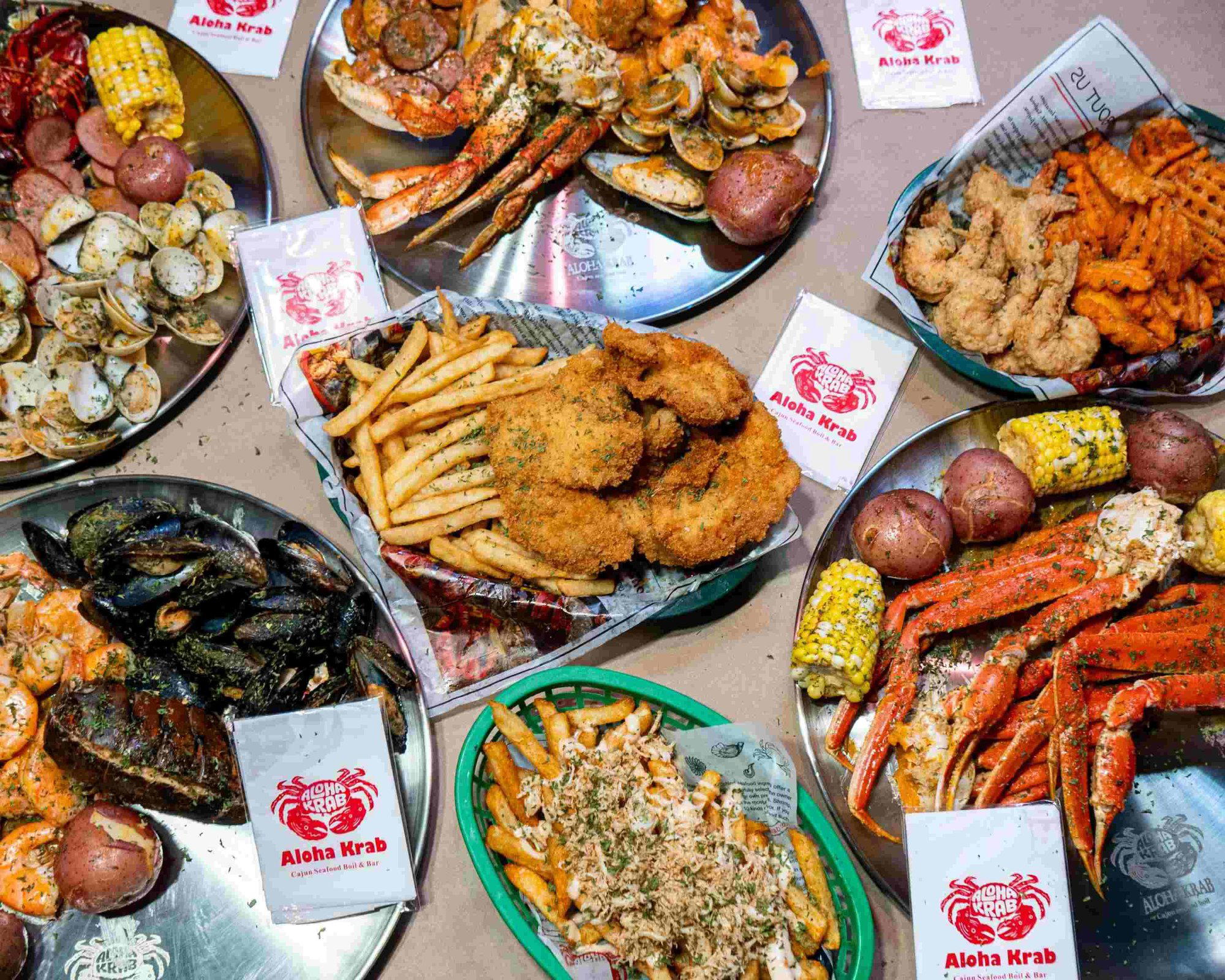
Seafood Boil Culture and the Mall Dining Shift
The American seafood boil format has traveled a long way from its Louisiana and Gulf Coast origins. What began as a communal backyard tradition, built around whole crustaceans, corn, sausage, and heavily spiced cooking liquid poured directly onto newspaper-covered tables, has since been carried into suburban retail centers across the country. Cheektowaga's Walden Galleria, a regional mall that draws from a broad western New York catchment, now hosts one of those outposts in Aloha Krab at Suite P103. The format here belongs to a recognizable national category: order by weight, choose your heat level and sauce base, receive your seafood in a sealed bag still steaming from the pot.
This approach to ingredient-forward cooking is, at its core, about the raw material. In the boil tradition, sauce and spice do significant work, but the underlying quality of the shellfish, whether crab, shrimp, crawfish, or lobster, determines whether the dish delivers on its premise. The leading versions of this format, from Gulf Coast originals to the Southeast Asian-influenced boil houses that proliferated across American cities in the 2010s, made their name by sourcing live or fresh-chilled product and adjusting seasoning to complement rather than mask it.
Where Aloha Krab Sits in the Regional Dining Scene
Cheektowaga's dining circuit largely operates in the casual-to-mid-range tier, with the Galleria functioning as a gravitational center for the suburb's food traffic. Within that context, a seafood boil concept occupies a specific niche: it is priced and formatted to compete with fast-casual and casual sit-down options, while the ingredient itself, shellfish sold by weight, carries a higher perceived value than a burger or pizza equivalent. For western New York, that positioning matters. The region does not have a deep tradition of Gulf-style boil houses, which makes the format relatively novel rather than oversaturated.
For context on how the broader American seafood restaurant spectrum looks, the distance between a mall boil concept and the upper end of ingredient-driven seafood dining is considerable. Operations like Le Bernardin in New York City or Providence in Los Angeles represent the apex of sourcing-driven seafood in the country, where provenance, season, and preparation precision define the experience. Closer to the farm-and-source model, places like Blue Hill at Stone Barns in Tarrytown and Single Thread Farm in Healdsburg have made ingredient origin the entire editorial argument of the meal. Aloha Krab operates in an entirely different register, but the underlying logic of the boil format, that quality shellfish needs minimal intervention beyond heat and seasoning, is a version of the same sourcing philosophy applied at a mass-market price point.
Across the country, the seafood boil segment has drawn comparisons to the ramen and poke waves that preceded it: a regional American or immigrant food tradition reformatted for national rollout, with varying results depending on how faithfully individual operators maintain the sourcing standards of the original. The leading operators in this category work with suppliers who can deliver consistent live shellfish; the weakest rely on frozen product that the sauce has to rescue. Which end of that spectrum any given location occupies is the key question a first-time visitor should bring to the table.
The Ingredient Question in Seafood Boil Format
Gulf seafood, snow crab legs, king crab, and shrimp each have distinct sourcing geographies that affect price and quality across the calendar year. Snow crab, a dominant menu item in this format, comes primarily from the Bering Sea and North Atlantic fisheries, with availability and price sensitive to annual quota decisions. King crab tracks similar dynamics. Gulf shrimp, when genuinely sourced from domestic Gulf Coast fisheries rather than farmed imports, carries a flavor profile that holds up better in the boil environment. Crawfish, especially seasonally constrained among the main boil proteins, runs roughly February through late spring from Louisiana sources.
The seasoning architecture of a seafood boil also has regional identity. Cajun spice blends, Creole bases, and garlic-butter sauces each carry specific flavor profiles with roots in distinct Louisiana cooking traditions. The garlic-butter preparation, which has become one commercially ubiquitous option in the national boil-house wave, moves furthest from the original spiced-broth tradition but tends to be particularly approachable for first-time customers. Heat levels in these formats are typically tiered, and the mild end of the spectrum is genuinely mild, while the higher tiers are calibrated for customers who eat spicy food regularly.
Planning a Visit
Aloha Krab occupies Suite P103 at 1 Walden Galleria in Cheektowaga, NY 14225, placing it within the mall's main retail flow. Mall dining generally means accessible parking and consistent foot traffic, and the Galleria's size means the venue benefits from built-in discovery by shoppers who were not necessarily planning a sit-down meal. For a seafood boil format, that casual drop-in dynamic aligns with the format's own logic: it is walk-in friendly and oriented around appetite and convenience. For a comparison within the same suburb's casual tier, Wingnutz Buffalo represents a different end of the comfort-food spectrum with its wing-focused menu.
Those coming from further afield, whether passing through Buffalo or traveling from the city itself, can consider the regional dining options against a wider American frame. Ingredient-focused casual concepts like this operate differently from the tasting-menu tier represented by places such as Lazy Bear in San Francisco, Smyth in Chicago, Atomix in New York City, The French Laundry in Napa, Addison in San Diego, or The Inn at Little Washington. The sourcing conversation is expressed here in a direct form: the shellfish itself, in the bag, at the table. For seafood-focused dining at the ingredient-driven end of the casual spectrum, comparisons might also extend to Oyster Oyster in Washington, D.C. or, at a different price point, ITAMAE in Miami. Other American restaurants that have made sourcing central to their identity, including Emeril's in New Orleans, Frasca Food and Wine in Boulder, The Wolf's Tailor in Denver, and Atelier Moessmer Norbert Niederkofler in Brunico, illustrate the broader range of forms that ingredient-first cooking can take across price tiers and geographies.
At-a-Glance Comparison
Comparable venues nearby, for context on price, style, and recognition.
| Venue | Cuisine | Price | Notes |
|---|---|---|---|
| Aloha KrabThis venue — the venue you are viewing | Cajun Seafood Boil | $$ | Not listed |
| Wingnutz Buffalo | Buffalo Wings Bar & Grill | $$ | Cheektowaga |
| Astoria Seafood | Seafood Market & Grill | $$ | Long Island City |
| Paulie Gee’s | Neapolitan-Inspired Pizza | $$ | Gowanus |
| Toutant | Southern American Comfort | $$ | Central |
| Corwith’s Farmstand | Dining | Not listed | Water Mill |
Continue exploring
More in Cheektowaga
Restaurants in Cheektowaga
Browse all →
Bars in Cheektowaga
Browse all →
Hotels in Cheektowaga
Browse all →

At a Glance
- Lively
- Energetic
- Group Dining
- Casual Hangout
- Craft Cocktails
Current opening hours
- Monday
- 11 AM–10 PM
- Tuesday
- 11 AM–10 PM
- Wednesday
- 11 AM–10 PM
- Thursday
- 11 AM–10 PM
- Friday
- 11 AM–11 PM
- Saturday
- 11 AM–11 PM
- Sunday
- 11 AM–10 PM
Hours can change for holidays and private events. Last verified .
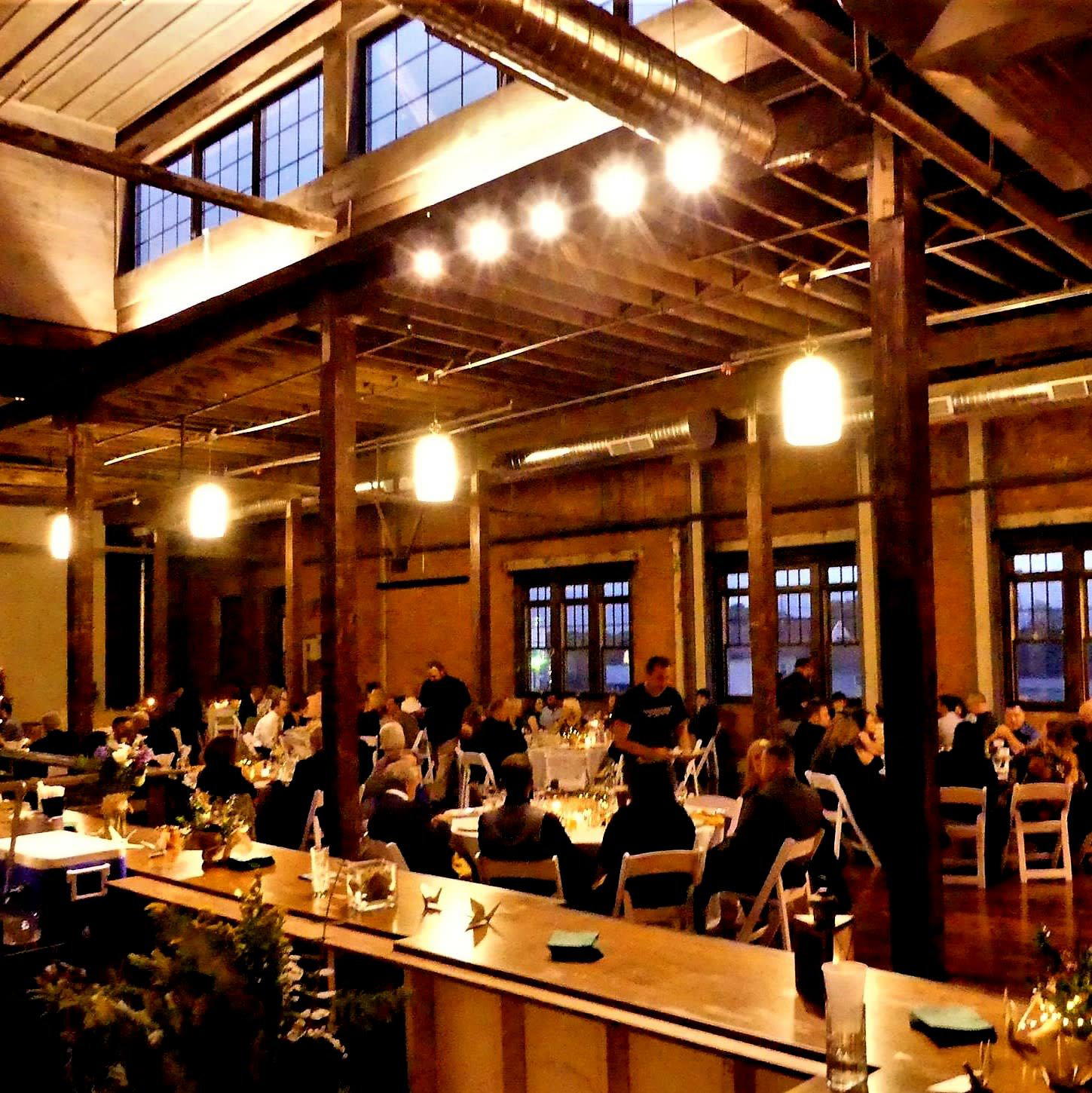
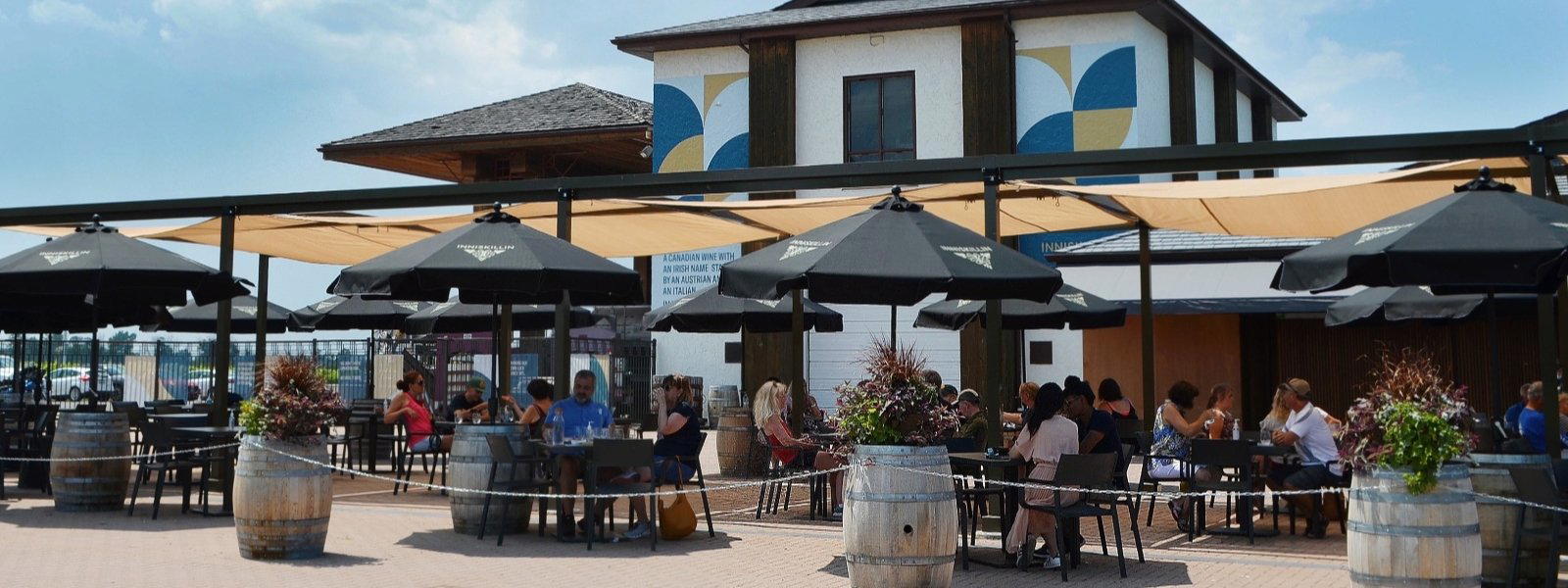
Lively environment with friendly service and a casual, energetic atmosphere.