duende at Silo City
Set inside a converted industrial grain complex on Buffalo's waterfront, duende at Silo City occupies a category that few American bars can claim: a genuine community anchor inside a working cultural campus. The venue draws from the same Silo City spirit that has made the complex a focal point for the city's creative quarter, positioning it closer to neighbourhood institution than destination bar.

Pearl is the En Primeur Club membership app — saves, bookings, and concierge access live there. Same editors, same standards.
- Address
- 85 Silo City Row, Buffalo, NY 14203
- Phone
- (716) 235-8380
- Hours
- Mon ClosedTue–Wed 4–9 PMThu 4–10 PMFri 4–11 PMSat 12–11 PMSun 1–8 PM
- Website
- duendesilo.city
- Directions
- Get directions
- Booking
- Book on the venue's website
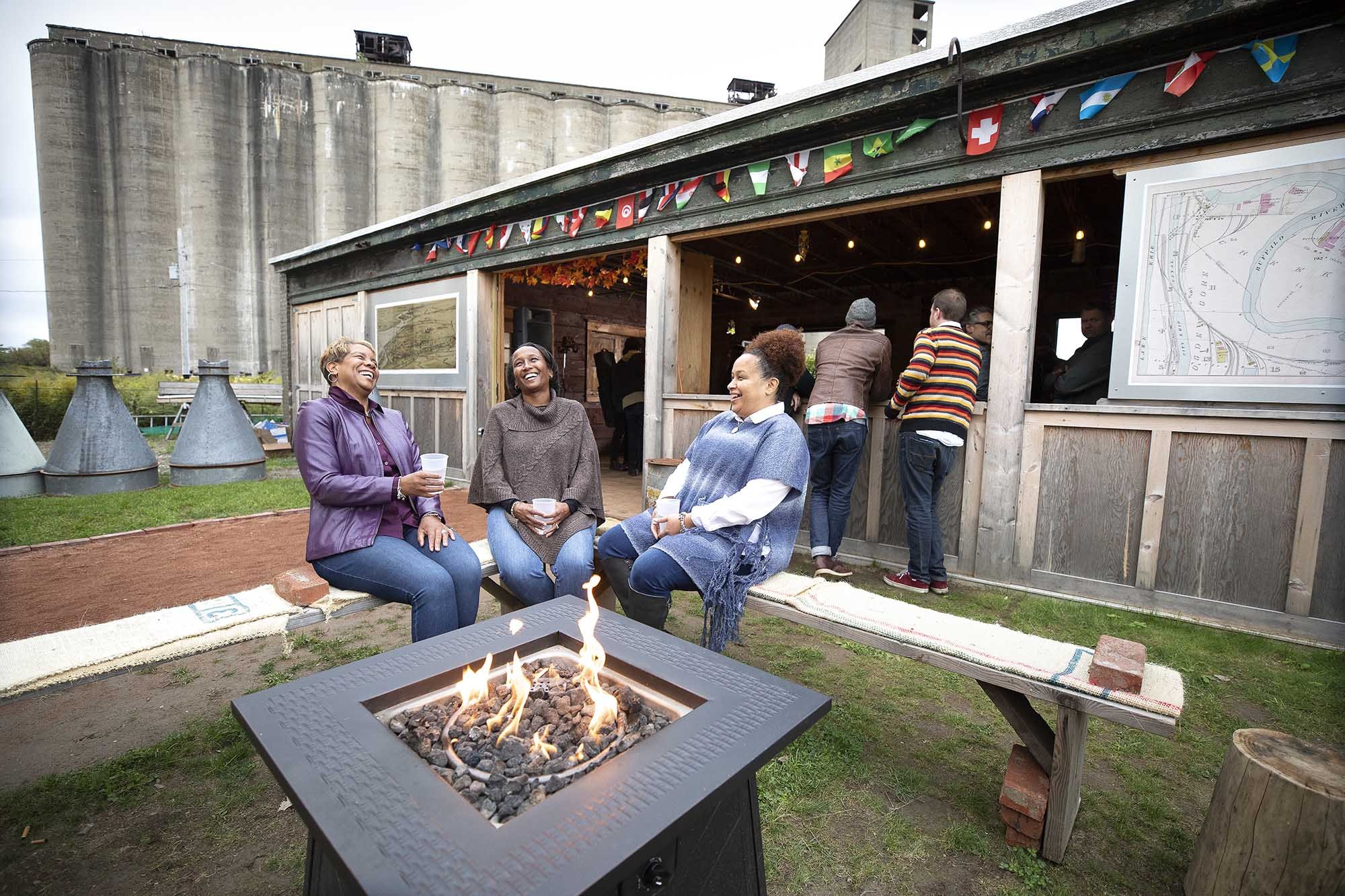
Grain Elevators and a Gathering Place
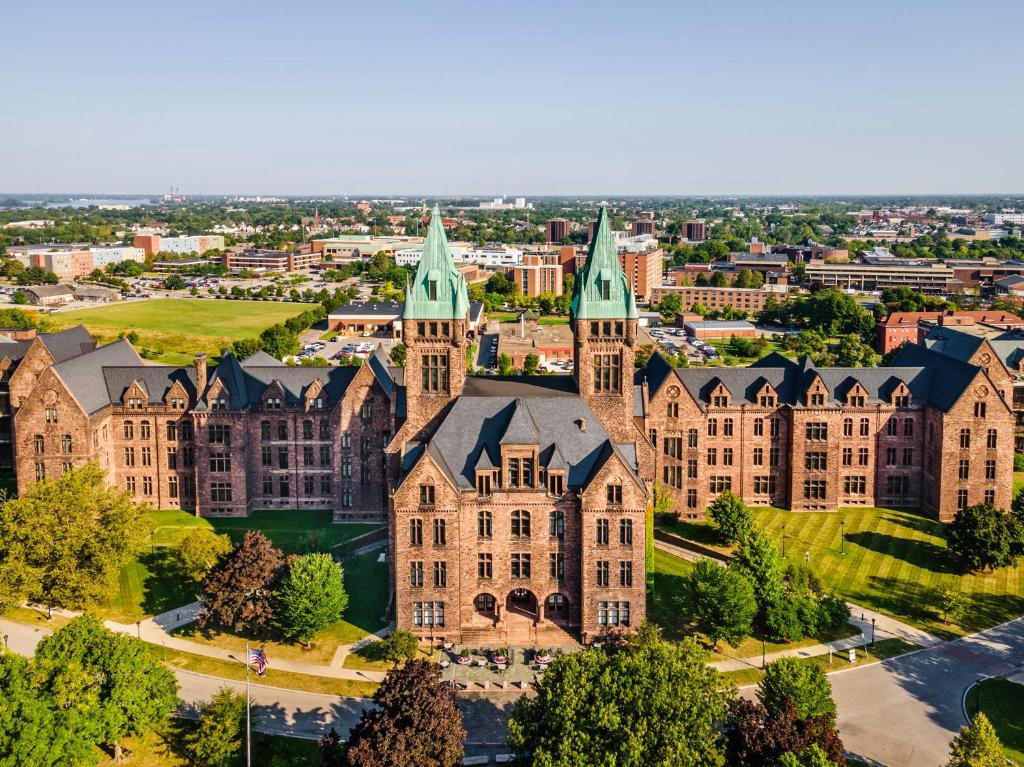
Buffalo's waterfront has been reshaping its identity for years, and nowhere is that shift more legible than at Silo City, the adaptive-reuse complex at 85 Silo City Row where a cluster of early twentieth-century grain elevators now functions as performance venue, arts campus, and neighbourhood destination. duende sits inside that complex, which means it occupies a physical context that most bars across the country cannot replicate: concrete silos rising sixty-plus feet, industrial scale softened by programming and community use. Walking in from the waterfront, the architecture does the atmospheric work before a single drink arrives.
This is not incidental. Bars that take root inside working cultural campuses tend to develop a different social grammar than standalone venues. The crowd is not assembled by a reservations algorithm or a publicist's invite list. It includes the people who just attended a reading, a concert, or a site-specific performance in one of the adjacent spaces. That mix, and the relative remove from downtown Buffalo's bar corridor, gives duende a neighbourhood-watering-hole character that downtown venues with identical programming rarely achieve.
Where duende Fits in the Buffalo Bar Scene
Buffalo's bar culture spans a broad range, from legacy taverns like Adolf's Old First Ward Tavern anchoring the South Buffalo working-class tradition, to the Allentown corridor staples such as Allen St Hardware Cafe and Betty's that serve the city's arts-adjacent residential population. On the national recognition side, Anchor Bar functions as a tourist-oriented institution rather than a local gathering point. duende reads as something different from all three: a venue whose identity is shaped by its container, the Silo City campus, as much as by anything on the menu.
Bars that succeed by embedding themselves in a specific cultural infrastructure, rather than by leading with cocktail innovation or a famous kitchen attachment, are relatively rare. In American terms, this model surfaces occasionally: Kumiko in Chicago and Bar Leather Apron in Honolulu both developed strong local-anchor identities, but neither operates inside a repurposed industrial campus in the way duende does. Closer in spirit, perhaps, to the community-embedded model you find at ABV in San Francisco, which built its reputation as much on neighbourhood function as on any single programme element.
The Silo City Effect on Community Bars
Adaptive-reuse venues present a specific challenge for bars: the architecture generates its own footfall, but it also sets expectations. Visitors come already attuned to the idea that the setting is the point. A bar that merely coasts on that framing tends to feel underpowered. The ones that hold up are those where the programming, the staff's familiarity with regulars, and the pace of service all reinforce the sense that this is a place people return to, not just pass through.
Bars inside arts and cultural campuses in other cities have faced the same dynamic. Jewel of the South in New Orleans operates in a historically resonant space and has had to develop serious cocktail credentials to justify the setting rather than trade on it. Julep in Houston and Superbueno in New York City both staked their reputations on programme depth rather than address. At duende, the Silo City context operates as both asset and raised bar: the building earns attention; the bar has to retain it.
What the Waterfront Location Means in Practice
Silo City sits on the Buffalo River at the eastern edge of the waterfront, removed from the Erie Canal Harbour and the more tourist-trafficked stretches of the lakefront. That geographic position shapes who shows up and when. The location draws a more deliberate crowd, people who made a specific decision to come here rather than ones who wandered in from a hotel or a sports event. For a bar aiming at neighbourhood-institution status rather than broad visibility, that self-selecting audience is a resource. Venues elsewhere in the country that attract a similarly intentional crowd, like The Parlour in Frankfurt, tend to develop loyal regulars precisely because the effort of arrival creates a different relationship with the space.
Access by car is direct, but the site's industrial setting means parking and approach follow campus logic rather than street-bar logic. Checking Silo City's event calendar before visiting is practical: evenings when a performance or event is scheduled in the adjacent spaces tend to animate the wider campus, which changes the atmosphere at duende considerably. The full range of what Buffalo offers across its bar and dining scene is mapped in the EP Club Buffalo guide.
Planning a Visit
Given the venue's alignment with the Silo City programming calendar, timing a visit around a cultural event on campus is the most reliable way to experience the space at its most social. The waterfront setting means evenings from late spring through early autumn are when the exterior context reinforces the interior one. In winter, when Buffalo's weather compresses activity, the enclosed industrial architecture takes on a different register, more insular and atmospheric in a way that suits a longer evening rather than a quick stop.
Because the venue's phone and web details are not publicly listed through standard channels, checking the Silo City main website for current programming and bar hours before travelling is advisable. The campus does not operate on a conventional bar-district schedule, and hours may shift depending on what is running in the performance spaces.
At a Glance
Comparable venues nearby, for context on price, style, and recognition.
| Venue | Cuisine | Price | Notes |
|---|---|---|---|
| duende at Silo CityThis venue — the venue you are viewing | Not listed | $10–20 | Not listed |
| Founding Fathers Pub | Allentown, pub | $20–30 | Not listed |
| Adolf's Old First Ward Tavern | First Ward, pub | $20–30 | Not listed |
| Moor Room | Not listed | $10–20 | North Park, beer_bar |
| Big Ditch Brewing Company | Not listed | $20–30 | Central, beer_bar |
Continue exploring
More in Buffalo
Bars in Buffalo
Browse all →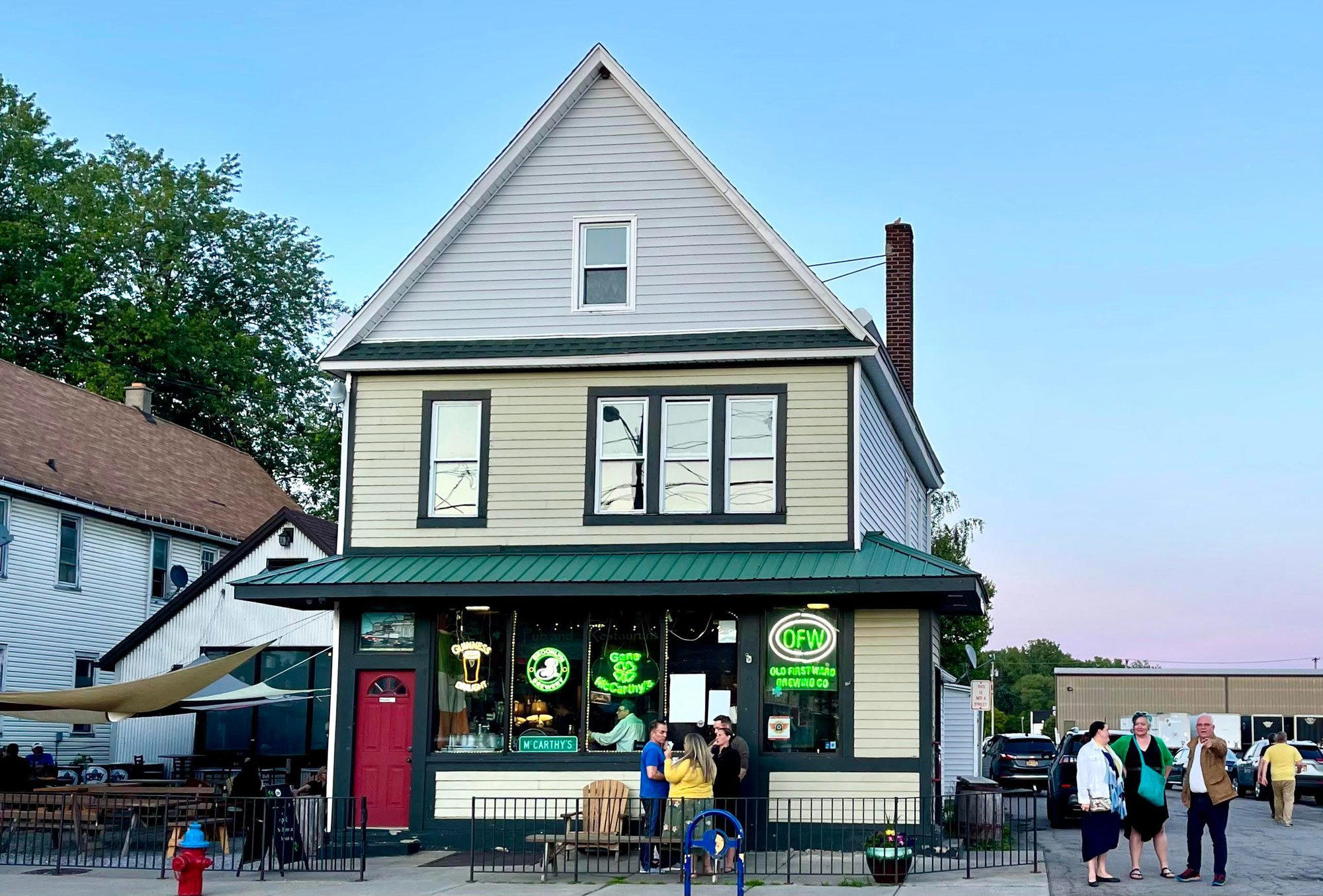
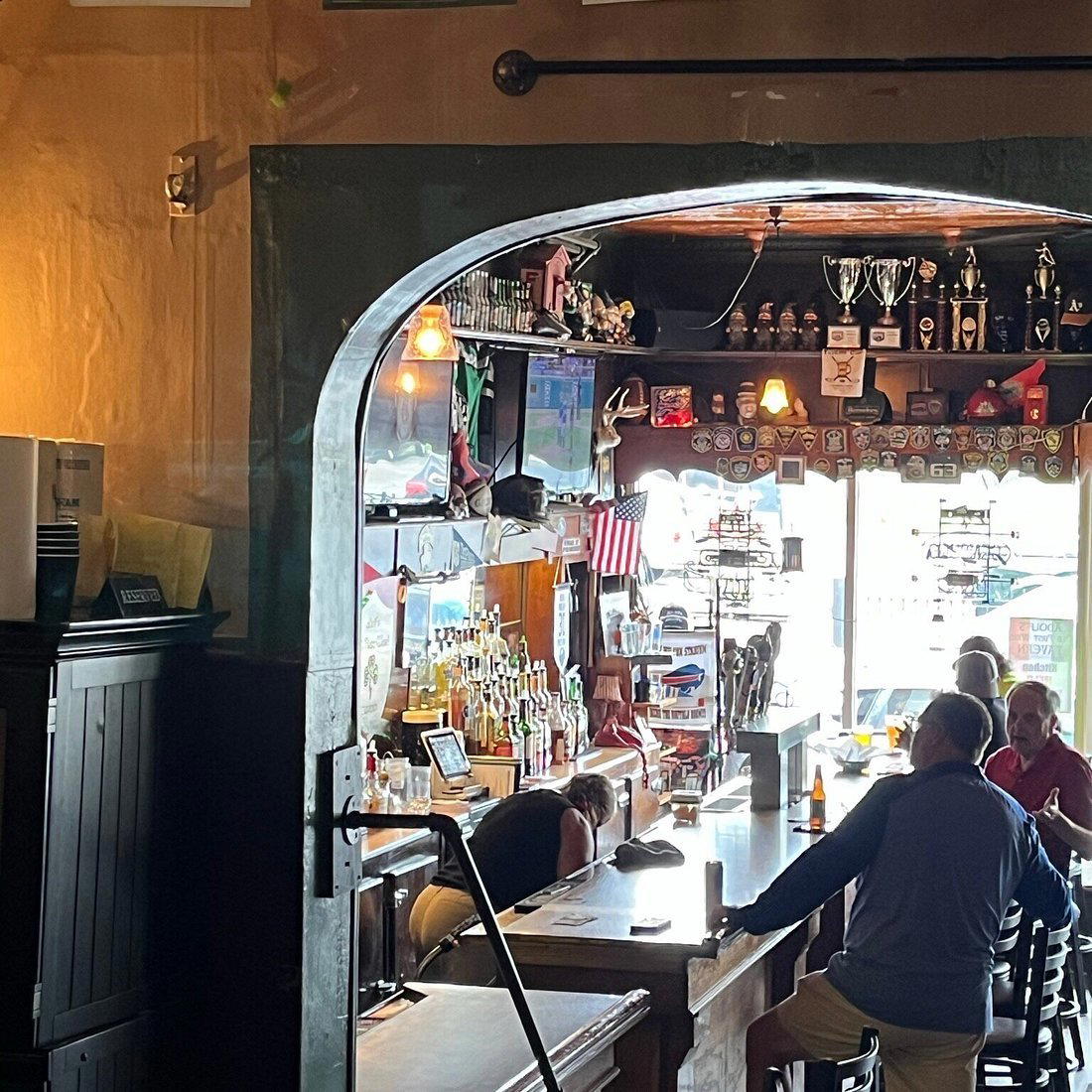
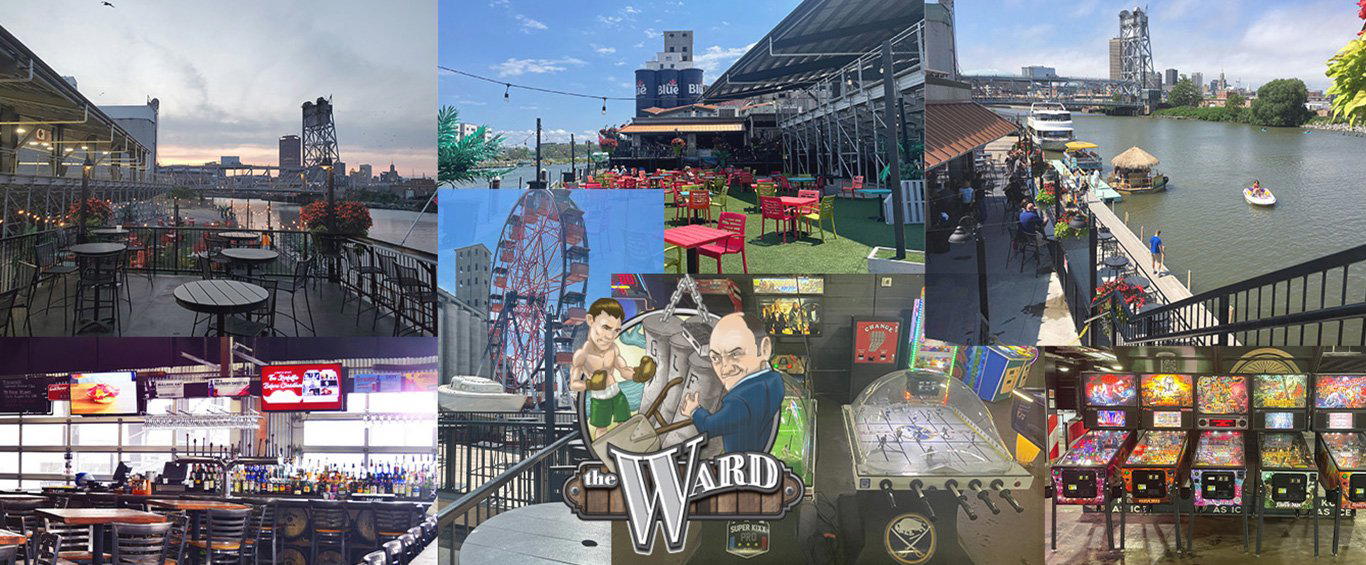
Restaurants in Buffalo
Browse all →
Hotels in Buffalo
Browse all →

Details
- Industrial
- Rustic
- Scenic
- Cozy
- Casual Hangout
- Group Outing
- Live Music
- Waterfront
- Historic Building
- Outdoor Terrace
- Lounge Seating
- Seated Bar
- Craft Cocktails
- Classic Cocktails
- Waterfront
Current opening hours
- Monday
- Closed
- Tuesday
- 4–9 PM
- Wednesday
- 4–9 PM
- Thursday
- 4–10 PM
- Friday
- 4–11 PM
- Saturday
- 12–11 PM
- Sunday
- 1–8 PM
Hours can change for holidays and private events. Last verified .
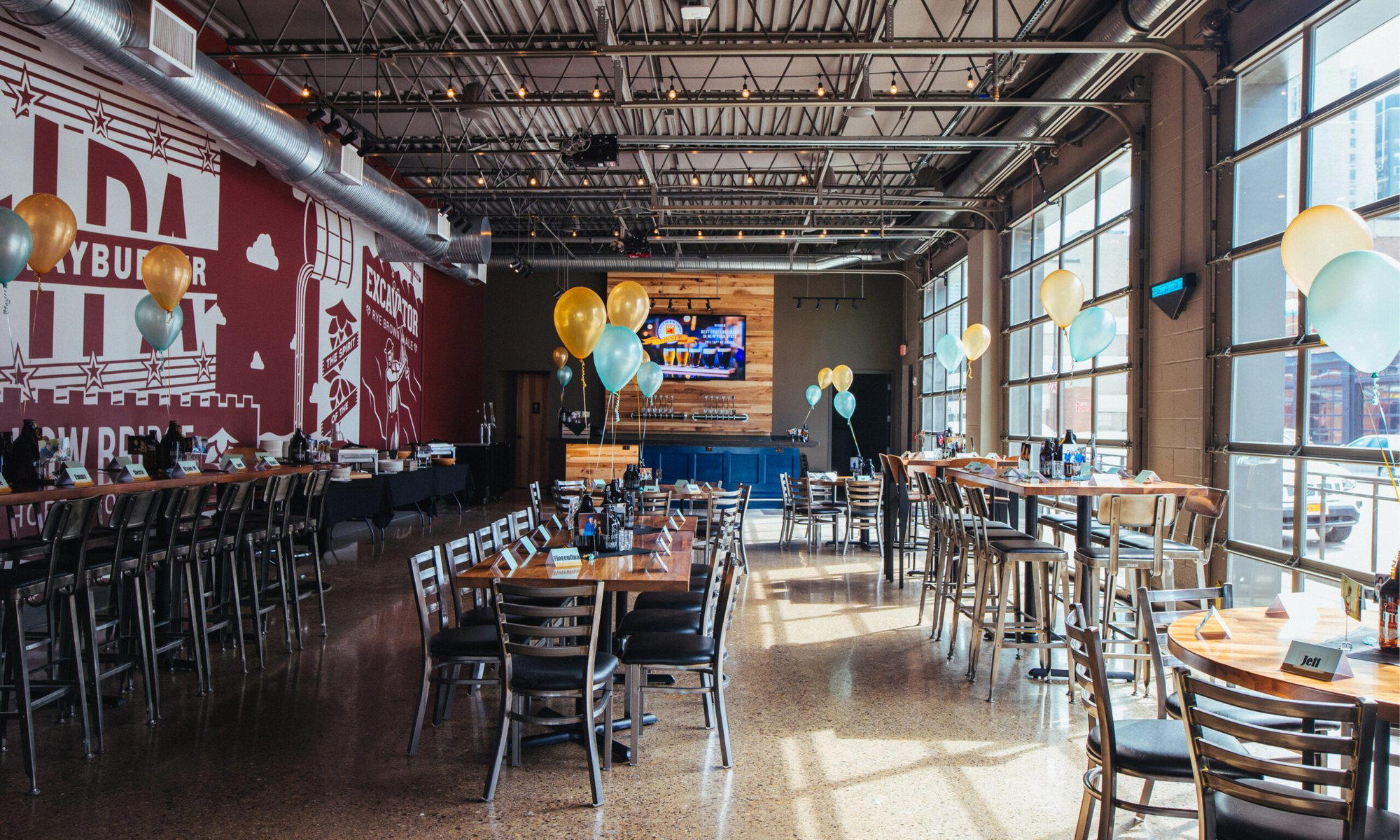
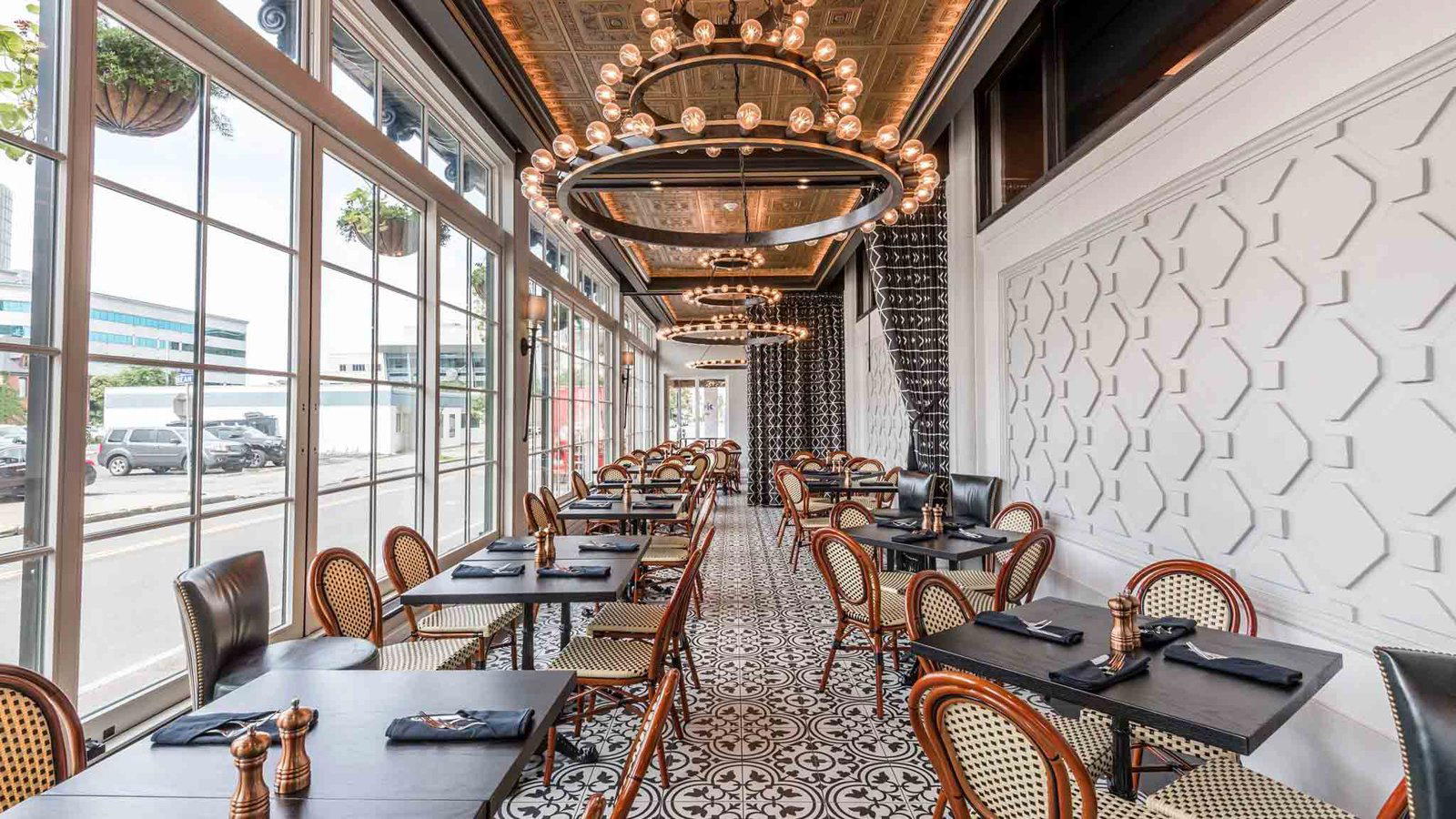
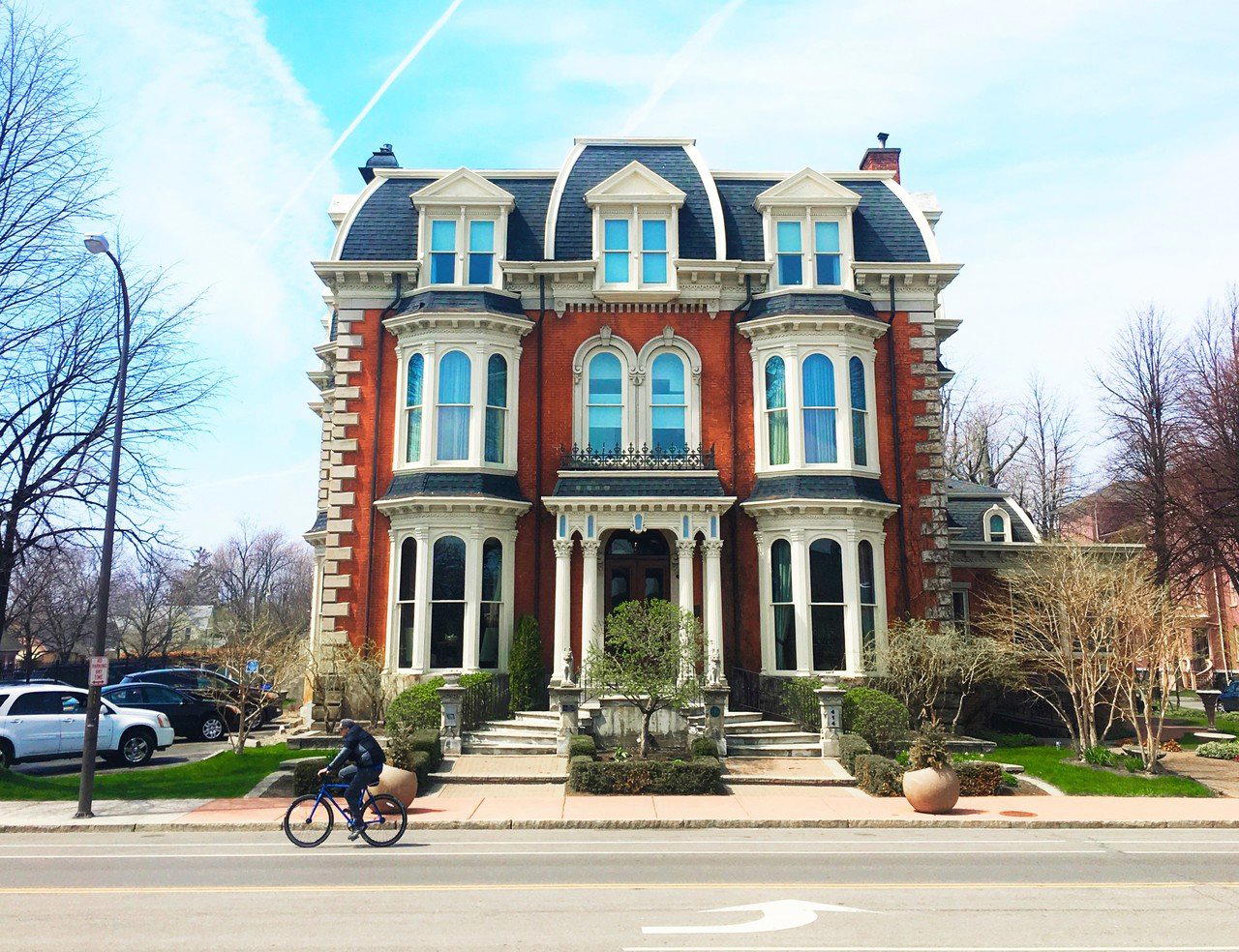
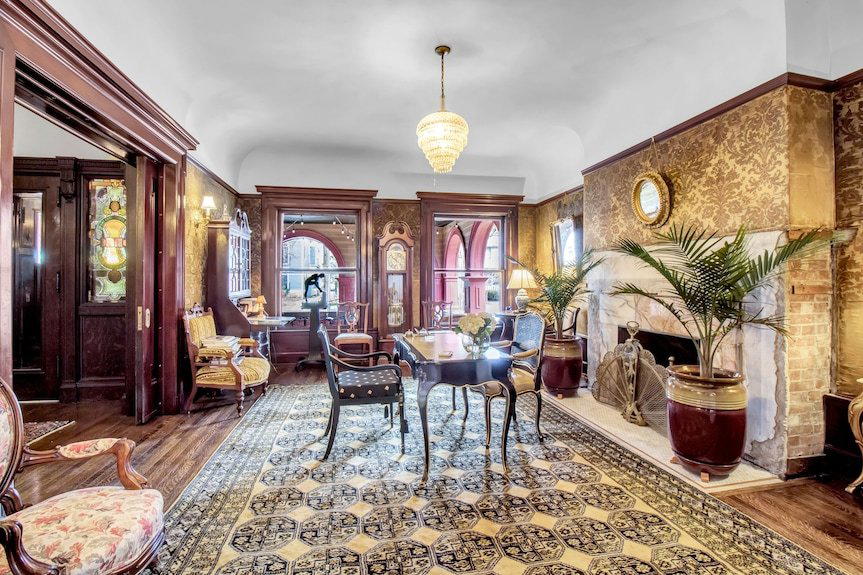
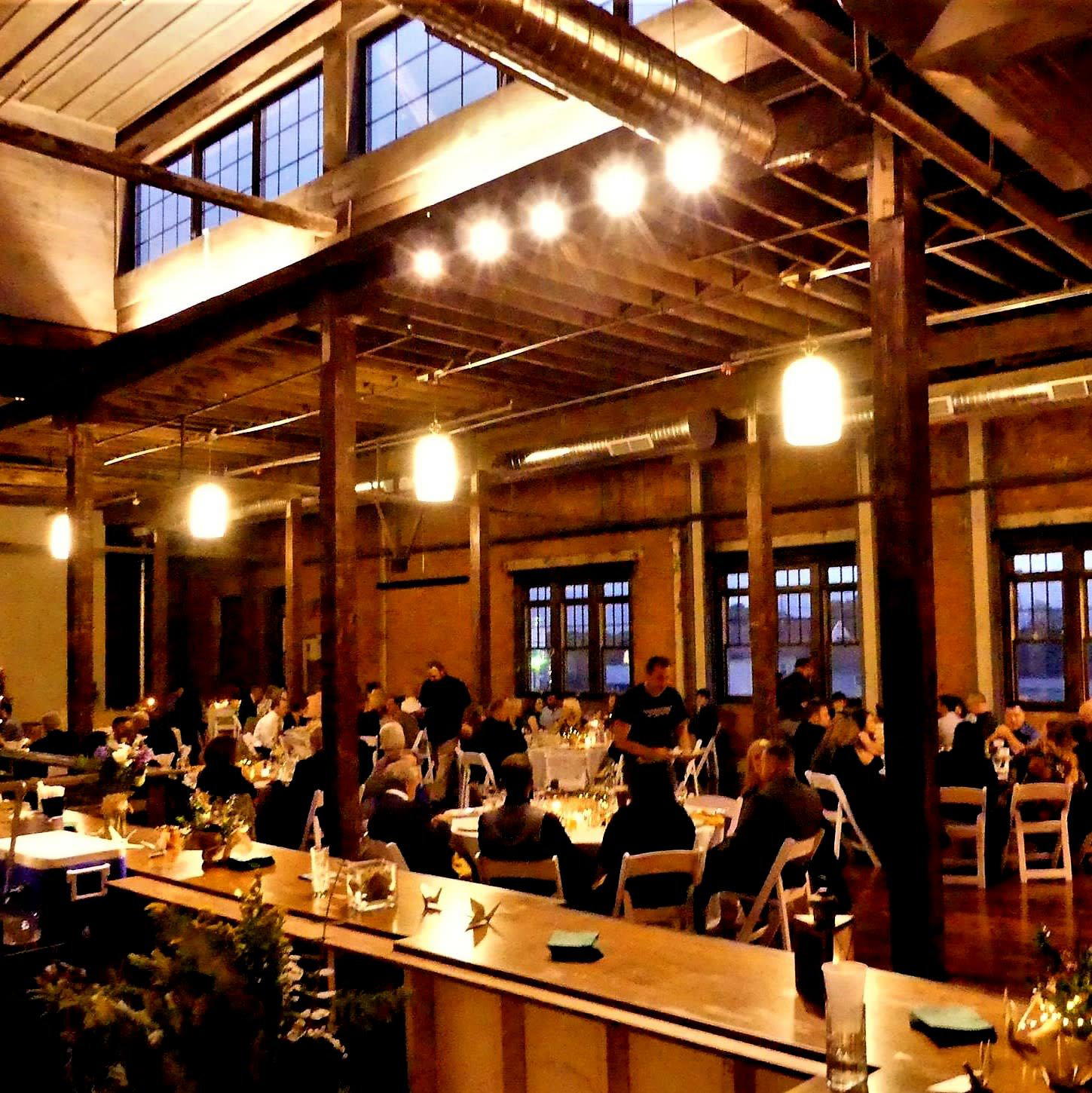
Rugged industrial design with reclaimed materials, cozy eclectic décor, and lively atmosphere enhanced by live music and silo surroundings.