The Mansion on Delaware Avenue
A Gilded Age mansion on Buffalo's Delaware Avenue strip, this boutique property operates in a category that sits between grand historic hotel and private residence. The building's late-19th-century architecture sets the register before you reach the door, and the intimate scale keeps it well outside the convention-hotel tier that dominates downtown Buffalo.
Pearl is the En Primeur Club membership app — saves, bookings, and concierge access live there. Same editors, same standards.
- Address
- 414 Delaware Ave, Buffalo, NY 14202
- Phone
- +1 716 886 3300
- Website
- themansionondelaware.com
- Directions
- Get directions
 Saves & bookings on Pearl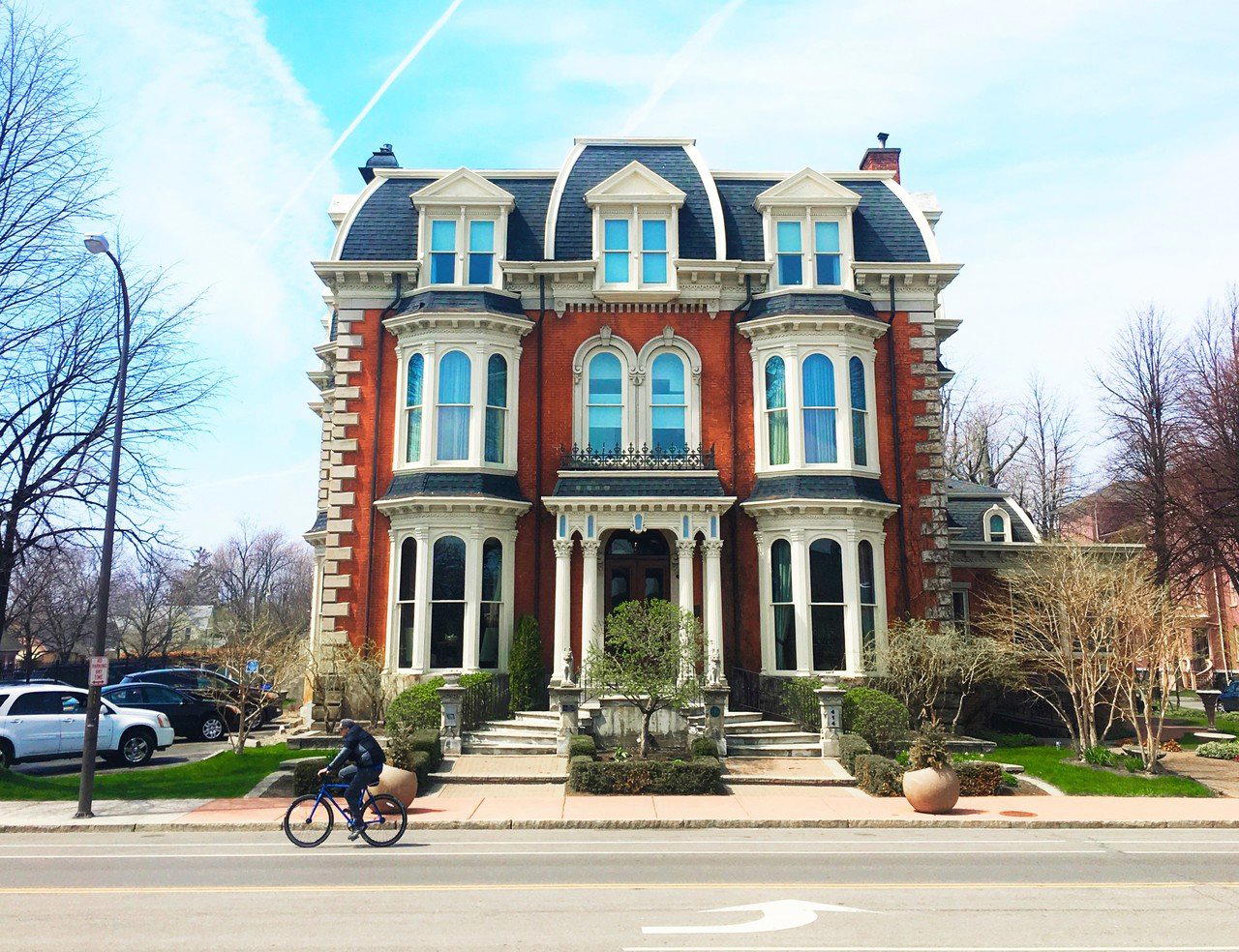
Delaware Avenue and the Architecture of Arrival
Buffalo's Delaware Avenue was, for roughly four decades straddling the turn of the 20th century, one of the more ambitious residential streets in the American Northeast. The families who built here were not merely wealthy — they were competing in a specific idiom of civic aspiration, commissioning elaborate masonry facades and interiors that signaled permanence rather than ostentation. The Mansion on Delaware Avenue, at 414 Delaware Ave, is a surviving example of that tradition: a property whose architecture communicates something about the street's former register before a guest crosses the threshold.
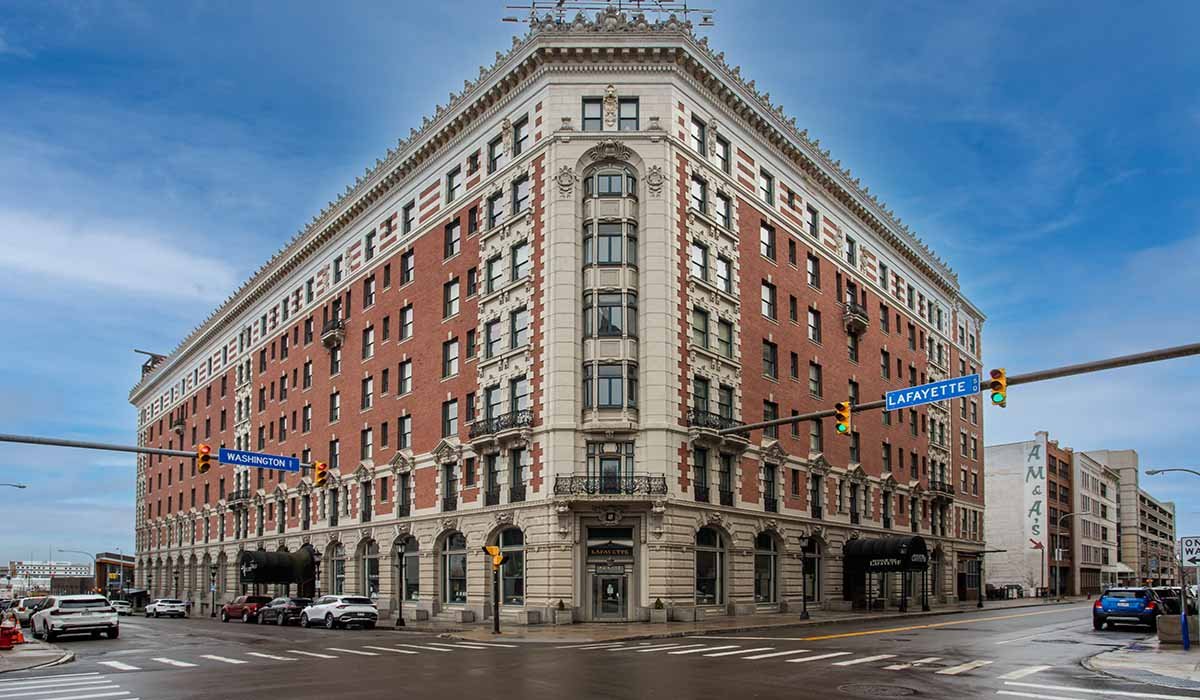
That context matters when placing this property within Buffalo's accommodation picture. The city's hotel stock spans a familiar range — the Curtiss Hotel operates as an art-deco conversion downtown, the Hotel at the Lafayette, Trademark Collection by Wyndham occupies another grand historic shell, and the InnBuffalo off Elmwood represents the more residential bed-and-breakfast format. The Mansion sits in a specific niche: large enough to feel like a hotel, intimate enough to feel like a private house, and positioned on a street with enough architectural history to give arrival genuine weight.
The Retreat Argument for a City Property
The wellness-and-retreat framing is increasingly common in American boutique hospitality, and it cuts two ways. At purpose-built properties like Canyon Ranch Tucson or landscape-driven escapes like Amangiri in Canyon Point, the retreat premise is structural, the programming, the remoteness, and the physical environment are inseparable. At a city property, the retreat logic works differently: what it offers is decompression from the pace of travel without requiring isolation from the city itself.
The Mansion's position on Delaware Avenue is central to this. The street runs north from downtown Buffalo into the Elmwood Village neighborhood, one of the more walkable and locally oriented parts of the city, with independent restaurants, coffee shops, and green space accessible on foot. For a guest whose priority is a slower rhythm, morning walks, unhurried meals, time in a room that feels more like a private suite than a hotel box, the location does significant work. It is close enough to Buffalo's cultural and dining core to make access easy, and residential enough in character to keep the pace from becoming relentless.
Compare this to how historic-mansion boutique hotels operate elsewhere. Troutbeck in Amenia delivers a version of this format in a rural Hudson Valley setting, where the retreat logic leans on landscape. The Mansion's equivalent asset is the street itself, the mature trees, the 19th-century setbacks, the residential scale, which produces a version of decompression that is urban in origin but slower in feeling than the convention-hotel tier.
Scale, Intimacy, and the Boutique Tier
Across American boutique hospitality, properties that occupy converted historic residences tend to compete on atmosphere and intimacy rather than amenity breadth. This is a deliberate positioning: the guest who selects a 28-room converted mansion is making a different calculation than the guest who books a 300-room full-service hotel. The former is prioritizing architectural character, quieter corridors, and a sense of place that larger properties cannot replicate regardless of renovation budget.
That trade-off is worth naming directly. Purpose-built wellness resorts like Little Palm Island Resort and Spa in Little Torch Key or Sage Lodge in Pray offer structured spa facilities, fitness programming, and guided experiences as part of their core proposition. A historic mansion on a city avenue does not compete in that tier. What it offers instead is the quieter form of restoration: architectural detail worth noticing, rooms with individual character rather than identical floor plans, and a property small enough that staff-to-guest ratios stay high.
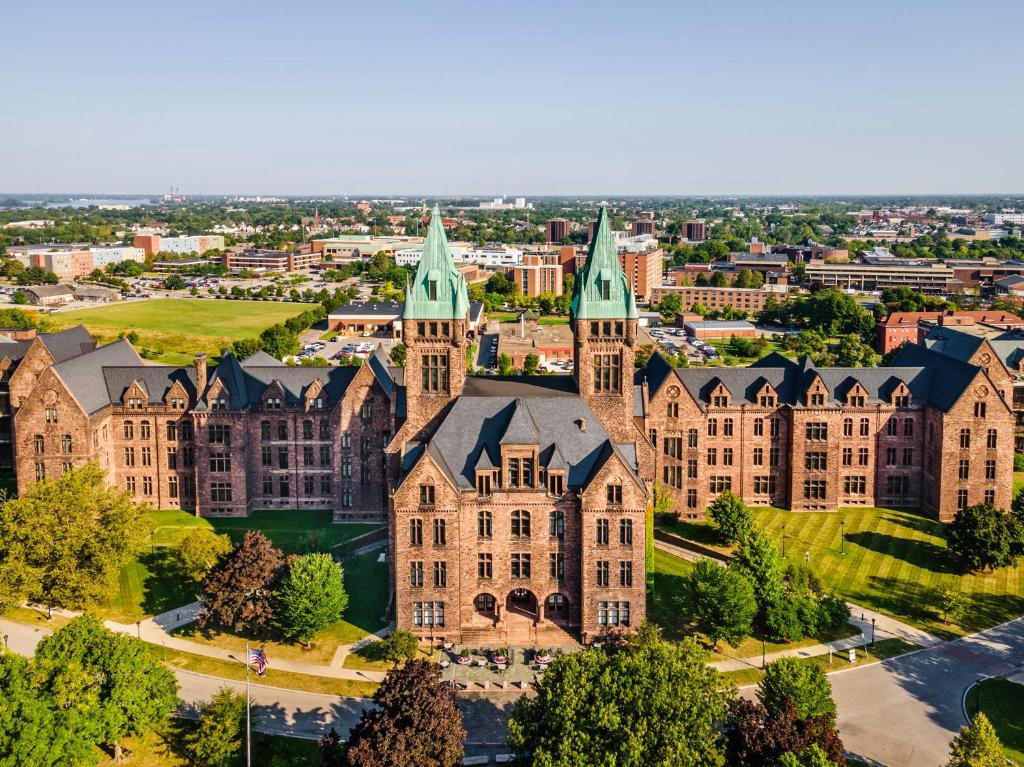
For travelers whose wellness calculus runs toward sleep quality, unhurried mornings, and environments that reward attention rather than scheduled programming, this format can outperform the purpose-built resort. The The Richardson Hotel offers another point of comparison within Buffalo, a property that also occupies a landmark building, though in a different architectural register. The Mansion's residential provenance gives it a domestic scale that larger landmark conversions cannot easily replicate.
Buffalo as a Context for Slower Travel
Buffalo tends to be underestimated as a base for deliberate travel. The city has a documented architectural heritage, Richardson's own New York State Asylum, the Darwin Martin House by Frank Lloyd Wright, and a waterfront that has been in active redevelopment for over a decade. The dining picture, covered in our full Buffalo restaurants guide, has moved well beyond the city's bar-food reputation, with independent restaurants in Elmwood Village and Allentown representing a more serious range of cooking.
For guests arriving from cities with denser cultural programming, and comparing against the kind of property this format competes with in those markets, from The Fifth Avenue Hotel in New York City to Raffles Boston in Boston, Buffalo requires a recalibration of expectations in one direction and a recalibration of assumptions in another. The pace is slower. The city is more accessible. And a property like The Mansion, on a street this historically specific, delivers a sense of place that is harder to manufacture in markets where the boutique hotel density is higher.
The seasonal dimension is worth noting. Buffalo winters are documented and significant, the property's enclosed architecture takes on a different value between November and March, when the capacity to be comfortably indoors matters. Summer and early autumn bring the Elmwood Avenue Festival of the Arts and a fuller version of the neighborhood's walkable character. Timing a visit to the shoulder season, late September into October, tends to combine manageable weather with lower visitor volumes.
Planning Your Stay
The Mansion on Delaware Avenue is located at 414 Delaware Ave, Buffalo, NY 14202, on a residential corridor that connects the downtown core to the Elmwood Village neighborhood. The street is walkable to several of Buffalo's cultural and dining destinations, which reduces dependence on transit or rental vehicles for guests whose itinerary is city-focused rather than regional. Given the boutique scale of the property, advance booking is advisable, particularly for weekend stays and the summer festival period when accommodation demand across Buffalo's independent hotel tier rises. Guests comparing options within the city's historic-property category should also consider the PARADISE RANCH for a different format at a different price register. For broader context on how properties of this type sit within the American boutique retreat spectrum, the editorial range covered by Post Ranch Inn in Big Sur, 1 Hotel San Francisco, and SingleThread Farm Inn in Healdsburg illustrates the full range of what the format can accomplish at its upper tier.
Accolades, Compared
| Venue | Awards |
|---|---|
| The Mansion on Delaware AvenueThis venue — the venue you are viewing | This venue |
Continue exploring
More in Buffalo
Hotels in Buffalo
Browse all →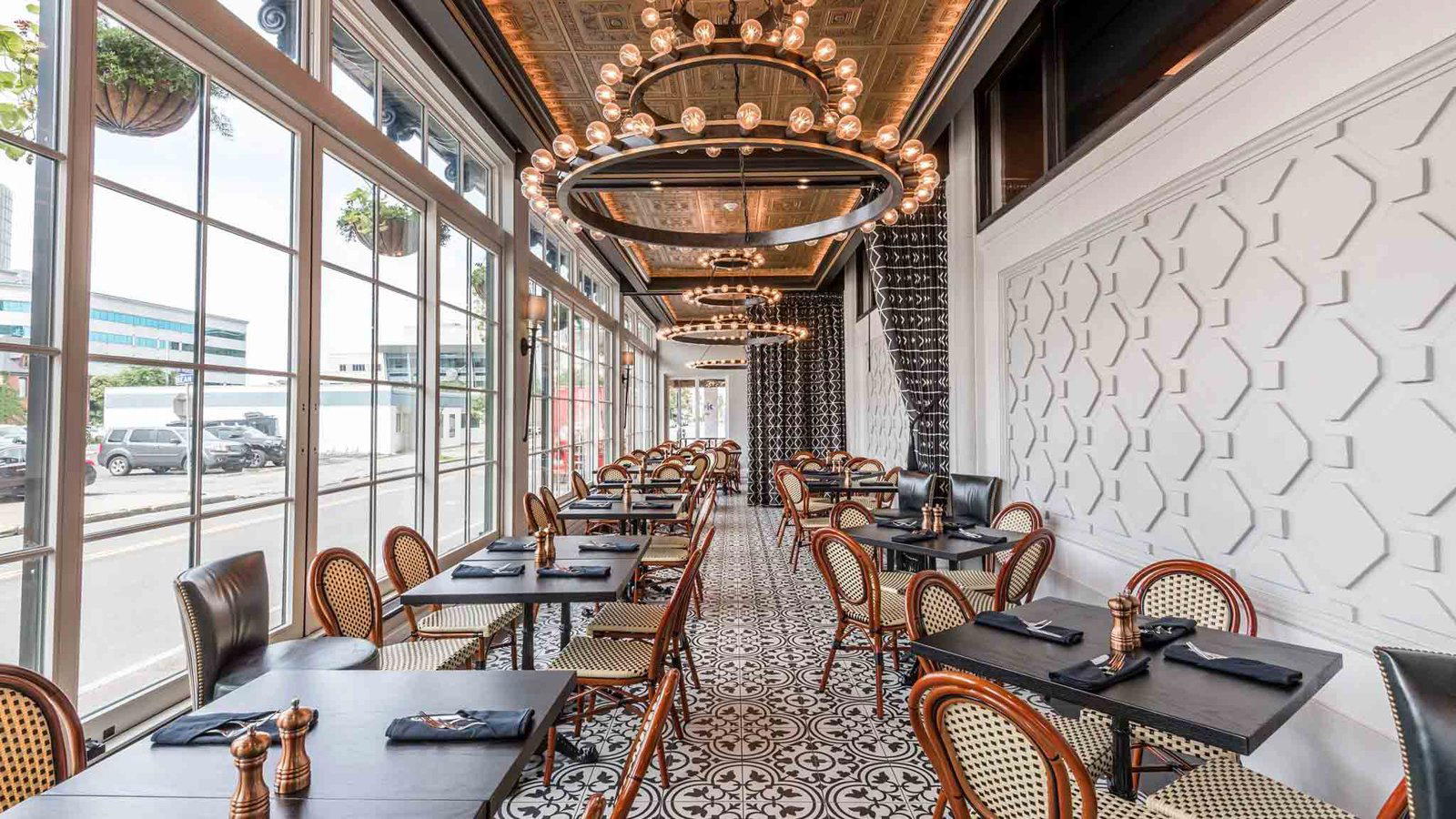
Bars in Buffalo
Browse all →
Restaurants in Buffalo
Browse all →

At a Glance
- Elegant
- Sophisticated
- Romantic
- Classic
- Ornate
- Romantic Getaway
- Anniversary
- Honeymoon
- Business Trip
- Celebration
- Historic Building
- Butler Service
- Terrace
- Wi Fi
- Fitness Center
- Concierge
- Room Service
- Business Center
- Valet Parking
- Street Scene
- Wi Fi
- Fitness Center
- Concierge
- Room Service
- Business Center
- Valet Parking
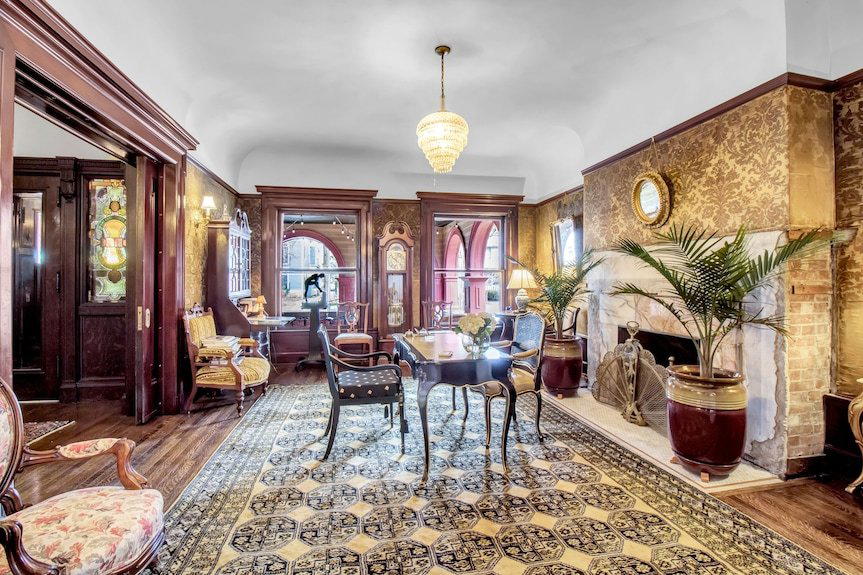
Elegant atmosphere with soaring 15-foot ceilings, nearly 200 light-soaked windows, precise architectural details, original artwork, and modern décor creating a serene, palatial feel.
Know Before You Go
- Getting there
- 414 Delaware Ave, Buffalo, NY 14202