La Fortuna

Falstaff Winery - 3 Stars
La Fortuna represents the quieter side of Montalcino wine travel: a six-generation agricultural estate where Brunello and Rosso sit inside a broader working farm of vines, olives, and durum wheat. The draw is not design spectacle but a small-scale tasting format, bilingual hospitality, and a 41-hectare land base that keeps the Brunello conversation tied to farming rather than display.

Pearl is the En Primeur Club membership app, where members save venues, book tables and use the concierge.
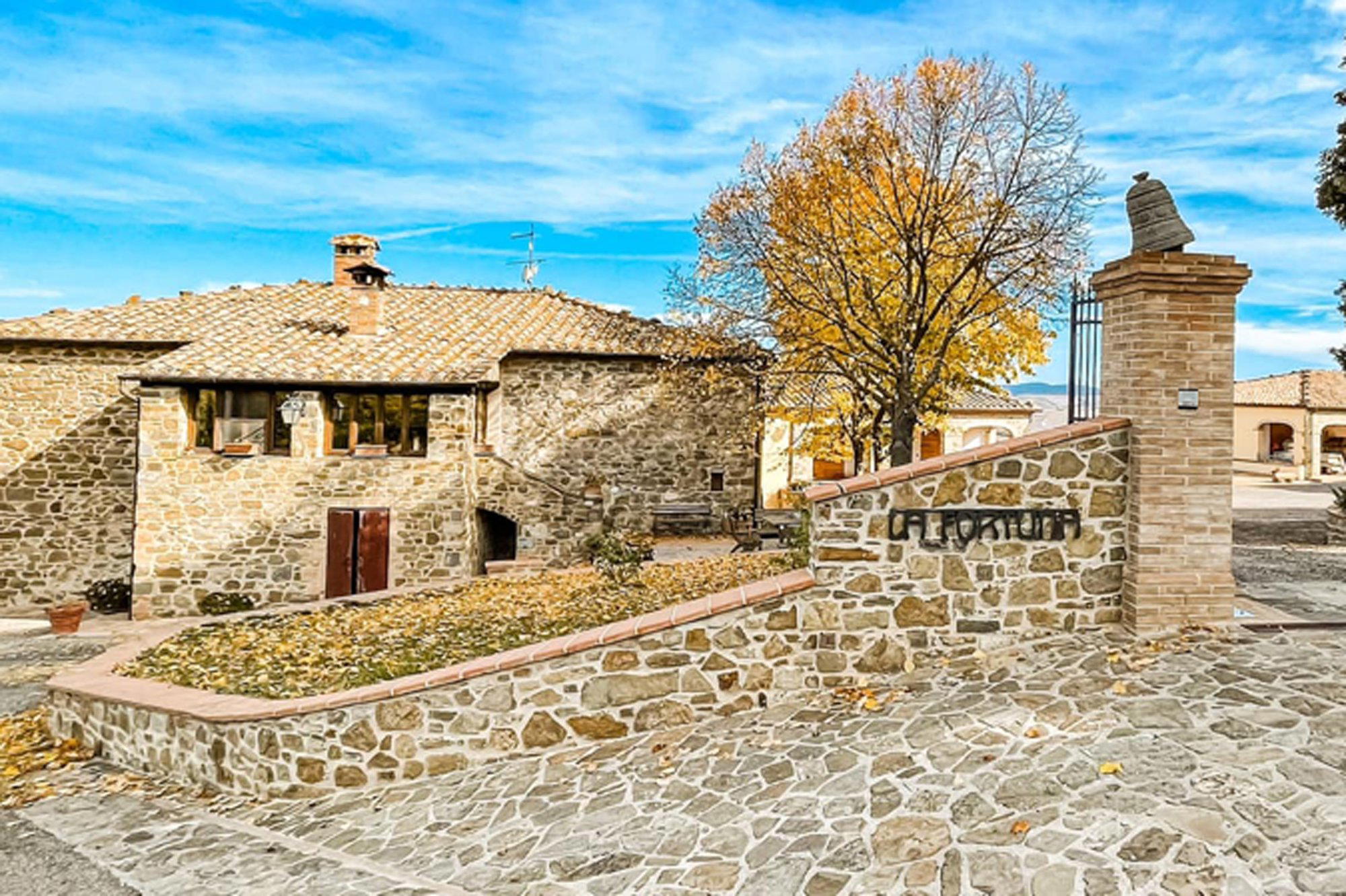
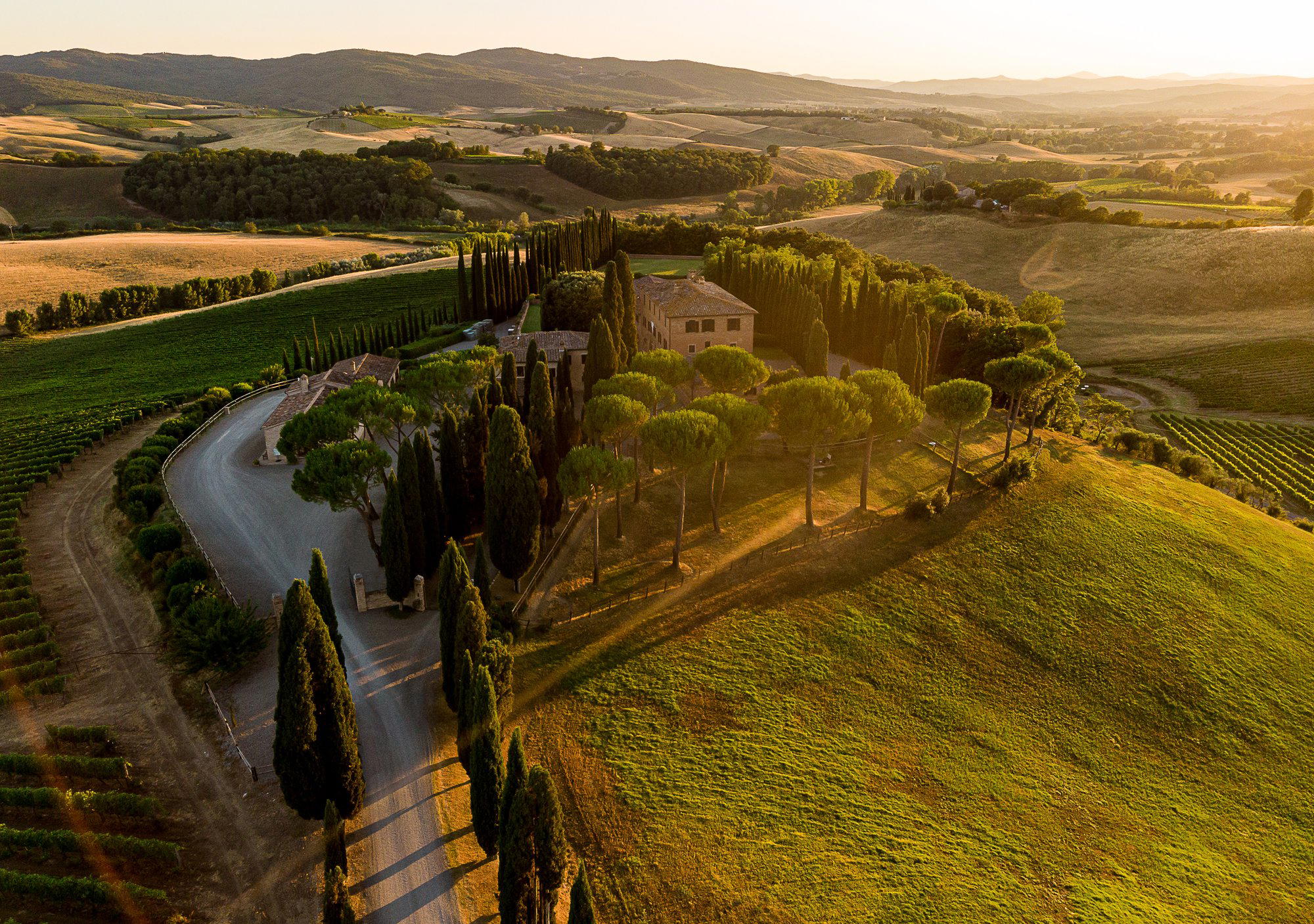
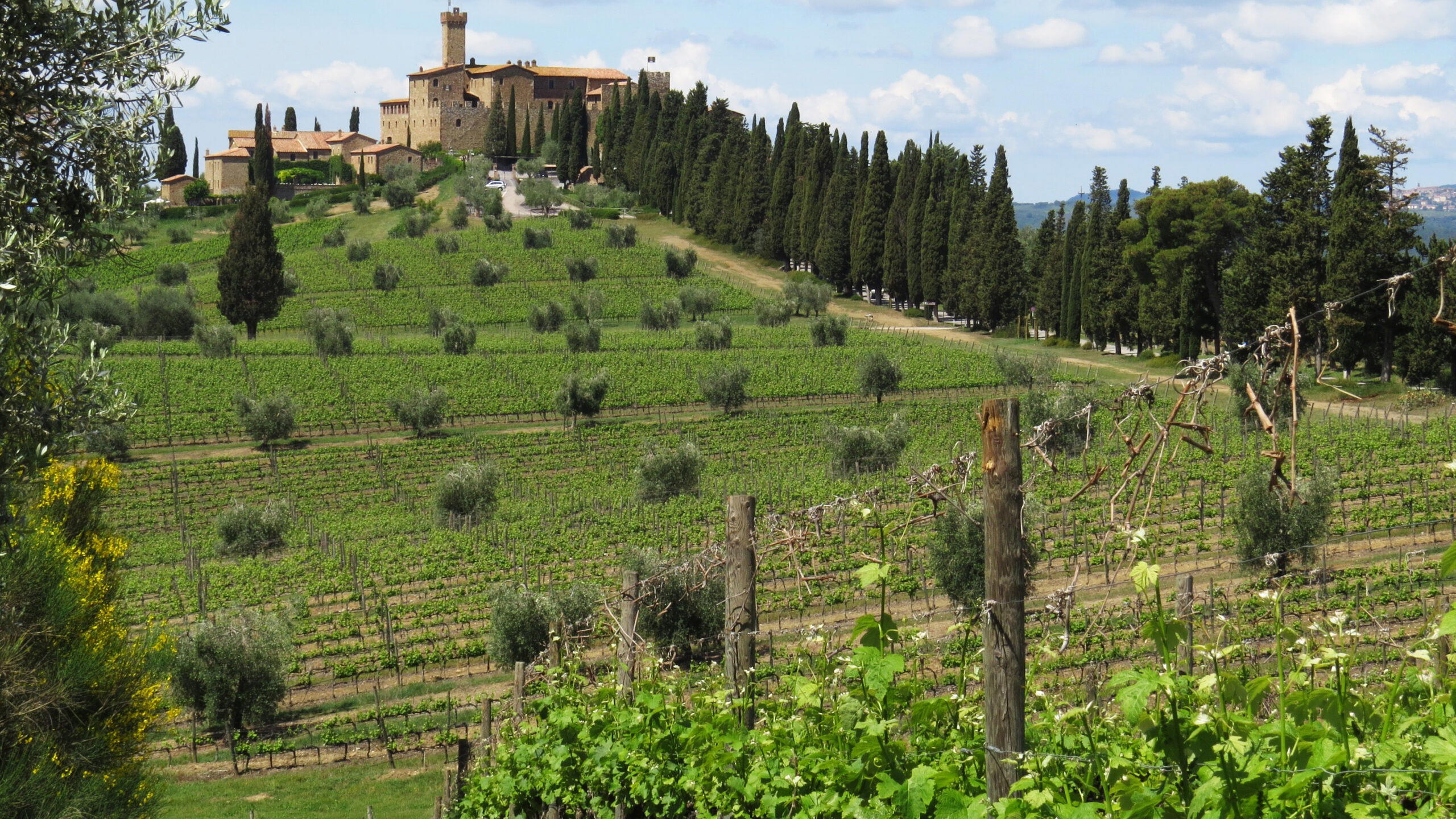
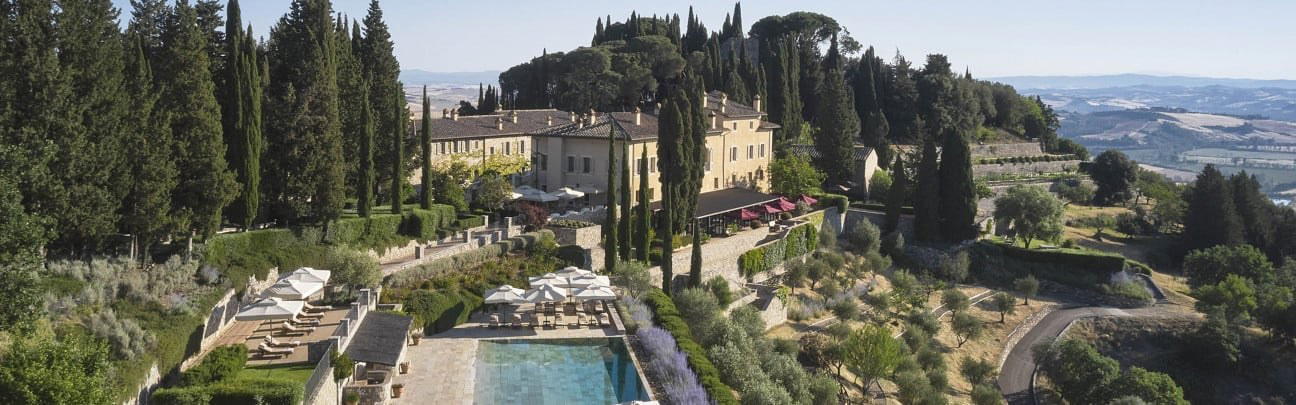
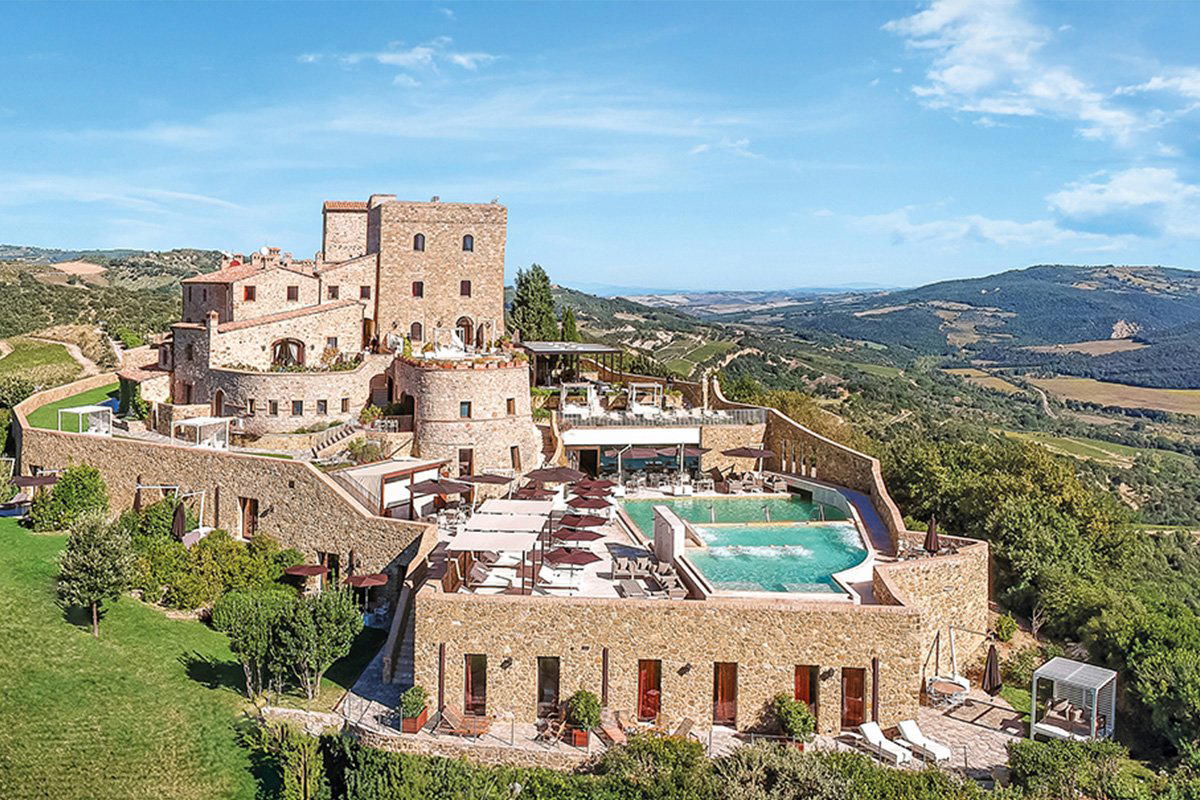
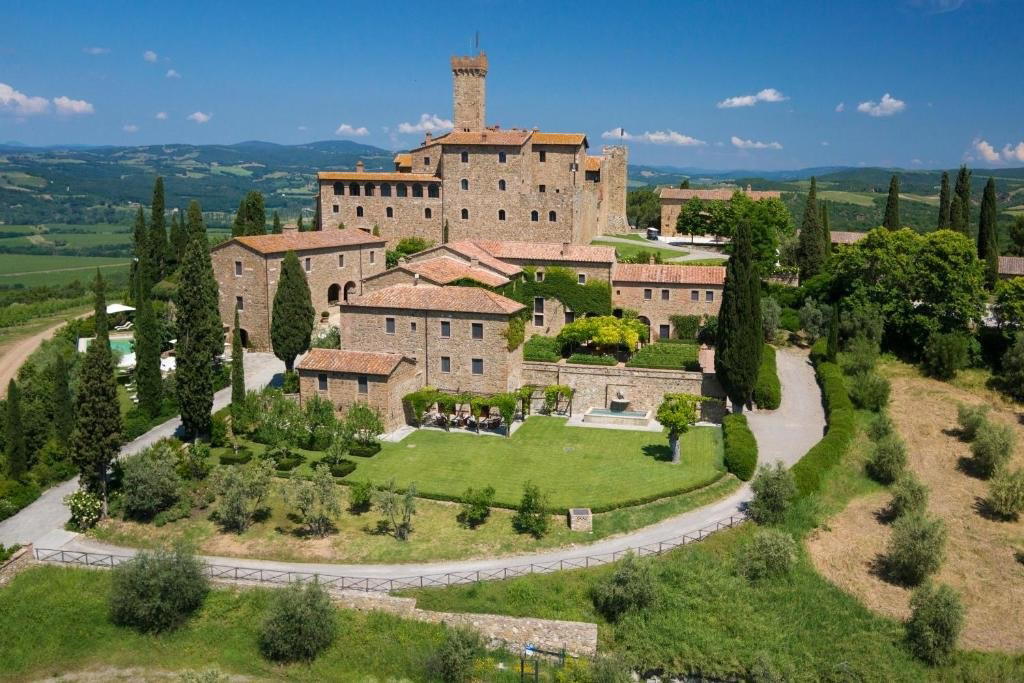
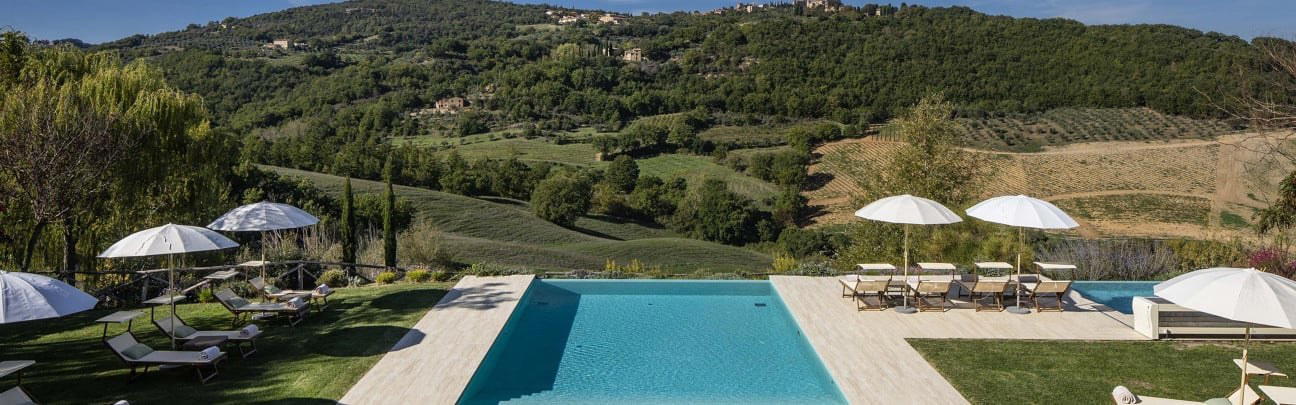
La Fortuna in Montalcino is best understood as a traditional Tuscan estate winery rather than a polished, standalone tasting room. The picture is simple and useful: a working agricultural landscape, a quiet rural character, and a visit program handled by appointment. That framing matters because it sets expectations before you arrive. This is not the kind of venue to describe through a long list of hospitality add-ons; it is more naturally read through its estate context, its rural pace, and the way the winery visit connects to the surrounding countryside.
For travelers comparing options in Montalcino, that matters. La Fortuna is not a page to oversell with claims about labels, scores, acreage, menus, or awards. Its appeal rests on a grounded premise: a rustic, classic estate setting where the visit is tied to the landscape around it. In a destination where wine tourism can range from highly structured tasting experiences to broader restaurant-led days, La Fortuna belongs in the more traditional category. The value of the stop is the clarity of that identity: quiet, agricultural, and rooted in the estate rather than in spectacle.
A Tuscan estate visit framed by the working landscape
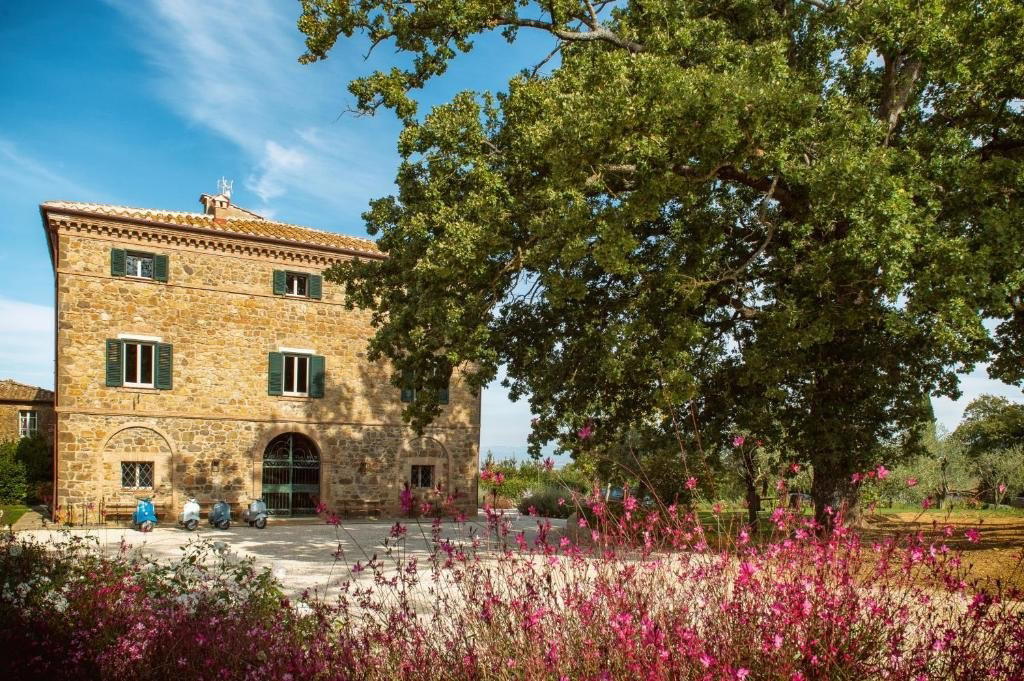
La Fortuna’s confirmed identity is that of a traditional Tuscan estate winery in Montalcino. The atmosphere is described as rustic, classic, quiet, and somewhat hidden-gem in character. That makes it a fit for visitors who want a calmer estate experience rather than a high-gloss hospitality stop. The language around the place points less toward performance and more toward continuity: an estate in the Tuscan countryside, operating within an agricultural setting, with the visit shaped by that environment.
The visit program is by appointment, so planning ahead is part of the experience. Rather than treating La Fortuna as a walk-in dining venue or a general-purpose bar, it is more accurate to frame it as an estate winery visit in a working agricultural setting. That distinction is practical as well as editorial. Visitors should think in terms of arranging a dedicated stop, allowing time for the rural location and the pace of the appointment, and approaching the experience as part of a wine-country day rather than as an unplanned drop-in.
Within Montalcino, travelers will find many different styles of wine-country hospitality. La Fortuna sits on the quieter side of that spectrum: traditional, rural, and visit-led rather than restaurant-led. For some visitors, that will be exactly the attraction. It offers a way to keep the day focused on the estate landscape and the character of the place, without needing to position the stop as a full dining destination or a polished showroom experience.
What the setting tells you about the experience
The strongest signal is the setting itself. La Fortuna is associated with a working agricultural landscape, which gives the visit a grounded Tuscan estate character. That is the useful editorial frame: not a claimed ranking, not a specific award, and not an invented menu, but a traditional winery environment in Montalcino. The emphasis should stay on what can be stated clearly: a rustic estate context, a classic rural atmosphere, and a quieter style of hospitality organized around a planned visit.
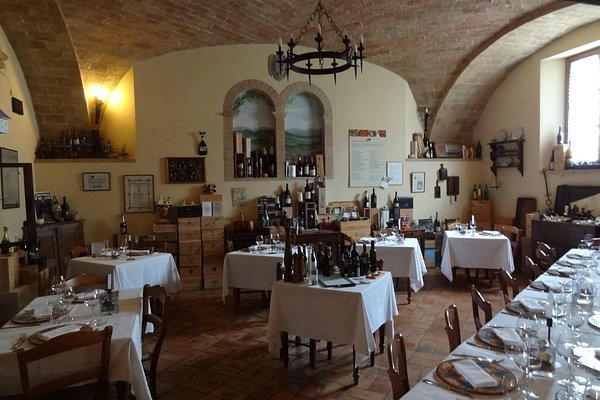
Visitors should expect the practical shape of the experience to come from the appointment-based estate visit rather than from extras. In other words, the reason to include La Fortuna is not because it has been dressed up as something broader than it is. It is because the format suits travelers who appreciate a more measured stop: one where the countryside, the estate identity, and the traditional winery character carry the experience.
The price level is listed as $$, which places La Fortuna in a moderate bracket for the guide. That marker should be read as a broad planning cue rather than a substitute for confirming the details of a visit. Since the experience is appointment-led, the most sensible approach is to plan ahead and keep expectations aligned with the estate-winery format.
How to fold it into a Montalcino itinerary
La Fortuna makes sense for travelers who want a Montalcino stop centered on a traditional Tuscan estate winery and its working agricultural surroundings. It is especially well suited to a quieter itinerary where the emphasis is on place, pace, and a classic rural atmosphere. If the day is meant to feel unhurried and rooted in the countryside, this kind of estate visit can provide a useful anchor without turning the schedule into a sequence of crowded or overly polished stops.
The broader itinerary should be built around Montalcino rather than a single stop. Pair La Fortuna with other dining, lodging, and wine-country planning in the area according to the kind of day you want: relaxed, rural, and appointment-led rather than spontaneous or nightlife-focused. Because the visit is not best understood as a standalone restaurant or bar, it works most cleanly when it is slotted into a wider plan that already accounts for meals, travel time, and the rhythm of the countryside.
The editorial read is clear: choose La Fortuna when the goal is a rustic, classic, quiet estate visit in Montalcino. The most reliable facts are its $$ price level, traditional Tuscan estate-winery character, working agricultural landscape, and by-appointment tasting or visit program. Keep the expectations simple and accurate, and the appeal becomes direct: a traditional Montalcino estate stop for travelers who value rural context, a calmer pace, and a visit shaped by place rather than by unnecessary embellishment.
Recognition history
Dated appearances from independent guides and award organizations, with the underlying list record or original source where available.
Falstaff Winery - 3 Stars
Falstaff
Continue exploring
More in Montalcino
Wineries in Montalcino
All wineries in Montalcino →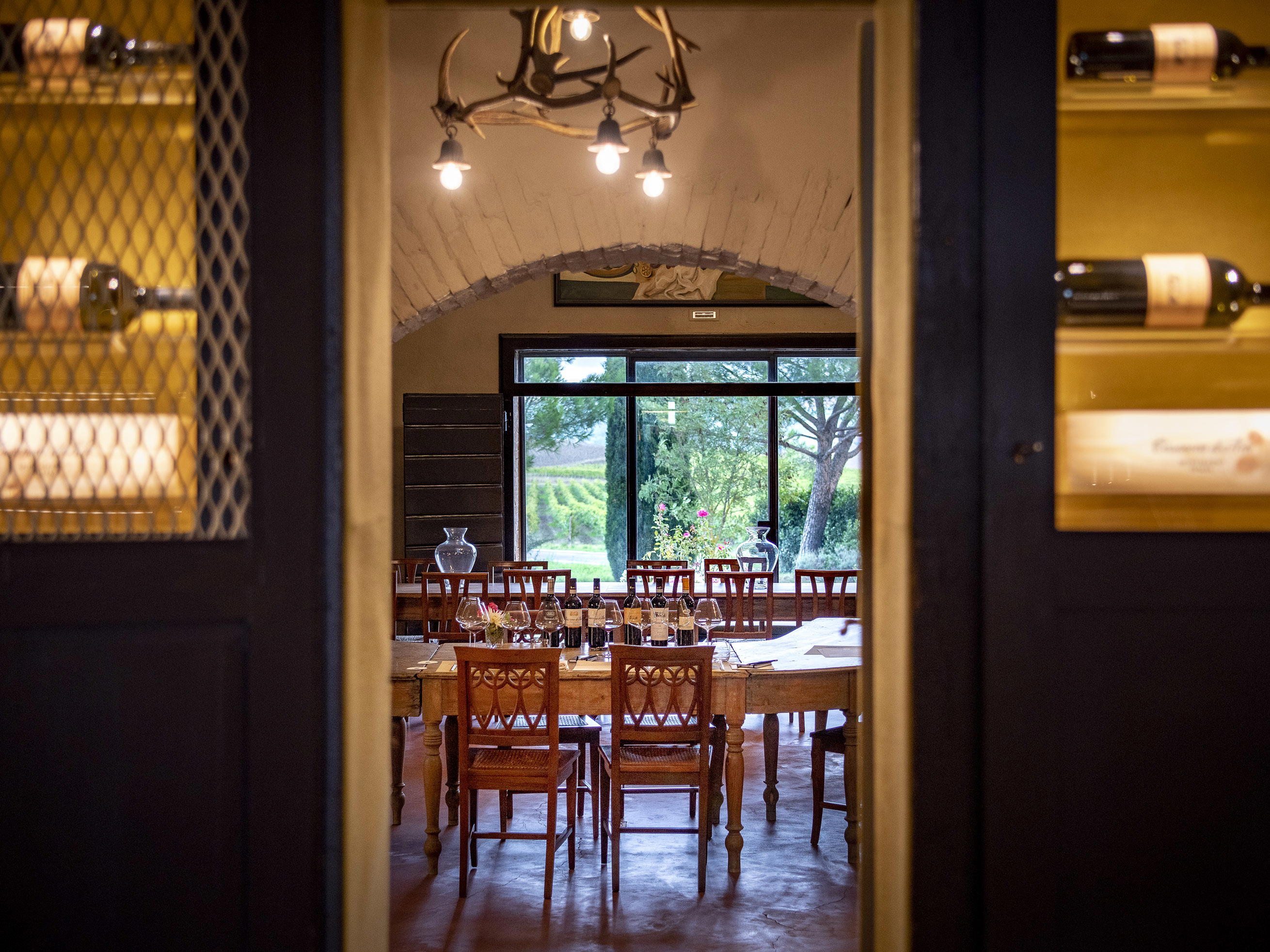
Bars in Montalcino
All bars in Montalcino →

Restaurants in Montalcino
All restaurants in Montalcino →
Details
- Rustic
- Classic
- Quiet
- Wine Education
- Group Outing
- Special Occasion
- Historic Building
- Estate Grounds
- Private Tasting
- Vineyard
- Sangiovese
- Still Red
- Guided Tasting
- Appointment Tasting
- Italian
- English
Traditional Tuscan estate winery with a working agricultural landscape and a by-appointment tasting/visit program.