Imagery Estate Winery

Falstaff Winery - Listed
Imagery Estate Winery sits along Sonoma Highway in Glen Ellen. The estate operates within Sonoma Valley's tradition of small-producer viticulture, with an emphasis on varietal range that sets it apart from the appellation's Cabernet-focused majority. A visit here rewards those who track California's broader conversation about place-driven winemaking.

Pearl is the En Primeur Club membership app — saves, bookings, and concierge access live there. Same editors, same standards.
- Address
- 14335 Sonoma Hwy, Glen Ellen, CA 95442
- Phone
- (877) 550-4278
- Website
- imagerywinery.com
- Directions
- Get directions
Along Sonoma Highway: Where Glen Ellen's Winemaking Character Takes Shape
The stretch of Sonoma Highway running through Glen Ellen is one of California wine country's more instructive drives. Within a short corridor, the valley floor gives way to hillside slopes, the fog patterns shift, and the producer sensibility changes from appellation-branded commercial operations to smaller estates with distinct points of view. Imagery Estate Winery, at 14335 Sonoma Hwy, sits within this corridor and participates in a local tradition that has long valued varietal experimentation over the narrow identity that defines Napa to the east or the Pinot-dominated Russian River Valley to the north. For a traveller arriving from wine regions built around a single grape, Sonoma Valley's range can read as either diffuse or genuinely curious, depending on your frame. Imagery tends to reward the curious.
Sonoma Valley and the Sustainability Question
California viticulture has, over the past two decades, split into two broad camps on the question of how to farm. The first group treats certification as a marketing credential and moves on. The second treats the vineyard as an integrated system, where soil health, water management, cover crops, and pest ecology are the actual product, and the wine is what that system produces. Sonoma Valley, more than Napa, has developed a culture around the second position. The valley's topography, cooler average temperatures, and proximity to organic farming networks in the broader Bay Area have made it a more receptive environment for producers committed to low-intervention viticulture.
In Glen Ellen specifically, the peer group includes estates like Benziger Family Winery, which has been a reference point for biodynamic farming in the appellation for years, and B.R. Cohn Winery, which occupies a different position in the valley's hierarchy. Imagery's 2025 recognition places it firmly in the prestige tier of that local conversation.
The Art Label Tradition and What It Signals About the Estate's Range
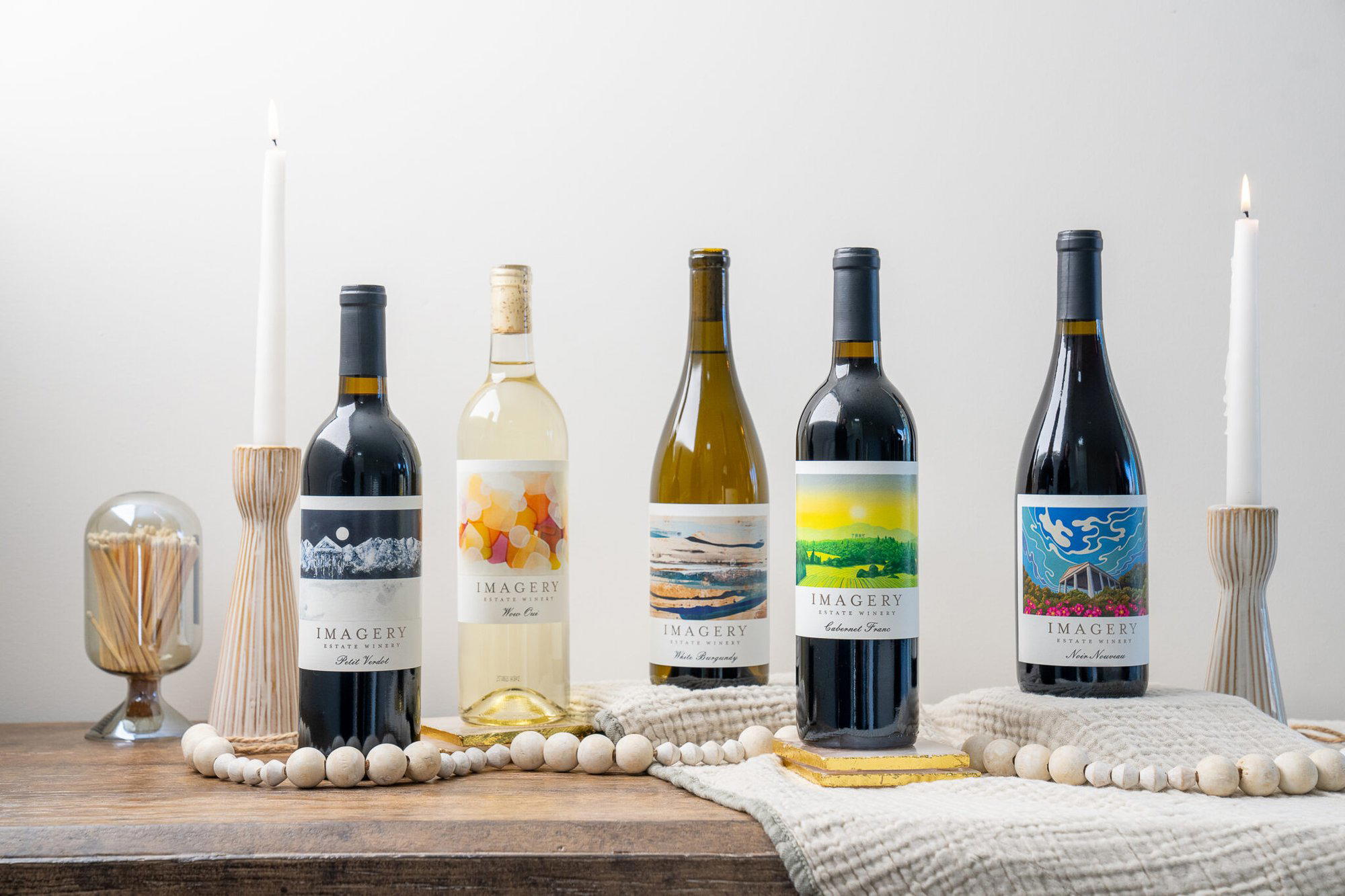
One of the more persistent identifiers associated with Imagery Estate is its artist label program, in which original artwork appears on each varietal release. This practice, sustained across many vintages, functions as more than branding: it signals that the winery treats each bottling as a distinct object rather than a line extension of a house style. In practical terms, that commitment has historically pushed the estate toward an unusually wide varietal range, including grapes rarely grown in Sonoma Valley at all. Barbera, Lagrein, and other Italian varietals have appeared in the portfolio alongside more conventional California releases, positioning Imagery within the niche of producers who treat grape diversity as a form of argument about what California wine can be.
That argument carries weight in a valley where the pull toward Cabernet Sauvignon and Chardonnay — the grapes that built California's commercial reputation — remains strong. Estates willing to allocate vineyard resources to lesser-known varietals absorb real opportunity cost, and the ones that sustain the practice over multiple vintages tend to be driven by conviction rather than trend. Imagery's track record here puts it in company with a small cohort of California producers, including Adelaida Vineyards in Paso Robles and Alban Vineyards in Arroyo Grande, who have used varietal range as a form of editorial voice.
Glen Ellen in Context: A Valley Floor Town with Hillside Ambitions
Glen Ellen is a small town, and it functions very differently from the tasting-room clusters of Healdsburg or the structured estate tourism of St. Helena. The pace is slower, the appointments more likely to be genuine conversations than scripted pours, and the surrounding landscape more present. Jack London State Historic Park sits nearby, and the Sonoma Mountain ridge to the west creates a backdrop that reinforces the valley's identity as a place shaped by agriculture and literary bohemianism in roughly equal measure.
For the traveller planning a Sonoma Valley itinerary, Glen Ellen repays the detour from the main Highway 12 flow. Beyond Imagery, the town's immediate vicinity includes Abbot's Passage Winery and Mercantile and Arrowood Vineyards and Winery, both of which offer distinct angles on the valley's character. A full picture of Glen Ellen's producer range is available in our full Glen Ellen restaurants and wineries guide.
California Prestige Wine Beyond the Napa Frame
One of the recurring distortions in how American wine is discussed internationally is the equation of California prestige with Napa Cabernet. That equation is commercially real, the prices commanded by Napa's allocated Cabernet producers, including estates like Accendo Cellars in St. Helena and Alpha Omega Winery in Rutherford, confirm the market logic, but it misrepresents the actual range of serious California winemaking. Sonoma Valley producers, and Glen Ellen estates in particular, occupy a different register: the prestige here is built on terroir diversity, farming commitment, and a more varied varietal vocabulary than Napa's Cabernet monoculture allows.
It signals a producer operating at a level where the conversation has moved past entry-level quality into questions of place, practice, and identity. Visitors arriving with a Napa reference frame will find the experience calibrated differently, but not lesser. For comparison, estates in other California regions pursuing similar range-over-concentration strategies include Andrew Murray Vineyards in Los Olivos and Alexander Valley Vineyards in Geyserville, both of which prioritize varietal breadth within their respective appellations.
Planning a Visit
Imagery Estate Winery is located at 14335 Sonoma Hwy in Glen Ellen, California, on the main corridor connecting the town to the broader Sonoma Valley wine route. Given that specific hours, booking requirements, and current tasting formats are best confirmed directly before visiting, checking the estate's current information in advance is advisable, particularly during harvest season in late September and October when tasting room schedules across Sonoma Valley often shift. Glen Ellen is approximately an hour's drive north of San Francisco via Highway 101, and the town is compact enough that a half-day itinerary pairing two or three estate visits is practical. Those exploring further afield in California wine country will find useful reference points in estates like Artesa Vineyards and Winery in Napa and Adelsheim Vineyard in Newberg for understanding how different appellation philosophies produce different tasting experiences at the prestige tier.
Awards and Standing
Comparable venues nearby, for context on price, style, and recognition.
| Venue | Cuisine | Price | Awards | Notes |
|---|---|---|---|---|
| Imagery Estate WineryThis venue — the venue you are viewing | Cabernet Sauvignon, Malbec | $20–30 | Falstaff Winery - Listed | Not listed |
| Abbot’s Passage Winery & Mercantile | Zinfandel, Petite Sirah | Not listed | Not listed | Glen Ellen |
| Arrowood Vineyards & Winery | Cabernet Sauvignon, Chardonnay | $50–100 | Not listed | Glen Ellen |
| Benziger Family Winery | Cabernet Sauvignon, Chardonnay | $20–30 | Falstaff Winery - Listed | Glen Ellen |
| B.R. Cohn Winery | Cabernet Sauvignon, Chardonnay | Not listed | Not listed | Glen Ellen |
| Valley of the Moon Winery | Winery | Not listed | Not listed | Glen Ellen |
Recognition history
Dated appearances from independent guides and award organizations, with the underlying list record or original source where available.
Falstaff Winery - Listed
Falstaff
Continue exploring
More in Glen Ellen
Wineries in Glen Ellen
Browse all →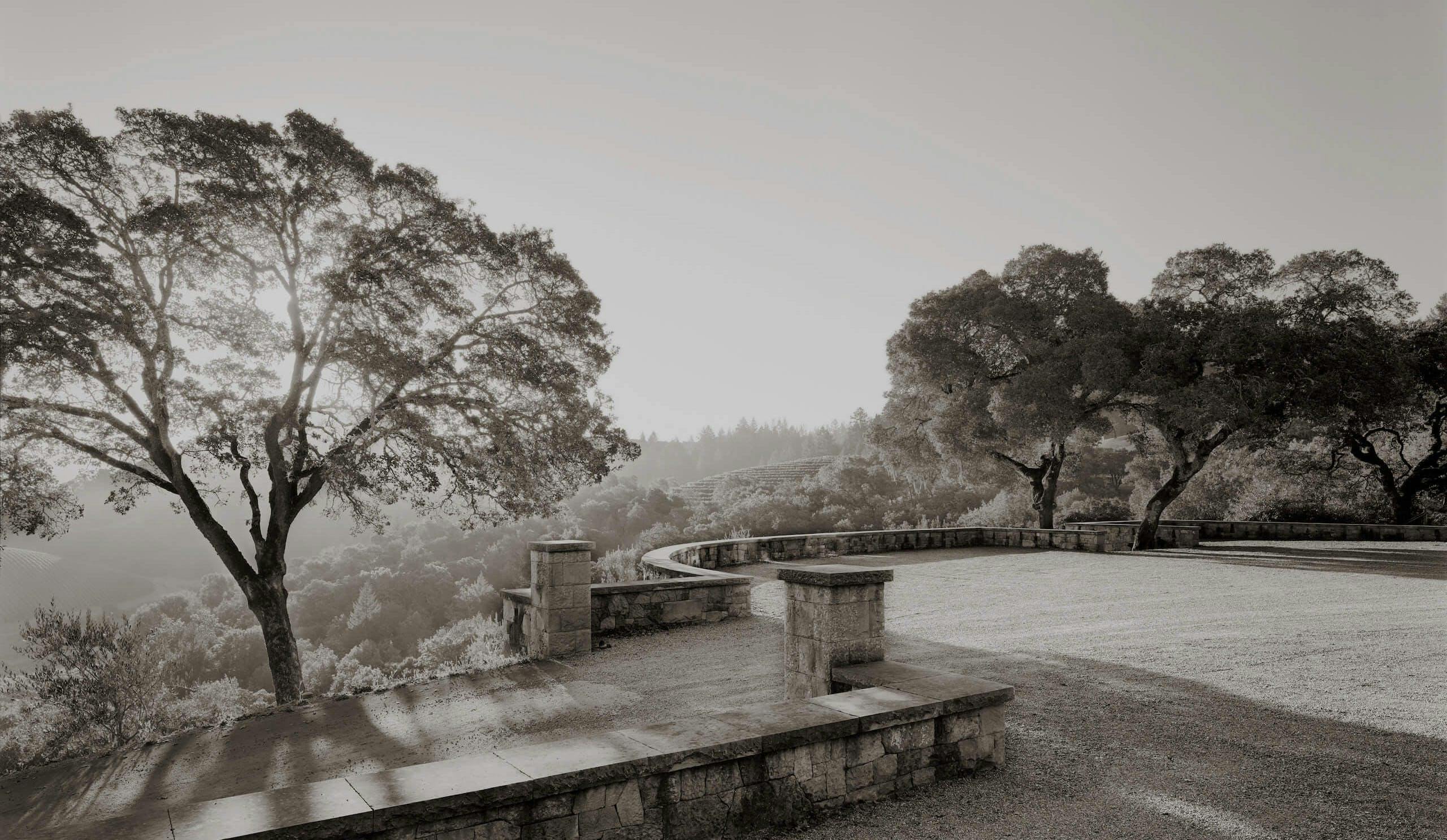
Bars in Glen Ellen
Browse all →
Restaurants in Glen Ellen
Browse all →
Details
- Elegant
- Scenic
- Rustic
- Romantic Getaway
- Group Outing
- Wine Education
- Estate Grounds
- Picnic Area
- Garden
- Panoramic View
- Sustainable
- Vineyard
- Garden
- Cabernet Sauvignon
- Malbec
- Tempranillo
- Lagrein
- Viognier
- Riesling
- Sangiovese
- Still Red
- Still White
- Still Rosé
- Flight Tasting
- Seated Tasting
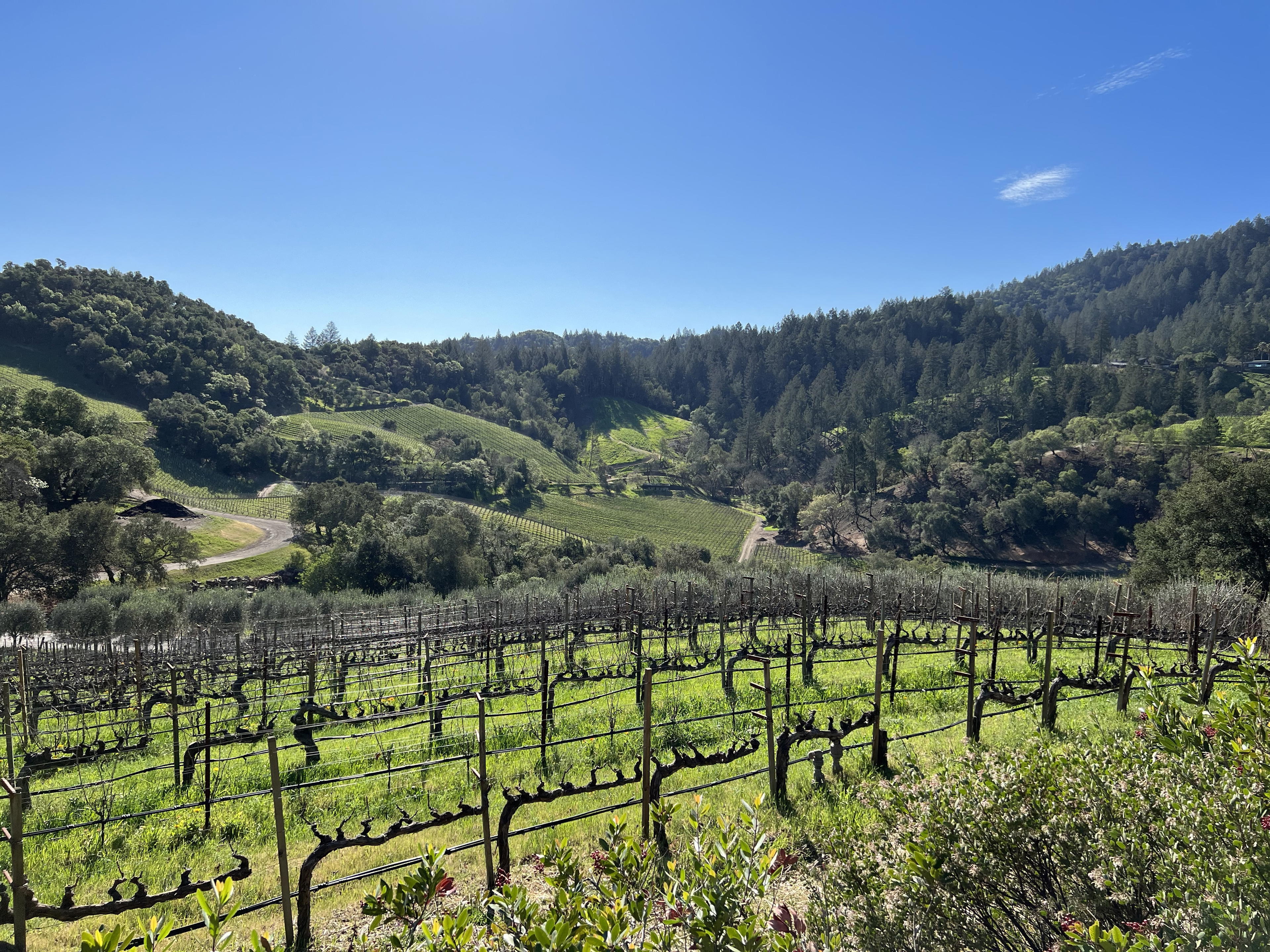
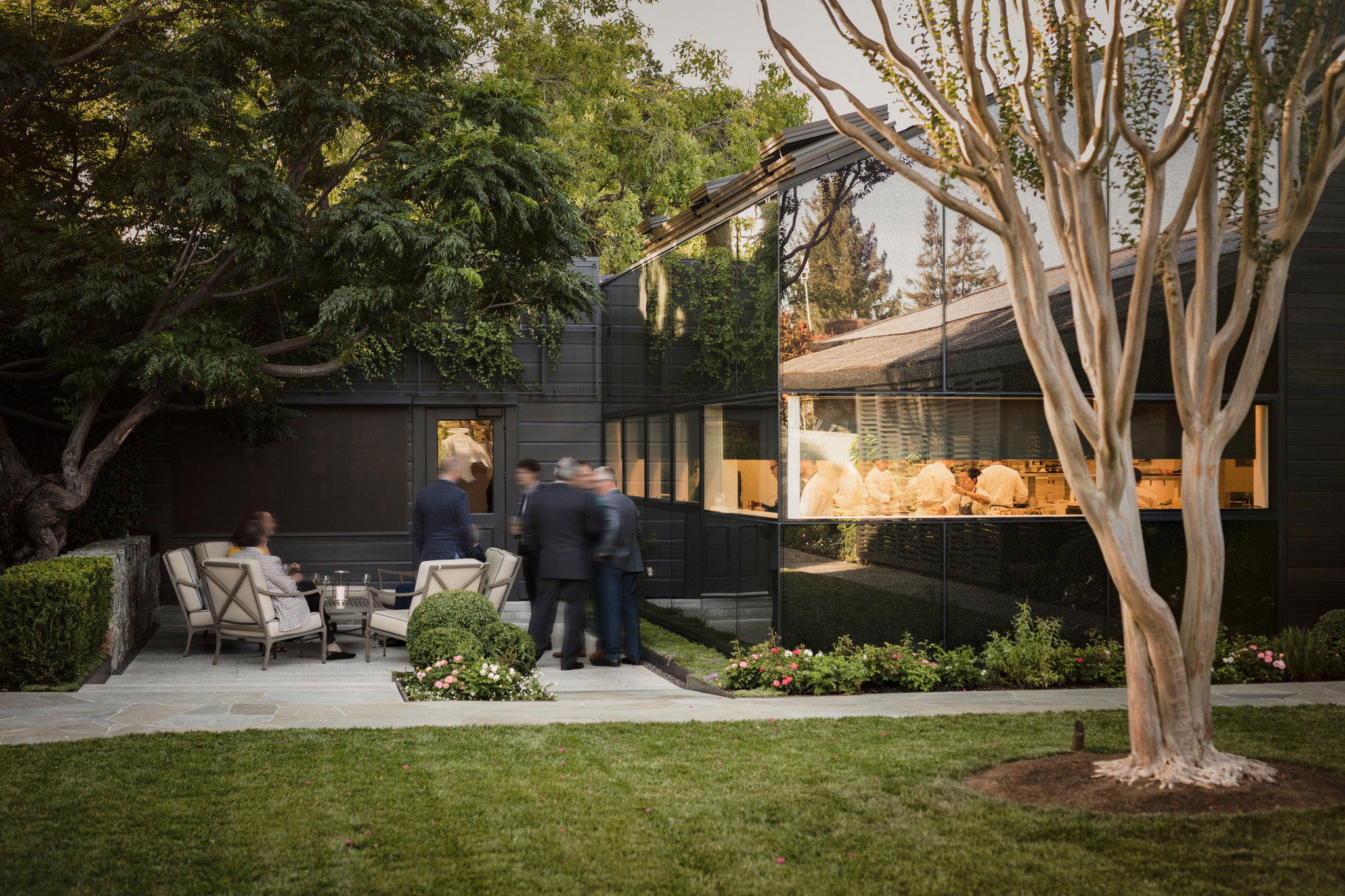
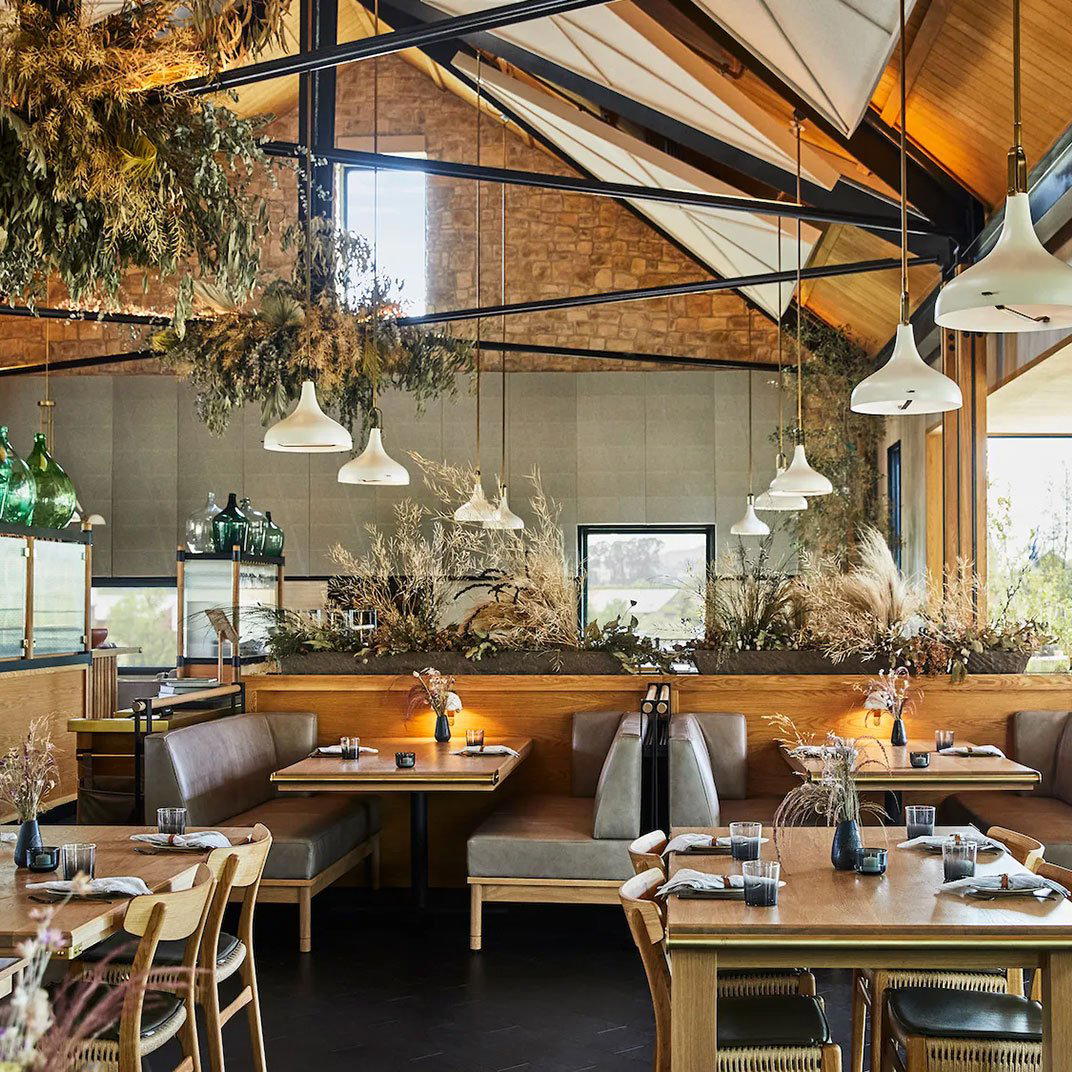
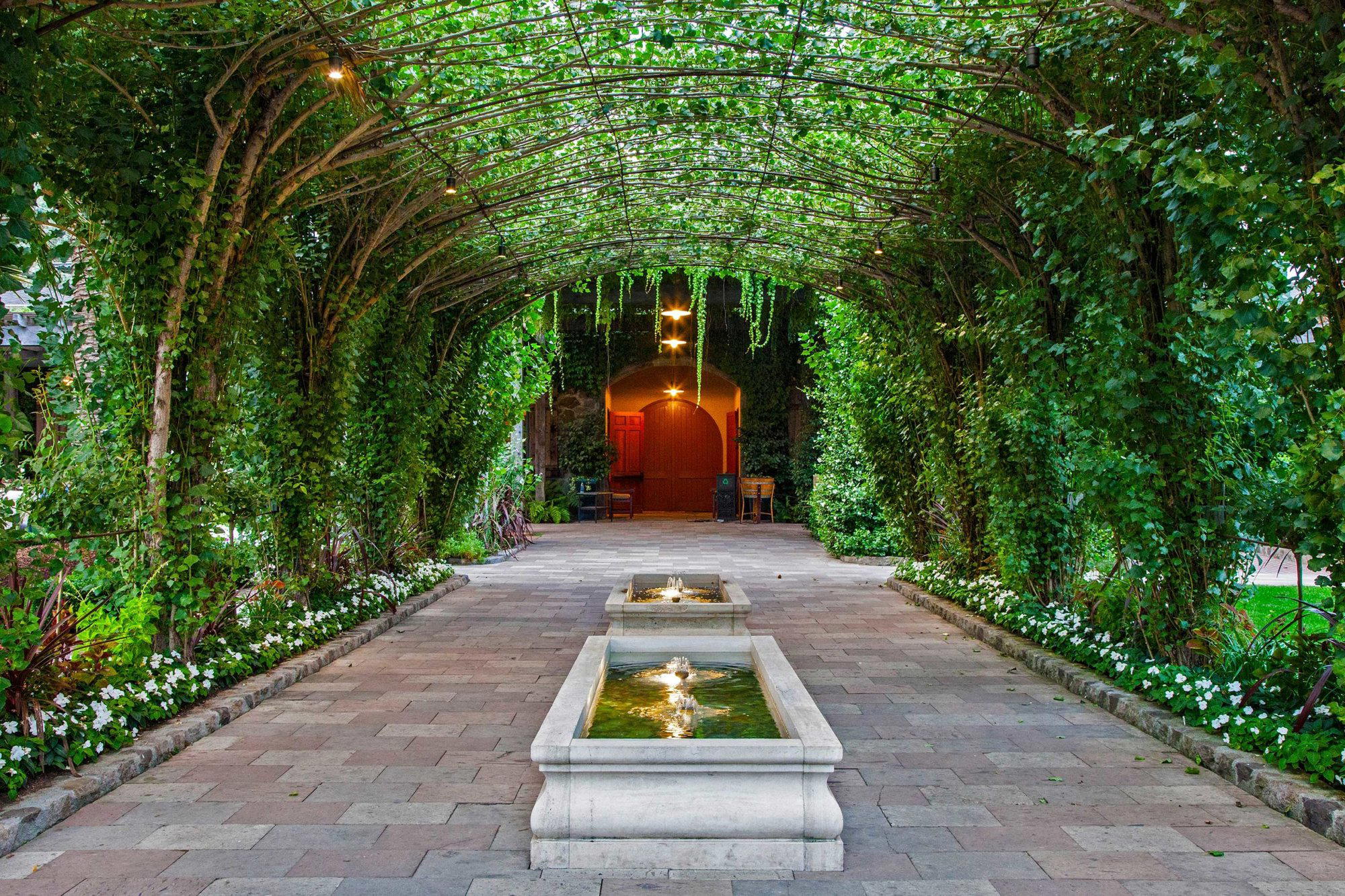
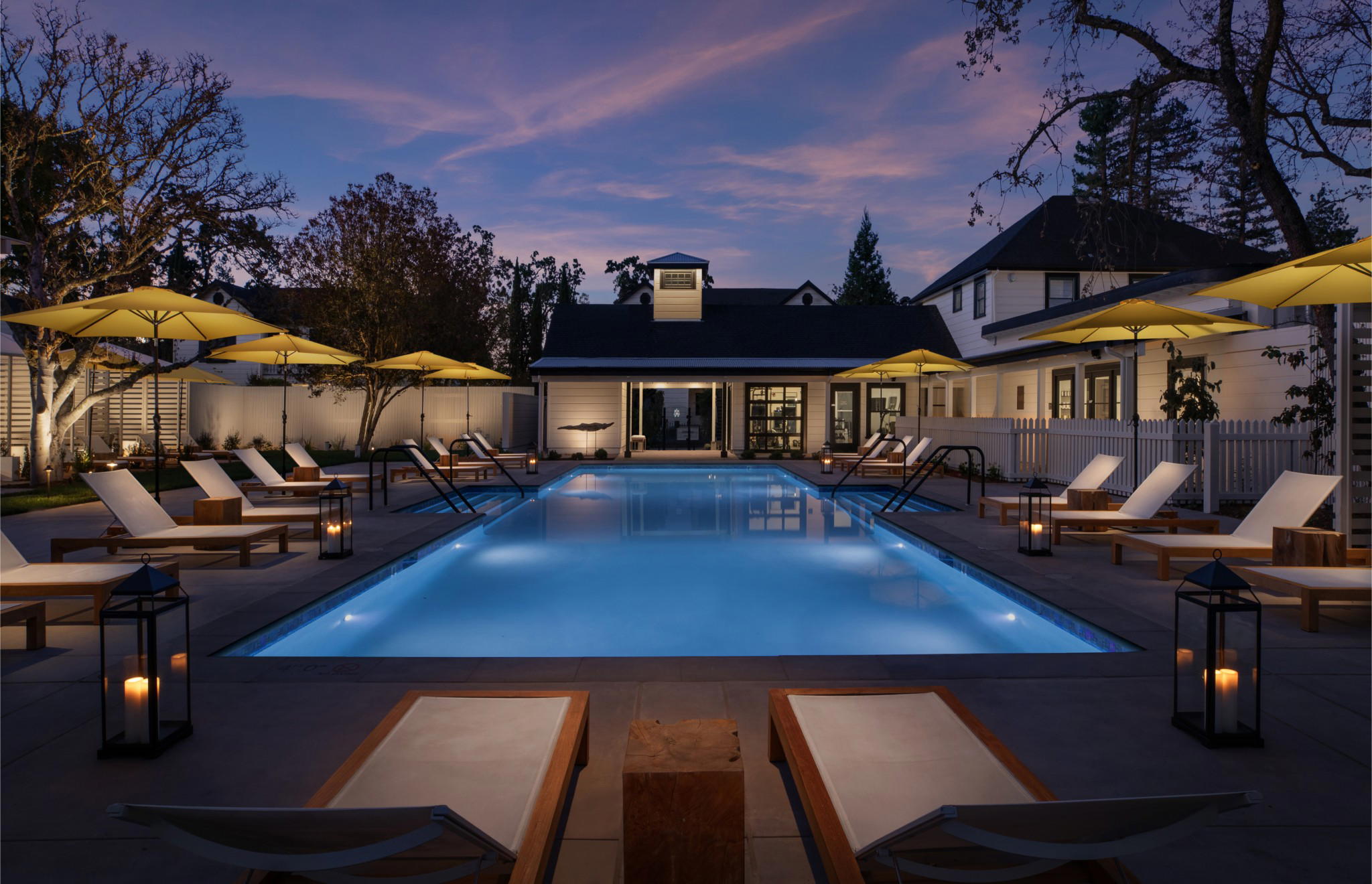
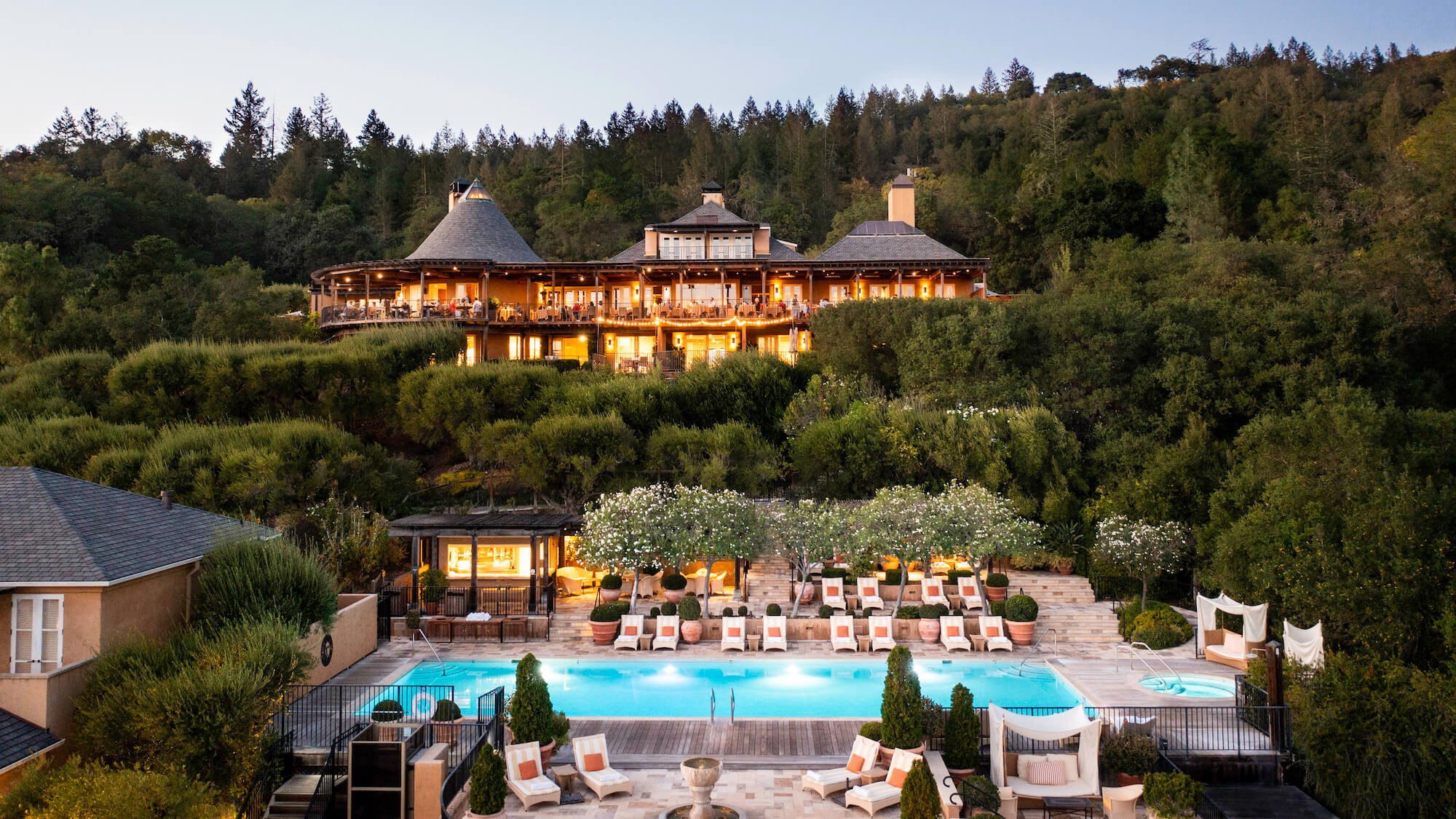
Rustic gardens with vineyard views, shaded patios, and bocce areas create a relaxed, artistic atmosphere.