Alo's


World's 50 Best #77 · Star Wine List
Our verdict
An Argentinian bistro set in a leafy residential neighbourhood of San Isidro, Alo's operates well outside the Buenos Aires dining circuit yet draws sustained critical attention for its zero-kilometre sourcing model and the cooking of chef-patron Alejandro Féraud. The kitchen works with local farmers and its own garden to produce a menu that sits between haute technique and the directness of comfort food.

Pearl is the En Primeur Club membership app, where members save venues, book tables and use the concierge.
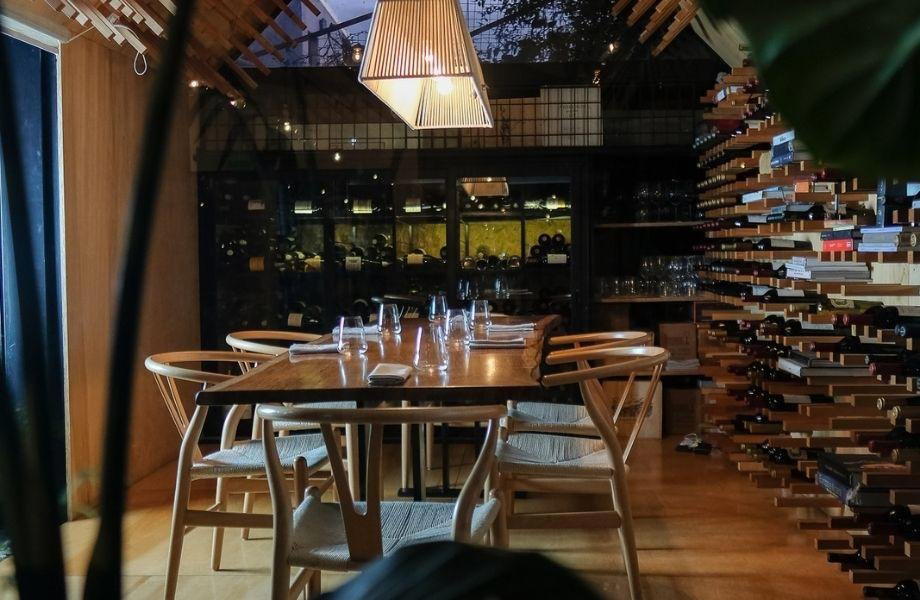
Outside the Circuit, Inside the Conversation
Greater Buenos Aires has long functioned as the overlooked side of the city's dining story. The capital's most-discussed restaurants cluster in Palermo, Recoleta, and San Telmo, while the residential suburbs to the north rarely enter the critical conversation. Alo's, positioned in Boulogne sur Mer within the San Isidro district, is one of the cleaner arguments for reconsidering that hierarchy. The address at Blanco Encalada 2120 sits inside what the restaurant's own framing calls an elegant residential neighbourhood, the kind of leafy, quietly prosperous northern suburb where the streets are shaded and the pace is nothing like Palermo Hollywood on a Saturday night.
That physical remove matters for what chef-patron Alejandro Féraud is attempting. The cooking at Alo's is described as Argentinian bistro, but the production model behind it belongs to a more disciplined category: zero-kilometre sourcing, a working kitchen garden, and direct relationships with local farmers. That combination, common enough in the European bistronomy wave that swept Paris and London in the 2010s, still carries real weight in the Buenos Aires suburbs, where logistics and supply infrastructure make it considerably harder to execute than in denser urban environments.
Where Alo's Sits in the Buenos Aires Critical Tier
Buenos Aires has a layered fine-dining structure. At the summit, Aramburu holds two Michelin stars and operates at a price point and register consistent with South America's most recognised tasting-menu formats. Don Julio in Palermo holds one Michelin star and has become the city's defining steakhouse reference for international visitors. One tier below, a range of technically focused modern restaurants, including Trescha and Anafe, work within a more ingredient-led, contemporary idiom.
Alo's occupies a different position from all of them. Its bistro format and suburban address place it outside the standard competitive set, but its sourcing rigour and Féraud's technique give it credibility within serious dining circles. The restaurant has drawn sustained editorial attention as a destination worth travelling beyond the city limits to reach, which is a meaningful signal in a metropolitan area where most diners and critics default to the established city-centre circuit. For a point of comparison, the sourcing philosophy at Alo's echoes what Azafrán in Mendoza has long done with Cuyo producers, or what Cavas Wine Lodge in Alto Agrelo has built around estate and regional ingredients. The logic is consistent: when you control proximity, you control quality.
The Cooking: Haute Technique Meets Comfort Register
The phrase that appears in descriptions of Alo's menu, "masterfully blends haute cuisine with the satisfaction of comfort food", is the kind of claim that can read as publicity shorthand. But it maps to a real and specific culinary position. There is a tradition, visible in places like Le Bernardin in New York or at the better Seoul tasting counters such as Atomix, of using serious technique to intensify rather than complicate, of arriving at something that feels satisfying and grounded rather than cerebral. Alo's works within that tradition at a bistro scale, which means the format is approachable without the cooking being casual.
The kitchen garden and farmer network are not decorative. Zero-kilometre sourcing at this level requires seasonal discipline, which means the menu shifts with what is available rather than what is architecturally convenient. That constraint tends to produce more honest cooking. It also means that what arrives on the plate carries a traceability that many Buenos Aires restaurants in the $$$ and $$$$ tier cannot claim, regardless of their critical standing. Restaurants like Crizia and Anafe operate within contemporary idioms that prize ingredient quality, but the hyperlocal production model at Alo's is a distinct and more constrained commitment.
Getting There and Planning Your Visit
San Isidro sits roughly 25 to 30 kilometres north of central Buenos Aires along the Río de la Plata corridor. The most practical route from the city is the Mitre line commuter rail, which connects Retiro station to the San Isidro and Boulogne area, or a car or rideshare from Palermo or Recoleta, which typically runs 35 to 50 minutes depending on traffic. The suburban setting means Alo's functions as a deliberate day or evening trip rather than a spontaneous addition to a city-centre itinerary. Plan around it rather than appending it.
Given the restaurant's profile and the attention it has drawn for Féraud's approach, booking ahead is advisable. The suburban bistro format and presumably modest seat count, typical of this style of operation, means the room fills without the buffer capacity of a larger urban restaurant. For broader planning, our full Buenos Aires restaurants guide covers the city's full range, and our guides to hotels, bars, wineries, and experiences round out the picture.
The Broader Argentina Picture
Alo's fits a wider pattern in Argentine dining, where serious cooking has been steadily decentralising away from the Buenos Aires urban core. Properties like La Bamba de Areco in the Pampas and EOLO in El Calafate represent the estancia and remote lodge end of that dispersal. At the other end, suburban restaurants like Alo's represent something different: a kitchen operating at high technical level within commuting distance of the capital, offering a production model and a physical environment that the dense city cannot replicate. Awasi Iguazu and El Colibri in Santa Catalina pursue comparable ideas of place-rooted cooking in dramatically different geographies. The argument across all of them is the same: the ingredient story is inseparable from the location story.
For visitors to Buenos Aires who are already planning a day in the northern suburbs, perhaps combining San Isidro's colonial architecture and riverside parks with a meal, Alo's gives the excursion a clear culinary anchor. For those who need a sharper reason to leave the city, the restaurant's sustained critical reputation provides it.
Frequently asked questions
What kind of recognition has Alo's received?
Alo's has received recognition including: Located in an elegant residential neighbourhood in San Isidro in Greater Buenos Aires, Alo’s restaurant is a fantastic spot to enjoy a breath of fresh culinary air outside the city limits. Chef-patron...; Led by chef Alejandro Féraud, Alo's….
Where exactly is Alo's?
Alo's is located at Blanco Encalada 2120, B1609 Boulogne, Provincia de Buenos Aires, Argentina, Buenos Aires.
What should I order at Alo's?
Because Alo's zero-kilometre sourcing model ties the menu directly to what the kitchen garden and local farmers are producing, the dishes shift with seasonal availability. Arriving with a fixed wish list is less useful than trusting the tasting direction on the day. The kitchen's documented approach combines haute technique with comfort-register cooking, so expect precise preparation applied to grounded, recognisable ingredients.
Do they take walk-ins at Alo's?
Alo's is a bistro-format restaurant in a residential suburb of San Isidro, roughly 25 to 30 kilometres north of central Buenos Aires, and the travel commitment alone suggests most guests plan ahead. Given the interest it has drawn as a critical destination outside the city's main dining circuit, advance reservation is the practical approach. No walk-in policy is confirmed in available venue data, so contacting the restaurant directly before making the trip is advisable.
What is Alo's known for?
Alo's reputation is built on chef-patron Alejandro Féraud's zero-kilometre sourcing philosophy: a working kitchen garden and direct relationships with local farmers supply the ingredients, and the menu applies haute cuisine technique to that hyper-local produce. The restaurant operates in a leafy San Isidro suburb of Greater Buenos Aires, positioning it as a serious cooking destination away from the capital's more trafficked dining neighbourhoods. That combination of sourcing rigour and location has placed it inside Buenos Aires's critical conversation despite sitting outside the city proper.
In Context: Similar Options
| Venue | Cuisine | Price | Awards | Notes |
|---|---|---|---|---|
| Alo'sThis venue (the venue you are viewing) | Modern Argentine Bistro | Not listed | World's 50 Best #77 · Star Wine List | Not listed |
| Don Julio | Argentinian Parrilla Steakhouse | $100–150 | 1 Michelin Star · World's 50 Best #10 | Argentinian Steakhouse |
| Aramburu | Modern Argentine Haute Cuisine | $200–300 | 2 Michelin Stars · World's 50 Best #35 | Modern Argentinian, Creative |
| El Preferido de Palermo | Classic Italian Bodegón | $50–100 | Michelin Plate · World's 50 Best #24 | Argentinian, Traditional Cuisine |
| Elena | Japanese kissaten-style cafe with handmade cakes and tea | $1–10 | Tabelog 100 | Not listed |
| La Carniceria | Modern Argentine Parrilla | $30–50 | Michelin Plate | Not listed |
Recognition history
Dated appearances from independent guides and award organizations, with the underlying list record or original source where available.
World's 50 Best Latin America's Best Restaurants #77
World's 50 Best
Star Wine List
Star Wine List
Continue exploring
More in Buenos Aires
Restaurants in Buenos Aires
All restaurants in Buenos Aires →

Bars in Buenos Aires
All bars in Buenos Aires →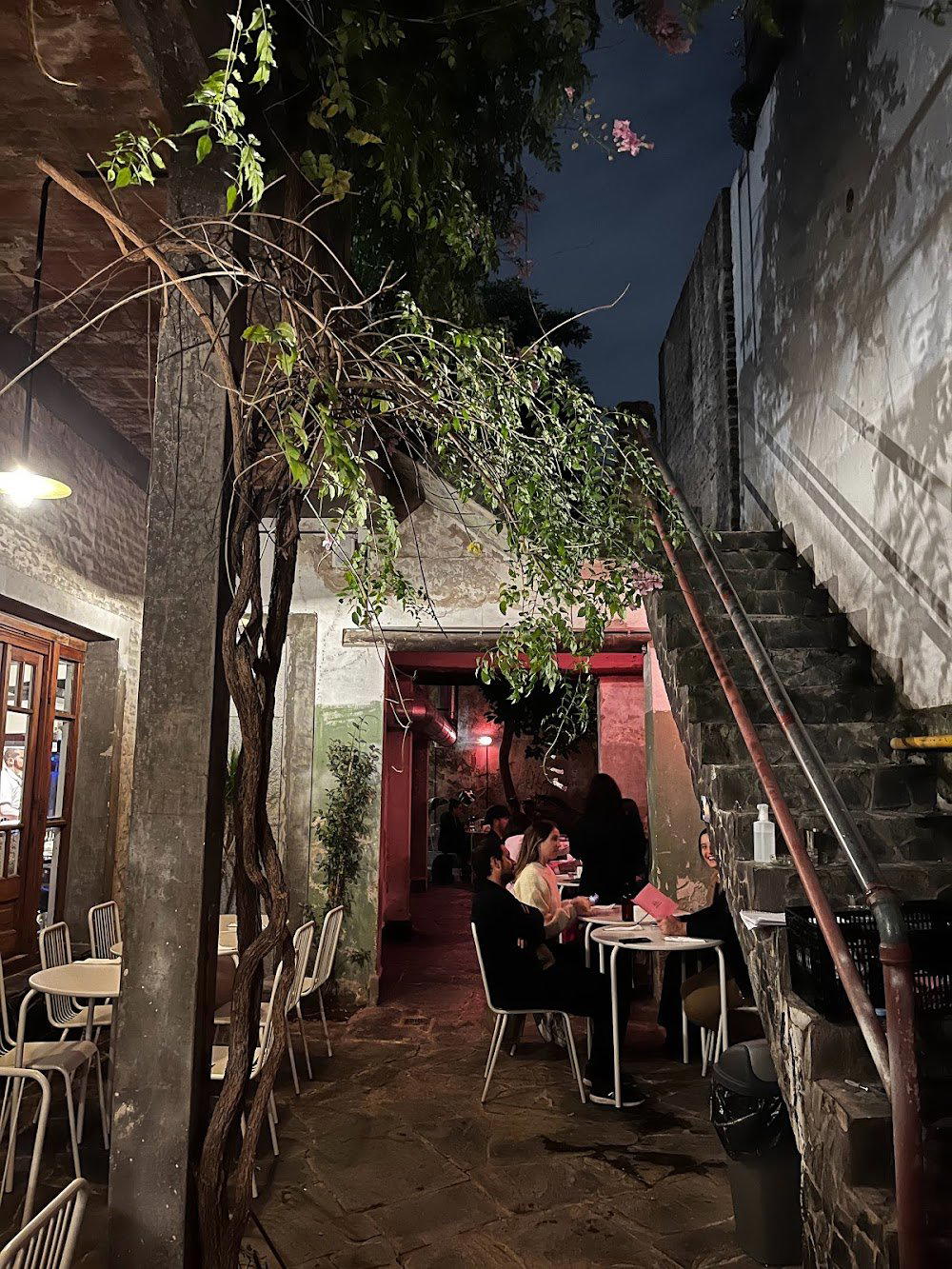

Hotels in Buenos Aires
All hotels in Buenos Aires →
Wineries in Buenos Aires
All wineries in Buenos Aires →
Alo's
The wine
- Wine program
- Deep wine list
- Extensive wine list
- Sommelier-led
Details
- Modern
- Elegant
- Cozy
- Sophisticated
- Minimalist
- Date Night
- Special Occasion
- Open Kitchen
- Extensive Wine List
- Sommelier Led
- Organic
- Local Sourcing
- A La Carte
- Tasting Menu
- Vegetarian Friendly
- Vegan Options
- Gluten Free Options
Current opening hours
- Monday
- Closed
- Tuesday
- 8–11:30 p.m.
- Wednesday
- 8–11:30 p.m.
- Thursday
- 8–11:30 p.m.
- Friday
- 8–11:30 p.m.
- Saturday
- 8–11:30 p.m.
- Sunday
- Closed
Hours can change for holidays and private events. Hours as of .
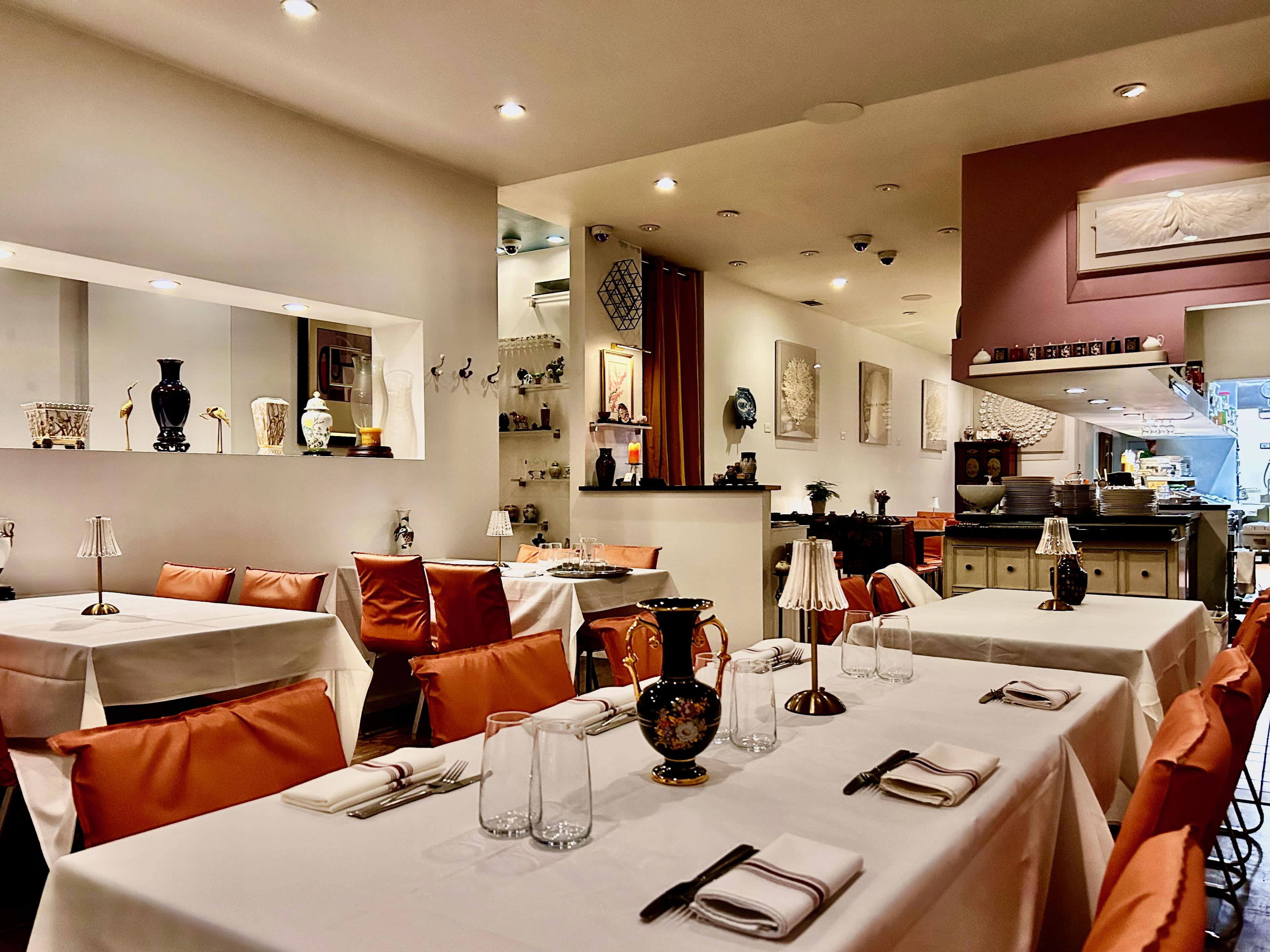
Relaxed natural atmosphere with wooden tables, seats, multitude of plants, clean minimalist design, open kitchen, and elegant residential setting.