Bazar del Sol sits at Rancho La Puerta’s Villas Sol address in Tecate, placing it in a border-region drinking culture shaped by resort calm, Baja produce, and a slower rhythm than Mexico’s large cocktail cities. With no public awards, menu, price, or booking data in the record, it reads less as a trophy-bar stop and more as a context-driven venue to assess through setting, access, and expectations.

Pearl is the En Primeur Club membership app — saves, bookings, and concierge access live there. Same editors, same standards.
- Address
- Rancho La Puerta (Villas Sol)
- Directions
- Get directions
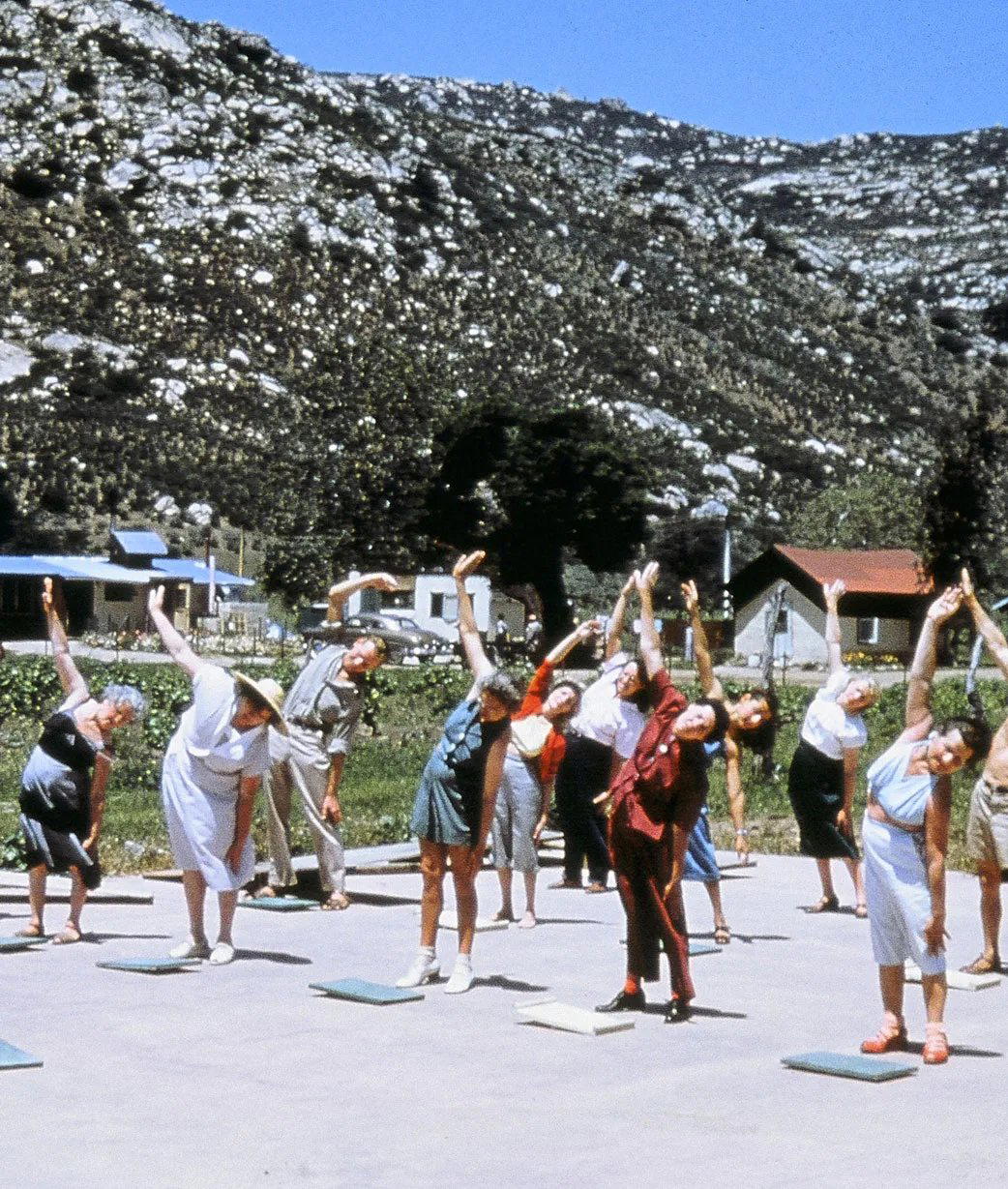
Desert light, resort tempo, and the quieter side of Tecate drinking
Approaching Rancho La Puerta’s Villas Sol address, the first cue is not the usual city-bar signal of a glowing door, late-night traffic, or a room competing with the street. The setting points toward a slower kind of drinking culture: open air, Baja light, the hush of a wellness property, and the sense that a cocktail here belongs to a wider day rather than to a stand-alone night out. In Tecate, that matters. The city does not behave like Mexico City, Oaxaca, Tulum, or Tijuana, where bar identity is often built through density, volume, and a circuit of rooms within walking distance. Tecate’s drinking scene is more dispersed, more tied to destination properties, ranches, border travel, and the valley’s food-and-wine routes.
That context is the useful way to read Bazar del Sol. The public record gives an address at Rancho La Puerta (Villas Sol), but it does not list a chef, bartender, cuisine type, price range, awards, hours, phone number, website, booking method, or signature drinks. Those omissions are not minor in cocktail coverage. They mean the venue cannot be treated as a documented awards bar, a named-bartender program, or a menu-led destination with publicly verifiable serves. The stronger editorial point is narrower and more honest: this is a Tecate bar attached to a resort environment, and its appeal depends on how much the reader values place, pace, and access over the usual proof points of contemporary cocktail culture.
For broader planning around the city’s food and drink routes, compare it with Our full Tecate restaurants guide, Our full Tecate bars guide, Our full Tecate wineries guide, and Our full Tecate experiences guide. Those categories overlap in this part of Baja more than they do in a large city. A drink can be part of a hotel stay, a wellness retreat, a winery day, or a border-weekend itinerary rather than a separate after-dark plan.
How Tecate changes the cocktail question
In many Mexican destinations, the cocktail conversation now divides into two camps. One camp is built around performance: high-volume rooms, visual theatre, late hours, and menus engineered for social media. The other is more technical and regional, using local ingredients, agave spirits, clarified formats, ferments, house syrups, and bartender authorship to make the drink list read like a kitchen’s larder. Tecate sits outside the loudest version of that split. Its proximity to Tijuana gives it access to Baja’s border creativity, but its own rhythm is calmer, with hospitality often tied to retreats, ranch properties, and wine-country movement.
The useful comparison is not a downtown cocktail counter with published tasting menus and award citations. It belongs closer to the category of resort-adjacent bars where the drink program has to work with daylight, meals, wellness schedules, and guests who may not be looking for a long technical session at midnight. In that category, a bar succeeds when it understands restraint: lower volume, clearer service rhythms, and drinks that support the setting rather than drown it out.
Mexico’s bar culture gives several reference points for contrast. La Capilla in Tequila is a historic cantina reference, tied to a place and a drink tradition rather than to contemporary menu architecture. Bekeb in San Miguel de Allende represents the design-conscious, craft-led side of the country’s cocktail scene. Aruba Day Drink in Tijuana sits closer to Baja’s urban edge, where border-city drinking has a different charge. Tecate’s version is quieter by geography and by hospitality format. That does not make it lesser; it makes the criteria different.
The cocktail programme, judged by what can be verified
The assigned lens here is the cocktail programme, but cocktail writing depends on evidence. No specific cocktail can be named as the drink to order from the supplied data. No bartender’s creative vision can be attributed to a person. No claim can be made about agave selection, house infusions, glassware, garnish, or seasonal produce unless those details appear in a verified source.
What can be assessed is the type of programme a bar in this setting is likely expected to support. Resort and retreat bars in Baja often sit between two guest needs: refreshment after an active day and a slower aperitif rhythm before dinner. That is a different challenge from a late-night cocktail bar. Technique matters, but the room usually cannot rely on spectacle alone. Drinks need to be legible to guests who may be splitting their attention between conversation, food, and the property itself. The stronger programmes in this category tend to keep sweetness controlled, give non-drinkers credible choices, and respect the region’s agricultural identity without turning every glass into a lecture.
There is also a border-region question. Northern Baja has access to wine country, craft beer, seafood routes, ranch produce, and the influence of both Mexican and Southern Californian drinking habits. A Tecate cocktail bar can draw from that mixture without needing the high-gloss grammar of Cancún nightlife or the jungle-dining theatrics of the Riviera Maya. For comparison, Coco Bongo in Cancún is built around show-driven nightlife, while Arca in Tulum belongs to a restaurant-bar culture where the drink list is often read alongside the kitchen. Bazar del Sol is better understood through the resort-retreat model: its bar identity is likely inseparable from the setting, the day’s pacing, and the guest profile at Rancho La Puerta.
Why the Rancho La Puerta address matters
An address inside Rancho La Puerta carries more editorial weight than a generic street listing because it tells the reader how to plan expectations. This is not a bar to approach as a casual Tecate crawl stop unless access is confirmed. That means practical planning should begin with the property context rather than with assumptions about walk-in availability, published hours, or a direct booking line.
Rancho La Puerta is associated with destination wellness travel in Tecate, and that association shapes the bar’s likely social temperature. A venue within that orbit is generally read through daytime-to-evening ease, guest privacy, and controlled access rather than through street energy. The editorial comparison is closer to a hotel or retreat bar than to an independent city cocktail room. Readers planning a broader stay should also cross-check accommodation context through Our full Tecate hotels guide, because where a bar sits physically can matter as much as what it pours. In a destination property, the difference between being a resident guest, a dinner guest, or an outside visitor can affect access.
This is where Tecate rewards a more careful itinerary. The city is often treated as a quieter counterpart to Tijuana or Valle de Guadalupe, but that underplays its role as a border retreat destination. Its appeal lies in the intervals: the space between a winery visit and dinner, the slower morning after a cross-border drive, the evening drink that does not need a roomful of noise to justify itself. Bazar del Sol fits that pattern on paper.
How it compares with Mexico's better-documented bar scenes
The national bar conversation has become increasingly credentialed. Awards lists, guest shifts, ranked guides, and named beverage directors now shape how travellers choose rooms in Mexico’s larger destinations. Oaxaca has mezcal-focused bars that operate almost like liquid libraries; Sabina Sabe in Oaxaca is a useful reference for a city where regional spirits and food culture are tightly linked. Miami’s Cuban-cocktail revival offers another model entirely, and Café La Trova in Miami shows how live music, bartending lineage, and room energy can become the central argument.
Tecate is not competing on those terms. Its better comparison is with smaller destination markets where the bar is part of a hospitality ecosystem. In that ecosystem, the absence of public awards is meaningful but not fatal. Awards help identify technical ambition and peer recognition, yet they are not the only measure of a bar’s usefulness to a traveller. A bar attached to a retreat property can be valuable because it solves a different problem: it gives a place to pause without leaving the property, keeps the evening coherent, and lets the city’s slower tempo remain intact.
That said, readers should separate romance from evidence. It also lists no price range. For a traveller comparing bars by credentials, that places it in an unverified bracket. For a traveller already oriented toward Rancho La Puerta or Tecate’s retreat culture, the lack of public trophy data may matter less than access, timing, and fit within the day.
Planning notes: access, timing, and expectations
The practical planning is simple because the public record is sparse. The address is Rancho La Puerta (Villas Sol) in Tecate, Mexico. That means no outside visitor should assume walk-in access, late-night operation, or independent bar service without confirming through the property or the host channel used for the visit. In a resort context, policies can depend on guest status, event programming, and dining arrangements.
Timing also deserves attention. Tecate is a city where the day often starts earlier than in nightlife-heavy destinations, especially for travellers connecting spa, wellness, hiking, winery, or border plans. A bar at Villas Sol is therefore better considered as part of an evening on property than as the final stop in a bar crawl. If the plan includes restaurants, wineries, or experiences elsewhere in Tecate, build the drink around the day’s geography rather than assuming easy last-minute movement between venues.
Price is another open question. The fair way to think about it is by category. Resort bars often price higher than comparable independent neighbourhood bars because staffing, setting, and property access are bundled into the experience. Without a published figure, the value judgment should be made only after confirming current pricing through an official channel.
Editorial verdict
Bazar del Sol is not a venue to oversell with unsupported claims about signature drinks, awards, or named bartender technique. Its interest lies in a different editorial lane: Tecate’s quieter hospitality culture, the resort-bar format, and the way a cocktail can function as a punctuation mark inside a retreat itinerary rather than as the main event. For travellers already pointed toward Rancho La Puerta, it is a setting-led bar to evaluate through access and timing. For travellers building a Mexico cocktail itinerary around published awards, ranked lists, and documented menus, the current public data leaves too many blanks for a credentials-led recommendation.
The strongest reason to consider it is contextual fit. Tecate is not trying to mimic the high-volume nightlife of Cancún, the mezcal scholarship of Oaxaca, or the design-forward drinking rooms of San Miguel de Allende. Its appeal is lower in volume and more dependent on place. Within that frame, a bar at Villas Sol makes sense: it belongs to a kind of travel where the drink should match the pace of the property and the surrounding desert city.
Continue exploring
More in Tecate
Bars in Tecate
Browse all →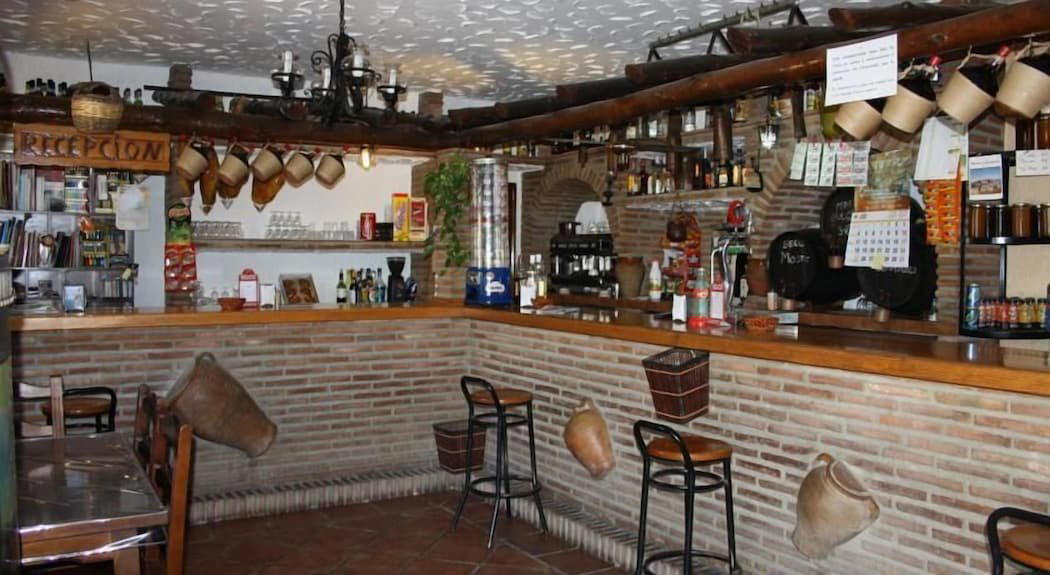
Restaurants in Tecate
Browse all →
Hotels in Tecate
Browse all →
Wineries in Tecate
Browse all →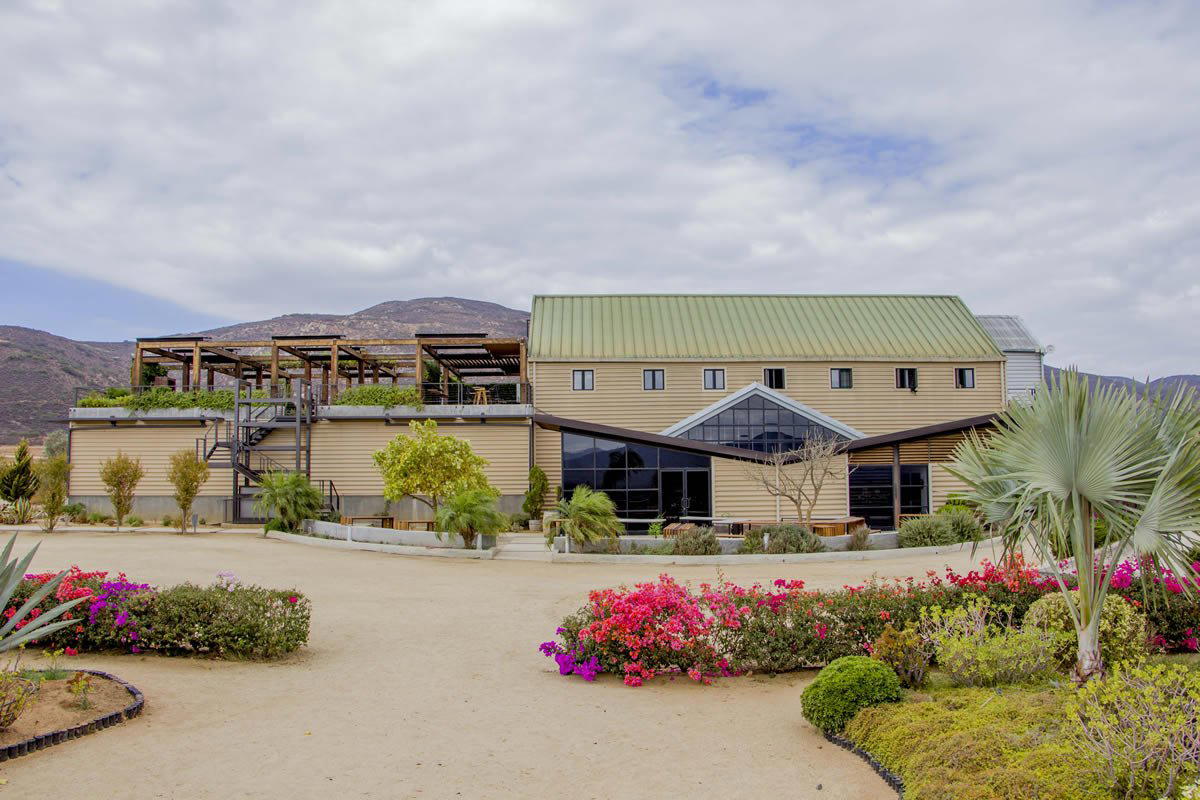
Details
- Scenic
- Cozy
- Rustic
- Intimate
- Casual Hangout
- Date Night
- After Work
- Group Outing
- Solo
- Terrace
- Panoramic View
- Hotel Bar
- Design Destination
- Garden
- Seated Bar
- Lounge Seating
- Outdoor Terrace
- Conventional Wine
- Craft Beer
- Low Abv
- Mountain
- Garden
Relaxed and cozy café-bar atmosphere with sofas by a fireplace, a lovely outdoor patio, and scenic mountain and garden views, serving as a quiet social hub for guests to enjoy local wine, coffee, and artisanal goods.