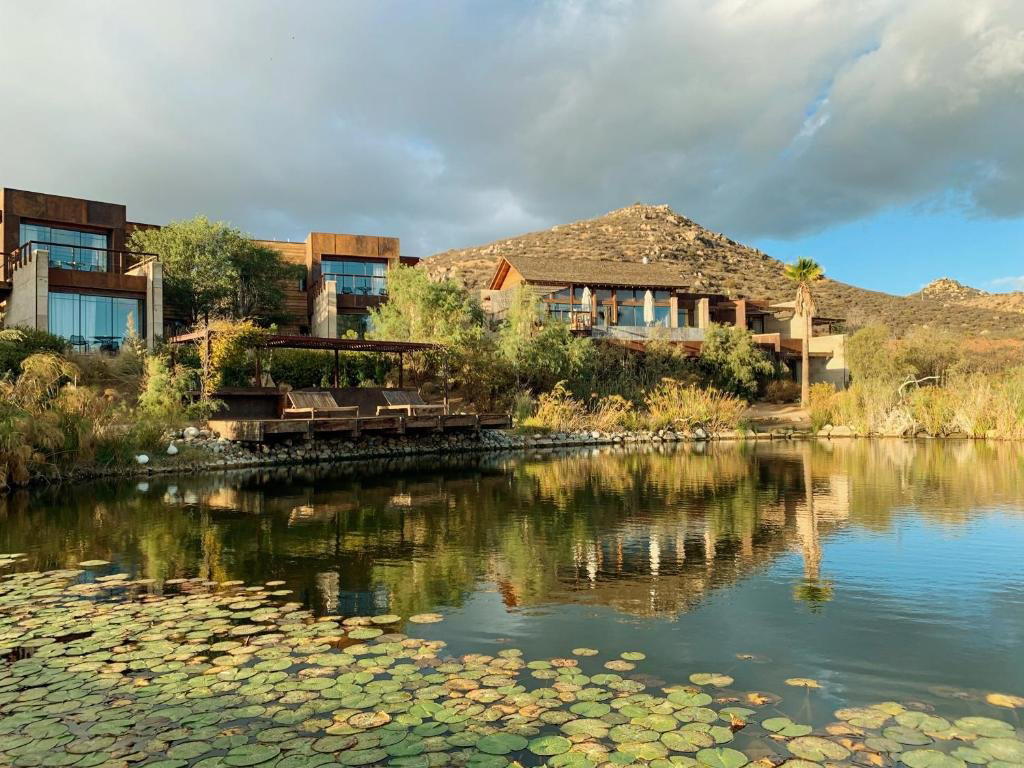
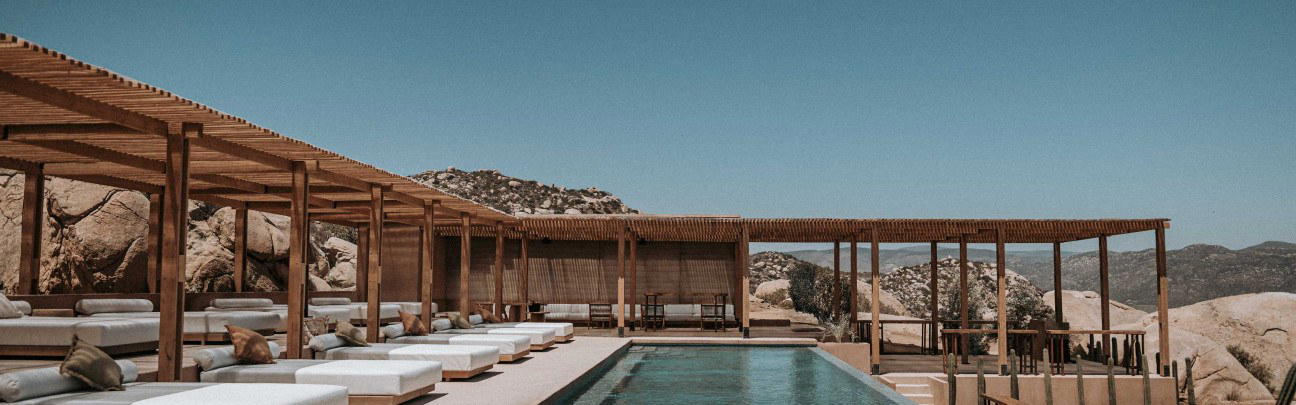
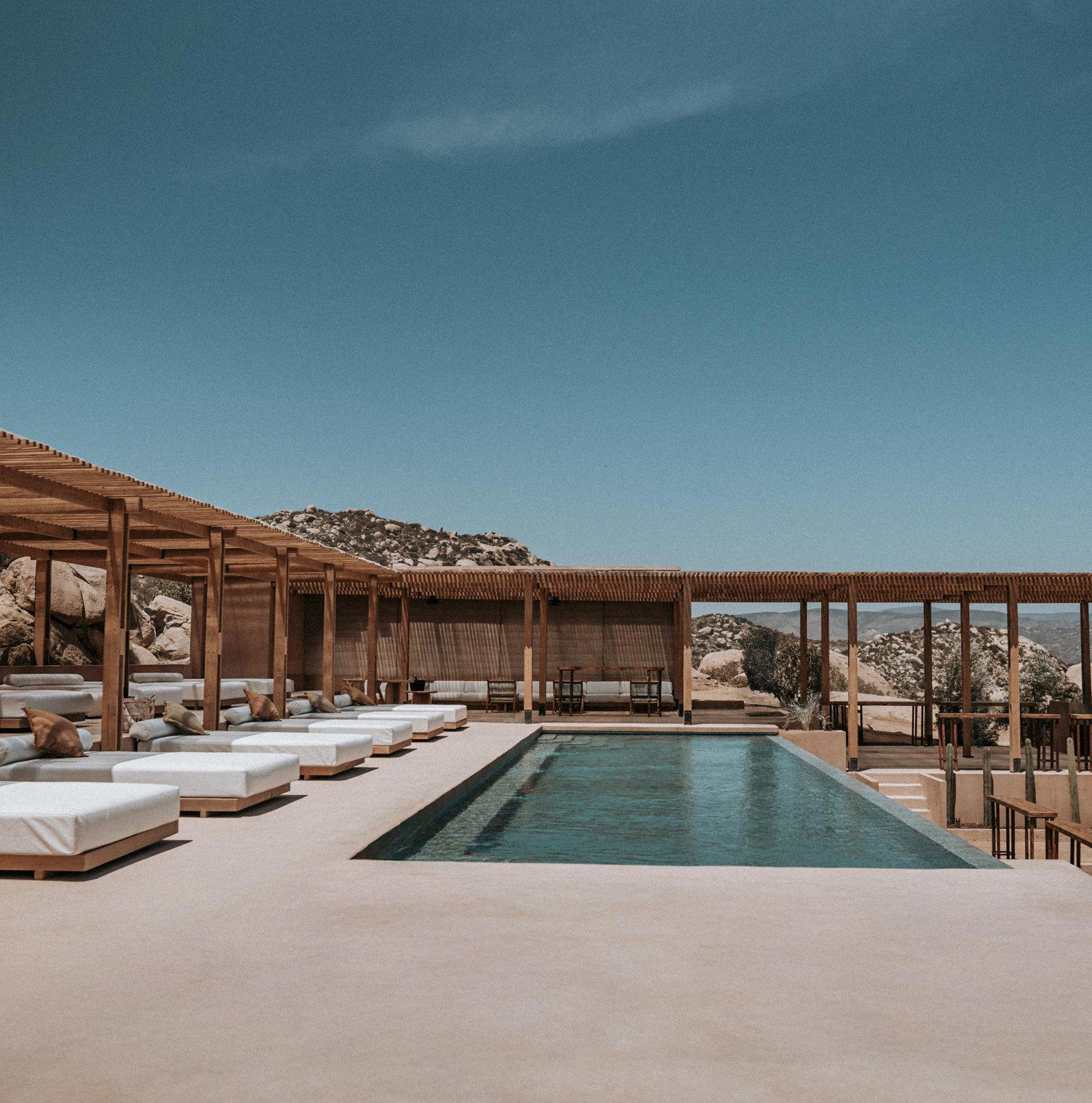
La Casa en la Piedra sits in Tecate's Hacienda del Rey district, where Baja California's wine and ranch traditions converge at the edge of the Sierra Juárez. The property takes its name from stone construction that anchors it to the local terrain rather than imported resort aesthetics. For travellers routing through northern Baja, it represents a quieter, more grounded alternative to the coast-facing properties farther south.
Pearl is the En Primeur Club membership app — saves, bookings, and concierge access live there. Same editors, same standards.
- Address
- Hacienda del Rey Lote 8 Mza 9, Militar, 21470 Tecate, B.C., Mexico
- Phone
- +52 686 209 8811
- Directions
- Get directions
 Saves & bookings on Pearl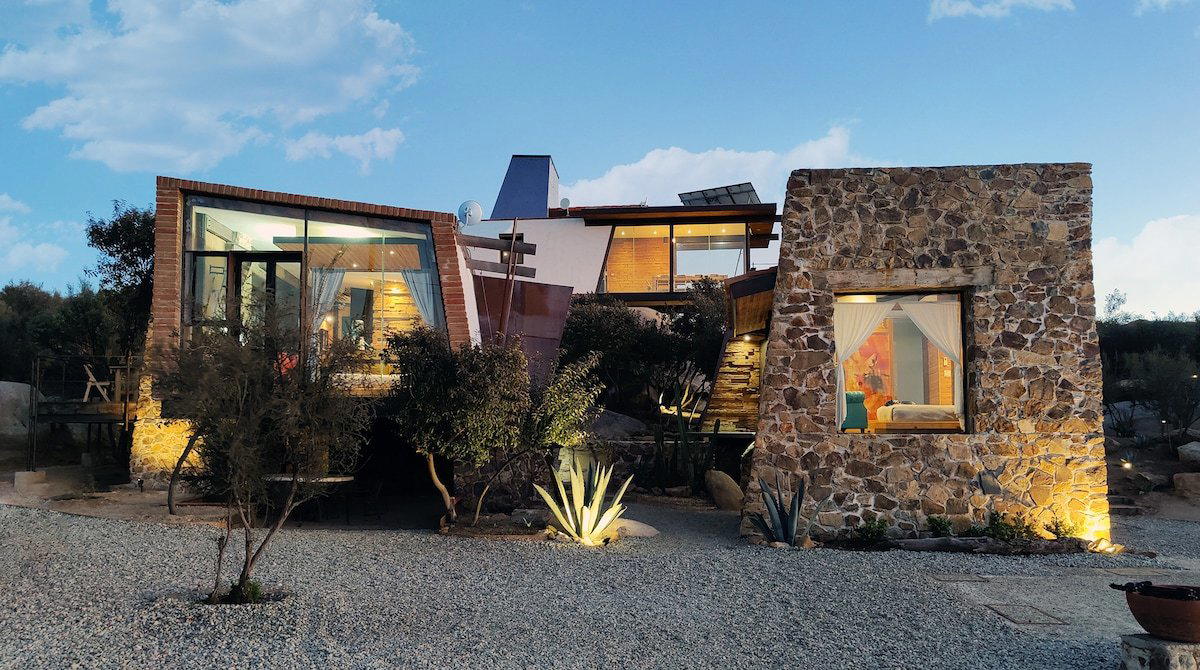
Stone, Terrain, and the Architecture of Restraint in Tecate
Most luxury properties in Baja California face the ocean. They orient themselves toward Pacific light, toward Sea of Cortez views, toward the visual drama that coastal geography provides almost effortlessly. La Casa en la Piedra is a 5-star hotel in Tecate, Baja California, at Hacienda del Rey Lote 8 Mza 9, Militar, 21470 Tecate, B.C. Mexico. The name itself, the house in the stone, is a design statement. In a region where imported materials and international hospitality templates have become the default, a property that identifies itself through local geology is making an argument about what belonging to a place actually means.
Tecate sits roughly 50 kilometres east of Tijuana along Mexico's Federal Highway 3, close enough to the US border that San Diego day-trippers sometimes treat it as a detour, but far enough in character from Rosarito or Ensenada that it occupies its own register. The town is associated with two things internationally: the brewery that has carried its name since 1944, and Rancho La Puerta Wellness Resort and Spa, which has operated on its western edge since 1940 and established Tecate as a destination for a certain kind of deliberate, slow-travel visitor long before wellness tourism had a category name. La Casa en la Piedra sits in this context: a municipal area with a longer institutional memory of intentional retreat than most of Baja's flashier coastal strips.
The Hacienda del Rey District: What the Address Signals
The Hacienda del Rey neighbourhood, where the property sits at Lote 8 Mza 9 on Militar, is not the kind of address that appears on international hotel circuit shortlists. That is partly the point. Northern Baja's premium hospitality map has historically been drawn along Highway 1 toward the Valle de Guadalupe wine country and south toward Los Cabos, leaving Tecate's inland district as a quieter, less-trafficked zone. Properties that choose this location are, by definition, selecting a different competitive frame: not the all-inclusive resort grid, not the wine-route boutique hotel cluster, but something closer to a rancho or hacienda tradition that predates both.
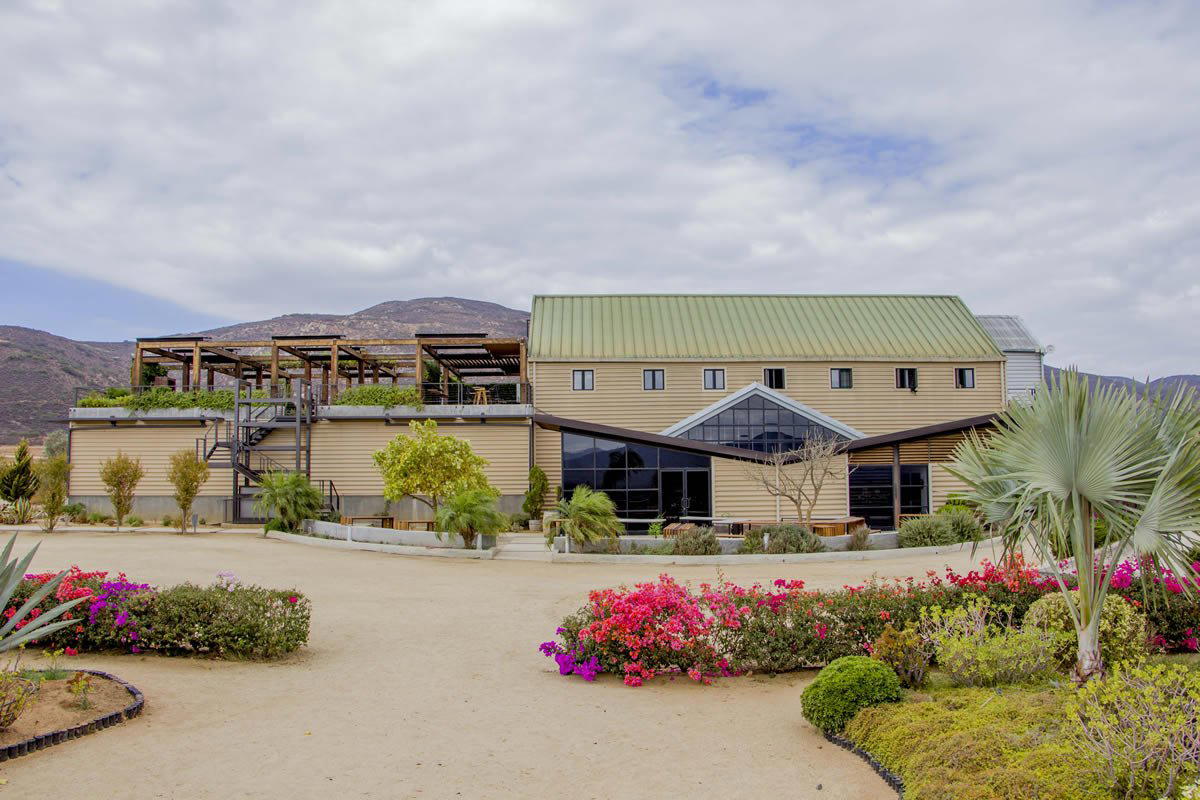
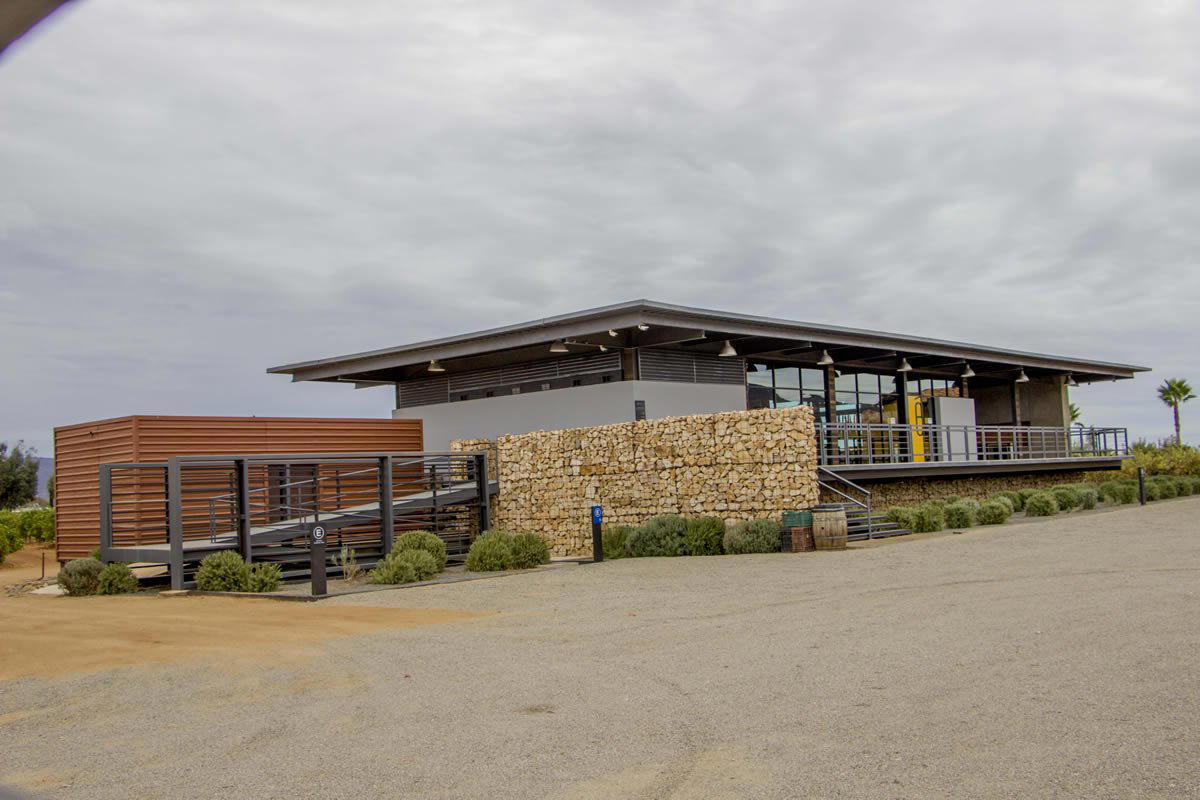
The hacienda model has deep roots in Baja California's colonial and agricultural history. These were working estates, built from local materials, organised around utility as much as aesthetics. The leading contemporary interpretations of this model don't reproduce the hacienda as costume. They extract its structural logic: thick walls for thermal regulation, interior courtyards for shade and airflow, stone and adobe that absorb heat by day and release it at night. Whether La Casa en la Piedra executes on all of these principles is something a visit would confirm, but the name and the district together place it in a lineage that is architecturally distinct from the glass-and-concrete resort vocabulary that dominates Mexico's coastal luxury tier.
How Tecate Sits in the Broader Baja Hospitality Picture
Baja California's premium travel circuit has become more sophisticated over the past decade, driven largely by Valle de Guadalupe's emergence as a serious wine region and by international press attention on places like Hotel Esencia in Tulum and Chablé Yucatán in Merida reshaping expectations for what design-led Mexican hospitality can achieve. Against that backdrop, Tecate's inland position reads less like a gap in the market and more like a deliberate counterpoint: slower, quieter, more oriented toward the land than the sea.
The comparison set for properties like La Casa en la Piedra isn't One&Only; Mandarina in Riviera Nayarit or Zadun, A Ritz-Carlton Reserve in Los Cabos, both of which operate in the large-footprint, amenity-dense tier of Mexican luxury. It isn't even Las Ventanas al Paraíso, A Rosewood Resort in San José del Cabo or Montage Los Cabos in Cabo San Lucas, which serve a polished international clientele with expectations calibrated to global luxury standards. The relevant peers are smaller, more particular: places like Casa Silencio in San Pablo Villa de Mitla or Las Alamandas in Costalegre, where the editorial proposition is a specific landscape and a specific quietness, rather than a comprehensive programme of diversions.
This is a meaningful distinction for how to approach planning. Travellers who arrive in Tecate expecting Los Cabos-style infrastructure will be disappointed. Travellers who arrive having done the work of understanding what the Sierra Juárez foothills actually offer, hiking terrain, proximity to wine country, a border-region culture that mixes northern Mexican ranch traditions with a slow but growing interest in agritourism, will find the location genuinely rewarding.
The Stone-and-Land Architecture Tradition in Baja's Interior
In Mexican vernacular architecture, working with local stone is less a design choice than a necessity born of geography. The Sierra Juárez and its foothills offered granite and volcanic rock in abundance. The haciendas and ranchos built in this region over several centuries used what was available, and what was available produced buildings that aged well: thick, weathered, visually inseparable from the land around them. Contemporary boutique properties that draw on this tradition are operating in a longer lineage than most resort brands manage, even if that lineage is rarely discussed in the same breath as Aman's architectural collaborations or the Belmond portfolio's historic European properties.
For a sense of how Mexican design-led properties operate at different scales and contexts across the country, see Casa Polanco in Mexico City, Casa Antonieta in Oaxaca City, or Casa de Sierra Nevada, A Belmond Hotel in San Miguel de Allende, each of which translates a different regional material and spatial tradition into a hospitality format. The northern Baja interior context is coarser and less ornate than San Miguel's colonial centre or Oaxaca's baroque streetscape, but it carries its own structural clarity.
Planning a Visit: What to Expect From the Area
Tecate is accessible by road from San Diego in under two hours via the Otay Mesa or Tecate border crossings, making it practical as a long weekend from Southern California. The Valle de Guadalupe wine region sits roughly 60 kilometres to the northwest via Federal Highway 3, a route that connects two of northern Baja's most interesting inland destinations in a single drive. For broader regional context and dining options in the area, see our full Tecate restaurants guide.
For comparison with other properties across Mexico that operate in a similarly deliberate, lower-volume register, Playa Viva in Juluchuca, Xinalani in Quimixto, and Hotel Punta Caliza in Lazaro Cardenas each offer a reference point for how Mexican boutique hospitality functions away from the major resort corridors.
How It Stacks Up
Comparable venues nearby, for context on price, style, and recognition.
| Venue | Cuisine | Price | Awards | Notes |
|---|---|---|---|---|
| La Casa en la PiedraThis venue — the venue you are viewing | Permaculture retreat with architectural significance; organic design using natural and recycled materials. | $$$ | 5-Star | Not listed |
| Rancho La Puerta Wellness Resort and Spa | Private casitas set in 4,000 acres of mountains and gardens with distinct architectural personalities. | $$$$ | 5-Star | Tecate |
| Park Hyatt Cabo del Sol | Contemporary Mexican resort with biophilic design | $$$$ | 5-Star | Cabo del Sol |
| Hacienda Temozon | Historic hacienda with modern luxury | $$$$ | 5-Star | Temozon Sur |
| One&Only Mandarina | Cliffside hideaway set in jungle above the Pacific with modern treehouses and villas | $$$$ | 5-Star | Lo de Marcos |
| Hacienda Uayamon | Restored 18th-century henequen hacienda with colonial stone architecture and jungle surroundings | $$$$ | 5-Star | Uayamon |
Continue exploring
More in Tecate
Hotels in Tecate
Browse all →
Bars in Tecate
Browse all →
Restaurants in Tecate
Browse all →

At a Glance
- Scenic
- Rustic
- Bohemian
- Intimate
- Romantic Getaway
- Wellness Retreat
- Weekend Escape
- Panoramic View
- Garden
- Private Villa
- Design Destination
- Wi Fi
- Garden
- Mountain
- Wi Fi
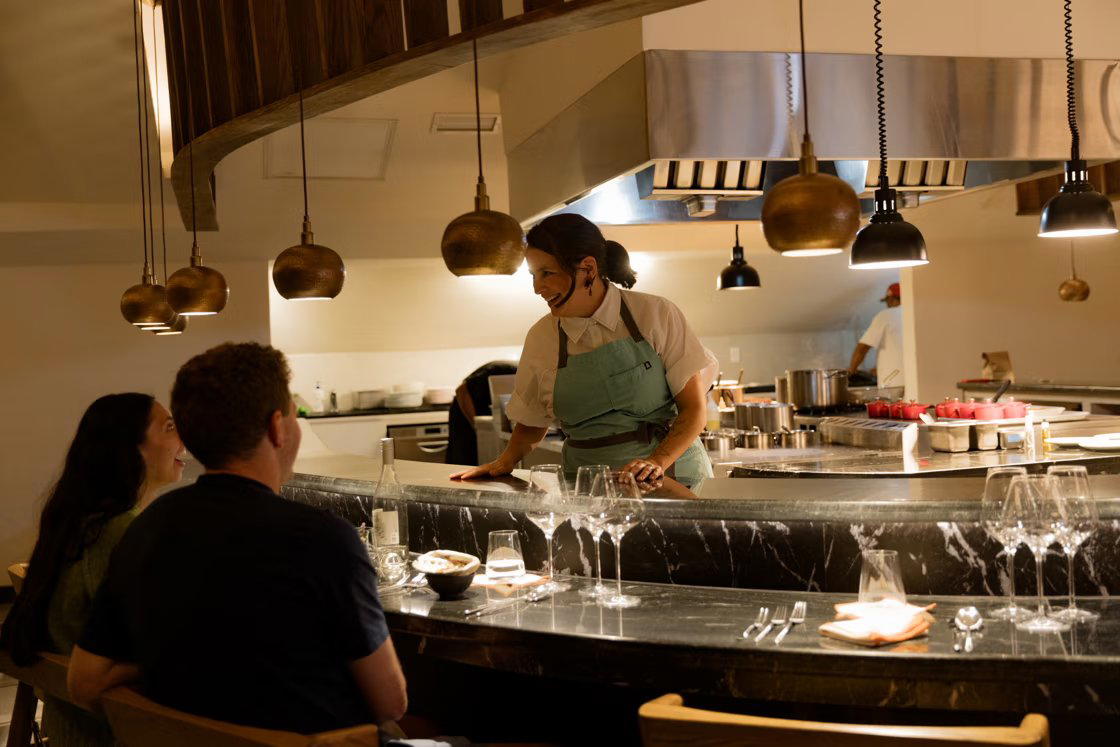
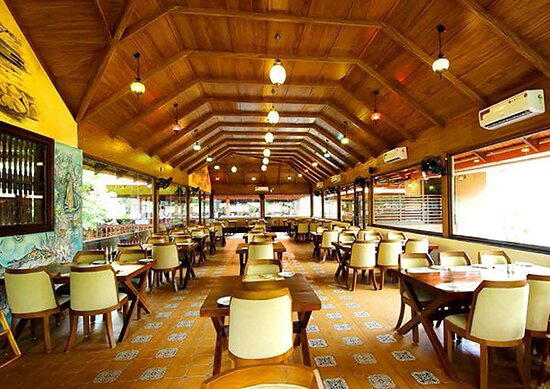
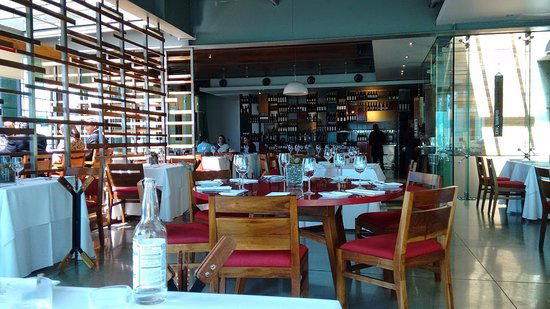
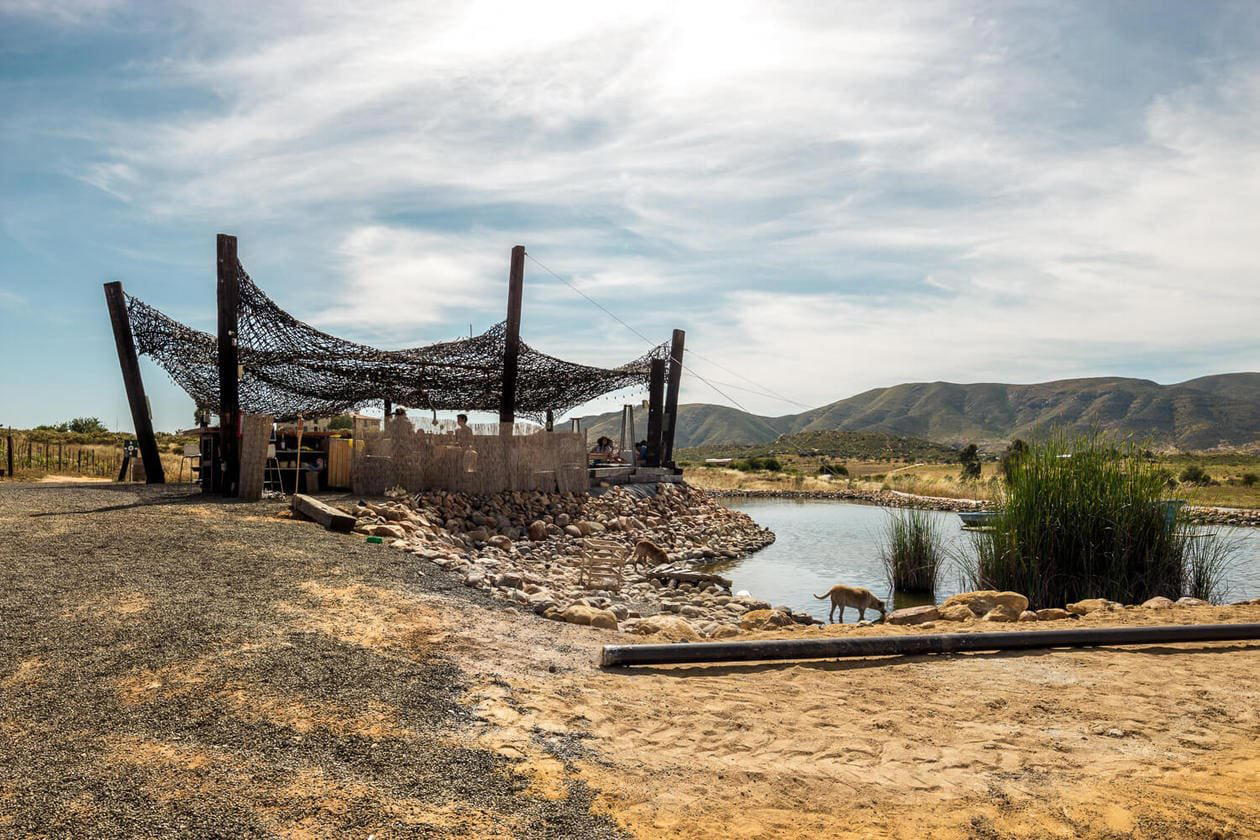
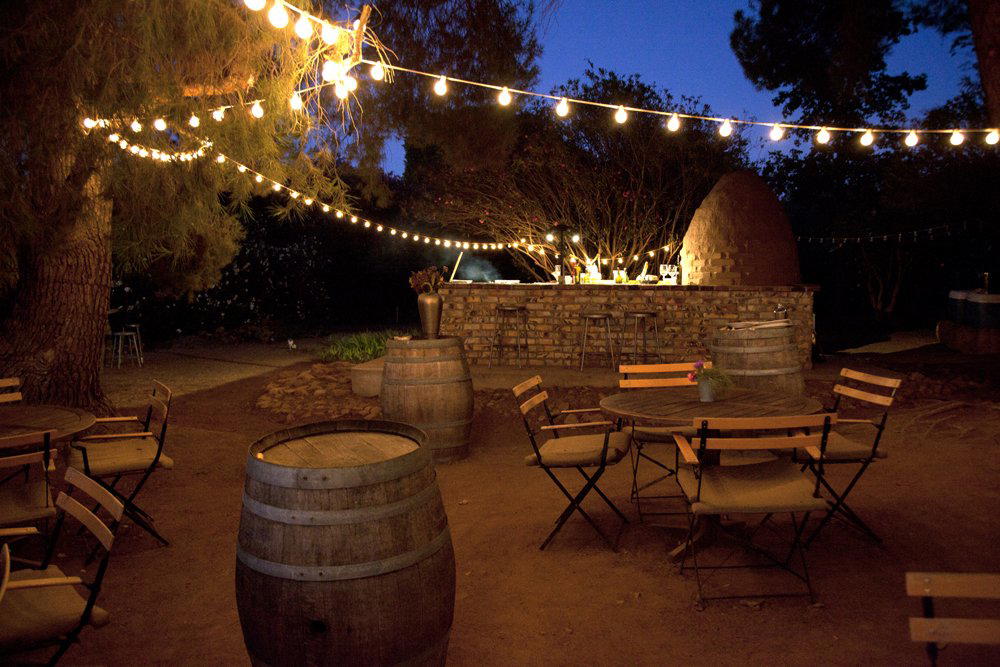
Natural, serene setting with organic design elements and connection to the surrounding environment; peaceful retreat atmosphere.