
Michelin Plate
Our verdict
Oryx holds consecutive Michelin Plate recognitions for 2024 and 2025, placing it among the handful of Tijuana restaurants that Michelin's inspectors have formally acknowledged. The kitchen works in the Mexican tradition at a mid-range price point, making it one of the more accessible entry points into the city's recognized dining tier on Boulevard Agua Caliente.

Pearl is the En Primeur Club membership app, where members save venues, book tables and use the concierge.
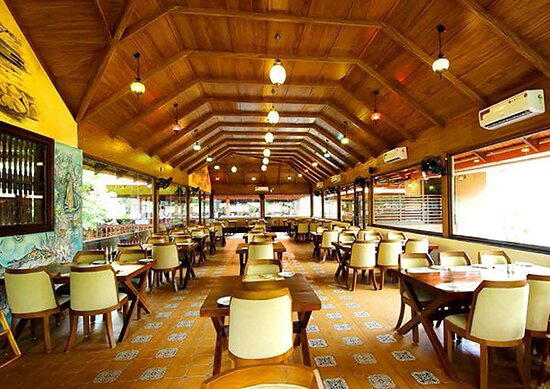
The menu
What to order
- Consomé de camarón con hongas
- Taco negro
- Aged rib eye steak
- Churros with bourbon ice cream
Tijuana's Recognized Dining Tier and Where Oryx Sits Within It
Boulevard Agua Caliente runs through one of Tijuana's most commercially dense corridors, where international hotel brands, shopping centres, and the city's longer-standing restaurants occupy the same stretch of road. Dining here carries a different register than the taco-stand concentration further north or the newer chef-driven rooms along Avenida Revolución. The boulevard's address signals permanence and a certain formality, even at mid-range price points. Oryx, at address 10750 Interior 84, operates inside that context: a Mexican kitchen in the $$ tier, holding Michelin Plate recognition in both 2024 and 2025, which places it inside a notably small group of Tijuana restaurants that Michelin's international inspection team has formally assessed and approved.
For context on what that recognition means in competitive terms: the Michelin Plate is not a star, but it is not a participation note either. It signals that inspectors found food quality good enough to recommend, even if a star was not awarded. In a city where Michelin only expanded its Mexico guide in recent years, holding that designation consecutively suggests a kitchen operating with consistency rather than flash. Across Mexico's Michelin-acknowledged restaurants, from Pujol in Mexico City at the upper register to plates earned by mid-range regional kitchens, the designation functions as a floor-setting quality marker rather than a ceiling.
The Mole Tradition as a Framework for Mexican Cooking
Mexican cuisine's complexity is most legibly demonstrated through mole, the sauce category that resists simple classification. The term covers dozens of distinct preparations across Oaxaca, Puebla, and other producing regions, and the distinctions between them encode geography, seasonal ingredient availability, and culinary lineage in ways that no single technique can summarize. A negro mole from Oaxaca, built over several days from dried chiles, chocolate, charred onion, and a rotation of spices ground on a stone metate, communicates something categorically different from a pipián, a coloradito, or the chichilo that appears in Oaxacan Zapotec cooking. The difference is not just flavor profile; it is a record of which ingredients a region had access to, how colonial-era trade altered spice palettes, and what techniques survived across generations.
Tijuana's position as a border city adds another layer. The kitchens here have long absorbed Baja California's coastal and agricultural produce alongside influences from northern Mexico's cattle-ranching tradition. Restaurants that draw on the mole canon in this city are typically working with a broader ingredient palette than their Oaxacan counterparts, incorporating local chiles, regional spirits, and the citrus and olive oil that coastal Baja production makes available. Carmelita Molino y Cocina, another Tijuana Mexican kitchen in the same price tier, takes the molino format as its explicit organizing principle, with a corn-grinding and sauce-making emphasis that connects directly to that tradition. These kitchens collectively represent a local scene that takes the sauce canon seriously rather than treating moles as a legacy garnish.
For comparable regional-Mexican ambition outside Tijuana, Levadura de Olla Restaurante in Oaxaca operates at the source of Mexico's most documented mole tradition, while KOLI Cocina de Origen in Monterrey and Pangea in San Pedro Garza Garcia demonstrate that serious engagement with Mexican culinary heritage is not confined to the south. The Baja corridor itself produces strong contextual comparison: Animalón in Valle de Guadalupe, Olivea Farm to Table in Ensenada, and Lunario in El Porvenir each operate within an hour or two of Tijuana and share the region's ingredient logic, if not its urban context.
Within Tijuana's own recognized dining tier, Oryx occupies a specific position. Mision 19 operates a tier above in price ($$$) and has a longer public record as a benchmark for the city's contemporary Mexican fine-dining aspirations. At the other end of the accessibility scale, Tacos El Franc represents the street-level tradition that gives Tijuana much of its food identity. Oryx's $$ positioning means it occupies the middle ground: formal enough in execution to earn Michelin notice, accessible enough in pricing to function as a genuine local restaurant rather than a special-occasion luxury.
That combination, Michelin acknowledgment and a broad public rating base, is not common in Tijuana's dining scene and is worth treating as a meaningful data point when thinking about where to allocate a meal on a given visit. The restaurant sits in a commercial complex on Agua Caliente, which means the entrance context is more plaza than plaza mayor, but boulevard-side restaurants in this zone have long been the default for sit-down dining among locals who are not chasing the trendier zones.
For travellers using Tijuana as a base for Baja California exploration, the full picture of where to eat, drink, and stay warrants more than a single restaurant decision. Our full Tijuana restaurants guide maps the city's recognized and emerging kitchens across price tiers. Our full Tijuana hotels guide, our full Tijuana bars guide, our full Tijuana wineries guide, and our full Tijuana experiences guide cover the wider visit. For Mexican-cuisine comparison outside the country, Alma Fonda Fina in Denver, Cariño in Chicago, and Le Chique in Puerto Morelos each offer a point of reference for how regional Mexican cooking translates across different operating contexts.
Planning a Visit
Oryx is on Boulevard Agua Caliente 10750, Interior 84, in the Calete zone of Tijuana, a commercial address that is direct to reach by taxi or rideshare from the border crossing or from the city's central hotel district. The $$ price range puts it in step with mid-range Mexico City dining and noticeably below Mision 19's pricing tier, making it a reasonable choice when you want a sit-down Mexican kitchen without the full fine-dining outlay.
Frequently asked questions
Can I bring kids to Oryx?
Nothing in the venue's public record restricts younger diners. The address on Boulevard Agua Caliente places Oryx in a commercial corridor that draws a broad mix of guests rather than an exclusively adult bar crowd. That said, the Michelin Plate recognition suggests a level of cooking that rewards attentive dining, so very young children who need frequent attention may find the format less comfortable.
What's the vibe at Oryx?
Oryx sits in the Calete zone of Boulevard Agua Caliente, Tijuana's most commercially dense stretch, which sets a grounded, city-facing tone rather than a resort or tourist-district register. Consecutive Michelin Plates in 2024 and 2025 signal a kitchen operating with intention, placing it a tier above casual neighbourhood spots without crossing into the white-tablecloth formality of peers like Mision 19. The price range ($$) keeps it accessible enough to draw a regular local crowd.
Does Oryx have a Michelin star or similar recognition?
Oryx has received recognition including: Michelin Plate (2025); Michelin Plate (2024).
What should I eat at Oryx?
The kitchen works within Mexican cuisine, a category where technique depth varies enormously from dish to dish. Given the Michelin Plate recognition across two consecutive years, the cooking demonstrates consistency rather than novelty for its own sake.
How much does it cost to eat at Oryx?
Pricing at Oryx is listed as $$.
What part of town is Oryx in?
Oryx is located at Blvd. Agua Caliente 10750-Interior 84, Calete, 22020 Tijuana, B.C. Mexico, Tijuana.
Cuisine and Credentials
| Venue | Cuisine | Price | Awards |
|---|---|---|---|
| OryxThis venue (the venue you are viewing) | Modern Mexican | $50–100 | Michelin Plate |
| Carmelita Molino y Cocina | Modern Mexican with Nixtamalized Corn | $20–30 | Michelin Bib Gourmand |
| Mision 19 | Modern Baja Med | $50–100 | Michelin Plate |
| Tacos El Franc | Tijuana-Style Taqueria | $10–20 | Michelin Plate |
Recognition history
Dated appearances from independent guides and award organizations, with the underlying list record or original source where available.
Michelin Plate
Michelin
Full recognition history (3 entries)
Michelin Plate
Michelin
Michelin Plate
Michelin
Continue exploring
More in Tijuana
Restaurants in Tijuana
All restaurants in Tijuana →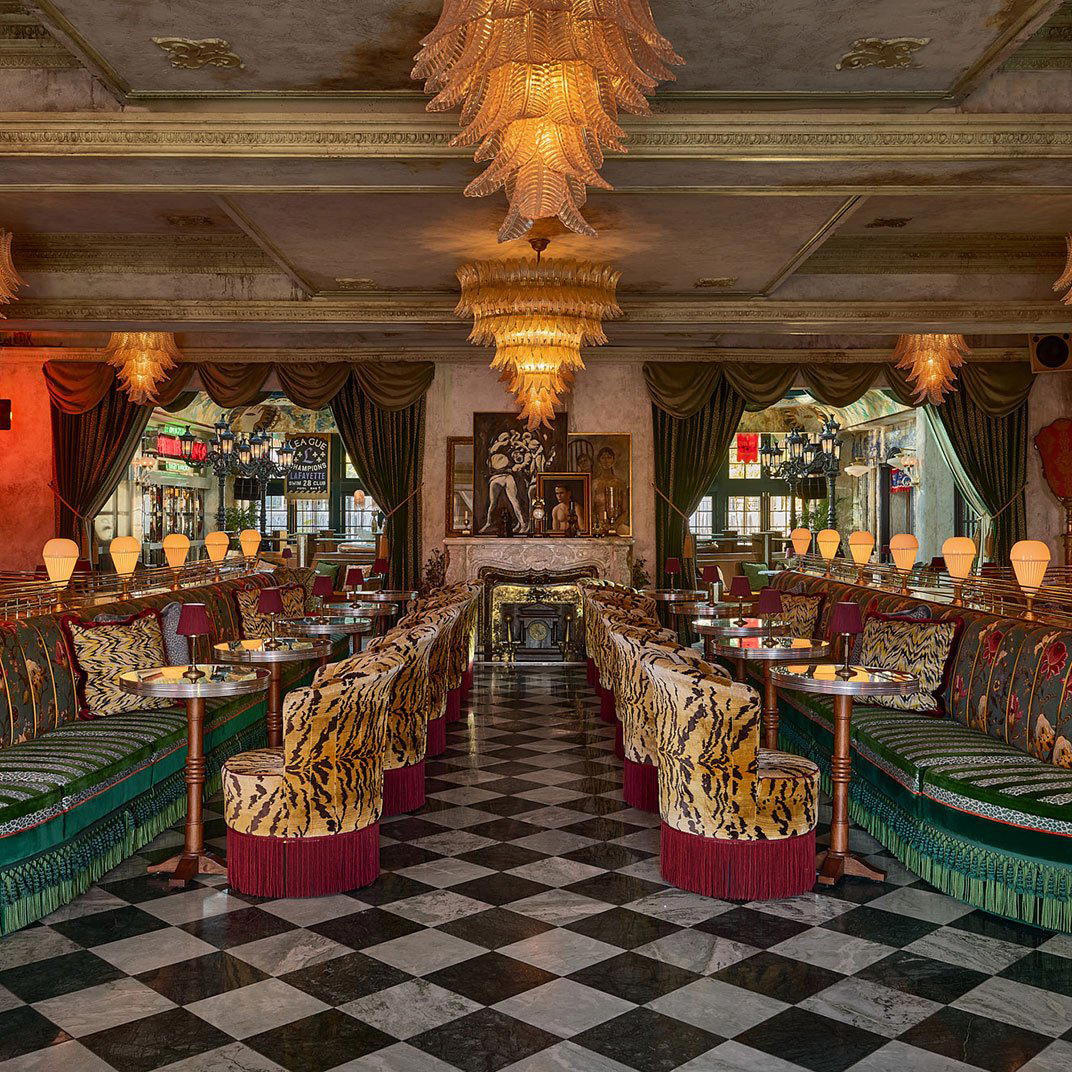
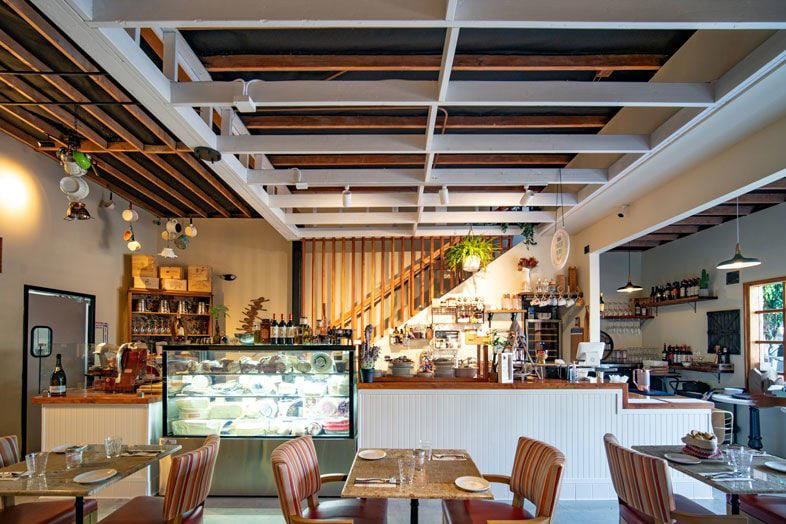
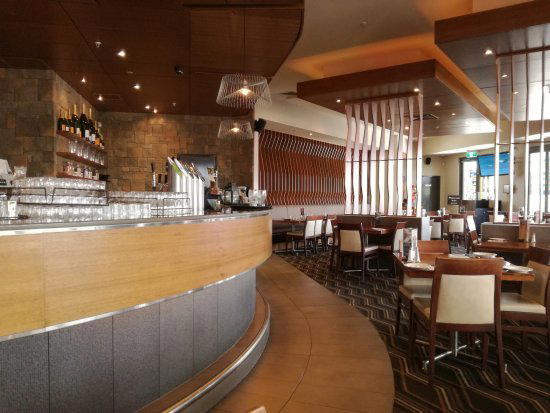
Bars in Tijuana
All bars in Tijuana →


Details
- Industrial
- Modern
- Elegant
- Sophisticated
- Date Night
- Special Occasion
- Business Dinner
- Open Kitchen
- Craft Cocktails
- A La Carte
- Tasting Menu
- Craft Cocktails
Current opening hours
- Monday
- 1 PM–12 AM
- Tuesday
- 1 PM–12 AM
- Wednesday
- 1 PM–12 AM
- Thursday
- 1 PM–2 AM
- Friday
- 1 PM–2 AM
- Saturday
- 1 PM–2 AM
- Sunday
- Closed
Hours can change for holidays and private events. Hours as of .
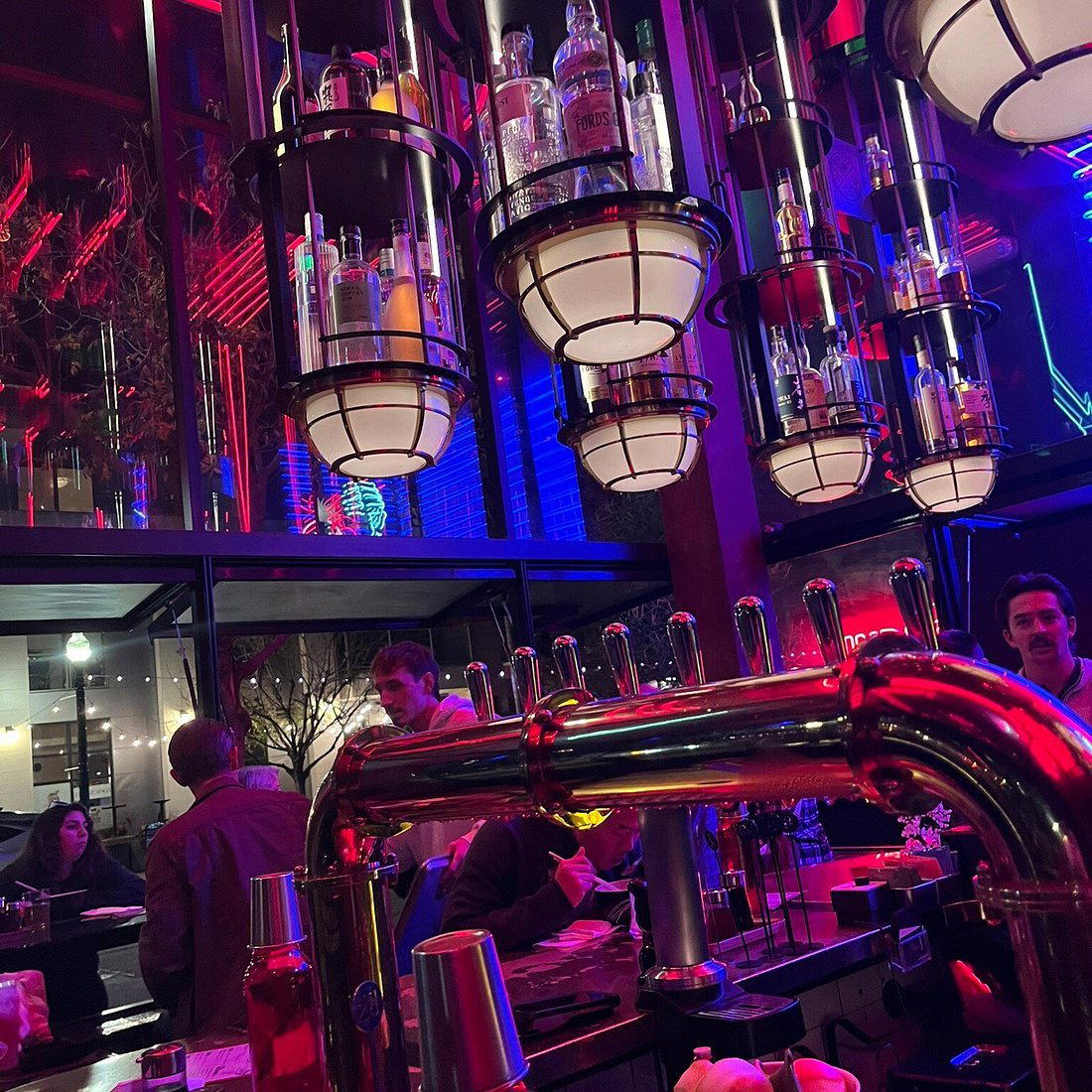
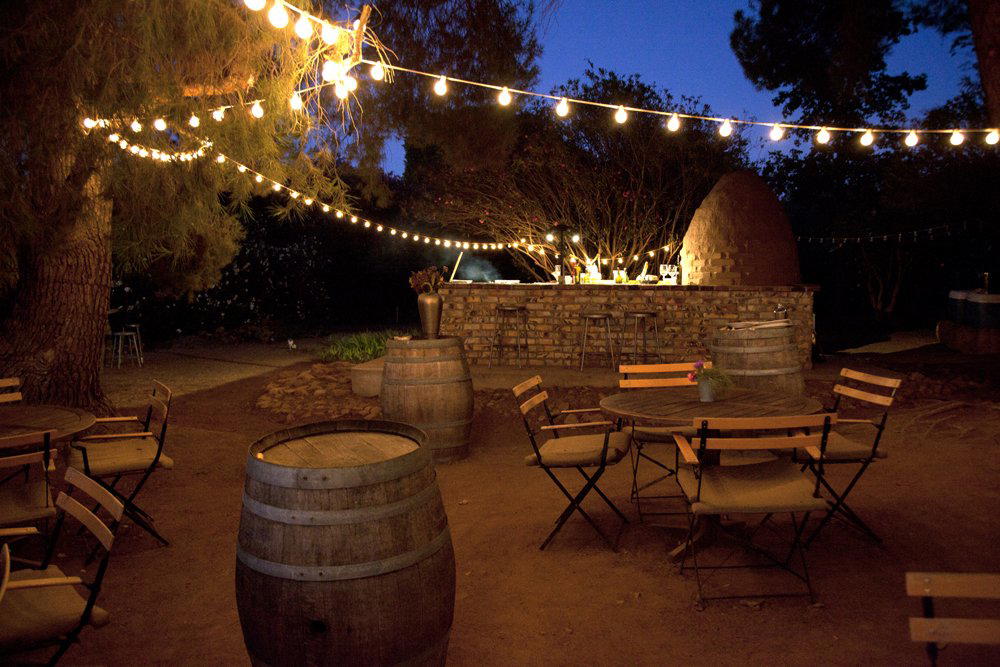
Dressed-up industrial look with dark earthy colors, exposed red brick walls, wood and tiled flooring, metal beams, and warm lighting.