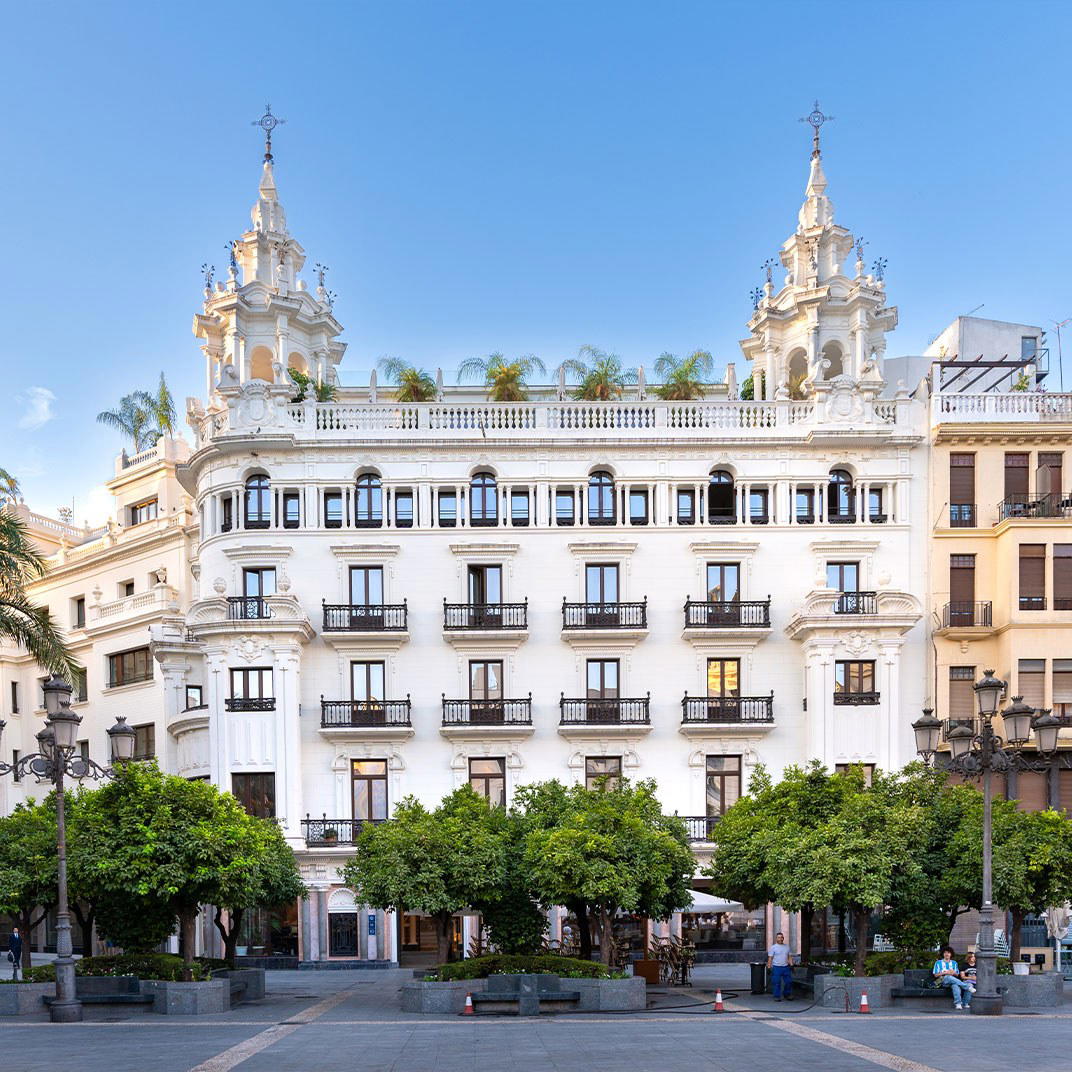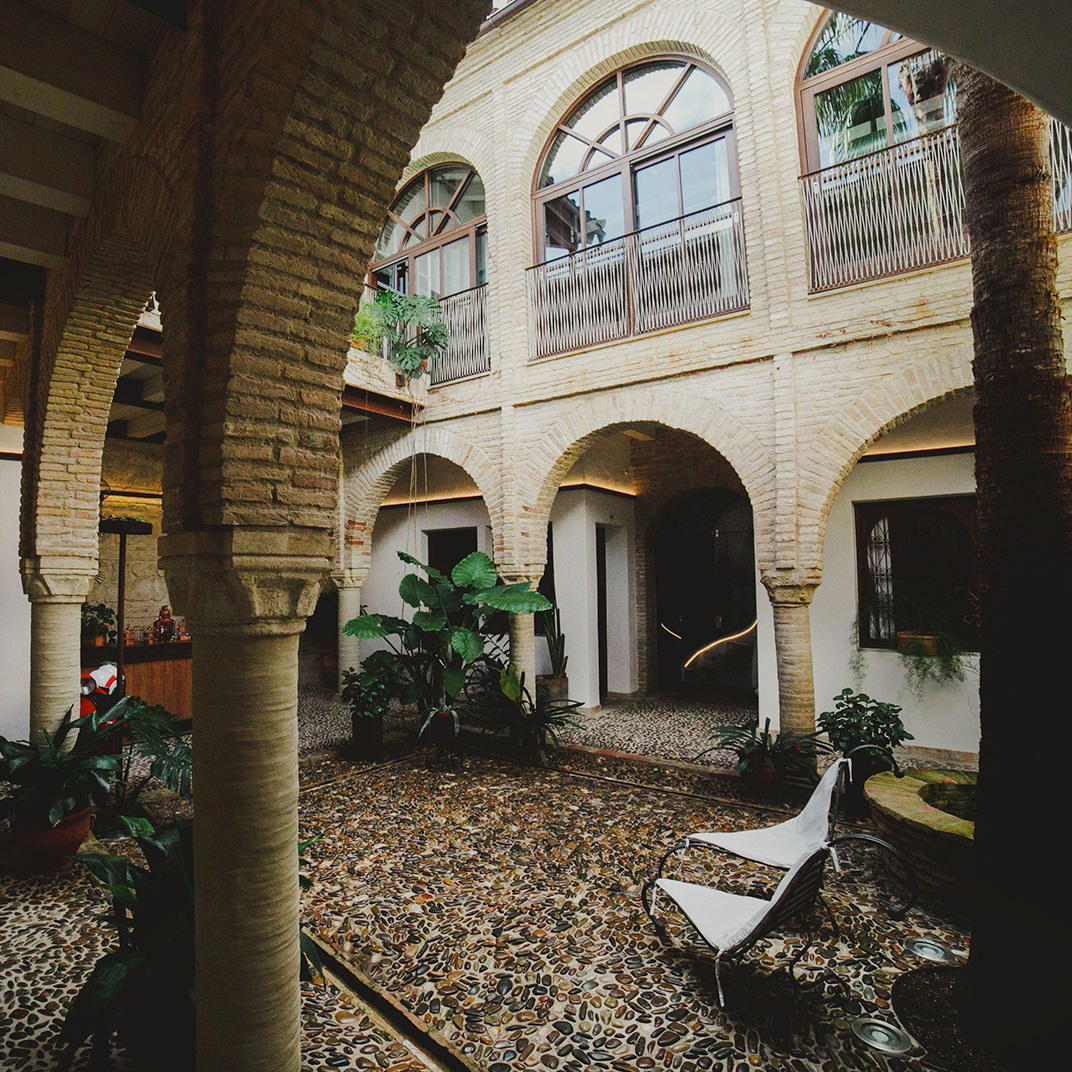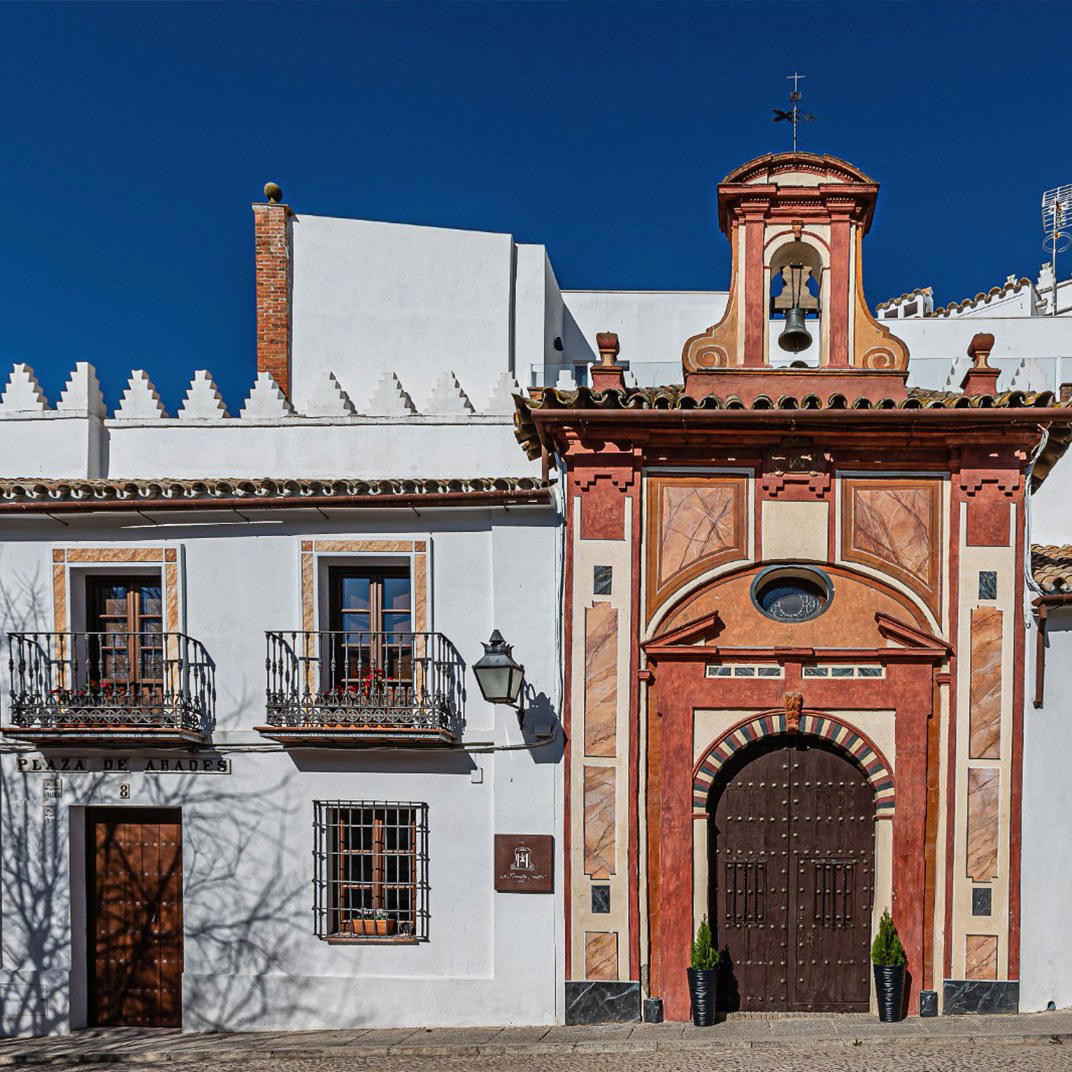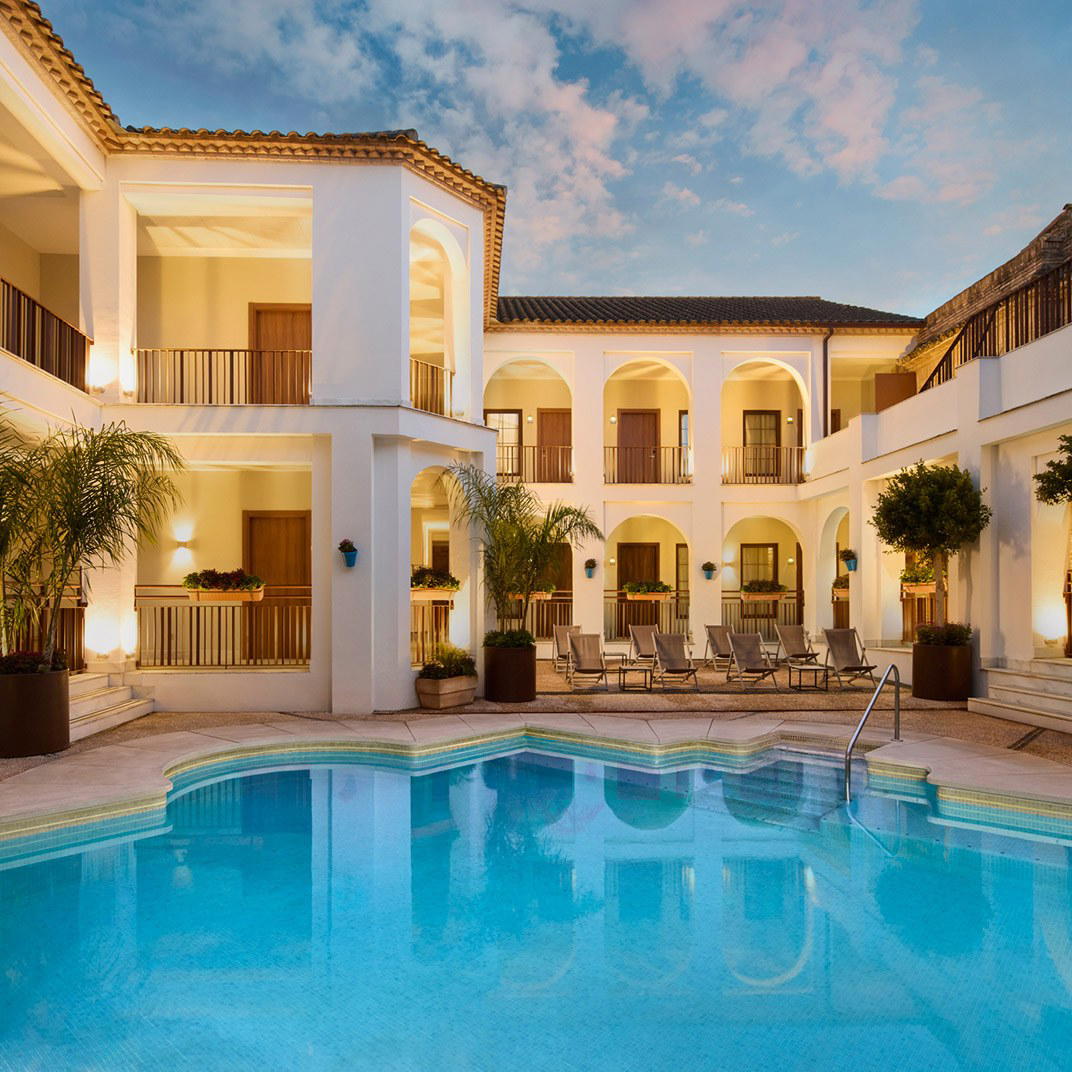
Fernet Capri Distillery is one of Córdoba's recognised spirits producers, holding a Pearl 1 Star Prestige award (2025) from EP Club. Operating within a small cohort of Andalusian distilleries pushing craft production into a region better known for wine and sherry, it represents a shift in how southern Spain's drinks scene is being mapped by serious tasters.
 Request Booking on Pearl
Pearl is the En Primeur Club membership app — saves, bookings, and concierge access live there. Same editors, same standards.

Where Andalusian Spirits Production Is Heading
Spain's spirits conversation has long been dominated by the sherry triangle and, more recently, by gin producers in the Levant and the north. Córdoba sits at a remove from both of those gravitational centres, which makes the emergence of a recognised distillery here worth reading as a signal rather than an anomaly. Fernet Capri Distillery has a 2025 Pearl 1 Star Prestige rating from EP Club, and its work is being taken seriously by structured tasting programmes. That credential matters not because awards define quality, but because it indicates the operation is being assessed against a comparable set that extends well beyond local recognition.
The country's spirits geography tilts heavily toward botanical gins and, in the south, toward fortified wine derivatives. A fernet-style producer in Córdoba occupies genuinely unusual ground, sitting between the bitter liqueur traditions of northern Italy and the herbal production culture of central Europe, expressed through an Andalusian lens. The botanicals, aging regimen, and blend structure are not detailed in the material here, but the category positioning alone is worth understanding before you visit.
The Tasting Experience: What a Visit Feels Like
Distillery visits in this price tier and format class have diverged sharply in recent years. At one end, large-production facilities offer scripted tours with retail upsells and little time at the actual product. At the other, small-batch operations with serious intentions tend to run quieter, more forensic sessions where the liquid itself does the explaining. Based on its award standing and the niche it occupies, Fernet Capri reads closer to the latter model.
Fernet as a category rewards attention in ways that many spirits do not. Its defining structure, bitterness layered over herbal complexity with a finish that can range from minty and cooling to deeply medicinal, means that a proper tasting reveals things that a casual pour at a bar will not. The progression from nose to palate to finish tends to unfold slowly, and producers who take the category seriously will walk visitors through that sequence with intention. In that sense, a distillery tasting of fernet-style spirit is less like a wine tasting and more like a tutorial in how botanical combinations interact with time and alcohol as a solvent. Arriving with that expectation calibrated will improve the visit considerably.
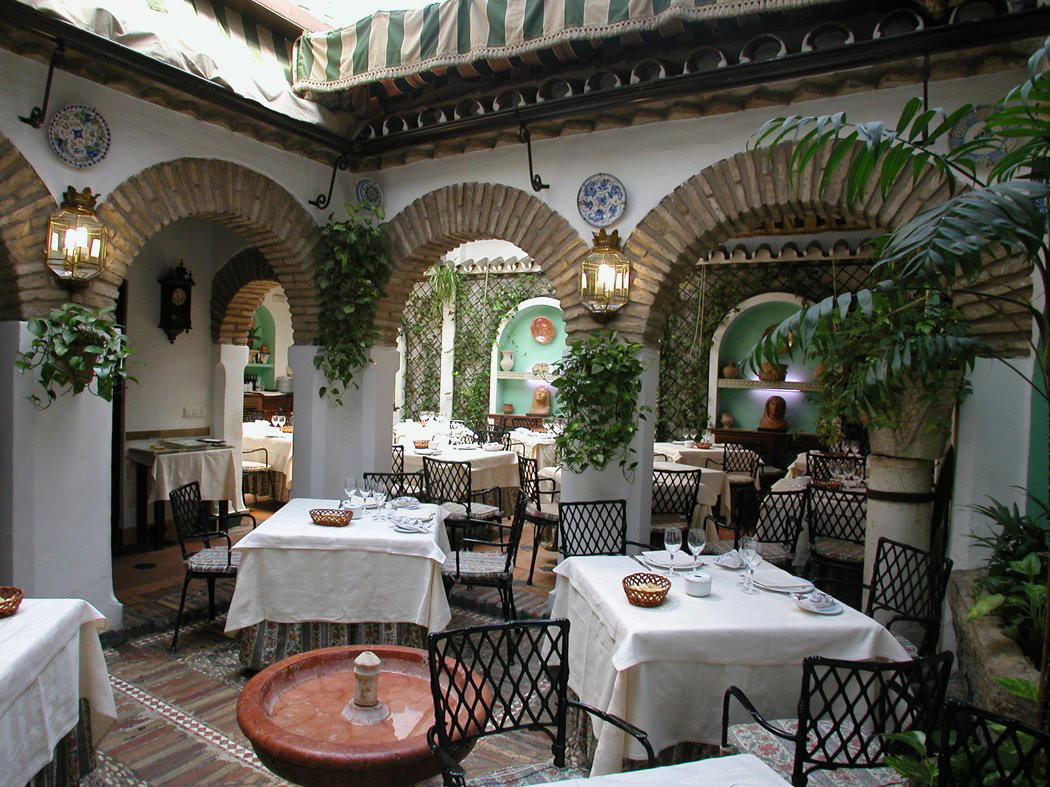
Córdoba as a backdrop adds its own dimension. The city's historic centre is dense, layered, and oriented around the Mezquita-Catedral and the tangle of streets in the Judería. If Fernet Capri operates from within or near that area, the approach matters as much as the room you arrive in. Andalusian cities in summer route visitors around heat as much as geography, and the leading distillery visits in warm-climate regions tend to use interior spaces, shade, and the temperature differential between outside and inside as part of the sensory framing. That is not a detail unique to Capri; it is a feature of the format class in this climate.
Córdoba's Drinks Scene: Where This Fits
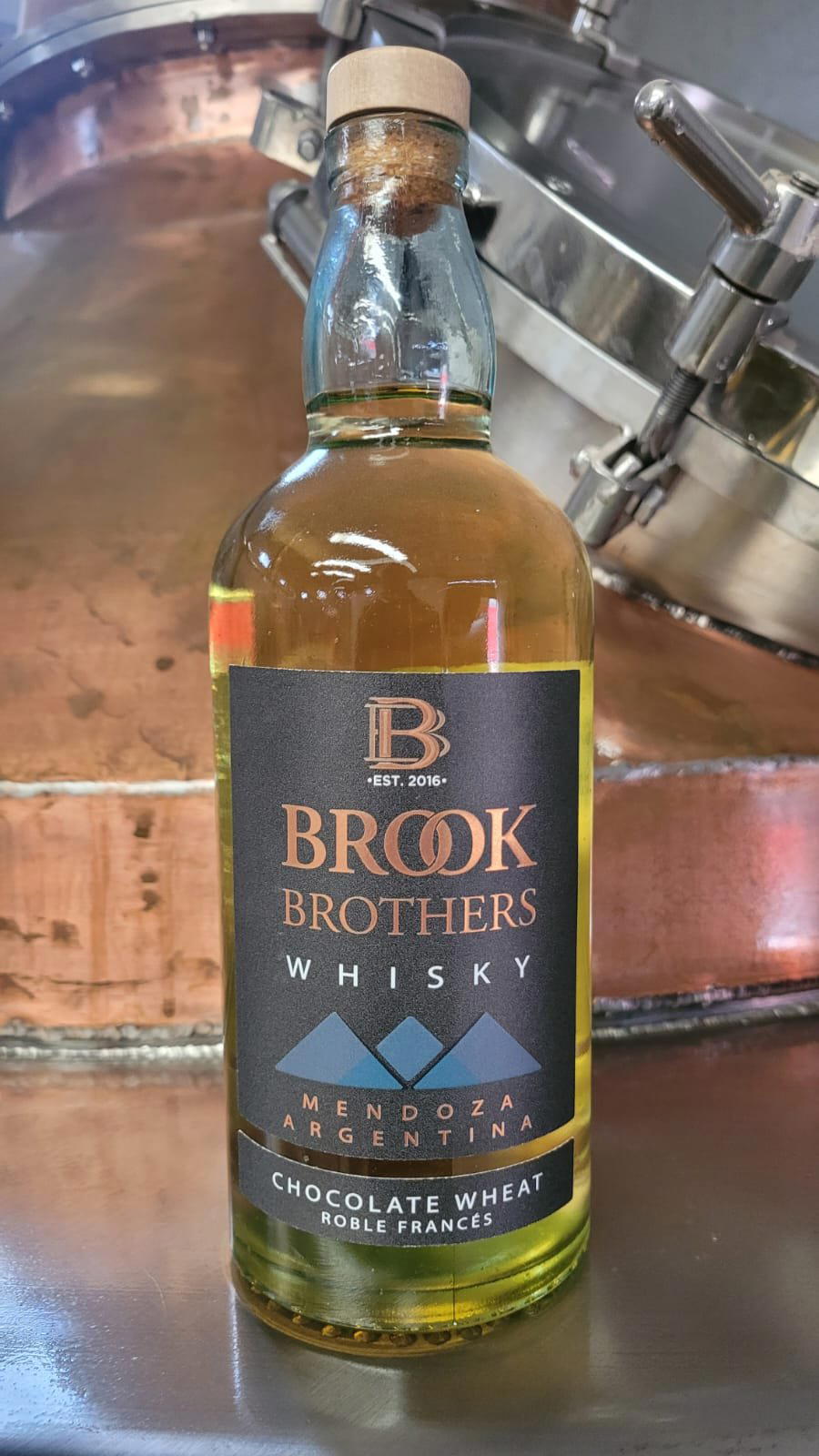
Córdoba's craft spirits producers form a small, loosely defined group. Among the operations EP Club has mapped, Brook Brothers Distillery and Destilería Ánima represent adjacent production models, while La Orden del Libra Gin sits in the botanical gin tier that has dominated Andalusian craft spirits in recent years. Fernet Capri's choice to work in a different category, bitter herbal liqueurs rather than gin or brandy, marks it as a more deliberate outlier within that local peer group. That positioning is either a constraint or an advantage depending on what the visitor is looking for.
Spain's broader spirits geography offers some useful reference points. The sherry producers of Jerez, including Lustau in Jerez de la Frontera, have long demonstrated how southern Spain can produce complex, aged, bitter-adjacent products that reward serious attention. The leap from that tradition to fernet production is not as wide as it might appear: both categories depend on time, botanical or oxidative complexity, and a willingness to work with flavour profiles that reward the patient taster over the casual one. Córdoba sits roughly two hours from Jerez by road, which means visitors building a spirits-focused Andalusian itinerary can reasonably combine both.
For those whose Spain itinerary extends into wine country, Bodegas Protos in Peñafiel, Emilio Moro in Pesquera de Duero, and CVNE (Cune) in Haro represent the more established end of Spanish producer visits, each with structured tasting programmes and deep visitor infrastructure. The contrast with a smaller Córdoba distillery visit is instructive: the latter offers less logistical certainty but more direct access to the production decisions that define the spirit. Elsewhere in Spain, Clos Mogador in Gratallops, Codorníu in Sant Sadurní d'Anoia, Marqués de Cáceres in Cenicero, Marqués de Griñón (Dominio de Valdepusa) in Malpica de Tajo, and Abadía Retuerta in Sardón de Duero all represent the structured end of Spanish producer visits, with long track records and formalized tasting programmes. For those whose spirits curiosity extends beyond Spain entirely, Aberlour in Aberlour and Accendo Cellars in St. Helena show how distillery and winery visits in other premium regions handle visitor format at a comparable prestige tier.
Planning Your Visit
The most reliable approach is to cross-reference with the city's tourism resources before making the trip specifically for this visit. The EP Club rating places it in a tier where visits are worth the due diligence of advance confirmation.
Timing in Córdoba follows the same logic as elsewhere in Andalusia: spring (March to May) and autumn (September to November) offer the most workable temperatures for moving between sites, with summer visits requiring early-morning or late-afternoon scheduling to avoid the worst of the heat. A fernet tasting, with its dense herbal complexity, is also better suited to cooler ambient conditions than to a midday session in July.
Cuisine and Awards Snapshot
Comparable venues nearby, for context on price, style, and recognition.
| Venue | Cuisine | Price | Notes |
|---|---|---|---|
| Fernet Capri DistilleryThis venue — the venue you are viewing | Winery | ||
| Destilería Ánima | Winery | Córdoba | |
| Brook Brothers Distillery | Winery | Córdoba | |
| La Orden del Libra Gin | Winery | Córdoba | |
| Bodegas Torres | Garnacha, Cariñena | $$ | Vilafranca del Penedès |
| Freixenet | Macabeo, Xarel-lo | $$ | Sant Sadurní d'Anoia |
Continue exploring